

There was truly something special about fashion in the 1950s that turned simple outfits into something way more important, like someone actually thought about what they were wearing.
The waist had a job
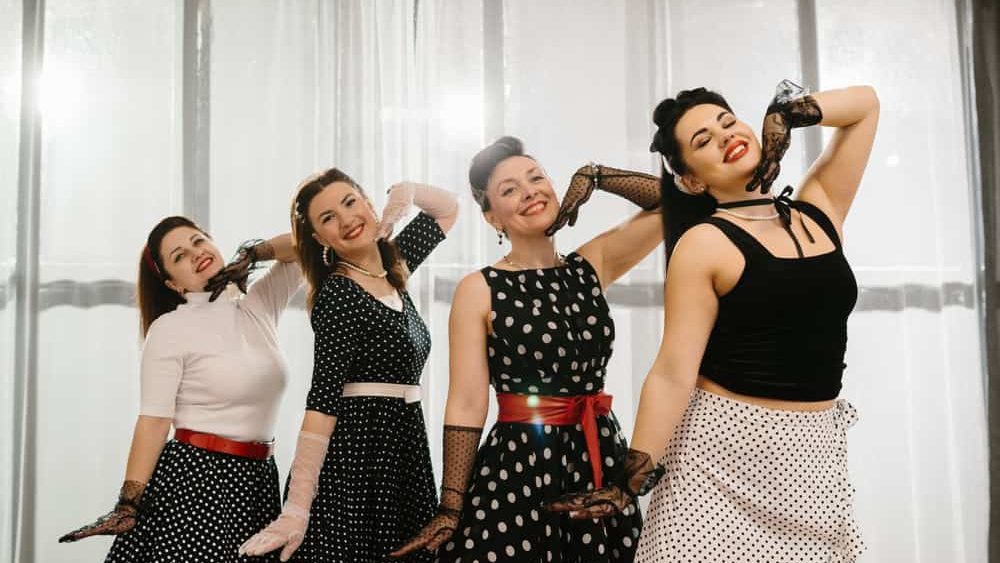
Have a look at a good 1950s dress, and you might notice something about the waist. It’s not just somewhere in the middle. No, waists did real work in the outfits during this time, and the seams would usually curve toward them. The belts sat exactly where they were meant to, while the skirts themselves helped make the whole shape look intentional.
It’s all thanks to fashion houses like Dior and the postwar influence it had on fashion. They created outfits that had a narrow middle with more volume below. It was the same with simpler day dresses, too, and this kind of style made the clothes look like they actually fit a person.
The suit had proportions
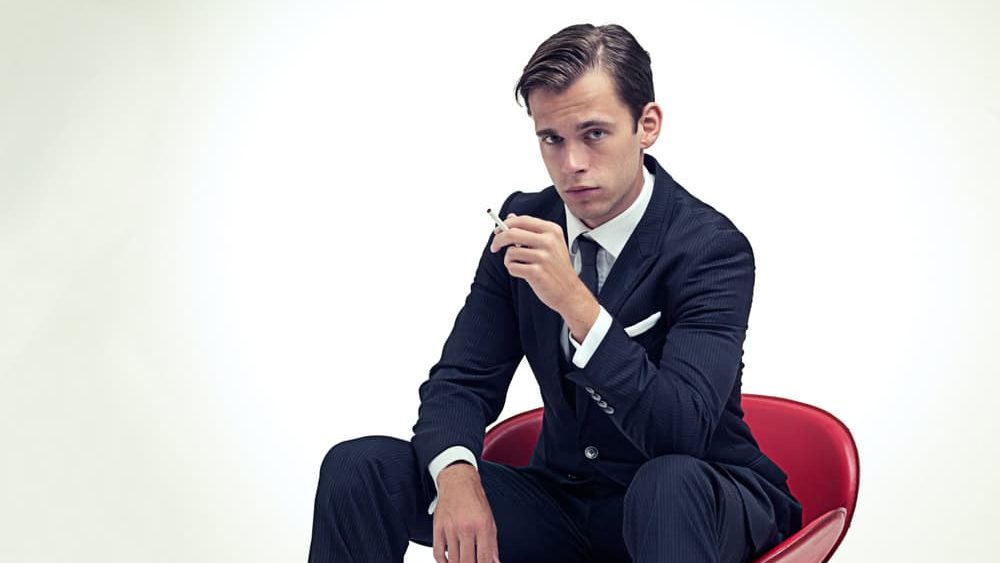
You might think fewer rules are better with fashion, and that’s mostly true. Except when it comes to suits. Men’s suits in the 1950s had rules to follow, and these started with the jackets, which were cut with a clear relationship between shoulder width and lapel size.
The bulky postwar look began easing off during the middle of the decade, leading to more natural-looking shoulders and slimmer trousers. No, men weren’t trying to squeeze into a suit. The goal here was balance, and a jacket that sat correctly changed everything. That’s why suit tailoring shone through so much, even more than men’s suits today.
Knitwear didn’t mean sloppy
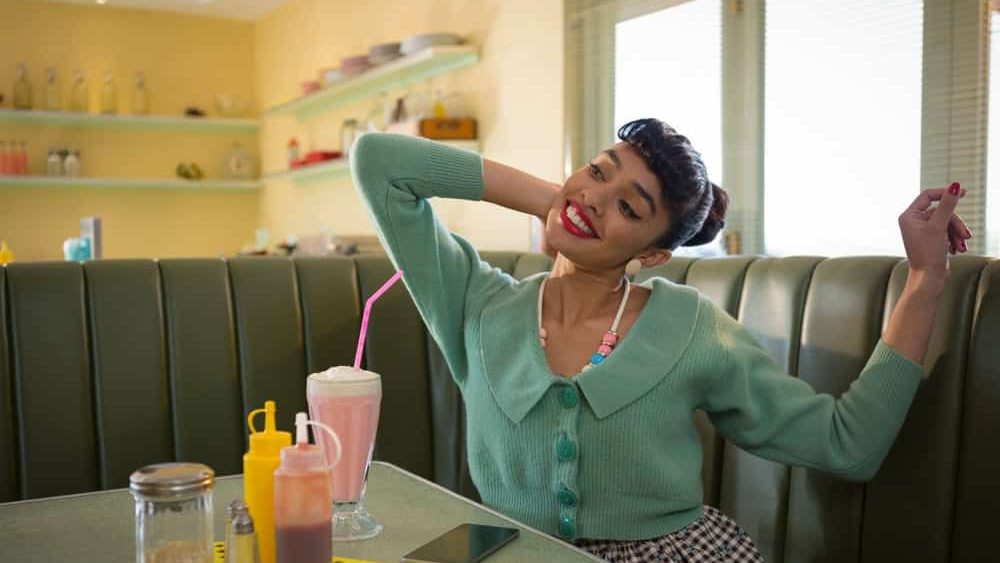
One of the best things about 1950s knitwear was the fact that an ordinary cardigan could still look pretty finished. This was a decade when designers often shaped sweaters through the body, rather than letting them fall straight down.
There were other details that helped, too, like three-quarter sleeves and neat necklines. Women would wear these simple cardigans with practically any other outfit, and it usually worked. The ‘50s had a way of allowing simple cardigans to really tie an outfit together.
The skirt could change everything
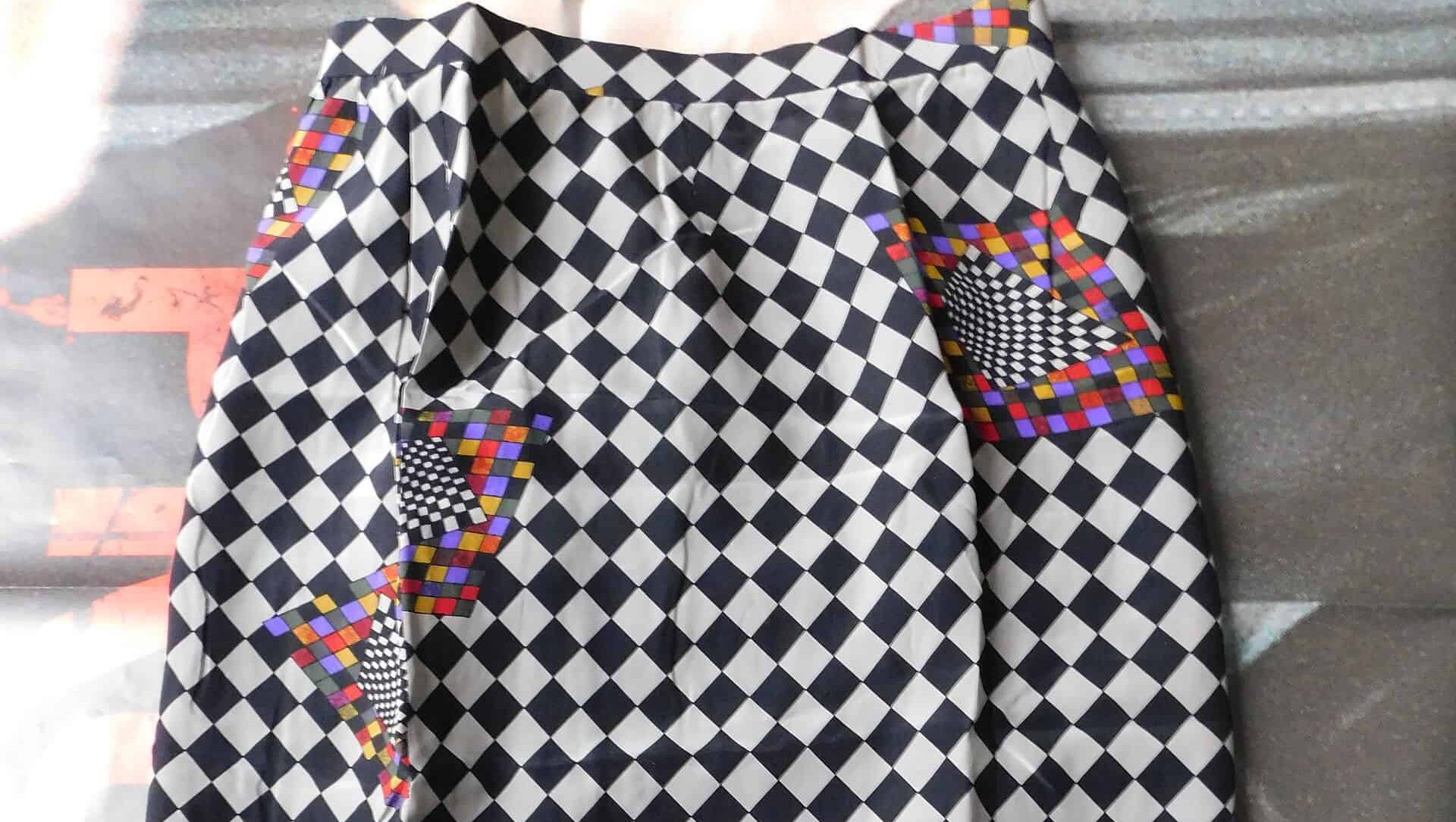
It’s true that huge skirts play a big part in memories of 1950s fashion. But we can’t forget about the pencil skirt. It did something completely different, and it gave women a narrow, controlled line to use with their outfits.
They could use pencil skirts with fitted jackets and blouses, even sweaters. A slim skirt helped women make an outfit look sharp, but without them needing to wear layers of petticoats or much decoration at all. Those clean lines were satisfying in all the best ways, really.
Even school shoes looked considered
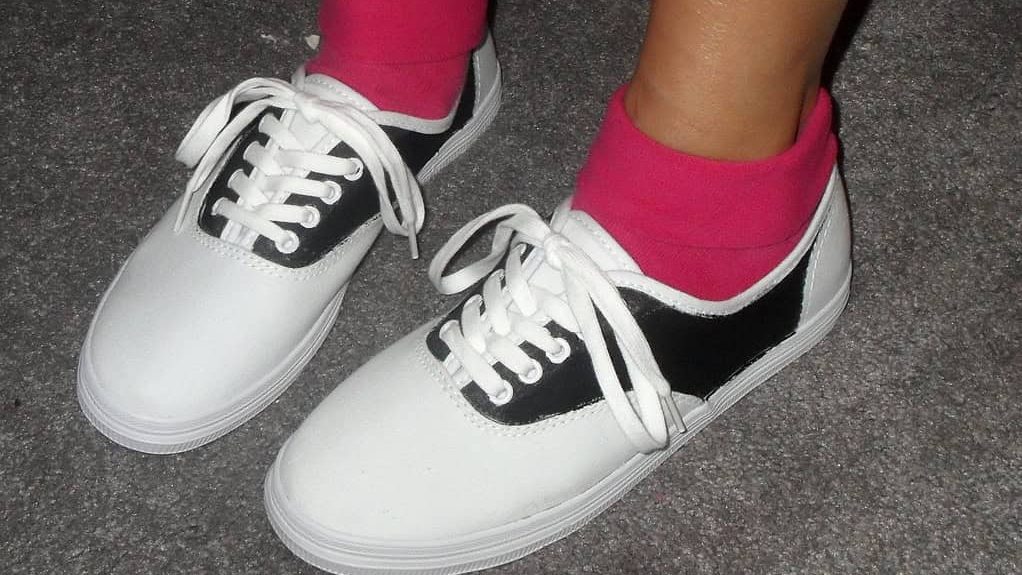
The funny thing about saddle shoes was that, yes, they were casual, but they didn’t look careless. They managed to toe the line between the two. It didn’t matter whether you were wearing a simple skirt or rolled jeans because they looked more put together once those shoes were on.
A lot of teenagers wore them with bobby socks, and the combination soon became recognizable. These weren’t formal shoes pretending to be relaxed. These were shoes made for everyday wear, and they made the most everyday clothes look a lot more formal.
Gowns had engineering inside
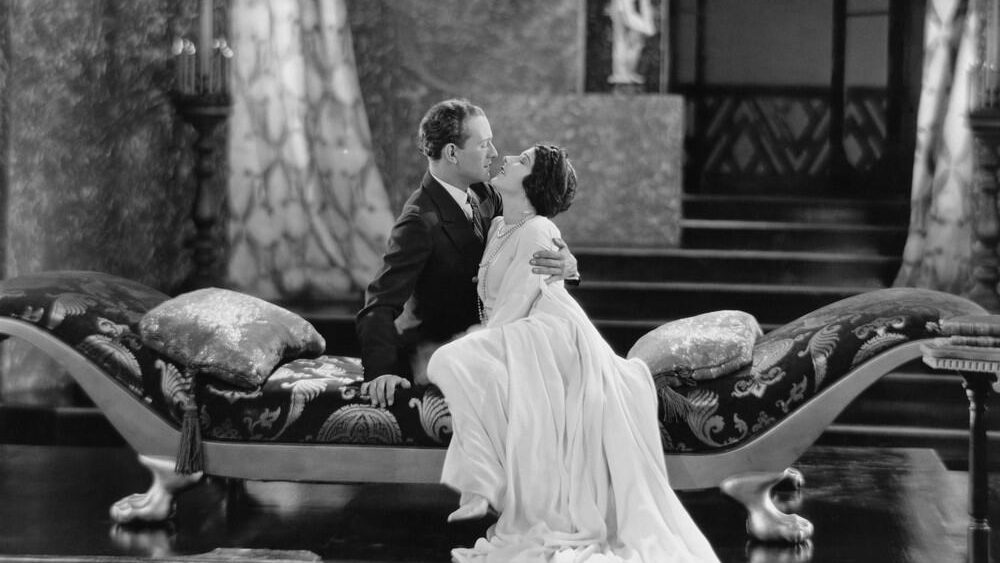
Every decade has had evening gowns. The 1950s ones were something special, though. It’s probably because they were more like engineering projects with satin over the top, as designers built them like real structures.
They used stiff fabrics and hidden structures to keep the shape exactly where they wanted it. Just look at Balenciaga’s balloon hems, for example, or Dior and Chanel’s boned bodices. The designers built a specific shape for the gowns so that the fullness would stay there. These gowns looked composed from every angle, not just pretty from the front.
Vacation clothes had a plan
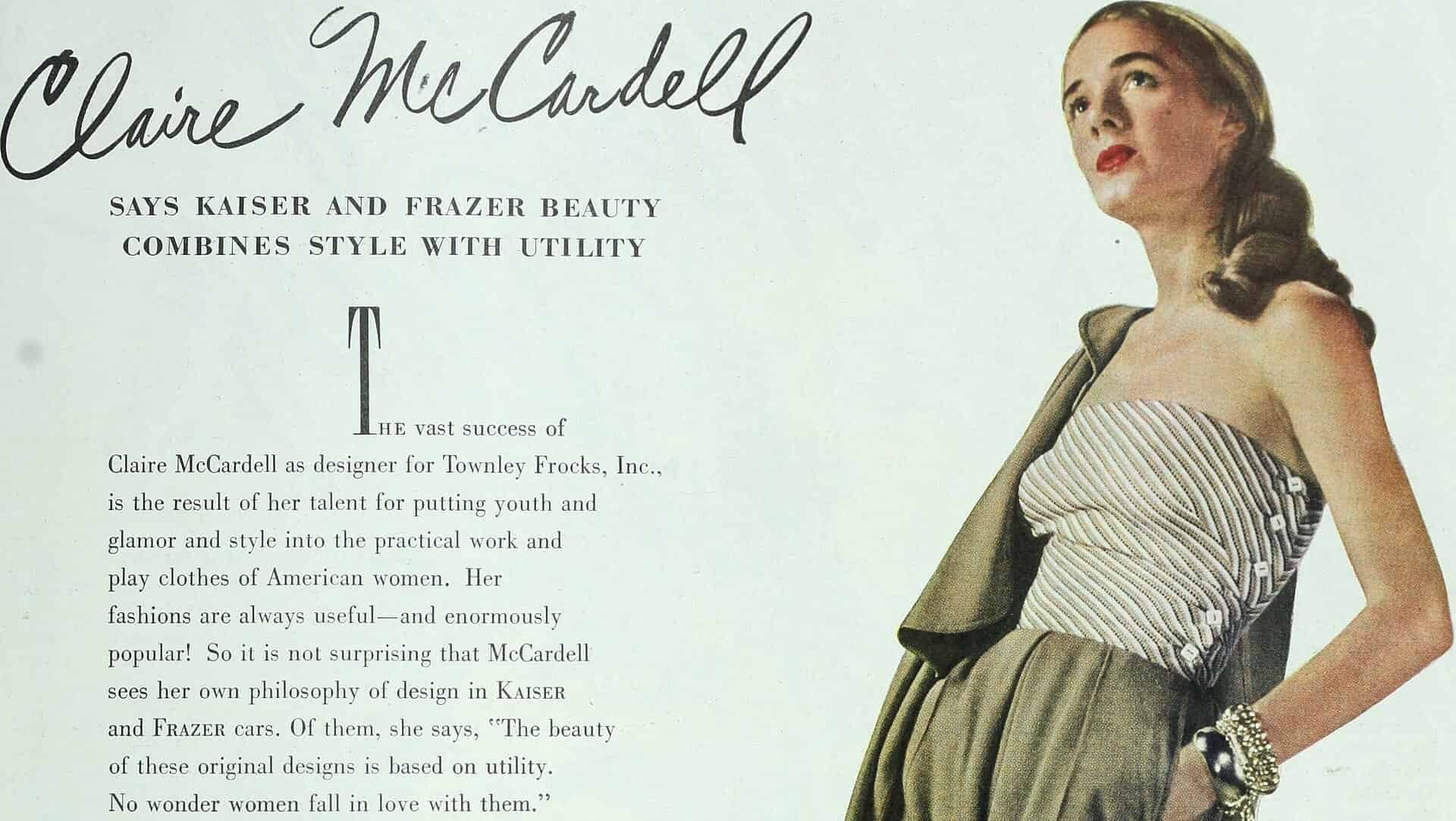
You couldn’t get away with simply wearing summer clothes as resort wear during the 1950s. Designers made coordinated pieces during this decade that were specifically for holidays and leisure. They had lighter fabrics and bold stripes, along with ties and matching separates.
Claire McCardell was one of the best at this kind of thing, as she made practical clothes that definitely didn’t look dull. To put it another way, there was an actual idea behind vacation dressing, and it was a far cry from the clothes people wear today.
Travel started before the suitcase
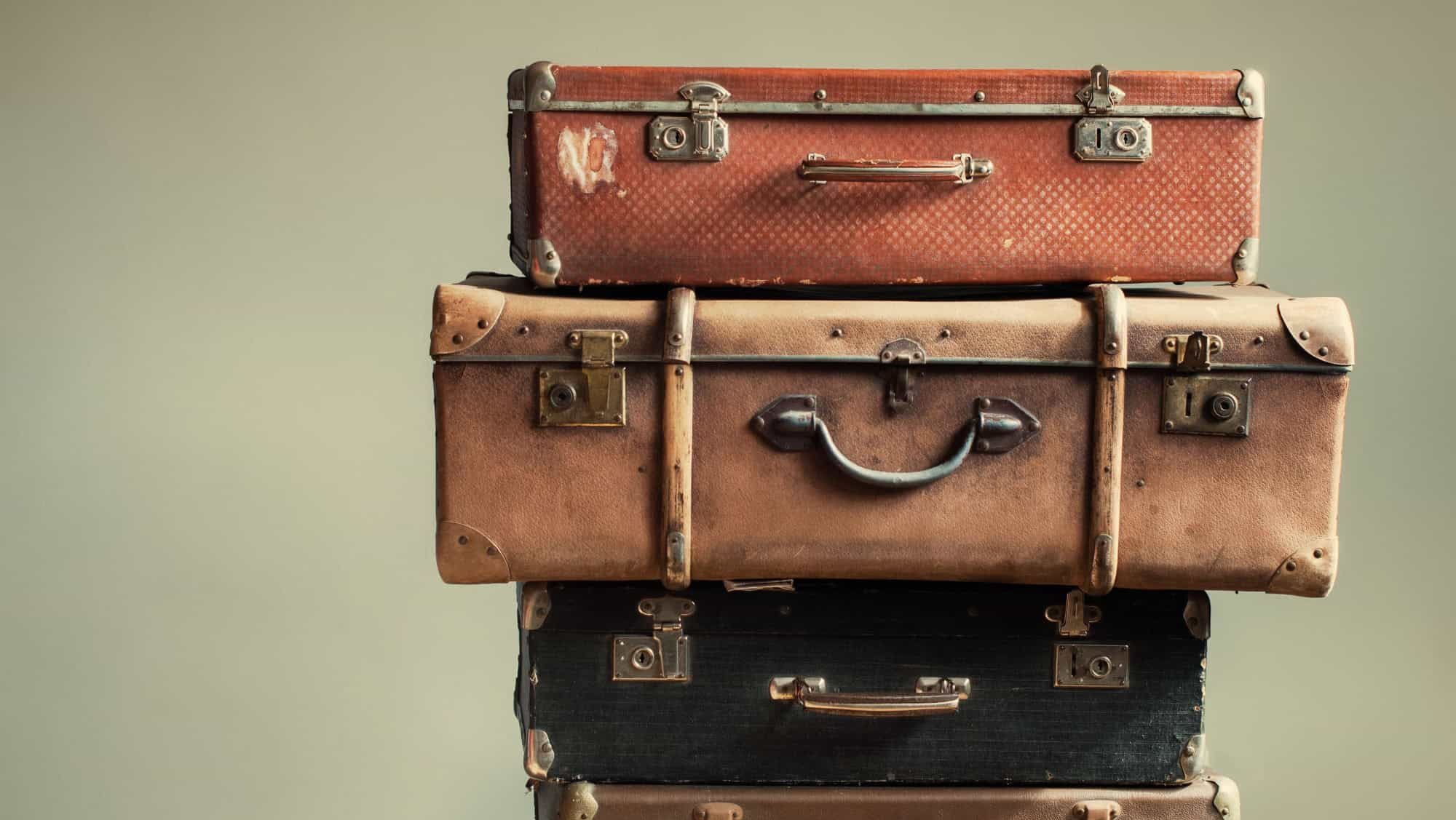
Even before they got to their vacation destination, people would dress for the trip itself. They knew that a train station or airport was still a public place, and they were expected to be seen. So, they would coordinate travel outfits to fit in.
They’d wear a proper coat, skirt suit, gloves, along with a hat, just to look good. It might’ve been a little uncomfortable sitting for hours in those clothes, but still. People back then knew that you didn’t have to start dressing up after you arrived because the trip itself counted, too.
The iron helped make the shape
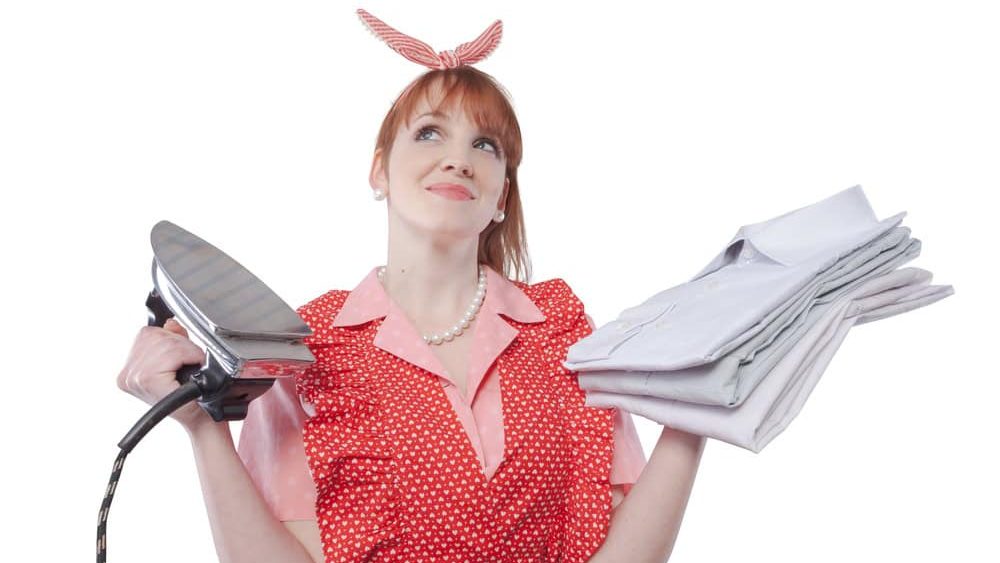
People in the ‘50s didn’t see pressing as anything special. For them, it was an ordinary part of getting dressed properly, and that’s one of the reasons their clothes looked so good. They’d press seams during construction and sharpen pleats.
They’d set trouser creases, too, while also shaping their collars and making hems sit correctly. It says a lot about their approach to fashion. The truth is, they expected clothes to have a shape before they reached the body, and they did everything they could to match those expectations.
Shirt tails were there for a reason

You might notice that most 1950s dress shirts look oddly long off the body, especially at the front and back. There’s a reason for that. Yes, men in that decade were expected to tuck these shirts into tailored trousers, so designers extended the curved tails farther below the waistband.
It was to stop the shirts from working their way out during the day. You wouldn’t really find that today, unfortunately, as most shirts aren’t specifically designed to be tucked in. There’s no expectation that men will look that smart, and that’s a real shame.
Noon wasn’t the same as eight
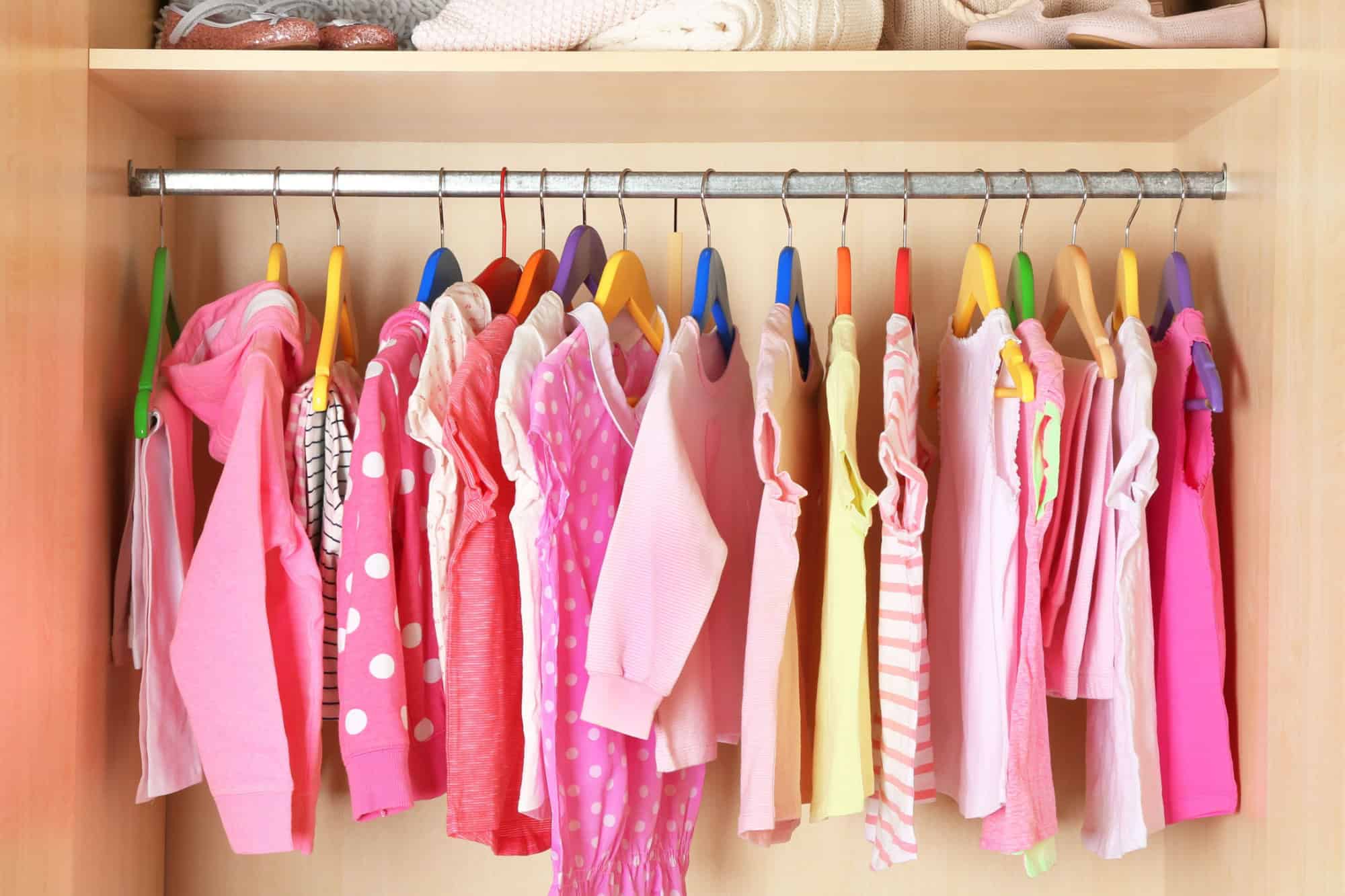
There was no way you could use a single dress for every vaguely fancy occasion. Definitely not. Women in the ‘50s would often have clothes for daytime and afternoon, then different ones for cocktails, dinner, and evening events. You couldn’t swap one for another.
Cocktail dresses, for example, were somewhere between practical daywear and a floor-length evening gown. Designers like Dior produced ensembles that helped you move from one category to another by changing the blouse. It was a lot, yes, but also pretty special.
Sources: Please see here for a complete listing of all sources that were consulted in the preparation of this article.

