
Weird jobs have always existed, but during the 20th century, people earned a living doing things that sound more like dares or punishments these days.
The hat could start with mercury
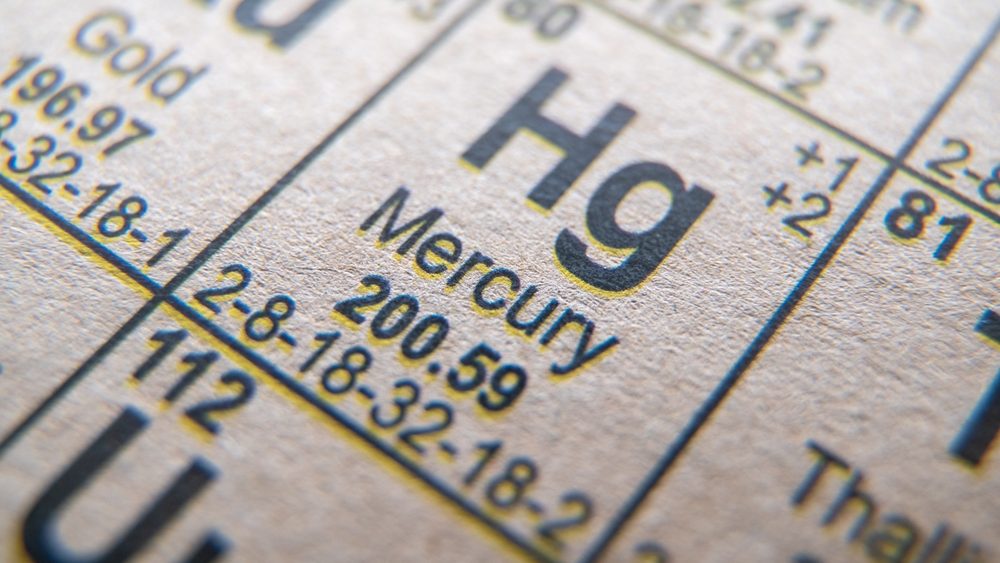
You might not think making a felt hat could be all that dangerous. But it used to be. Workers in the 20th century had to treat animal fur with mercuric nitrate and, yes, it contained mercury. The goal was to mat the fibers together properly and give them a reddish-orange color.
That’s where the name ‘carroting’ came from. The problem was that so much exposure to mercury caused poisoning, leading to issues like tremors and memory trouble. It took until around 1941 for American hatmakers to largely stop carroting.
The act at the edge of the midway

Carnival geeks had the kind of job that doesn’t sound remotely real. But it was. Their act involved entertaining the audience in a very weird way, where they’d bite the heads off live chickens or snakes. Yes, really. They’d often do it several times in one day.
It wasn’t exactly a niche job either, as by the 1920s, geek shows had become a regular feature at many American carnivals and sideshows. The performers themselves didn’t have any unusual talents or anything. No, they were hired specifically for this stunt, and it was as disgusting as it sounds.
Small hands sorted the coal
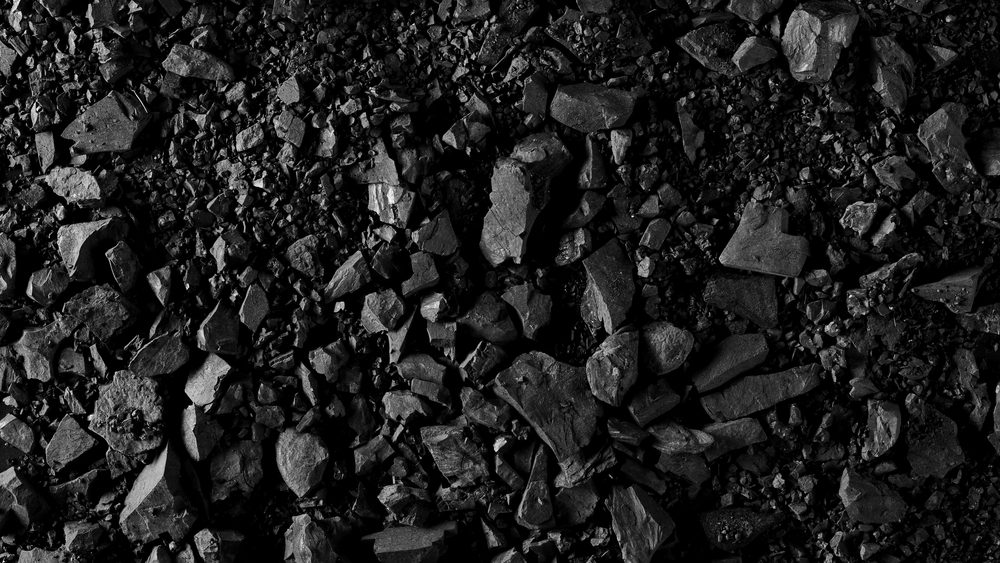
The job of a breaker boy was a lot harsher than it sounds. Most breaker boys were children, and they’d spend their shift sitting over a chute while chunks of coal rushed past their hands. Their goal was to pick slate or rock, as well as other debris, out of the freshly mined coal.
These things had to be taken out of the coal before it was shipped off for sale. The hardest part wasn’t just the rocks, however, as a lot of breaker boys had to work in dusty rooms filled with dangerous machinery. Getting a cut was normal. Getting your fingers caught was even more common, and one bad move could be deadly.
A door in the darkness was the whole shift
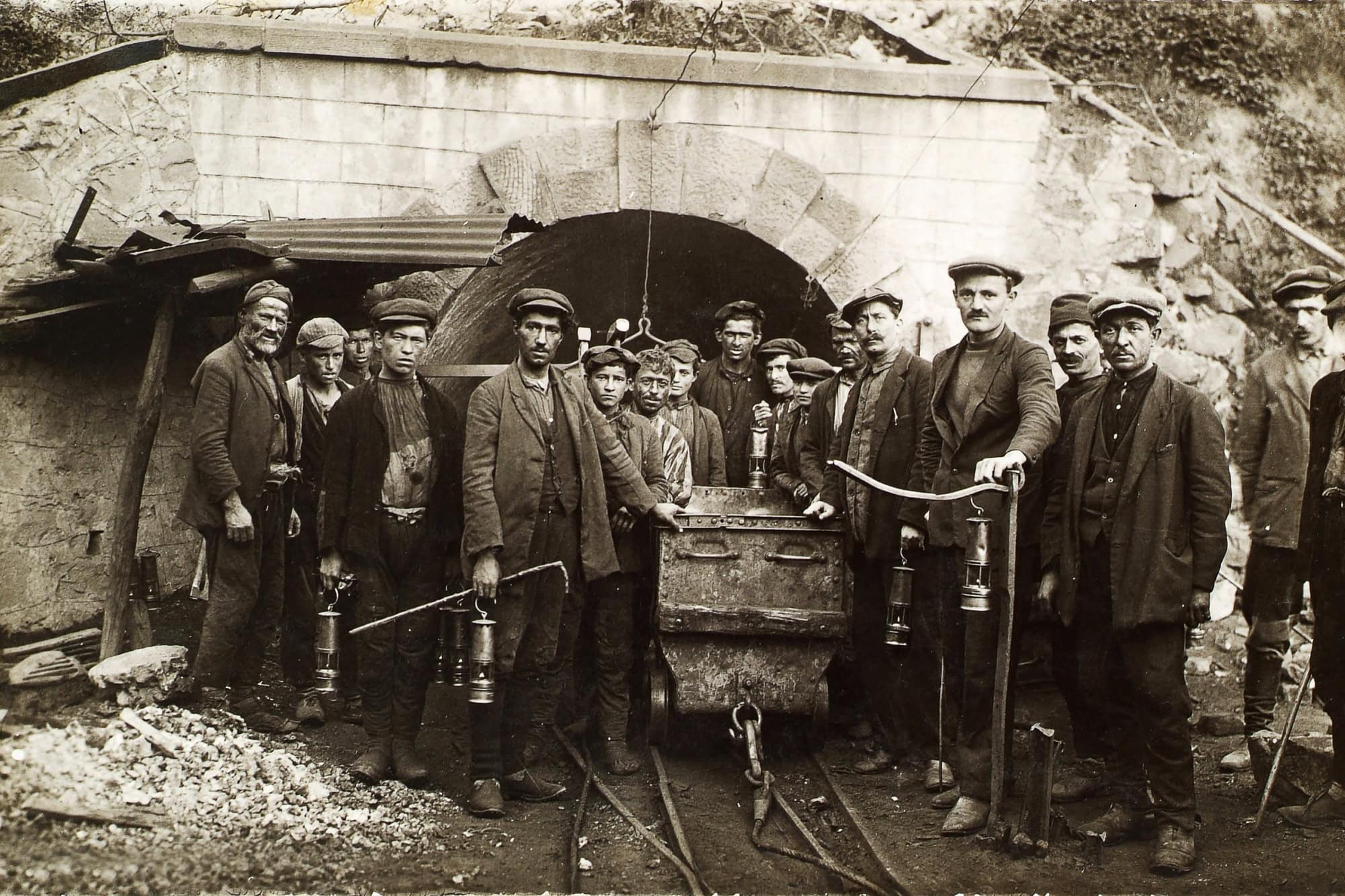
It’s no secret that many children worked underground as miners during the 20th century. But there was another job that was equally as odd, and it was called a ‘trapper boy.’ The job involved opening the door when coal cars approached, then shutting it again to keep the air moving correctly.
Some trapper boys were as young as 15. They would earn approximately 75 cents for a 10-hour day. That’s right, they’d earn less than a dollar for spending nearly half a day in darkness and alone. It doesn’t seem worth it.
Winter supplied the raw material

There was a time before refrigerators became normal, and that was when natural-ice harvesters worked. People had to get ice from somewhere, after all. So crews of these harvesters would go onto frozen lakes and rivers to mark out huge grids. They’d then saw through the surface and haul thick blocks of ice.
It wasn’t exactly an easy job, and workers used things like saws, hooks, tongs, and long metal tools to get the ice out. Losing your fingers to equipment was a major risk, as was falling through the ice.
The factory could change your skin color

There’s no denying that being a TNT shell filler was an important job during World War I. The thing is, though, it came with a strange side effect, as workers could turn yellow. Women working these jobs were repeatedly exposed to TNT.
They were so exposed, in fact, that it stained their skin and hair, leading to the nickname ‘Canary Girls.’ But it gets worse. Excessive TNT exposure was often linked with anemia, as well as liver problems and other illnesses. They also had to, you know, work around explosives all day, so it wasn’t exactly a forgiving workplace.
Production stopped until the children arrived
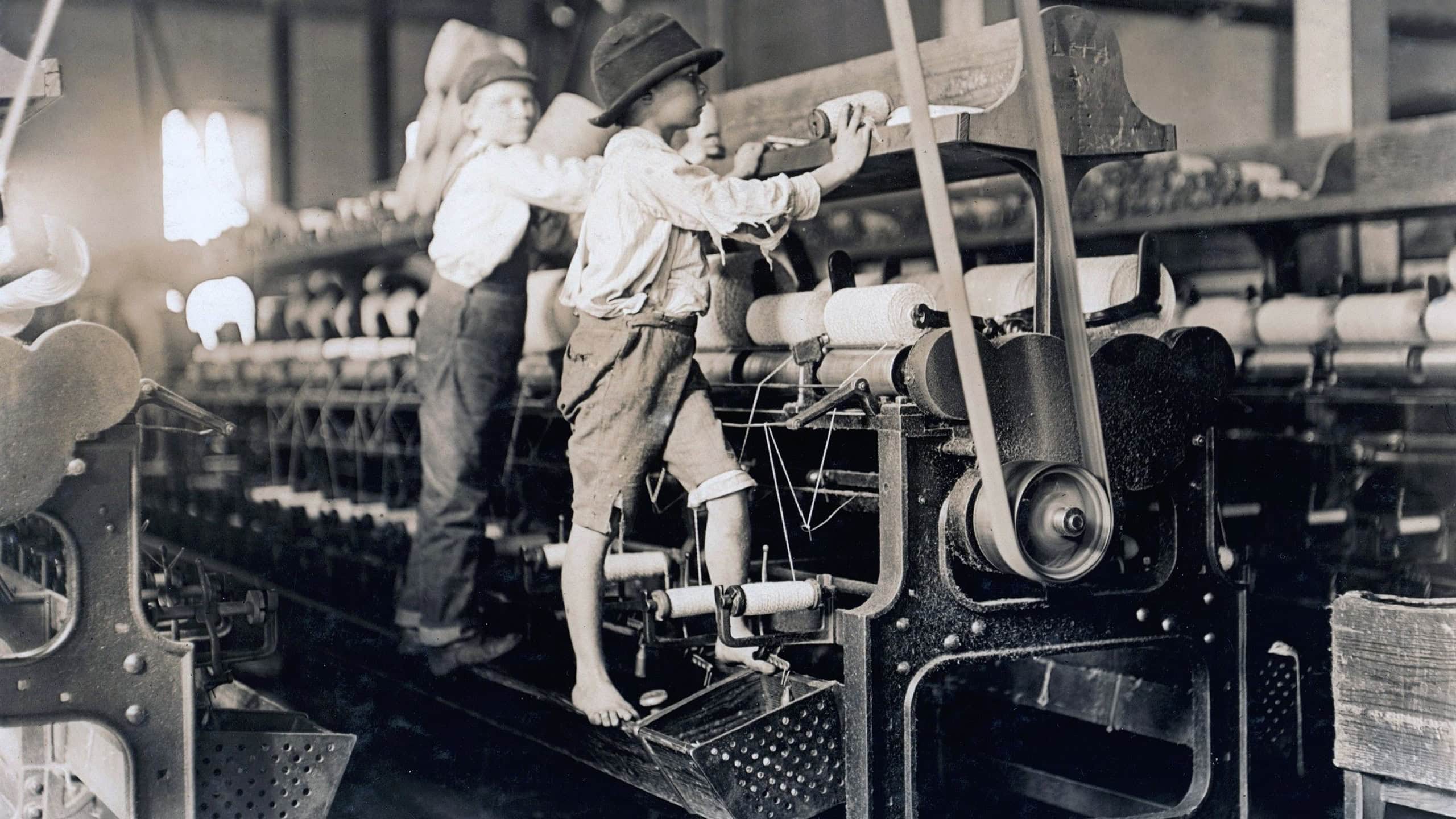
A doffer boy had a job that came in bursts. They worked in manual textile factories, and they’d rush in when a bobbin filled with thread. The doffers had to pull the full ones off and replace them with empty bobbins to get the machines moving again. Most doffers were children.
That was because kids could move very quickly through the crowded rows, so there was very little holdup between bobbin fillings. A doffer often spent around 15 minutes every hour changing bobbins. They’d then wait for the next round.
Someone waited behind every bowling lane

It’s funny how much something like bowling has changed. During the 20th century, the game required an actual person to crouch behind the pins, and they were called pin boys. These workers collected fallen pins and reset all ten by hand. They’d roll the bowling balls back, too.
Some pin boys would work as late as 1 a.m. because, well, people were bowling until that late. It took until the 1940s for things to change. That was when automatic pinsetters finally began taking over, and the pin boy was no longer needed.
Fireproofing came out of a hose
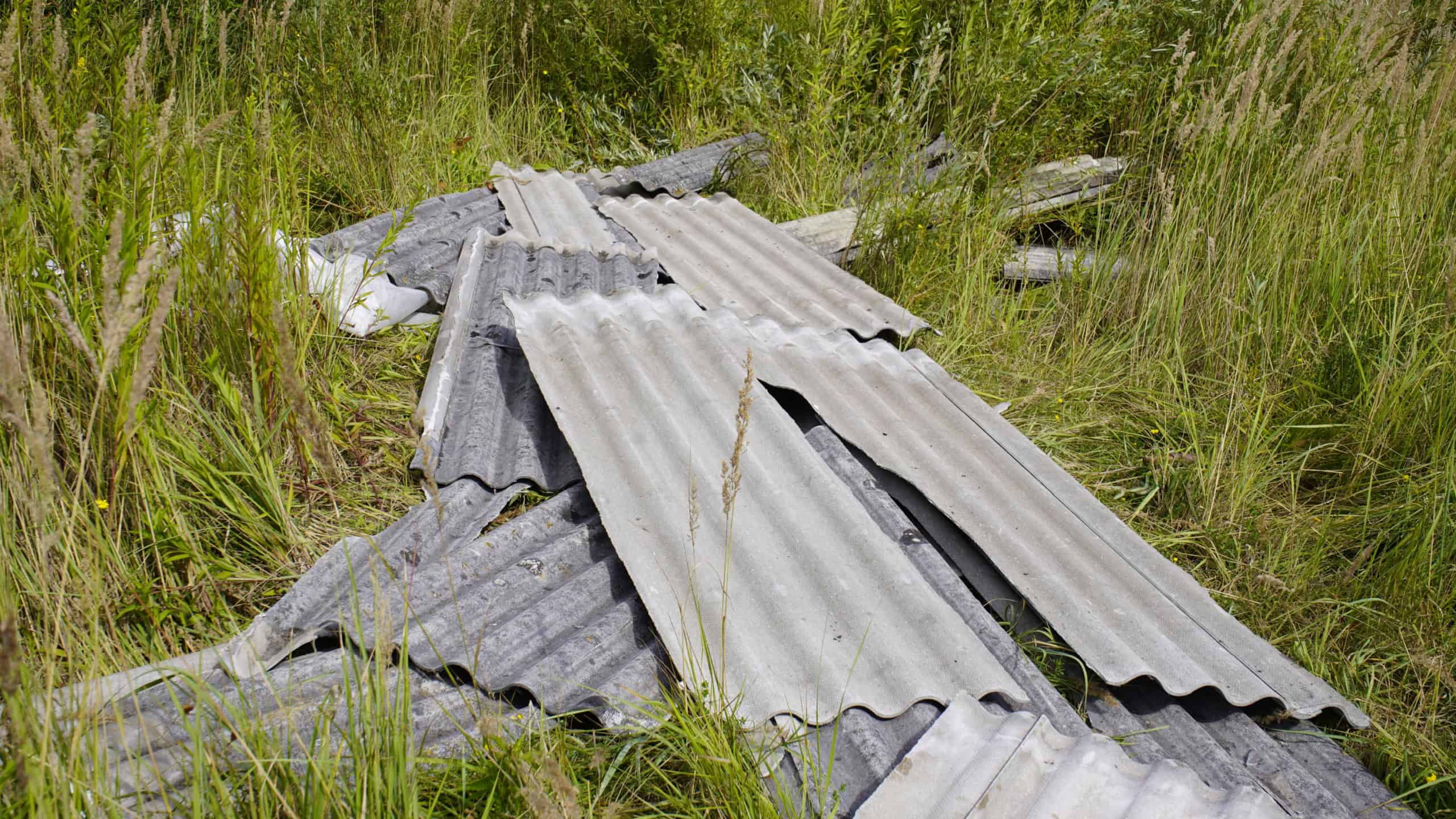
One way to fireproof a building was to blast asbestos-containing material all over it. At least, that’s how it was in the past. Workers would mix the material and use hoses to spray the deadly material all over walls, ceilings, beams, and structural steel. They did it until everything was coated.
As you can probably guess, however, spraying asbestos meant releasing large amounts of asbestos fibers into the air. These fibers were right where the applicators were standing. It wasn’t until 1973 that the EPA banned spray-applied asbestos material used for fireproofing and insulation, but by that time, it was too late.
Every song came with a price

You might think taxi dancers drove taxis. They didn’t. No, these women would dance with strangers for money, one song at a time, and they were popular workers in many dance halls during the 1920s and 1930s. Men would buy tickets for around 10 cents and get to dance with the taxi dancers.
The dancers often kept about half the ticket price, so it wasn’t too bad of a gig. But to really make money, you had to get picked again and again through the night. It was definitely tiring, that’s for sure.
Sitting still became paid entertainment

Alvin ‘Shipwreck’ Kelly was someone who, essentially, got paid for doing nothing, although he had to do it very high above the ground. He was known as a ‘professional flagpole sitter.’ The job was exactly what it sounds. Publicity performers like Kelly were paid to sit for days or weeks on tiny platforms on flagpoles.
Kelly spent around 49 days during one event, and reports said he could sometimes earn as much as $1,000 a week. All of that, just for sitting on a flagpole. It sounds like a pretty good deal.
The telegram was only part of the job
Being a night messenger might not sound all that bad, and sure, sometimes it wasn’t. But for many teenage boys during the 1900s, the job involved a lot more than simply carrying telegrams across town. A lot of them were sent into red-light districts and brothels to pass along messages.
It gets worse, though. Some of the boys had to illegally buy liquor and drugs such as opium or co***ne for customers. It was a very dangerous job that fell to some of the youngest members of society.
Shoe shopping came with X-rays
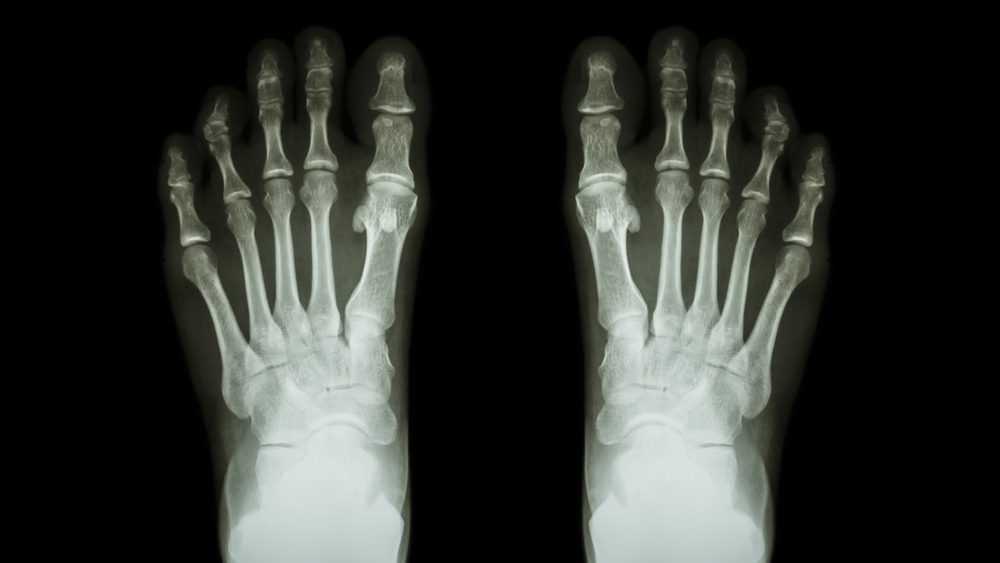
Working in a shoe store should be fairly harmless. That is, unless you were a shoe-store fluoroscope operator, then it became way more dangerous. Customers would often have their feet X-rayed in the middle of the store, using something called shoe-fitting fluoroscopes. These were pretty popular from the 1920s.
They helped the staff to look at the customer’s bones, and the employees would often put their own hands into the beam as they helped with the customer’s feet. It doesn’t take a genius to work out how dangerous that ended up being. In one case, an American saleswoman developed dermatitis on her hands because of the X-ray exposure. It was that bad.
A shoe shine could come with a debt

A shoeshine job might look pretty simple from the sidewalk, and it was, most of the time. But some immigrant boys were known as bootblacks instead of shoeshiners. The difference was that they were tied to a padrone, an adult labor boss who arranged travel, housing, and work.
Bootblacks would have to work as shoeshiners to pay off their debt to their padrones. In some cases, the boss paid for the boy’s trip from Greece first, and then kept control of his earnings. It doesn’t get much sketchier than that, really.
Sources: Please see here for a complete listing of all sources that were consulted in the preparation of this article.
13 people who look exactly like their jobs

Every so often, there are people with a certain face or haircut, maybe just a vibe, that makes their job feel weirdly obvious.

