

It’s weird to think about how much life has changed, as a hundred years ago, you’d be judged for doing things that seem absolutely ordinary today.
Lipstick leaves the dressing table
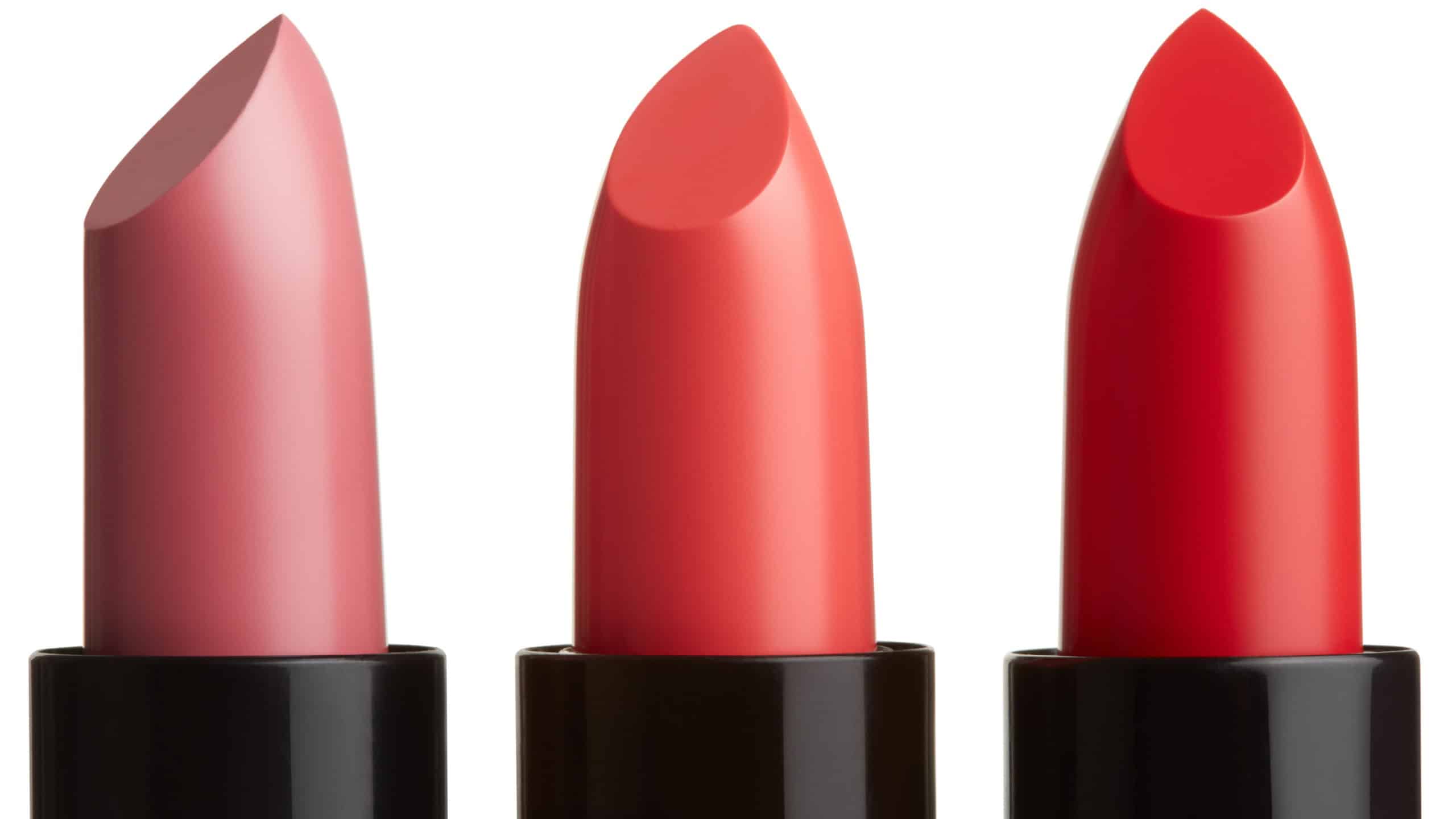
Red has never been the subtlest shade of lipstick, and it certainly wasn’t one in the 1920s. People viewed such obvious makeup as being something only actresses and women who weren’t respectable wore.
Things started changing when younger women started wearing bold lipstick out in public. They often wore it with a sharply outlined Cupid’s bow that soon became fashionable. By the time that lipstick tubes had also become easier to carry around, red became something for every woman.
The haircut could cause trouble

The idea of losing your job over a haircut sounds ridiculous, but it really did happen. Bobbed hair was very fashionable during the 1920s, although it didn’t exactly have a positive reputation. People associated short hair on women with flappers and less traditional forms of womanhood.
Women could get fired for having their hair cut in a bob because it was that serious. Society has associated long hair with femininity for generations. So, to some people, cutting it off felt like a woman was rejecting social norms altogether.
Pants crossed a clothing line

Let’s get one thing straight, pants did exist in women’s wardrobes in the 1920s. The difference is that they were supposed to have a reason for wearing them. For example, it was fine for a woman to wear pants when riding a horse, and maybe for certain kinds of work.
She definitely couldn’t walk casually around town in trousers, however. There was a fear that wearing pants would somehow make women too masculine, so it was seen as scandalous for a woman to even consider putting them on.
The driver’s seat wasn’t neutral

There were a few reasons why people disliked women drivers back then. For one, critics believed women were too nervous or too weak to sit behind the wheel of a car. Driving was also seen as a masculine skill. That didn’t exactly help the matter.
But really, the main issue was freedom, as a woman who could drive a car didn’t necessarily need the male figures in her life to take her somewhere. She could simply leave when she wanted to. That level of freedom was too outrageous for a woman back then.
There had to be space between dancers
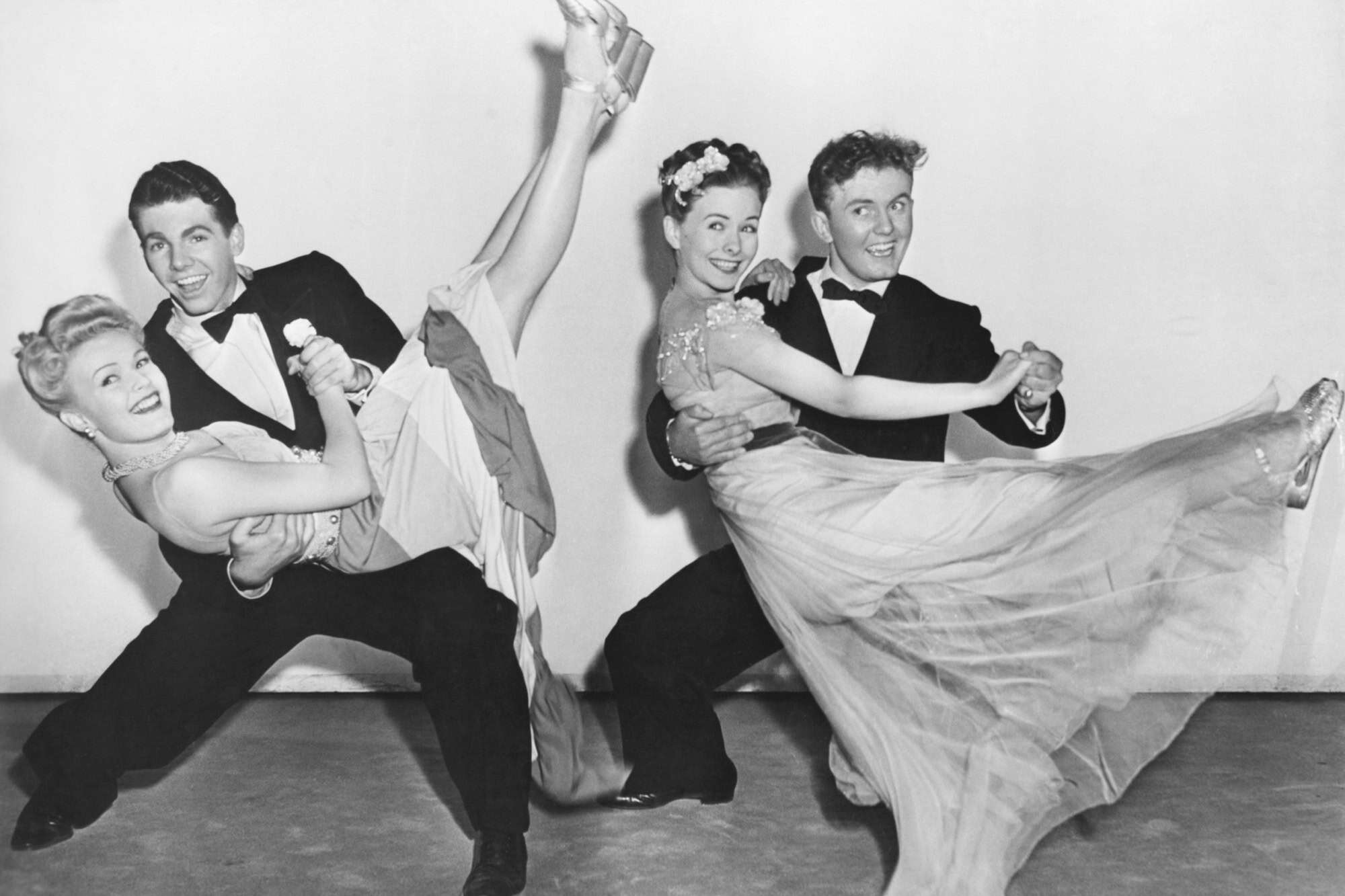
A dance hall is the last kind of place you’d expect to have rules about dancing, but it turns out that they existed. Take the dance halls in Chicago, for example. These places had rules declaring that partners had to have a certain amount of distance between them.
The dancers also weren’t allowed to let their faces touch. Yes, the simple act of dancing close to another person was seen as morally wrong, and the new dances of the time only made things worse. There were even floor supervisors ready to step in if things got too intimate.
A date could lose its escort

Dating was a whole different ball game during the 1920s. Courtship tended to take place at home when the couple was in range of their relatives. They could keep an eye on the two. There was still a chance for people to date outside of the house, of course.
But social rules said they had to have a chaperone with them, and the idea of going on a date without one was gossip-worthy. It was just unimaginable to think of two people having a date with some privacy.
A kiss came with expectations

Kissing someone you weren’t married to, or planning to marry, was a big no-no back then. The customs of the time said that physical affection was something that could only emerge during the later part of a relationship. It definitely wasn’t something for the start.
Things did change towards the end of the 1920s, however, as young people began talking about ‘necking’ and ‘petting.’ Newspapers wrote about the whole thing. They wrote scandalous stories of ‘petting parties’ where couples kissed and cuddled without any engagement in sight. What horror.
Gum belonged behind closed doors

You’d think that chewing gum is something completely harmless. Manners guides from the 1920s saw things differently. One 1922 American etiquette guide actually talked about gum chewing as an ‘unrefined habit’ and said that anyone who ‘had’ to do it should do it at home.
The idea of chewing gum in public was obscene, apparently, and it was even worse when someone did it while walking down the street. You were supposed to be tidy and not particularly noticeable in public. Chewing gum broke that image of peacefulness.
Breakfast didn’t belong on the trolley

Even the way you ate could be a scandal. A lot of etiquette advice from the period specifically warned readers not to eat on streetcars or to eat while walking outside. Apparently, the street isn’t your dining room.
The real point here was about composure, as people one hundred years ago really enforced this idea, more so than they do today. You weren’t supposed to be too messy or noticeable around strangers. That includes grabbing a bite during the commute.
The swimming rules followed you into the water

There were quite a few rules about the beach during the 1920s, especially in terms of gender. It was shameful if a man and woman dared to swim near each other, even though it inevitably happened sometimes. Women were told not to swim with men they hadn’t properly met.
The authorities were quite strict on what swimmers wore, too. Officials in Washington, D.C., required women’s bathing suits to extend to within six inches of the knee, and they’d happily fine anyone who broke those rules.
A bare chest could bring the police

It’s not like men had it much easier, though. Nobody bats an eyelid today when a man takes his top off at the beach, but back in the 1920s, removing the top half of a bathing suit wasn’t socially acceptable. There were some American resorts that would arrest a man for doing it.
Male swimsuits were meant to cover a man’s chest, and the controversy of swimming bare-chested continued well into the 1930s. Dozens of men were actually arrested in Atlantic City during a shirtless swimming protest in 1935. You’d never get that today.
The pool table had a reputation

Billiards itself wasn’t always a problem in the past. No, it was what people thought was happening around the table that became a real issue. Pool halls had a reputation for gambling and drinking. They also gave young men somewhere to spend unsupervised time.
All of that was utterly outrageous in the past, and it got to the point where Georgia passed rules in 1925 covering these ‘immoral’ places. They had tight regulations on minors, gambling, and liquor. Some communities even tried to shut halls down altogether.
The back row had a reputation

The back row of a movie theater had quite the reputation during the 1920s, and everyone knew why. That was the place where dating couples could hide in the dark and kiss, without any parents nearby.
That’s why, back then, the idea of sitting on the back row of a movie theater was something obscene. People automatically assumed that you were up to no good. It didn’t matter that you might just feel like sitting in the back because being there was bad enough.
A tan wasn’t always desirable

People in the 1920s did their best to avoid getting a tan accidentally, let alone getting one on purpose. Many white Americans saw pale skin in a positive way, as it suggested you didn’t have to spend time working outside. You were rich enough to be indoors.
Darker skin, though, meant you were an outdoor laborer, and people in the upper classes saw that as being beneath them. Things have changed a lot now. These days, people connect tanned skin with having enough money to travel the world, so it’s a very big change.
Lighting up could break a social rule

Double standards were way too normal in the 1920s, and smoking was one of the best examples. Plenty of men could smoke in public without attracting much attention, or any attention at all. For a woman to do it, well, that was improper.
Women could sometimes smoke indoors because there was nobody else to see them. But a woman walking down the street with a cigarette would leave a bad impression. It just wasn’t something women were supposed to do.
Sources: Please see here for a complete listing of all sources that were consulted in the preparation of this article.
Totally normal 15 things from 100 years ago that would get you canceled today

If you traveled back in time 100 years, normal life consisted of many activities most people would find indefensible these days.
Totally normal 15 things from 100 years ago that would get you canceled today

