

Long ago, when our grandparents were younger, scientists knew far less about chemicals and drugs. Walk into any corner store back then and you could buy products we now consider to be poisonous, although they used to be considered useful household staples.
Thankfully, times have changed and science has finally caught up with all of the craziness.
Read on to learn about 10 products that went from can’t-live-without to absolutely-banned after we discovered what they were really doing to our bodies and the earth.
Radium‑infused health tonic (Radithor and radium water)
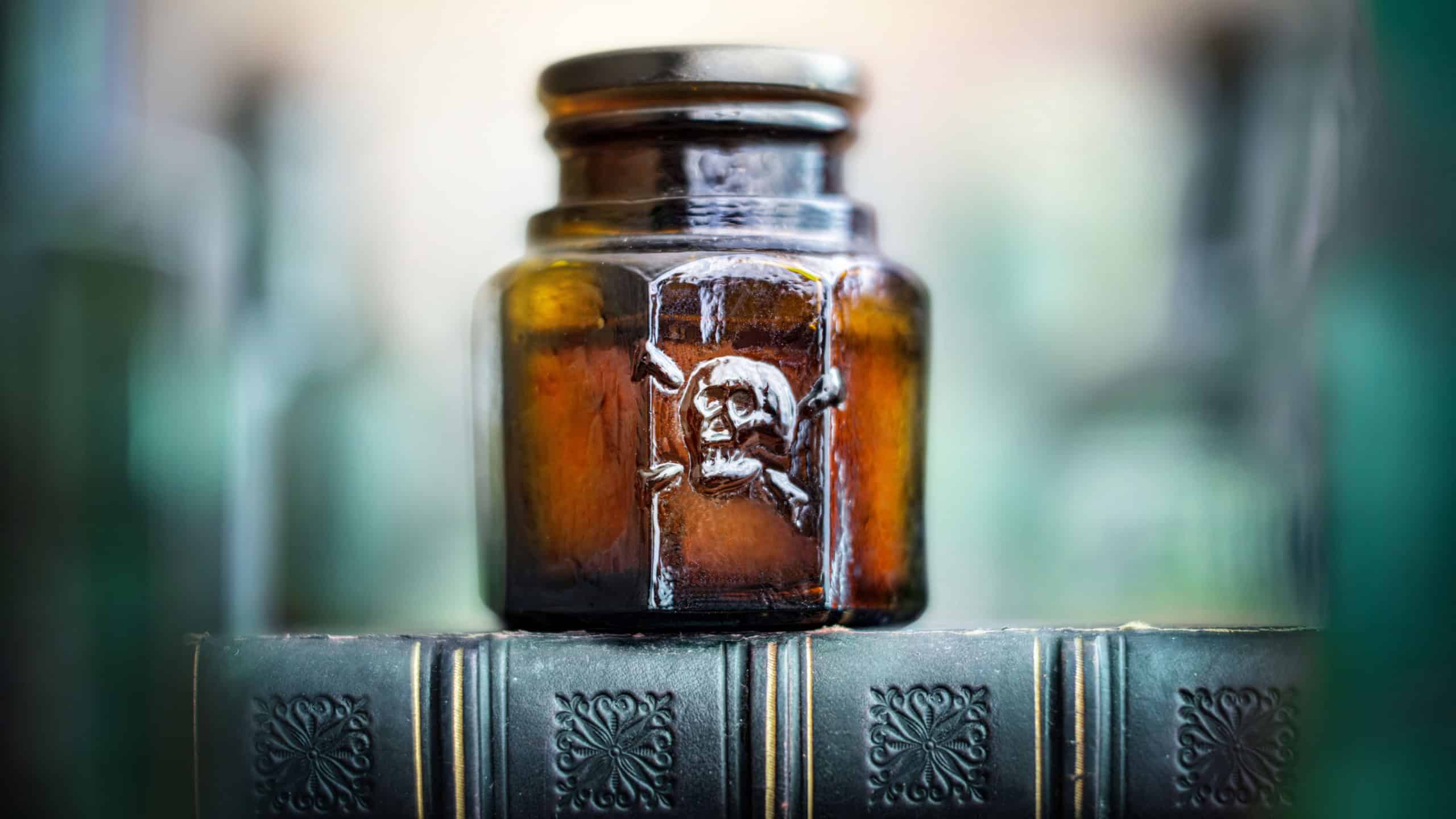
When radium first started becoming popular in the early 1900s, it wasn’t regulated like a dangerous toxin. It was treated like some kind of magical “superfood.”
Influencers and athletes alike competed to get their hands on products containing radium during this time period. People actually believed advertising slogans telling them it was a “liquid sunshine” that could help treat ailments ranging from tiredness to lifelong sickness.
The most well-known victim of radium poisoning was Eben Byers, a wealthy industrialist who consumed dozens of bottles of Radithor. Eventually, his bone structure couldn’t handle the damage and his jaw fell off.
It took incidents like these for the government to regulate radium by passing the Federal Food, Drug, and Cosmetic Act in 1938, which removed all radium-based products from store shelves.
Thalidomide morning sickness tablets

In the early 1960s, thalidomide was marketed in dozens of countries as a treatment for morning sickness. Marketed as a harmless sedative, thalidomide led families to expect it would provide relief, but instead gave rise to thousands of deformed newborns.
The ban on pregnant women’s use of the drug caused international outrage. The implementation of tougher drug testing and approval procedures by governments ensured that medicines would become safe for consumer use.
DDT spray insecticide
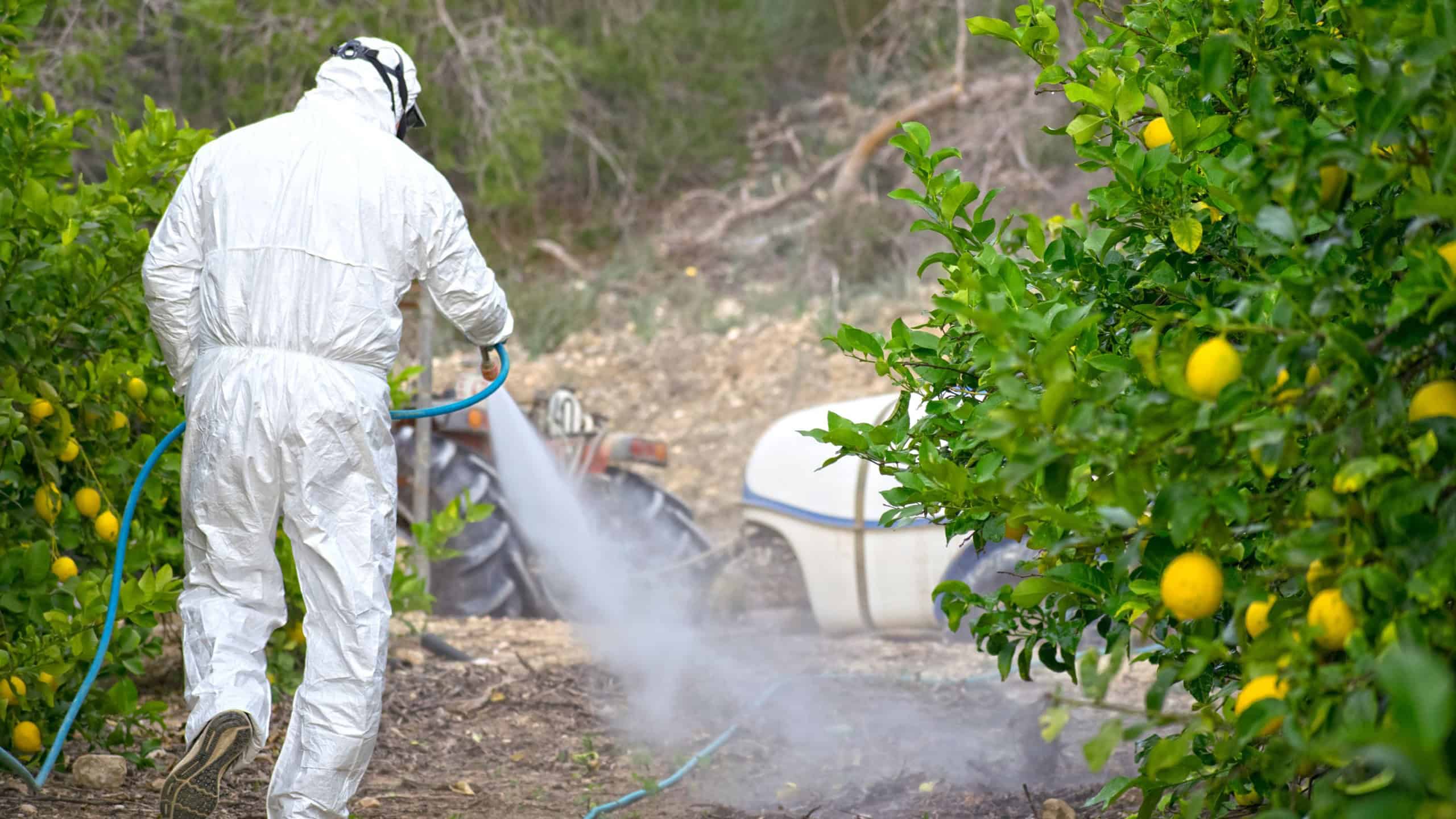
Seeing footage of people showering themselves with DDT back in the day blows my mind. At that time, everyone thought it was a miracle product that was making life safer by eradicating mosquitoes and farm pests.
People were unaware during that time how enduring this chemical was. It remained in the soil and transferred into water bodies while building up in animal tissues.
When bald eagle populations began plummeting due to eggs that couldn’t hatch, scientists knew something was terribly wrong. Environmental damages like that led to banning this chemical in the US in 1972.
Worldwide treaties are now in place to help prevent it from polluting our planet.
Lead paint
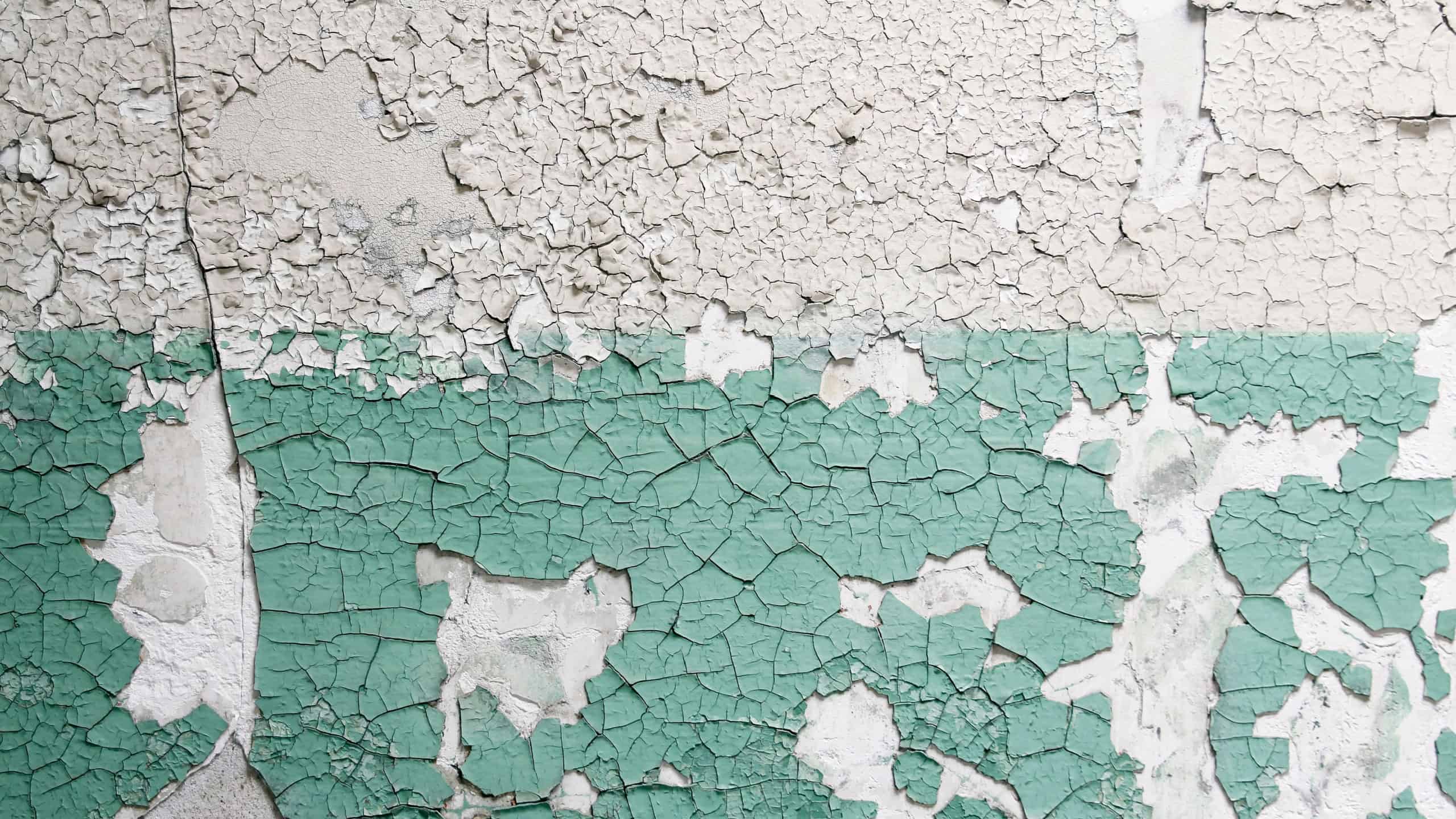
Can you imagine that lead paint was once considered top of the line? Our grandparents cherished it because it lasted so long and didn’t fade.
What they didn’t know was that when it cracked and turned to dust it was releasing a neurotoxin.
It took the government until 1977 to figure out that an entire generation of children were at risk of irreversible brain damage from sleeping in their bedrooms.
Asbestos
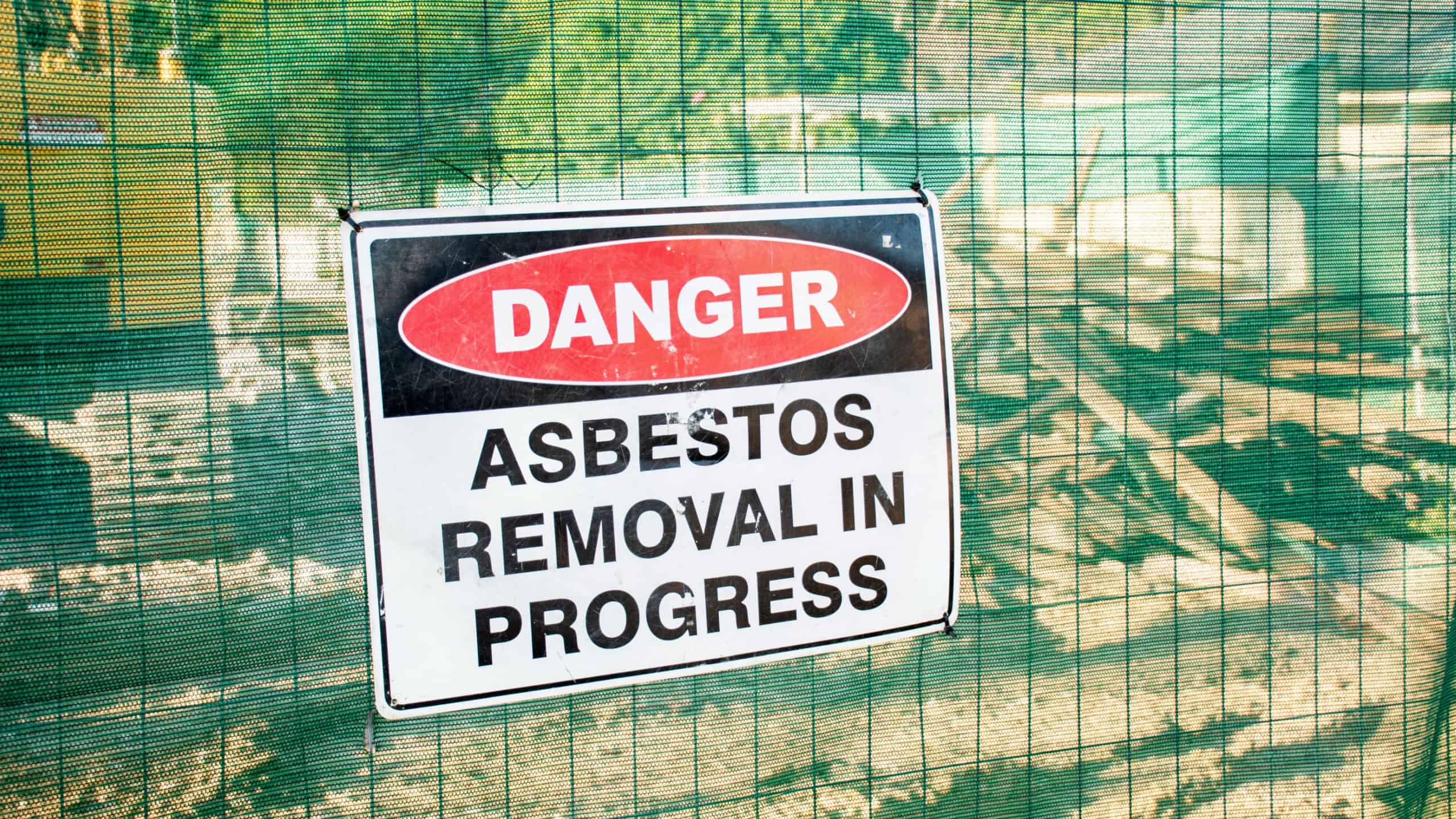
For decades, asbestos was the wonder building material that would help make America fireproof. Asbestos was used practically everywhere.
From floor tiles to pipes, insulation on attic walls to ventilation ducts. To architects and engineers, asbestos was a beautiful mineral two times stronger than steel and completely fireproof.
But the families who lived with asbestos faced a situation that threatened their health. Asbestos kills, and the sad thing is that you don’t see it kill.
A worker can come home covered in asbestos dust. Unknowingly, he might bring asbestos fibers, shaped like needles, into his living room. After 30 years, those fibers would cause him breathing difficulties. People didn’t know what they were dealing with until the late 70’s when the truth came out.
Heroin cough syrup

Medicine used to be scary too. Back in the early 1900s you could purchase Heroin Cough Syrup off the drugstore shelf.
Bayer advertised it as non-addictive and perfectly safe for calming a child’s cough. Obviously, it resulted in a huge addiction epidemic and was made illegal for medicinal use in the US in 1924.
Laudanum sleep syrup
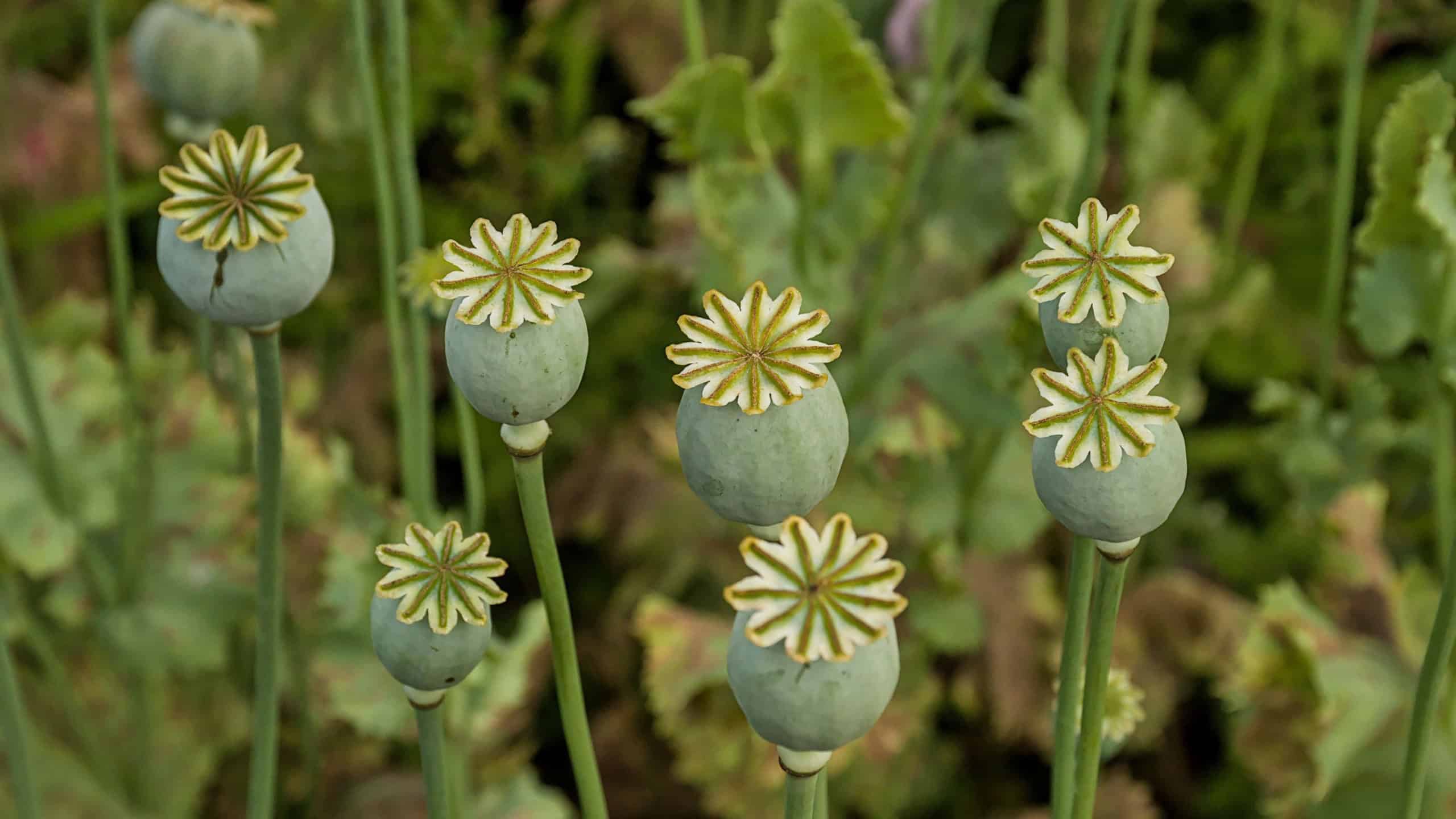
The 19th century version of the “miracle drug” was laudanum. You could find it in almost every household cupboard. Everyone from doctors to housewives used this inexpensive alcohol/opium mixture as a cure-all for everything from teething pain to nervousness.
The most dangerous application of laudanum occurred when it was mixed into “baby calming syrups”. Tired parents wanting to soothe their fretful infants would unknowingly medicate their babies with this potent drug, which could cause addiction or death by simply stopping a child’s breathing.
In the United States, laudanum was never completely banned. It was taken off the shelves by two historic laws.
First came the 1906 Pure Food and Drug Act, which made companies expose customers to the fact that it was in their “soothing syrups”. Then, in 1914, the Harrison Act required a doctor’s prescription to purchase it legally.
It went from a miracle drug you could buy at the grocery store to being locked up in a pharmacy vault, where it still is today.
Thorium gas lantern mantles

Thorium was first used starting in 1884 as an undisclosed component that produced the brightest white light in camping lanterns.
The reason thorium (radioactive) was used was due to the material’s efficacy in converting heat to light when soaked into mesh mantles. The “magic” had consequences, however.
The mantles would slowly disintegrate into fine radioactive dust as they aged and became brittle with use. The fine radioactive dust from the lantern mantles could be breathed in by family members during the lanterns’ cleaning or maintenance activities.
The health risks associated with radioactive thorium led most vendors to drop its use during the 1990s as they began utilizing non-radioactive materials instead.
PCB (printed circuit board) carbonless copy paper
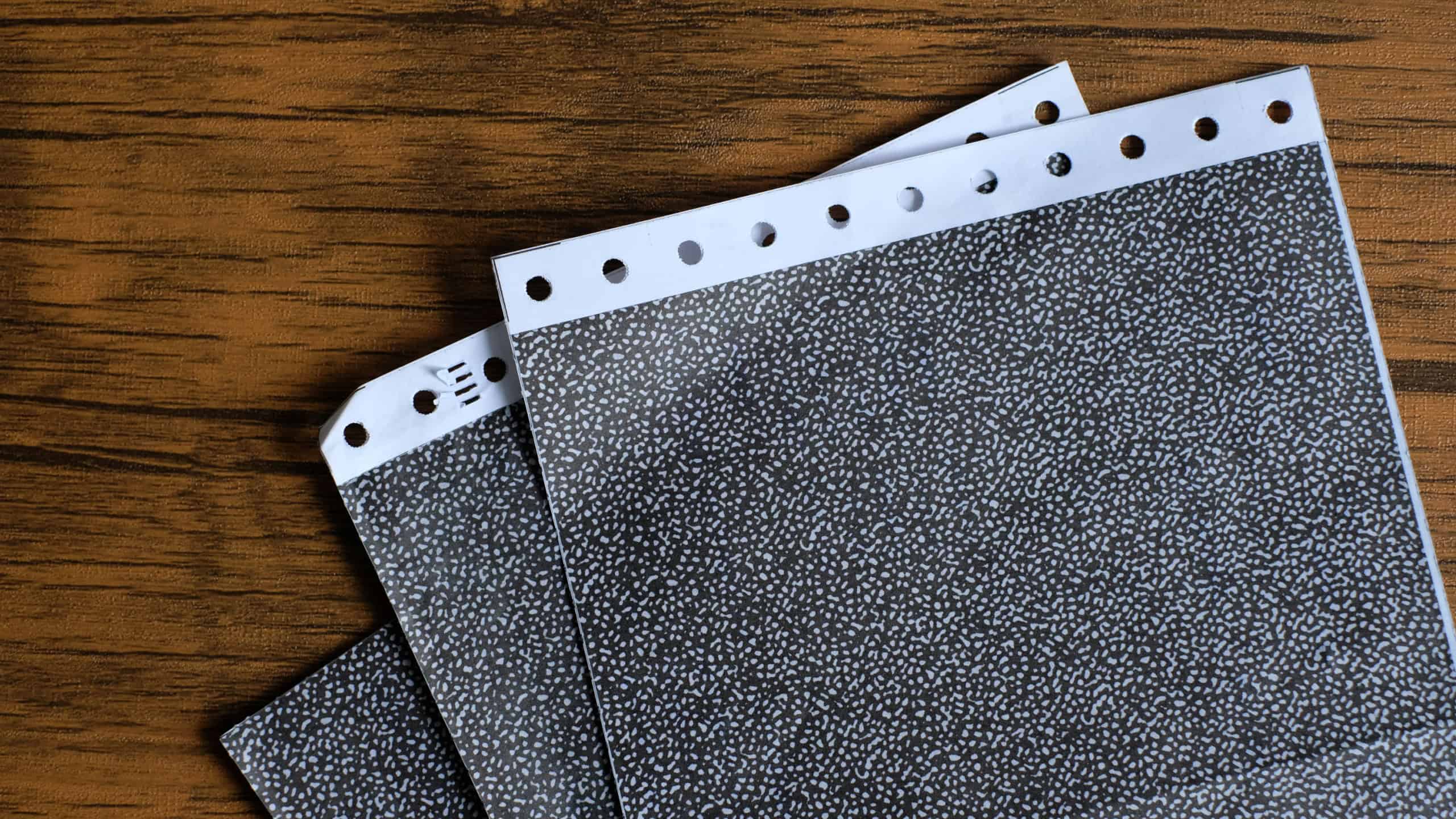
When this paper hit the market in the 1950s and 60s, it seemed like magic. You no longer needed messy sheets of purple carbon paper.
Just write once on this paper, and your copy magically appears on the other sheet thanks to some chemical wizardry.
To achieve this miracle, manufacturers coated pages with microscopic bubbles of colored ink suspended in PCBs. When pressure is applied by writing on the page, the ink bubble bursts onto the backing sheet, recreating your image.
Office workers unknowingly brought thousands of chemical particles into their bodies daily through licking their fingers to turn document pages and breathing in shredded paper dust on their desks.
The widespread dangers of this everyday activity would not be realized until the 1970s, when research showed that PCBs don’t ever actually leave the body or the environment (hence the nickname “forever chemicals”).
Studies connected PCBs to liver damage, hormone interference, and cancer. By that point, people had been exposed to these chemicals for decades while PCBs continued to flow into storm drains from downtown office buildings.
Health concerns led the US government to create the Toxic Substances Control Act in 1976, which outlawed the manufacture of PCBs and forced the copy paper industry to innovate new methods.
Hexachlorophene antibacterial soap

During the 1960s, hexachlorophene was considered the “gold standard” of cleanliness. The widespread confidence parents and physicians had in this chemical led to its daily use in baby baths to destroy germs.
No one realized at the time that a baby’s skin is porous like a sponge, allowing the chemical to pass directly into the bloodstream and cause irreversible damage to the nervous system.
It wasn’t until 1972, when a production mistake in France killed dozens of babies and hospitalized hundreds more with brain swelling, that this common “safe” soap was identified as a powerful neurotoxin.
Devastated parents across the country forced the government to ban hexachlorophene from supermarkets and restrict it to hospital use.
Sources: Please see here for a complete listing of all sources that were consulted in the preparation of this article.
Like our content? Be sure to follow us.

