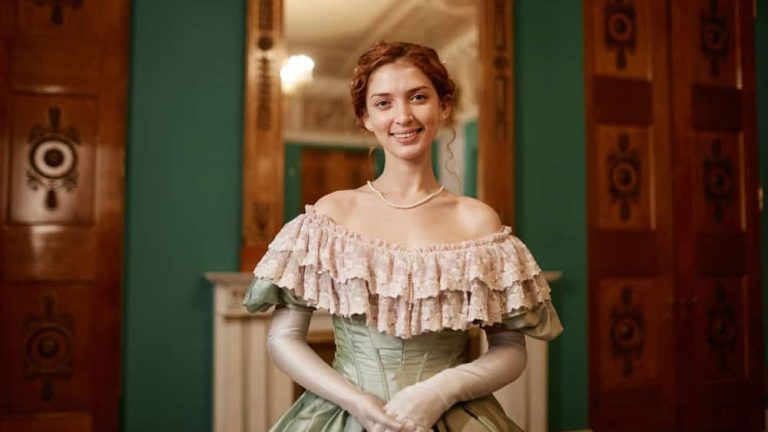

The Victorians’ moralizers aimed to dictate nearly every facet of women’s lives, from their reading choices to their light afternoon meal.
Don’t read novels too much
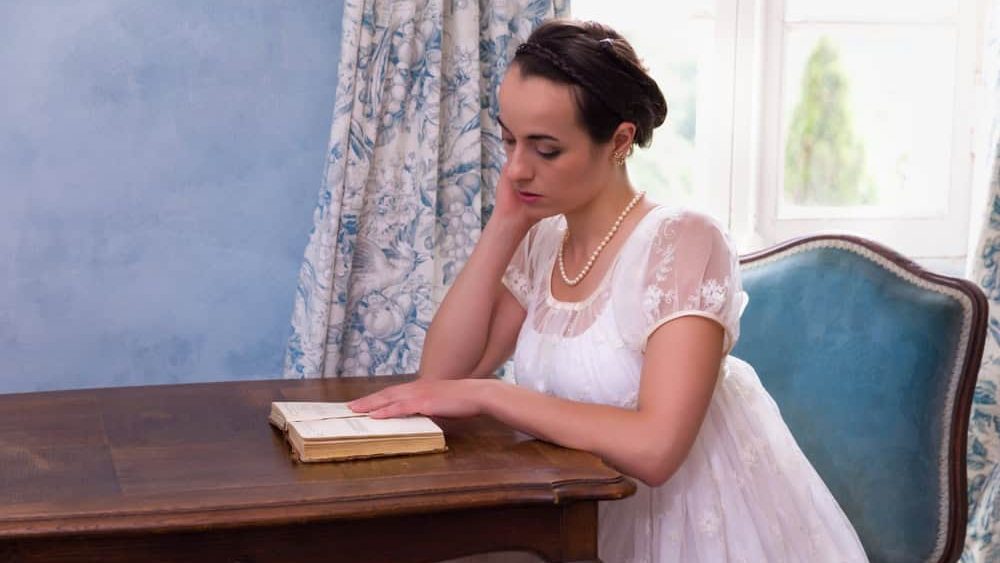
Concerns about novel reading were common in the 18th century.
Girls who read too many novels were thought to daydream too much, become overly emotional, and develop unrealistic expectations about romance and marriage. Romance fiction was the most obvious genre to receive these criticisms.
Conduct writers didn’t necessarily object to reading per say, but they were worried about its effect on young women’s minds and actions.
Silent laughter
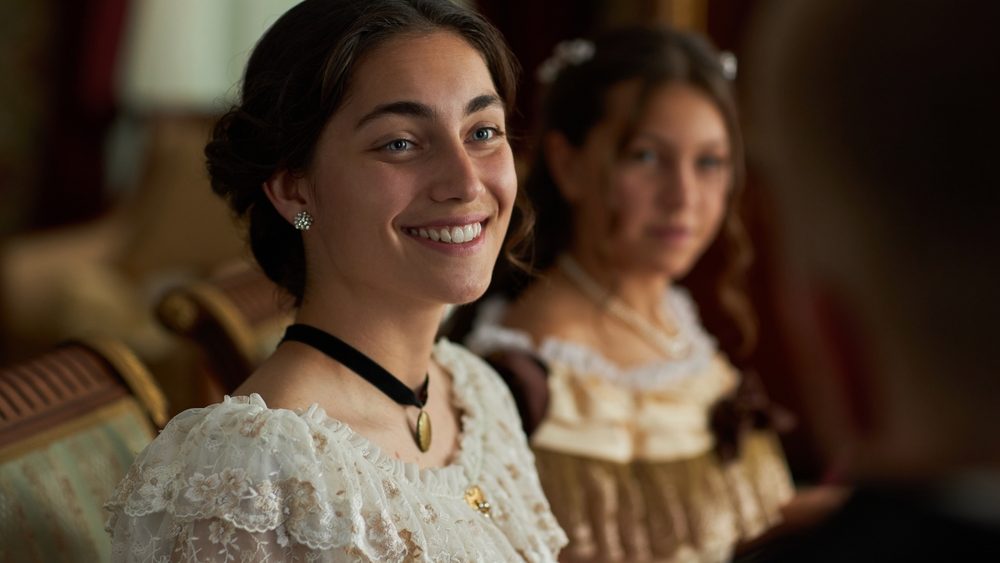
Women had to restrain themselves. Girls should not laugh loudly, giggle too much, yell, or do anything else that would make them too noticeable.
If something was funny, ladies still needed to remain calm. If a woman laughed too hard, it was thought she didn’t have good manners.
Morning dew routine

Collecting morning dew was also once thought to be a beneficial beauty regimen. Ladies were often told to gather the fresh dew, and apply it to their faces. Getting freckles was not considered attractive at the time.
Having a pale complexion without spots was all the rage in the 19th century. Beauty tips even advised women to avoid sun damage so you wouldn’t get freckles, ruining your fair skin.
Avoid foods that agitate the body
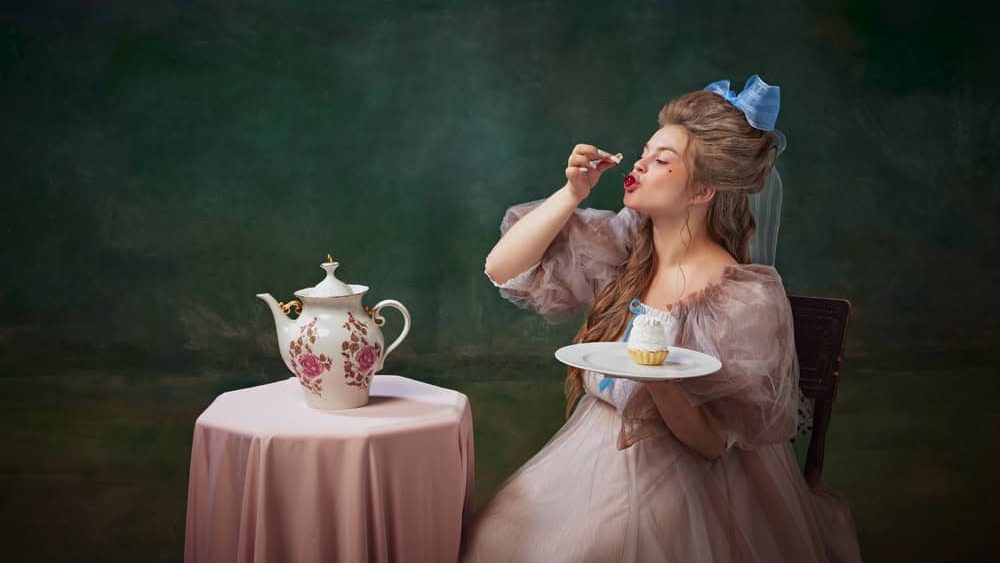
Victorian era dietary guidance often linked foods to digestion, nerves and temperament. Certain doctors and domestic manuals advised moderation in heavily spiced or stimulative foods.
“Instead of gratifying appetite for the mere pleasure of eating,” women were told, “think how such food will agree with your digestion, your complexion, your nerves, and general health.”
Legs modestly positioned
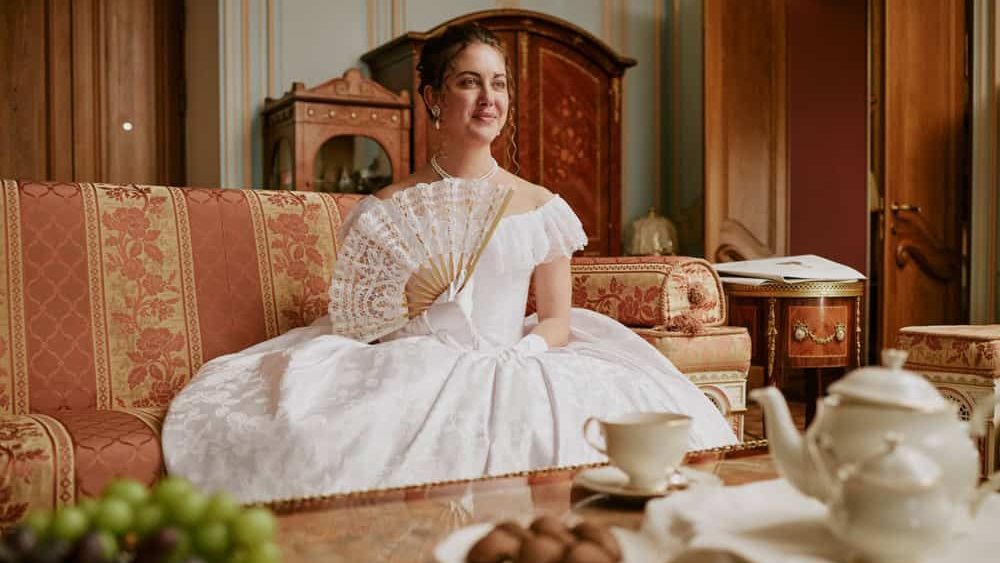
Advice manuals from the 19th century take great interest in instructing women on how to sit. Gentlewomen were typically instructed to keep their backs straight and avoid crossing their legs at the knee when in mixed company.
Oddly enough, crossing one’s ankles was seen as perfectly acceptable by some etiquette books. What truly mattered was ensuring modesty, an elegant stance, and a composed demeanor.
Avoid unladylike instruments
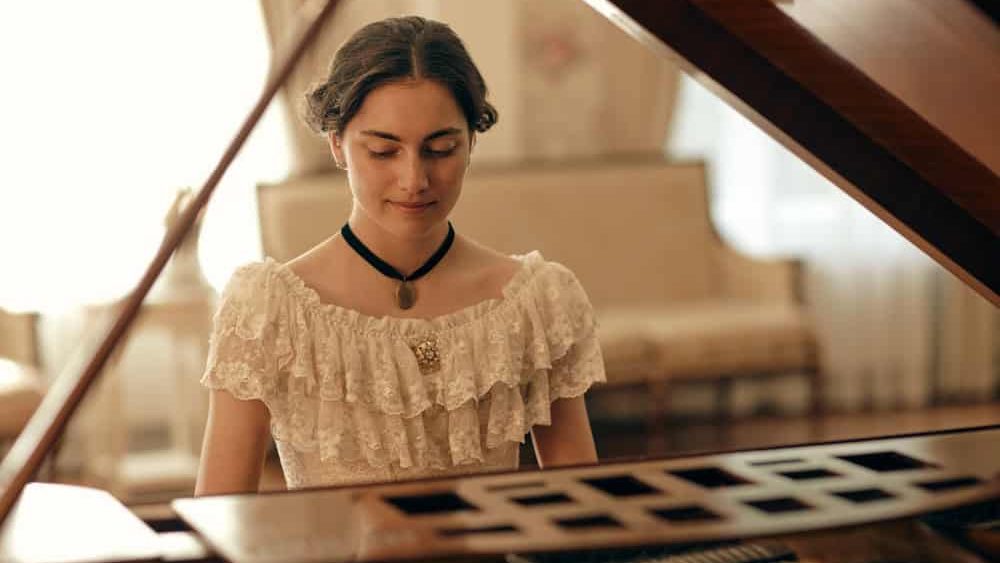
Learning music was seen as a valuable accomplishment for many girls of the middle- and upper-class. Yet, not all instruments were viewed as equally acceptable.
The belief among some critics was that wind instruments were unsuitable for women, as their performance could diminish a lady’s attractive presentation and graceful disposition.
Take for example the piano and harp. These were common instruments taught to women because they allowed the musician to preserve the poise of her slender figure.
Write carefully to men
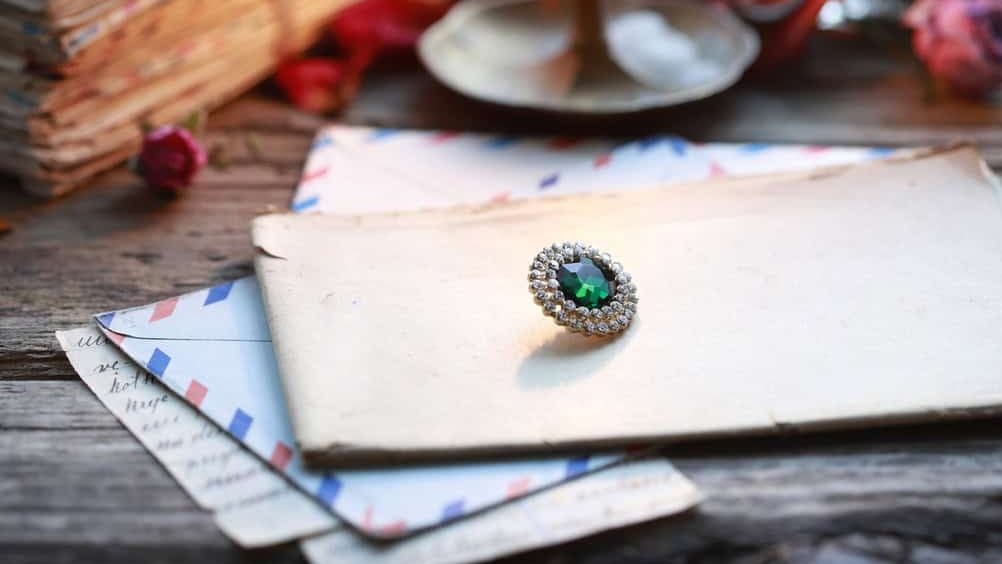
Women were told to be especially careful when writing letters to men. There were numerous warnings about using overly familiar language or anything else that could be perceived as too intimate.
You also never knew who would be reading your private letters. To prevent any potential embarrassment stemming from one’s correspondence, letters were required to be polite and well-considered.
No quick walks in public

Victorian etiquette books could be unbelievably prescriptive about how a lady should walk. One such manual of etiquette cautioned women against walking too quickly, even describing running across the street as “unwomanly”.
Instead, ladies were supposed to stroll gracefully and slowly through public spaces with dignity instead of rushing about. Even a simple stroll could turn into a delicate dance with social expectations.
Stop studying too hard
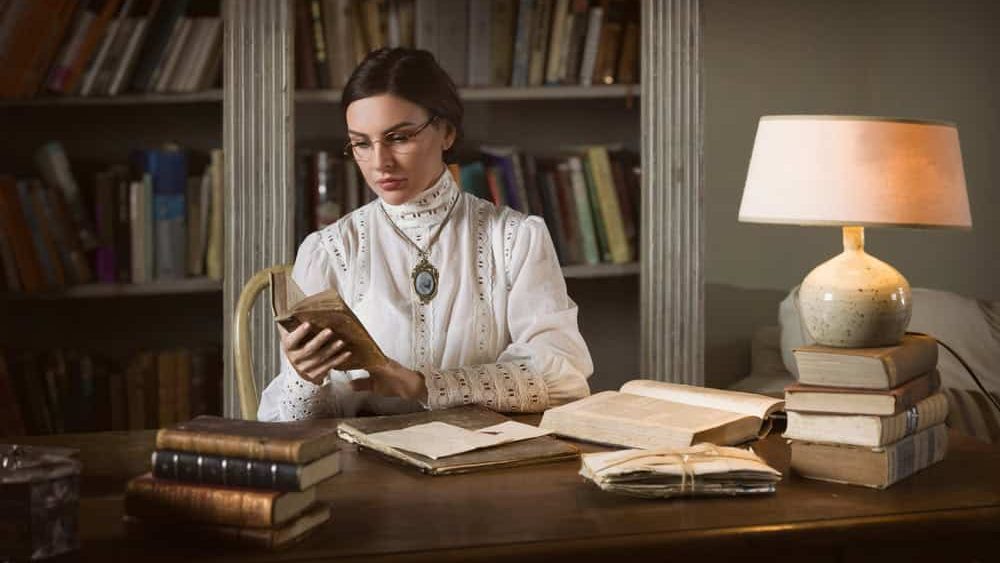
One of the most notorious figures pushing this view was physician Edward H. Clarke. In his book Sex in Education, published in 1873, Clarke stated that too much academic study could be detrimental to women’s reproductive systems.
According to Clarke, women who put too much energy into intellectual endeavors risked hindering their reproductive organ development. He associated rigorous schooling with issues ranging from infertility to nervous diseases.
Clarke would go down in history as a hallmark example of the pseudoscience that was once used to prevent women from obtaining higher education.
Rest was recommended for ladies

Doctors often thought women were frail creatures with sensitive nerves that could easily be upset by physical or mental exertion.
For this reason, many Victorian women were prescribed bed rest for numerous ailments. Ladies were often told to take it easy and avoid strenuous manual labor or excessive brainpower.
The prevailing medical view was that women possessed a lesser physical constitution than men. And women had to guard against overly taxing labor.
Sources: Please see here for a complete listing of all sources that were consulted in the preparation of this article.
Like our content? Be sure to follow us.
Unsettling things from history you might rather not have known
Once you move past the famous battles and kings, history gets a lot weirder, and a lot creepier, too.
Unsettling things from history you might rather not have known
