

Living in a home where every day you felt nothing but control and tension can convert you into an anxious adult who looks at the world through nervous eyes.
Hiding your good news

Our life is a combination of darkness and light. When something awesome happens, like getting a promotion, finding the love of your life or starting a new business, your first move is to hide the good news. You keep it to yourself and do not tell anyone.
This happens to people who have spent their entire childhood with toxic parents who were naturally jealous, competitive, or dismissive. Those parents didn’t have the best adulting skills, so anytime the kids proudly shared their little victories, the parents would belittle them, poke fun at them, or just flat-out ruin the happiness for the kids.
So now, as a grown-up, you hide your blessings so nobody can burst your bubble.
You hide things before visitors arrive

Whenever you are having people over, you just hide your stuff. You follow a strict organizing process and do your best to keep your personal belongings out of their sight. Before guests show up, you rush around tidying things away. You hide your belongings. And you hate the idea of any visitors poking into your bedroom.
Of course, we all like to welcome our friends and family into a clean house but, hiding things and being embarrassed by the things you own is not natural at all. It has deeper roots.
Maybe as a child, you learned to hide things so you won’t get in trouble with parents who pry into your stuff, tease you about what you own, or nag you over little things.
You never completely unpack
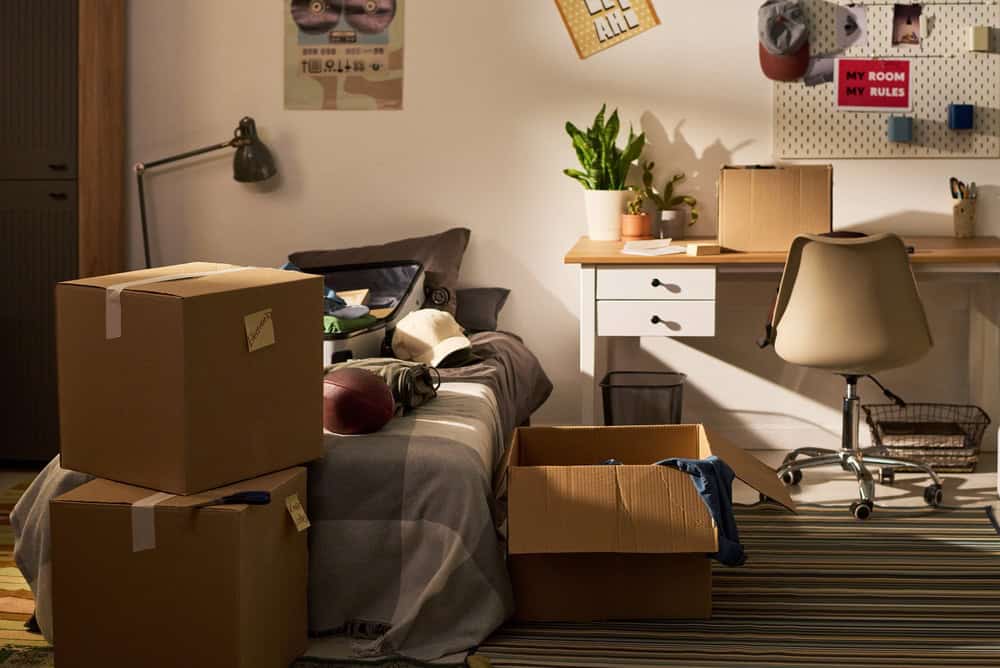
Months after moving into a place, you still have boxes of things you’ll never unpack. Or you live out of a suitcase, keeping only necessities within reach. Or maybe your room is so tidy that you could move out tomorrow and leave the entire place spotless.
If you’ve moved around a lot, there may be a perfectly good explanation for it. But if you don’t have any foreseeable reason you’ll have to move again soon and still feel like you can’t settle down, you might not feel at home.
This may have its roots in childhood, if you were regularly warned that you could be thrown out or that your things might be taken away. Perhaps you never got the chance to learn what it feels like to be comfortable, given that a sudden departure could have come at any moment.
Struggling with change

Your friend decides to switch dinner plans at the last minute. Someone knocks on your door unexpectedly. Your calm Tuesday fills up with errands. Even tiny changes like these have a way of making you stressed or mad.
You may need to know what will happen and who will be there and how long it will take before you can let yourself calm down. And for those who grew up surrounded by unpredictable adults, having a plan might have been one of the few ways they could feel safe.
However, simply liking structure or routine does not mean you had an unhealthy upbringing.
You panic over broken things
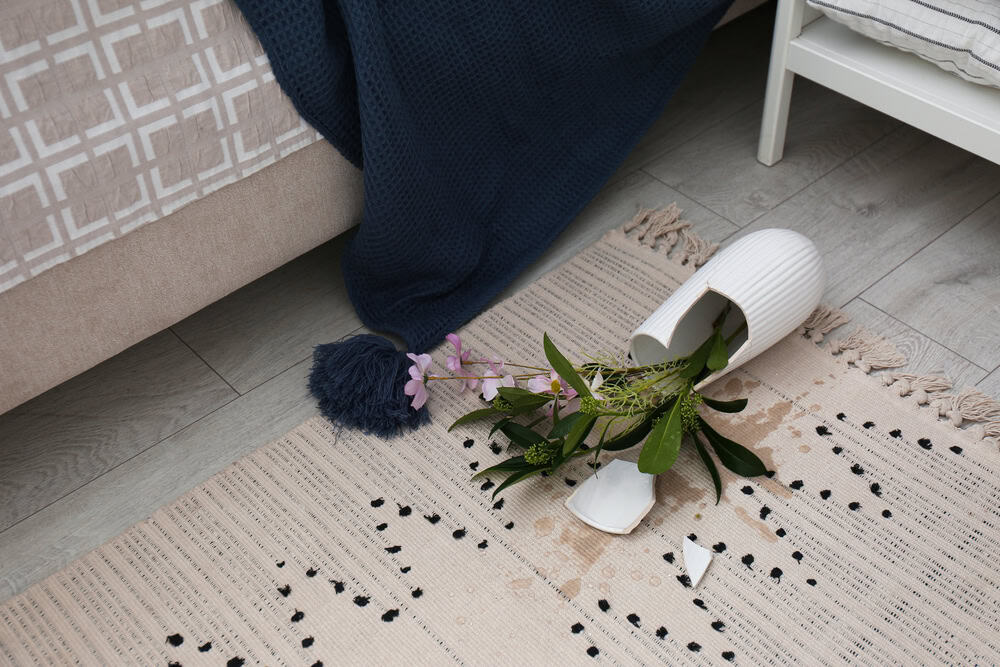
You break the beautiful flower vase on the table by accident or you drop your coffee mug and the drink ruins the tablecloth underneath, and you go nuts over the damage you have done.
You might try to fix it quickly, practice an excuse or feel nauseous at the idea of someone discovering what happened. If minor mistakes back then triggered intense anger or discipline from the adults raising you, freaking out over damaged items may stick around.
What you broke can be replaced; the reaction you’re scared of cannot.
You wait to use new things

There are some people who are always hesitant to use fancy or new things. They might buy a fancy journal, a cute set of coffee mugs or a branded perfume and keep them locked inside the cupboard. They feel like keeping these nice little things saved for a special moment, and that moment never really comes.
Maybe you spent your entire childhood around a mom and a dad who shamed you, controlled your belongings, or handed them to you like prizes you had to earn.
I know some humans are naturally careful with their things, but if you feel like you don’t deserve to enjoy your own stuff, then that might point to a deeper trauma inside your head.
You say sorry when others bump into you

Someone bumps into you while you’re waiting in line and knocks on your shoulder and you say “sorry” instead of them, even though they are the ones who bumped into you.
Maybe you learned that apologizing was the quickest escape from drama if your parents were the type to yell over little things. You got good at apologizing for stuff you hadn’t done, because letting them down and risking another outburst felt worse.
You check faces after speaking

You say something at dinner or recount a story at work and then immediately scan the room to gauge reactions. The slightest shift in expression from a single person can cause you to worry that you may have said something inappropriate.
This can arise from childhood reactions to mistakes, opinions, or humor that were met with ridicule or sudden anger.
Relaxing makes you feel overwhelmingly guilty

You settle onto the couch Sunday afternoon to watch a movie or just do nothing, and out of nowhere a wave of inexplicable anxiety or guilt washes over you.
When you were young, hyper-critical and/or workaholic parents taught you that your value as a human being was based on how much you were producing. If you weren’t busy cleaning, studying, or doing chores, you were labeled lazy or criticized, which is why you now feel that peace is sinful as an adult.
You have trouble deciding

Someone asks you where you want to eat or what movie you want to watch and you reply, “I don’t care. Whatever you want.”
If you were teased, punished, or ignored for voicing your opinions growing up, you may have learned not to share them. After years of pushing down your own wants and desires, you might have lost touch with what you actually like or want.
Gifts feel like debts

When someone does you a favor or gives you a thoughtful gift, your first reaction isn’t joy. It’s panic.
Growing up with parents who used gift-giving, money, or basic necessities as a form of emotional blackmail or control taught you that you can never truly accept anything free-handedly.
Even now, you feel like any nice thing someone does for you comes with strings attached, and sooner or later, they’ll use it against you.
Absorbing everyone’s moods

When someone walks into the room fuming, your energy plummets and you feel obligated to save them.
Many children learned early on that their own wellbeing was tied to their parents’ happiness. The result is that you exhaust yourself by minding everyone else’s emotions and neglecting your own.
You take too long saying ‘no’

You agonize over how to say no to a request.
You soften your answer, offer other options, say sorry, and occasionally agree to something you truly didn’t want to do.
You may have grown up in a home where saying no was considered disrespectful, selfish, or just plain disobedient. Such a person views another’s disappointment as their own responsibility to prevent, rather than a natural emotion the other person can manage.
You cannot enjoy good days

Nothing is wrong, everyone is behaving themselves, and you don’t have any tasks you need to rush home for, but you still can’t quite relax.
You find yourself waiting for someone to yell, for someone to start an argument, or for something good to be ruined.
Perhaps you grew up in an environment where calm moments were often shattered by unpredictable conflict. It isn’t that you’re hoping for trouble, you just never learned how to be calm without having something urgent to do.
Becoming useful during conflict

Two people start fighting and suddenly you have to do something. You make everyone tea, you start cleaning up the room, you entertain your little sister, or you try to solve the logistical issue no one has asked you to fix.
If home life was governed by adults’ moods and emotions, staying busy or making yourself useful may have been how you learned to diffuse tension. What can happen is that kids in these situations take on the emotions of others, a behavior referred to as parentification.
If you find yourself unable to settle until everyone else has calmed down, that’s especially indicative of this behavior.
Sources: Please see here for a complete listing of all sources that were consulted in the preparation of this article.
Like our content? Be sure to follow us.
10 toxic parenting behaviors that harm kids

Many parents don’t do it on purpose, but 10 toxic parenting habits can deeply damage your child’s self-esteem, stability and future relationships.

