

During the 1970s, you could sit down at restaurants or go to grocery stores for certain foods that you simply aren’t allowed to have today.
A soup with a forbidden ingredient
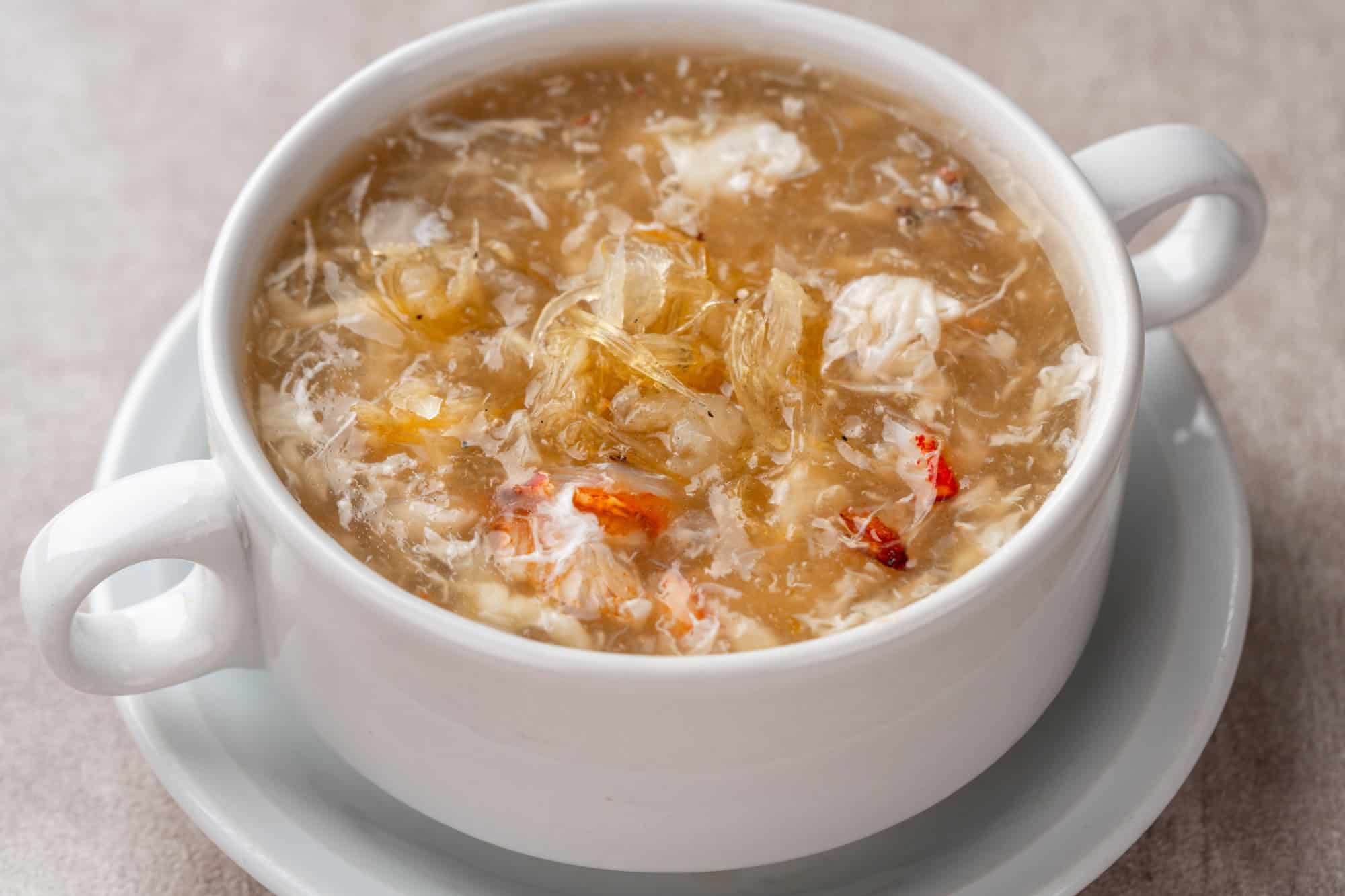
One of the fanciest dishes used to be shark fin soup, and it was especially common during Chinese weddings or other big celebrations. No, it wasn’t exactly cheap. But it was a delicacy because the soup contained real shark fins, and these gave the broth an unusual texture.
Yet you can’t have this dish anymore. In December 2022, the United States banned the commercial sale of detached shark fins, as many shark species are now endangered. There are a few exceptions. But for the most part, you won’t find any traditional shark fin soup anymore.
A seafood delicacy that disappeared
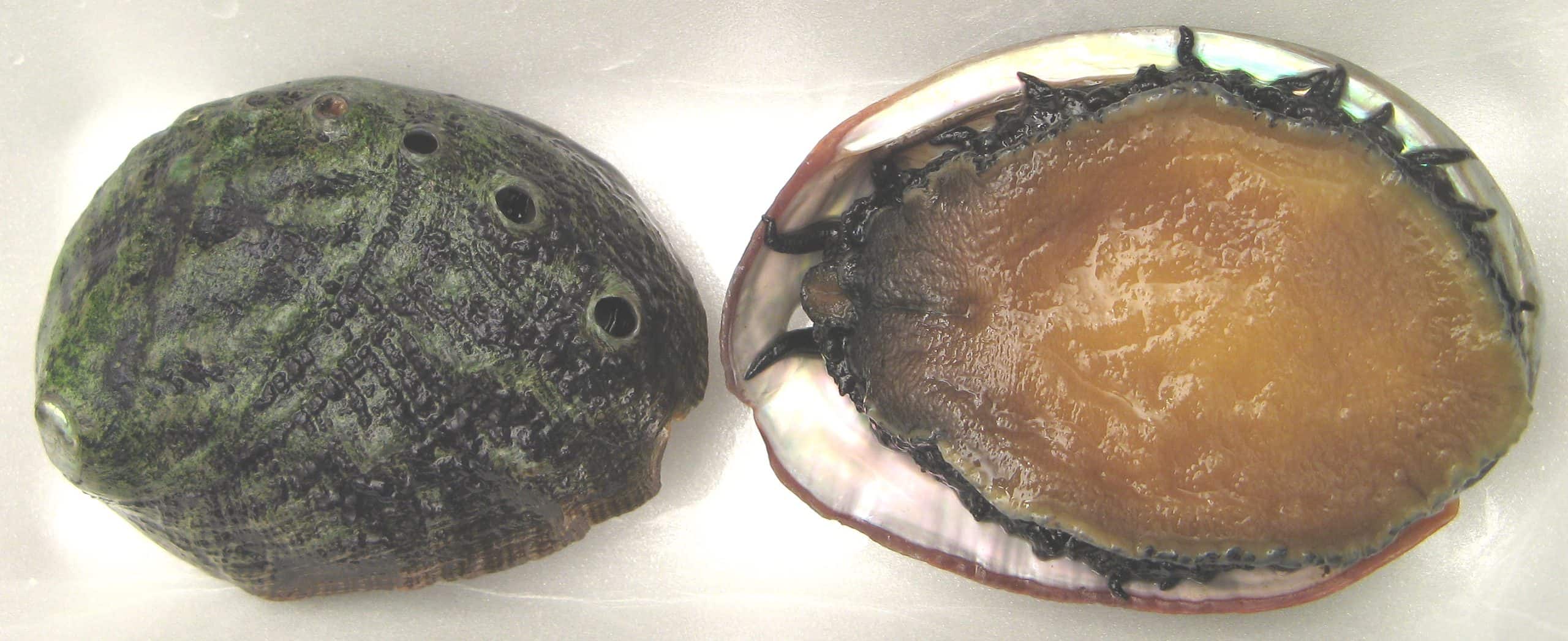
California fishermen once caught white abalone in enormous numbers, and many restaurants would serve these sea snails. They’d slice up the meat and cook it like a steak. People loved them.
However, white abalone reproduce rather slowly, and years of heavy fishing caused their numbers to fall to dangerously low levels. In 1996, California finally closed the fishery. White abalone received federal endangered species protection in 2001, and you can’t harvest them.
Milk straight from the farm

It was completely normal to get milk directly from a farmer in the 1970s, especially if you lived somewhere rural. Yes, you didn’t need to bother going to a grocery store. You could collect fresh milk straight from the source, and it hadn’t been pasteurized. But that was a problem.
Raw milk hasn’t been heated to kill harmful bacteria such as E. coli, Salmonella, and Listeria, so they can survive in it. The FDA banned interstate sales of raw milk for drinking in 1987. While it’s not completely illegal, as individual states have different rules, it’s banned in many places.
A rich restaurant specialty
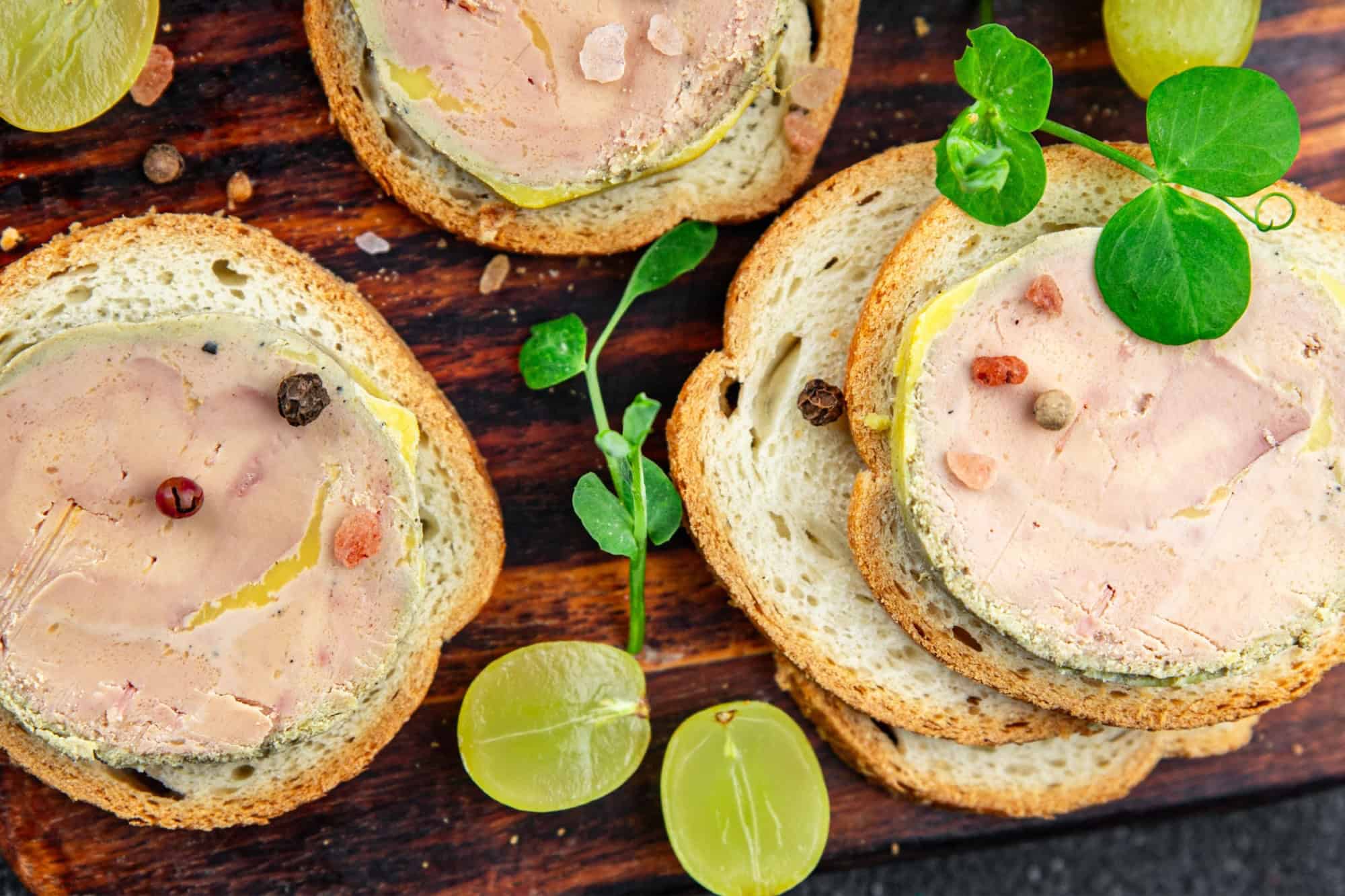
Whenever you wanted to treat yourself during the 1970s, you might get some foie gras. You can still do that today. The difference is that you can’t get the traditional kind of foie gras in lots of US states. In case you didn’t know, foie gras is made using the enlarged livers of ducks or geese, and it’s usually served as pâté or cooked in slices.
Farmers used to feed the birds through tubes to make their livers bigger, but that’s not allowed anymore in states like California. They’ve banned this practice. You can no longer buy foie gras produced through force-feeding.
The meat that left American menus

Sure, having horse meat for dinner seems a little strange today, yet there was a time when Americans could legally buy it from certain butcher shops. That time was during the 1970s. In fact, some stores promoted it as an affordable alternative to beef when meat prices were rising.
But things changed over the years. In 2007, Illinois introduced restrictions on horsemeat sales, while at a federal level, funding rules have prevented slaughterhouses from producing horsemeat for humans. Eating horse meat isn’t universally illegal in the United States. However, commercially selling and processing it is, so horsemeat might as well be illegal.
The familiar yellow sticks
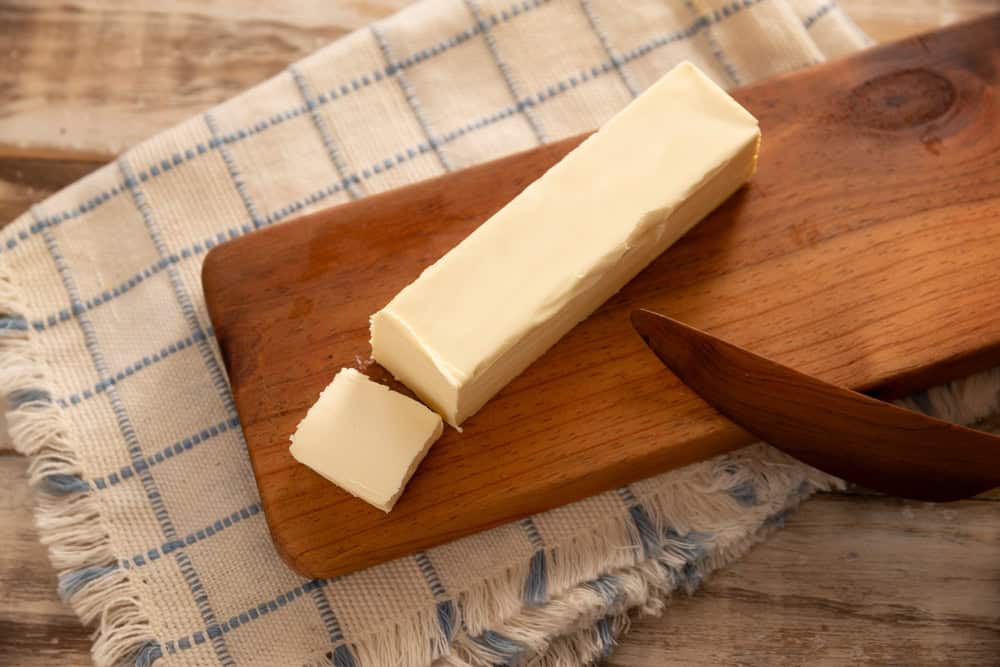
Anyone who was around during the 1970s probably remembers those yellow sticks of margarine that were in every refrigerator. They were handy for spreading on toast and making sandwiches. The thing is, lots of these older varieties contained partially hydrogenated oils.
These oils were useful for keeping the margarine solid, but they also contained artificial trans fats that worried health experts. The FDA banned partially hydrogenated oils in 2015 and said that they couldn’t be considered generally safe. You won’t find old-fashioned stick margarine anymore.
A cherry with a different shade
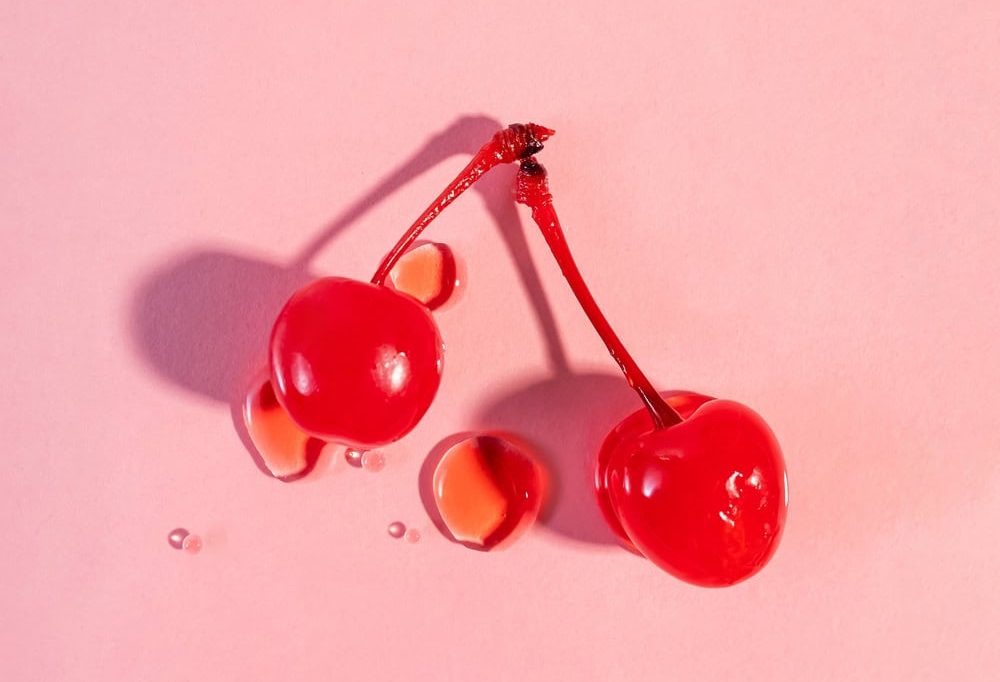
You couldn’t get a banana split without a bright red maraschino cherry sitting on top. It would just look wrong. These cherries were incredibly colorful, and a lot of manufacturers used a dye called Red No. 4 to give them that iconic look. However, things have changed.
On September 23, 1976, regulators withdrew approval for Red No. 4 in food because of concerns related to animal testing and health. Maraschino cherries themselves weren’t banned, of course, but manufacturers can’t use the same method to make them look so red.
The licorice that changed its color
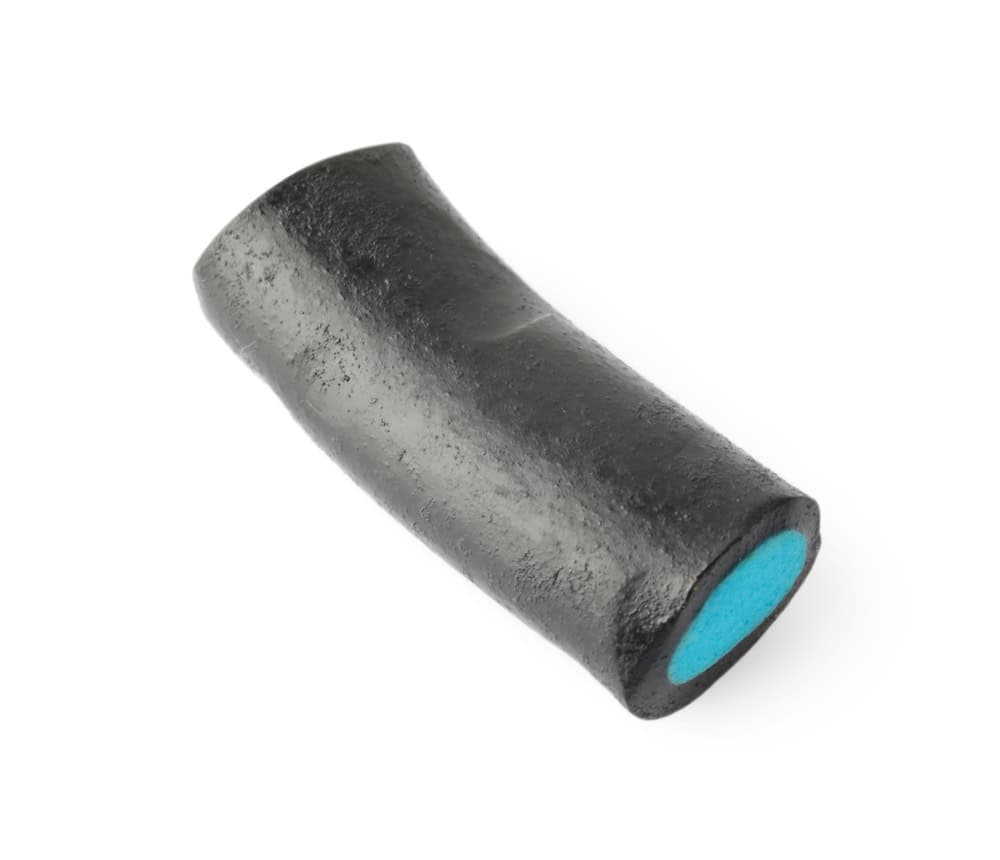
You either love it or hate it. That’s how people’s attitudes toward black licorice have always been, and it’s mostly because the flavor’s quite distinctive. The dark color is part of its appearance, too. During the 1970s, manufacturers used carbon black for that.
It was a substance that worked well enough, but the FDA became worried about how the coloring could harm people. So, in 1976, it was effectively banned. The black licorice we have today doesn’t have the old carbon black coloring that it used to.
The missing black jelly bean
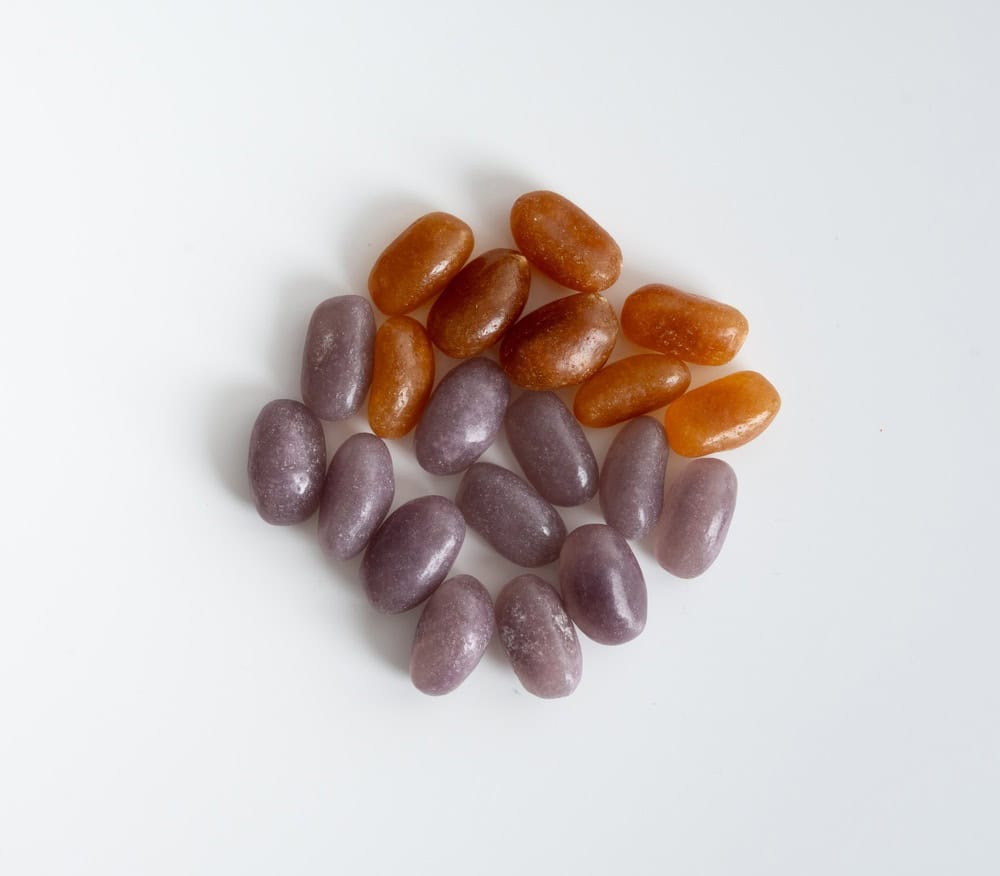
Black licorice wasn’t the only food that contained carbon black. Back then, you could also find it in black jelly beans, and just like with licorice, it was this substance that gave these beans their deep color. But that changed in 1976.
The decision that banned black licorice from having carbon black also affected black jelly beans. Thankfully, these beans haven’t totally vanished from stores. It’s just that their old coloring isn’t allowed.
The secret to a flaky crust
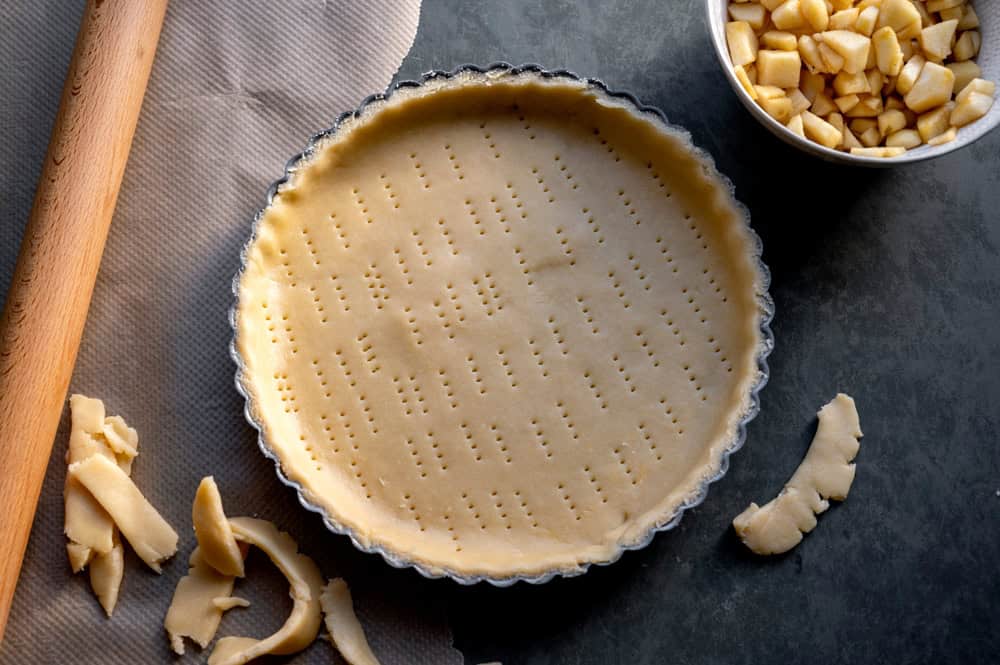
You couldn’t beat a good old-fashioned homemade pie in the 1970s, especially when the crust came out perfectly flaky. A lot of home bakers at the time relied on vegetable shortening for that texture. It was easy to work with, after all.
But certain brands contained partially hydrogenated oils to keep the dough together, and these oils had artificial trans fats in them. They’re not allowed anymore. By December 2023, they were taken completely off the market. You can still bake with vegetable shortening, just not with the old partially hydrogenated kind.
A Southern soup with new restrictions
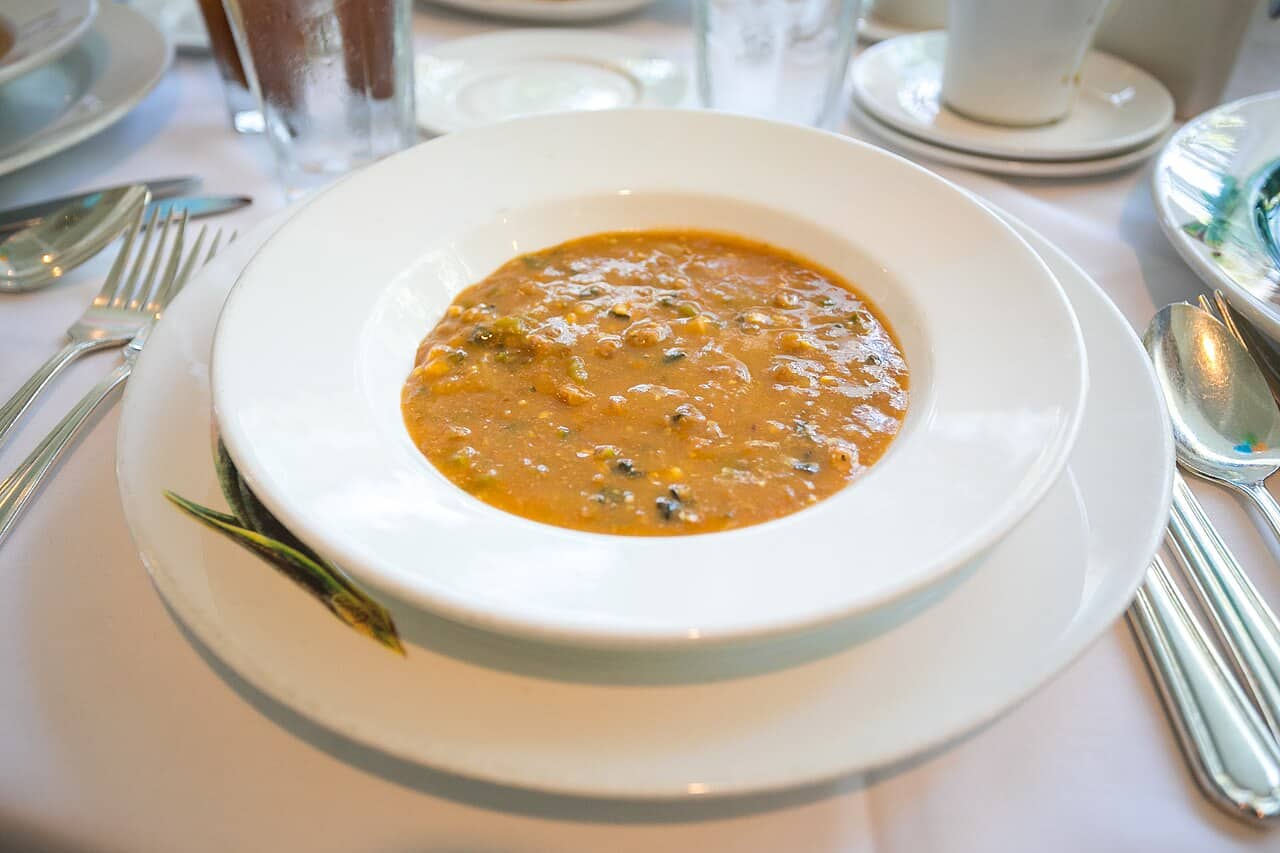
Most people would be surprised to see turtle meat on a restaurant menu. However, it used to be a fairly ordinary ingredient in Southern cooking, and softshell turtles were quite useful for making soup. Florida had plenty of turtle soup in restaurants. Not anymore, though.
In 2009, commercial harvesting became such a big issue that the state began restricting it. It banned businesses from collecting native wild freshwater turtles for sale, so restaurants can’t buy them from commercial wild harvesters. Farm-raised turtles are a different matter, however.
Sources: Please see here for a complete listing of all sources that were consulted in the preparation of this article.
12 beloved American products that are banned in other countries

Some of the most popular American products are outright banned overseas, which leaves you wondering what’s in some of the foods we eat and drink.
12 beloved American products that are banned in other countries

