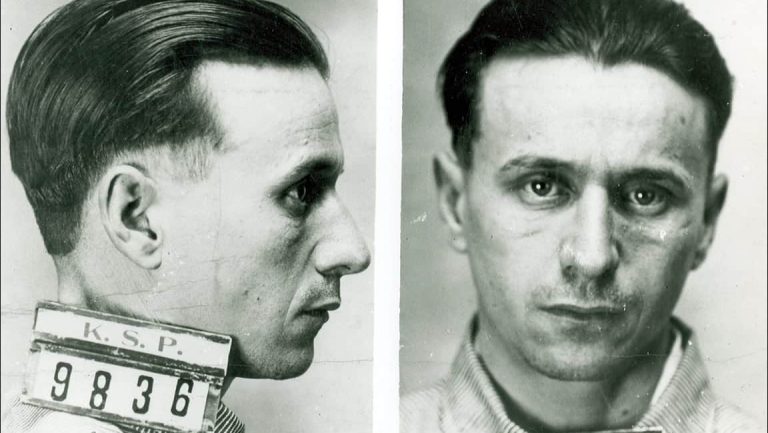

Whether it’s crime or money, power or family grudges, some family names ended up being tied to some of the darkest chapters of history.
The family behind two famous kidnappings
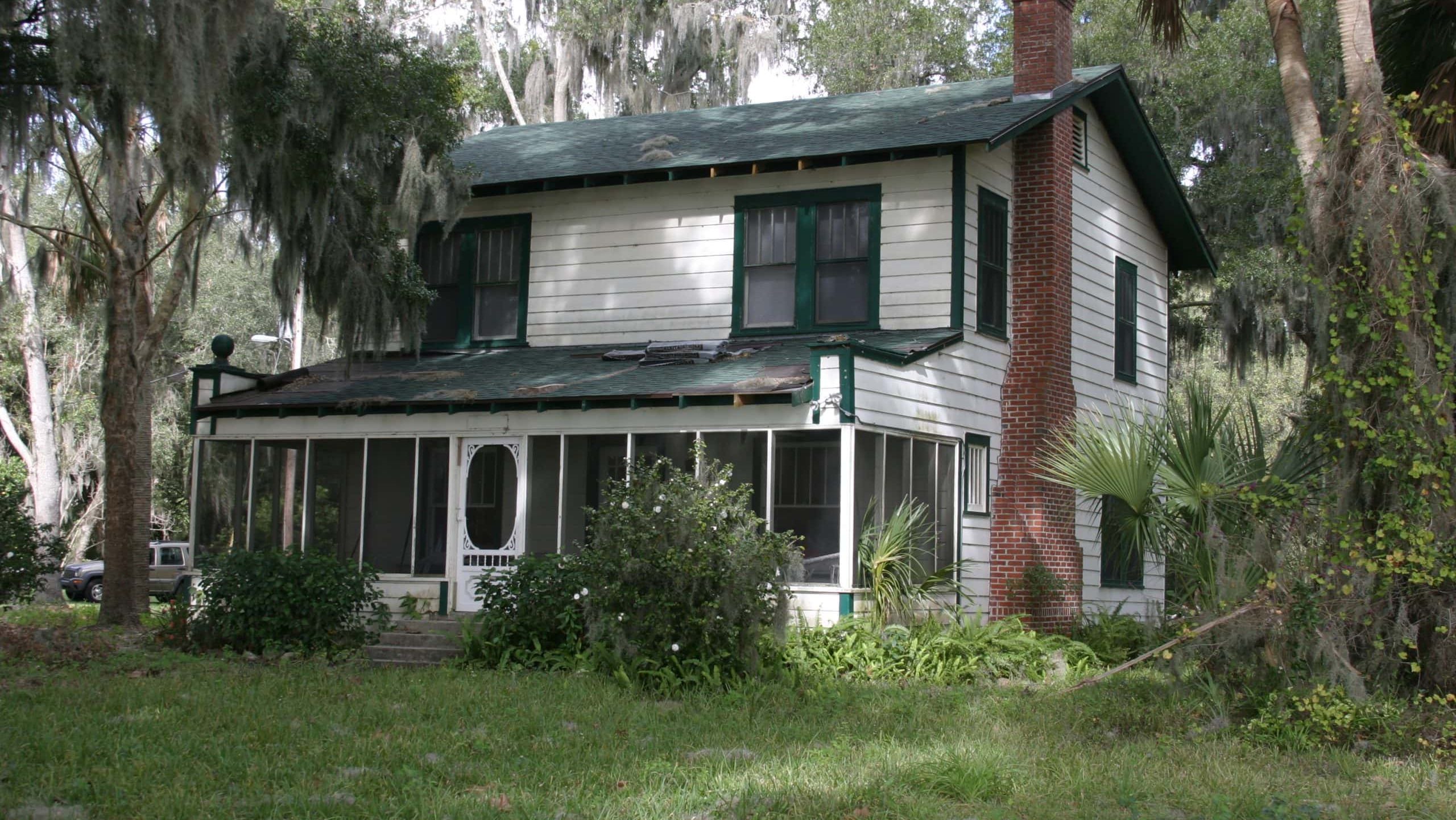
Fred and Arthur ‘Doc’ Barker were hardly keeping a low profile in the 1930s. They worked alongside a man named Alvin Karpis to rob banks and hit trains. They also moved into kidnapping to make even more money.
One of their worst crimes happened in 1934 when they kidnapped banker Edward Bremer and demanded a ransom of $200,000 from his family. The brothers’ mother, Kate ‘Ma’ Barker, traveled with her sons and helped them hide from the cops. She and Fred died during a huge Florida shootout in 1935. It was quite a dramatic ending for the family.
The fortune tied to OxyContin

The Sackler family made an enormous fortune from Purdue Pharma. You know, the company that sold OxyContin. Purdue agreed to plead guilty to three federal felonies in 2020, as part of a settlement worth more than $8 billion. Members of the family tried to increase their opioid sales by specifically marketing to doctors who were already prescribing large amounts of it.
They didn’t care who they were hurting or getting addicted. They just wanted more money. The Sacklers also agreed to a separate civil settlement, although that settlement didn’t establish any individual liability.
Power passed from father to son

The North Korean dictatorship looks a lot like a kind of family inheritance. It started with Kim Il Sung, who led the country from its founding in 1948 until his death in 1994. Then his son, Kim Jong Il, took over, followed by his grandson, Kim Jong Un, in 2011.
Three generations from one family, controlling the same state, for years. North Koreans have been put into political prison camps and subjected to forced labor. Some have been executed. There’s no freedom whatsoever, and the Kim family has been at the center of the system the entire time.
A feud that crossed family lines
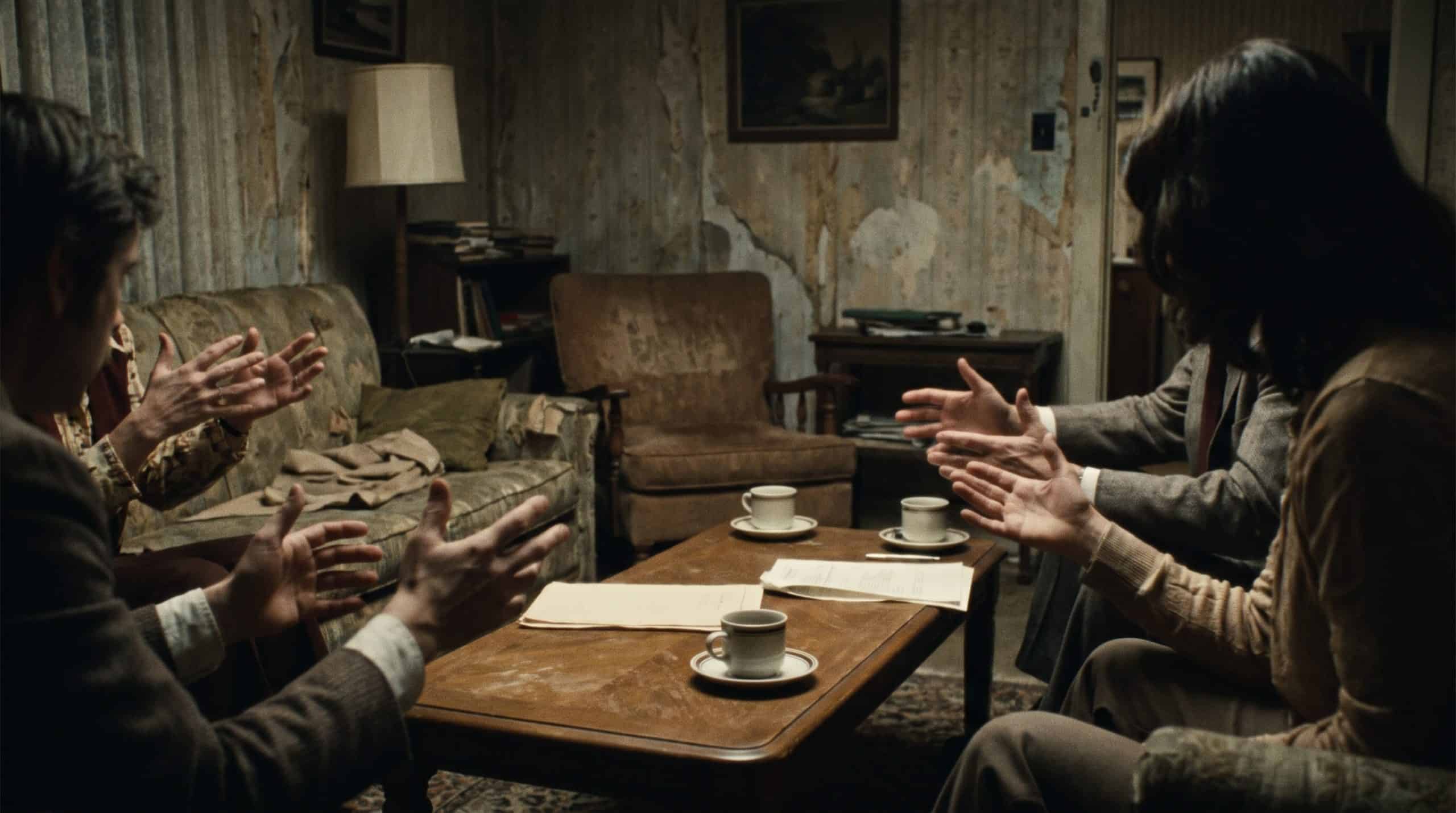
Family arguments are one thing, but what happened inside the LeBaron family became a lot worse than that. They were being targeted for death. Ervil LeBaron led a breakaway religious group and claimed that he had the religious authority to order his enemies killed. He had his rival leader, Rulon C. Allred, shot in his Utah office in 1977.
Ervil was found guilty of arranging his murder, along with planning to kill his own brother, Verlan. Ervil’s former wife, Rena Chynoweth, later said she’d shot Allred under Ervil’s direction. You can’t really get darker than that with family disagreements.
The organization behind a Manhattan hit
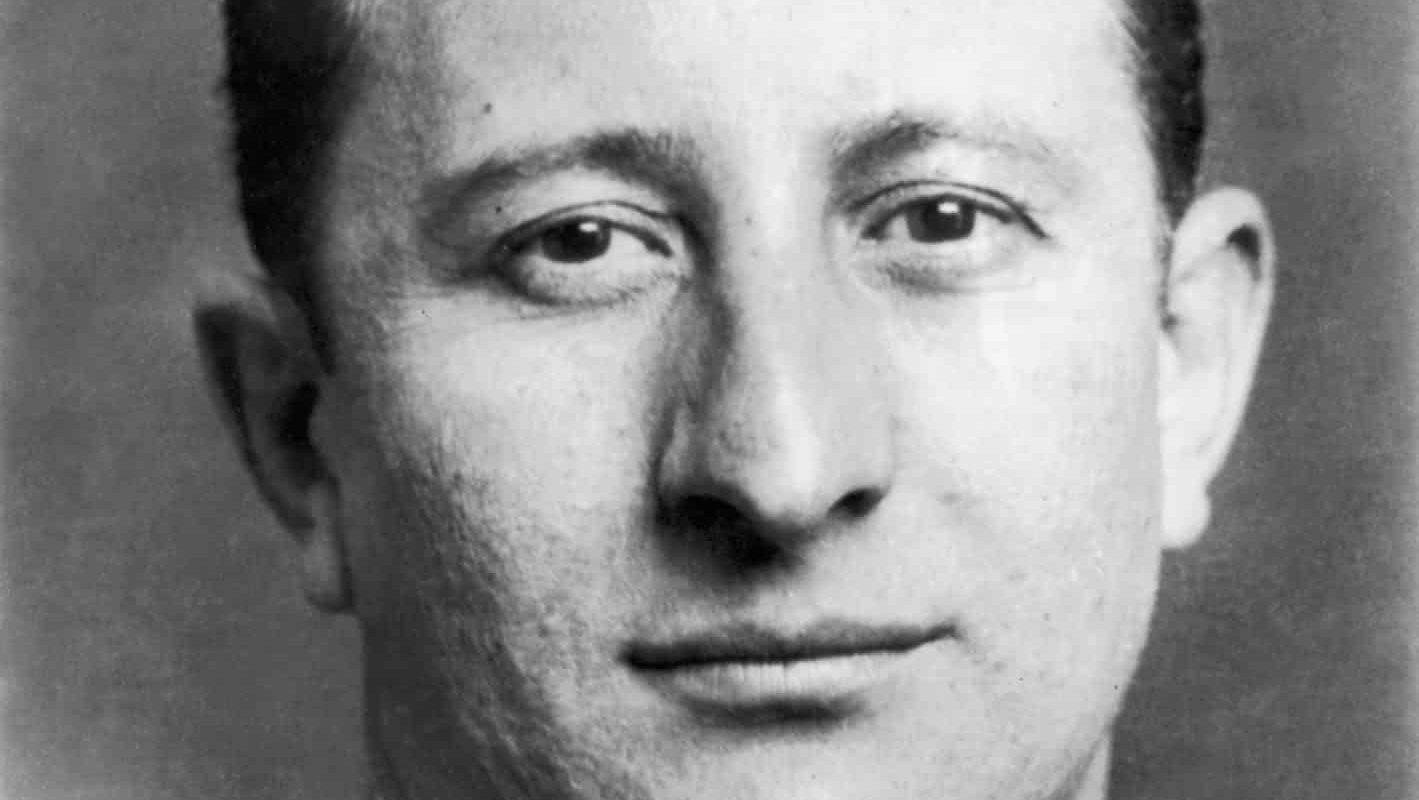
Not all families share blood. Just look at the Gambino crime family, for example, one of New York City’s Five Families. They were a huge Mafia-style group that was involved in almost every crime under the sun, like gambling and extortion, along with loansharking and racketeering. They also changed leaders pretty often.
One of their most famous ‘leadership changes’ took place in December 1985, when boss Paul Castellano and Thomas Bilotti were shot dead outside Sparks Steak House in Manhattan. John Gotti had approved the killing and soon took control. This definitely wasn’t a family filled with love, that’s for sure.
One fingerprint on a car window

The story of the Fleagle brothers starts with a Colorado bank robbery. It ends with a single fingerprint. Ralph and Jake Fleagle were part of a gang that robbed the First National Bank in Lamar in May 1928. They killed the bank’s president, A. N. Parrish, and his son during the robbery. But it gets worse, as the gang also kidnapped a doctor to treat their wounded men.
They killed him, too. Investigators did manage to find a fingerprint on the doctor’s car, but it took over a year to actually match it. They eventually matched it to Jake Fleagle’s print, and the whole case blew wide open. It became the first time the FBI had used only one fingerprint to convict someone.
Seven months of violence in Richmond

The Briley brothers had made parts of Richmond a pretty dangerous place to be. Linwood, James, and Anthony Briley, sometimes working with Duncan Meekins, were tied to all sorts of crimes in the area. These included robberies and kidnappings, along with murders.
One case involved them kidnapping a man named John Gallaher and later murdering him. Linwood was sentenced to death for Gallaher’s murder, while James was executed for killing Judy Barton and her five-year-old son. Anthony avoided execution but received several life sentences. Their seven months of terror came to a quick end.
Six days in Wichita
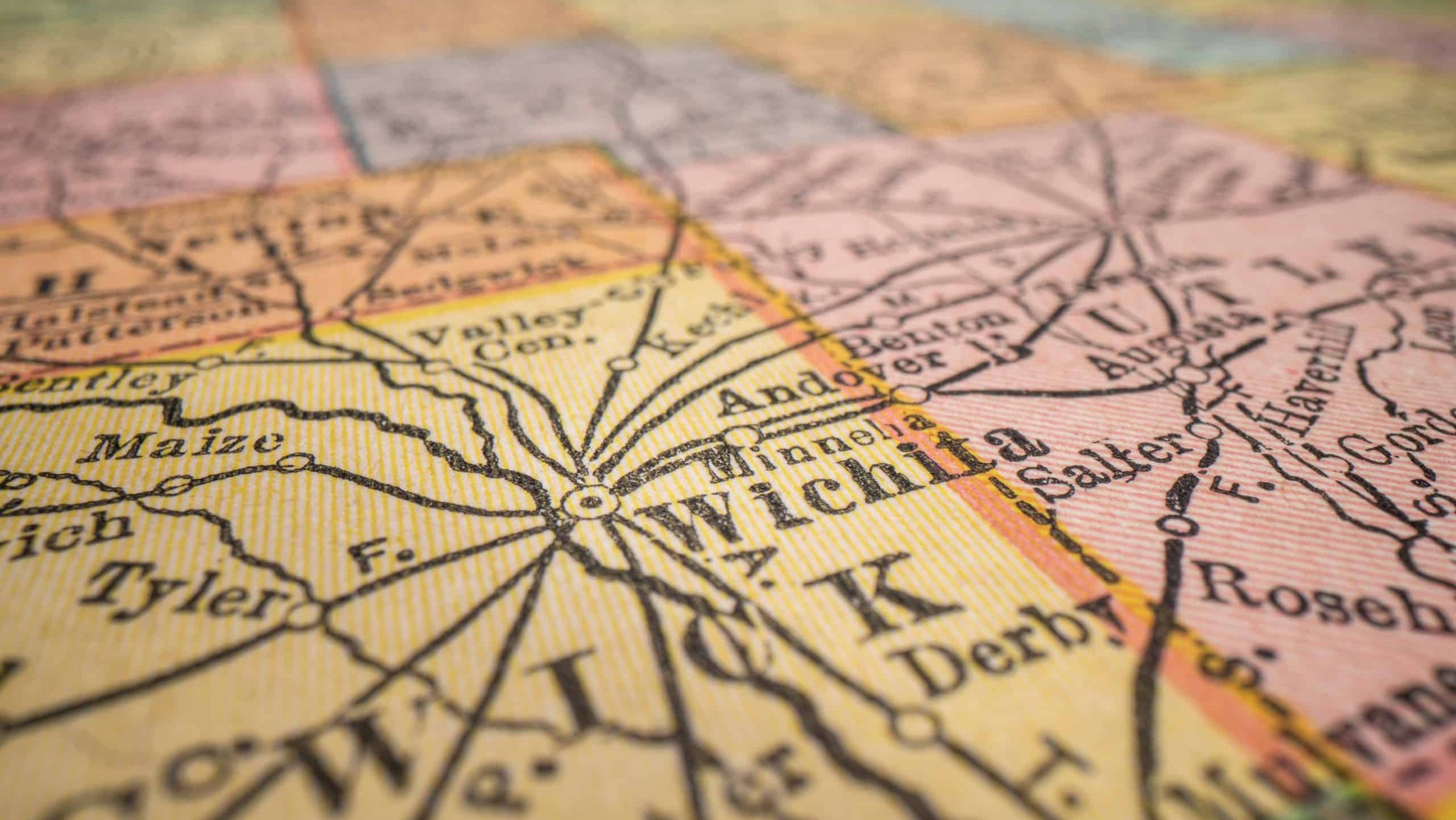
You might think that six days sounds like very little time. But in December 2000, brothers Jonathan and Reginald Carr turned six days into one of Wichita’s most infamous crime sprees. They carjacked a man and forced him to withdraw money from ATMs. They shot and killed a cellist named Ann Walenta.
They also held five friends inside a home, robbed them, se***lly assaulted them, and took them to a soccer field to kill them. One of the victims miraculously survived and testified against them. The brothers were convicted of capital murder.
Four brothers in Prohibition-era Detroit
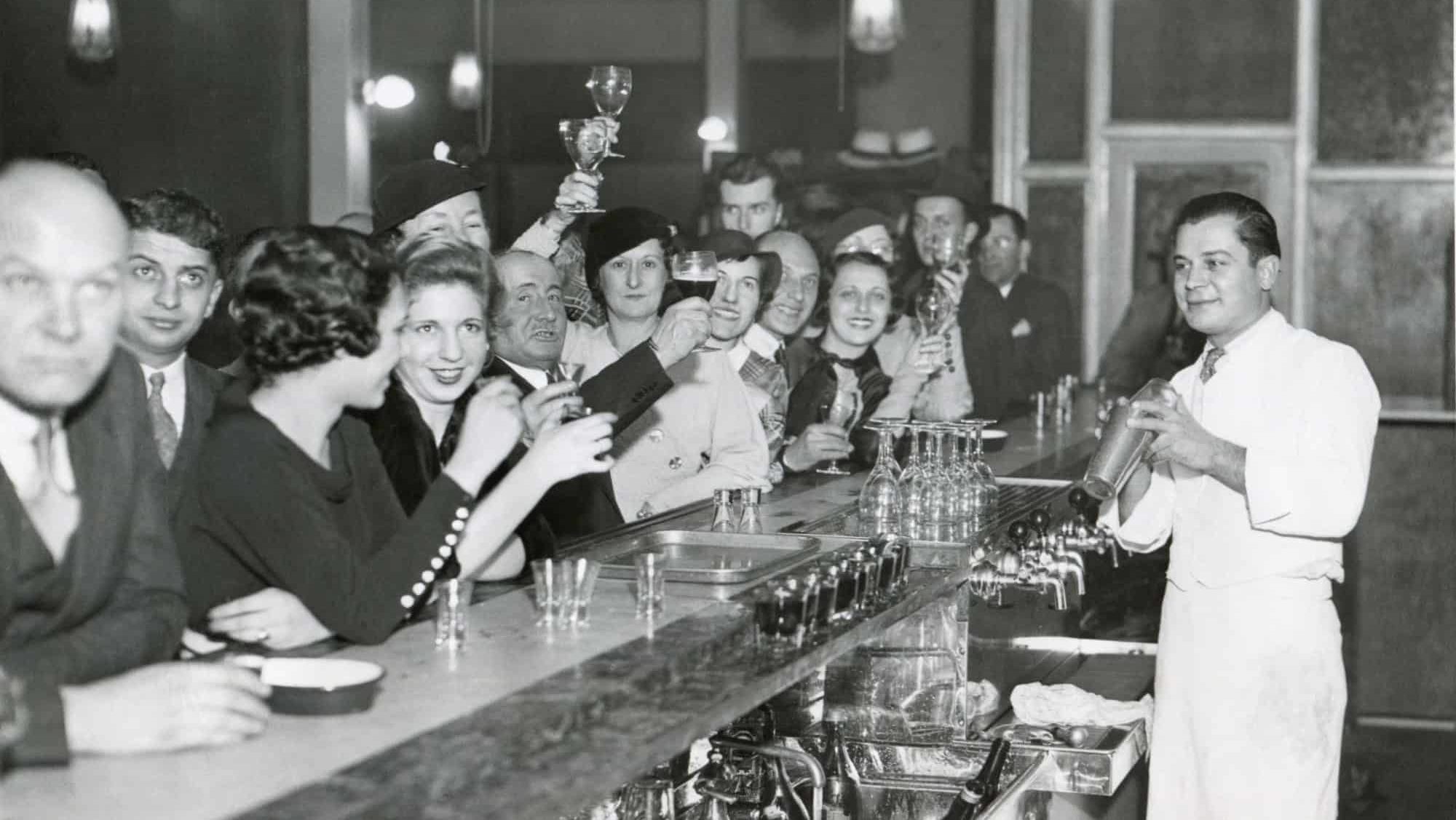
The Bernstein brothers had quite an advantage during Prohibition. They lived in Detroit, just across the river from Canada, so they were able to illegally supply alcohol quite easily. Raymond, Joseph, Isadore, and Abraham became important figures in the Purple Gang. They dealt in illegal liquor and hijacked shipments, along with gambling and kidnapping.
Some of the brothers were allegedly involved in the St. Valentine’s Day massacre, too, where seven members of Chicago’s North Side Gang were killed. The family’s violence went beyond Detroit, clearly.
A huge clan in Utah
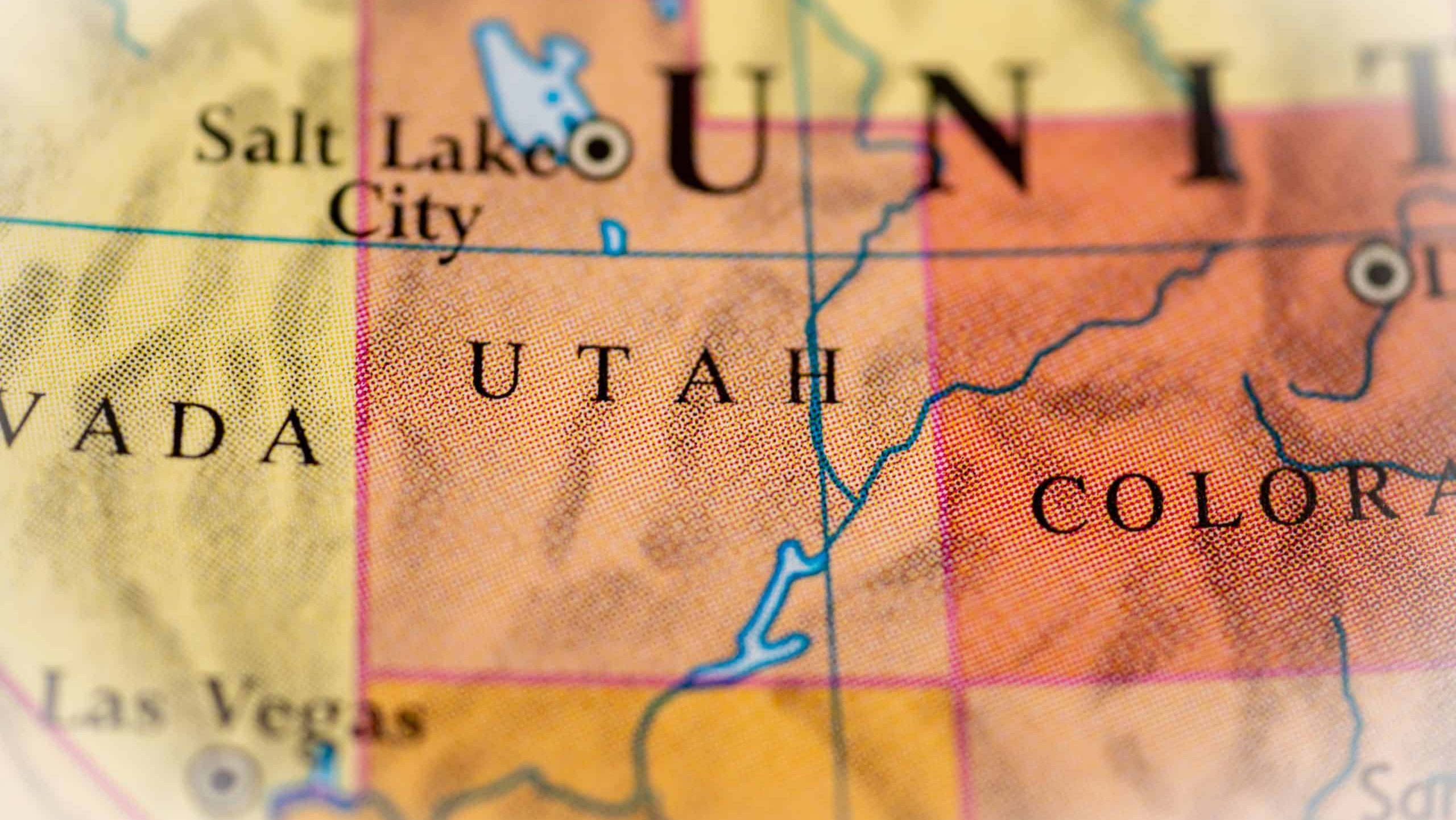
The Kingstons were a lot more than a large Utah family with unusual religious beliefs. Several of the relatives controlled businesses tied to the group known as the Order. One of them, Washakie Renewable Energy, led to a major federal fraud case. Brothers Jacob and Isaiah Kingston ran the company and claimed more than $1 billion in renewable-fuel tax credits.
Their scheme involved shipping biodiesel around to make old fuel look like it was new. Their mother, Rachel, and Jacob’s wife, Sally, were also part of the fraud. All four of them went to federal prison for their family operations.
Sources: Please see here for a complete listing of all sources that were consulted in the preparation of this article.
13 dark chapters of history most people never learned in school

A lot of history gets reduced to wars and presidents, but the true horror stories are the ones that end up ignored in the margins.
13 dark chapters of history most people never learned in school

