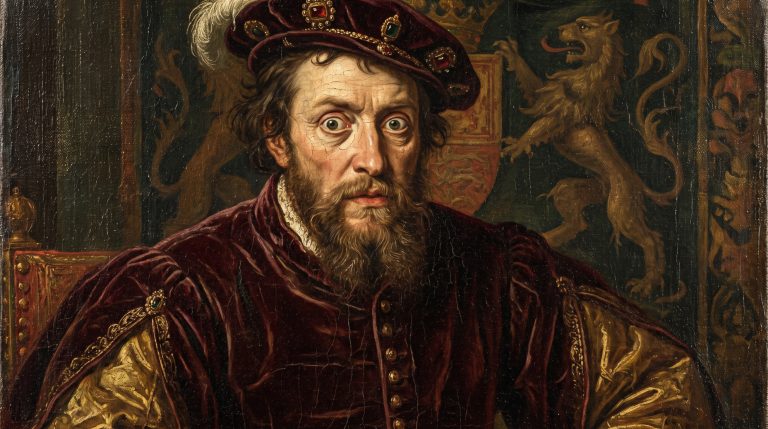

Power doesn’t always bring stability, and these royals proved that even kings can lose their grip on reality.
King Charles VI of France

Called “Charles the Beloved” early in his life, his sanity deteriorated beginning in 1392 when he experienced an abrupt psychotic episode during which he attacked his own knights while charging into battle.
For three decades afterwards, “Charles the Mad” endured frequent delusions in which he did not know his own name, could not recognize his wife, and experienced “glass delusion” where he believed he was made entirely of glass and had workers sew sacks full of iron rods into his garments to prevent him from shattering.
King George III of Great Britain
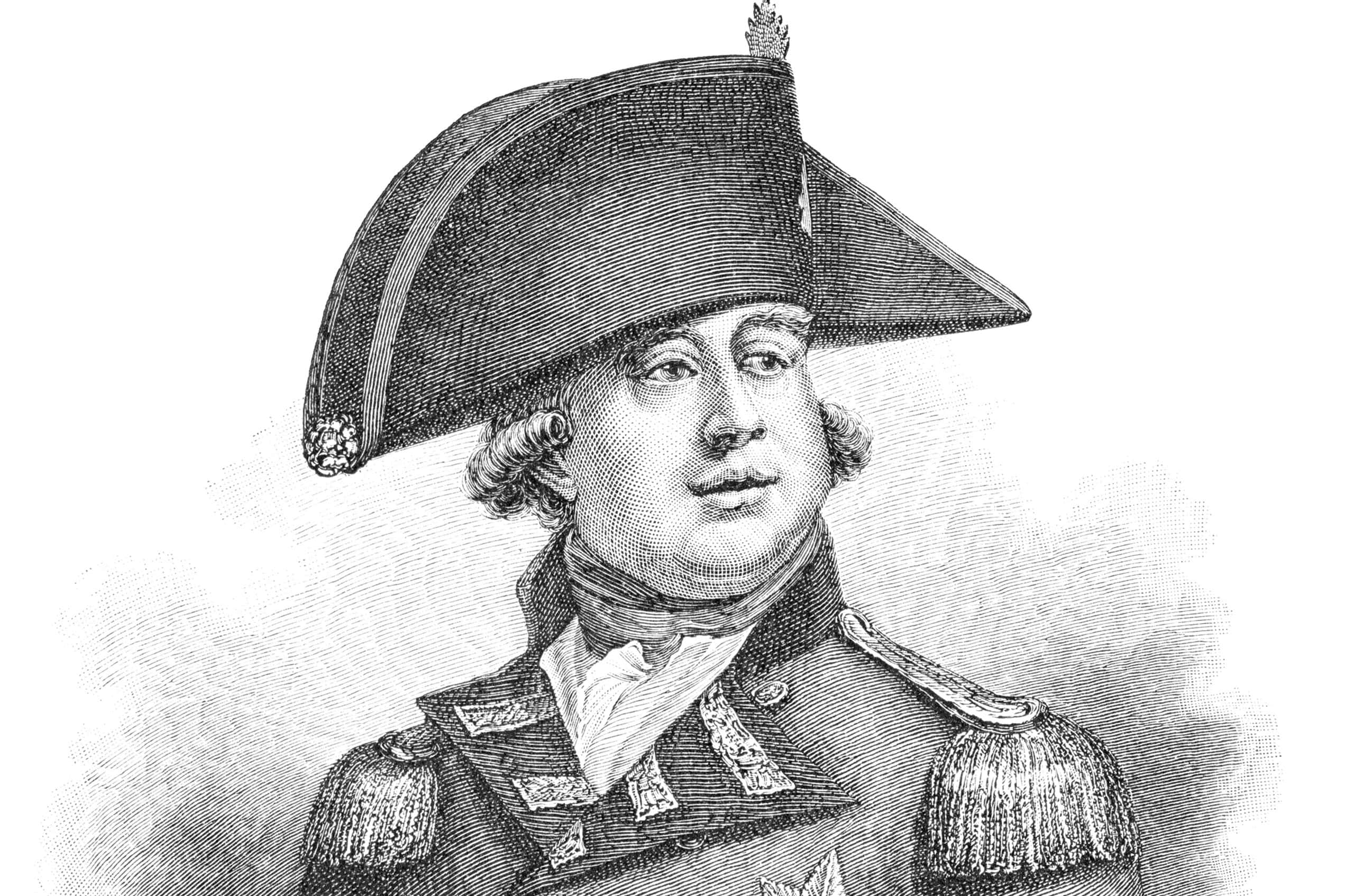
Best known for losing the American Colonies, King George III experienced extended periods of physical and mental illness during which he was often bedridden for months.
At the height of his manic episodes, he would ramble on without pause until saliva frothed at his mouth, speak to deceased relatives, and experience horrific seizures. Today, physicians and historians believe he may have suffered from either porphyria (a hereditary blood disease) or extreme bipolar disorder.
Tsar Ivan IV of Russia

Popularly known as “Ivan the Terrible,” Russia’s first Tsar suffered from severe paranoia punctuated by violent psychotic episodes. After Anastasia, his wife, died suddenly, Ivan established the Oprichnina, a brutal secret police, and massacred thousands of his own citizens in paranoid purges. Ivan killed his son and heir, Ivan Ivanovich, in 1581 by hitting his son’s head with a heavy blunt object during one of his rages.
King Christian VII of Denmark

Christian VII became king at age 17, but was severely schizophrenic, with wild mood swings, self-harm, paranoia, and hallucinations. He had absolutely no interest in ruling the country, and left state matters to his royal court while publicly vandalizing property and getting into fights in the streets of Copenhagen. His instability enabled his royal physician, Johann Friedrich Struensee, to rule in his stead for years.
King Ludwig II of Bavaria

The king of Bavaria, also known as the “Swan King” or “Mad King Ludwig”, abdicated public responsibilities entirely to obsessively construct whimsical dream castles such as Neuschwanstein. In the process, he nearly bankrupted Bavaria.
Ludwig suffered from paranoia, hallucinations, and bizarre nocturnal behaviors which caused government officials to proclaim him insane in 1886. Three days after being removed from the throne and committed to a psychiatrist’s care, Ludwig mysteriously died alongside his psychiatrist in Lake Starnberg.
King Henry VI of England
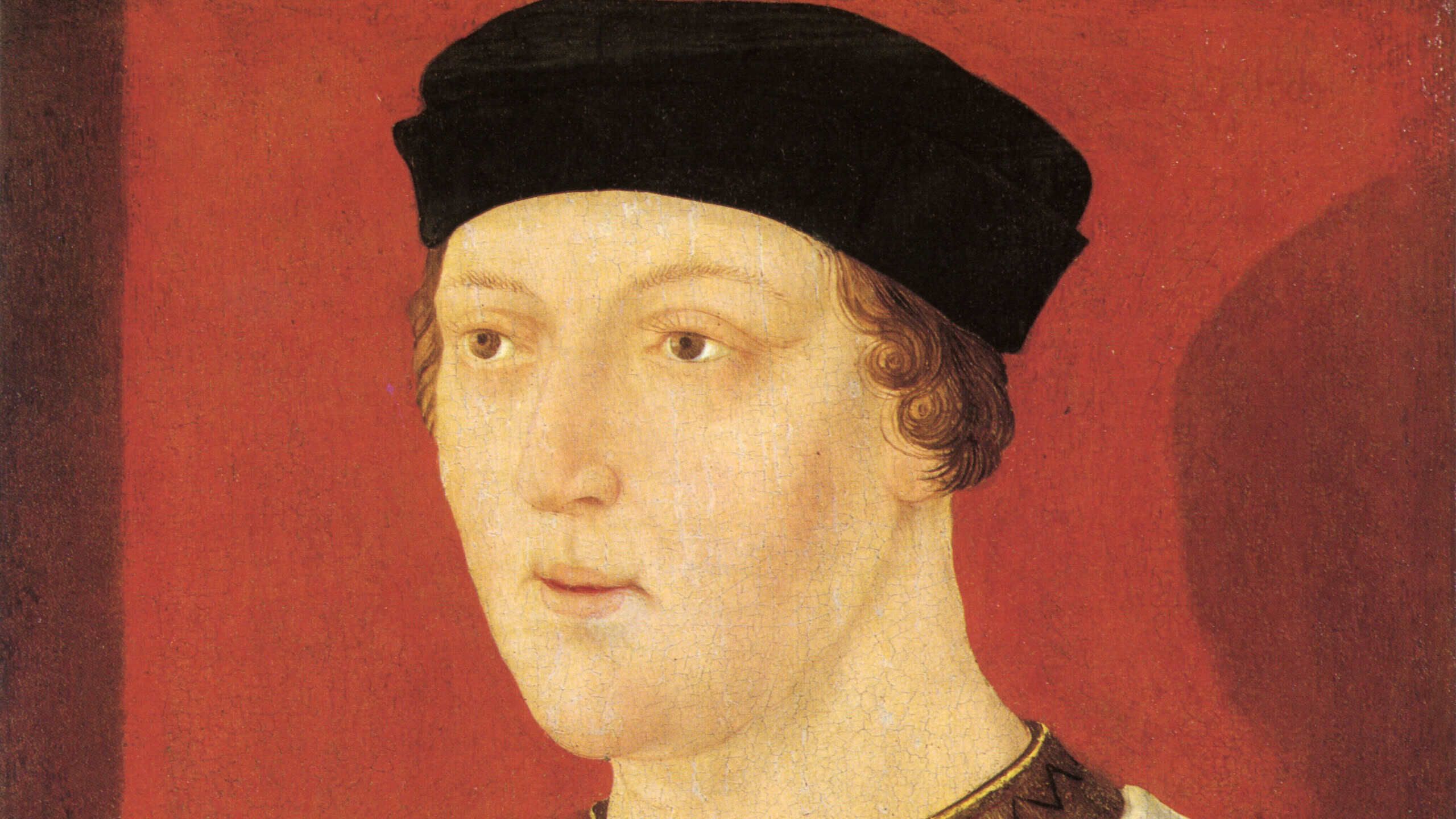
The pious and gentle Henry VI had a devastating mental breakdown in 1453 when English territories were lost in France. He descended into catatonia and was unable to speak or move unassisted for over a year.
He didn’t recognize anyone during this time, not even his newborn son and heir. He was unable to fulfill his duties as king, which created a power vacuum that directly influenced the Wars of the Roses to erupt.
Sultan Ibrahim I of the Ottoman Empire
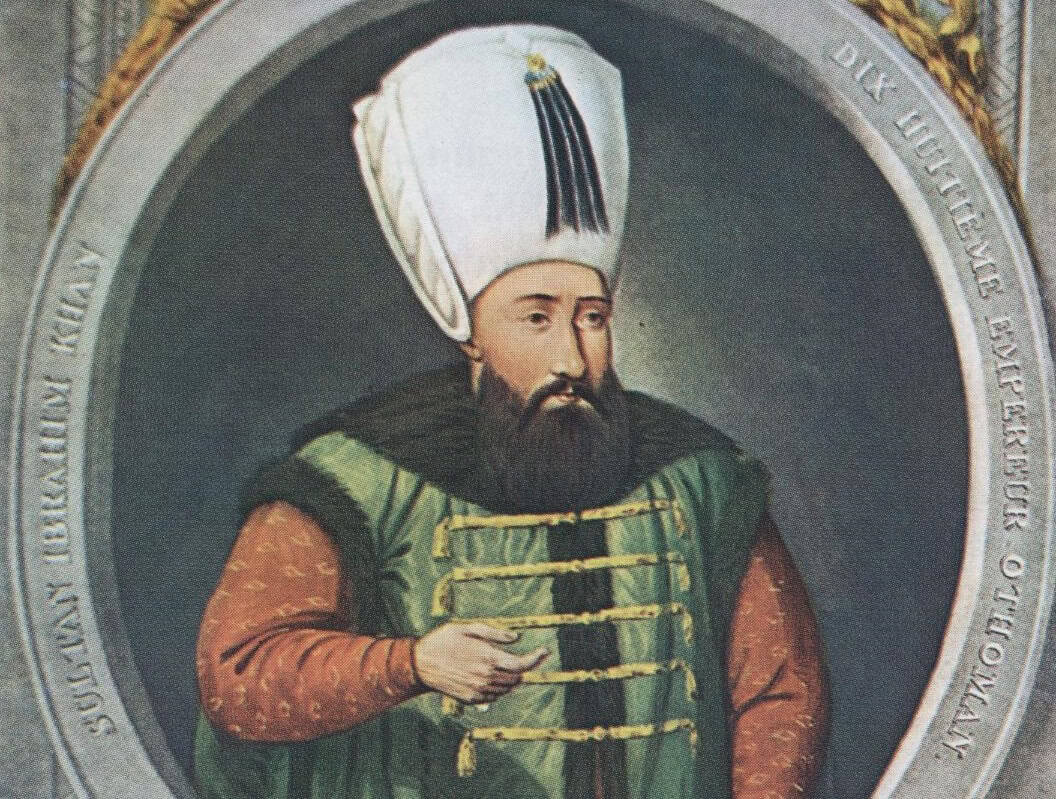
Confined to the Kafes (windowless cage palace imprisonment for heir-apparents and other potential successors to the throne) for his entire youth, Ibrahim was frequently threatened with death, which psychologically scarred him for life.
Known as “Ibrahim the Mad”, his rule after ascending to Sultan in 1640 was unexpectedly characterized by bouts of random bloodshed, frenzied spending and raging paranoia. Legend has it that when he heard about a possible betrayal, he had all 280 women of his harem thrown into the Bosphorus Strait to drown.
King Eric XIV of Sweden
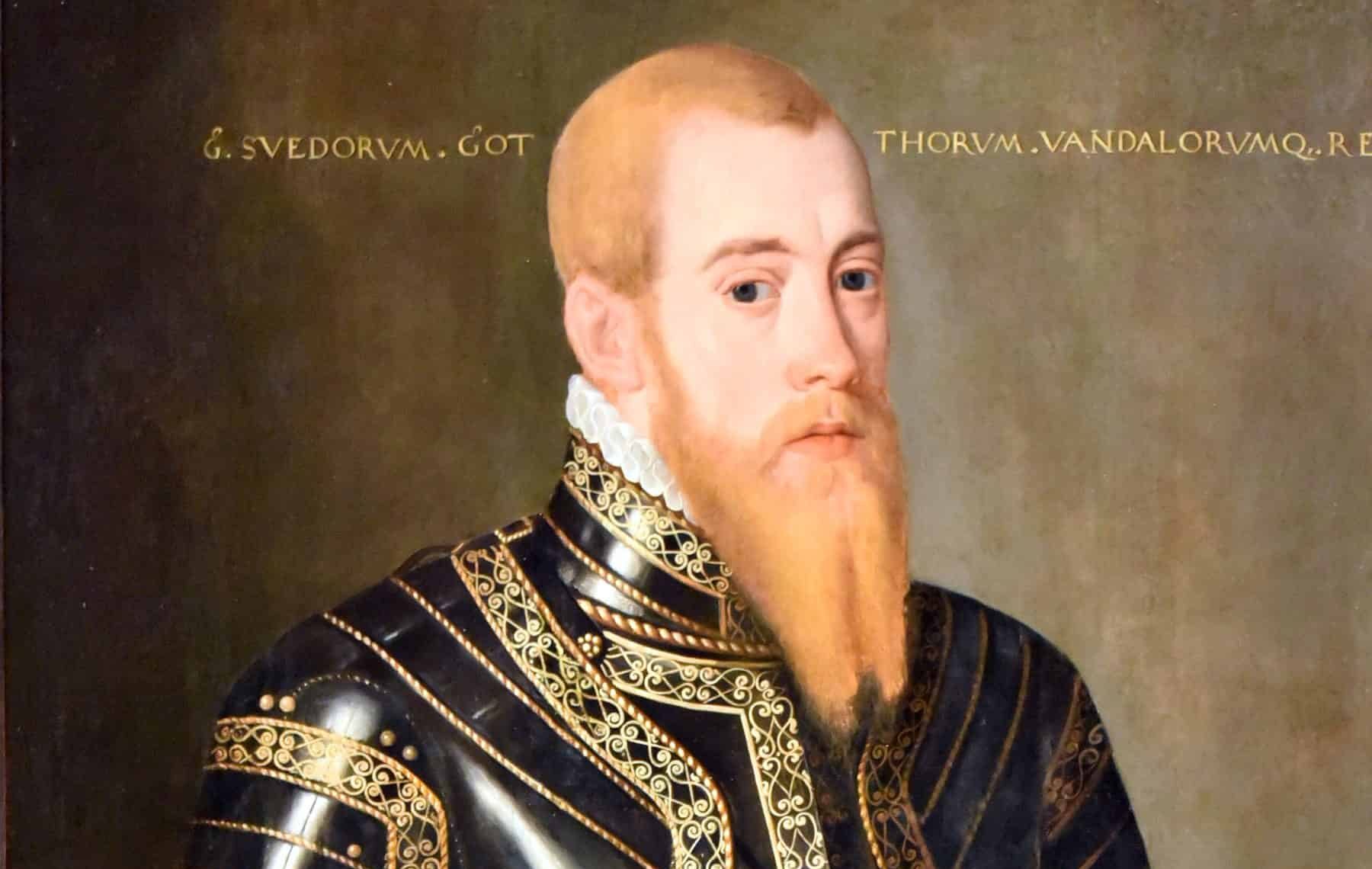
Although intelligent and well-educated when he first ascended to the throne, Eric XIV later in his reign became schizophrenic with persecutory delusions, believing that many of the nobility were conspiring to kill him.
In 1567, in a bout of paranoid rage later known as the Sture Murders, Eric XIV personally stabbed one nobleman to death in his dungeon while ordering several others beheaded. Afterwards, the King fled into the woods wearing peasant clothes and remained lost for days before being persuaded to return to the capital.
Emperor Caligula of Rome

Following a nearly deadly sickness early in his rule, Caligula began to display the tendencies of a sadistic and very insane man.
Roman accounts from authors such as Suetonius confirm Caligula’s extreme egomania, overt public sadism and penchant for odd behaviours, including declaring himself a living god, attempting to fight Neptune by commanding soldiers to retrieve coloured shells from the sea, and threatening to appoint his favorite horse Incitatus as Roman consul.
King Charles II of Spain
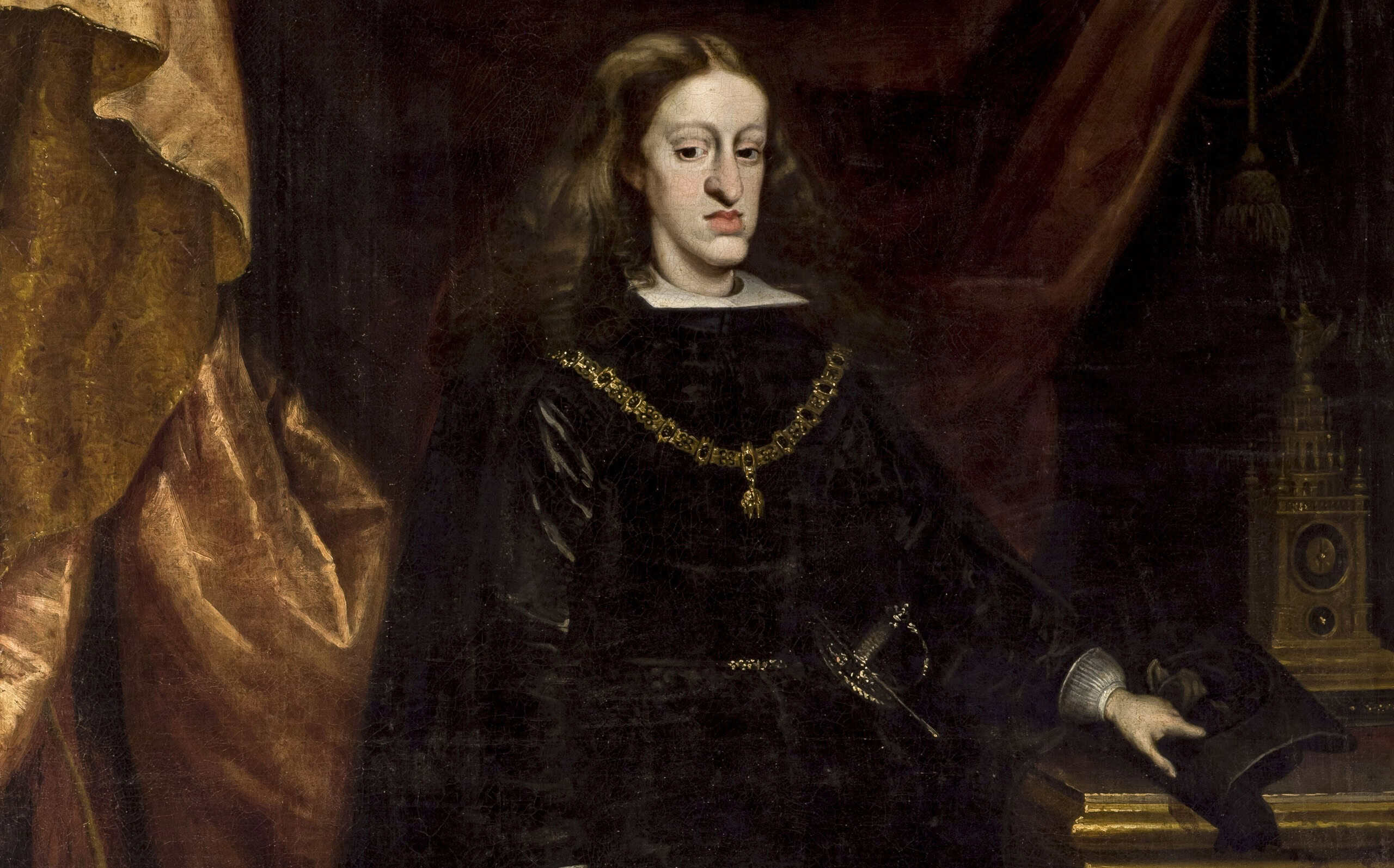
Spain’s last Habsburg monarch was mentally and physically severely disabled due to generations of inbreeding between relatives. Mockingly nicknamed El Hechizado (“The Bewitched”), Charles only learned how to walk at the age of five and did not speak until he was eight.
He experienced hallucinations, had chronic digestive problems and suffered from frequent epileptic fits. Because he produced no heirs and was unable to rule competently, his death resulted in the War of the Spanish Succession.
King Otto of Bavaria

Otto, younger brother of “Mad King” Ludwig II, suffered from psychosis after being greatly affected by his time in the Franco-Prussian War. In 1872, Otto was deemed legally insane, and secluded away from society for more than three decades at Fürstenried Palace.
Otto succeeded Ludwig to the throne in 1886 after Ludwig mysteriously died, but during his kingship he was allegedly oblivious to the fact he was king and suffered delusions, paranoia, and episodes of deep depression as regents managed the kingdom for him.
Sources: Please see here for a complete listing of all sources that were consulted in the preparation of this article.
Like our content? Be sure to follow us.
5 kings who were kind to their wives & 5 who treated them like dirt

Looking beyond the gold curtain, here are 10 kings that represent the two extremes of marriage; 5 that loved their wives and 5 that downright tortured them.
5 kings who were kind to their wives & 5 who treated them like dirt


