

Looking beyond the gold curtain, here are 10 kings that represent the two extremes of marriage; 5 that loved their wives and 5 that downright tortured them.
King George III of Great Britain (Wife: Queen Charlotte)
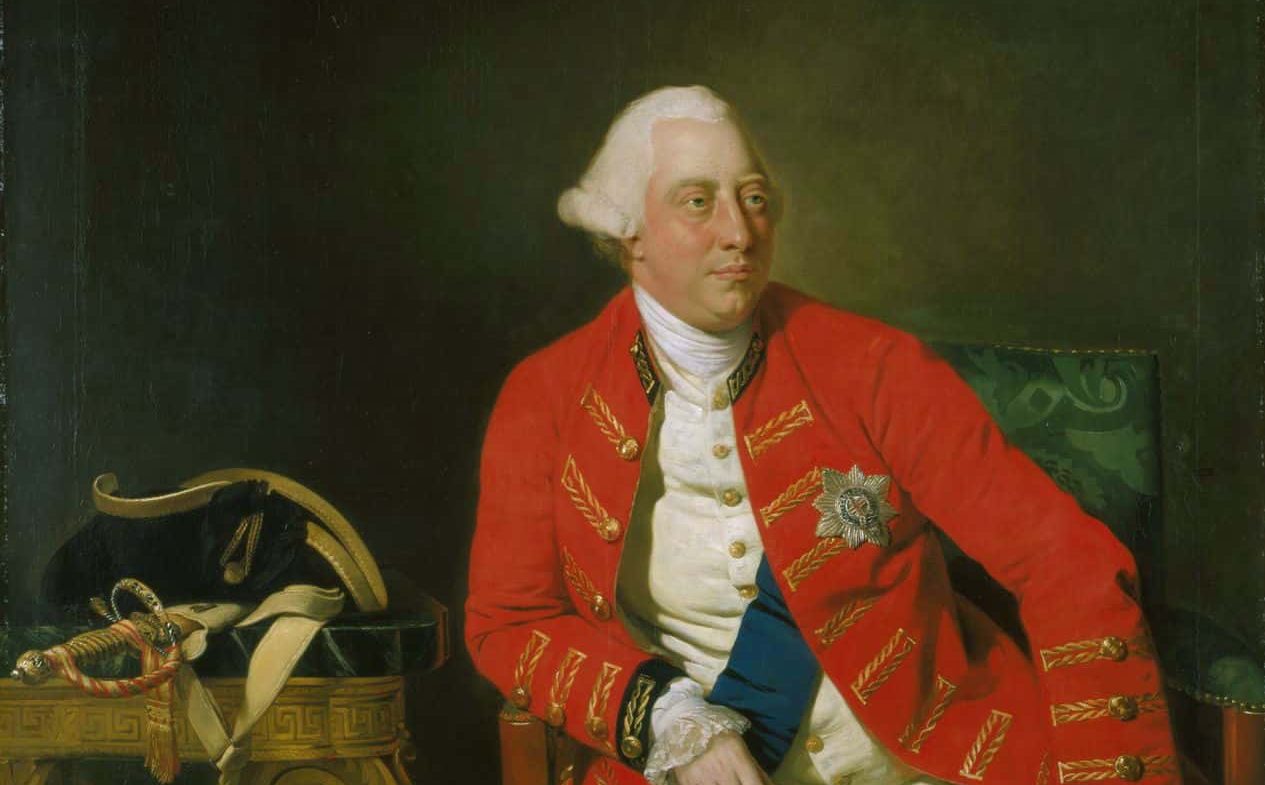
At a time when having mistresses was seen as something every King needed, George III remained entirely faithful to his wife Charlotte of Mecklenburg-Strelitz for their entire 57 years of marriage.
After they were married in 1761, just 6 hours after their first meeting, they developed a loving, sincere, and intimate relationship and went on to have 15 children.
The King cherished his time at home with his family and would play music with Queen Charlotte instead of partying like most of his predecessors.
He continued to cherish and remain devoted to her even as his severe mental illness began to take hold.
Tsar Ivan VI (Wife: Maria of Tver)
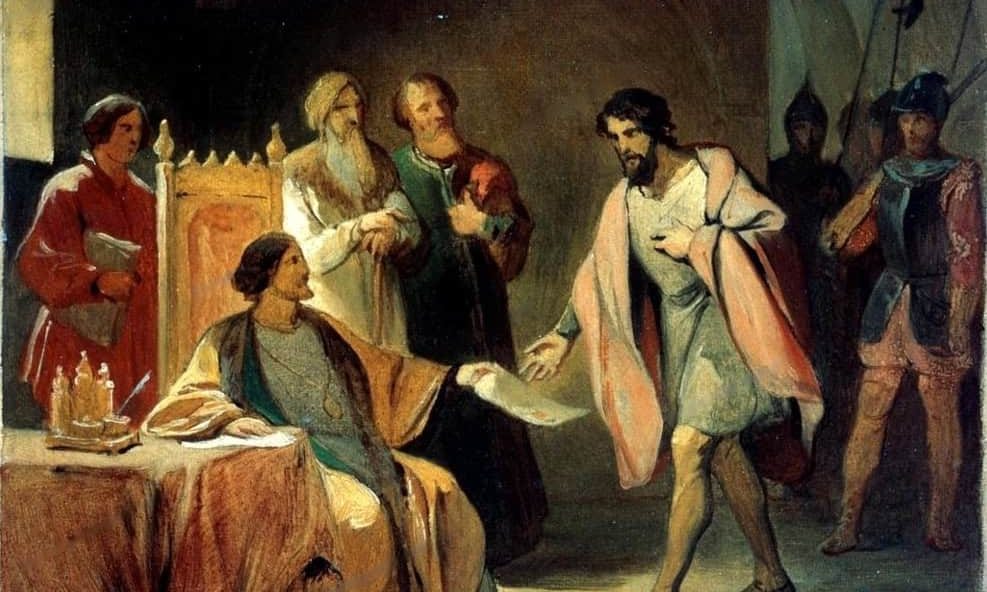
The deeply religious Ivan the Great remained faithfully married to his first wife Princess Maria of Tver at a time when women were usually relegated to living in isolated quarters known as the terem.
He valued her intelligence and consulted her opinion on political issues instead of simply expecting her obedience.
Maria’s untimely demise in 1467, widely believed to be the result of poison, plunged Ivan into deep sorrow; he openly wept in the presence of his court and subsequently funded extensive religious sites and acts of charity throughout Moscow to commemorate her.
King Christian IV of Denmark (Wife: Anne Catherine of Brandenburg)
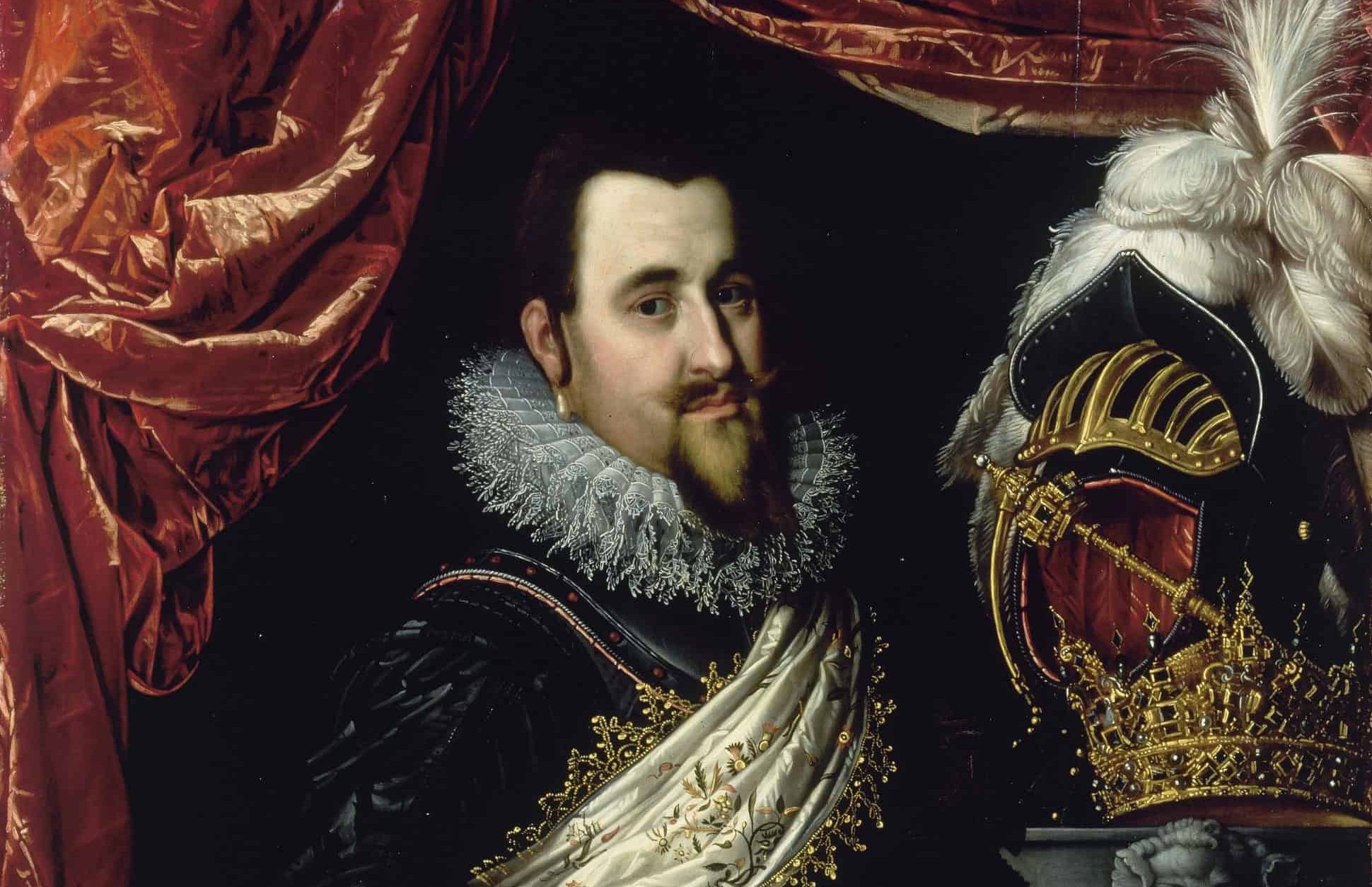
Christian IV was Denmark’s greatest builder and one of its greatest monarchs. Throughout his marriage to Anne Catherine, from 1597 until her passing in 1612, he showed her consistent patience and kindness.
While many European royals kept their foreign-born wives isolated during the 1600s, Christian involved Anne Catherine in aspects of the royal household, funded her private estates, and even had several ships named in her honor.
Even those who criticized his short-tempered approach with state affairs said he “was never otherwise than most indulgent and mild” with Anne Catherine in private.
King Charles I of England (Wife: Henrietta Maria of France)
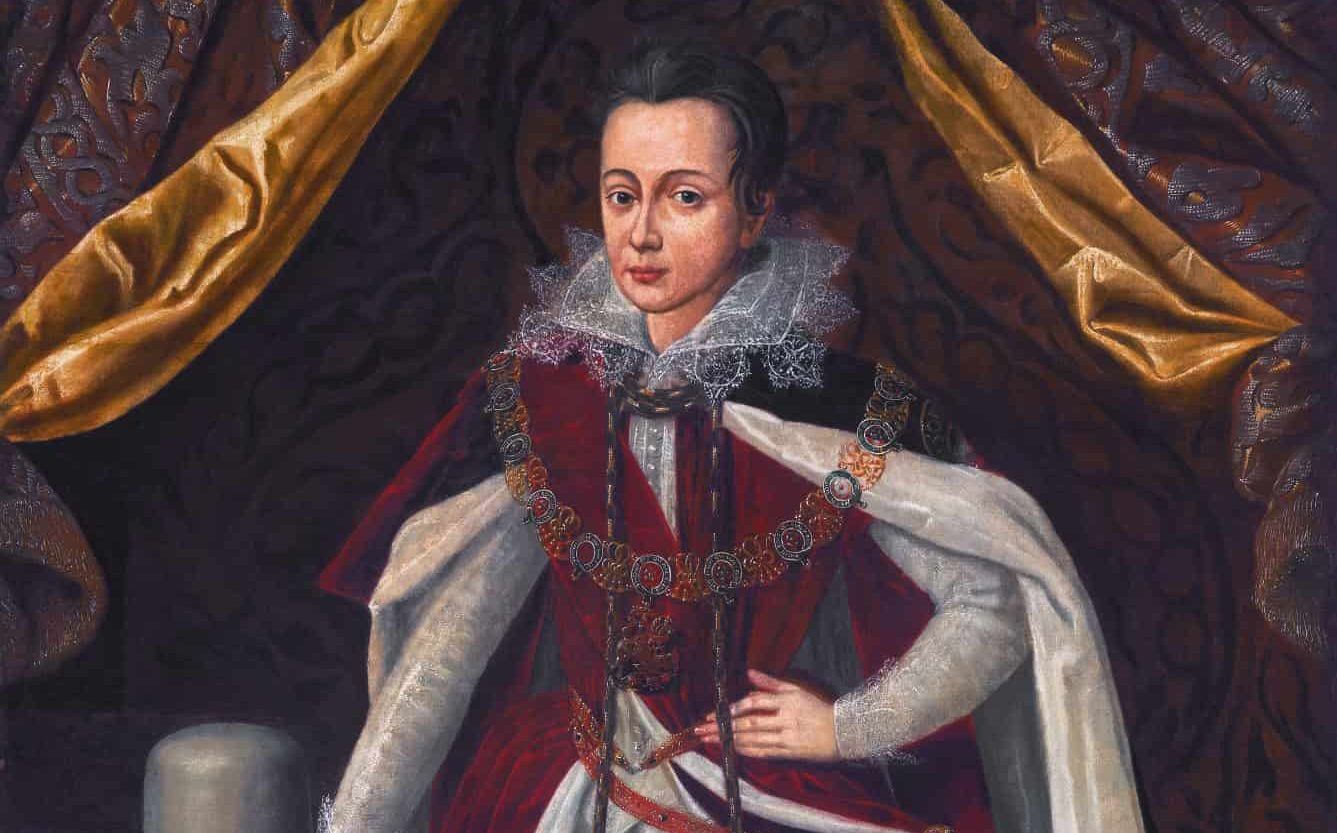
Their arranged marriage of political convenience began badly with many arguments, but Charles became completely besotted with his French Catholic wife. They became one of the closest couples in English history.
Charles put politics aside and treated Henrietta Maria as his closest adviser asking for her counsel on military decisions and diplomatic appointments during his struggles with Parliament.
Throughout the English Civil War, he poured out his feelings in hundreds of letters, brimming with ardent devotion and a fierce desire to protect her.
When Charles was being led to his execution in 1649, the last pieces of paper he wrote were messages of love to his wife and children.
Emperor Justinian I of the Byzantine Empire (Wife: Empress Theodora)
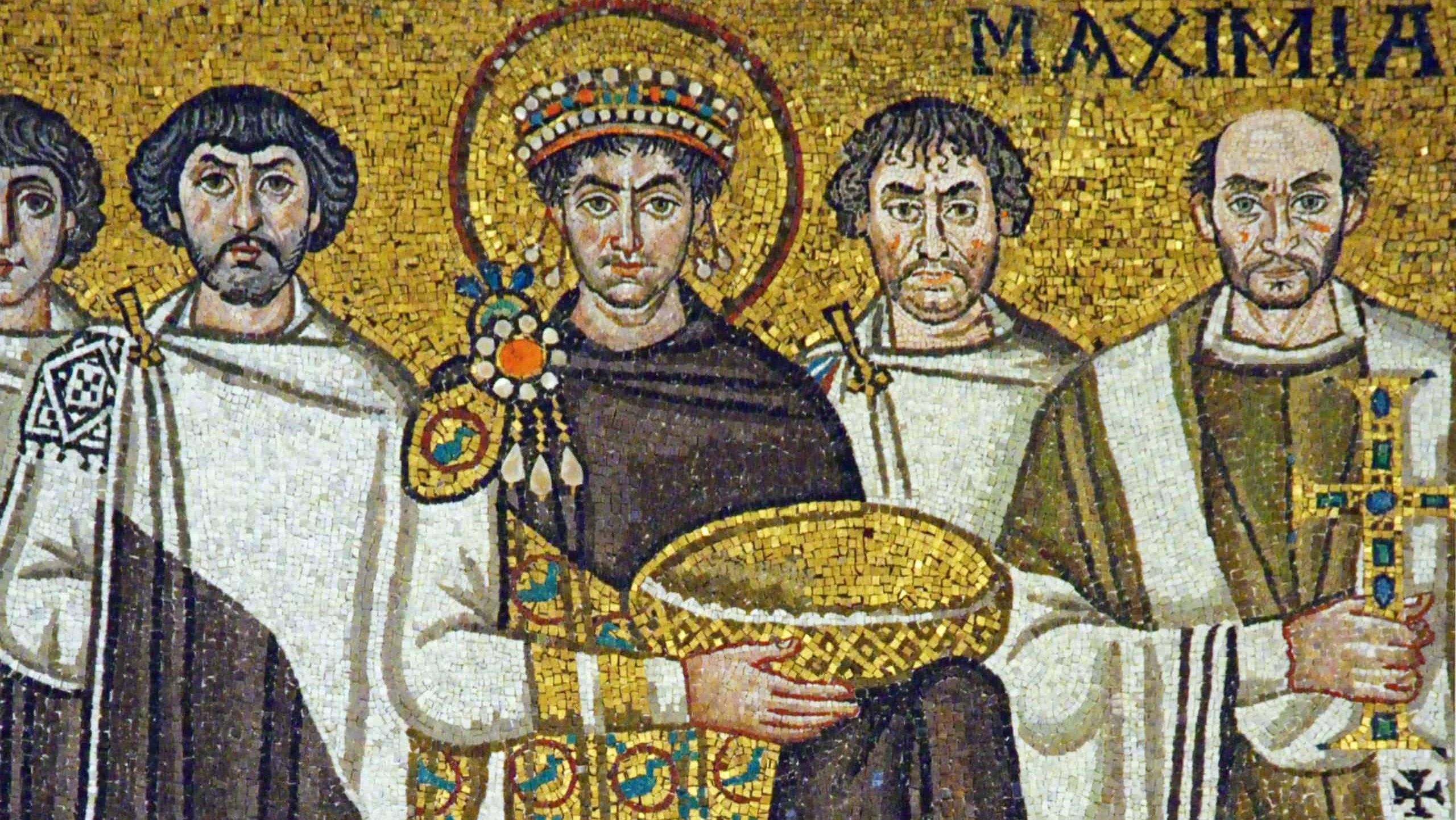
Justinian fell so in love with Theodora that he altered the law to allow him to marry her. She was considered beneath him because she was an actress and had been a courtesan.
Under existing Roman law, men of Justinian’s social standing were prevented from marrying women who worked as actresses or in similar callings.
However, Justinian managed to convince his uncle, Emperor Justin I, to change Roman marriage laws so he could marry her in 525.
He considered her an equal during their marriage, referring to her as a collaborator in his decisions and enacted laws that allowed women greater rights concerning divorce, property, and custody.
The loss of Theodora to cancer in 548 plunged Justinian into lifelong mourning, and he never remarried.
King George IV of Great Britain (Wife: Caroline of Brunswick)
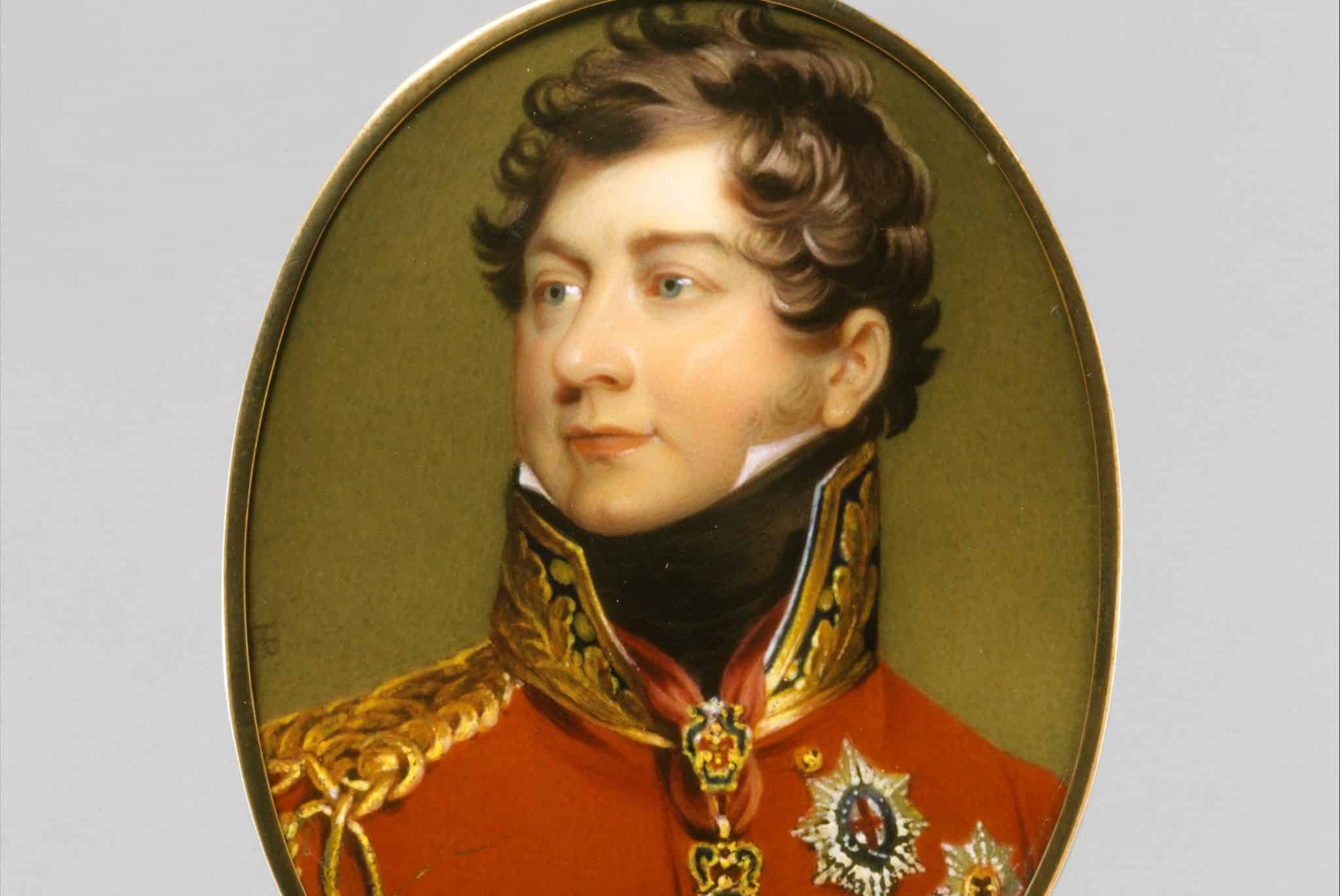
George IV wed his cousin Caroline in 1795 solely to get Parliament to clear his enormous debts, and he made no secret of his disdain for her from the very beginning.
He fell asleep drunk on the floor the first night of their marriage, never returned to Caroline after she gave birth to their only child, and schemed relentlessly to tarnish her name.
When George became king in 1821, he ordered troops to prevent Caroline from setting foot in Westminster Abbey on the day of his coronation; she died of a broken heart soon afterwards.
King Philip II of Spain (Wife: Maria Manuela of Portugal)
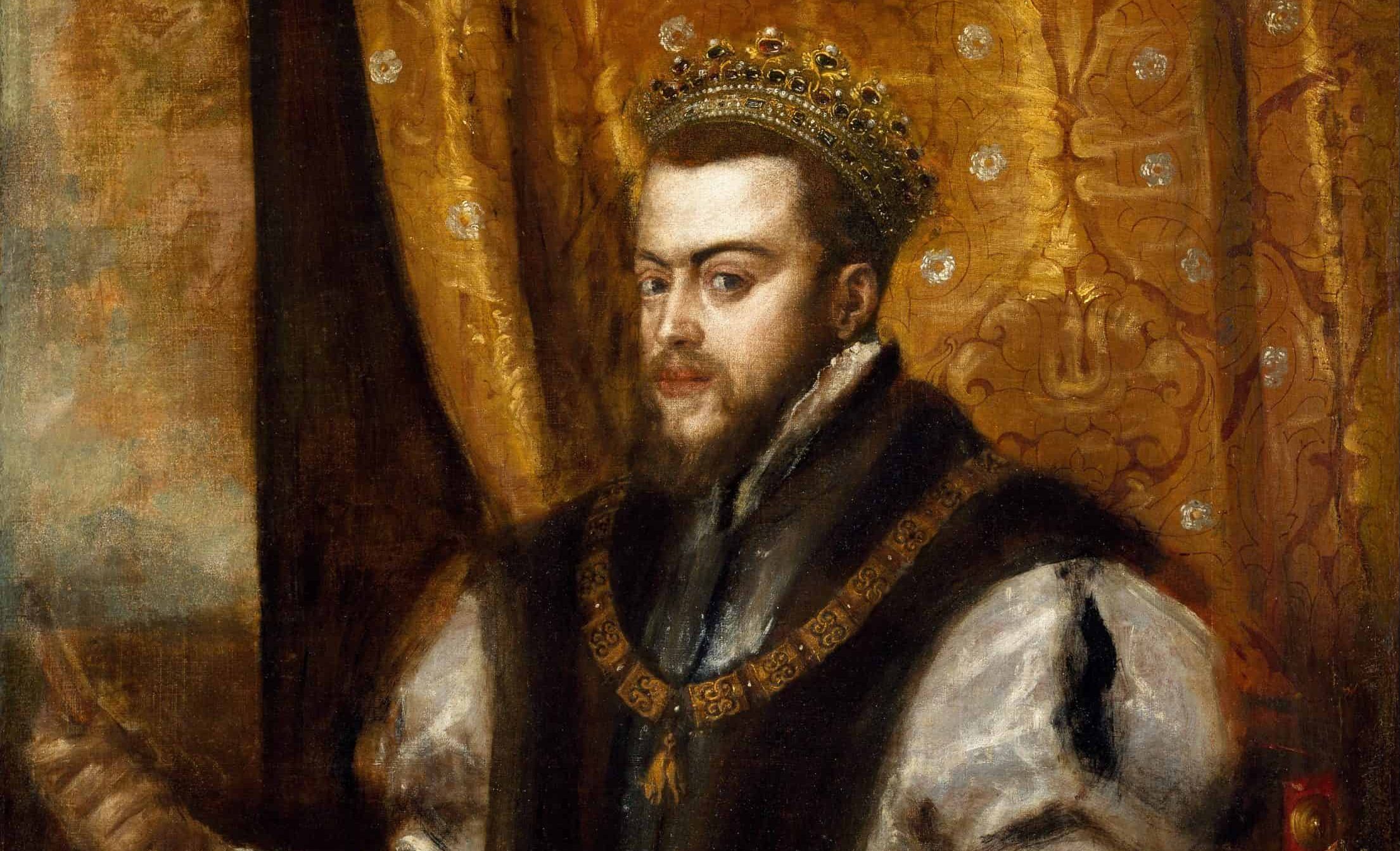
Philip II married 16-year-old Maria Manuela for political reasons in 1543. His indifference towards her was profound; she was just a vessel for carrying a child.
While she was carrying their child, he repeatedly strayed with ladies of the court and went on journeys, making scarce time for his wife, a lonely teenager according to many accounts.
Maria suffered a miscarriage of their son, Don Carlos, and died from complications of postpartum hemorrhaging in 1545. Philip attended her funeral service and promptly began looking for his next political match.
Tsar Peter the Great of Russia (Wife: Eudoxia Lopukhina)
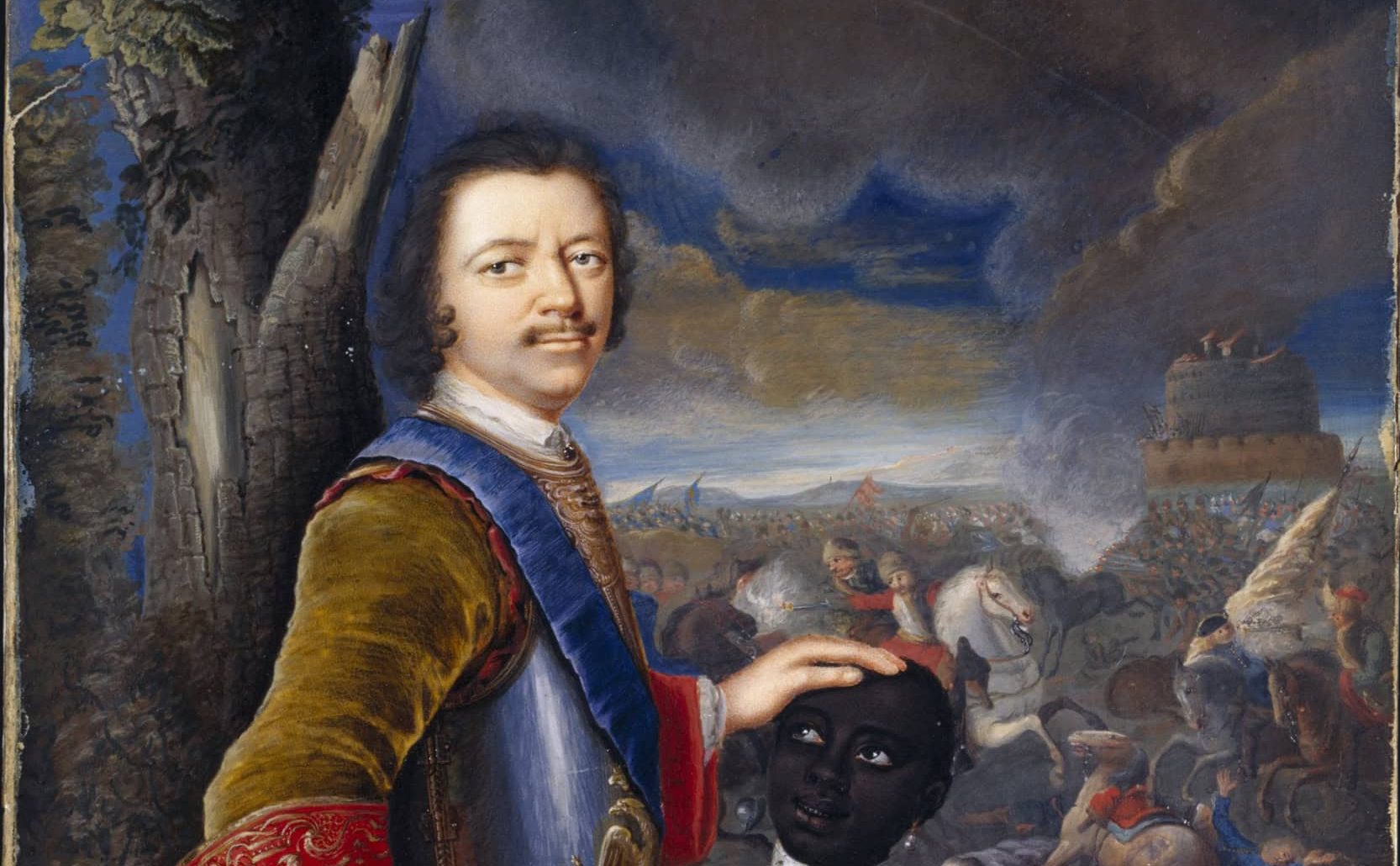
Peter married a conservative Russian noblewoman named Eudoxia against his will in 1689. Pressured by his mother into marriage, Peter spent the rest of his life regretting his wedding day.
His prolonged absence touring Europe meant he paid her little mind, and he returned with his mistress openly in tow.
Then, in 1698, Peter declared that Eudoxia was holding Russia back from its modernization. He had her dragged out of the palace by her hair, divorced her at swordpoint, and imprisoned her in a remote Russian monastery where she would remain for over two decades.
Peter ordered the execution of her allies and several men rumored to be close to her.
King Eric XIV of Sweden (Wife: Karin Månsdotter)
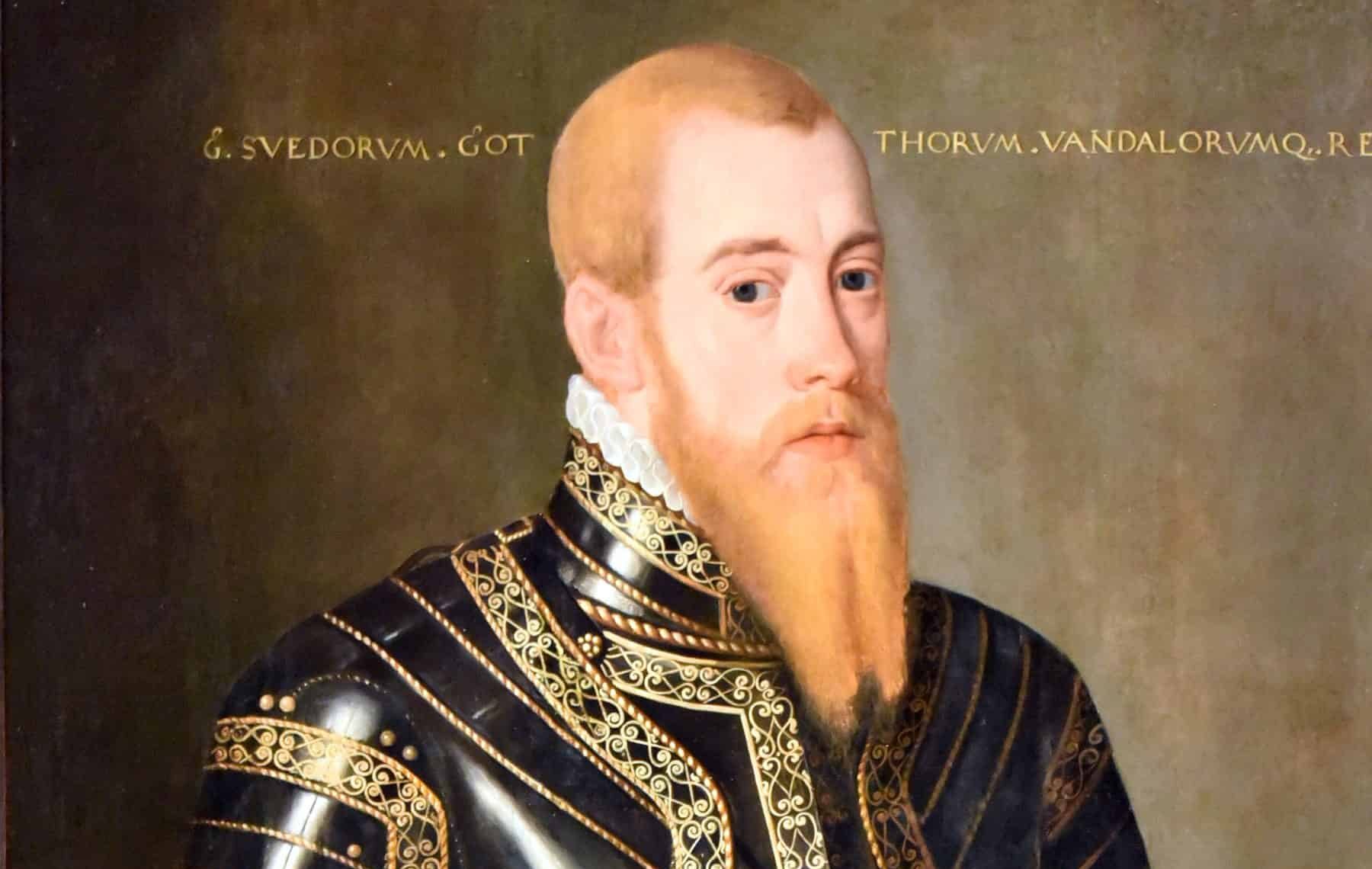
Eric XIV developed an affection for Karin Månsdotter, a female commoner. Eventually his affection led to him crowning Karin Queen of Sweden in 1568. It was a marriage quite out of step with the times, yet Eric’s spiraling mental health ultimately darkened their union.
In bouts of psychosis, Eric accused Karin and her family of plotting against him and locked her in the house, yelled at her, and threatened to have her executed for treason.
Later that same year, his brothers overthrew Eric. After Eric’s downfall, Karin was separated from her children and lived imprisoned with her husband for years.
Even though Eric’s love for Karin was real, his illness tragically burdened her with the costs of her royal status.
King Christian VII of Denmark (Wife: Caroline Matilda of Great Britain)

Christian VII married British princess Caroline Matilda when she was 15 years old in 1766. However, his horrible schizophrenia and cruel sadomasochistic impulses made life a nightmare for her.
Christian would frequently humiliate Caroline in front of everyone, and it’s said he made her join him on his many late-night rambles through Copenhagen. Many people in court were extremely rude to Caroline and Christian seemed to enjoy allowing this to happen.
Lonely and without political influence, Caroline began to form a friendship with the king’s doctor Johann Friedrich Struensee. Their bond quickly evolved into both a political collaboration and a romantic liaison.
When Christian took back control of the government with a team of supporters, Struensee was found guilty and killed in a gruesome way.
Christian banished his young queen to Germany, never to see her two young children again, and she died at the age of 23.
Sources: Please see here for a complete listing of all sources that were consulted in the preparation of this article.
Like our content? Be sure to follow us.
10 women who earned their place in history by being ‘evil’
Throughout history, women who have overcome stereotypes and expectations to take power for themselves often earn evil or bad because they refused to just exist peacefully on someone else’s terms.


