

The ugliest betrayals in history are the ones that come from the people who were trusted the most, like relatives and other loved ones.
Julius Caesar
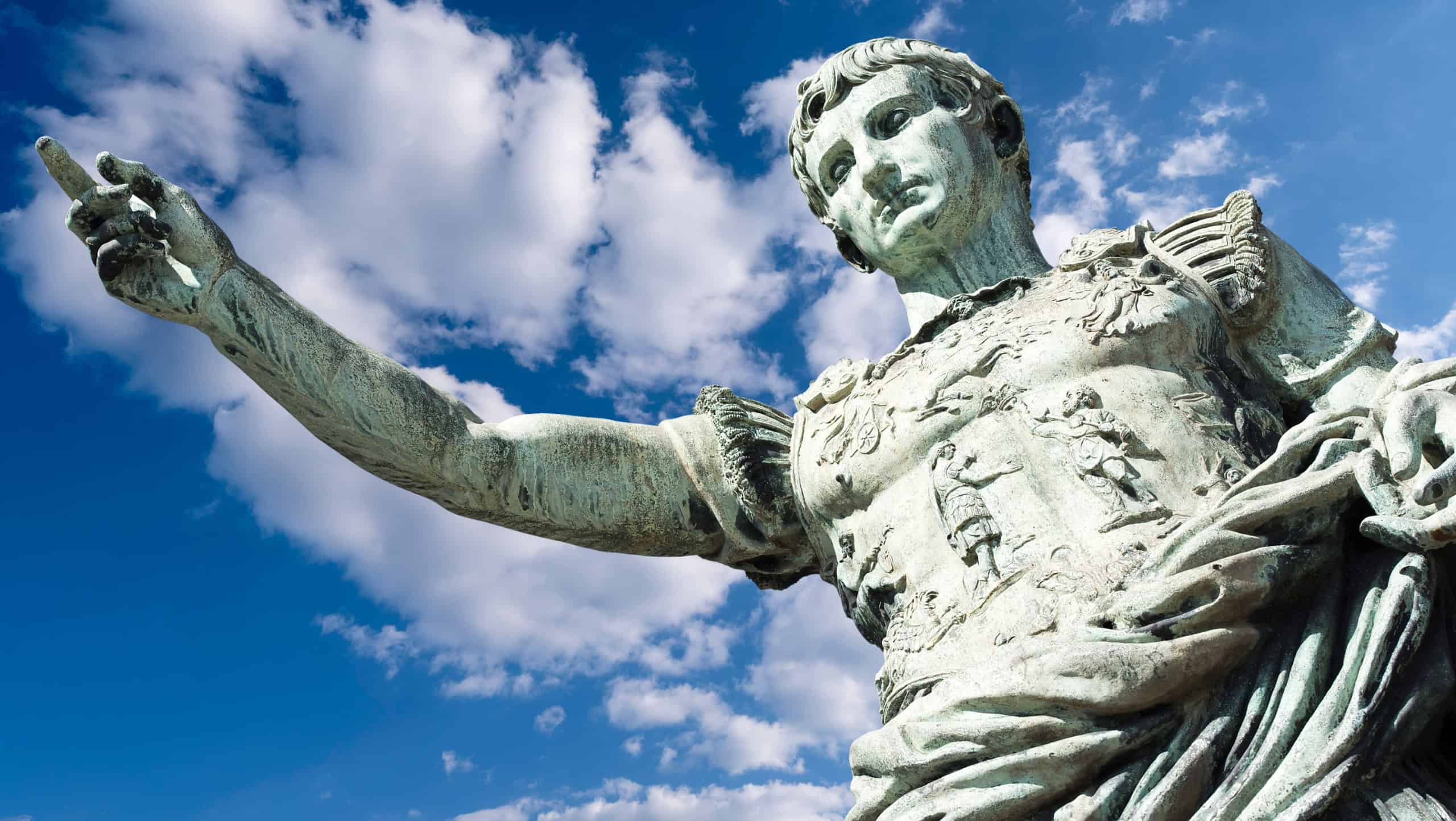
Julius Caesar didn’t think he was walking into a room of enemies on March 15, 44 BC. But that’s exactly what happened. He was walking into a group of people who he thought were his friends, yet they really weren’t. Take Marcus Brutus, for example.
Caesar had pardoned him and helped restore his career. Then there was Decimus Brutus, a man who served as a commander and appeared in Caesar’s will. Both men joined the attack on Caesar and helped stab him 23 times. He was killed by people he’d worked beside and trusted.
Agrippina the Younger
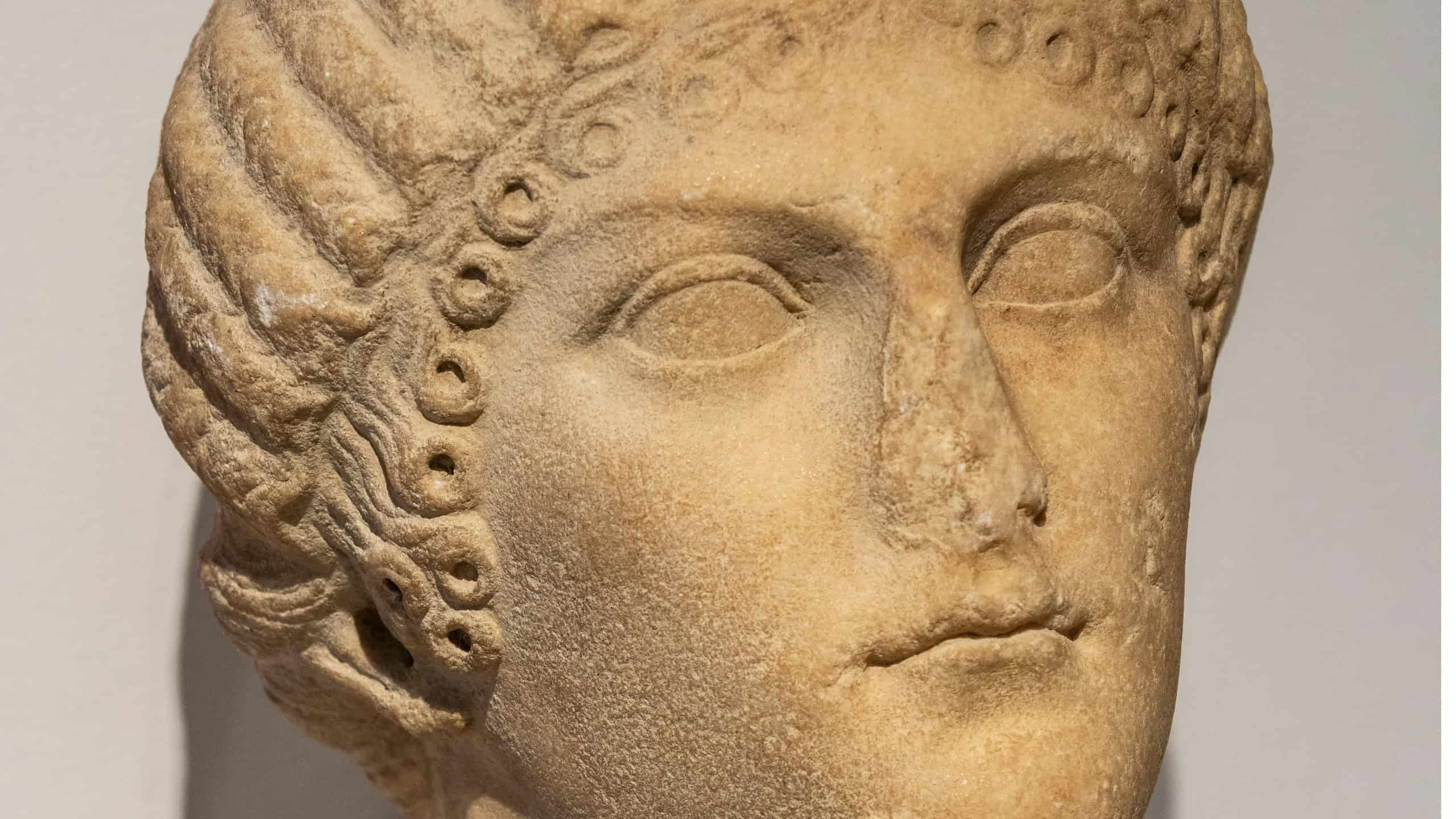
It took years for Nero to finally get on the Roman throne. A lot of that work came from his mother, Agrippina, who’d married Emperor Claudius and arranged for Nero to be adopted. She actually helped him jump the line ahead of Claudius’s own son.
But Nero didn’t seem to care about her work. He removed her guards once he became emperor in AD 54 and also reduced her influence. Eventually, he decided she had to go, and he sent armed men to her villa in AD 59. What gratitude.
Seneca

That’s not all for Nero. He learned politics and public speaking from Seneca, a man who had been brought back from exile. He was supposed to tutor the future emperor and later became one of his main advisers, although the relationship soon turned frosty.
Nero became suspicious of nearly everyone around him. Kind of makes sense, he was a Roman emperor, after all. One of the names connected to a conspiracy against Nero was Seneca, and the emperor ordered Seneca to end his own life. He did.
Darius III
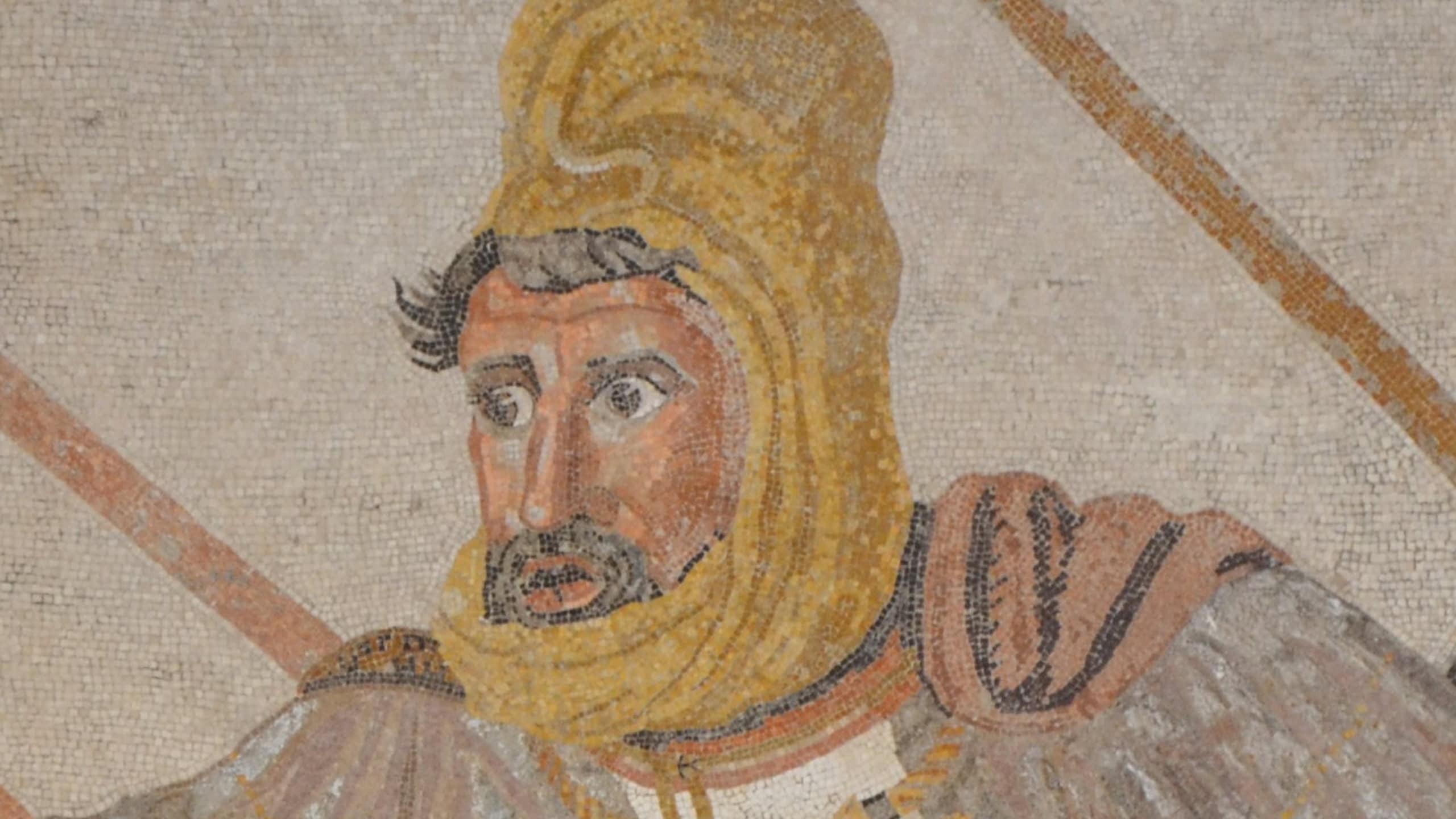
Darius III was desperately trying to escape Alexander the Great. But then, the men protecting him decided he’d be better off as a prisoner, and Bessus, one of Darius’s relatives, helped arrest the king in 330 BC. They put him in a wagon and dragged him east.
It wasn’t long before Macedonian troops closed in, and the group was left with a choice. They decided to stab Darius and leave him behind. Bessus then claimed the Persian throne. It seems like he’d been planning a replacement, not trying to rescue the king.
Han Xin

Han Xin was the most important person in creating China’s Han dynasty. He’d won major battles and crushed rival armies, eventually becoming one of the most successful commanders in Chinese history. Xiao He recognized that. So, he pushed for him to receive a senior command.
But all that changed years later when Empress Lü accused Han Xin of supporting a rebellion. Xiao He tricked Han into coming to the palace, and when he arrived, he was arrested. Then he was executed.
Flavius Aetius
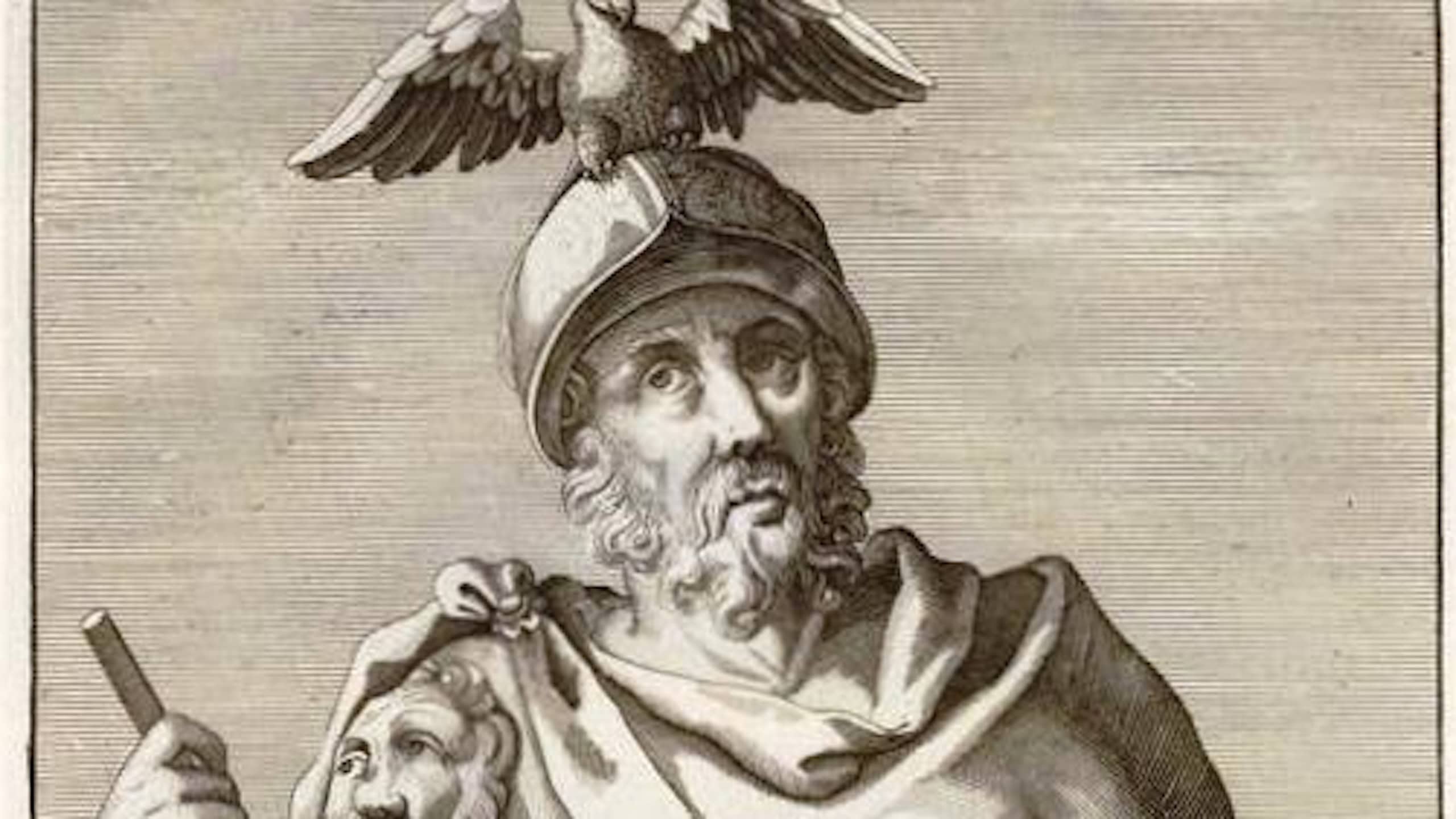
Flavius Aetius had to deal with so many of the Western Roman Empire’s biggest military problems for quite a few years. Rivals, invading forces, he dealt with them all, including Attila’s advance in Gaul. But Emperor Valentinian III became convinced that Aetius wanted the throne.
It was mostly because his courtiers had been pushing that lie, and it worked. Aetius went to the palace to discuss government finances on September 21, AD 454, and Valentinian attacked him with a sword. Aetius died inside the court he had spent years defending. How tragic.
Thomas Becket
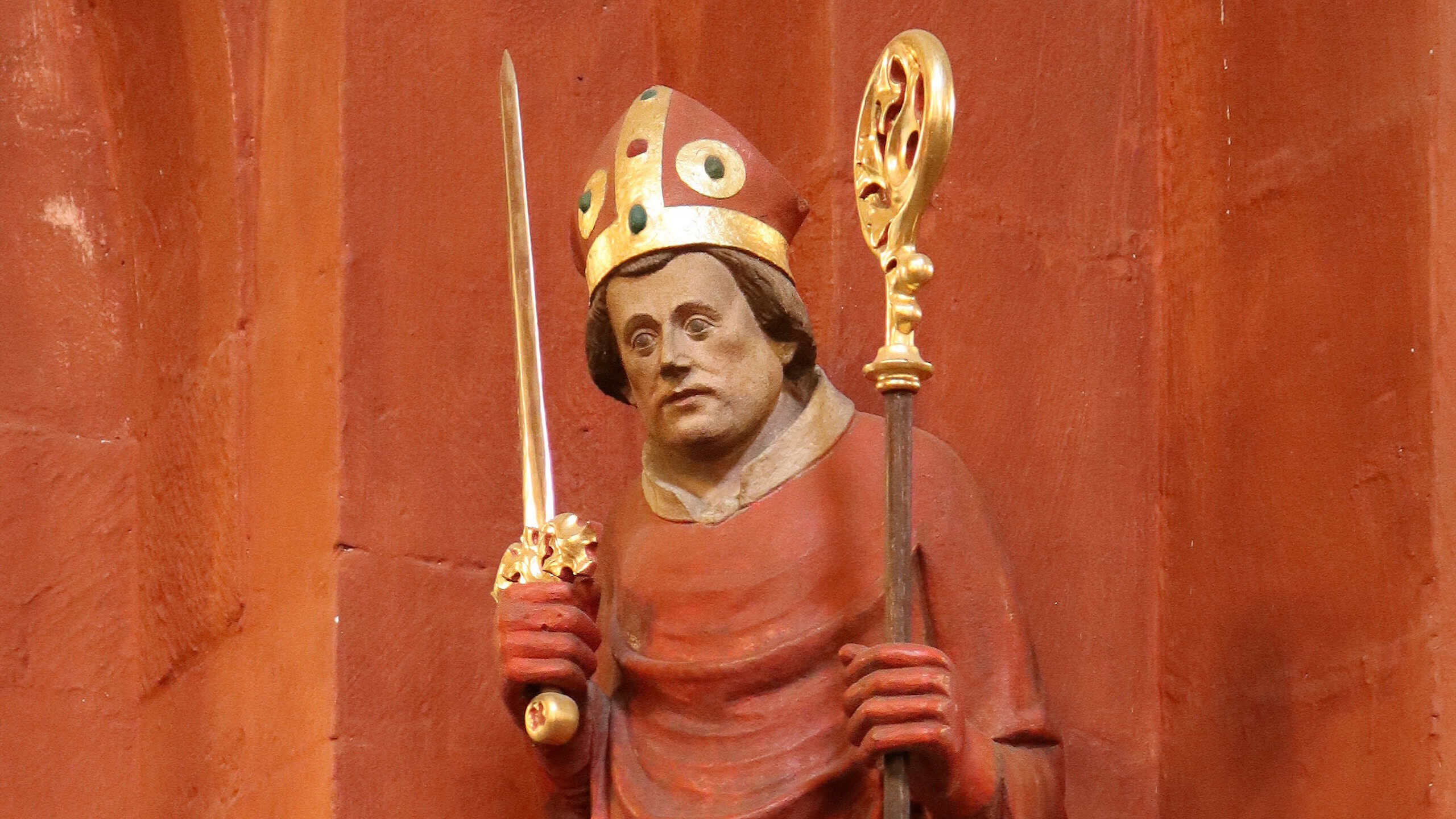
There was a time when King Henry II of England and Thomas Becket had been close. Close enough, in fact, to travel and spend freely together. Henry made Becket archbishop of Canterbury, believing his old friend would support royal power over the church. He was wrong.
Turns out, Becket would defend the church courts instead, and it left the two men arguing for many years. Four knights connected to Henry’s household heard the king raging about Becket in December 1170. They rode to Canterbury Cathedral and killed the archbishop near the altar.
Georges Danton

There’s no denying that France was a scary place to be during the 1700s. That was when the French Revolution was happening, after all. Georges Danton was one of the men involved, and he helped bring down the monarchy. He worked alongside many men running the Revolution.
By 1794, however, he had begun calling for the Terror to slow down. Fewer executions, less bloodshed, sounds like a good idea, but not to Maximilien Robespierre. He saw Danton as a threat and had him arrested on March 30. He went to the guillotine on April 5.
Shaka Zulu
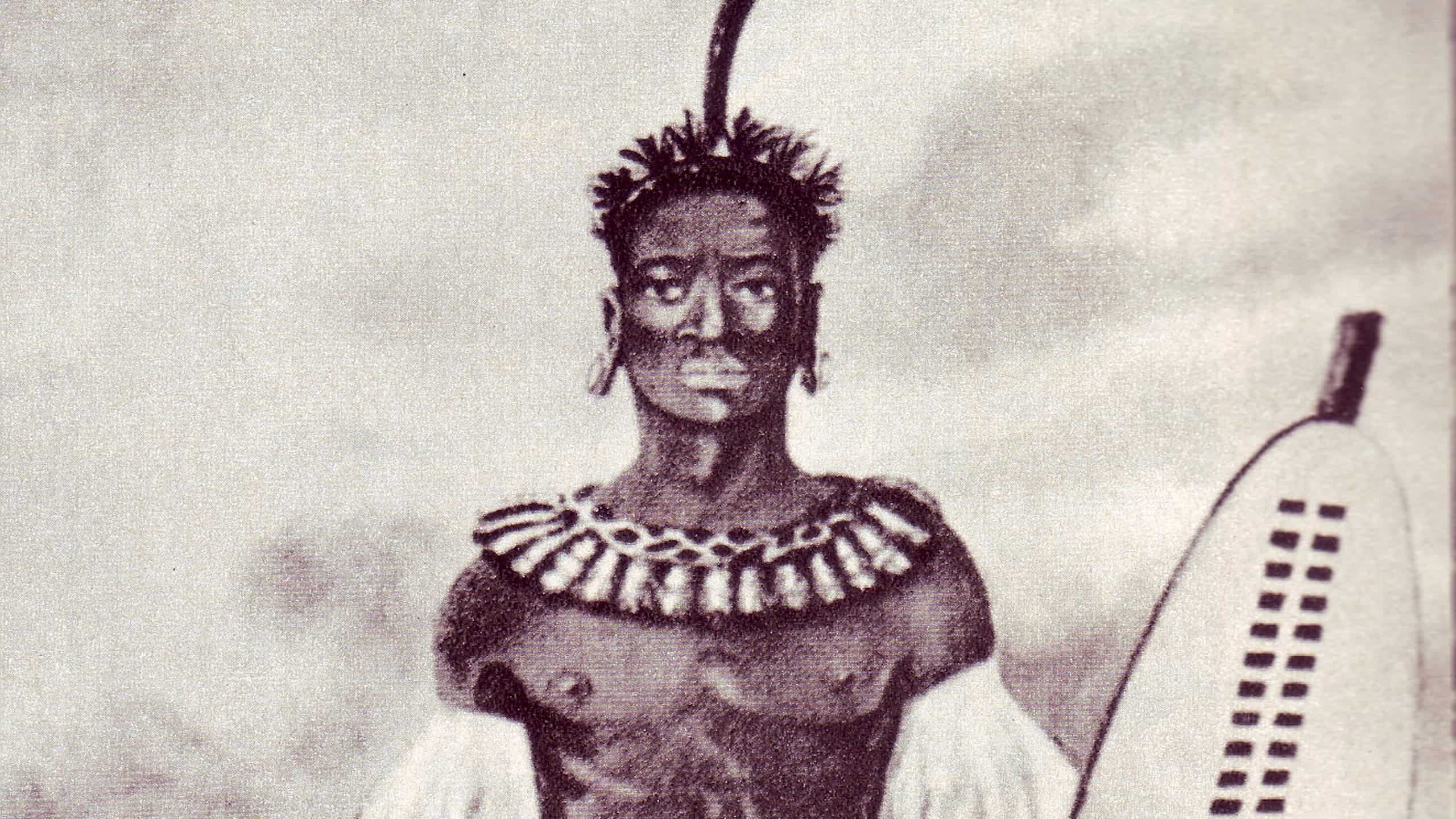
Shaka Zulu was once the king of the Zulu kingdom, and the attack on him didn’t come from a distant enemy army. No, it was from his half-brothers, Dingane and Mhlangana. The pair had lived within Shaka’s royal system, but soon became scared and resentful.
All those emotions came to a head in September 1828. That was when most of Shaka’s army was away, and he was left exposed, so the brothers moved against him. They were helped by Mbopa, one of Shaka’s attendants. They stabbed the king.
Ernst Röhm

Ernst Röhm had been with Adolf Hitler since the Nazi Party’s very early period. His SA fighters actually helped to bully opponents and build Nazi power. But Hitler chose the army and conservative establishment over ever showing some loyalty to his longtime associate.
He had Röhm arrested during a purge called the Night of the Long Knives. He was given a pistol while in prison and told to kill himself, although he refused. So two SS officers entered and did it for him. He might’ve been evil, but it’s unbelievable that years of loyalty ended like that.
Nikolai Bukharin
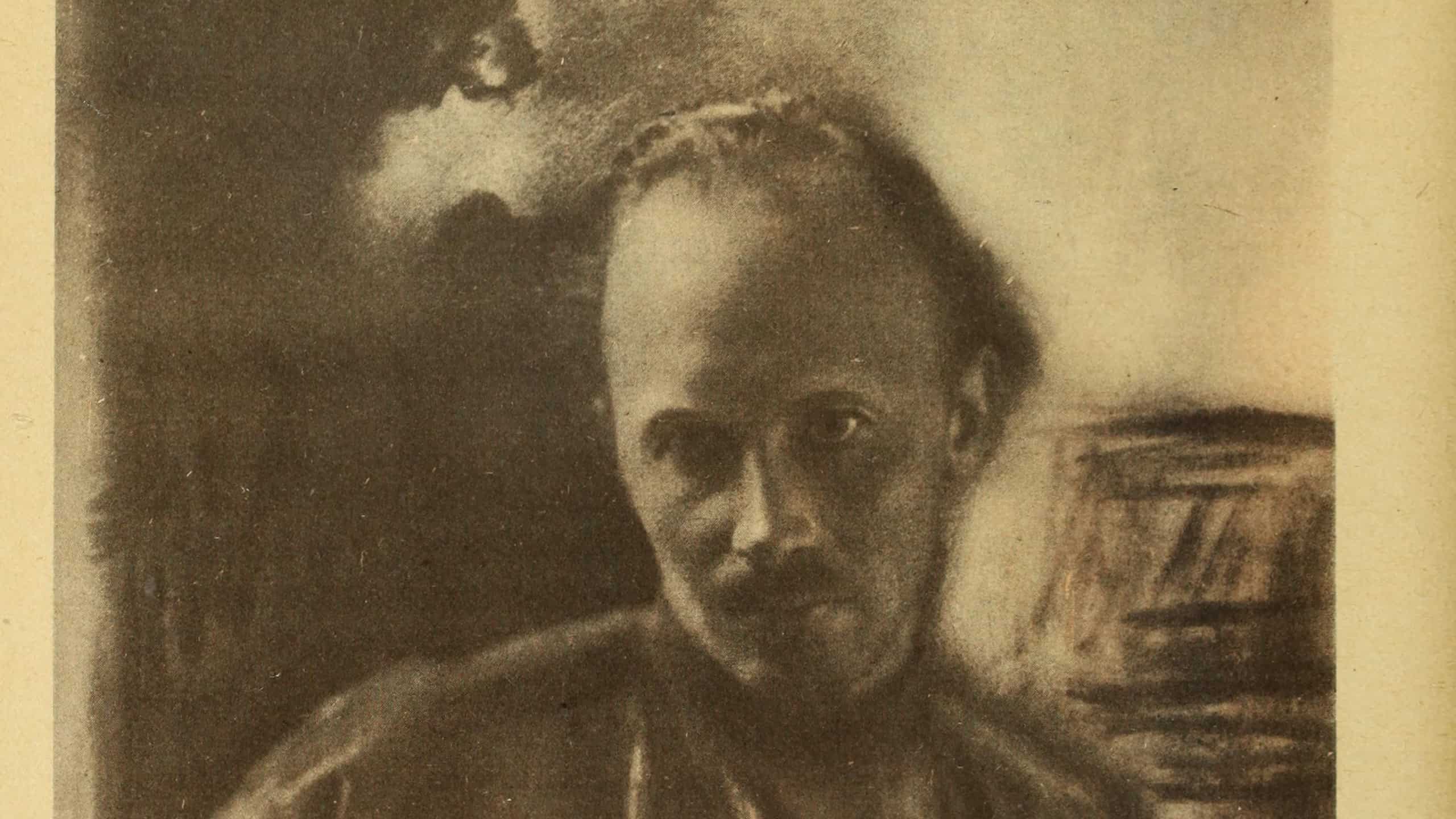
Nikolai Bukharin supported Joseph Stalin against several rival Bolshevik groups in the 1920s. He also held senior positions in the Soviet government. Yet their relationship eventually turned sour as they began disagreeing over politics, and Stalin removed him from power, bit by bit.
Next came the Great Purge. In 1937, Bukharin was arrested and placed on trial for all sorts of alleged crimes, including espionage and treason. Most of these plots were completely made up. Still, Stalin had him shot.
Thomas Sankara
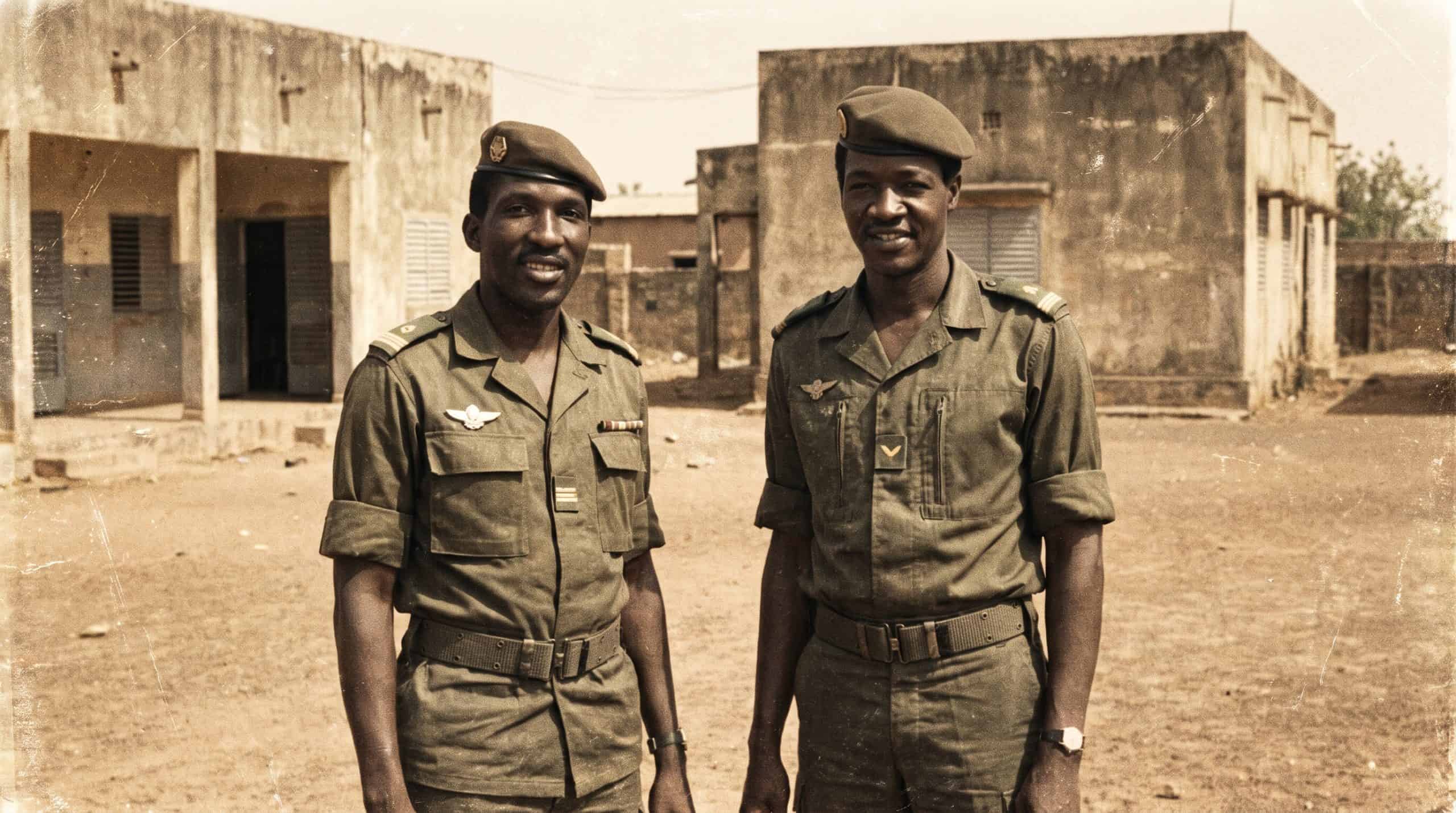
The thing with Blaise Compaoré was that he wasn’t a distant rival of Thomas Sankara, president of Burkina Faso. No, he was one of Sankara’s closest friends and a fellow army officer. He’d helped Sankara get to power, but Compaoré didn’t care about any of that.
He sent armed men who opened fire and killed Sankara and 12 other people. Compaoré took over the country that same day, and it took many years before he was actually convicted for his crimes.
Napoleon Bonaparte
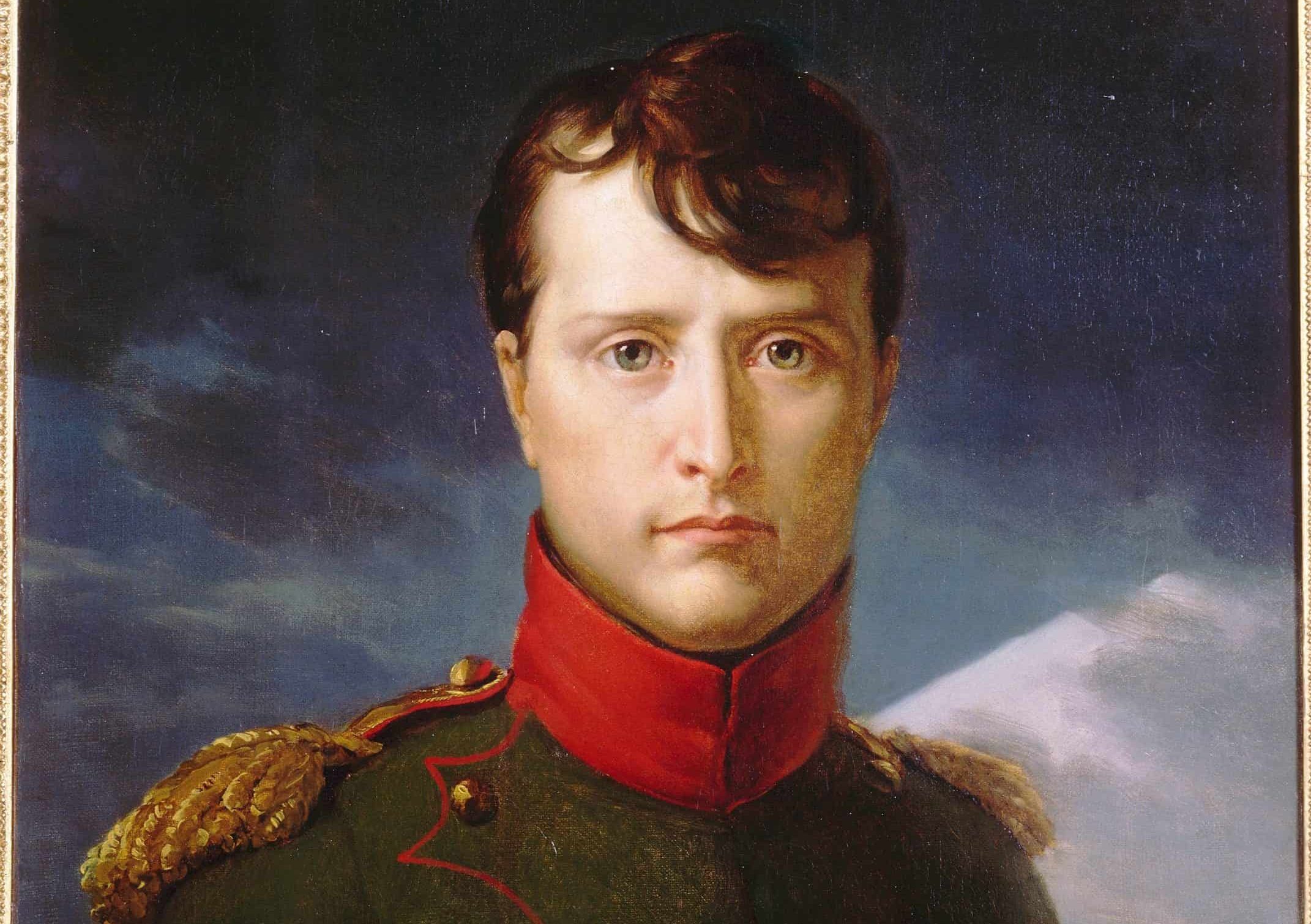
Napoleon gave Auguste de Marmont practically everything that a soldier could want. He had promotions and status, he had command and the title of Duke of Ragusa. They’d actually known each other since the early campaigns in Italy.
But in 1814, Marmont secretly made terms with the Allies and plotted to end Napoleon’s life. He sent his corps into enemy-controlled territory and took many valuable troops away from Napoleon. That forced Napoleon to abdicate pretty soon.
Sources: Please see here for a complete listing of all sources that were consulted in the preparation of this article.
11 women in history who refused the life chosen for them
History is not just made by warriors and revolutionary thinkers; it’s also been shaped by women throughout time and across cultures who didn’t settle for the roles that others chose for them.

