

Childhood in many societies, long before playgrounds, was a high stakes trial by fire.
Medieval European noble page system
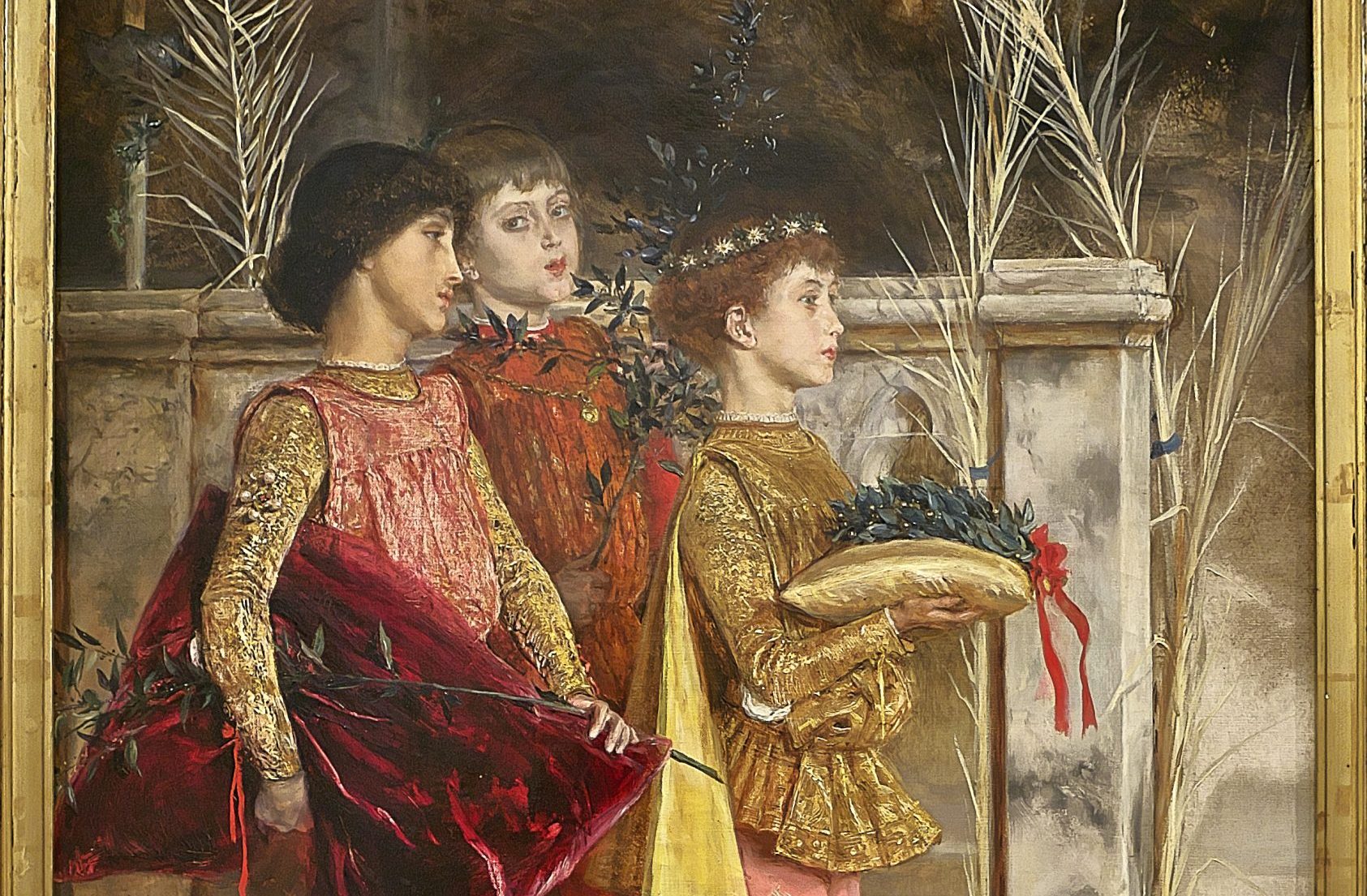
Around the age of seven, young noblemen from Europe were taken from their mothers to begin life as pages in the household of a more prominent lord.
Pages lived lives of quiet servitude. Sleeping on the hard stone floors of castles, rising before sunrise, they scrubbed floors and ran errands as they were schooled in grueling lessons of etiquette at court.
In addition to kitchen duty, boys broke their skin with wooden swords twice as thick as their fingers, wore armor heavier than they were, and rode horses in all weather, frequently being whipped by tutors and older knights.
The Spartan agoge

As young children, Spartans would be taken from their parents’ homes and raised by the military in outdoor barracks known as the agoge.
Barefoot except in times of dire weather, youths wore a single cloak year-round, even during winters.
Food was intentionally scarce, and boys were encouraged to steal whatever they wanted to eat. But if you got caught, you were whipped brutally. It wasn’t the stealing itself that drew punishment, but the fact of being found out. You had to be cunning. Learn to steal and never get caught.
There was no room for weakness in Spartan society. They valued fearless, unquestioning obedience to the state above all else. As such, the agoge sought to crush all individuality from a boy and mold them into disciplined killers who would hunger, ache, and be broken constantly. Only the strongest survived.
Aztec youth and chili-smoke discipline

Aztec parents thought children needed discipline to grow into strong adults. They spanked their children or physically punished them when they misbehaved or refused to listen. Enduring physical pain and obeying authority were highly valued Aztec traits.
Aztec punishments could be severe at times. Parents would prick their children with needles from the maguey plant or hold them over chili-pepper fires until they stopped crying. Smoke from the piled dried chili peppers became so thick that it formed a blinding cloud.
The smoke burned their eyes and lungs making them sting mercilessly. It was a lesson that the child would never forget about controlling themselves.
At fifteen years old, Aztec boys would attend district schools. There they slept on dirt floors, took icy cold baths and performed hard labor to toughen them for battle.
Mongolian horseback childhood
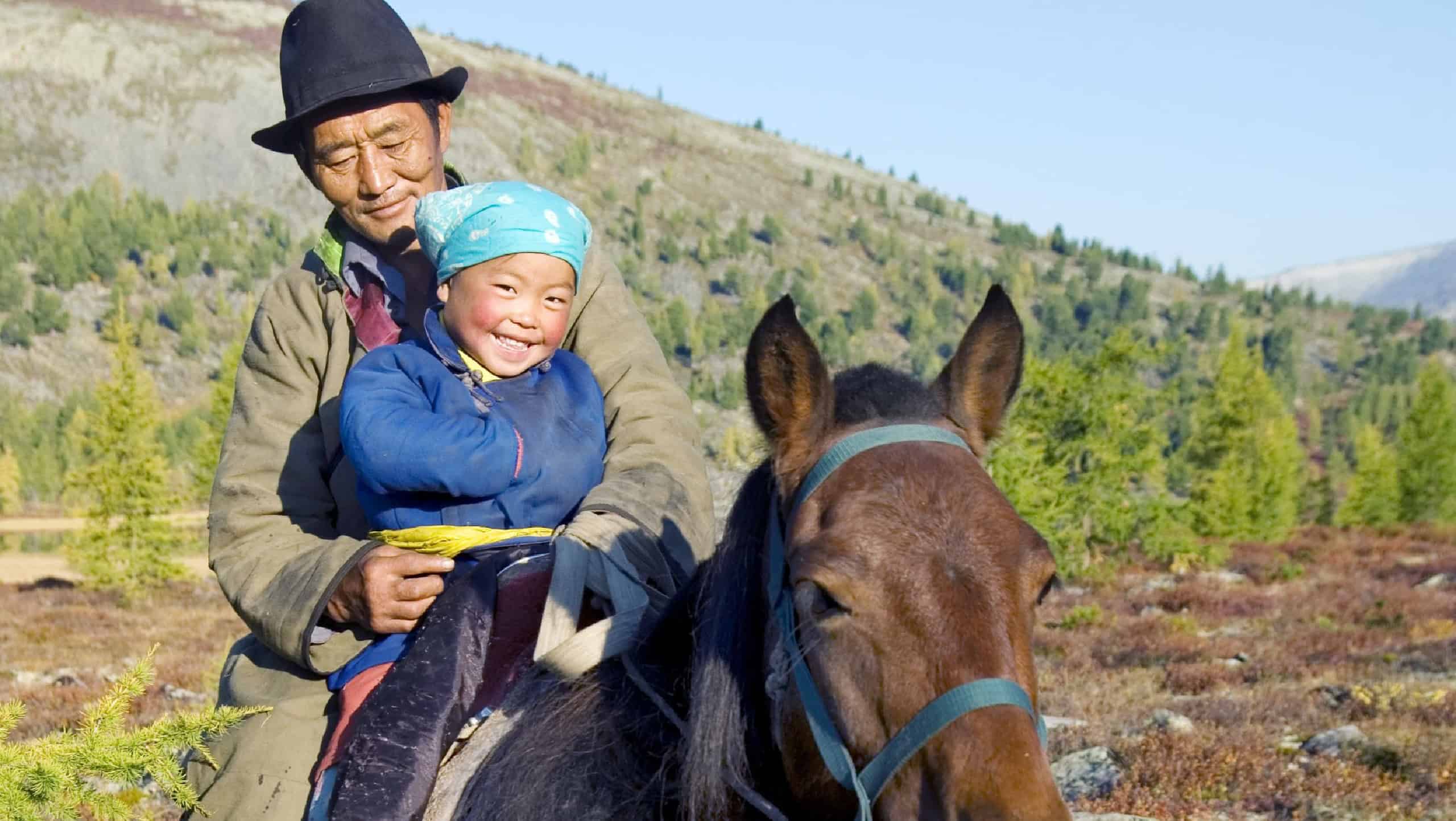
Before they could walk steadily, nomadic children of Mongolia were perched atop saddled horses. As their families moved about the grasslands, infants and very young children would be secured to saddle frames.
Hung on their mother’s horse by their belts, children of Mongolia rode over frozen windswept grasslands and were taught how to keep pace with the struggles of a nomadic lifestyle.
By age six, boys and girls were expected to be able to hold bows and shoot at high speeds while riding horses, tend aggressive herds of cattle, and sleep in temperatures below zero degrees.
They had to learn how to survive in hostile climates and terrains, hunt, and ride horses before puberty.
Victorian chimney sweeps
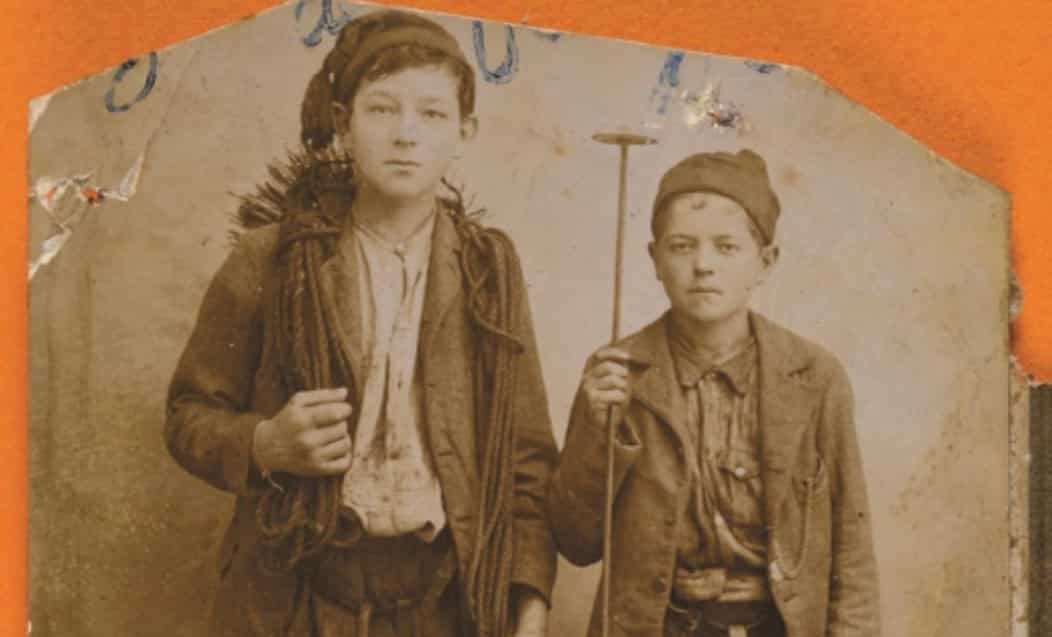
Chimney sweeps in Britain commonly used orphans or children from poor families as young as four-years-old to work during the 18th and 19th centuries.
These so-called “climbing boys” were sold or apprenticed to work squeezing themselves up dark narrow brick flues full of soot that were sometimes too hot or structurally unsound to climb up.
Master sweeps would purposely toughen the skin on the boys knees and elbows by scraping them with wire brushes. Afterward, their knees and elbows would be treated with saltwater until significant calluses appeared.
Children often died cleaning chimneys. They would get stuck inside chimneys and suffocate on soot, or fall through weak areas of brick. Their childhood consisted of spending time in complete darkness and endangering their lives just to make a wage.
Yaghan cold survival

The indigenous people of Tierra del Fuego learned to survive at the bottom of South America. They endured cold rain, fierce winds, and freezing ocean currents.
Yaghan children grew up rubbing animal fat as paint on their bodies so they could run naked or partially naked in the snow. They had to dive into freezing ocean water to search for shellfish with their moms.
The Yaghan people, living in Tierra del Fuego, possess a higher resting metabolic rate than most humans because of their constant exposure to the cold. And it was essential for their children to adapt to the extreme chill, which could easily lead to hypothermia for unprepared individuals.
Polynesian wayfinding apprenticeships
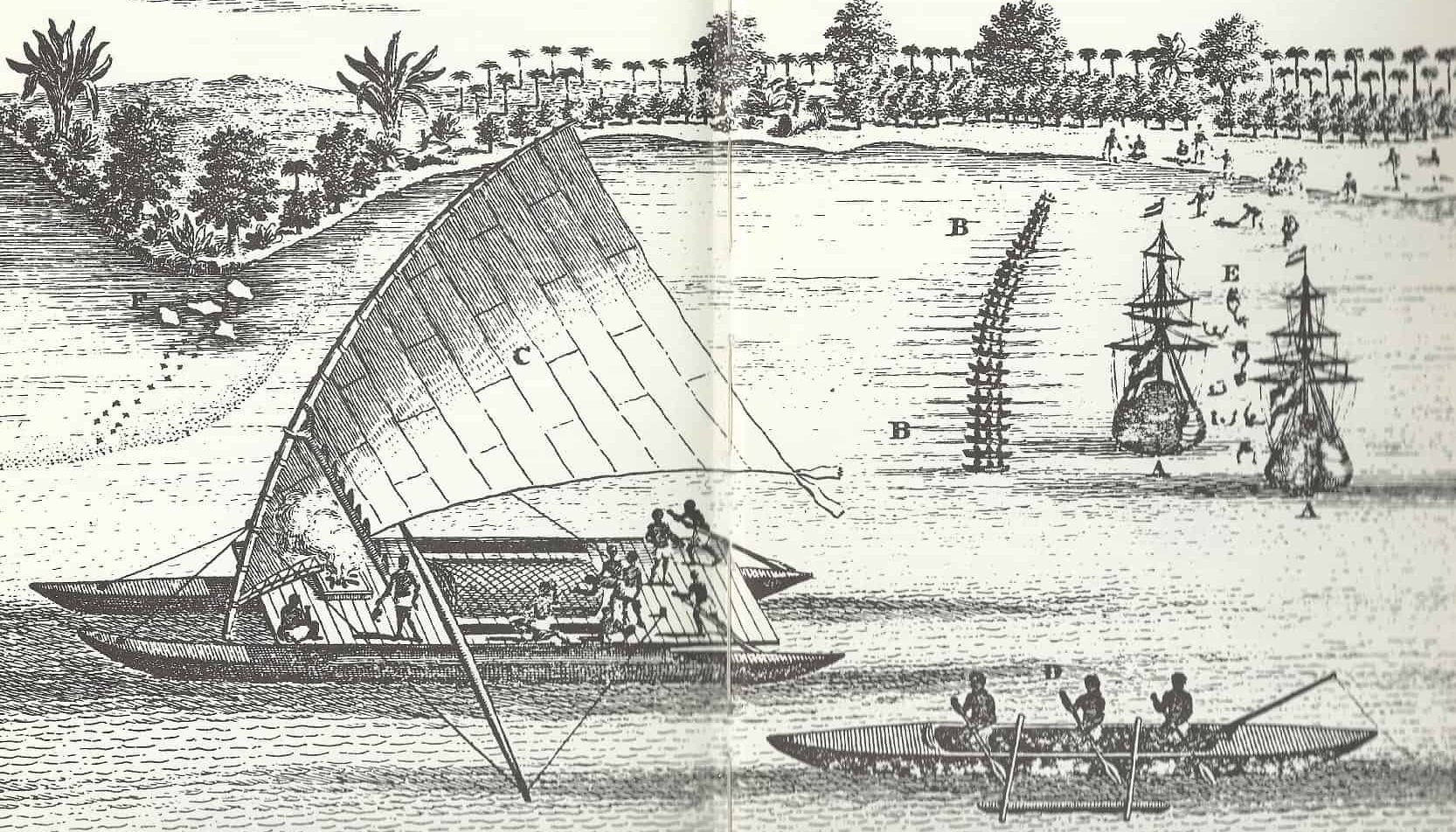
The Polynesian people understood from childhood if their youngsters had both the desire and the ability for navigational learning. This wasn’t something you could learn over a few months. Years of dedication and immense patience were required.
Students would spend hours laid out on the floor of a canoe, memorizing every move the ocean made beneath them in complete darkness. They had no maps, no compass. Sensing the direction of individual swells was part of their training.
They memorized mental maps of where stars should be throughout the seasons, where different birds flew when the land was out of sight and what different cloud formations meant with no written language to refer to.
One wrong reading during a voyage miles from land dooms the entire crew to dehydration and starvation in the ocean so lessons were taught with great emphasis.
Venetian sea training
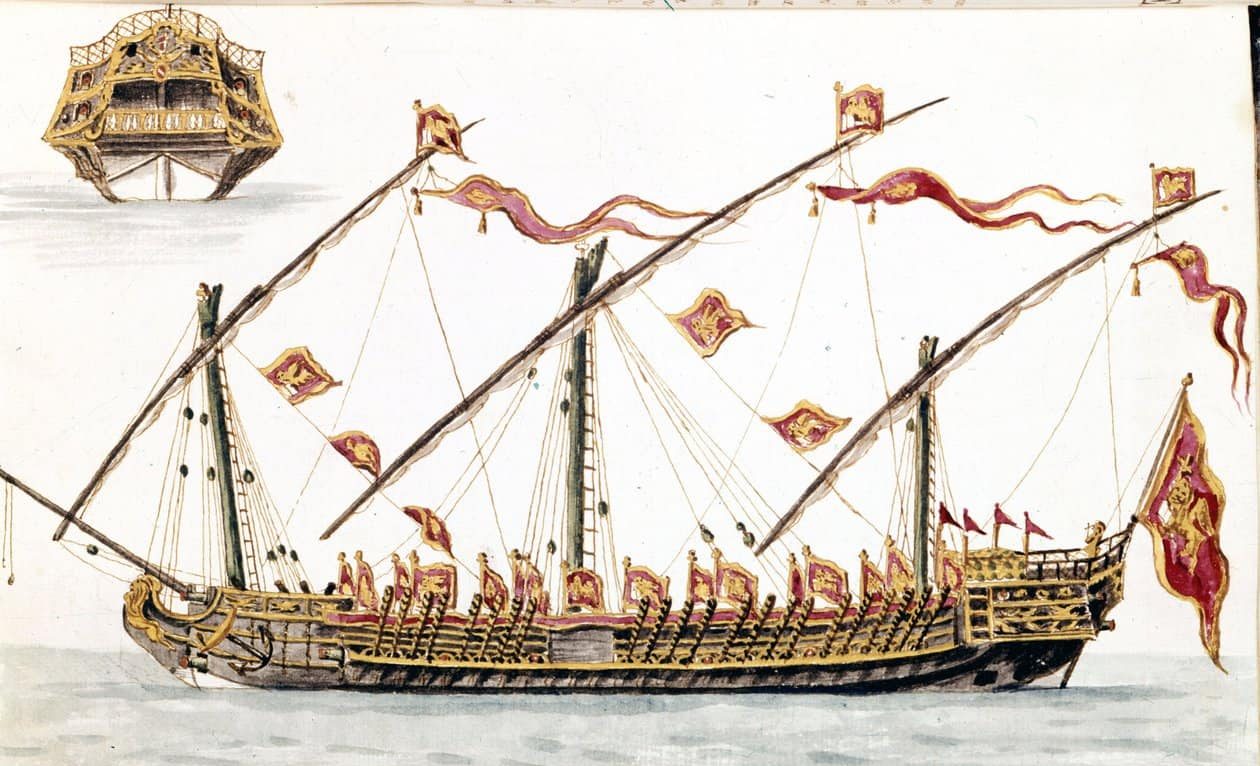
From Venice’s poorer strata, boys as young as seven were dispatched onto the waves.
Put to work as shipboard slaves and apprentice oarsmen on military or merchant galleys, they were forced to live in close and unsanitary quarters below decks and survive on stale hardtack bread, while whiling away days exposed to tropical diseases and the dangers of naval combat.
Naval discipline was severe, with floggings for errors, and these boys regularly had to manage immense amounts of rigging on grand galleys during violent Mediterranean storms.
And many of those youngsters did not live past childhood.
Apache desert skills
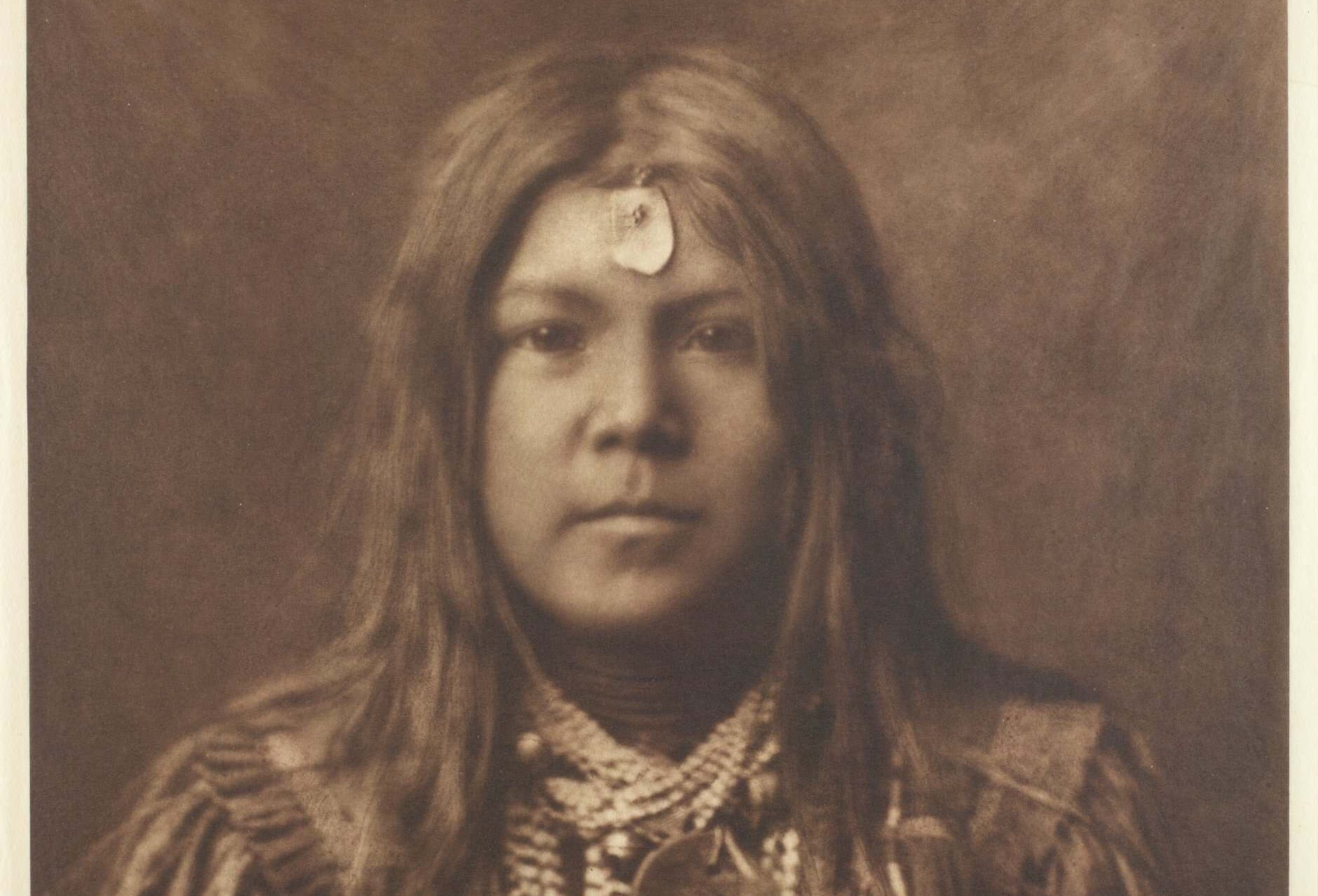
Apache boys were trained from childhood to become lean, mean tracking devices, capable of surviving in the desert for weeks.
Their training included dawn runs up mountains, carrying water in their mouths, only to spit it out at the summit to verify they hadn’t breathed through their mouths.
They also learned to forgo water during blistering temperatures, hide in open terrain, and track prey across open plains.
Apaches wanted their young to have strong mental wills, so they would wake children from their sleep at night and force them to either leap into ice-cold water or run at full speed into the darkness.
Samurai martial upbringing
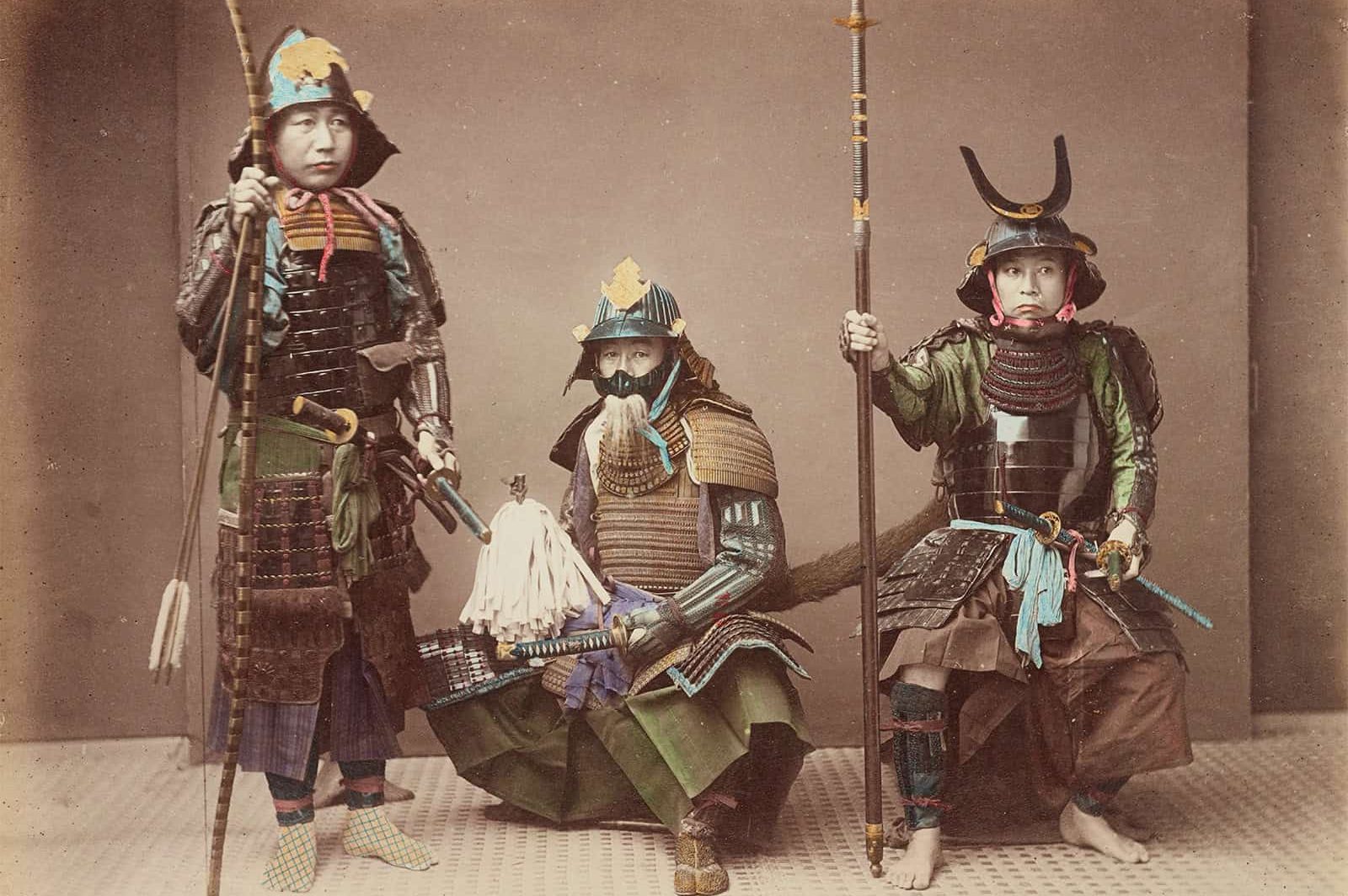
From a young age, samurai children in feudal Japan were trained to detach emotionally and become accustomed to pain.
Being equipped with wooden swords at an early age, samurai kids were forced to endure grueling martial arts drills year-round; often made to go outside without shoes during winter months.
Children who showed any fear of dying or being alone in the dark were often sent on night missions to far-off burial grounds or execution spots to collect markers their teachers had placed.
And they were punished for any sign of weakness, like weeping or crying out.
Intha lake dwellers of Myanmar

In Myanmar, the Intha children’s earliest years were spent right there on Inle Lake.
Houses were built on stilts above the water and farm plots were composed of floating islands. Intha kids grew up swimming before they could walk on land.
Most Intha youngsters, by the age of five or six, were quite capable of handling the distinctive long wooden boats with the Intha’s “leg-rowing” style, wrapping one leg around the oar so their hands were free to manage the nets.
Lake accidents were common among these lake dwellers, so being comfortable in the water was a necessity from a young age.
Vision quests (Native Americans)
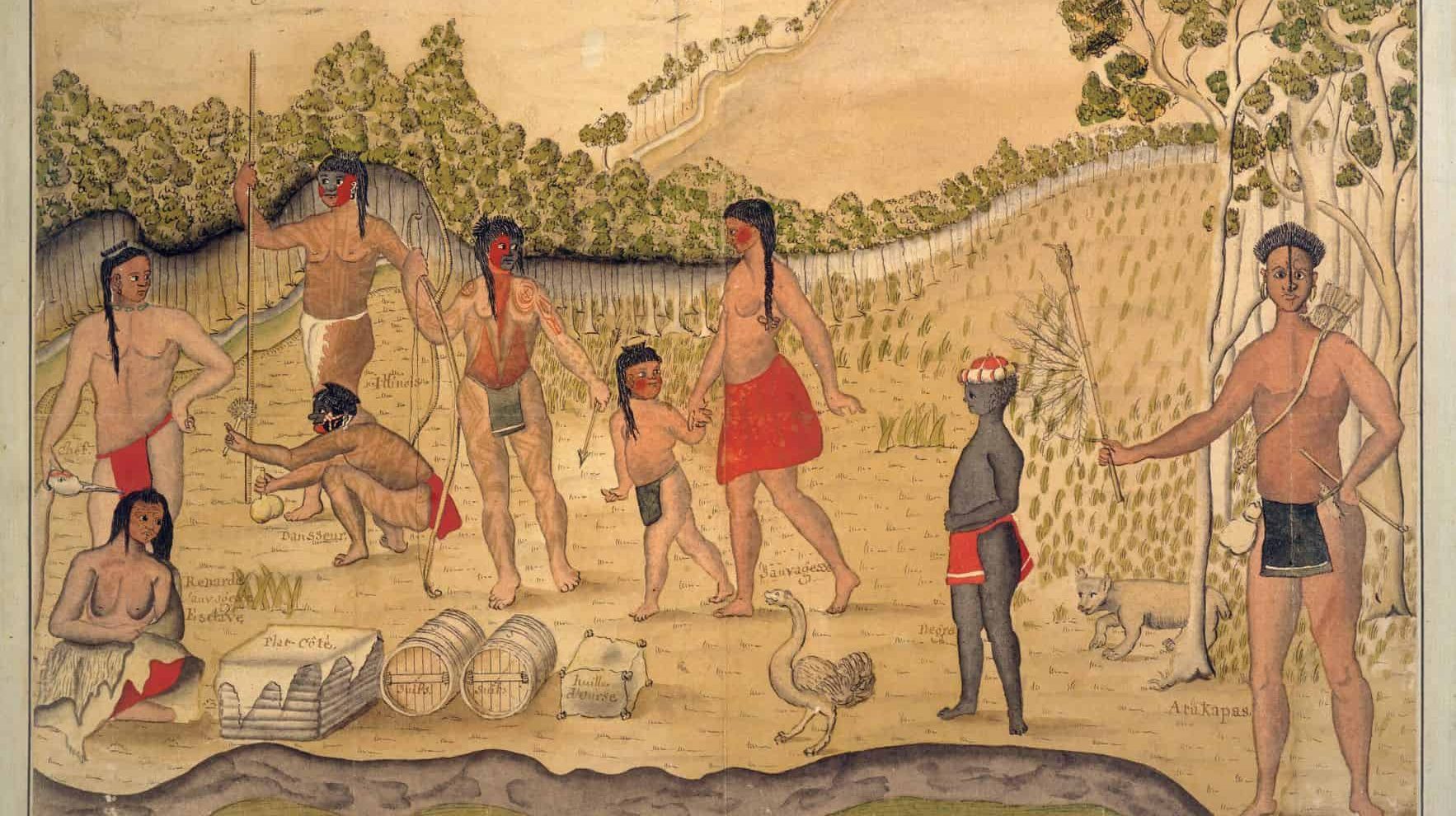
When young males of many Native American nations of the Great Plains were deemed ready to leave childhood behind, they were taken to remote areas of wilderness, preferably atop a secluded bluff or deep in the woods.
There, they were abandoned, with no food, water or weapons to aid them. Alone for days, they were exposed to nature’s fury, animal dangers, and overwhelming loneliness until a vision appeared.
Displaying any emotion was forbidden on their trek back to the community. And mental strength would get them through hunger, thirst, and exhaustion.
Sources: Please see here for a complete listing of all sources that were consulted in the preparation of this article.
Like our content? Be sure to follow us.
10 adorable children who grew into evil adults

How does a sweet, innocent child grow up to be so heartlessly evil? It’s one of history’s greatest mysteries.


