

Before labor markets expanded and technology invaded our everyday lives, women used to fill some pretty strange, highly specialized, and often dangerous jobs.
Knocker-upper
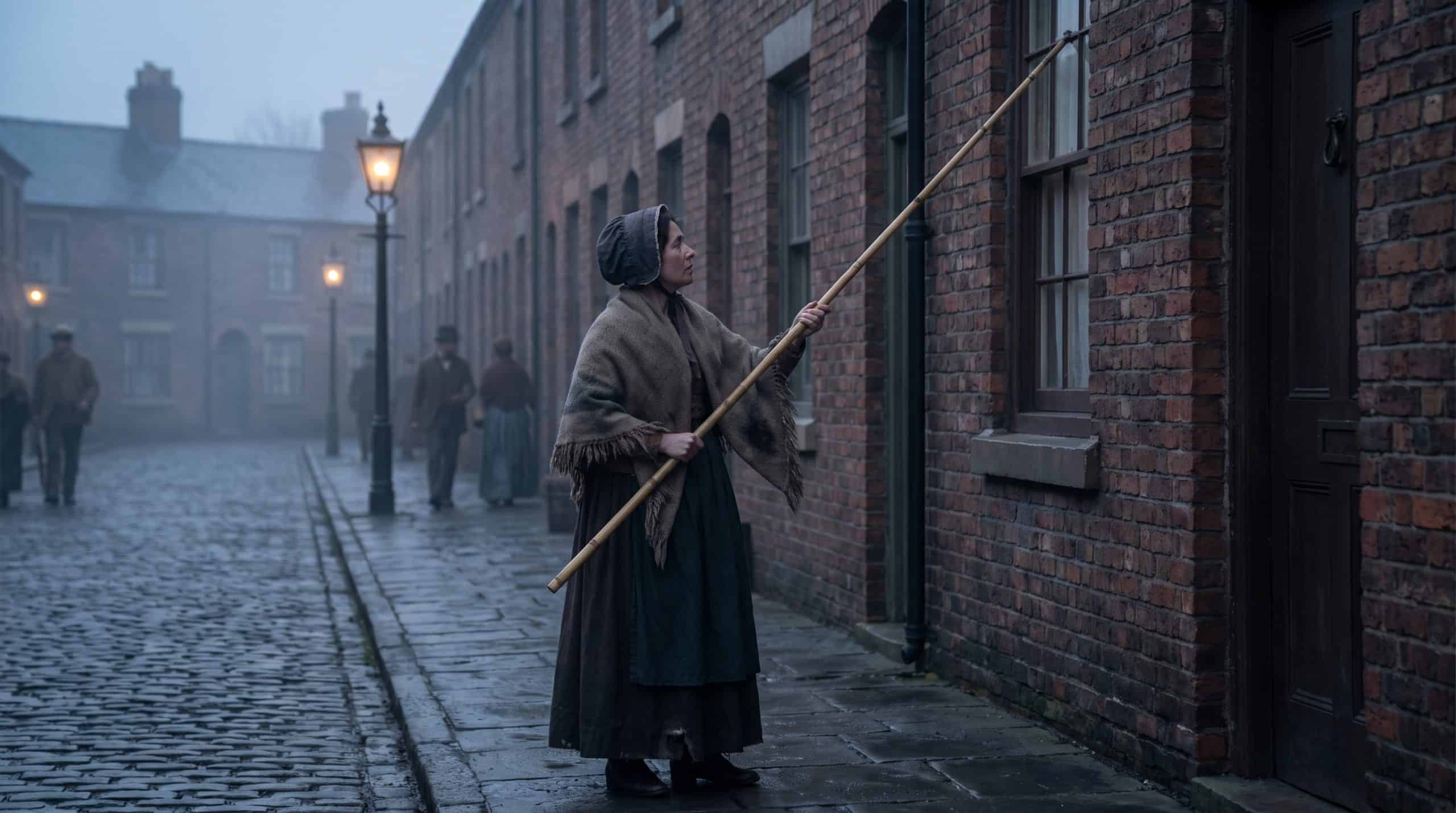
Before alarm clocks were widely available and affordable, industrial towns across Britain and Ireland hired knocker-ups.
Female knocker-uppers would roam the streets in the wee hours of the morning with long sticks made of bamboo or pea shooters, rattling on the bedroom windows of factory workers and miners to remind them that they had to be awake for work on time. For their troubles, they were paid a few pennies each week.
Human computer
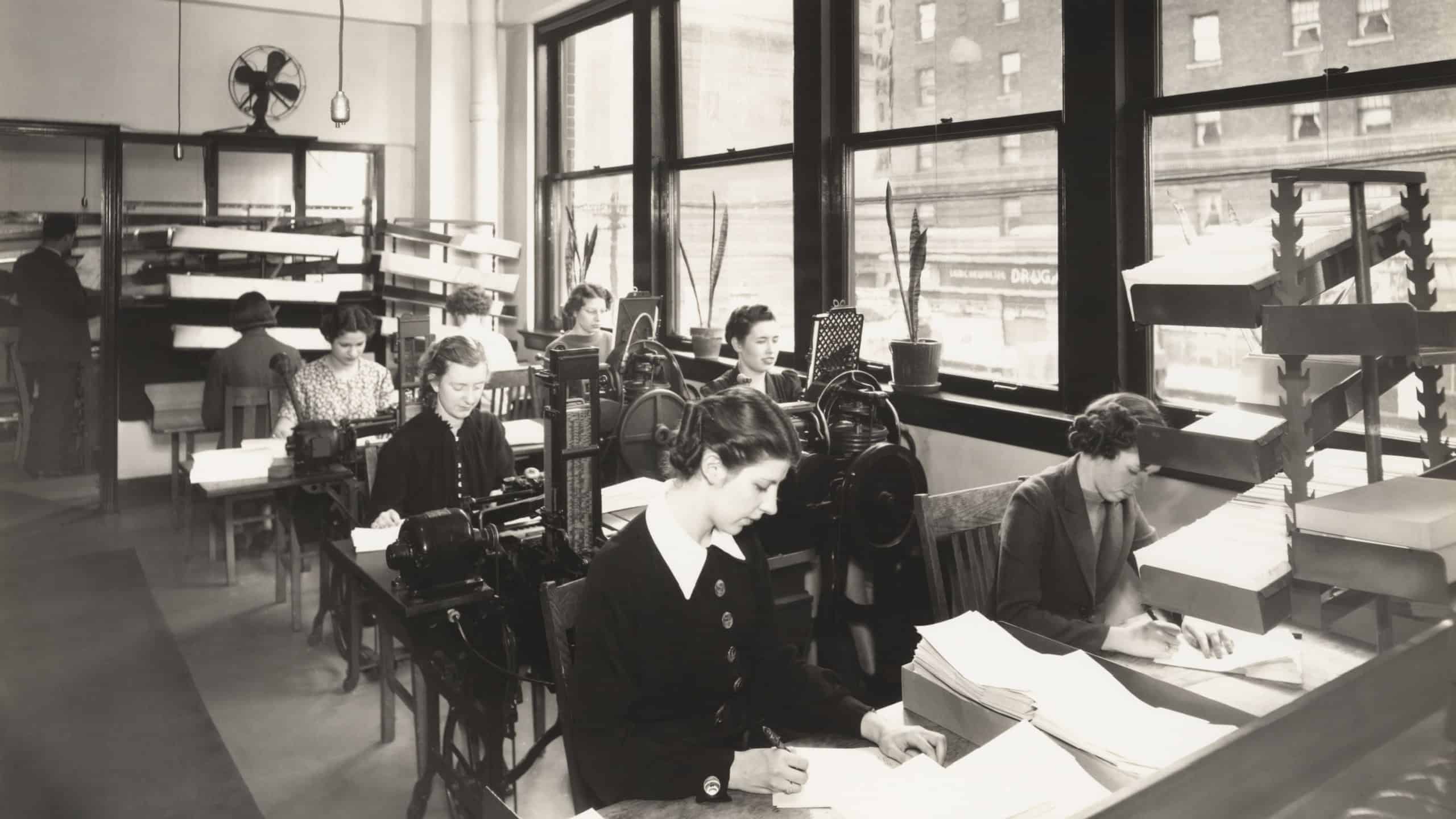
Before there were electronic computers, computers were people who did math-intensive number-crunching tasks by hand.
Many women were employed as teams of human computers at NASA’s predecessor NACA and at observatories throughout the 19th century and first half of the 20th century to calculate trajectories, map orbits of celestial bodies, and perform other highly precise scientific calculations.
Pure finder
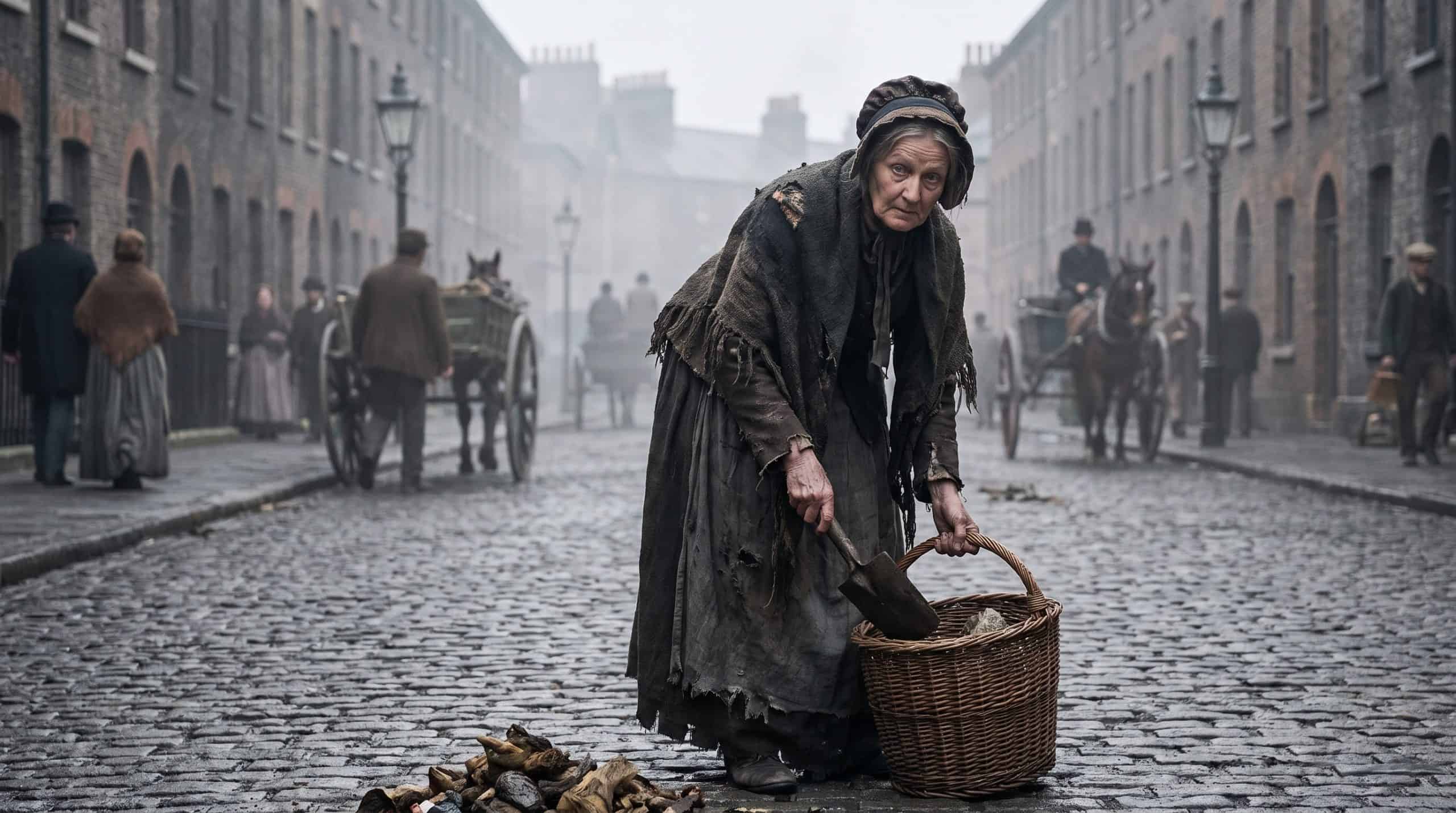
In Victorian London, leather tanners hired women to scavenge the streets for dog dung (“pure”). Women known as pure finders carted it home and sold it to the tanners.
Dog waste was full of alkaline agents needed to help strip and soften animal hides. The dung collection was foul and extremely labour-intensive, but it provided many poor, older working-class women with a crucial source of income.
Sin-eater

In 18th- and 19th-century Wales and England, mourning families could pay impoverished women to take part in a funeral rite known as sin eating.
The sin-eater would sit beside the newly dead corpse. A loaf of bread and a wooden bowl of ale would be passed across the body, which she would eat and drink.
In this way the sins of the dead person were thought to pass from their soul into that of the sin-eater, thus permitting their latter resting place in Heaven.
Leech collector
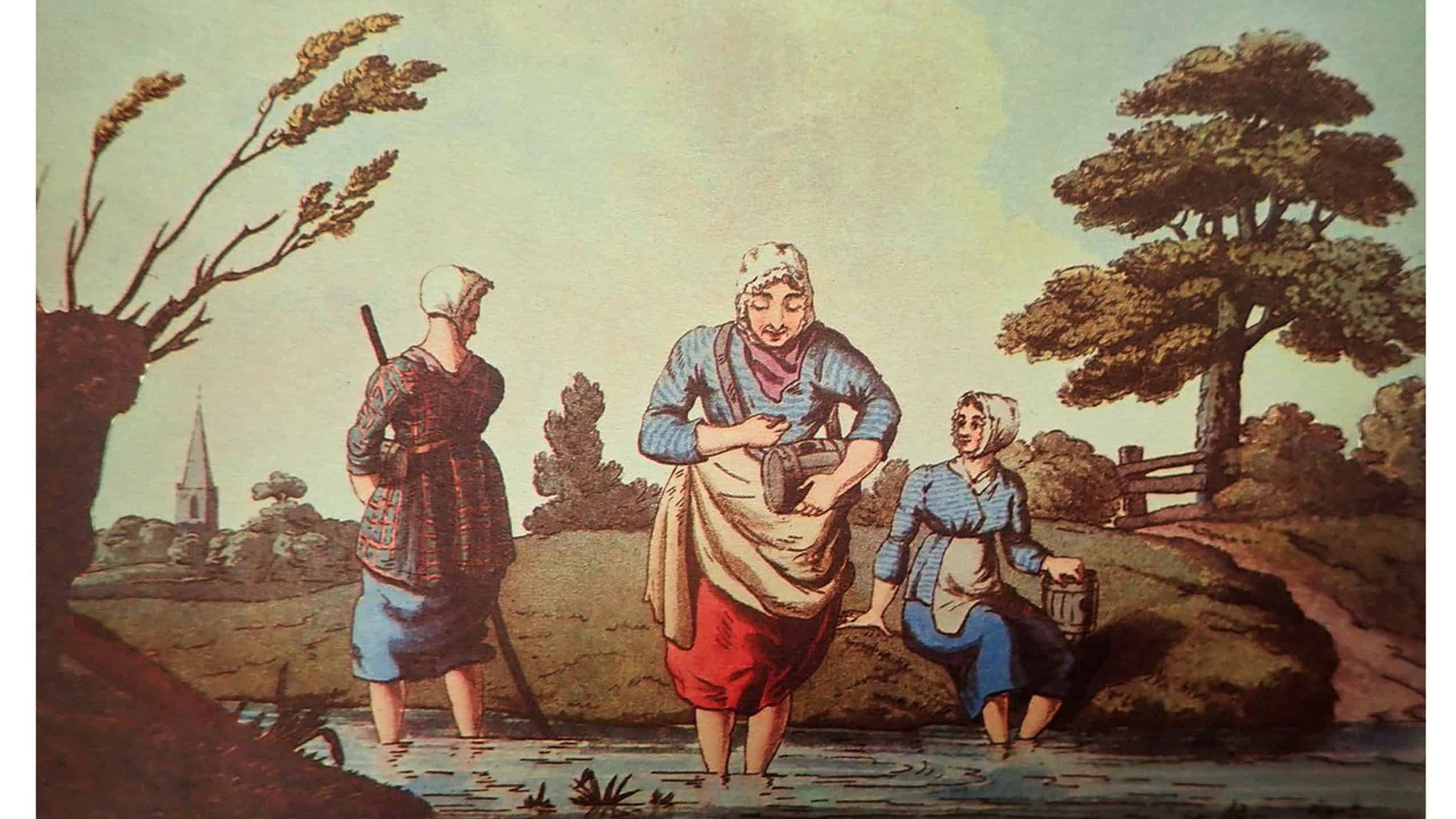
Before modern pharmaceuticals were developed, bloodletting was an essential medical practice in the 19th century. Female leech gatherers would wade in murky ponds and bogs with bare legs so the leeches would cling to them.
Once engorged with blood, they would be plucked off the women’s legs and tossed into jars to sell to apothecaries. Leech gatherers were typically chronically anemic from their grisly jobs.
Professional keener

In ancient Greece, Rome and Ireland (where it was called keening), professional female mourners were paid to wail, chant and cry at funerals.
This public display of grief honoured the deceased by raising their social standing, while helping to guide their spirit safely into the afterlife. The most fiery lamenters could charge the biggest fees.
Mudlark
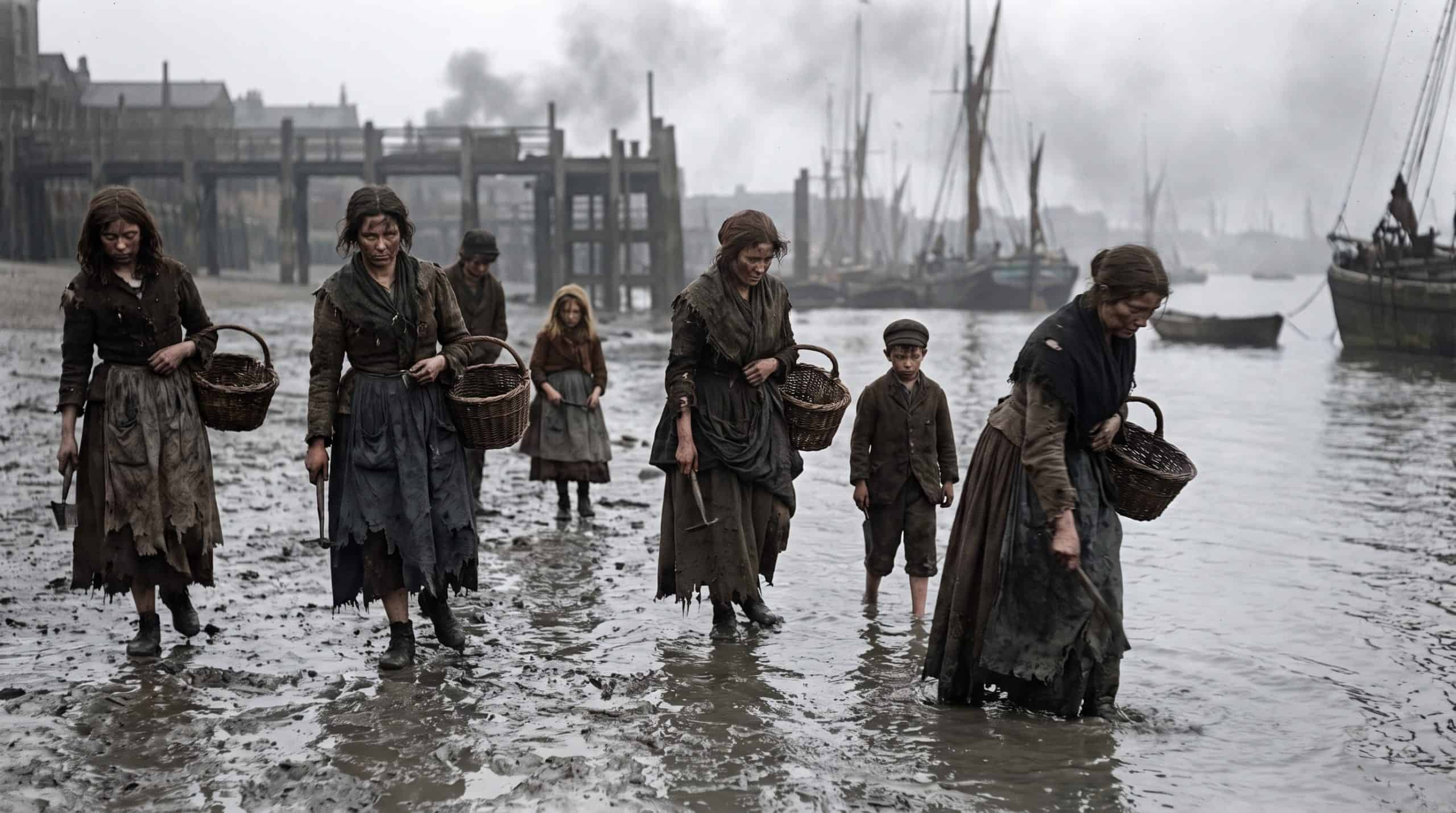
In the 18th and 19th centuries, poor women and children scavenged as mudlarks at the muddy edge of the River Thames when the tide was out.
They searched in sewage-stained water up to their waists for anything that could be sold on to others: coal, lost coins, discarded rope, bits of scrap metal and goods that fell from boats in the docks.
Pinsetter (Pinspotter)
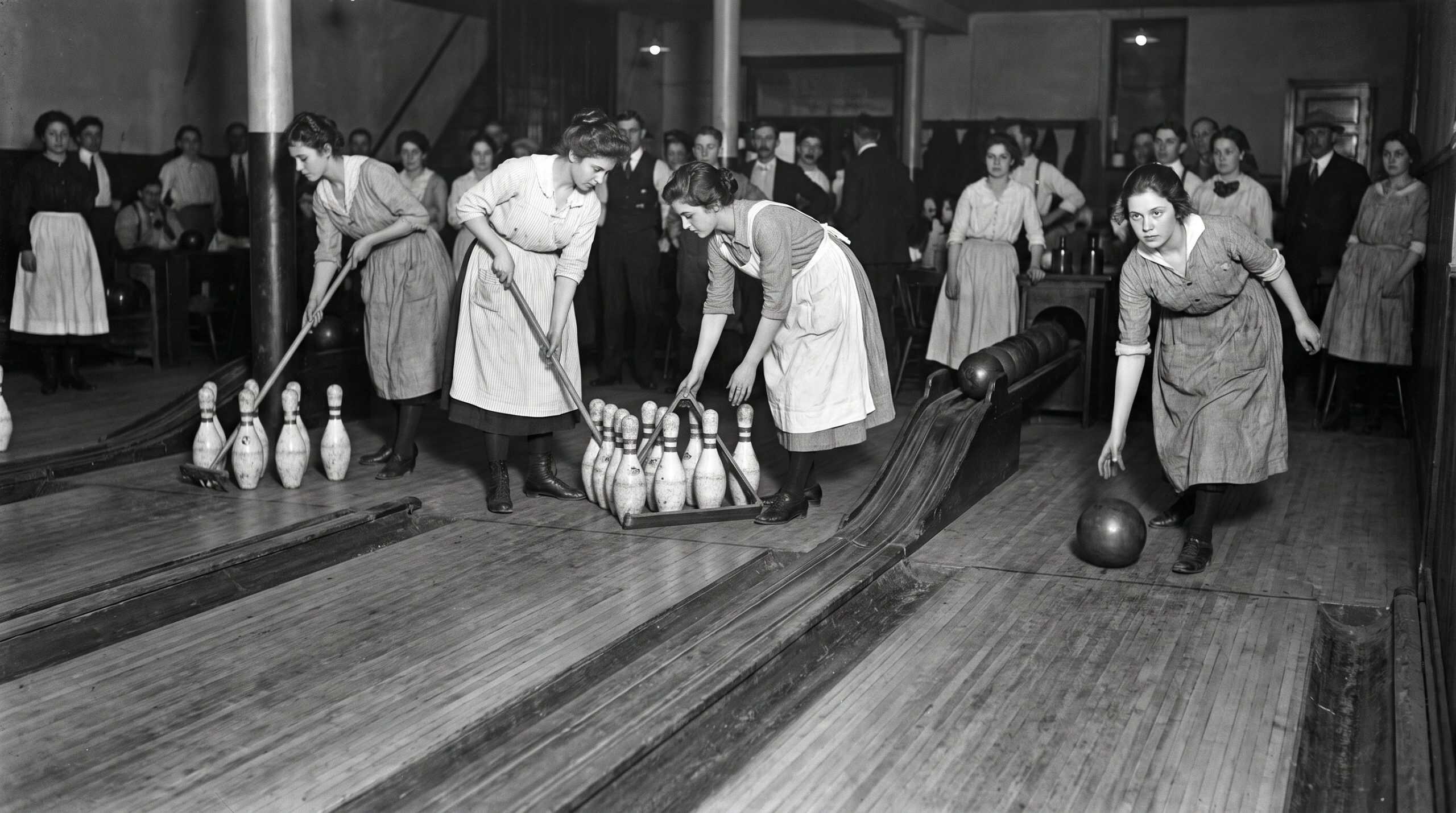
Before the invention of automatic pinsetting machines in the mid-1900s, bowling alleys used manual pinsetters to stand at the end of each lane. Manual pinsetters (often young women and teenage girls) would rake up the pins, reset them up in their triangular formation, and return the heavy balls to bowlers while trying to avoid being hit by stray rolls.
Switchboard operator

As telephone networks grew during the late 19th and early 20th century, mostly young women were employed to work as switchboard operators. Employers felt their voices were pleasant and soothing. Operators sat at wall-sized boards and manually connected every phone call by plugging and unplugging brass jacks into sockets.
Matchgirl
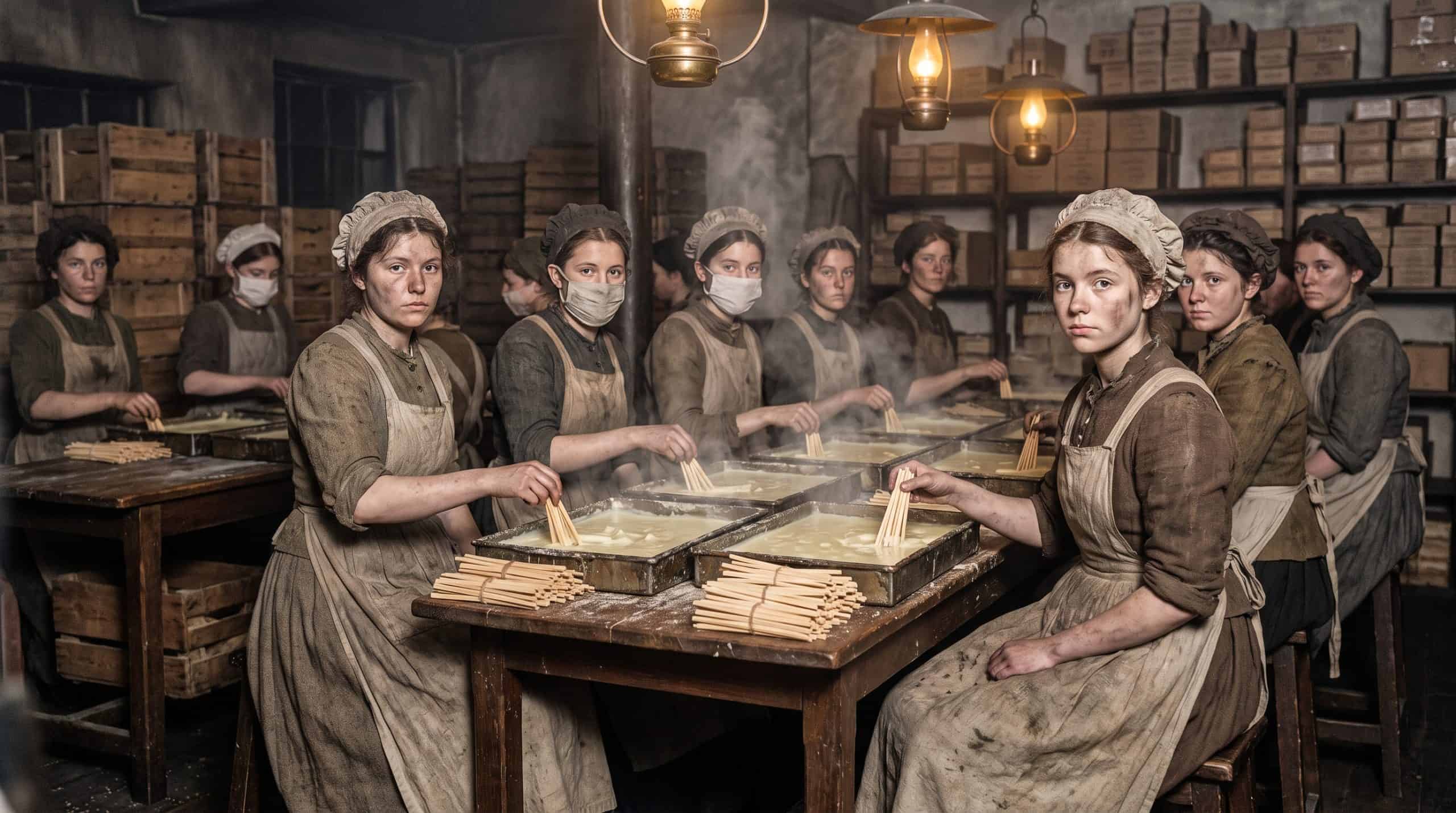
In early-to-mid 19th-century match factories, thousands of women and young girls spent 14-hour days dipping wooden splints into white phosphorus to make friction matches.
Long-term exposure to the toxic chemical caused phossy jaw, a gruesome disease where the jaw literally decayed inside the patient’s face. White phosphorus was banned globally in 1906.
Sources: Please see here for a complete listing of all sources that were consulted in the preparation of this article.
Like our content? Be sure to follow us.
13 historical jobs that were basically death sentences

Deadlines are usually the most difficult thing we have to deal with in our jobs today, but in the past, death from work related causes was a very real issue.


