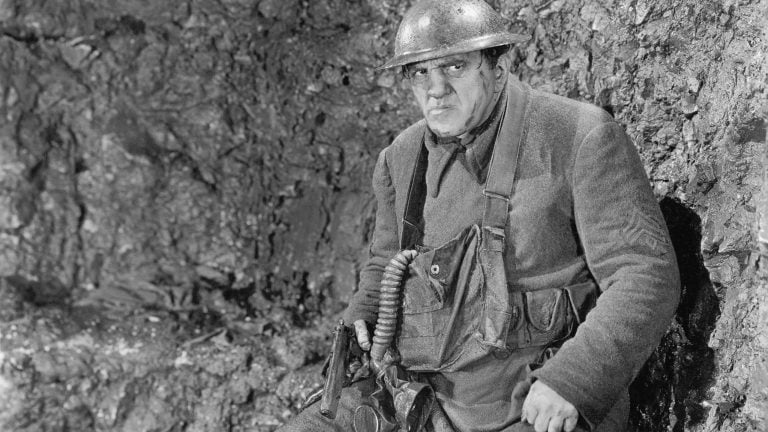

Deadlines are usually the most difficult thing we have to deal with in our jobs today, but in the past, death from work related causes was a very real issue.
A tiny climber
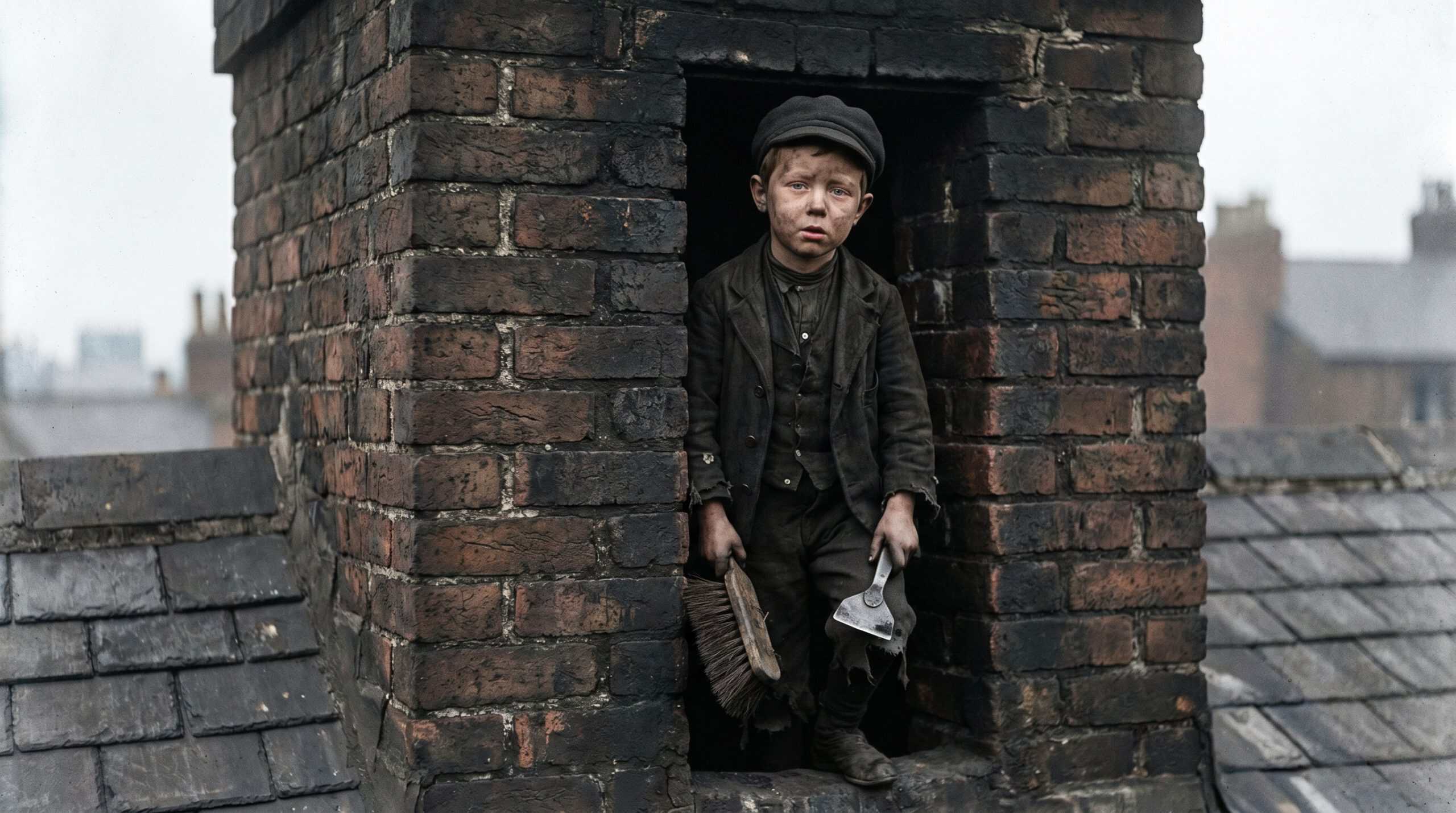
It was hard being a small boy in Victorian England, mostly because there was a chance you’d be hired as a chimney sweeper and sent inside the chimneys. It was a job for children because, to put it simply, they were the only ones small enough to get inside the flue.
But it wasn’t exactly a fun job, as chimney sweepers had to deal with the constant threats of being burned or stuck, even suffocated. Those who made it out alive didn’t fare much better. Why? Because a lot of them developed cancer because they were constantly breathing in soot.
Silver in the rock
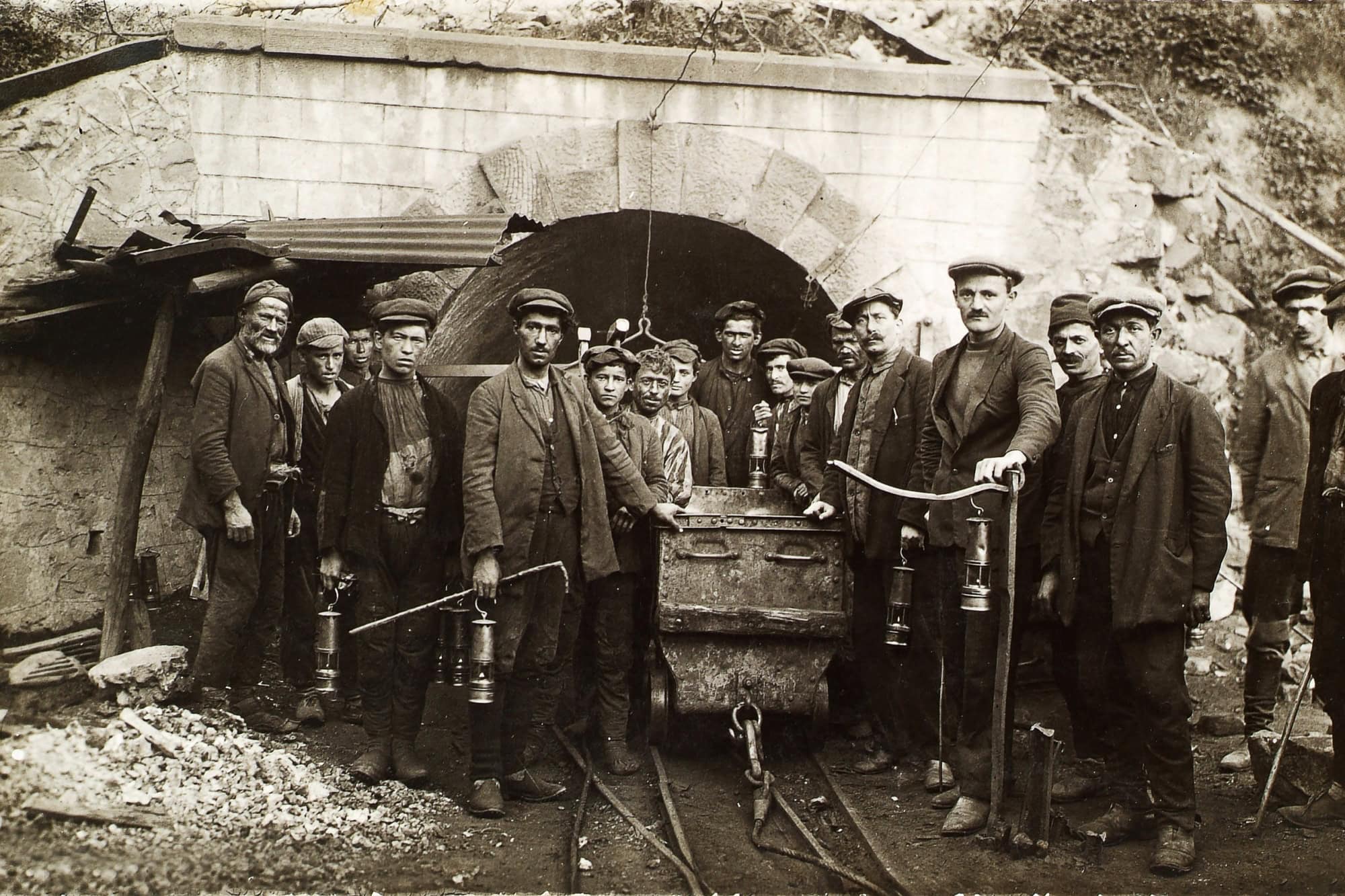
Almadén, Spain, was once a much more famous place, and it’s all because of a special rock called cinnabar. It’s an ore that we can get mercury from, something that people used for centuries before they learned the truth about its effects on the human body.
Mercury miners worked underground to dig what was, essentially, poison, and it cost many workers their lives. The work actually fell to convicts and slaves during the 1500s and 1600s, so they had no choice but to get poisoned.
White dust everywhere
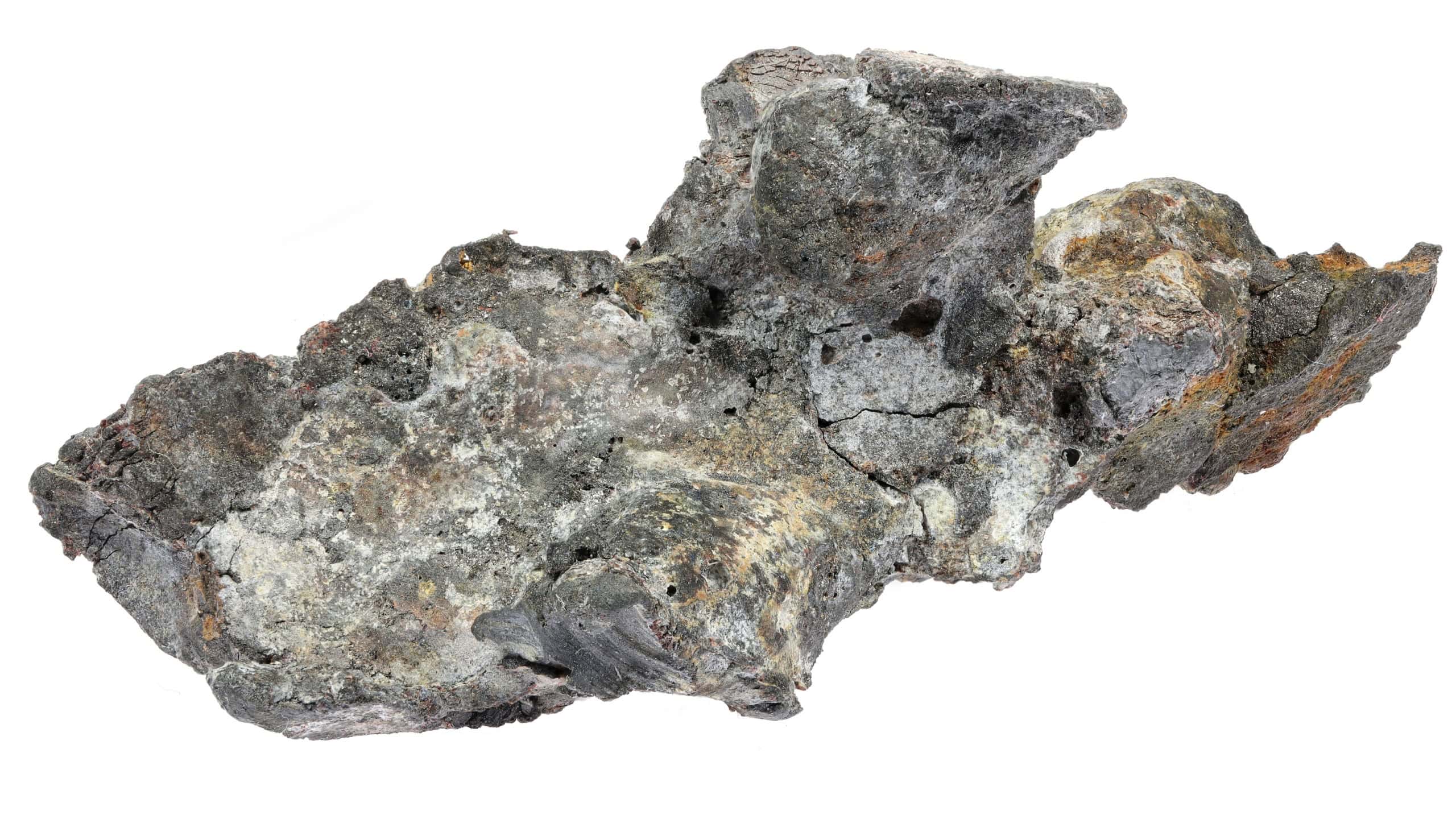
Anyone with white paint on their walls should feel grateful. At least they haven’t got lead in them. That wasn’t always the case, however, as lead was much more commonly used in white paint, and white lead factory workers were the ones who had to make it.
They handled stacks of both lead and acid, leading to them breathing in way too much of this dangerous chemical. It stuck to their skin, it stuck to their fingernails, it got everywhere, really. A lot of them developed headaches, colic, blindness, and partial paralysis afterward.
Yellow hands at the benches
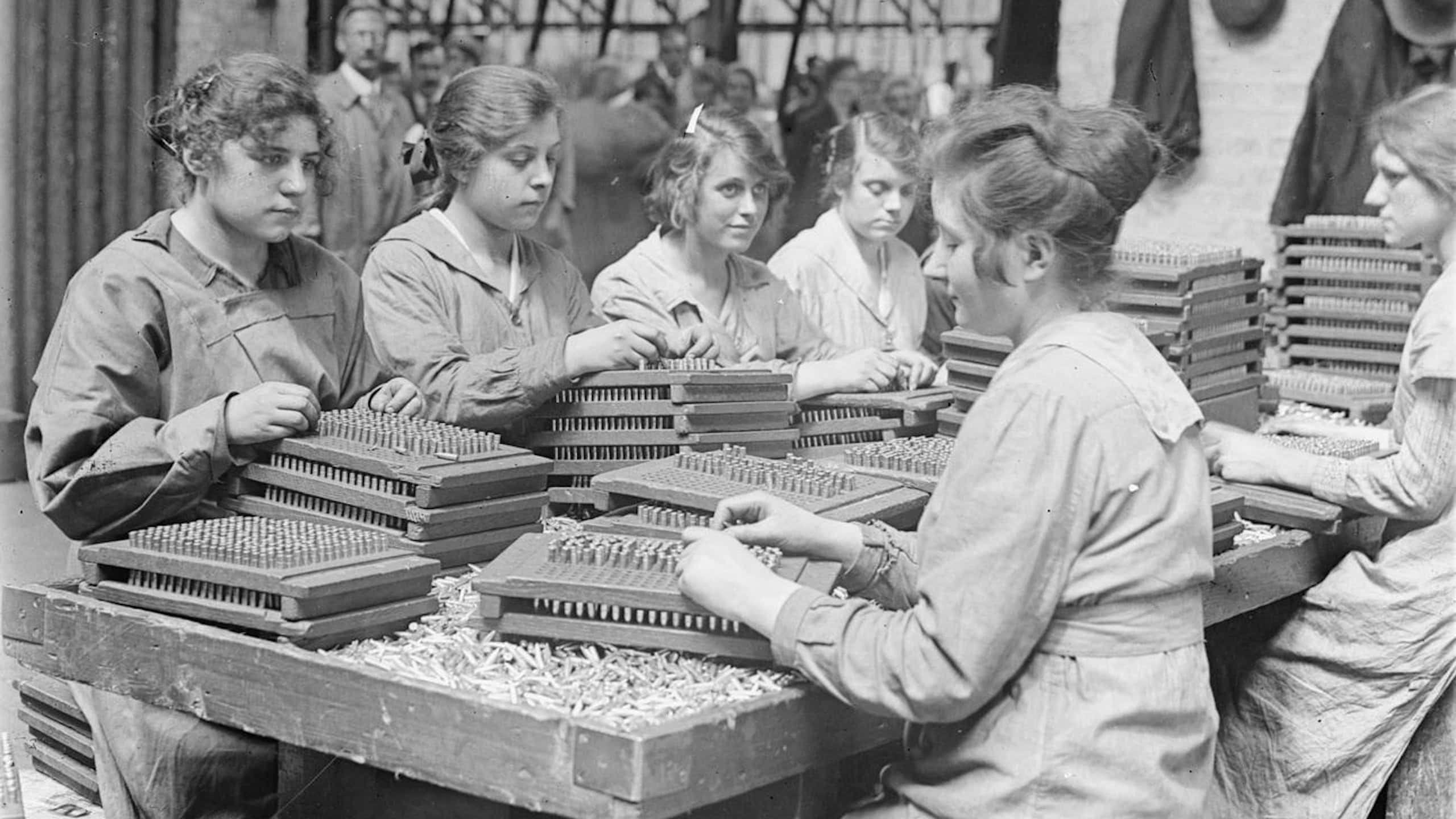
You might imagine World War I shell factories as patriotic workplaces, and sure, they were, but they were also pretty dangerous. The mostly-female workers there had to handle TNT when filling the shells. That alone was risky because there was a possibility it would ignite.
But handling so much TNT often caused TNT poisoning, something that caused the workers’ skin to go yellow and severely damaged their livers.
A long breath under pressure
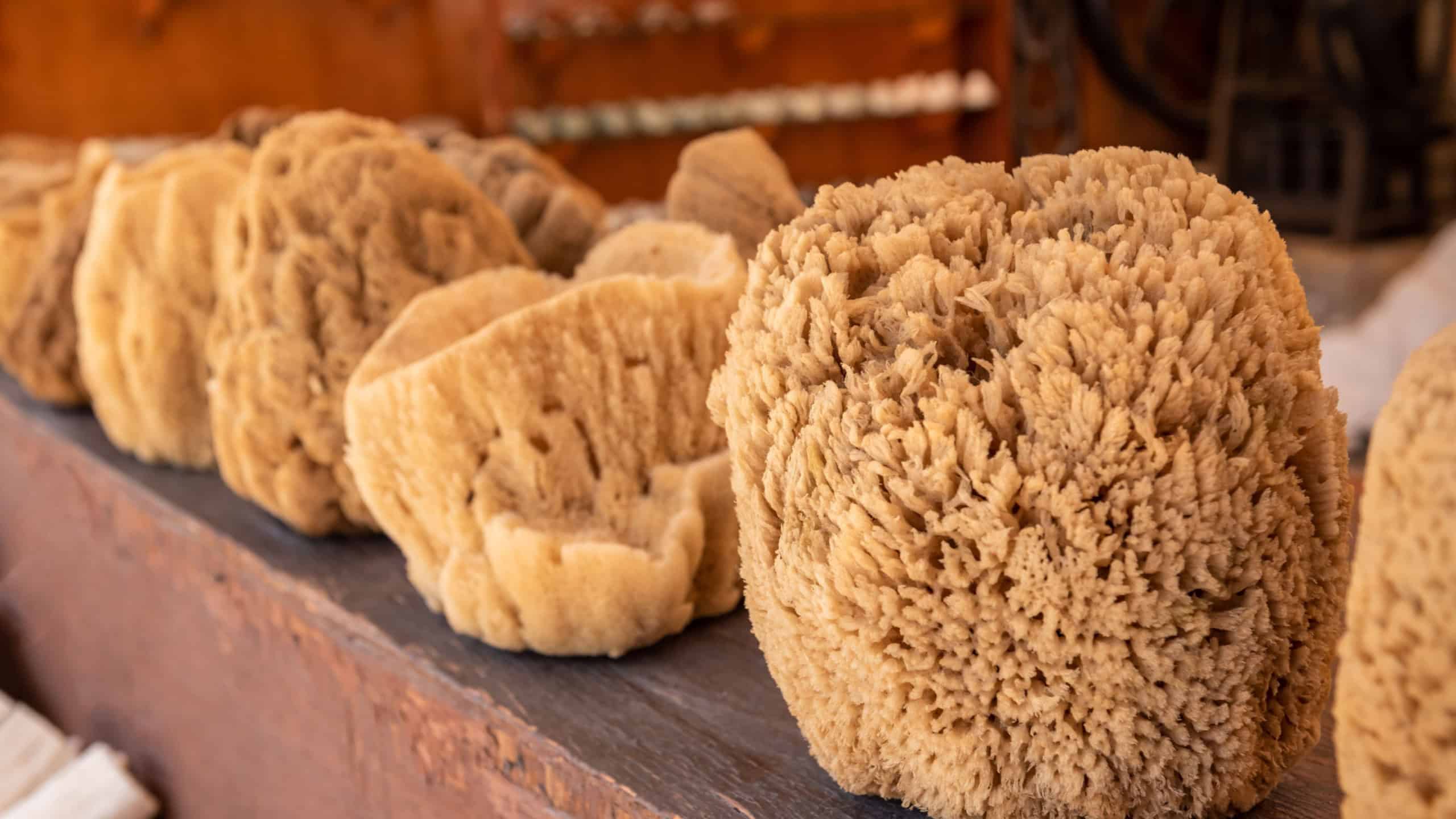
Sponge diving was nowhere near as fun as it might sound, especially not near Kalymnos and other Greek islands. Divers originally relied on holding their breath to go underwater, and that was bad enough, but then the diving suit arrived in the 1800s. It didn’t make things better.
In fact, it made things worse because it allowed divers to go deeper and for longer, so things like decompression sickness became more common. Sponge divers were also at risk of paralysis and even death. All that for some sea sponges.
Small feet on loud decks
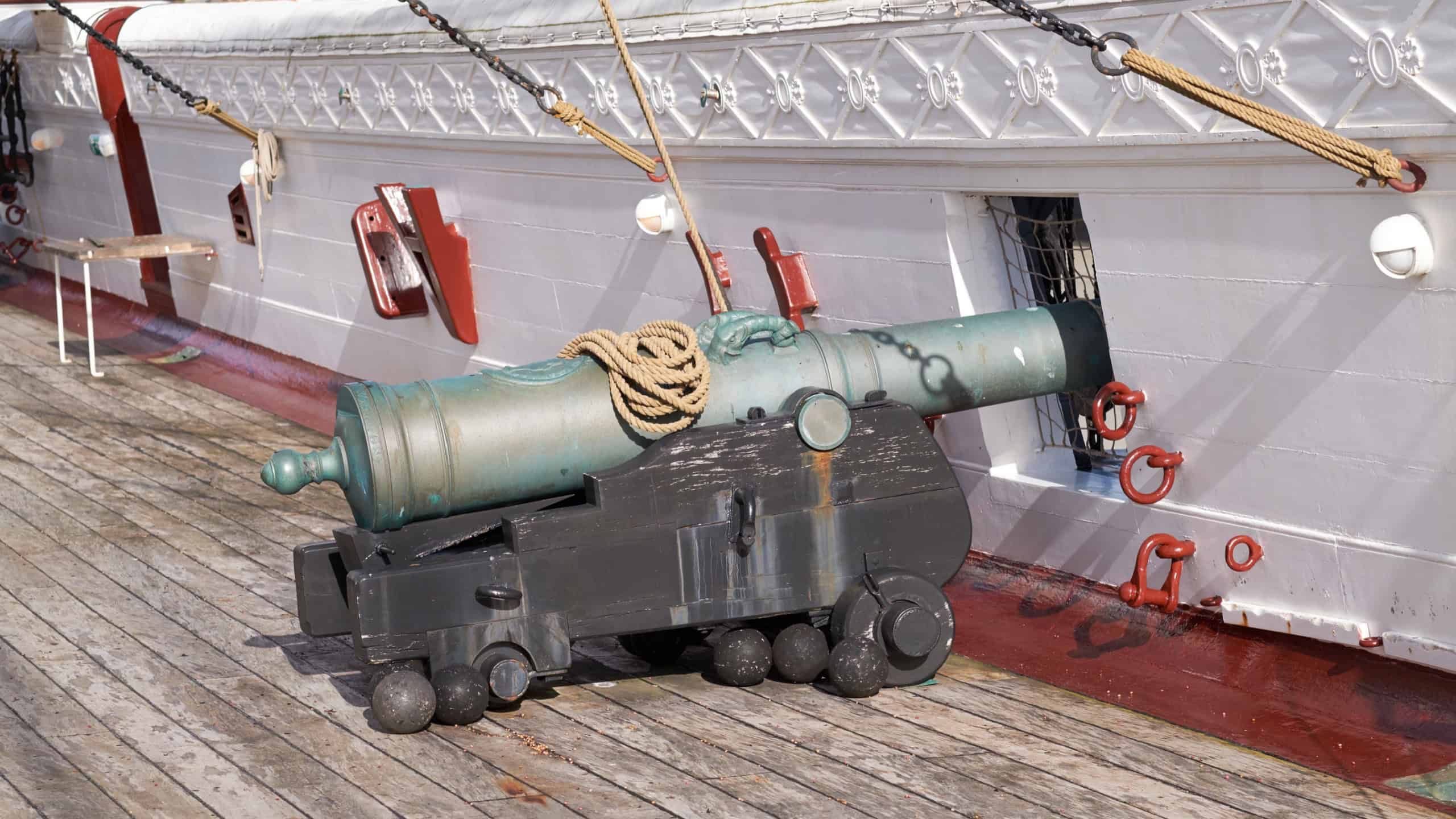
A powder monkey. It seems like a funny job, but it was anything but, as it was the name for a boy on a fighting ship who would carry gunpowder cartridges. He’d take them from the magazines to the guns while battles were going on. Why boys?
Because they could move through the tight decks more quickly than adults could. But it was still an extremely dangerous job because powder monkeys had to carry explosives on a ship that was already packed with sparks and fire. One slip, and they’d go up in smoke.
Miles made by hand
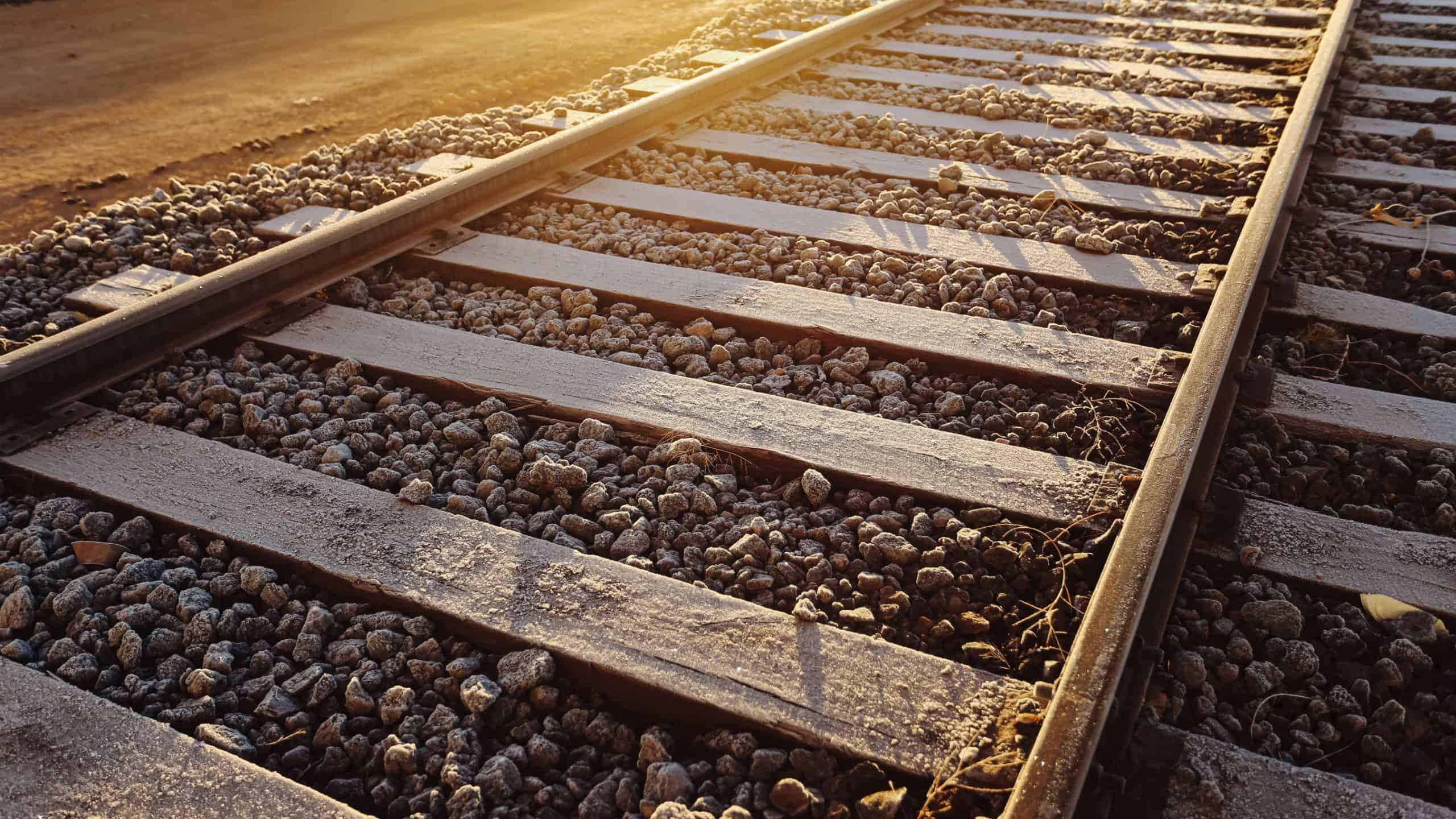
Britain’s railway tracks have railway navvies to thank, as these people dug the route the hard way, with picks, shovels, barrows, gunpowder, and a whole lot of muscle. Their work often involved going into cuttings and tunnels to lay down the lines.
They also lived in rough huts near the sites, and these weren’t exactly the most hygienic of places. It gets worse, though, because a lot of them never received compensation for injuries, even though things like tunnel collapses and blasting accidents were way too common.
Spring on the river
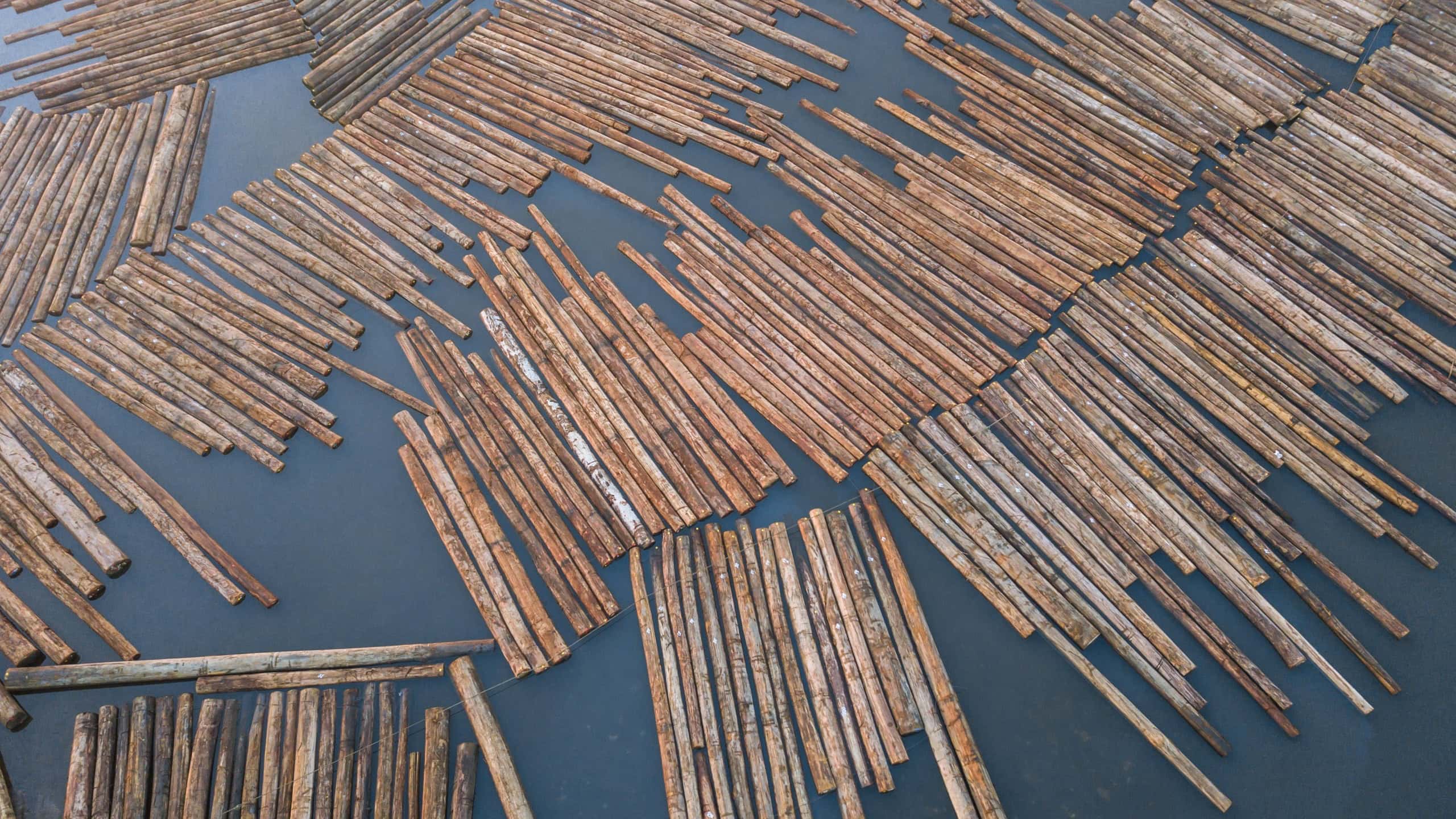
There wasn’t much fun in being a log driver in North America. You got to walk on the product, yes, but that became more of a challenge than anything exciting when the river started moving. The logs tended to float downstream toward mills in the spring, and that could create a jam.
So, as a log driver, you had to stop that from happening, by whatever means necessary. The water was often freezing cold and drowning was a very serious risk, while accidents in the strong spring currents were much too frequent.
Quiet work below
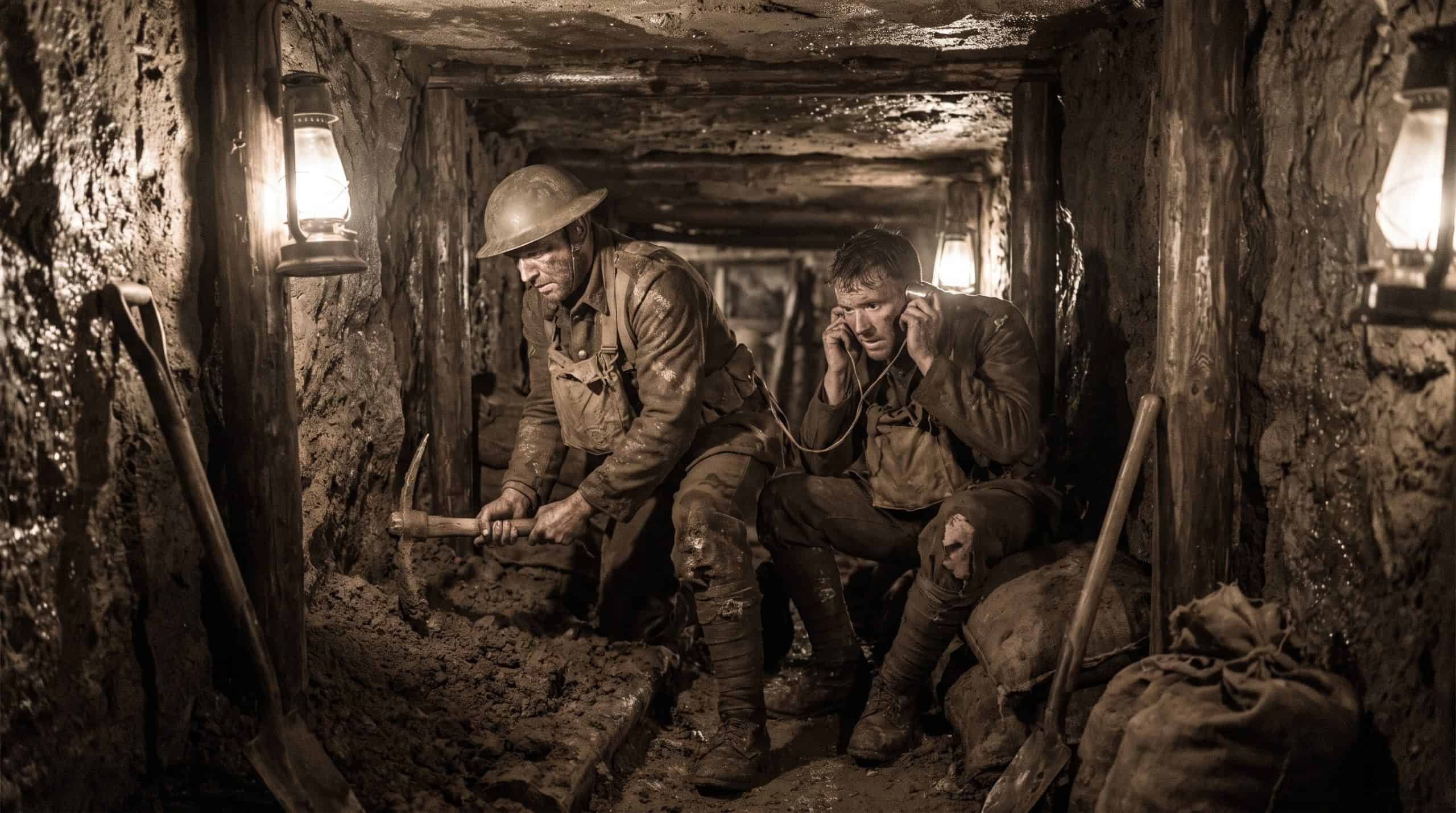
Not all soldiers on the Western Front were fighting during World War I, and some of them were actually tunnelers. It’s exactly what it sounds like. They had to go underground to dig tunnels and plant explosives under enemy lines while facing threats like cave-ins.
Bad air and countermines were also major issues, so were blasts that could bury an entire gallery. In fact, some tunnelers spent several hours underground without seeing sunshine.
A cart after dark
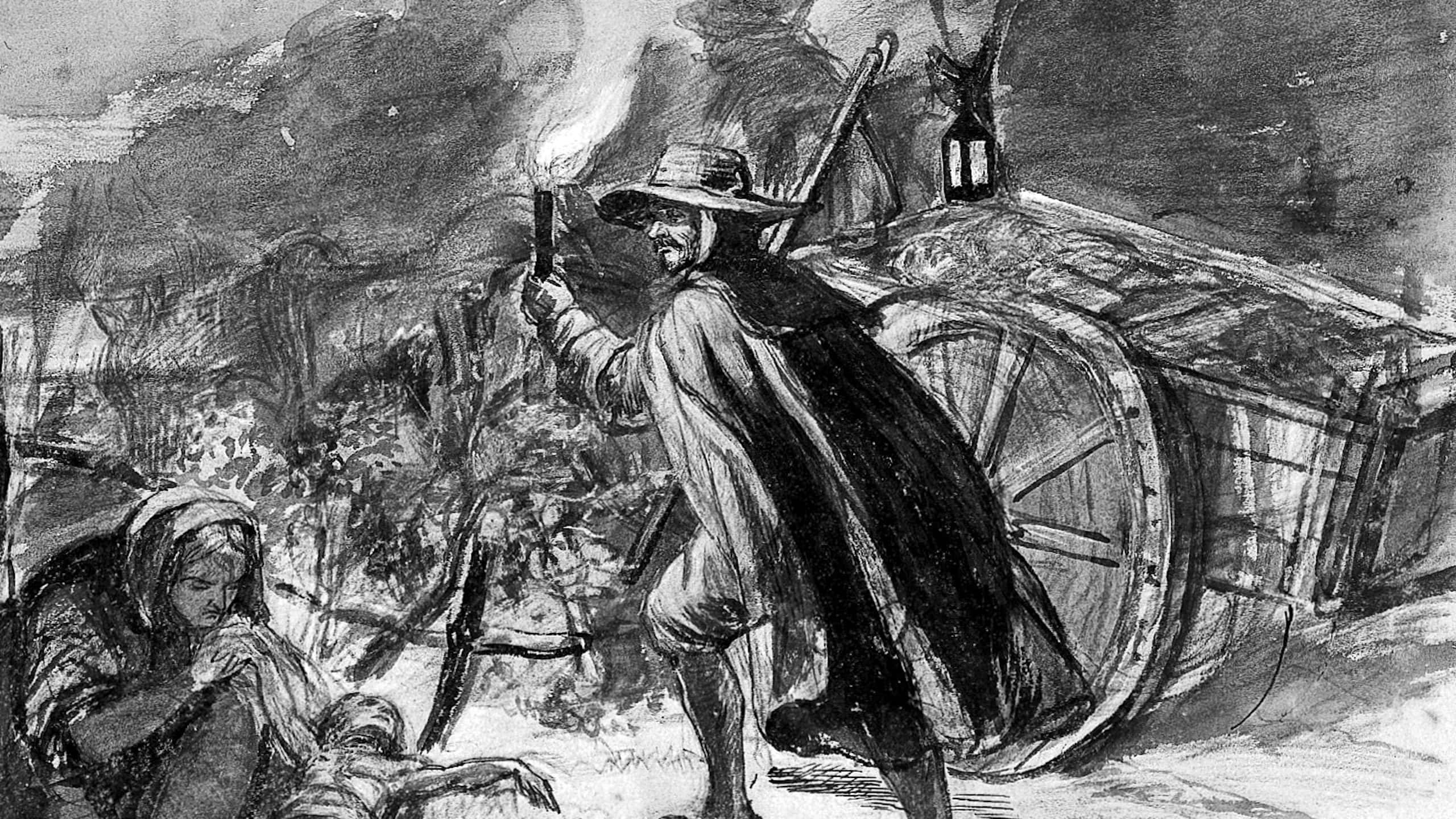
The decade was the 1660s, and the place was London. The city was in the grip of the Great Plague, a pandemic that was so bad that there sometimes weren’t enough people to bury the dead. That’s where the plague dead-cart drivers came in.
They would collect dead bodies from houses, put them in the cart, and then take them for burial. The dead-cart drivers were at the highest risk of infection since, well, they were dealing directly with infected bodies. A lot of them were poor people who had lost their jobs in the Plague.
Night work nobody wanted
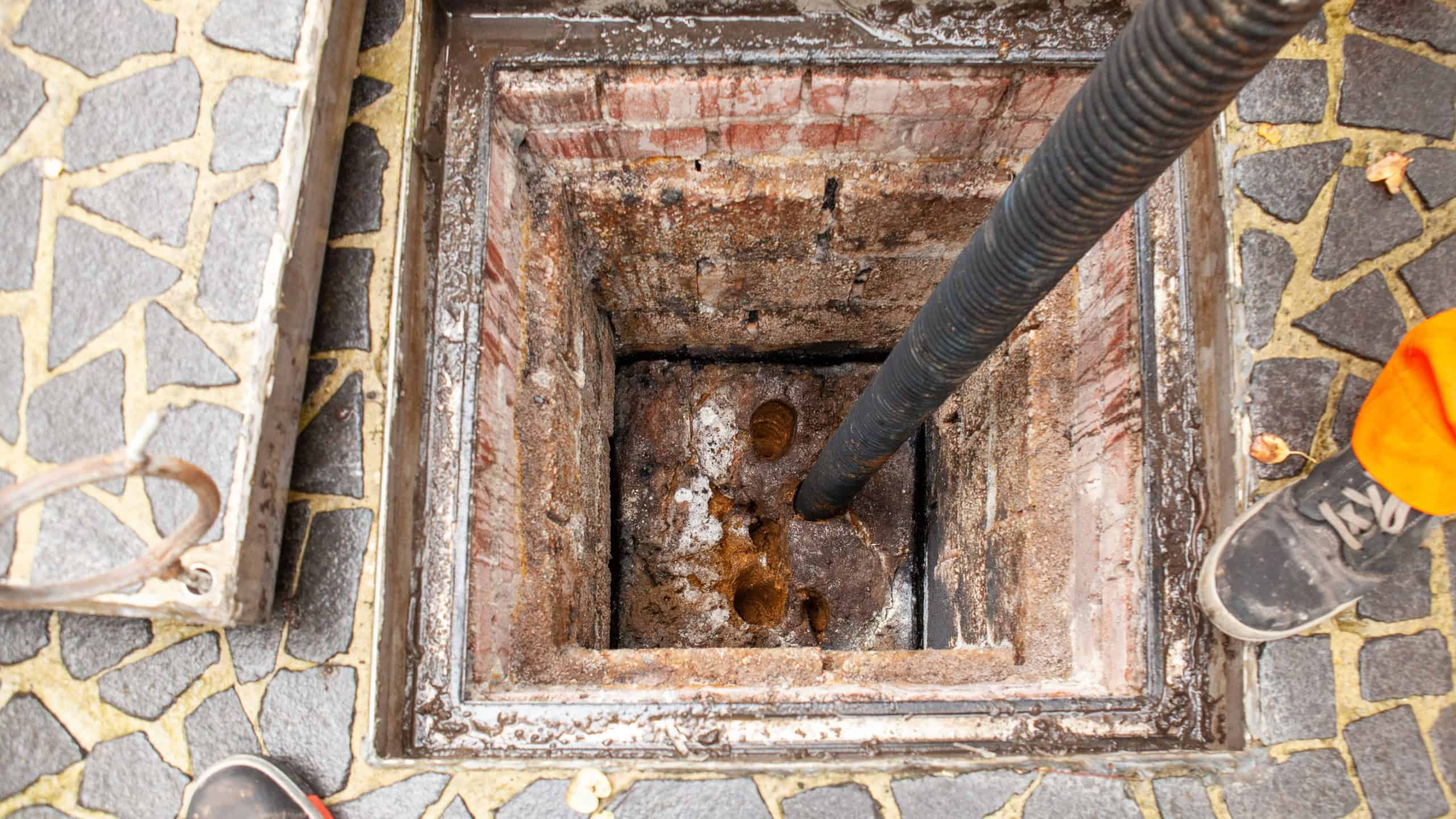
Let’s face it, gong farmers probably had the most disgusting jobs of all. They worked in Tudor times to empty cesspits and take all that nasty stuff outside of the town, so you can probably imagine how much they stunk. That was only the start of the problem, however.
Gong farmers also faced the risk of slipping or hitting rotten boards as they went down to the cesspit. They could also get trapped. That’s what happened to Richard the Raker, who drowned in a cesspit in 1326. What a way to go.
Below the street
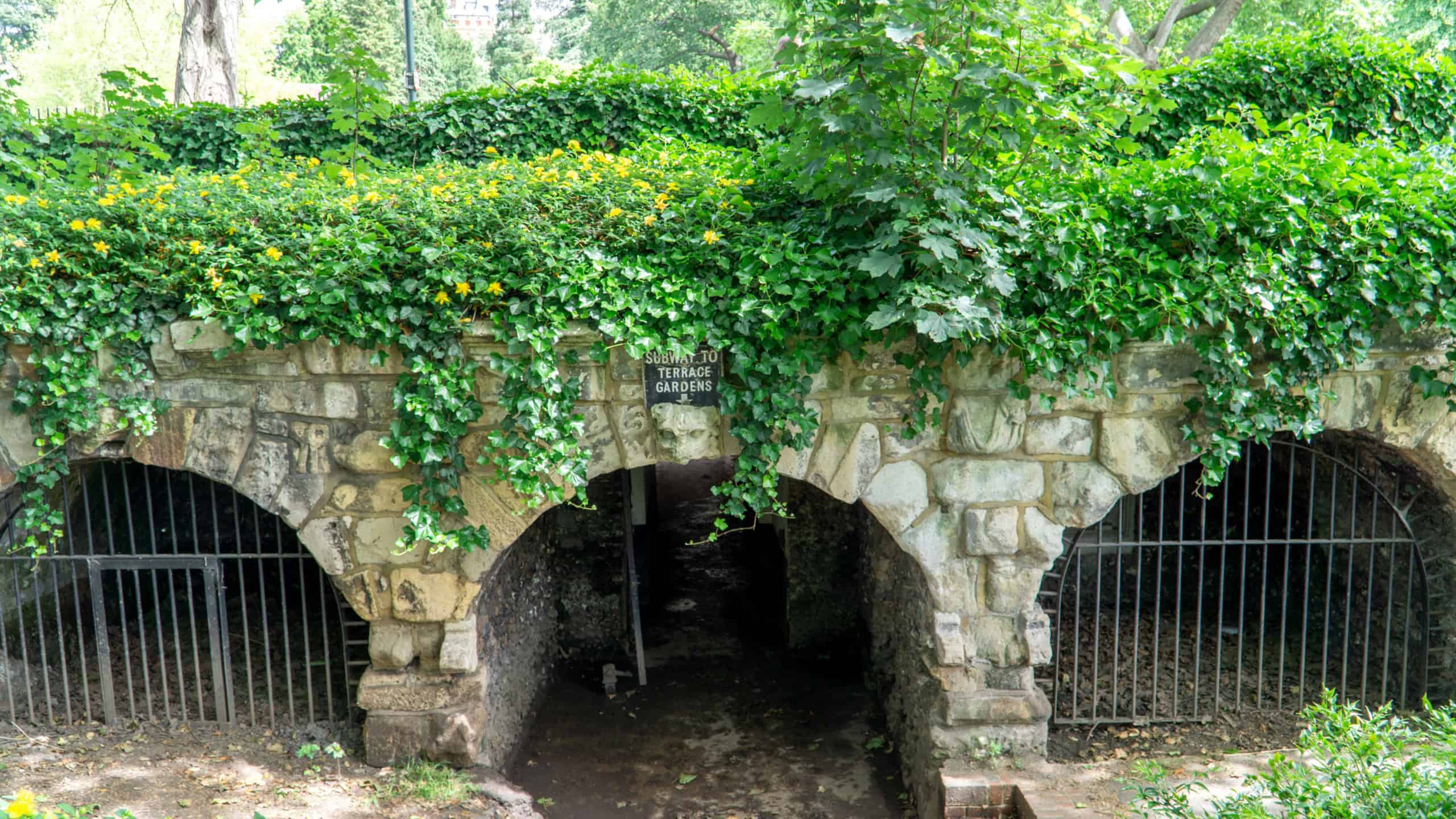
It got a lot worse in Victorian London. Toshers went down into the sewers to find anything that could be taken and sold, including coins and scraps of metal. You don’t need us to tell you how disgusting that would’ve been.
Raw sewage? Rats? Bad air? Loose brickwork? All very real problems, all very common for a tosher. They also faced the risk of working in parts of the sewers that could flood very quickly and cause them to drown.
Morning games had teeth

Time to go all the way back to the ancient Romans, where venatores worked as arena hunters. They’d work in shows called venationes and fight against dangerous animals like lions, bears, boars, leopards, any kind of wild animal, really. A lot of venatores were trained.
Some of them weren’t. They would hunt the animals in an arena, using only a simple weapon such as a spear or a bow and arrow. Not all the animals were deadly, sometimes they were just exotic, like camels or giraffes, but the venatores were still at a high risk.
Sources: Please see here for a complete listing of all sources that were consulted in the preparation of this article.

