

Some wives became famous not for their achievements, but because their choices, scandals, or actions left a lasting mark on history.
Amy Robsart

Amy Robsart was the center of one of the biggest murder mysteries in Tudor England. Amy’s husband, Lord Robert Dudley, was Queen Elizabeth I’s favorite and rumored lover. Amy was therefore keeping him from marrying the Queen and becoming king-maker.
In September 1560, after dismissing her servants to attend a local festival, Amy, age 28, was found dead at the bottom of some stairs with a broken neck. Rumors immediately began that her husband, Dudley, or Queen Elizabeth herself had had her killed. Though they were never proven, the rumors ruined Dudley’s chances with Elizabeth forever.
Valeria Messalina
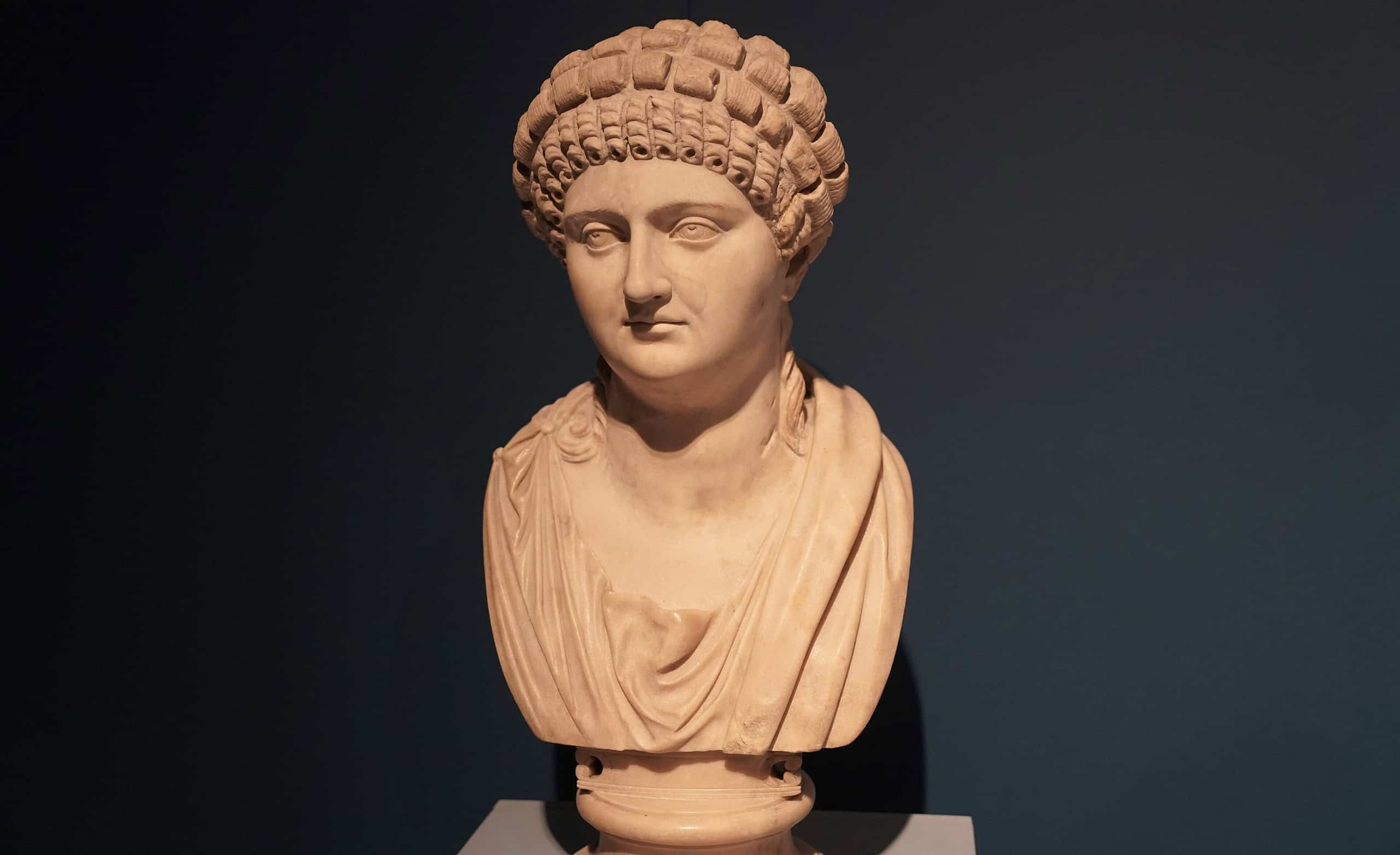
While her emperor husband Claudius was out of Rome conducting grain inspections at Ostia, Messalina married her handsome lover Gaius Silius. Having an entire wedding complete with vows, sacrifices and a wild banquet was much less about love and more about a schemed coup to overthrow the emperor.
Claudius’ frightened imperial cabinet saw it for what it was and sent soldiers to stop the wedding. Ultimately, Silius was killed, and Messalina was cornered in her gardens, where she was stabbed to death.
Anne Boleyn
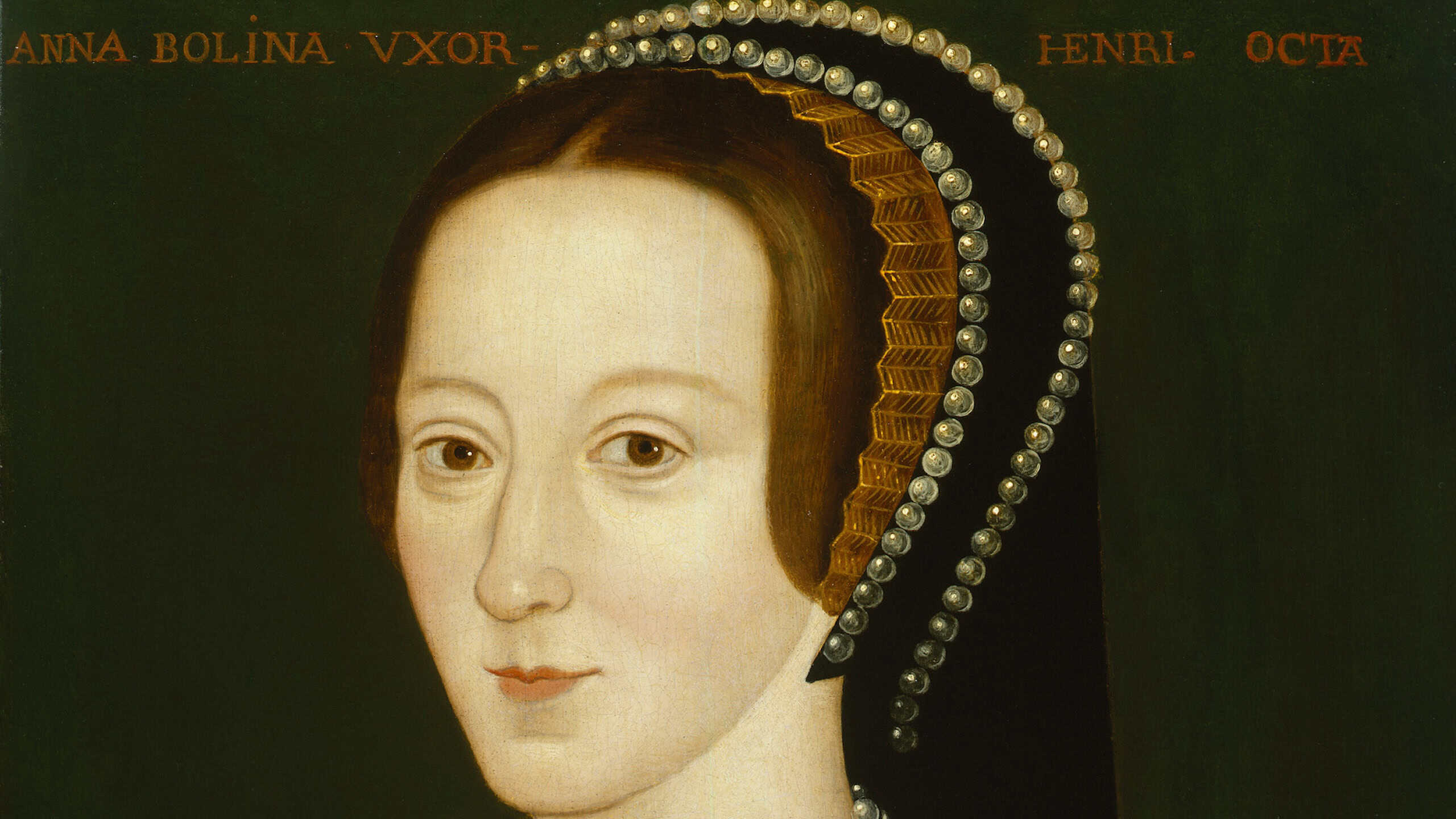
Anne found herself caught in Henry VIII’s ruthless Tudor power plays. When she couldn’t produce a male heir for King Henry VIII, her enemies began to gain the upper hand. Chief among them was Thomas Cromwell.
Cromwell built a case against Anne, accusing her of treason, conspiring to kill Henry and adultery with several men, even going as far as to name her own brother as one of them.
While we know facts in the charges were likely altered to suit the King’s newest marriage, Anne was found guilty and beheaded by a French executioner in May 1536 at The Tower of London.
Isabella of Angoulême
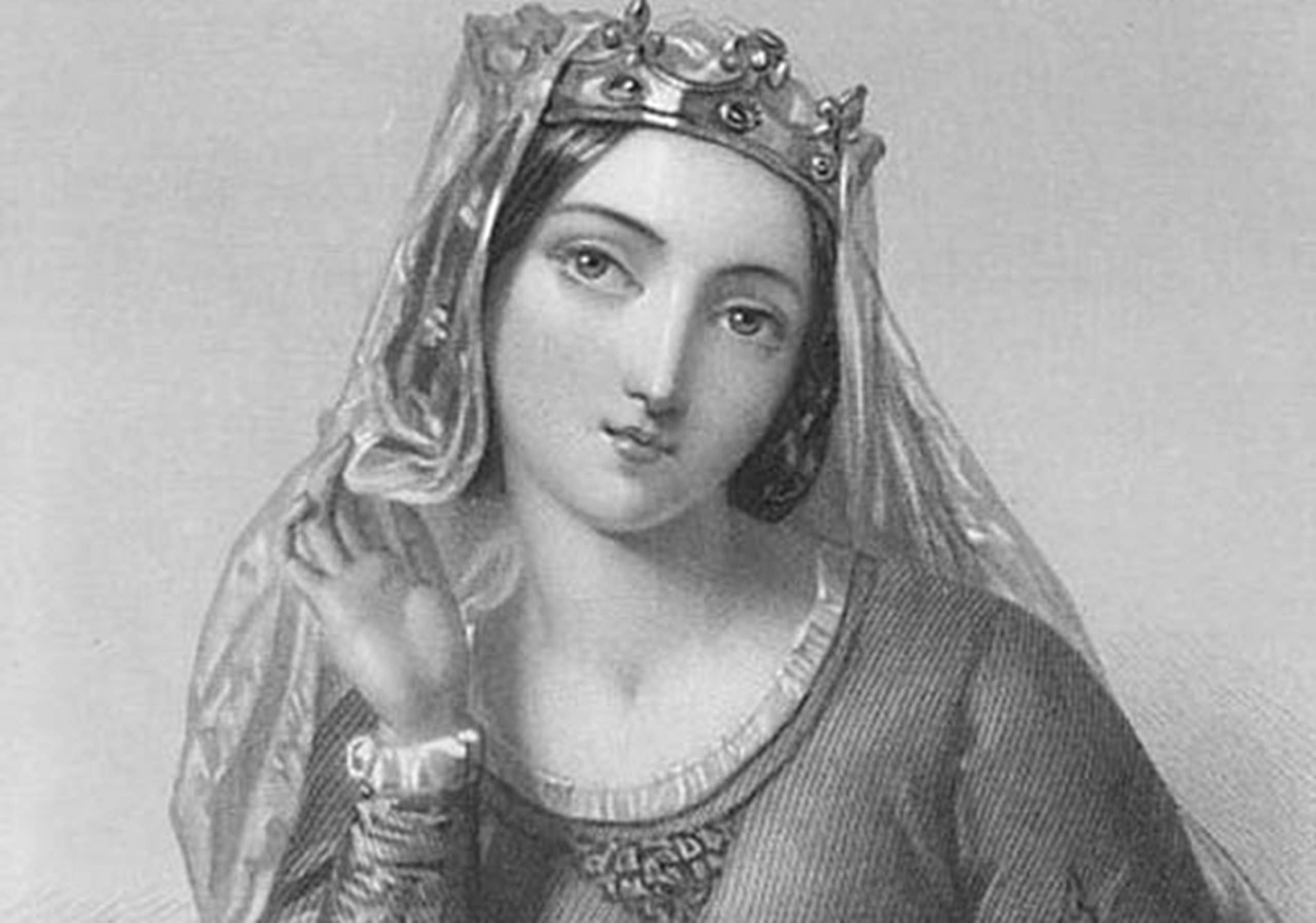
Isabella had been betrothed since childhood to Hugh X of Lusignan, one of the most powerful barons in Poitou. She was carried off and married by King John of England, who had designs on her county. John foolishly offered no compensation, monetary or otherwise, to the Lusignans for their ward, offending both basic feudal law and insulting French nobility.
The Lusignans appealed their case to King Philip II of France, who saw the legal case as a chance to take back all of John’s continental possessions. John would go on to fight a losing war that destroyed his Empire in France, known as the Angevin Empire.
Eleanor of Aquitaine
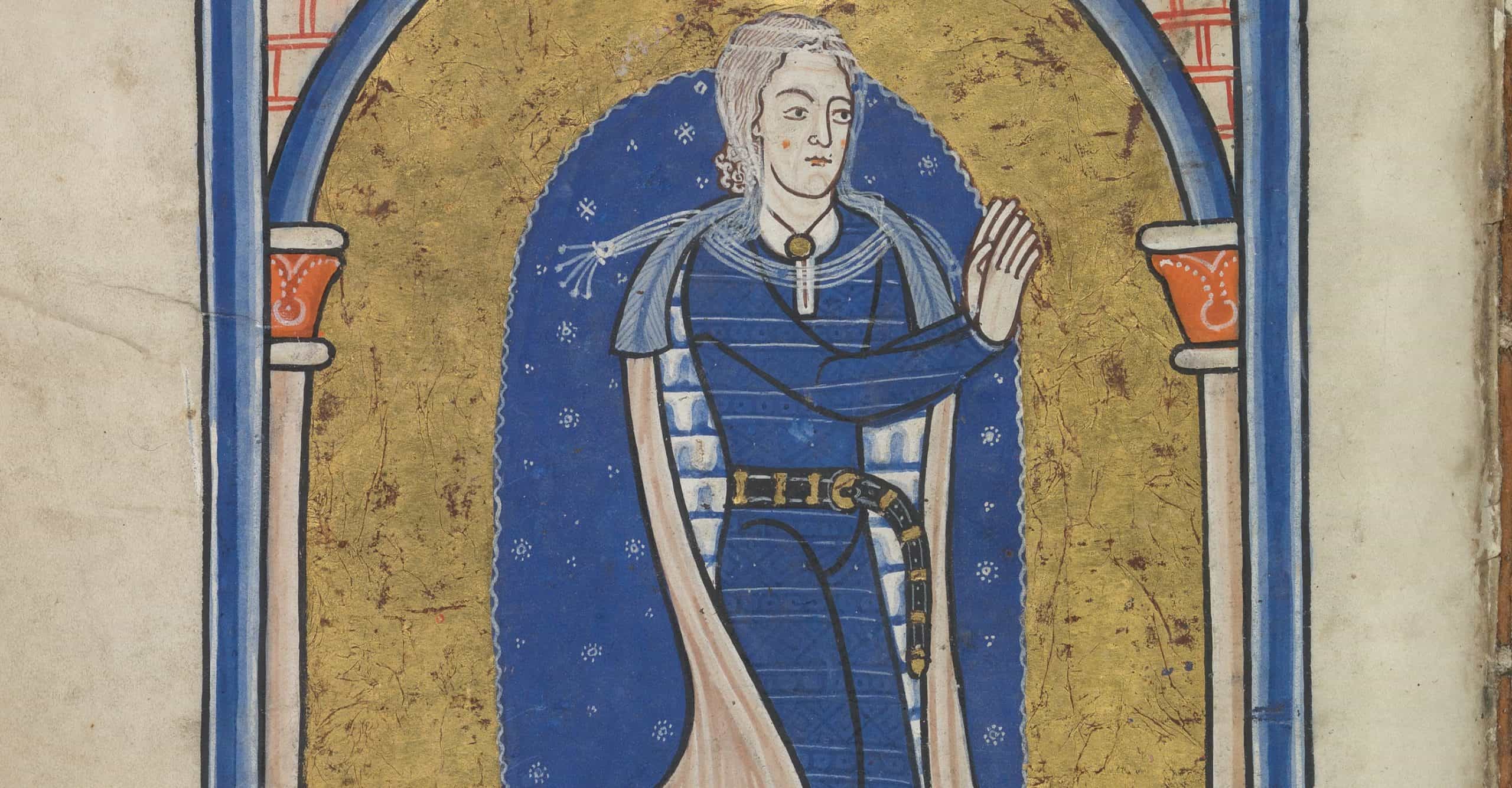
When Eleanor’s relationship with King Henry II of England soured into a political power struggle, she went so far as to finance and personally direct a full-scale rebellion against her husband’s armies in 1173. Eleanor led three of her four sons, then in their teens (among them Richard the Lionheart), and rose up against Henry’s rule alongside France’s King.
Henry responded by winning the rebellion, capturing Eleanor as she escaped across the country dressed as a man, and imprisoning her for the next sixteen years.
Fredegund
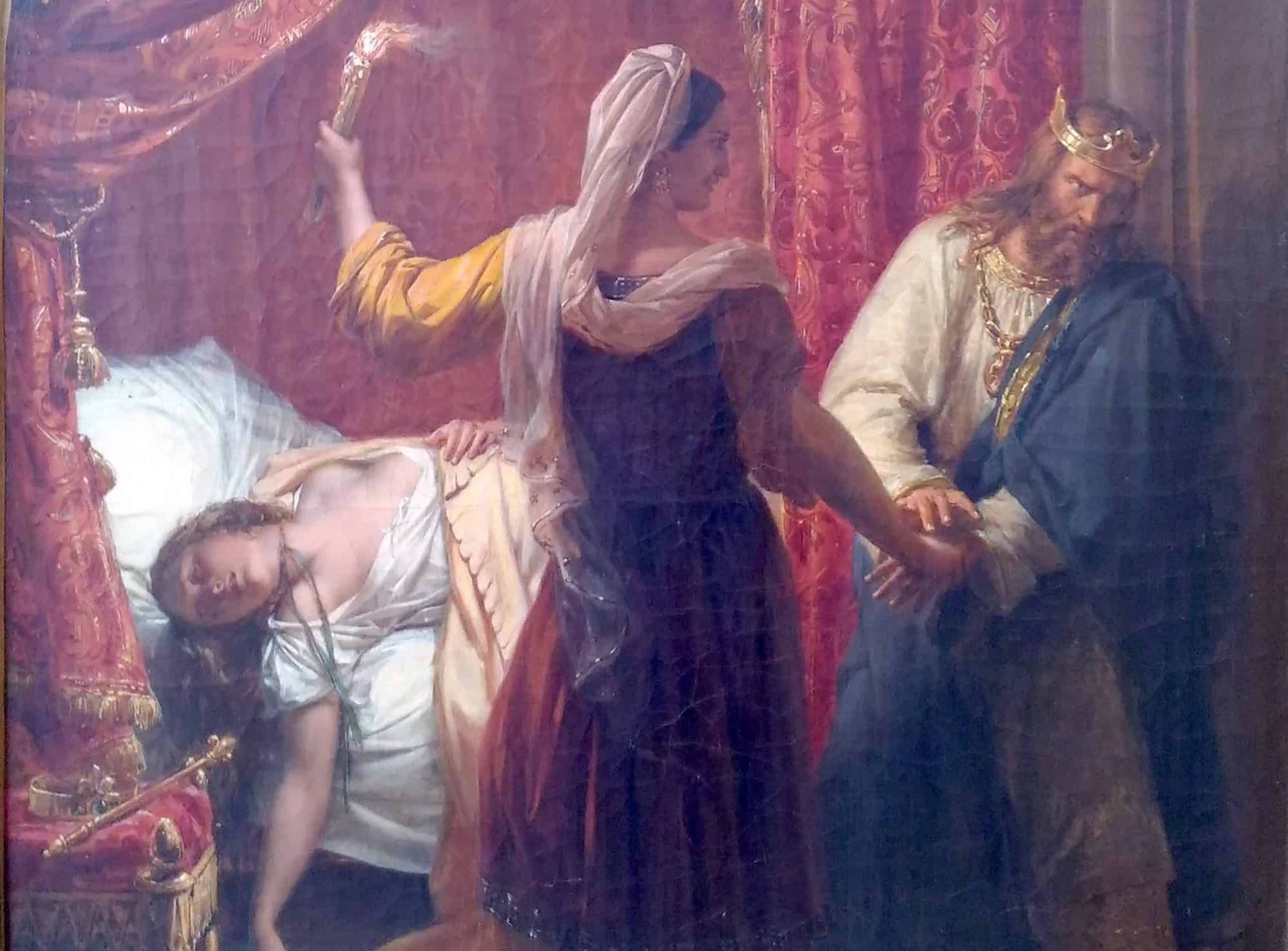
Going from servant to Queen of Neustria, Fredegund had herself crowned by urging King Chilperic I to kill his second wife. This caused a 40-year feud with the murdered queen’s sister, Brunhilda. Fredegund achieved notoriety throughout Europe in the 6th century by sending hit teams of assassins armed with poisoned daggers after rival kings, princes, and bishops.
She was known to kill her own followers as well. In one incident, she tried to kill her own daughter in the midst of an argument over some jewelry by banging the heavy iron lid of a treasure chest onto the child’s neck.
Isabella of France

Repelled by her husband King Edward II’s incompetent military campaigns and his greedy, public displays of favoritism for his lover Hugh Despenser, Queen Isabella felt she had no choice but to take action herself. After she was banished to France on diplomatic business in 1325, she collaborated with her previous lover Roger Mortimer to hire a mercenary invasion fleet and overthrow her husband.
Known subsequently as the “She-Wolf of France”, Isabella had Despenser cruelly executed for treason, coerced Edward into abdicating the throne to their young son and herself, and ordered the murder of her husband when he was imprisoned.
Wallis Simpson
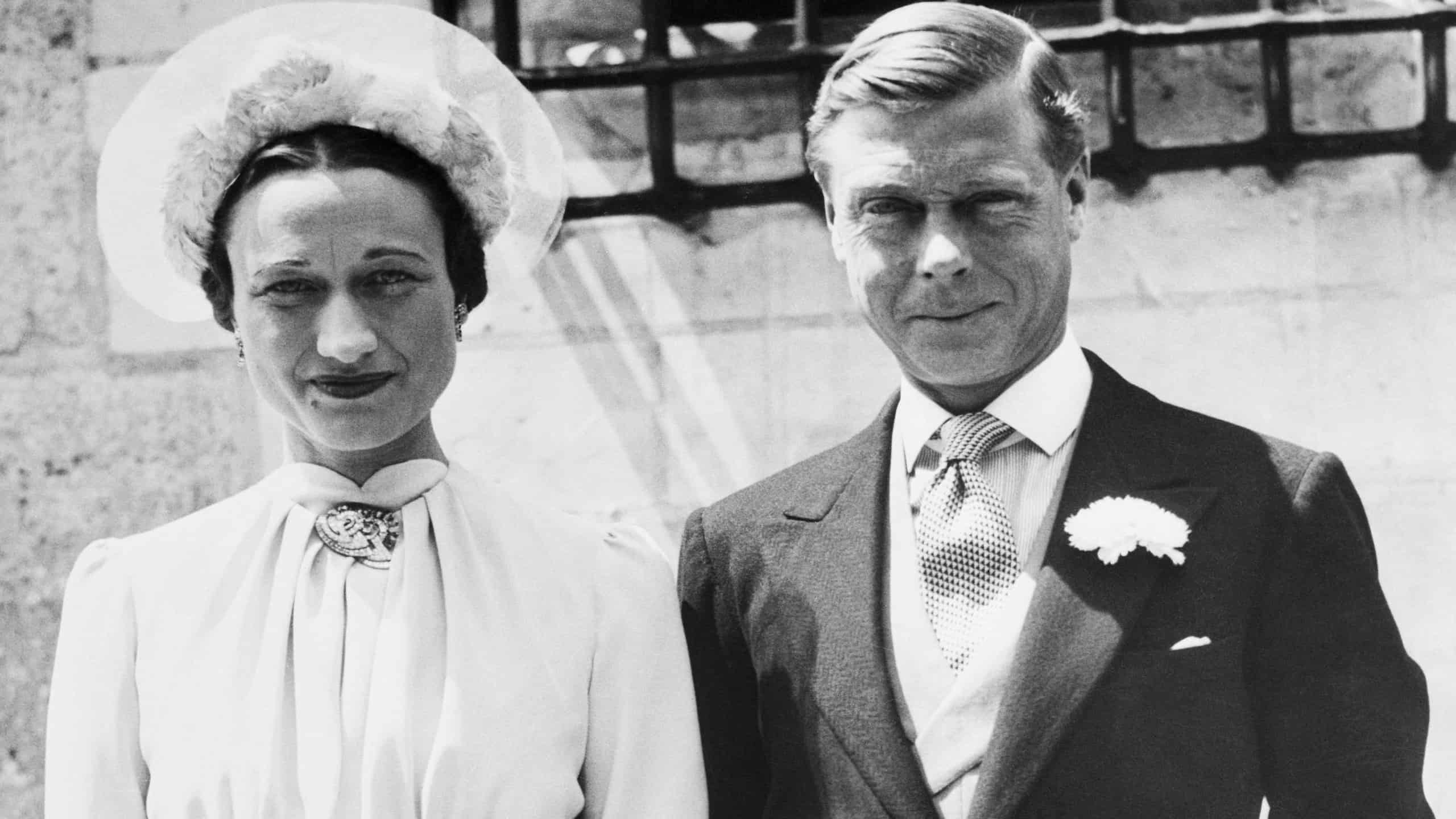
King Edward VIII caused a constitutional crisis in the British Empire when he announced he would marry Wallis Simpson, an American divorcee who was pursuing her second divorce. The Church of England and the British Cabinet refused to accept Wallis as the king’s wife, leaving Edward and the government at a political standoff.
Rather than renounce Simpson, Edward abdicated the throne in December 1936 after reigning for 325 days, sending his younger brother, George VI, who was wholly unprepared, to the throne shortly before the Second World War began.
Caroline of Brunswick
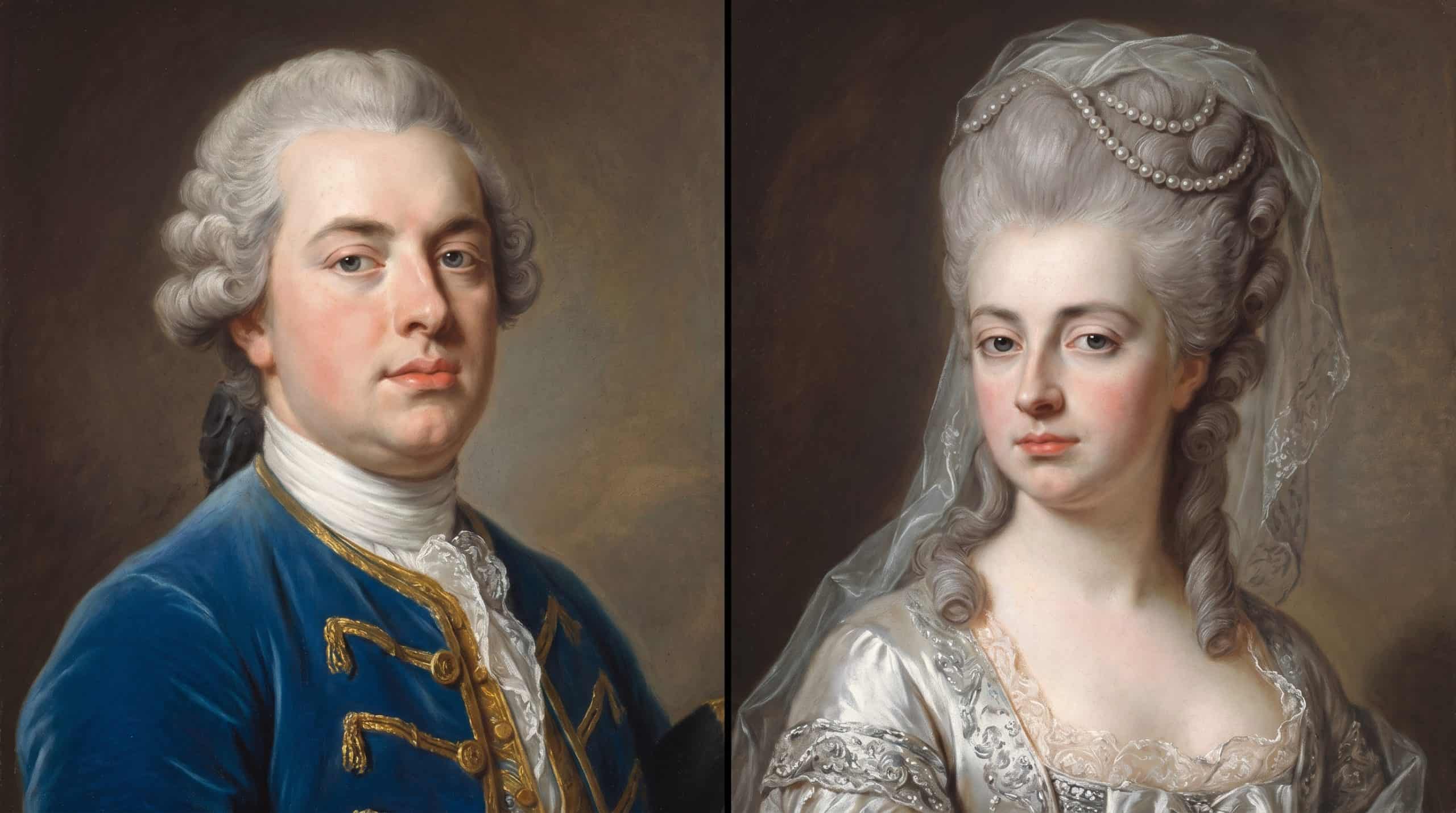
Caroline and her husband, the future George IV, loathed each other passionately and nearly immediately after producing an heir lived openly independent lives for many years.
Upon his accession in 1820, Caroline traveled back to London to assume her position as Queen Consort, whereupon an enraged George attempted to have her stripped of that title through Parliament on the charges of adultery with her Italian courier.
Lasting a month, the parliamentary trial revealed the royal family’s dirtiest secrets to street newspapers. This led to riots in the streets and overall serious harm to the image of the monarchy.
Lady Frances Howard
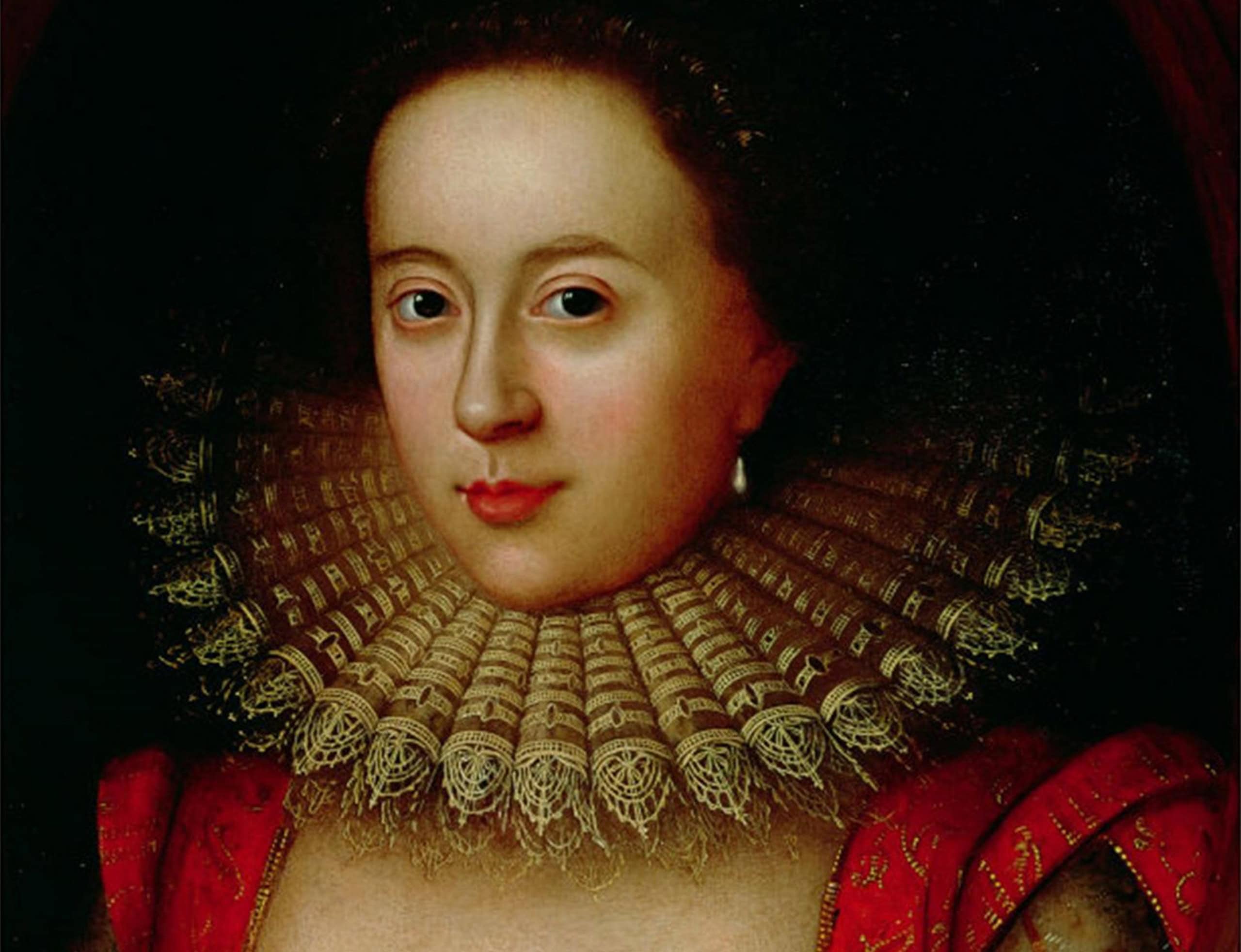
Lady Frances Howard needed to end her marriage to the Earl of Essex so she could wed the King’s favorite Robert Carr. Court poet Sir Thomas Overbury tried to thwart her plans, threatening to reveal Frances and her conspirators.
Locked in the Tower of London on trumped-up charges, Overbury was slowly poisoned to death in 1613 after Frances bribed guards and an apothecary to regularly smuggle food and wine spiked with arsenic and copper vitriol to his cell. When the murder conspiracy was exposed two years later, it led to a sensational royal murder trial that rocked Jacobean England.
Eudoxia Lopukhina
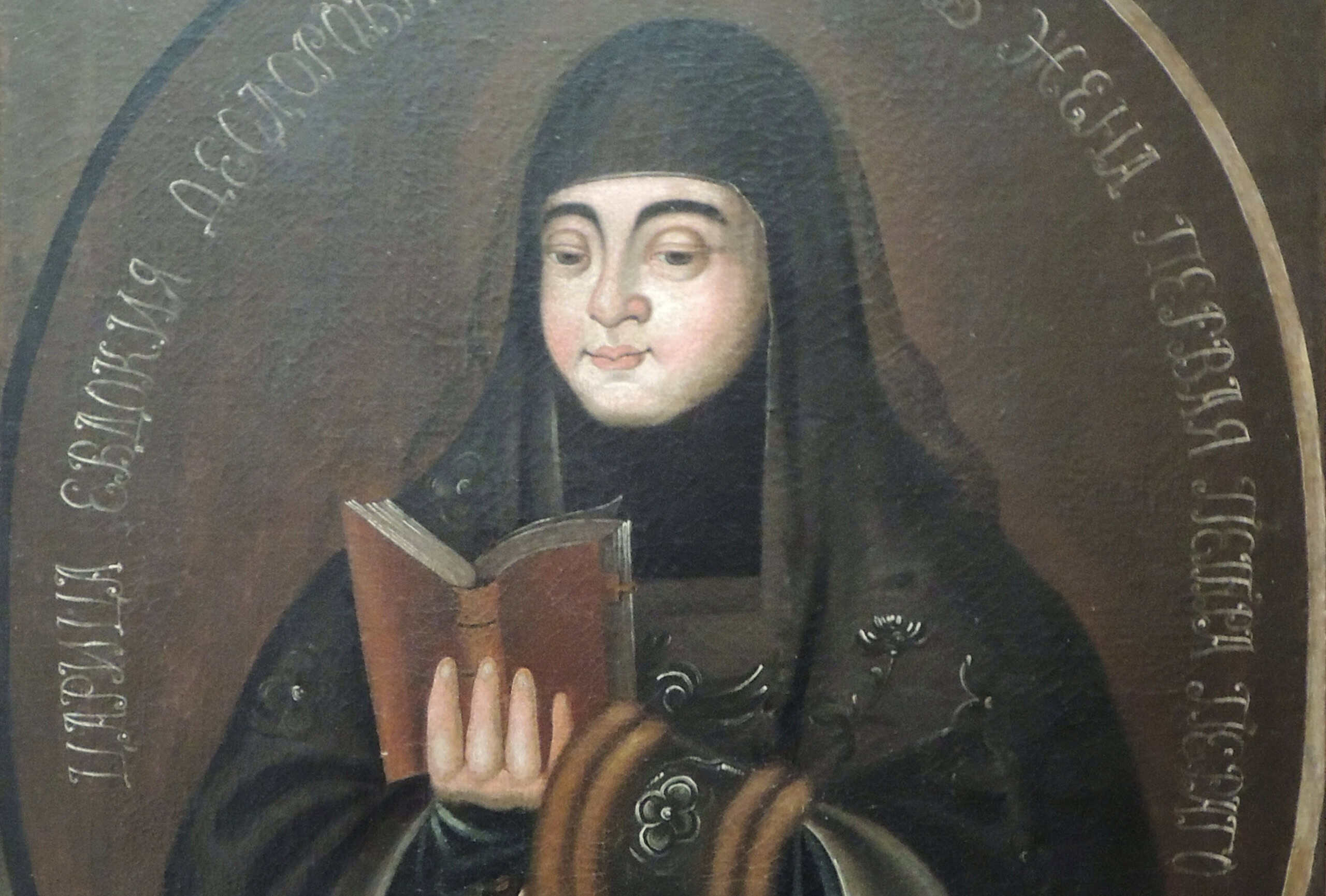
Introduced to Peter the Great by his mother to keep him connected to traditional Russia in 1689, Eudoxia completely despised her husband’s efforts to Europeanize Russia. As Peter became more enamored with his newfound westernization efforts, she sided with the old Boyars and Orthodox clergy and pushed back against his reforms right in his own home.
Displeased by her stubbornness and her loyalty to traditional Russia, Peter imprisoned her in a convent in 1698, divorced her, and eventually tried her for treason as a part of the anti-European conspiracies of her son Alexei.
Brunhilda of Austrasia
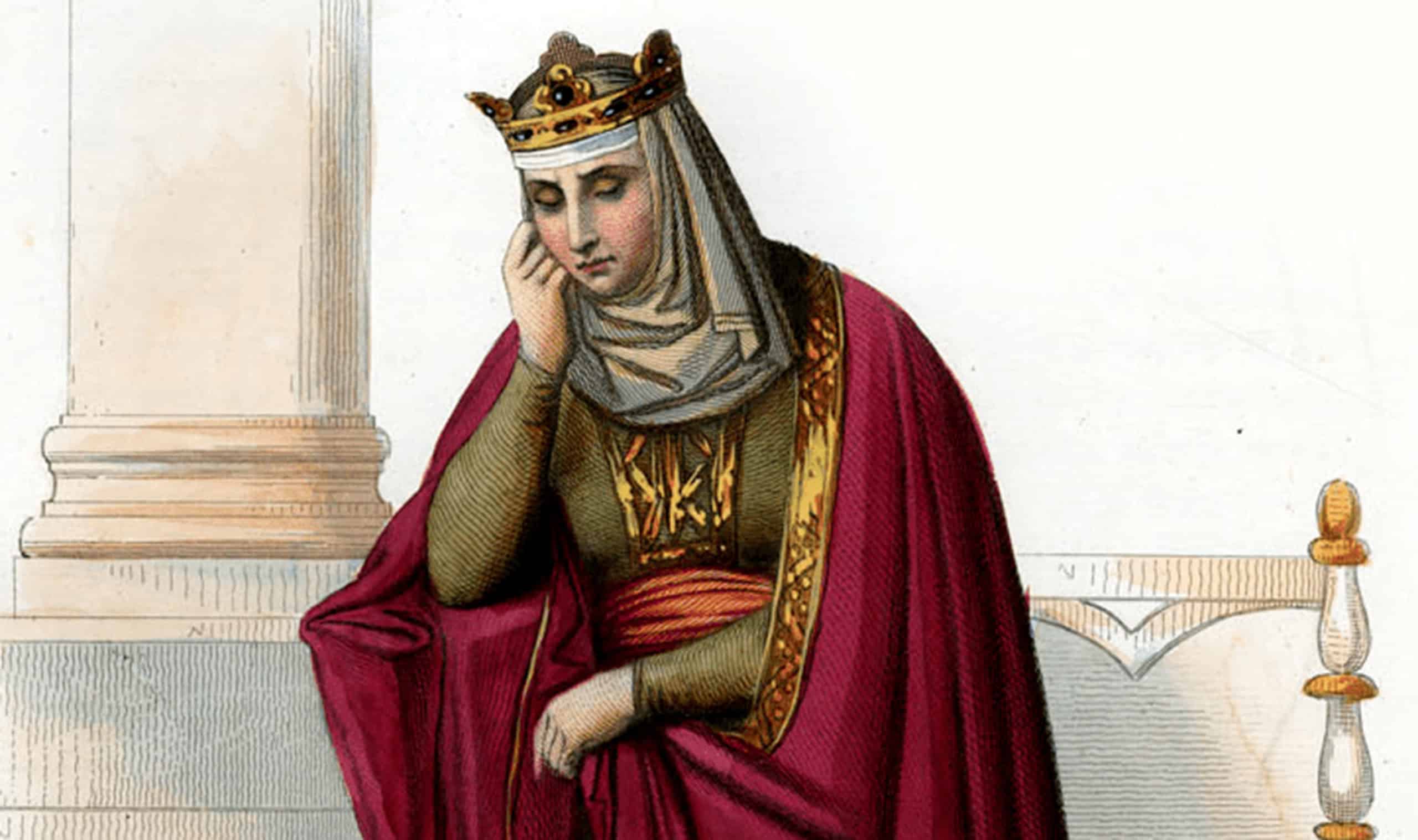
Brunhilda’s decline began when her sister was killed by her brother-in-law King Chilperic so he could replace her with his mistress Fredegund. Enraged, Brunhilda goaded her own husband, King Sigebert, into starting an unremitting war against his brother to exact revenge for her sister’s murder. Sigebert was assassinated as a result of the conflict.
Brunhilda then struggled for years against many enemies in an epic bid for survival. Holding power through her adolescent sons and grandsons, she executed any noble who defied her. After forty years of violence, the war-weary Frankish nobility rose up against her.
Juana of Castile

Juana was notorious for her overly zealous, debilitating love for her unloyal husband Philip the Handsome. Upon Philip’s untimely death in 15O6, Juana fell into deep despair and allegedly refused to relinquish his body. She dragged his sealed lead coffin around Spain for months. She was said to have unclasped the coffin repeatedly to kiss his corpse.
Juana’s behavior seemed insane, so her power-hungry father and later her son, Emperor Charles V, imprisoned her in a royal convent in Tordesillas for almost five decades. They used her reputation as a melancholy, unstable spouse to steal her throne as queen of Spain.
Sources: Please see here for a complete listing of all sources that were consulted in the preparation of this article.
Like our content? Be sure to follow us.
12 historical figures that don’t get enough hate

Some of history’s worst individuals are well-known, but then there are those whose historical reputations have been so polished that the uglier parts barely get mentioned.


