
Being a little strange is one thing, being someone so weird that history remembers you for that exact reason is another, and there are quite a few people who fit the bill.
Harrison G. Dyar Jr.
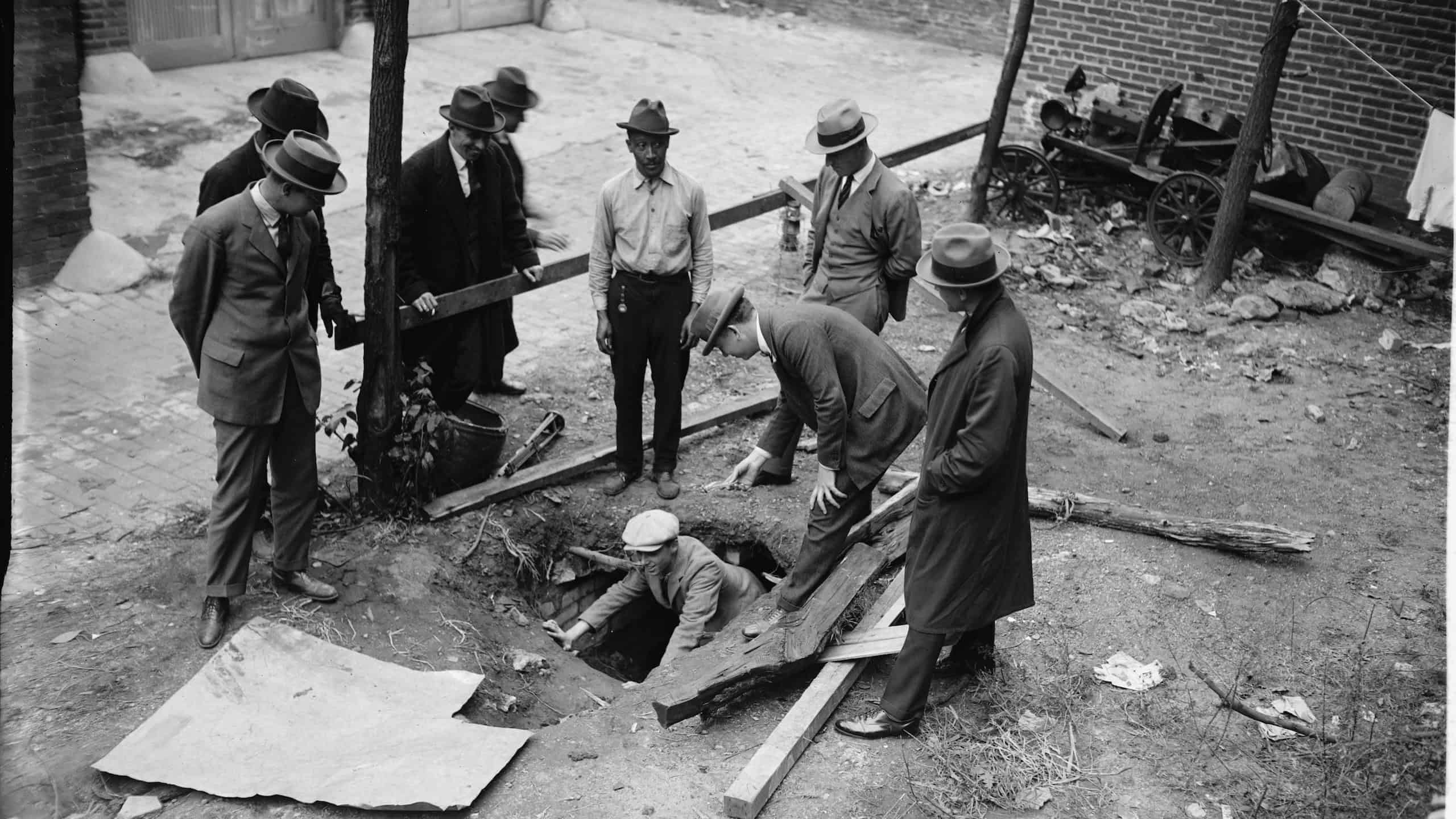
Harrison G. Dyar Jr. had quite a bit on his schedule. He worked at the Smithsonian, for one, and studied insects. That’s strange enough. But somehow, he also found time to dig a maze beneath Washington, D.C., including tunnels with concrete walls and stairs.
There were also chambers. Dyar carved animal heads into some parts, you know, just for extra decoration. Part of the network was discovered in 1924, and people originally suspected wartime spies. But no, just Dyar.
John ‘Mad Jack’ Mytton
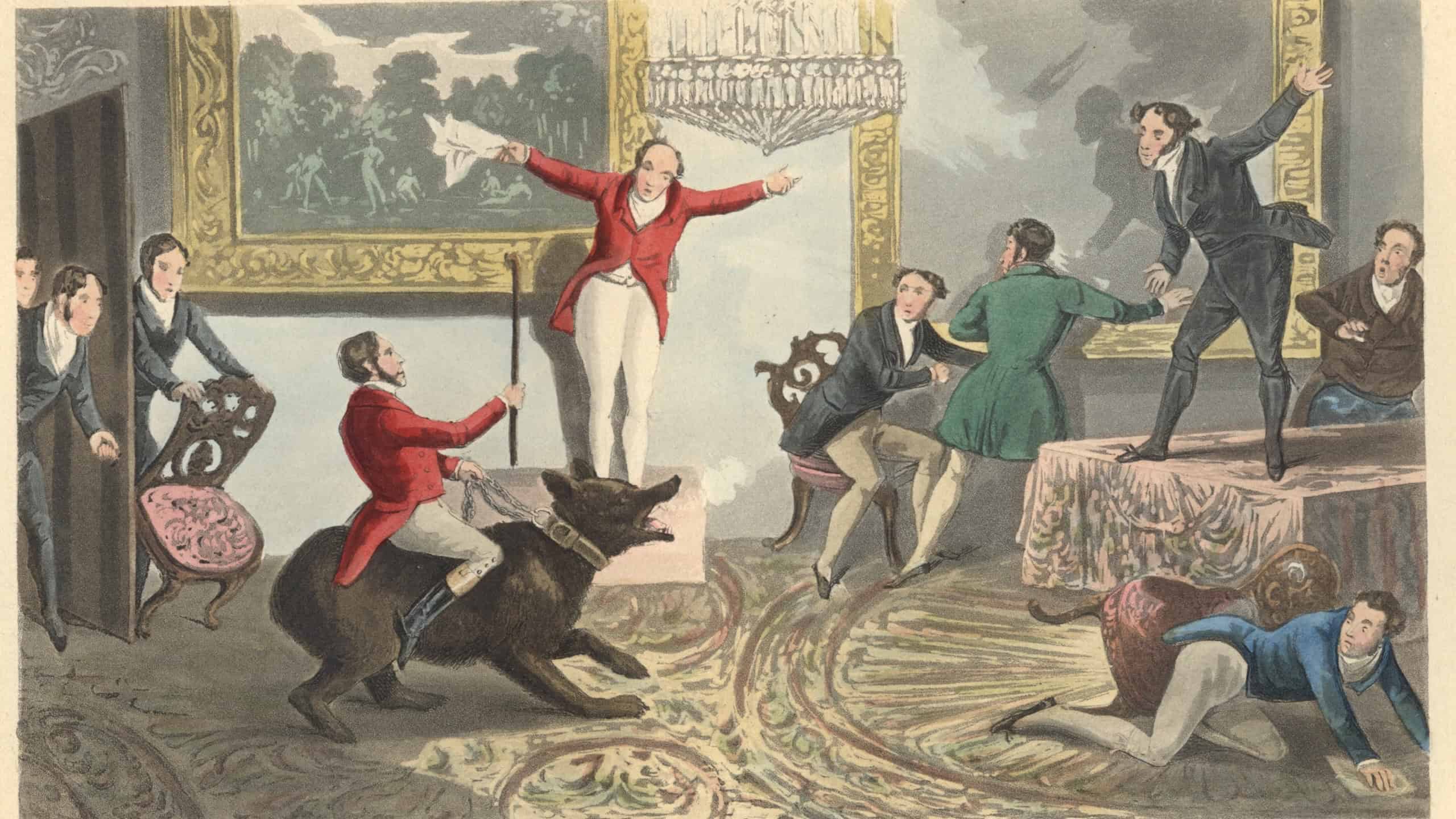
You’d think that setting your own shirt on fire is bizarre on its own, but for John ‘Mad Jack’ Mytton, that was just the start of it. He did it while he was trying to cure hiccups, which kind of worked. He did have to deal with burns afterward.
That’s not all, though, Mytton also drove his carriage at full speed over a road bump to see whether it would overturn. He rode a bear into a dinner party and hunted completely naked in freezing conditions. No wonder he went bankrupt and died in prison as a debtor.
Matthew Robinson, 2nd Baron Rokeby
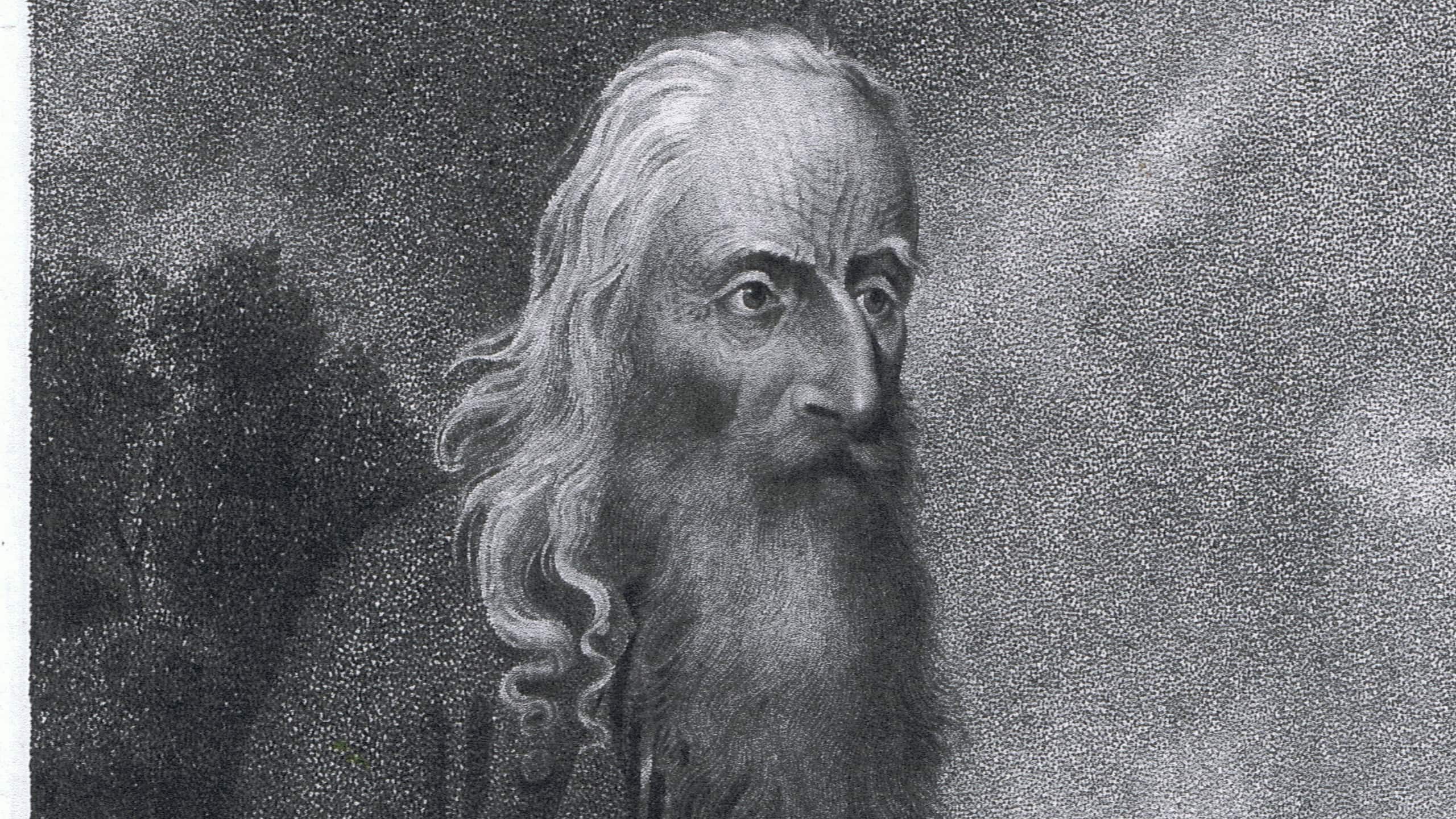
Cold water. It’s something that Matthew Robinson absolutely loved. So much so that he practically made it his whole personality, and he’d take long sea baths in every kind of weather. He’d stay there until a servant talked him out of it, he was that comfortable.
Later on, Robinson had a glass-covered bathing pool built at his home, and it was heated only by the sun. Talk about saving energy. He also had an extremely long beard and a diet heavy on beef tea, making any visits to his home, Rokeby Hall, feel strange from the start.
Charles-Édouard Brown-Séquard
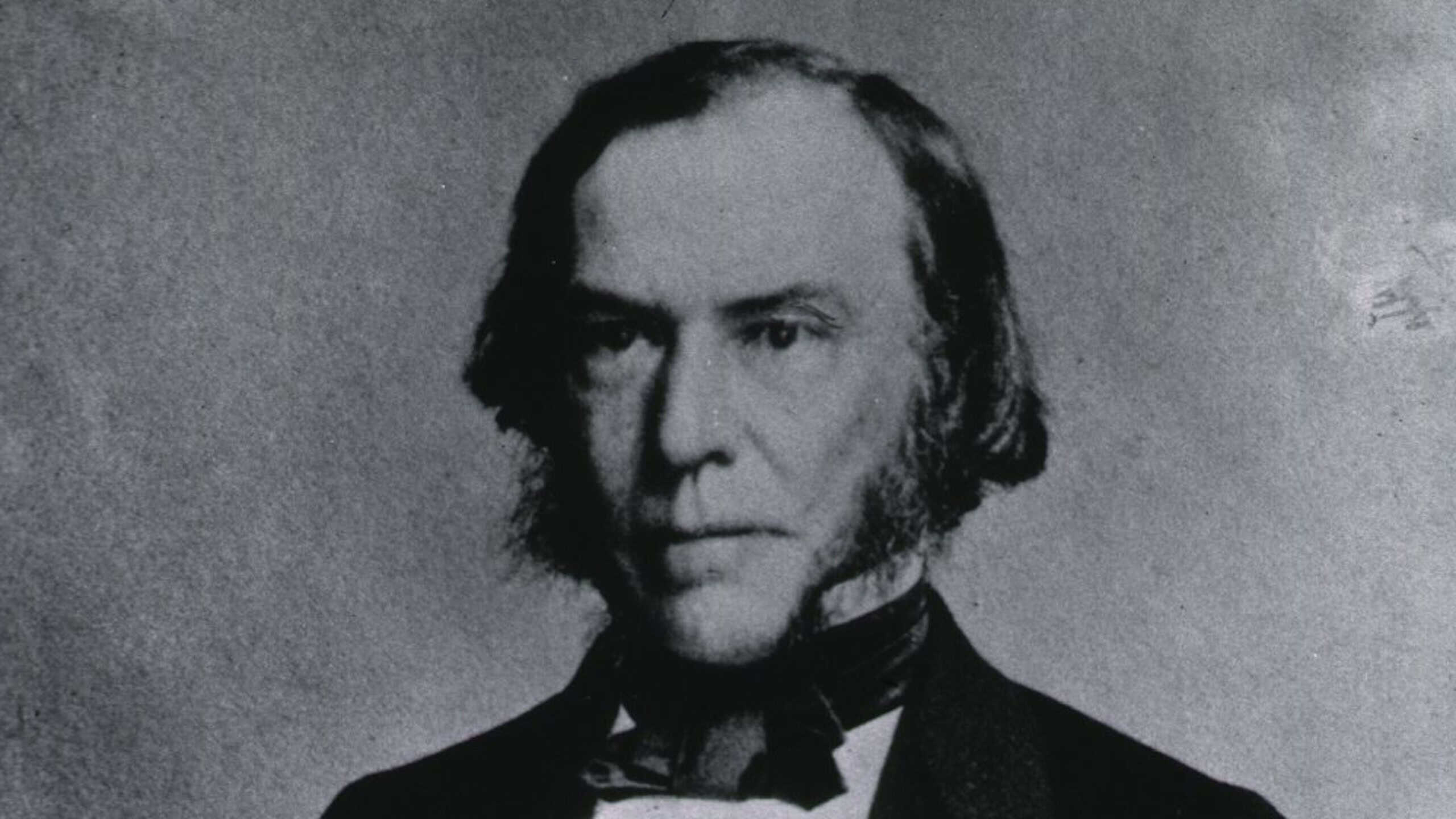
Old age is something that humans have been trying to reverse forever. Charles-Édouard Brown-Séquard thought he had a solution, and it involved using a syringe and some animal organs. He made a liquid from dog and guinea-pig testicles, then injected it beneath his skin.
Yes, really. Brown-Séquard was 72 at the time and claimed he felt stronger and sharper, so he believed it worked. There was nowhere near enough testosterone to cause those changes, but still, he said it was real.
Diogenes of Sinope
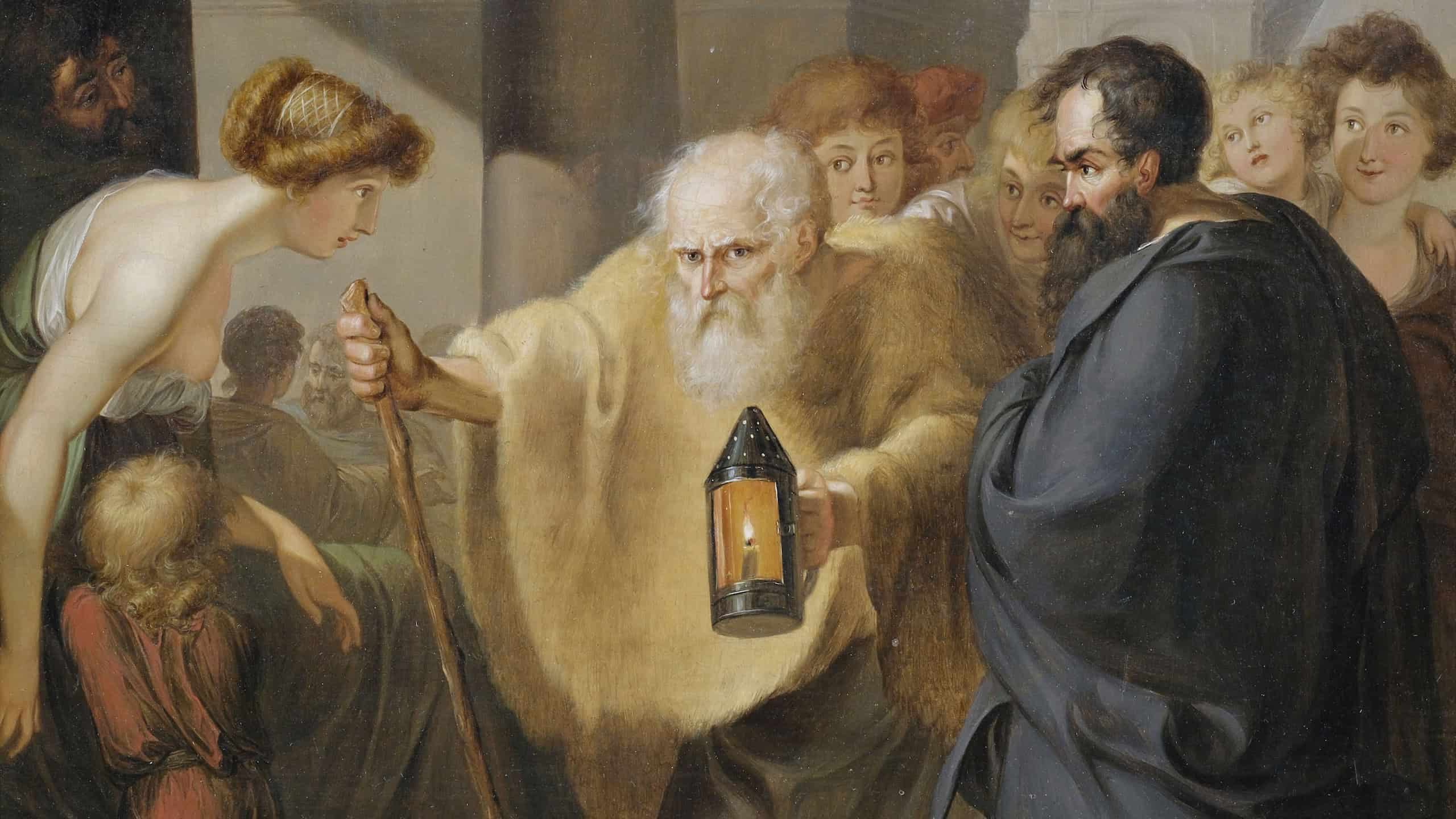
Diogenes was the kind of guy who seemed to enjoy annoying people. He lived in a large ceramic storage jar and ate in public. He also begged and carried a lamp in broad daylight, claiming that he was searching for an honest man.
It got so annoying that people complained about him and said he should be weird behind closed doors. He argued that privacy didn’t change whether something was acceptable. One of his even weirder habits involved learning to handle discomfort by rolling in hot sand.
Erik Satie

Everyone has a favorite outfit. Erik Satie had several of them. The composer owned sets of nearly identical outfits and often appeared in a bowler hat carrying an umbrella. That’s not all, though, because his friends entered his apartment after his death and found other odd things.
They found piles of umbrellas and strange notes. They also found two pianos stacked one above the other, for some weird reason. Satie founded a church with himself as its only member and wrote sheet music that included directions like ‘don’t eat too much.’
Simeon Ellerton

A stone is never just a stone. At least, that’s what Simeon Ellerton thought, and he’d pick up basically any stones he found before carrying them home. He actually collected enough rocks to build a cottage. That should have finished the project, but no, Ellerton kept going.
He’d actually become so used to traveling with weight on his head that he thought walking without it felt wrong. So rather than give up, he began carrying bags of stones instead. He was one determined man, clearly.
James ‘Jemmy’ Hirst

You probably don’t think of pigs when you’re thinking about animals to take hunting. That is, unless you’re James ‘Jemmy’ Hirst, a man who seriously gave the idea a go. He trained pigs and calves to jump somehow, and then attempted to use two pigs like hunting dogs.
Turns out, it worked surprisingly well, as they could follow a scent. The problem was that their constant grunting made sneaking up on any animals hard. He didn’t stop there, though, he also traveled in homemade vehicles pulled by different animals, including bulls.
Aleister Crowley
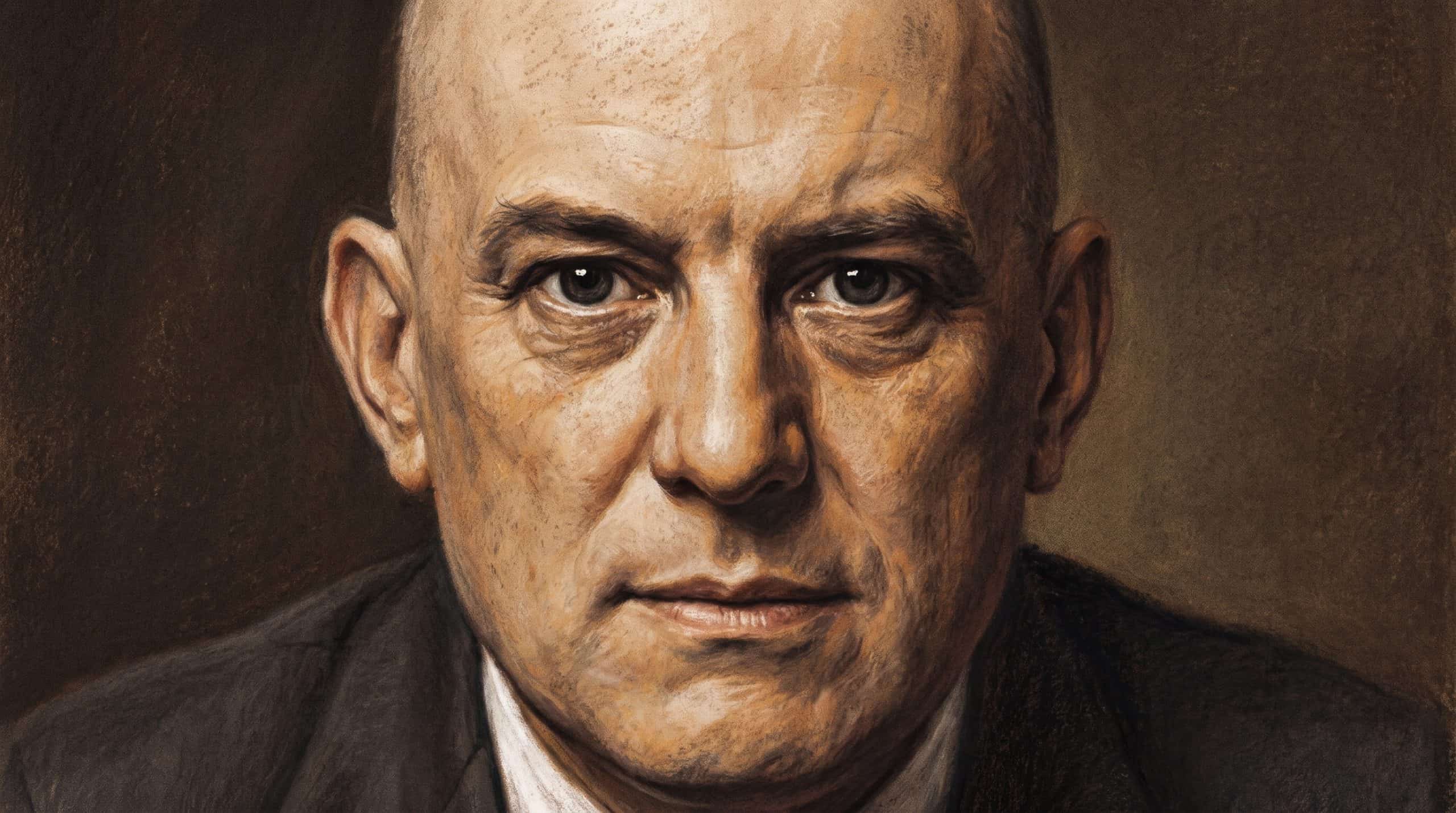
Aleister Crowley had found a farmhouse near Cefalù in Sicily in 1920. He did what anyone would do and decided it would become the Abbey of Thelema. Thelema was his own religion. He covered its rooms with vivid paintings and brought followers to live there.
There were even ceremonies based entirely on the religion he’d created, and he gave himself lots of different titles while performing them. ‘The Great Beast 666” was one of them. Think of it this way, it was part spiritual community, part art project, and part shared house. How bizarre.
Timothy Dexter
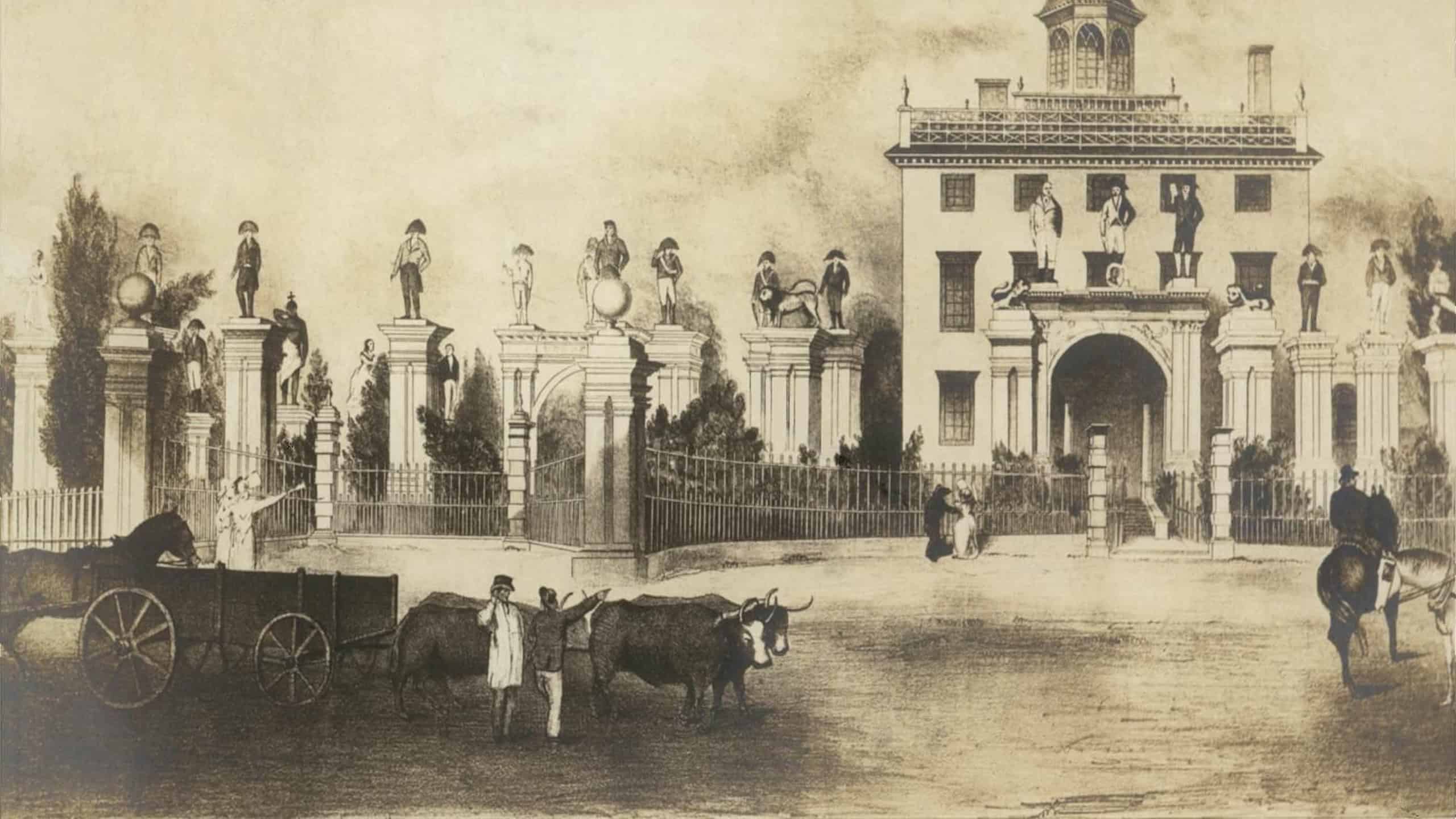
Let’s face it, there’s no single way of getting rich, just ask Timothy Dexter that. He made his money through lots of weird business decisions, although that was the tip of the iceberg. He started calling himself ‘Lord’ once he became rich and filled his estate with 40 wooden statues.
They were all of famous figures. Yes, one of them was of Dexter himself. He actually staged his own funeral, just so he could watch the mourners, and he argued with his wife afterward. She apparently wasn’t sad enough, if you can believe that.
John Murray Spear

It all started with an invention. John Murray Spear genuinely believed his machine was alive, and in the 1850s, he claimed that a group of dead inventors had given him instructions to build it. That included Benjamin Franklin, of all people.
He spent nine months assembling magnets and metals, along with other parts, around an ordinary dining table. He’d made something he called an electrically powered Messiah and had a ceremony to bring it to life. Nothing happened, of course.
Alexander Bogdanov
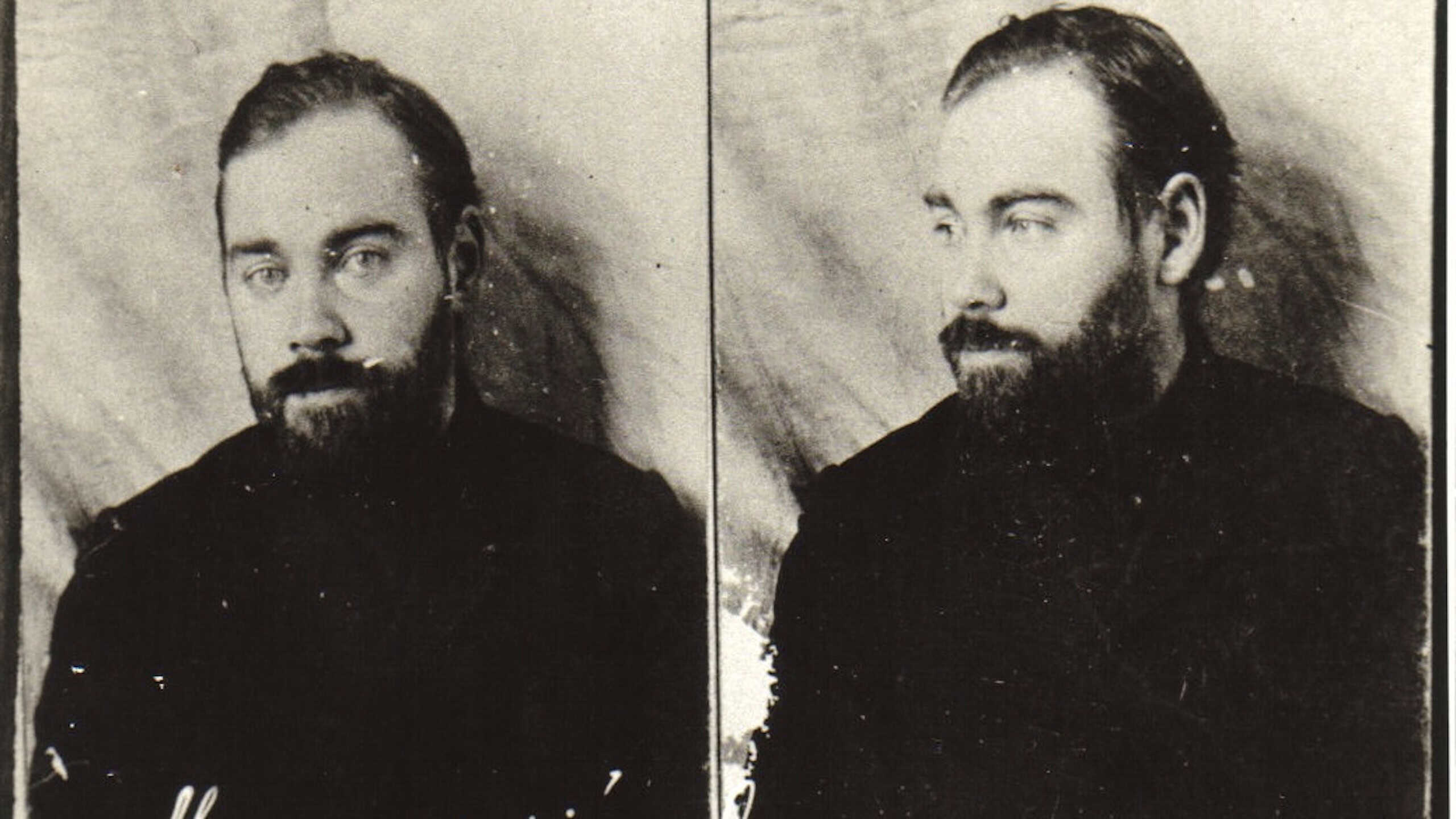
Doing one blood exchange is hard enough. Try doing twelve of them. That’s what Alexander Bogdanov did, willingly; in fact, because he thought transfusions from younger donors would slow down the aging process. He claimed it worked.
Yes, he said his eyesight had improved, and his hair was growing better, and he felt healthier. It was so ‘successful’ that he even opened a blood-transfusion institute in Moscow. Surprise surprise, this didn’t go well, and Bogdanov became seriously ill after one transfusion. He died days later.
Joe Gould

You could try asking Joe Gould about what he was working on. The answer would usually take a while. He was commonly known as ‘Professor Sea Gull’ because he claimed he understood gulls in a totally new way. He wasn’t afraid to show off that knowledge.
Gould claimed to have translated Longfellow into their language, because of course he did. He also filled notebooks for something he called ‘An Oral History of Our Time’ that contained millions of words gathered from New York conversations. Nobody ever found it.
Sources: Please see here for a complete listing of all sources that were consulted in the preparation of this article.
12 historical figures that don’t get enough hate

Some of history’s worst individuals are well-known, but then there are those whose historical reputations have been so polished that the uglier parts barely get mentioned.


