

Growing older doesn’t mean giving up on learning, and research suggests that taking up new hobbies may help support cognitive health.
Learning an instrument
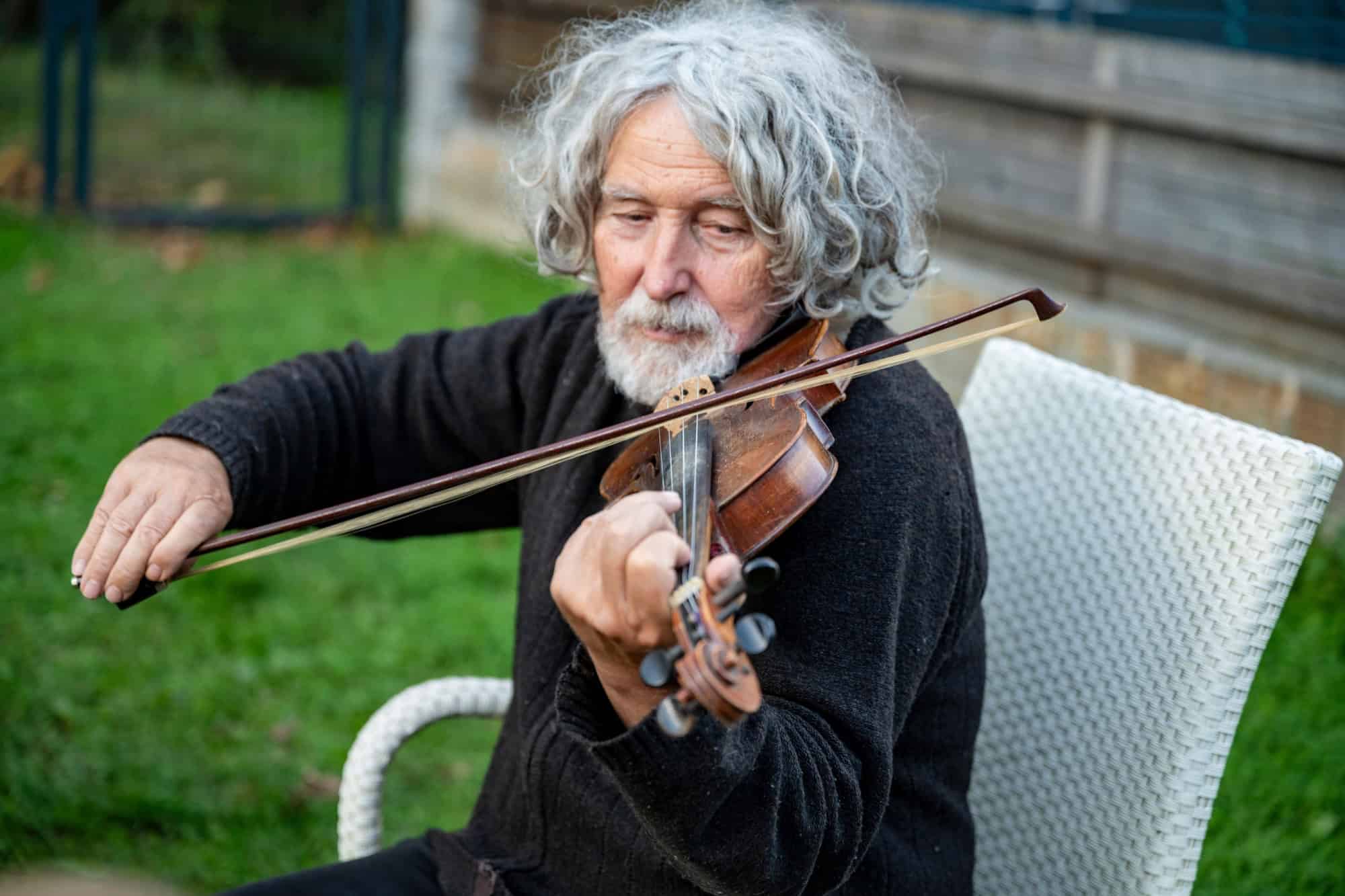
Playing an instrument such as piano, guitar or ukulele requires your brain to do complicated, multitasking work. Your brain has to read music, place your fingers correctly and listen to tempo all at once.
Your brain’s auditory, visual, and motor cortices have to send signals back and forth quickly. Studies in neuroscience have found that by forcing your brain to do this work, you create long-lasting neural connections and allow for neuroplasticity. This can help you maintain your executive functioning and working memory.
Learning a new language
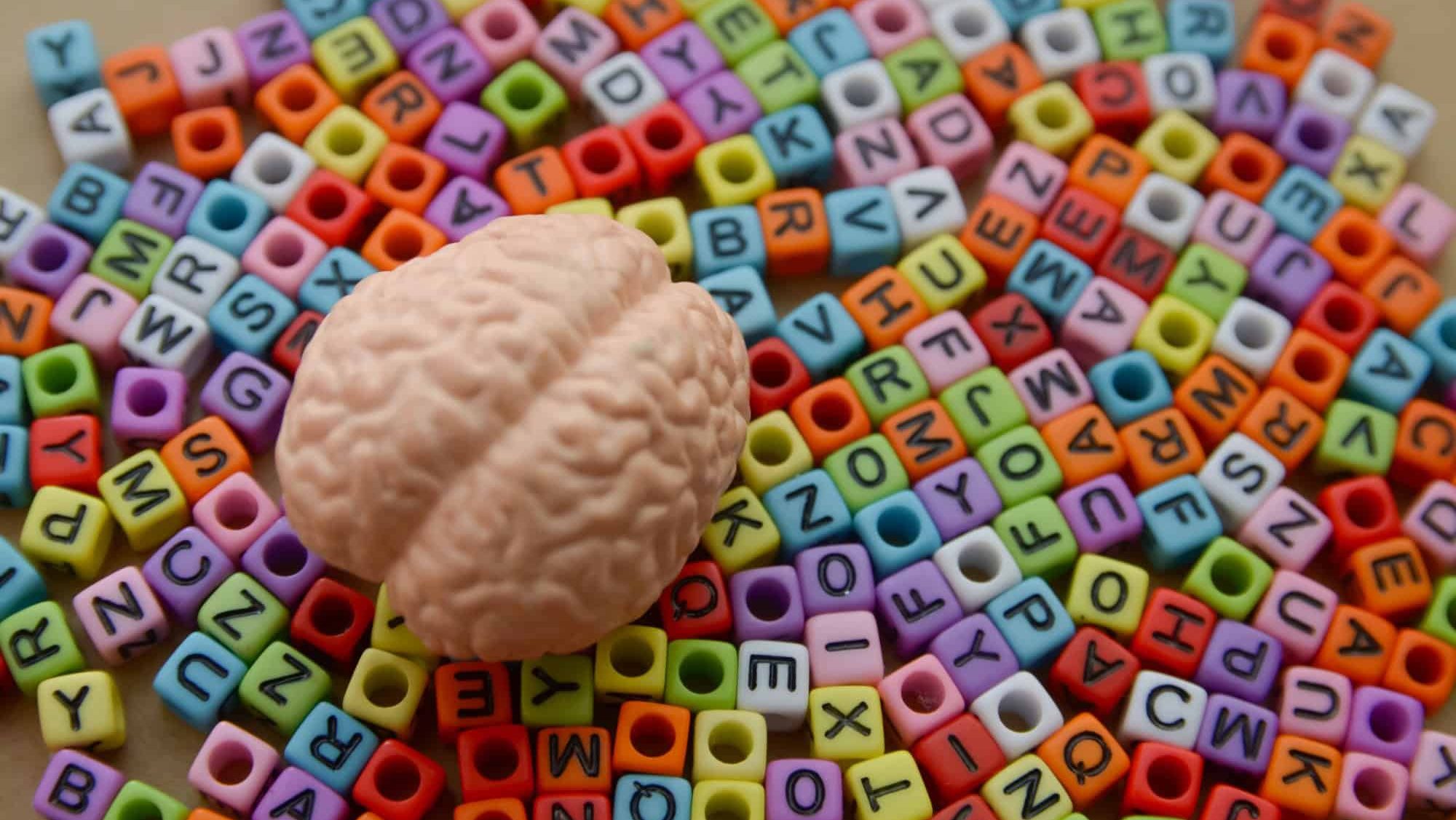
Learning new words and different grammar rules challenges the brain’s cognitive reserve like few other activities. When you mentally translate something to your second language, your prefrontal cortex has to utilize different neurons to store data for later recall.
Research has shown that speaking two languages and learning a new language later in life can slow down memory loss and dementia by years.
Playing strategy games and chess

Playing board games like chess, bridge or even really involved board games requires you to pattern match, use your working memory and plan. You have to have many moving hypothetical pieces swirling around in your head at once and you have to be calculating what your opponent is going to do.
You are exercising your hippocampus with every move you make. Continually problem solving like this can increase your mental flexibility and stave off declines in processing speed.
Taking up partnered dancing

Dancing is an exercise that also requires navigating through space while coordinating your movement with others and remembering dance steps. This challenges your motor skills and spatial awareness as you learn and practice dance sequences.
Recall of the dance steps, combined with the increased blood flow from aerobic movement, oxygenates and feeds your brain while exercising your memory.
Immersive fine arts and painting

Activities such as oil painting, sculpting, or drawing work your mind by involving networks associated with spatial understanding, motor skills, and visual processing.
Painting or drawing takes a 3D object or concept and reproduces it on canvas, requiring you to visualize things clearly in your mind and remember small details for extended amounts of time. You’re creating new pathways in your brain while enjoying the benefits of calming mindfulness that decrease cortisol production.
Creative and narrative writing

Activities such as writing poetry, personal memoirs, or fiction require active recall from long-term episodic memory as well as high-level language processing.
Remembering past experiences, ordering memories into narratives and choosing specific words to convey thoughts works many different areas of the brain’s cortex at once. Doing this regularly can help improve memory and language fluency.
Gardening and horticulture

One hobby you probably wouldn’t consider mentally taxing is gardening. With gardening, you have to use a range of cognitive skills, including planning, sensory engagement, spatial orientation, and troubleshooting. You must remember when to water different plants and fertilize, know what weeds look like, and keep track of your plants. Your working memory has to stay active all day when you garden.
Tailored fiber arts

Knitting, crocheting, and quilting are activities that demand attention to fine-motor skills as well as spatial and mathematical abilities (e.g., counting patterns).
When you follow complex visual guides and work at a steady speed, both your brain’s hemispheres are activated, forging new hand-eye neural pathways. Continuously concentrating on complicated stitches can increase your mental endurance and improve your short-term memory.
Complex physical skills

Learning skills that require fast hand-eye-foot coordination, such as juggling, playing ping pong, or tai chi, exercises your cerebellum and spatial awareness in different ways. You must keep your eye on fast-moving objects, adjust your balance continuously, and react quickly.
The never-ending flow of visual and motion information requires your brain to use synaptic connections that release chemicals, which help keep brain cells alive and promote good mental stamina.
Sources: Please see here for a complete listing of all sources that were consulted in the preparation of this article.
Like our content? Be sure to follow us.
Highly intelligent thinkers often have these 15 hobbies

While a few hobbies might just seem like fun, a lot of them involve hours of planning and patience, making them perfect for highly intelligent thinkers.

