

While a few hobbies might just seem like fun, a lot of them involve hours of planning and patience, making them perfect for highly intelligent thinkers.
Four moves ahead

You might think that chess is just a boring game, since it involves a lot of staring at a board in silence. That’s exactly why highly intelligent thinkers enjoy playing it so much. The game involves a lot of planning and trying to work out what exactly your opponent’s going to do next.
You’ve got to avoid their traps and make the right sacrifices, along with some defensive moves. It’s the kind of game that really requires some serious thinking, and it’s not something you can do passively.
Boxes with secrets

There’s a lot of fun in logic grid puzzles, although not for the reasons you might expect. Crossing things out, catching a little clue you missed, seeing the whole puzzle opening up? That’s a real thrill for smart people.
You’ve got to have a bunch of really useful skills to understand logic grid puzzles. Deduction, for one, along with elimination abilities. Don’t forget structured reasoning. They’re not exactly skills that everyone’s going to have, and that’s exactly why they’re made for highly intelligent people.
Borrowed voices

Most people know that learning a language isn’t easy. What most people don’t realize is the power of learning a language for fun, without anybody making you do it. You’re not doing it for a test or anything work-related, only for yourself.
Very smart people enjoy the challenge and how they can play with sound, memory, culture, and grammar, all at once. That doesn’t mean they don’t make mistakes because, yes, of course they do. They’re just smart enough to know it’s not the end of the world.
A stubborn room

Playing musical instruments is one thing. Playing a complicated one is another. You know, instruments like the piano or violin, even an acoustic guitar, the ones that take a lot from you. It’s easy to mess up the timing and put your fingers in the wrong place.
That’s what pulls smart people in. They really like how they’ve got to solve problems in a new way and control their bodies. Let’s not forget the other skills, too, like listening and memory. You’ve got to really understand the instrument to avoid making a racket.
Late lights

Amateur astronomy sounds peaceful enough and, sure, it is, but there’s so much more to it than you might realize. The sky, for one, doesn’t always cooperate in the way that you might want, and sometimes the objects you’re looking at are too low. How frustrating.
But it’s something that highly intelligent thinkers enjoy doing since they’re curious in a slightly more patient way. They like learning the rules of the sky that most people never actually find out. It’s a lot of timing, a lot of patience, and a lot of care.
Small tasks, real science

Citizen science projects are a lot more hands-on than they might sound. Essentially, they’re projects where you get to grips with the things around you and then use everything you’ve learned to help real scientists.
For example, you might help tag animals in trail-camera photos. You might help classify galaxies and transcribe old records, things that, yes, don’t exactly seem glamorous. But they’re so important.
Highly intelligent thinkers know that completing seemingly boring tasks like these could really matter later.
Out loud, on purpose

Arguing. That’s what some people think debating involves, just being the loudest person in the room, nothing more. Not really, though. You’ve got to have good listening skills, for one, along with an excellent memory and the ability to present evidence well.
Timing’s another important factor, as well as the ability to restructure your argument when someone pokes a hole in it. It’s a lot of pressure, and that’s what highly intelligent thinkers enjoy, since you can’t hide behind weak statements.
Wires and little mistakes

You don’t exactly have to build a walking, talking robot to be good at robotics because even building something small counts. However, it’s a hobby that needs you to understand software and hardware on another level.
You’ve got to be ready to deal with all sorts of issues, like the wire being connected but somehow not connected, enough too. There’s also the issue of trying to figure out why the code just doesn’t seem to work. Not exactly skills for your average Joe.
Names in old paper
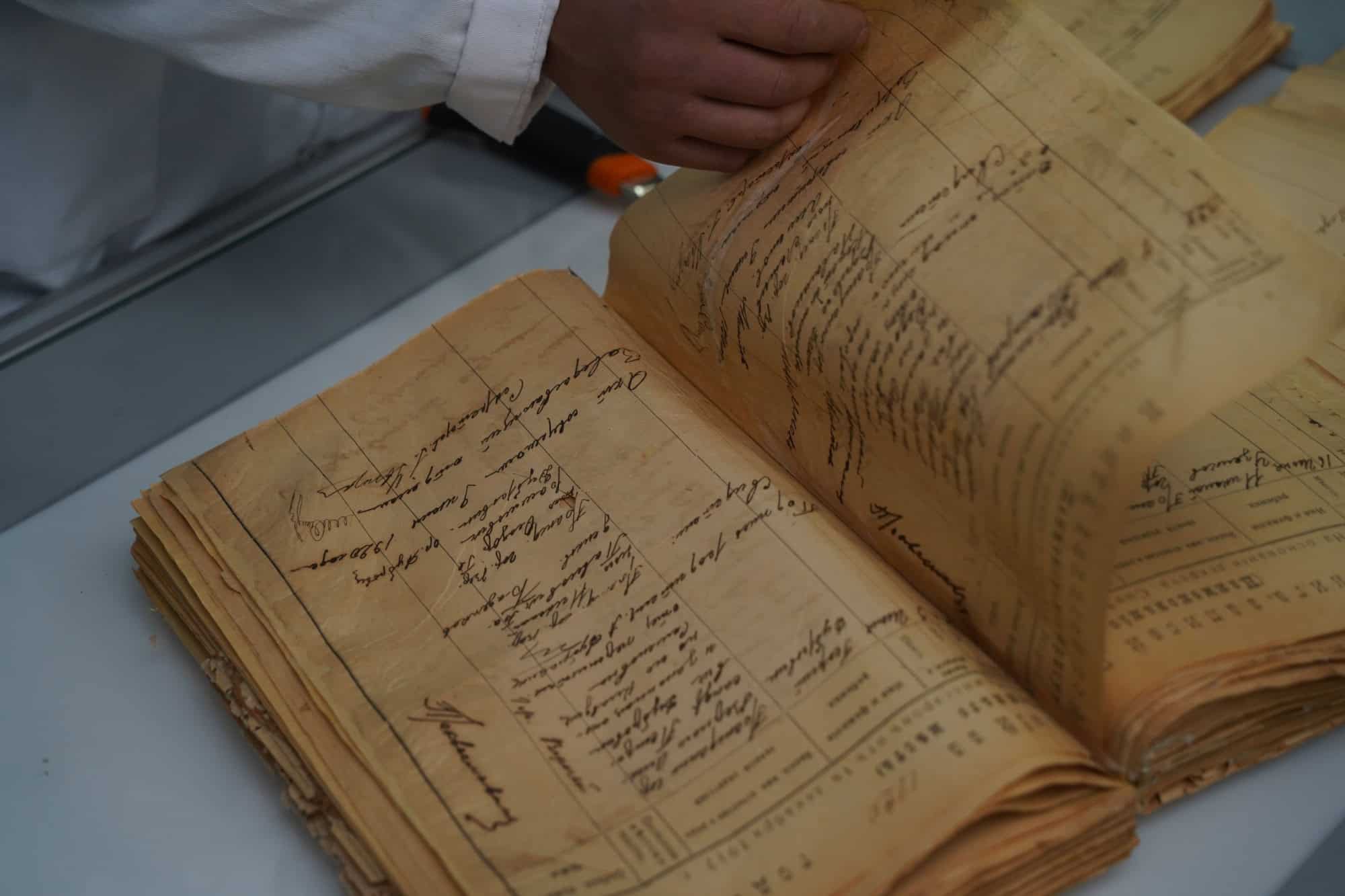
Part of the appeal of genealogy and archival research has to do with mysteries. Yes, there’s the fact that smart people want to find out their own ancestry, but they enjoy the fact that they’ve got to sort through dates and places from half-clues.
You’re dealing with census forms and ship records, along with misspelled surnames, church registers, military files, and so much more. Sometimes, the most exciting discovery is a middle initial.
Shelves with weight

Highly intelligent thinkers love reading, and they especially love reading non-fiction books. They get to learn about things that might not be important in their daily lives, but still serve them well. Ancient trade routes between other countries? Octopus brains? The history of salt?
All interesting topics for very smart people, although it’s not necessarily because they’re going to do anything with those facts. They mostly just enjoy the feeling of learning something completely outside of their normal lives.
A tiny tree problem

There’s no denying that bonsai is a calm hobby. Maybe it’s a bit too calm. You’ve got to work on pruning and wiring a tree for years, while also making sure it gets enough water and light. It’s the kind of hobby that rewards you after a long time instead of immediately satisfying you.
You’ll only learn later whether the choices you make pay off, and that’s not something everyone can wrap their heads around. Highly intelligent people can, though.
Clay keeps receipts

There’s something surprisingly honest about pottery as a hobby. The clay knows when your hands rush, and it knows when the wall gets too thin. That’s why smart people like it. They need to balance their planning skills with their sense of touch.
Yes, things like form, thickness, drying, glazing, and firing are important, nobody’s denying that. But you’ve got to know how to react in the moment to the clay, which takes a lot more thinking than you might expect.
Below the noise

The fish are a big part of why highly intelligent people like scuba diving. However, there’s so much more than that, since you’ve got to handle a bunch of things before you even get into the water. Knowing hand signals? Working out how currents and air pressure work?
Figuring out how to manage your breathing? All of that counts, and all of those reasons are why it’s a hobby for smarter thinkers instead. You’re having a bit of an adventure while following the rules of the sea.
A quiet line

You stand there. You pull a string. You let go. That’s all archery is, right? Wrong. You have to make sure your body and mind are in sync, including your elbows, breath, fingers, shoulders, eyes, and brain. It’s kind of annoying, really.
There’s also the fact that people drawn to archery are usually the kind of people who know just how to be precise. They know how to be disciplined in a way that a lot of other hobbies don’t require.
Weather with ropes

Being clever seriously helps out with sailing, although the weather’s the one that’s really in charge. It doesn’t matter that you read charts and checked the tide. It doesn’t matter that you tied the right knots and trimmed the sail, because you’ll probably end up changing the plan.
Highly intelligent people recognize that. They’ve got the knowledge, yes, but they’ve also got the ability to adjust when the weather makes them. It’s being able to deal with all of that which highly intelligent people find entertaining.
12 things people who try too hard to seem intelligent often do

Some people try so hard to look smart that they end up doing the opposite. From overusing big words to constantly correcting others, these habits reveal insecurity more than intelligence. Here are 12 common behaviors people use to appear clever, without realizing how obvious it is that they’re just putting on a show.
12 things people who try too hard to seem intelligent often do


