

My mom was becoming forgetful and low-energy after she turned 70. Her simple solution was to start stacking tiny habits: stretching in the morning, taking a few short walks, and writing down 1 good thing each day.
The changes added up and she began to feel and function better. Studies confirm that little habits can have a big impact, helping memory, heart health, and general wellbeing. These ten habits are simple, not perfect. But they work, and you’ll be glad you started them.
Pick one room, one “fall hazard” per week, and take action

Slips and trips become more hazardous as balance and reflexes change with age. Pick a room in your home, and remove just one hazard each week: remove a slippery rug, repair a loose light, clear clutter or install a handrail.
These simple changes, while proactive, can maintain your mobility, independence and self-confidence. Motor control and reaction time research in older adults has found even small differences can impact fall risk.
Set a consistent sleep‑wake rhythm (even on weekends)

Your body and brain like regularity, so the more consistent you can be with your sleep schedule, the better off you will be.
Research has shown that older individuals with more inconsistent sleep times performed significantly poorer on a variety of memory or attention tests. Try getting up and going to bed at about the same times every day, you’ll likely feel less tired in the mornings and more alert in the afternoons.
Schedule one “no‑screen” hour per evening

Screens take up a large portion of many evening routines. Cutting back on screen time before bed can lead to deeper sleep, a more positive mood, and clearer minds the next day in older adults.
Activities like reading, gentle stretching, or quiet reflection instead of screen time create a cue-behavior loop to help form new healthy habits.
Research has shown that reducing evening screen time supports sleep rhythms and cognitive function in older adults (Exelmans & Van den Bulck, 2016).
Stand or move every 30 minutes if you sit for long stretches
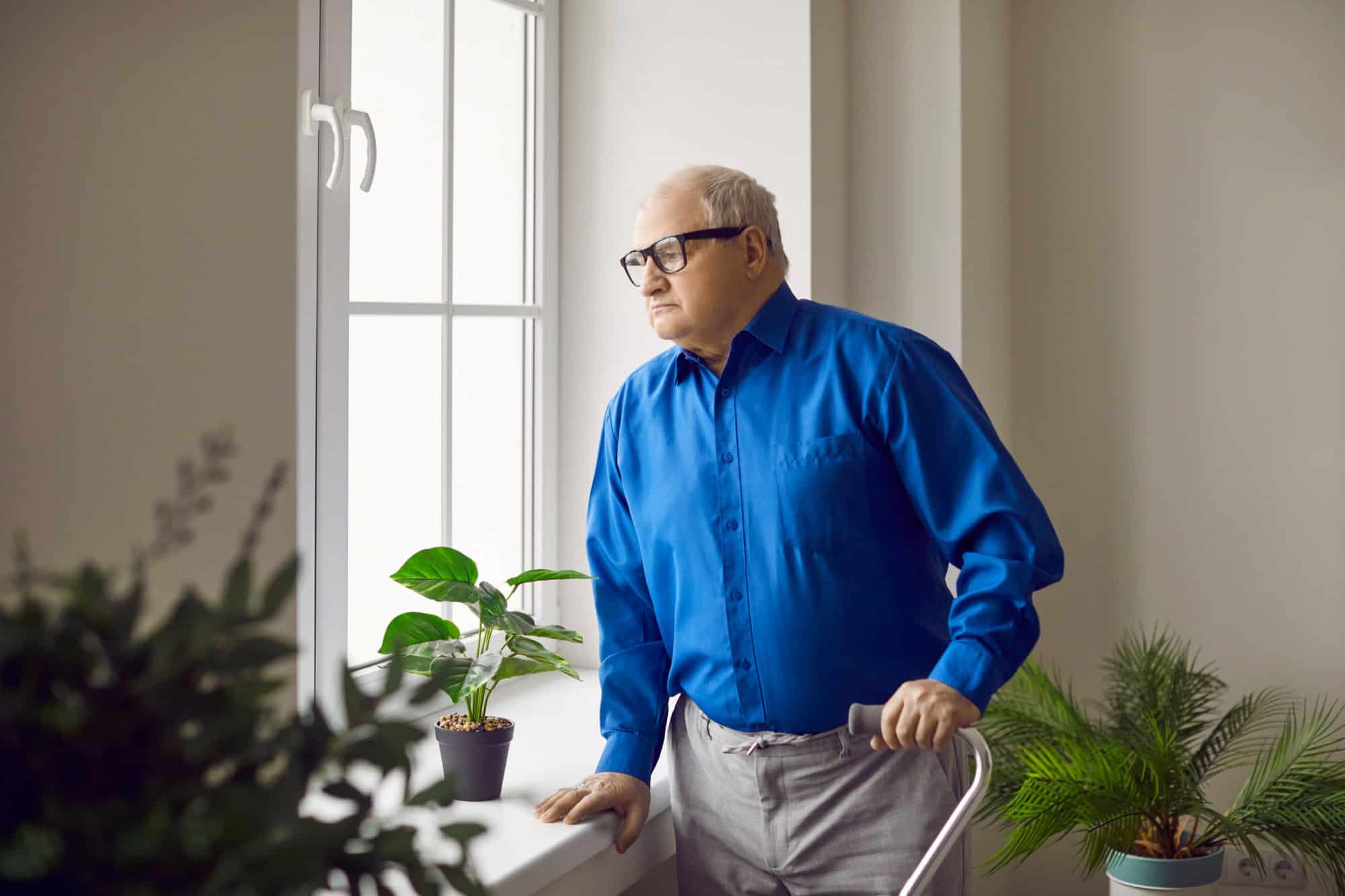
Excess sitting time is associated with metabolic and cardiovascular disease risk, and this risk is greater with increasing age. Research shows that older women who spend more than 11 hours sitting daily have increased health risks, even if they engage in physical activity.
The solution is not much of one; get up and move every half hour. Setting a timer will remind you to stand up, stretch and walk around. This keeps blood moving and your brain engaged.
Walk a little faster than your usual pace when safe and feasible

There’s no need to power walk to get benefits from walking. Walking only a few steps faster than your normal pace is enough to count.
Research found that simply adding about 14 steps per minute helped older adults’ physical function. Start with brief intervals and gradually extend them as you develop greater stamina and sustained muscle strength.
Make one surface or tool in your home a mini‑exercise station

Our muscles decline naturally as we age, which makes micro-workouts woven into your daily routine so valuable. Choose a particular spot in your home, such as a chair, a wall, or the sofa, and turn it into a mini gym station.
Stand up with one or two extra slow squats, or keep lightweight resistance bands within arm’s reach to whip out while you catch your favorite show. Each of these little movements, done often, compounds over time and promotes strength and mobility.
Choose one new social or learning activity every two months

Your brain loves novelty and connection, especially after 70. Research shows mental and social stimulation are linked to better thinking and memory.
Make a plan to try something new every other month. A craft, class, volunteering, or walking group, for instance. Baby steps like this give your brain a little workout and improve how you feel.
Use your non‑dominant hand for one small daily task

Challenging your nondominant hand (such as stirring, brushing, or carrying small objects) will help generate new neural connections.
Few studies on older adults regarding this exist, yet evidence from motor learning shows that using your non-dominant hand stimulates brain network connections and awareness, while decreasing dependence on automatic functions.
Drink one full glass of water before your first snack or meal

Dehydration is common in older adults, who may under-hydrate without even realizing it. Lack of hydration can affect attention, mood, and even regulation of hunger and fullness. This mini-habit will help your body digest food better and maintain metabolism.
Studies show that poorer hydration among older adults is linked to decreased global cognitive function over two years, so make sure you drink water regularly (Nishi et al., 2023).
Write down one thing you remember about someone you met that day

Retrieval of names, faces and details may slow with age. Make a habit of writing 1 memorable detail about someone you met each day to strengthen recall.
Studies suggest that older adults who follow 5 healthy behaviors (exercise, diet, mental stimulation, etc.) report greater memory performance and confidence.
Sources: Please see here for a complete listing of all sources that were consulted in the preparation of this article.
Related Stories:
10 ways older adults are redefining success
10 things people stop pretending to care about as they get older


