
When my mom was younger, she was all about career success. These days, she takes more simple joy in teaching her grandchildren to cook or seeing a painting through to completion. She’s not the only one.
As this generation ages, adults around the world are redefining what success means. Let’s have a look at 10 ways older adults are redefining success.
Investing in lifelong learning as a path to resilience

It’s not just a way to fill your spare time. Learning across your whole life can actually help you keep your brain in tip-top condition as you age.
People who take part in later-life learning programs show cognitive performance equivalent to being six years younger, research found (Narushima, Liu, & Diestelkamp, 2018).
Emphasizing legacy of wisdom rather than accumulation of assets
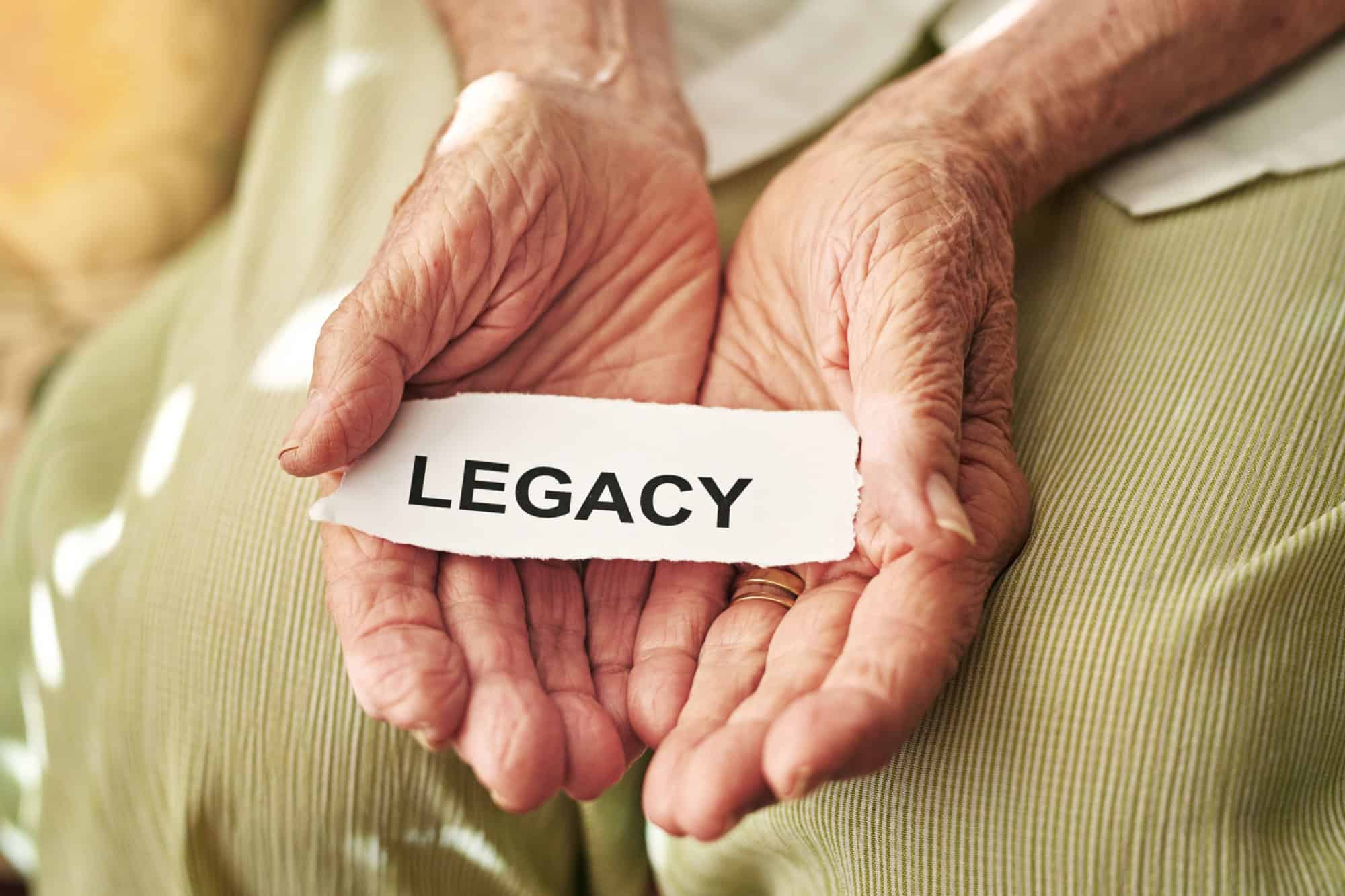
Research shows that older adults find fulfillment in looking back with acceptance, and in passing on their knowledge to others (Reichstadt et al., 2010). Their success formula seems more like “I’ve lived in a way that mattered” than “I’ve accumulated more than most”
Accepting change and having choices in life
Ageing is an ongoing process of balancing change and stability. Choosing and changing while accepting life’s challenges is how older adults define successful ageing for themselves.
Reichstadt et al. (2010) reported that being true to oneself and at the same time adapting to change is a hallmark of successful aging as defined by older adults.
Mastering something new just for joy

There is a certain quiet satisfaction to learning just for the sake of learning. Older adults are more likely to take up hobbies and skills simply because they enjoy them. No concern with recognition or reward.
Research backs up that non‑formal learning can improve the psychological wellbeing of seniors who take part in community programs. In this way, success is private, something that one earns for oneself alone.
Putting emotional wellbeing ahead of perfect health
Try to picture a person that has a long-term health condition under control, who wakes up smiling every morning. To a lot of older adults, this is what success looks like.
Research has shown that this sense of confidence and optimism usually brings a higher quality of life than mere physical health (Pinquart & Sörensen, 2000).
Deepening one or two meaningful relationships
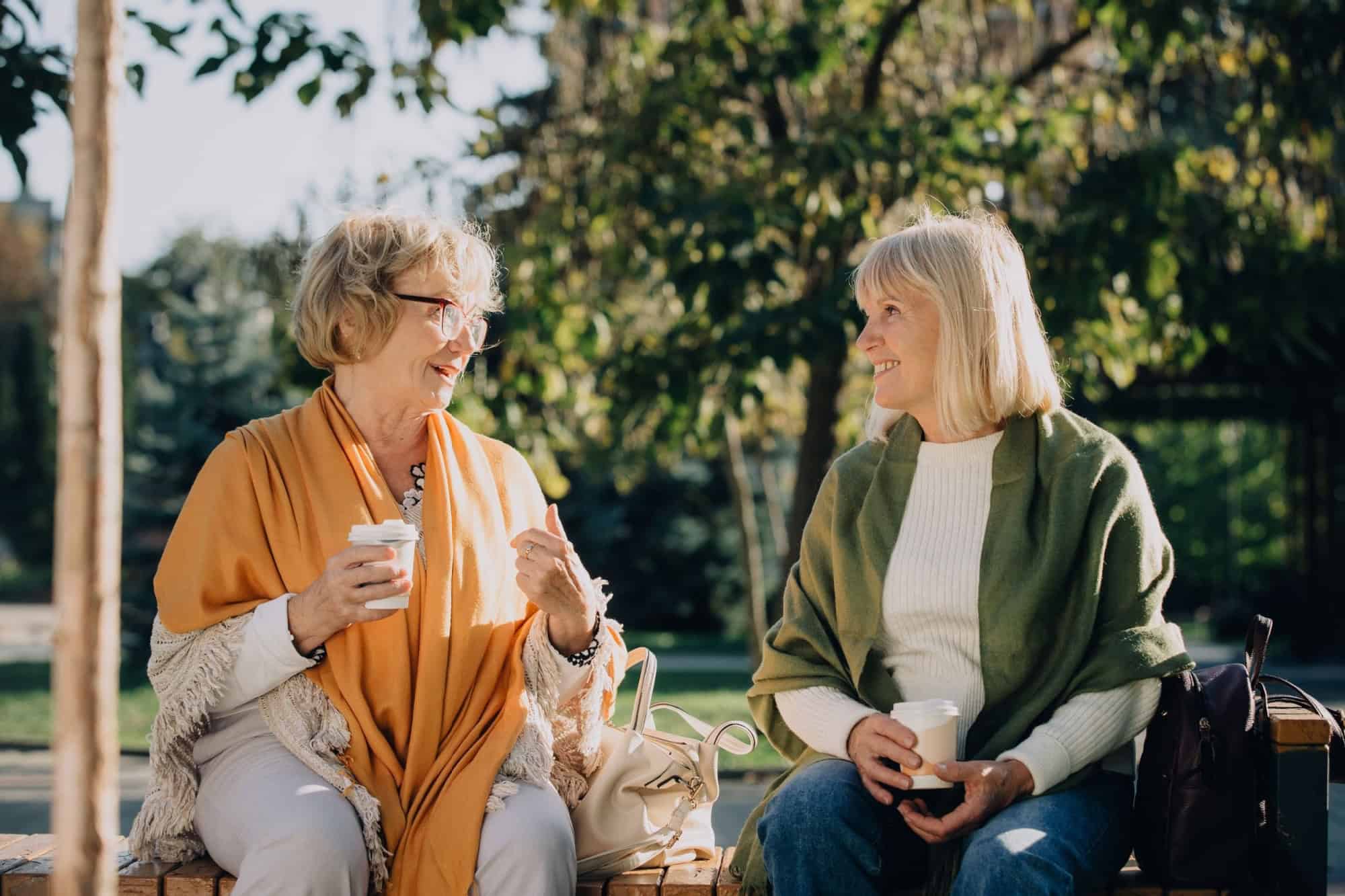
It can sound impressive to have dozens of friends that you just hang out with, but it’s the close, heart-to-heart connections that matter most.
Adults over the age of 75 say that having a few meaningful relationships and reflecting on their life provides the greatest sense of ageing well (Carstensen, Isaacowitz, & Charles, 1999). Sometimes they measure success by the level of closeness and depth of connection rather than the size of one’s social circle.
Being comfortable with preparing for life’s final chapter

Imagine an older adult who is “ready for death,” having put affairs in order, communicated their final wishes to loved ones, and feeling that they have done all that is necessary.
The idea that older adults can successfully prepare for death and view it as an expected, even welcome, part of life is a component of many models of aging well or successfully. Studies have demonstrated that end-of-life planning promotes feelings of calm and control (Solhi et al., 2022).
Shifting focus from future gain to present enjoyment

Some seniors find true happiness only in the present. It’s the now.
Research tells us that as we age, we shift our focus from future goals to present pleasures (Carstensen et al., 1999). Happiness, then, isn’t a thing we will achieve in the future.
Redefining work as contribution, not just income
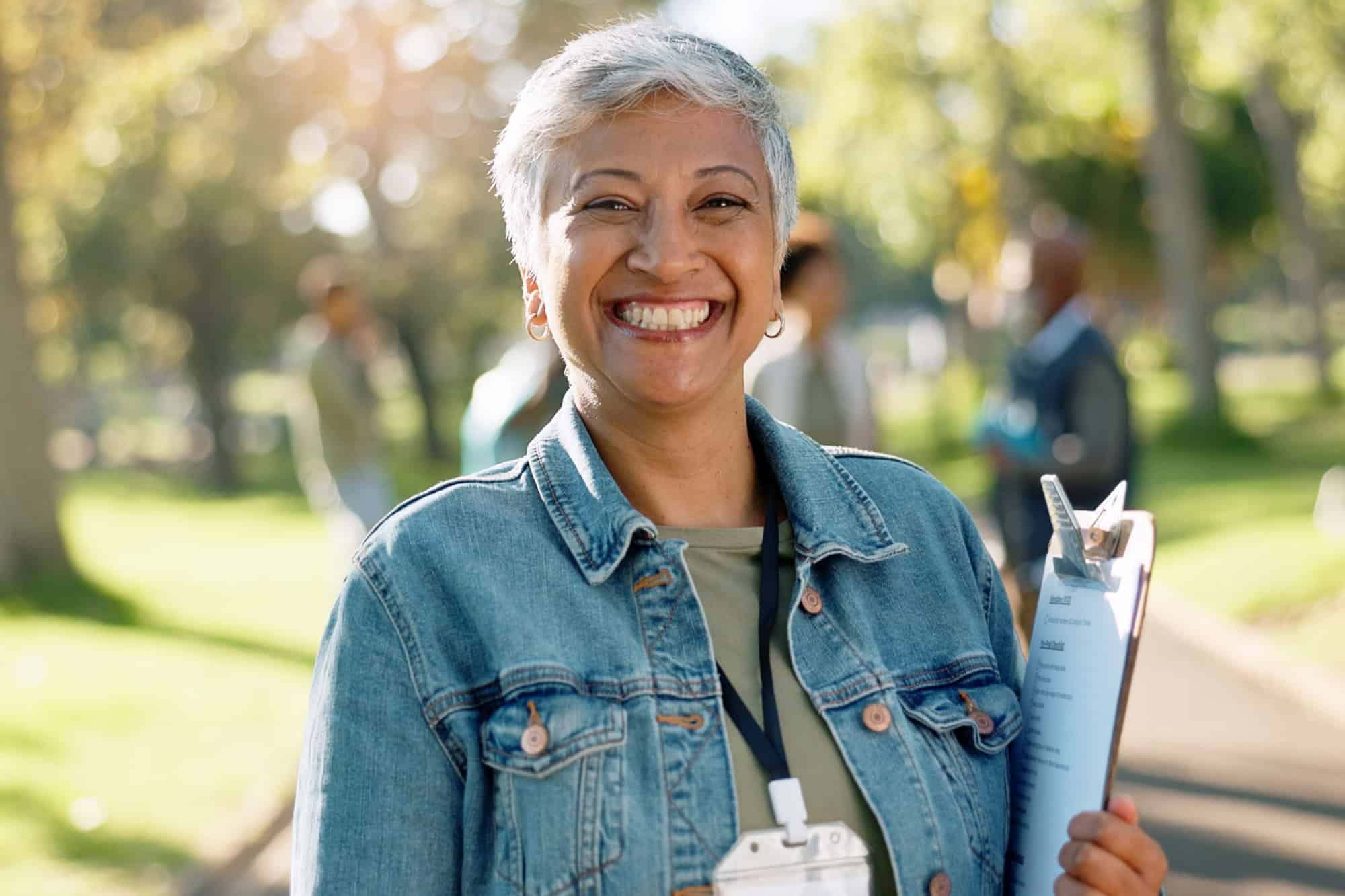
Why do so many older adults continue working or volunteering after retirement? The answer for many is not money or prestige, but a desire to make a meaningful contribution.
Research shows that purposeful work or volunteering improves life satisfaction and health by creating a sense of usefulness (Morrow-Howell, 2010). Success now means contributing with a purpose.
Choosing environments and supports that enable autonomy

Aging does not always mean that people measure their success by possessions. They want to be able to live on their own and do things they want.
Having a safe environment, a friendly community, and support makes it possible. Research confirms that autonomy and help increase wellbeing and happiness among older people.
Sources: Please see here for a complete listing of all sources that were consulted in the preparation of this article.
Related Stories:
