
It feels so sad to see all the small niceties of a polite society fall by the wayside, when they truly do make people happier and a society more civil. Whether it be waiting in line or saying thank you to a waiter, they are far less common than they should be, despite the obvious benefits their use has on the social fabric.
Realizing which courtesies are on the decline is a measure of how we are changing as a human society, and how much of an effort we should put towards a recovery.
Letting someone exit the elevator before you enter

Years ago it was almost a reflex to stand aside and wait for people to exit an elevator before entering yourself. Now most people barrel right in, and those trying to exit are left bobbing like ducks in the doorway. While this precise behavior hasn’t been heavily studied, etiquette experts point out that little rituals of shared-space patience are part of a broader culture of consideration.
Pausing a few seconds to let people out gives them more space, and keeps the flow smoother. It’s about acknowledging that in public spaces we have collective responsibility for each other’s comfort.
As social scientists have discovered, observing rude or abrupt behavior in one context can make people less willing to help or cooperate in other interactions. So this small elevator courtesy has ripple effects on the social atmosphere (Porath & Erez, 2009).
Offering someone your umbrella when it rains
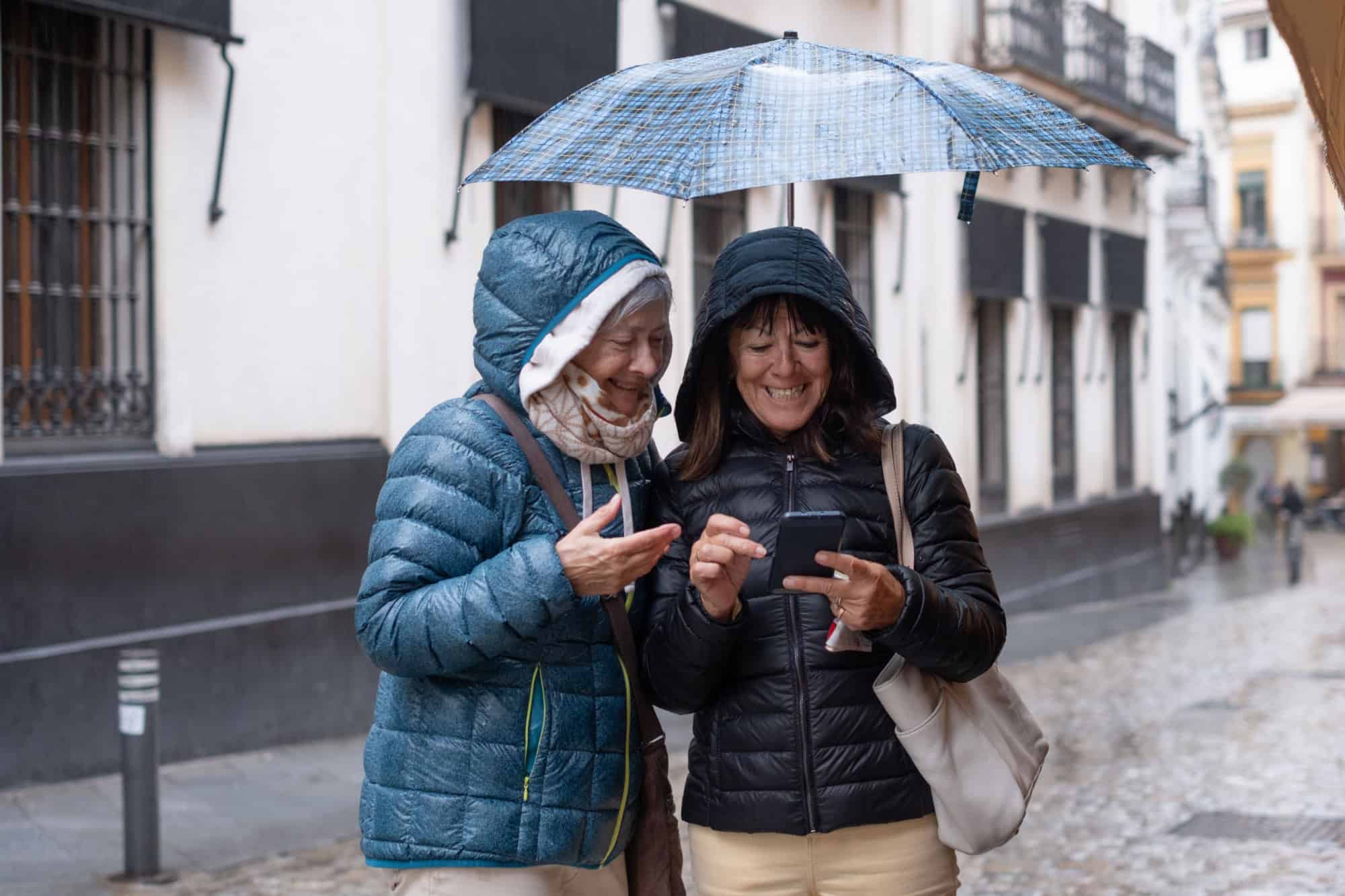
Sharing an umbrella takes but a moment, and is free of cost, usually occurs between strangers, and yet is so full of warmth, empathy, and understated regard for one’s neighbor. When these kinds of gestures are lost, it’s a sign of how unfriendly our public lives have become (Estrada, Eroy-Reveles, & Matsui, 2018).
Social psychologists in recent years have begun to study the effects of micro-acts of kindness, a catch-all for voluntary, intentional, and small gestures that ease another person’s burden.
Their conclusions have been resoundingly positive, with one international study of nearly 50,000 participants across 200 countries finding that daily good deeds are associated with higher levels of belonging, hope, and happiness (Columbia University Irving Medical Center).
Standing up or offering your seat when someone needs it most

Offering your seat on public transport to someone older, or with heavy bags, pregnant, or otherwise less able to stand has been a long-standing social convention. The broader point here is: offering your seat is an obvious acknowledgement of someone else’s condition, and an expression of solidarity. The fact that so few people do it now is a sign that a sense of shared responsibility in public life is declining.
Baig et al. (2022) report that the readiness to offer up a seat on public transport is largely guided by social conventions and empathy. That is, when these social norms are eroded, or people feel less sympathetic towards others, they are less inclined to surrender their seat to someone who evidently needs it.
Walking someone to their car or public‑transport stop after dark

In many places, there used to be a common practice of walking a friend, neighbor, or acquaintance to their car or bus stop when it was dark outside. Such small gestures were, in a way, a recognition of the vulnerability of those around us, and an attempt to bring some of the safety and comfort we feel at home into the larger world.
In recent times, that practice is decaying. Among the causes cited by researchers are the increased pace and individualism of urban life, increased time constraints, and fears about personal safety or violating social boundaries.
Not interrupting someone else’s task to ask a quick question

Think of an office worker focused on working on a report and another person asking an in-between question. Interruptions like that were considered rude in the past. People would know when it was their time to talk. These days, a constant flow of interruptions is a normal occurrence in many work settings.
Organizational psychology research has found that the more people interrupt each other, the less productive and more stressed out both interrupter and interruptee are (Mark, Gudith, & Klocke, 2008). Waiting for a person shows respect for their time and mental space, that you care about what they are doing and what they are focusing on.
Acknowledging the unseen workers
The older I get the more I miss how previous generations of people just automatically smiled, nodded or said a quick “thank you” to service workers, cleaners or janitors even when they are not directly serving them.
Evidence even exists to explain the significance of the reason behind this. Merino and Privado (2015) have stated that “minor acknowledgements” such as a smile or a couple of words of gratitude can make the workers feel more valued and less marginalized.
It humanizes them and us. And at a time when we may not notice others or value contributions that we do not see, this basic social courtesy reminds us that every role and contribution is important, even if we cannot see it all the time.
Clearing plates, rinsing dishes or tidying a table after a group meal
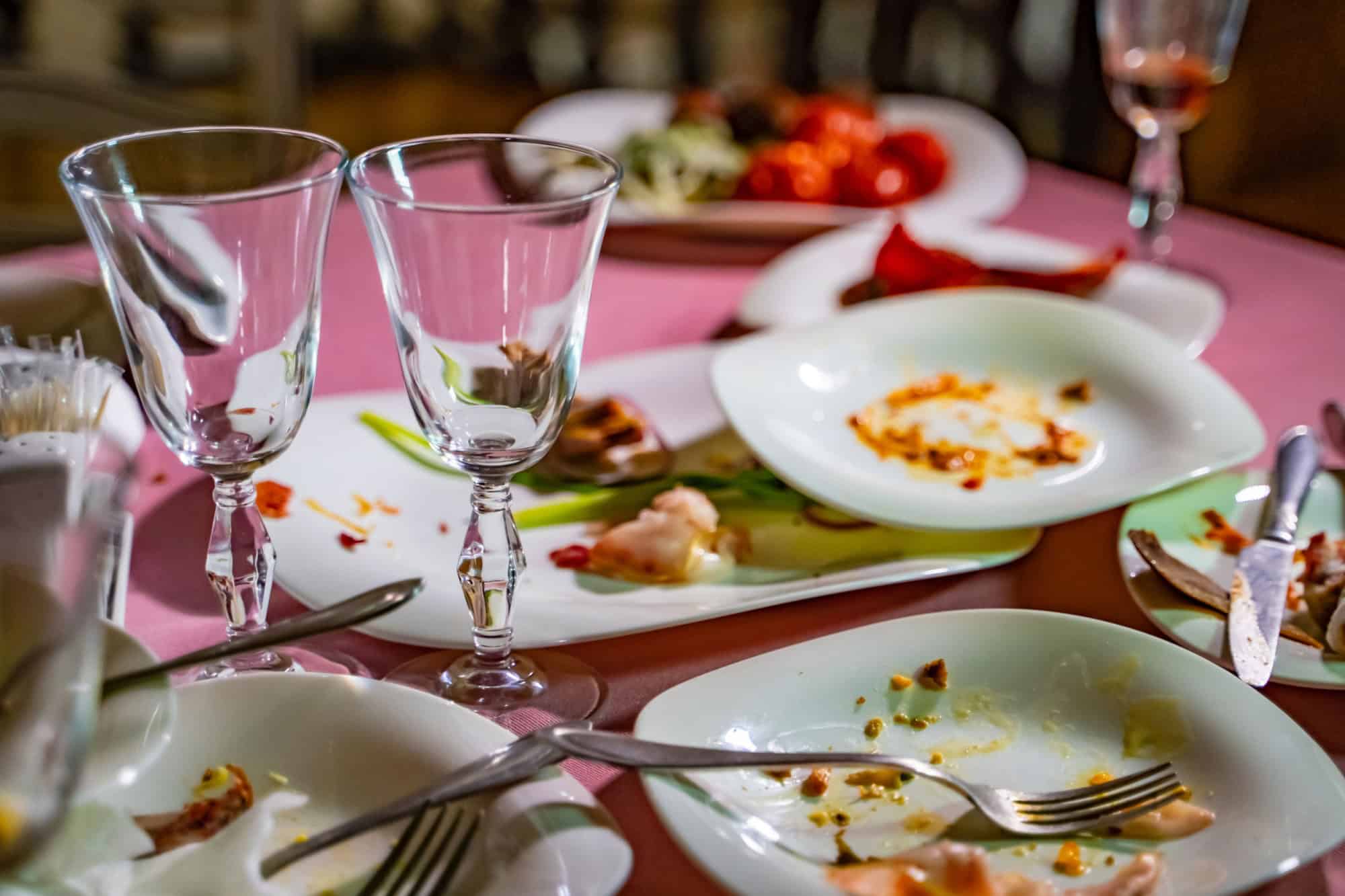
Standing after dinner or a gathering and offering to help clear plates, rinse dishes or tidy the table is not just a minor act of kindness, but an indication that you value the host’s efforts and see the event as a communal activity rather than one-sided favor. Many etiquette books make this point by framing it as “if you are a guest, offer help,” even if the host insists on declining.
Martin (2019) says guests no longer are generally expected to clean up after a meal, reflecting a decline in this traditional courtesy.
Remembering and mentioning someone’s name when you greet them

For various reasons people are moving towards shorter, more generic salutations like “Hey” or “Hi there” rather than personal address. A lot of that is due to scale: the average person now has far more acquaintances, in both online and physical life, than a few generations ago.
The rapid pace of social media and workplace messaging also pull attention away from name-addressing, as status updates and chats typically rely on usernames or profile images to stand in for personal address.
Research shows that the act of remembering a person’s name is tied to social‑cognitive processes and person‑to‑person connectedness. In one study, face‑name recall was linked not only to memory but also the ability to infer the emotions of others. (Hamilton & Krendl, 2024).
When we skip this practice and say “Hey you” or worse, no name at all, we miss a subtle but genuine chance to affirm the other person’s presence.
Calling first before visiting

A small act of politeness that still makes a big difference is giving someone a heads-up before visiting them in their home. It reassures the person you care about that you value their time, the work they’re doing, and that you acknowledge this is their private space.
Sure, it’s one of those etiquette ideas from a previous era, but the truth is that even now this is an important thing to do.
Sources: Please see here for a complete listing of all sources that were consulted in the preparation of this article.
Related Stories:
10 Old-School Signs Of Good Manners That Gen Z Refuses To Do Anymore


