

You don’t need to give an unusual donation to the food bank for it to be useful, and there are plenty of everyday groceries that these places request more than many donors realize.
Protein that’s ready when needed
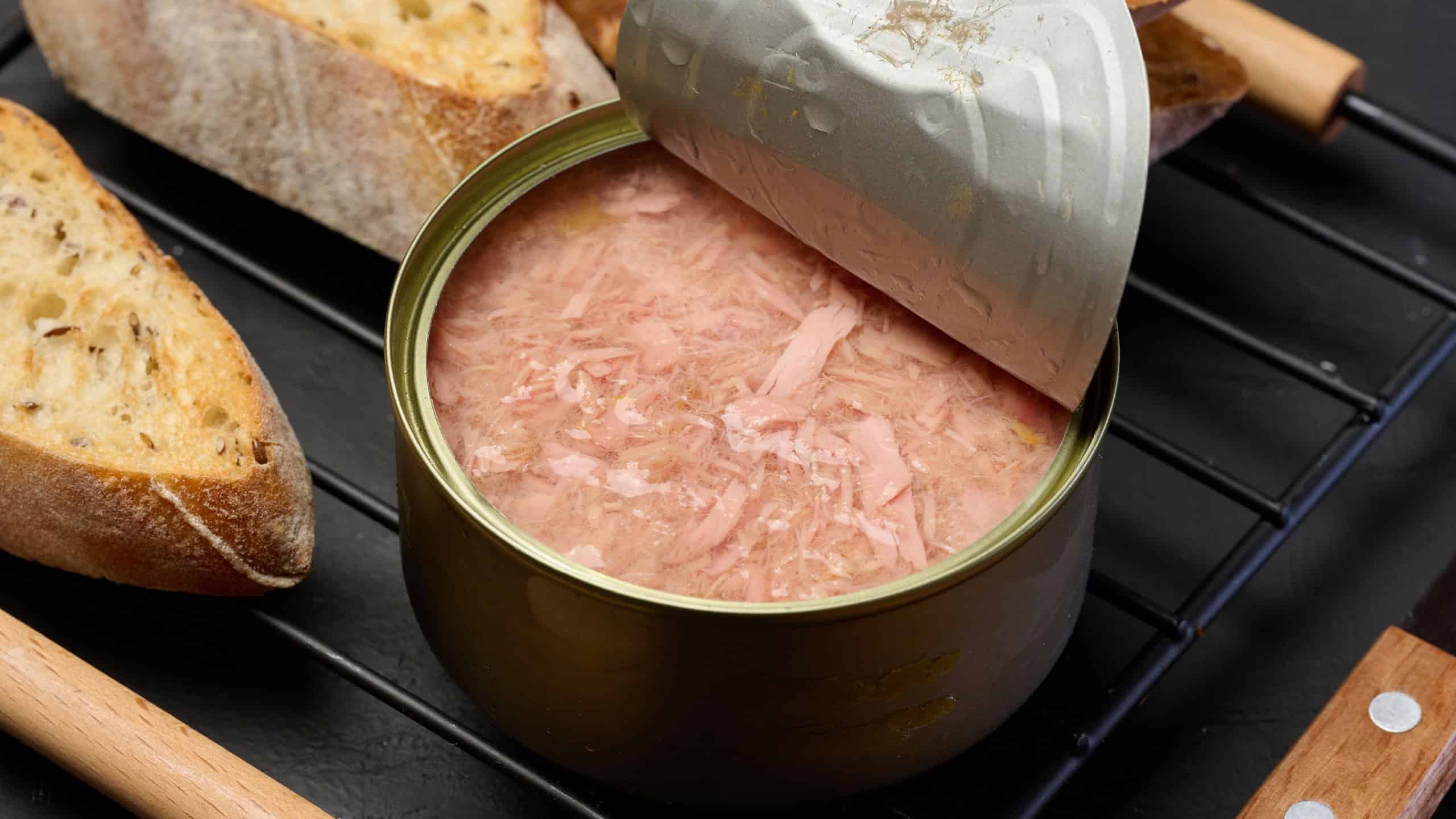
Canned tuna is great for putting in your lunch. But it’s so much more than that, as it’s also one of those pantry foods that food banks can use over and over. Salmon works just as well, too. Both of these fish give people a good source of protein without needing much preparation.
A lot of food banks run short of canned tuna and salmon, but really, any kind of canned fish will do. You just need to add crackers or bread, maybe some rice too, and then you’ll have the start of something decent. It’s as simple as that.
One jar goes a long way

It’s not hard to see why peanut butter often features on food-bank wish lists. All you have to do is open the jar and spread it on something. Lunch is handled. There’s no need for a pan or recipe, and best of all, it’s a pretty protein-rich option.
Peanut butter has a great shelf-life, too, and that’s pretty important in a food bank. The food isn’t necessarily being eaten the same day it’s received. Yes, you can sometimes just have peanut butter toast for breakfast.
Milk without the refrigerator problem

Milk is one of the more obvious donations. At least, it seems that way, until you remember that regular milk has to stay cold. Shelf-stable cartons get around that problem, and that’s why so many food banks ask for it.
You can get the regular dairy kind or the plant variety. Either one works fine. Unopened cartons are fine to sit for a while, and it means they work well alongside any donated cereals or oatmeal.
Breakfast can be surprisingly useful
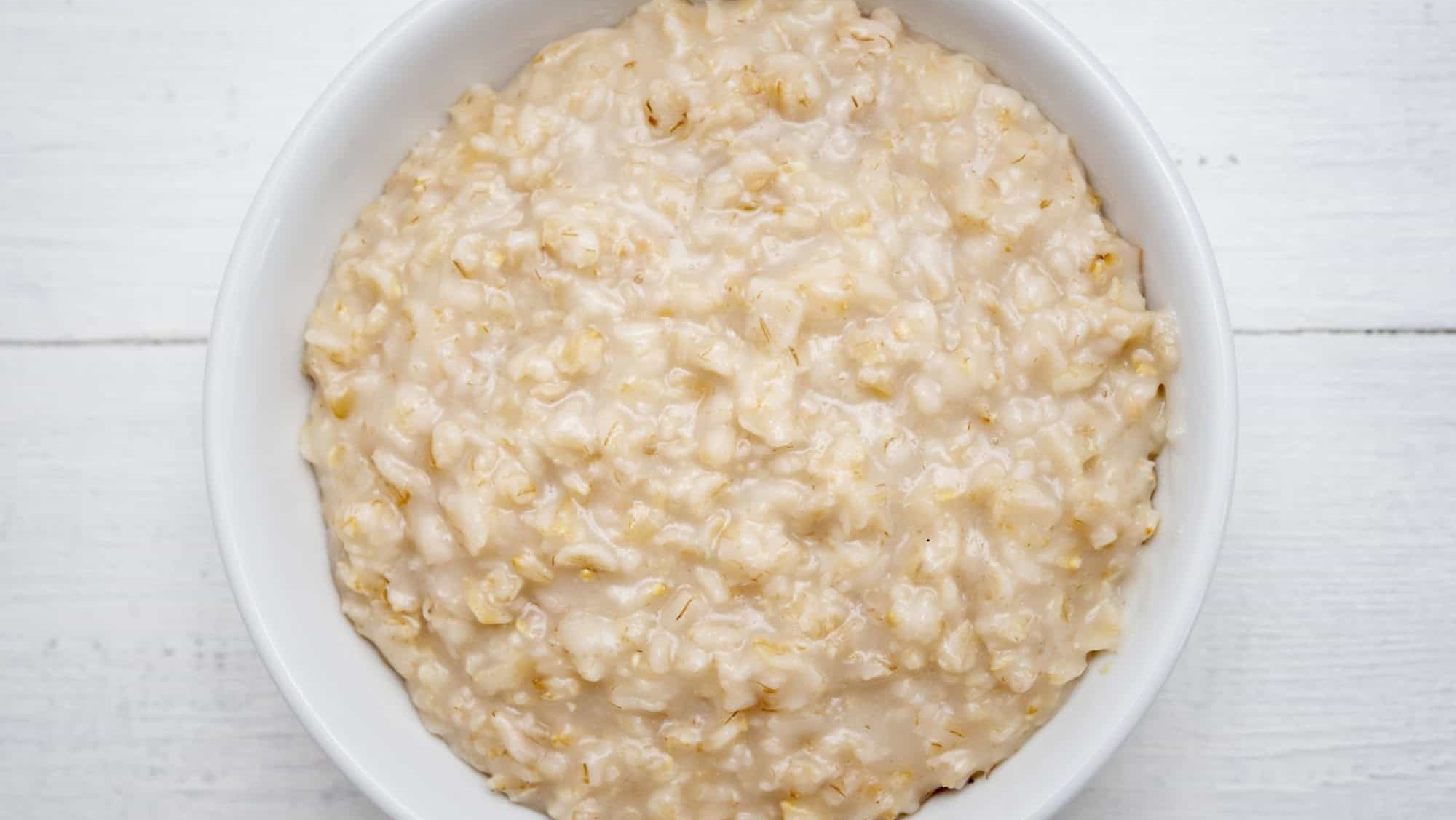
Speaking of oatmeal, it’s not exactly the most exciting of donations. Maybe that’s why it deserves another look. Oats often appear as some of the most-needed foods for food banks, and it’s mostly because a tub or box can cover quite a few breakfasts.
Individual packets are also pretty useful, especially when people have less storage space. You can use oats for anything beyond breakfast, and you don’t have to get too fancy with them, either. Hot water and a bowl do just fine.
The label on the can matters

A lot of people know to donate canned vegetables. What they don’t realize is that many food banks want the low-sodium kind because they’re healthier. It’s not too hard to spot the difference on the grocery store shelves.
Check the label before donating, whether it’s corn, peas, carrots or beans. All you’re doing is giving a slightly different version of something people already donate.
Pasta has a better version

One of the reasons that food banks love pasta is that it’s practically built for food drives. It’s cheap and sturdy, after all, while also lasting for a long time. But there’s a specific kind of pasta that food banks really want, and that’s the whole-grain kind.
This variety provides more fiber than the regular kind, although it still works just the same with a jar of sauce or can of tomatoes. Nothing complicated changes. The noodles are just a little different, which is easy enough when you’re already buying pasta anyway.
A whole dinner in one can

Another canned thing that food banks want is a can of chili or stew. Both of them do a lot more work than a can of corn. They’re easy, shelf-stable meals that usually contain a lot of nutrition, thanks to the beans and vegetables.
You don’t really have to do much preparation with them, either. Simply heat the can’s contents, if possible, and pair it with bread or crackers. Dinner is pretty much there. Not glamorous, sure, but it’s still very useful, and that’s what food banks are looking for.
The lid can make a difference

Food banks don’t only want canned goods, though. The pull tab can cause problems, and some of them ask donors to choose pop-top cans instead. Let’s be honest, not everyone has a can opener sitting around.
Anyone staying in shelters or cars may have very little kitchen gear. It’s the same story for those living in a motel or temporary accommodation, as they don’t always have the resources to open a can.
Some meals need almost no setup

It’s no fun getting a box of food when you don’t have a stove to cook it all. That’s where ready-to-eat meals come in. Many food banks request meals that are already prepared, or need very little work, because people coming to food banks don’t always have kitchens.
Things like shelf-stable ravioli cans are a good idea. You can open and eat them with almost no equipment. It’s better if you can heat them, of course, but for someone with a microwave and a fork, a single ready-meal.
Drinks made for extra nutrition

There’s one donation lots of people don’t think about. It’s bottled nutrition drinks, like Ensure or Boost. Quite a few food banks specifically request them because they’re good at giving older adults extra energy.
They’re particularly useful when chewing or eating a full meal isn’t practical. Better still, they’re packed with nutrients in an easy-to-drink format, so you can consume them no matter what your situation is.
Sources: Please see here for a complete listing of all sources that were consulted in the preparation of this article.
Food pantries wish you’d stop donating these 9 items

Donating food is a wonderful way to give back, but tons of good intentions get thrown away each year.

