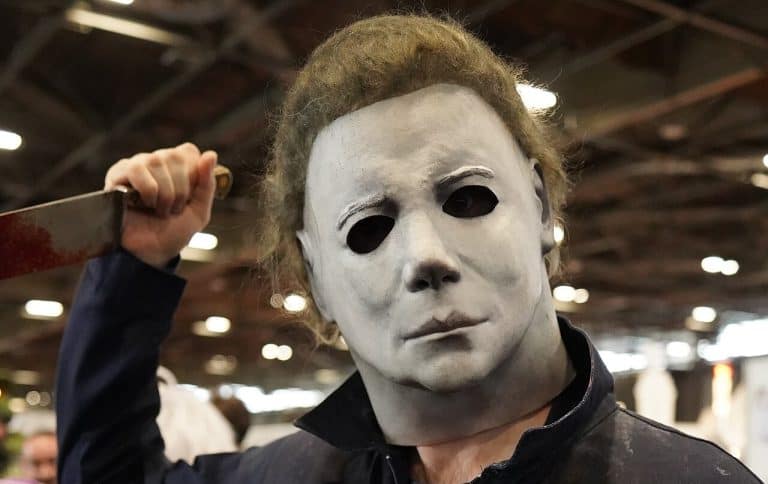

Some of Hollywood’s creepiest villains have genuine backstories, and filmmakers borrowed some of the scariest details from actual killers or strange encounters.
The killer behind the human-skin masks
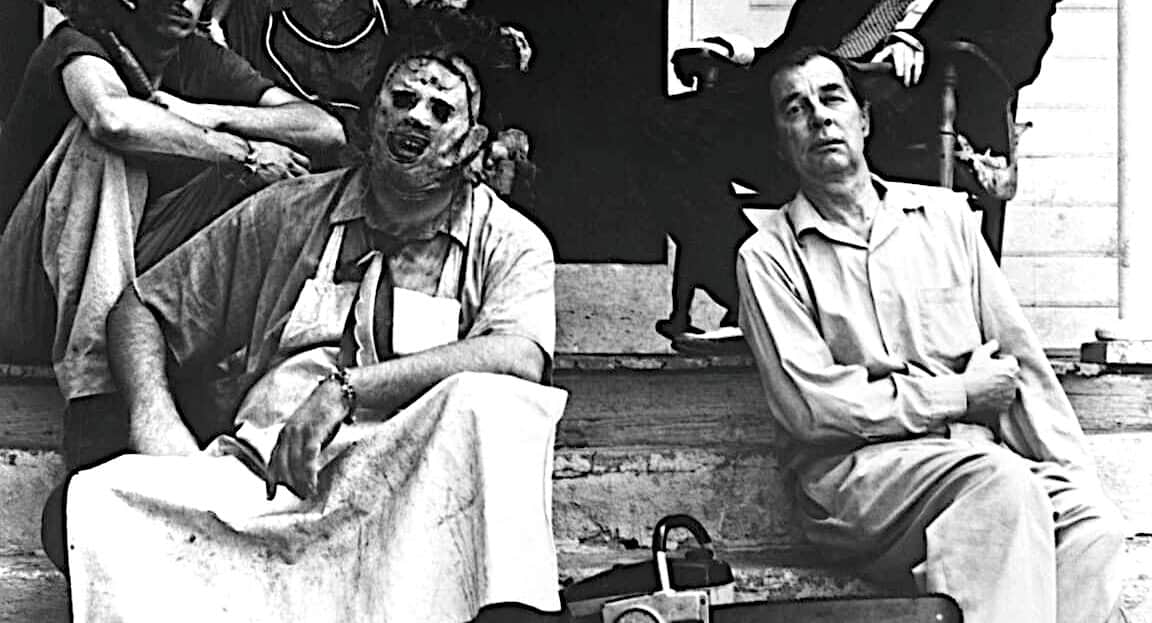
In 1957, police entered Ed Gein’s Wisconsin farmhouse and discovered a horrific sight. They found furniture and other objects made from human remains, as well as masks made from human skin. That’ll sound familiar to anyone who’s seen The Texas Chain Saw Massacre.
Yes, screenwriter Kim Henkel was inspired by Gein when creating Leatherface for the 1974 film. It was his habit of wearing other people’s faces that Henkel paid a lot of attention to. But there were some differences between Gein and Leatherface. For one, Gein didn’t have an entire family helping him with his murders.
The murders that started a screenplay
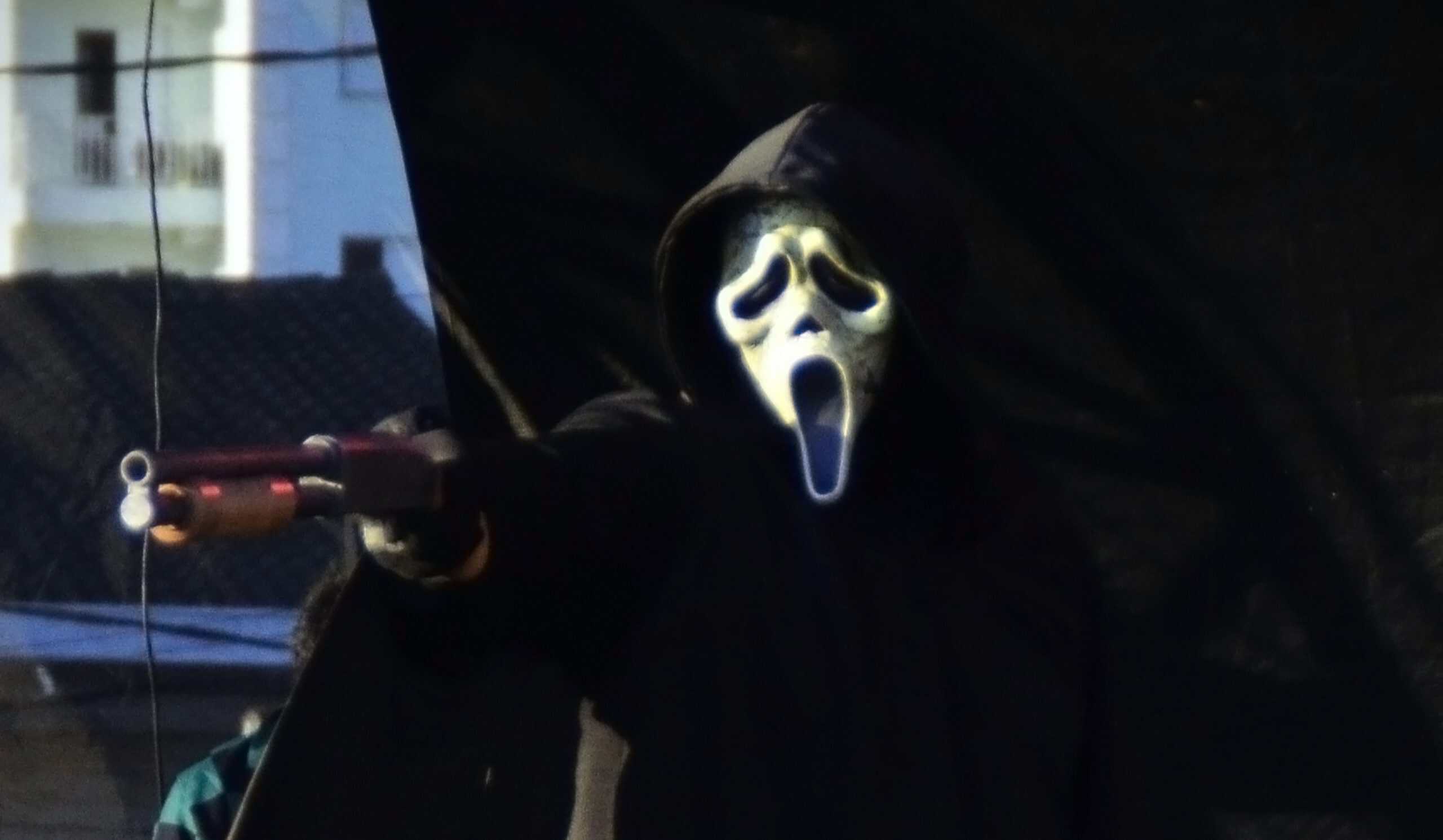
Gainesville, Florida, was somewhere you didn’t want to be in August 1990. That was when Danny Rolling murdered five college students, and a documentary was later made about the murders. 4 years later, screenwriter Kevin Williamson happened to watch this documentary.
He rang a friend, and they began talking about scary movies, which led to Williamson coming up with the screenplay for Scream that same evening. Ghostface wasn’t a one-to-one copy of Rolling. Yet it was his murders that got the whole Scream thing started.
A conversation inside a Mexican prison
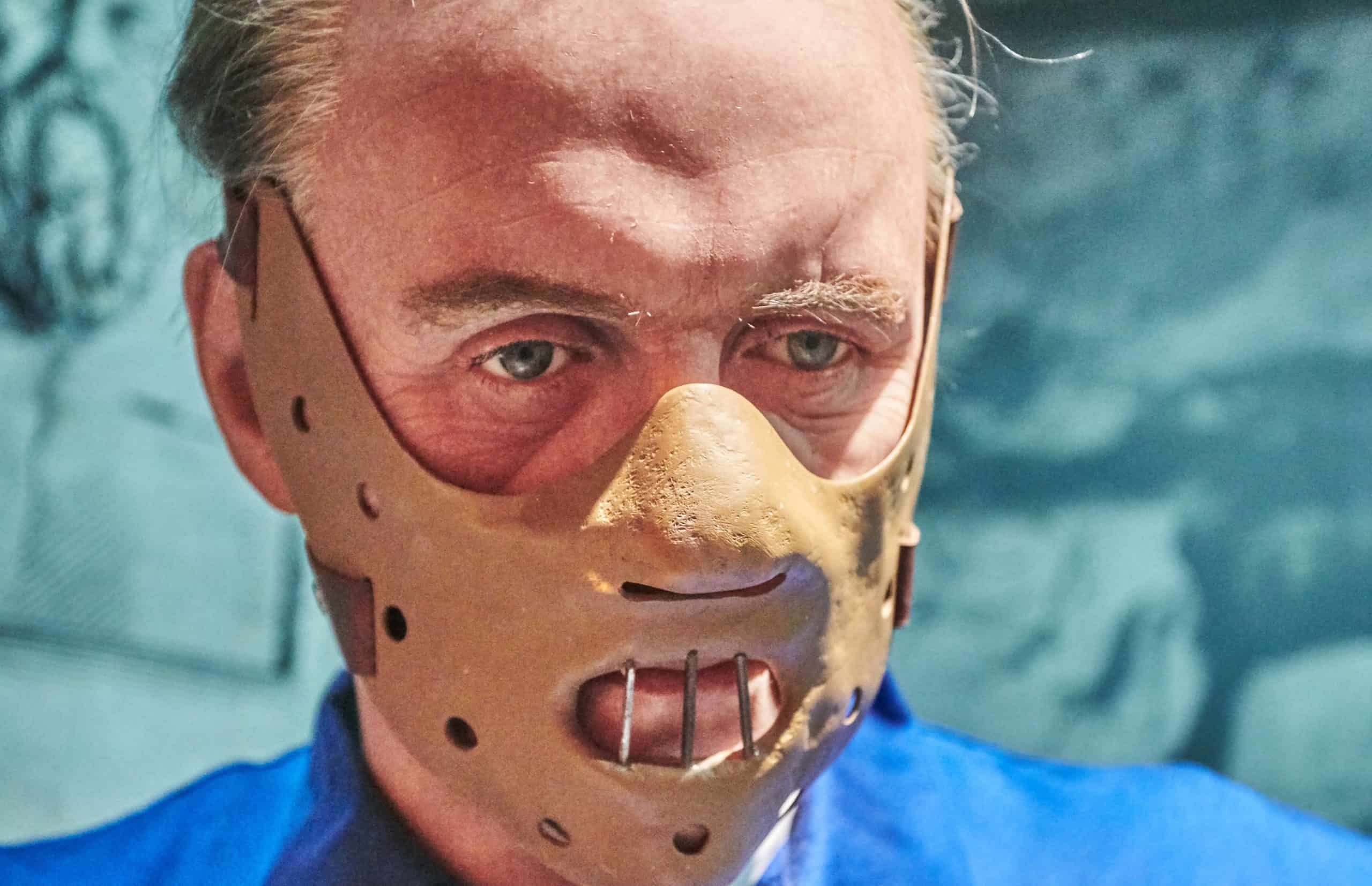
Thomas Harris visited a Mexican prison in the early 1960s, aiming to interview an American inmate, but he became interested in a different prisoner instead.
The other prisoner was a doctor named Alfredo Ballí Treviño, also known as Dr. Salazar. He’d been imprisoned for murdering and dismembering another man.
The whole encounter was so creepy that it inspired Harris to create a character named Hannibal Lecter for the novel Red Dragon. The novel’s sequel, The Silence of the Lambs, became a very successful horror film. In Harris’s own words, he wanted to make someone with a ‘peculiar understanding of the criminal mind.’ That’s definitely Lecter.
The cast that became a trap
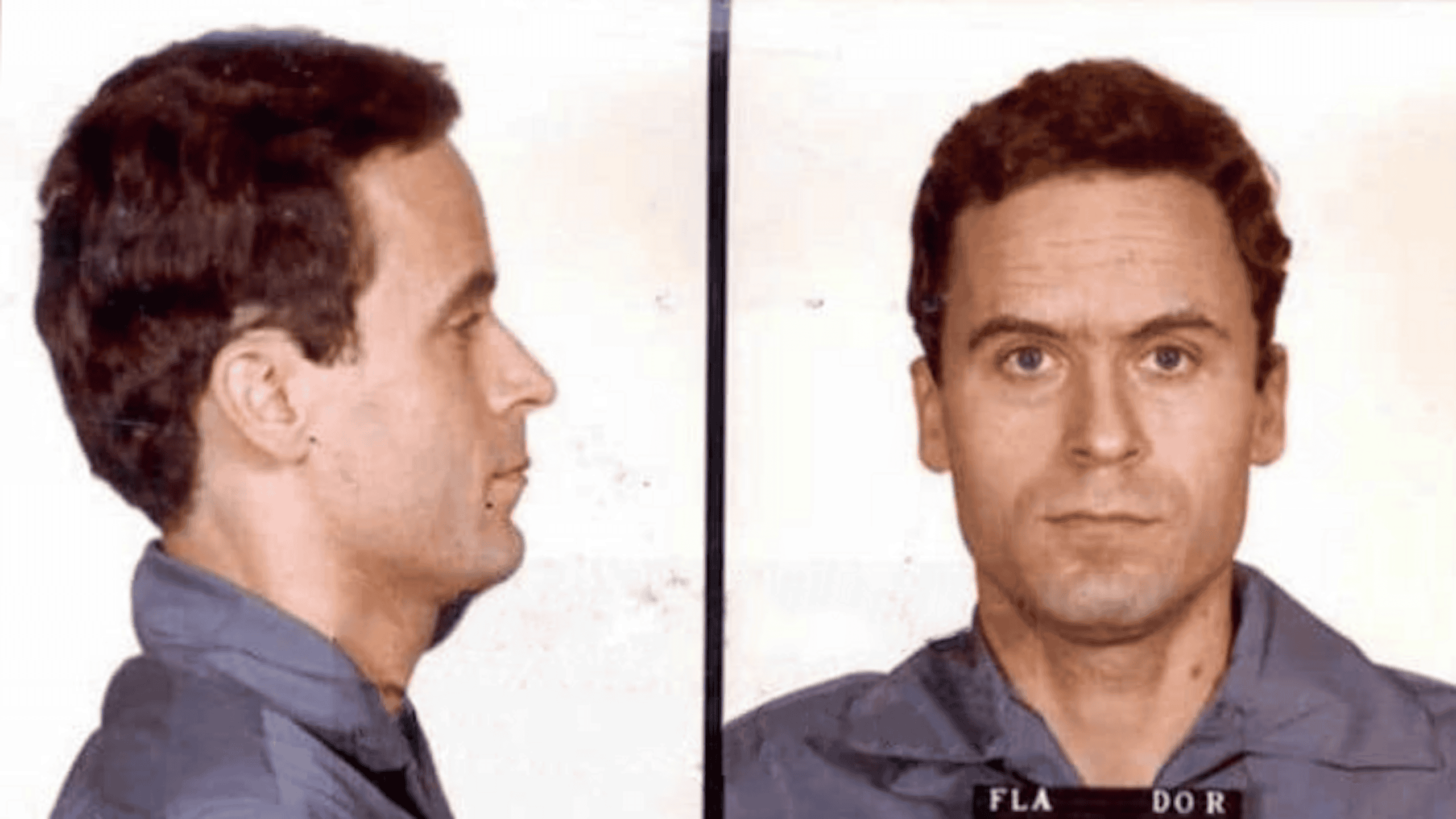
That’s not all for The Silence of the Lambs. It turns out that Harris was inspired by another real-life killer, or three, when he created Buffalo Bill. In the movie, Bill tricks Catherine Martin into helping him load furniture into his van, and that detail came from the true story of Ted Bundy.
Bundy would sometimes approach women while he was wearing a fake cast or using crutches, pretending that he needed help carrying something. Harris was also inspired by details from serial killers Ed Gein and Gary Heidnik. There was no shortage of real killers in the movie.
The clown who became a magician
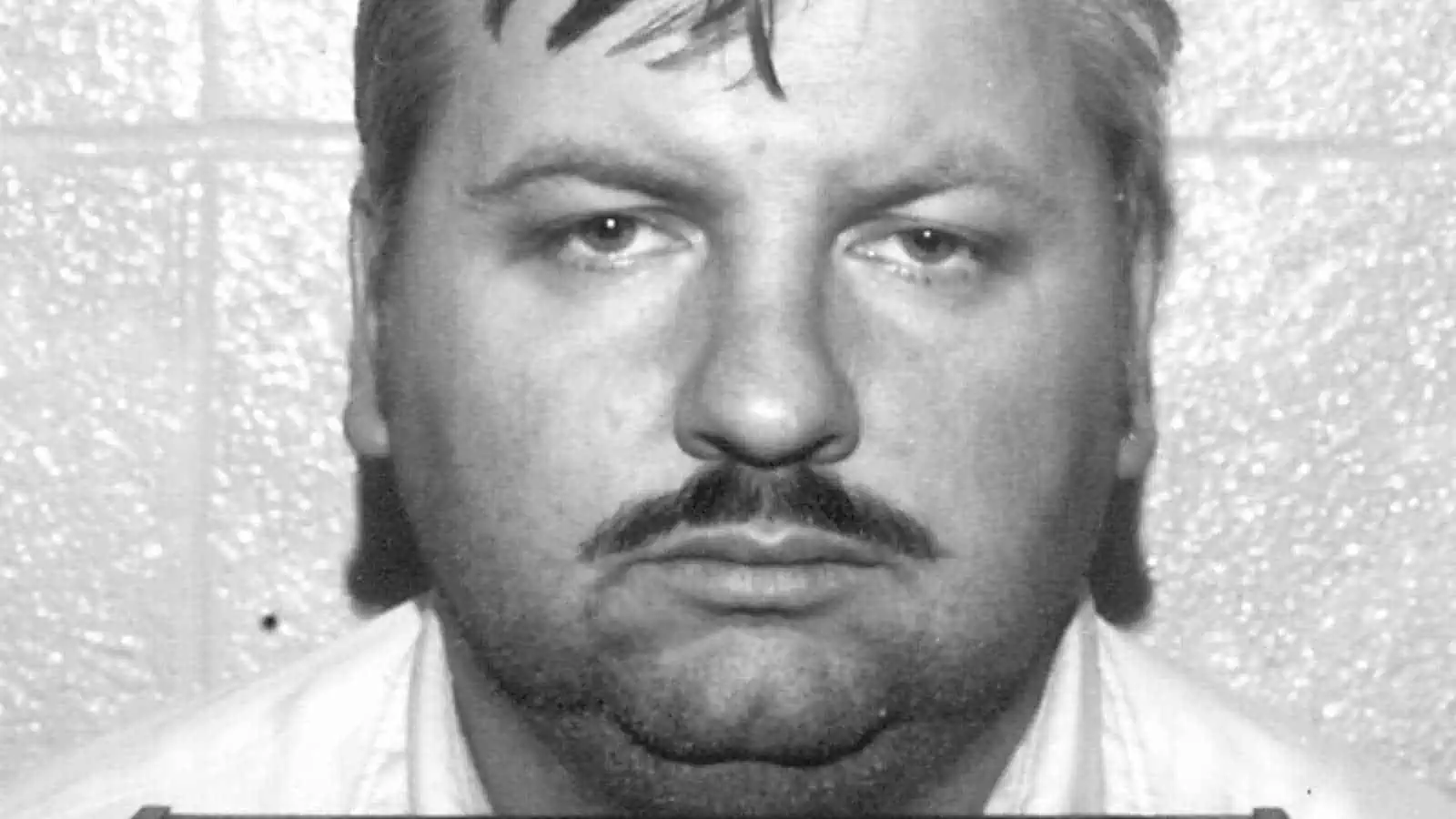
John Wayne Gacy was a serial killer who murdered 33 young men and boys. One of the scariest details about him was how ‘normal’ he seemed, as he sometimes performed at parties and community events as Pogo the Clown. He wore a colorful costume and face paint.
Those crimes inspired the child murderer, the Grabber, in Joe Hill’s story The Black Phone. The original story featured the Grabber as a clown, but when it was made into a film, Hill suggested changing him into an old-fashioned magician. He didn’t think horror needed another creepy clown.
The backpackers who disappeared

During the 1990s, seven backpackers’ bodies were discovered in Australia’s Belanglo State Forest. A man named Ivan Milat was eventually convicted in 1996 of killing them, and it was these murders that later inspired director Greg McLean.
He based Mick Taylor in Wolf Creek on aspects of Milat’s crimes. In the film, we see a group of travelers who meet a stranger in the Australian Outback. He later goes on to kill them. McLean also took some inspiration from murderer Bradley John Murdoch, who killed British tourist Peter Falconio in 2001.
The obsession with complete control
2000’s The Cell features a killer named Carl Stargher, who’s obsessed with controlling his victims. But that detail wasn’t fictional. While developing Stargher, screenwriter Mark Protosevich researched some real serial killers and came across Jeffrey Dahmer’s case.
Dahmer killed 17 young men and boys. He tried to make his victims into ‘living zombies’ by drilling into their skulls and making them obey his words. Not everything about Stargher was based on Dahmer, though, as the glass drowning chamber was entirely made up.
The father who vanished
John List was someone who managed to keep up the appearance of being normal for many years. He lost his job as an accountant, yet he left his house every morning as though nothing had changed. That is, until November 1971. He murdered his wife, three children, and mother before disappearing. He wasn’t caught until 1989.
List’s case inspired the film The Stepfather, which was released two years before his arrest. The film features a man named Jerry Blake, and he murders his entire family before starting a new life under a new name. It’s spooky how accurate that was.
The preacher who demanded obedience
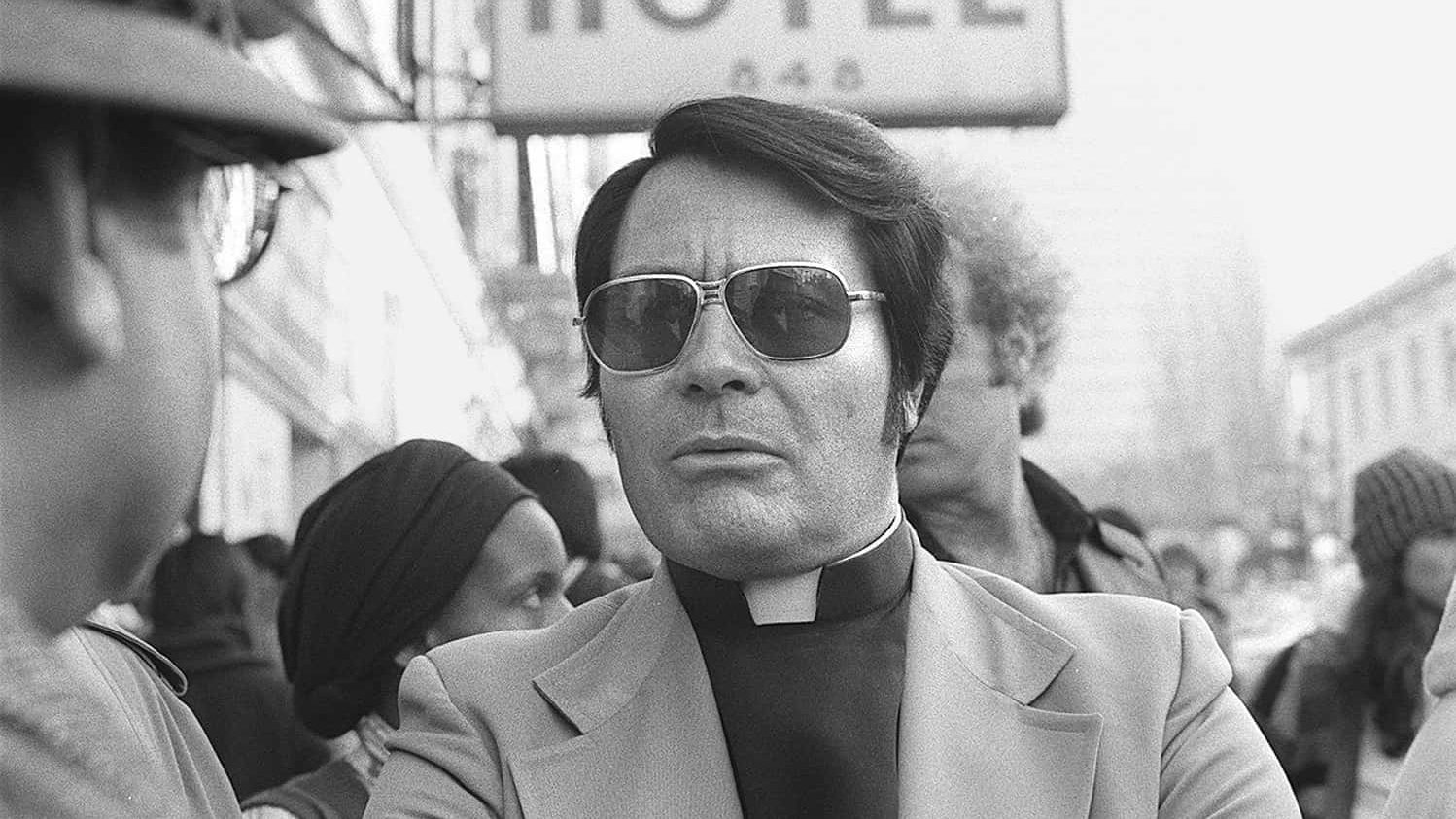
Jim Jones was the cult leader of the group known as the Peoples Temple. Somehow, he managed to convince hundreds of people to follow him from the United States to a settlement in Guyana during the 1970s. He controlled every part of his followers’ lives. Then, in 1978, he convinced everyone at Jonestown to commit mass s**cide.
In Heretic, we see a man named Mr. Reed, who traps two Mormon missionaries inside his home and uses religious arguments to manipulate them. Mr. Reed’s characterization was influenced by Jones. That’s right, the writers looked at how Jones’ charismatic leadership helped him persuade his followers to do whatever he wanted. They used these details for Mr. Reed.
The woman behind a Rhode Island legend
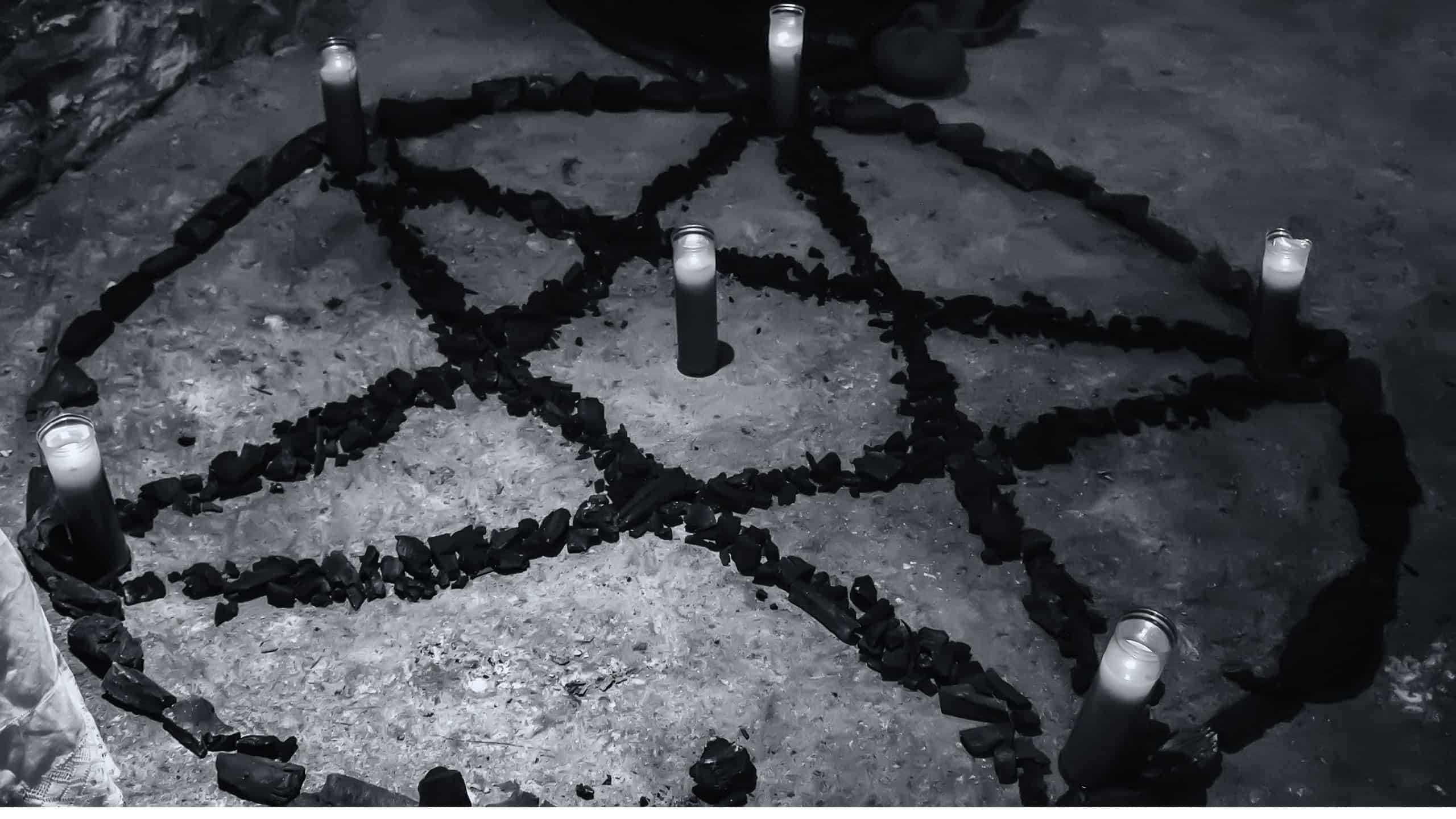
You probably wouldn’t expect Bathsheba Sherman from The Conjuring to be based on anything real. But she was. True, the real Bathsheba was never convicted of murder, and there’s no evidence that she practiced witchcraft. People still told stories about her being one, though.
The stories emerged decades later, and they connected her to strange events at the Perron family’s farmhouse. The 2013 movie turned those rumors into a far darker tale, where Bathsheba was a murderous witch. However, in real life, she hadn’t even lived at the farmhouse.
The boy from a college visit
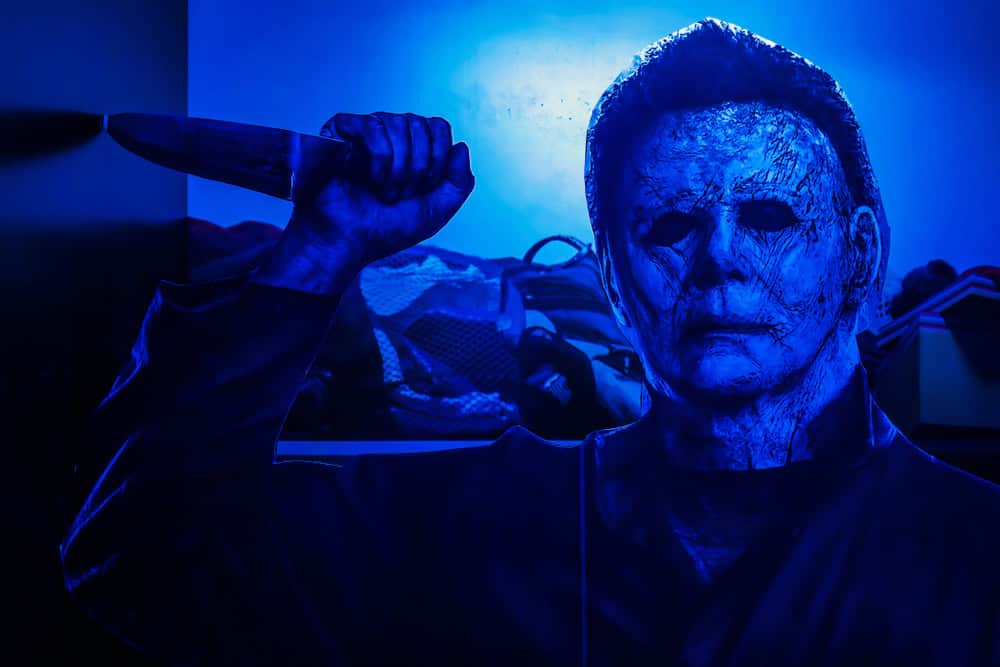
One of the most iconic horror villains of all time is Michael Myers. So, it’s kinda spooky knowing that he was partially based on someone real. Years before Halloween, John Carpenter visited a psychiatric institution with his class at Western Kentucky University. He met a young boy there who had a creepily empty expression.
Carpenter said the memory of meeting this boy stuck with him, and he decided to give Myers an equally blank expression. Still, Carpenter did say he didn’t think the real boy was evil. He also never revealed the patient’s identity.
The criminal partnership behind two characters
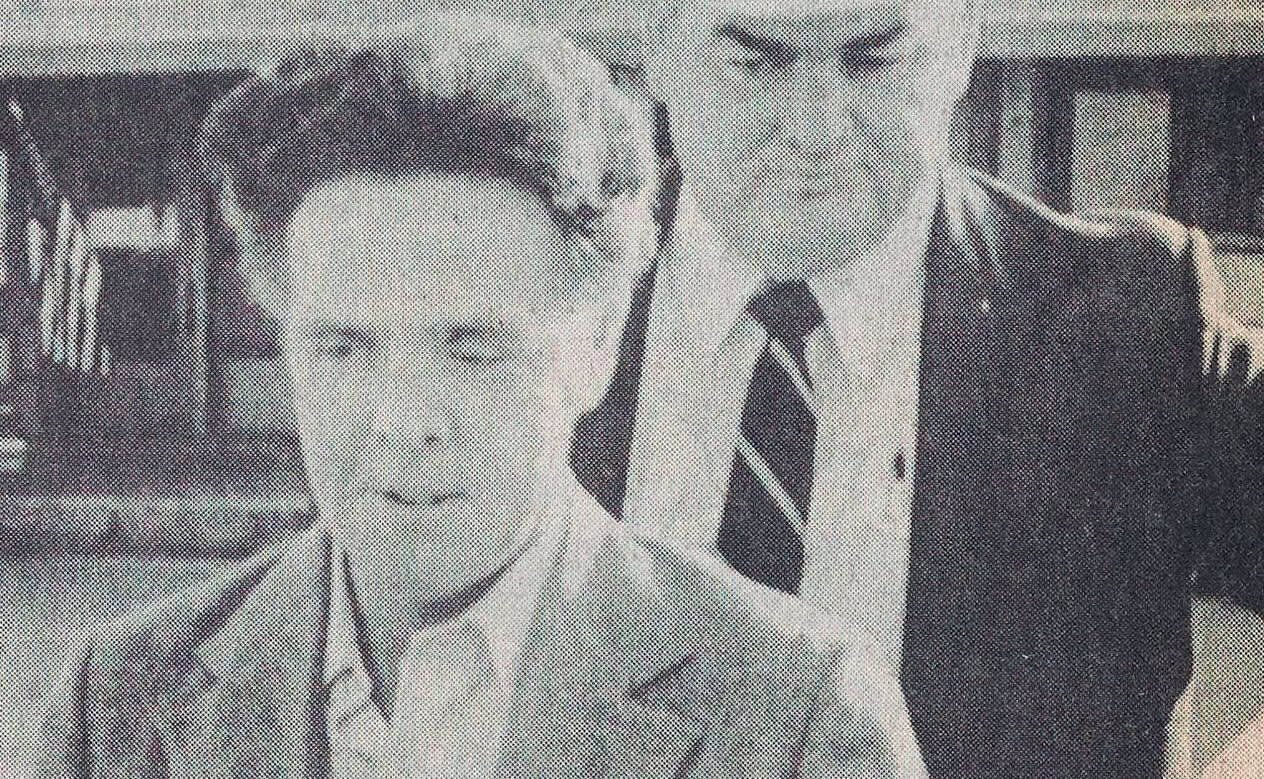
Ottis Toole and Henry Lee Lucas were two men who traveled together and were later associated with numerous murders. However, investigators questioned whether their confessions were real. The story alone was enough to inspire filmmaker John McNaughton.
His 1986 movie, Henry: Portrait of a Serial Killer, featured two characters named, you guessed it, Henry and Otis. McNaughton based some parts of his characters on what the men were rumored to do. Even so, some aspects were invented, like parts of their partnership.
The murders that frightened New York

During 1976 and 1977, New Yorkers were terrified by a series of shootings that killed six people and wounded many others. These became known as the Son of Sam murders. Later, David Berkowitz was convicted of the killings, and director William Lustig became pretty familiar with the case.
He made Maniac in 1980. Berkowitz was one of the major influences on the fictional murderer, Frank Zito. Some parts were dramatized, though, like Zito taking his victims’ scalps for his mannequins. Berkowitz didn’t do that.
The family man with a hidden identity
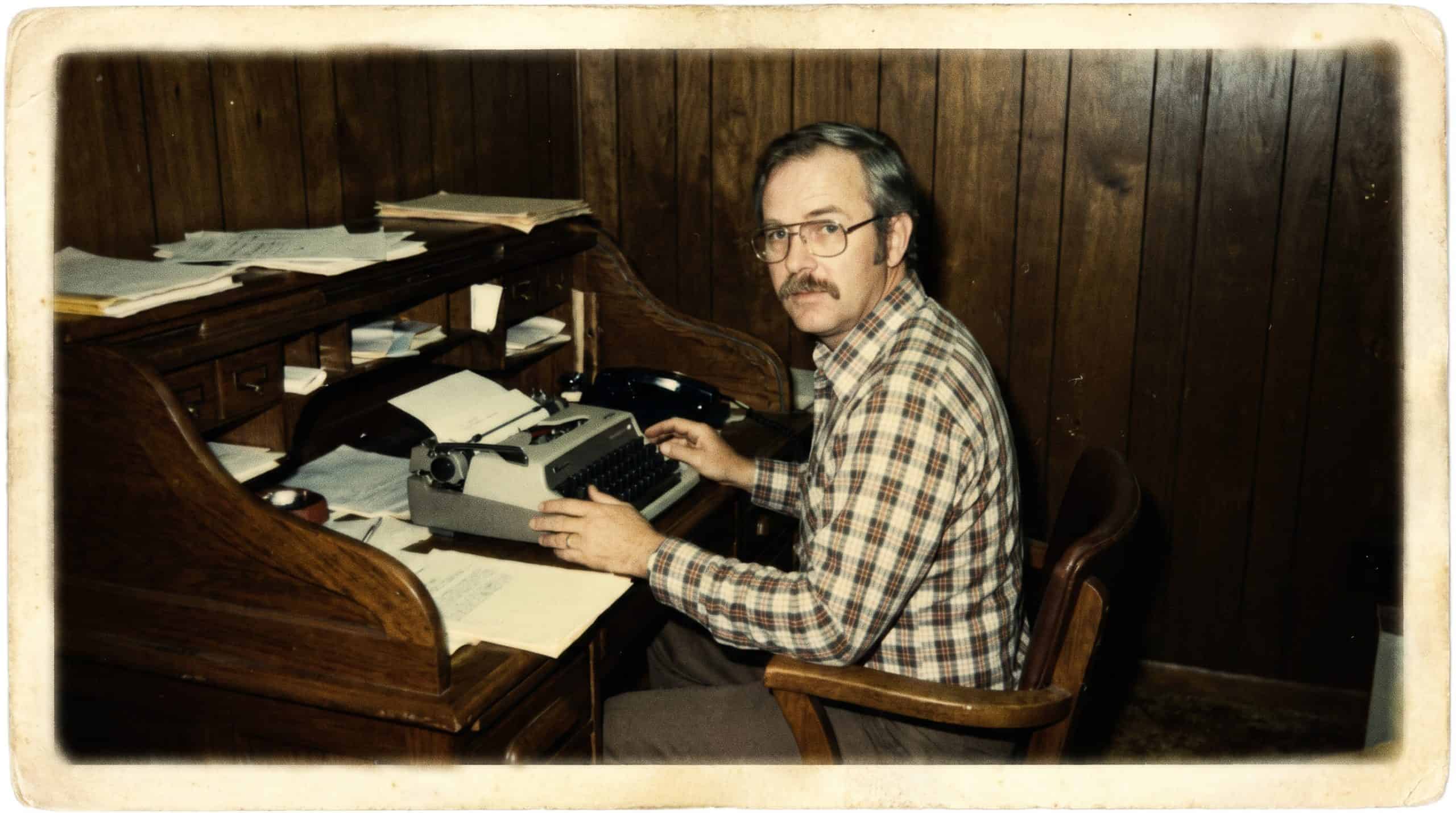
The Clovehitch Killer features a teenage boy who finds out that his dad is a serial killer. That was based on reality, specifically the case of Dennis Rader. Rader was a churchgoing father of two who lived a double life as a murderer, although nobody at home knew about his other life.
Before he was arrested and his real identity was revealed, Rader was known as BTK, and he killed 10 people across nearly two decades. Director Duncan Skiles researched his case while making the movie, especially the idea of a teenager discovering that his seemingly normal father had a terrible secret.
The influencer behind an unsettling performance
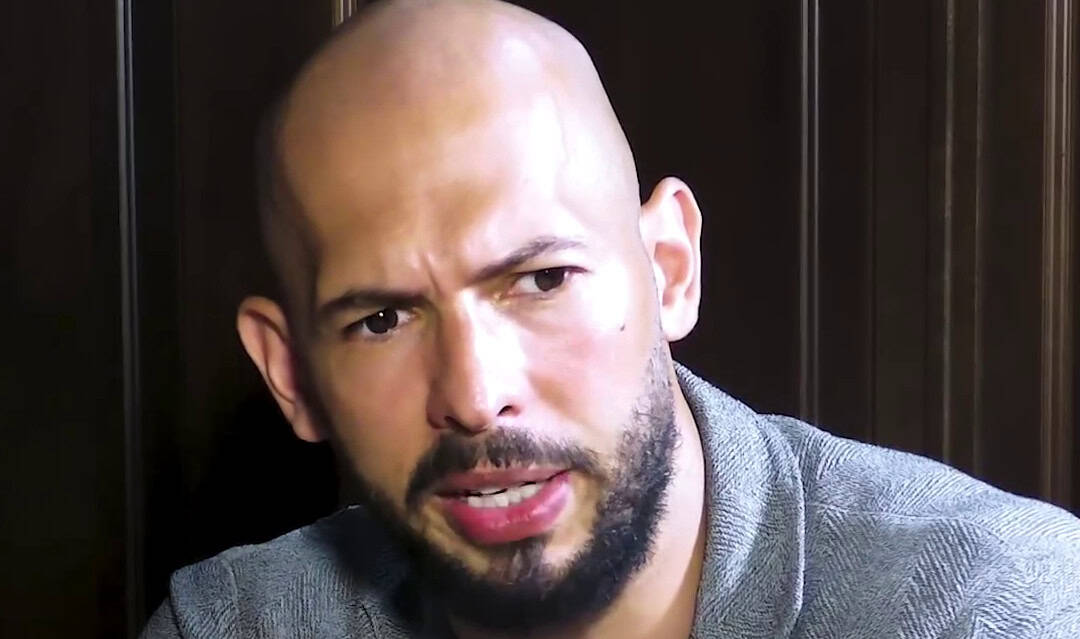
Andrew Tate doesn’t seem like he’d have any connection to a horror film like Speak No Evil. He did. In the 2024 remake, actor James McAvoy based some of his performance as Paddy on Tate. Paddy loves showing off his masculinity.
He’s constantly trying to make other men feel inferior. The whole thing is rather uncomfortable in the film, and it gets even worse when you see Paddy pushing other people’s boundaries. In other words, he’s a lot like the internet personality.
The NASA engineer with an unusual childhood
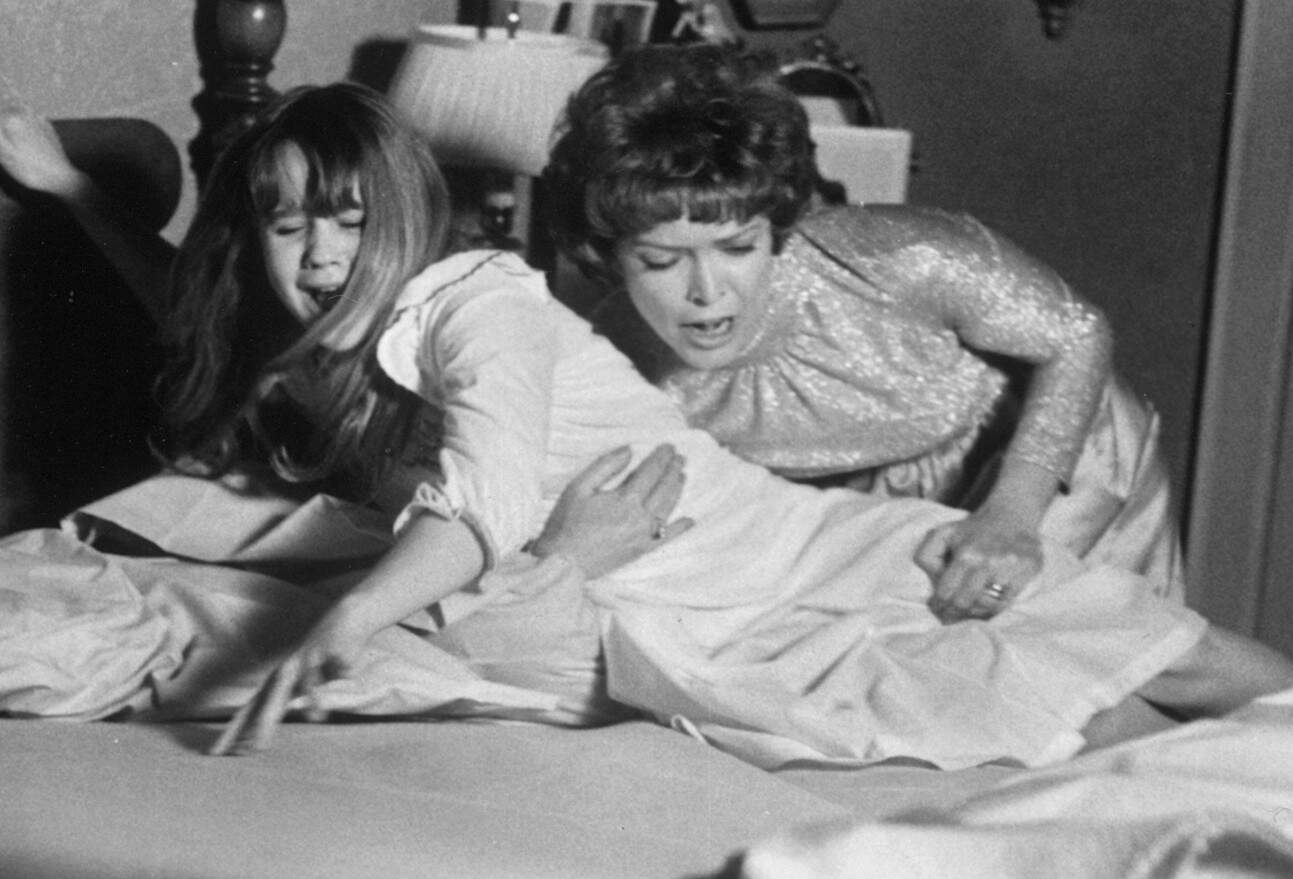
It sounds fake, but it’s true. Regan in The Exorcist is based on a real person. In 1949, Ronald Edwin Hunkeler’s family reported furniture moving around their Maryland home and strange noises coming from nowhere. It got so bad that they had Catholic priests perform a ritual on the 14-year-old boy.
Hunkeler’s case inspired writer William Peter Blatty’s story, and it became the basis for the famous 1973 movie. Later in his life, Hunkeler worked as a NASA engineer and rarely discussed his childhood. He died in 2020. The following year, his identity as the inspiration for The Exorcist became public.
Sources: Please see here for a complete listing of all sources that were consulted in the preparation of this article.
10 horror villains who were more right than we want to admit
They might be movie villains, but that doesn’t mean they’re wrong, as there are some disturbing characters who had some justifiable reasons for doing terrible things.
10 horror villains who were more right than we want to admit

