

Some of history’s most powerful people also had some of history’s biggest egos.
Alexander the Great
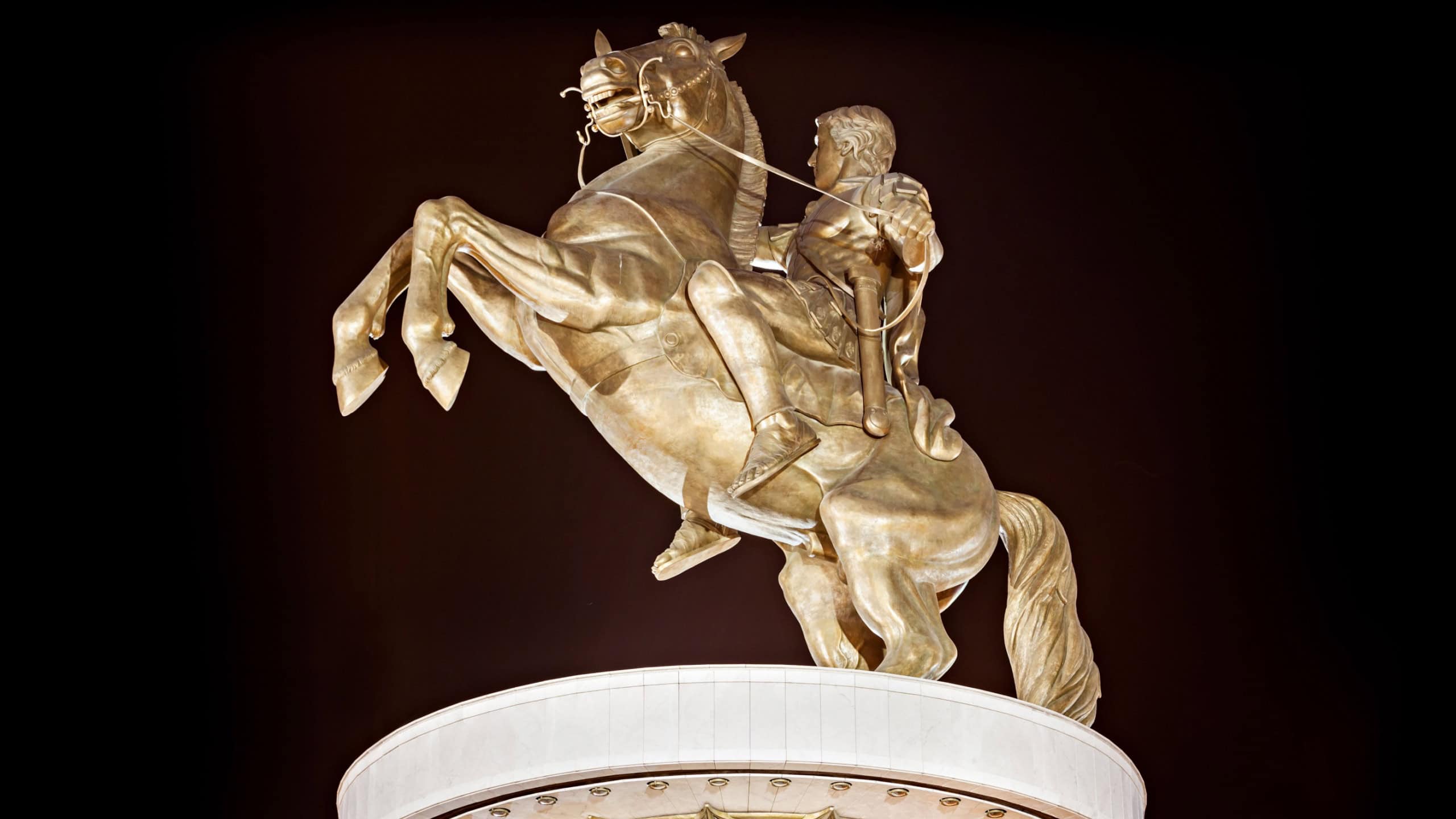
Alexander was consumed by his need for personal glory and expansion. He believed it was his divine right to conquer the world and was convinced that he was the son of Zeus. Throughout his campaigns, he drove his soldiers beyond their limits and suffered astronomical losses because he cared little about the well-being of his men.
He established many Persian practices of kingship, such as having everyone kiss his feet, and he changed the names of at least twenty cities to his own.
Nero
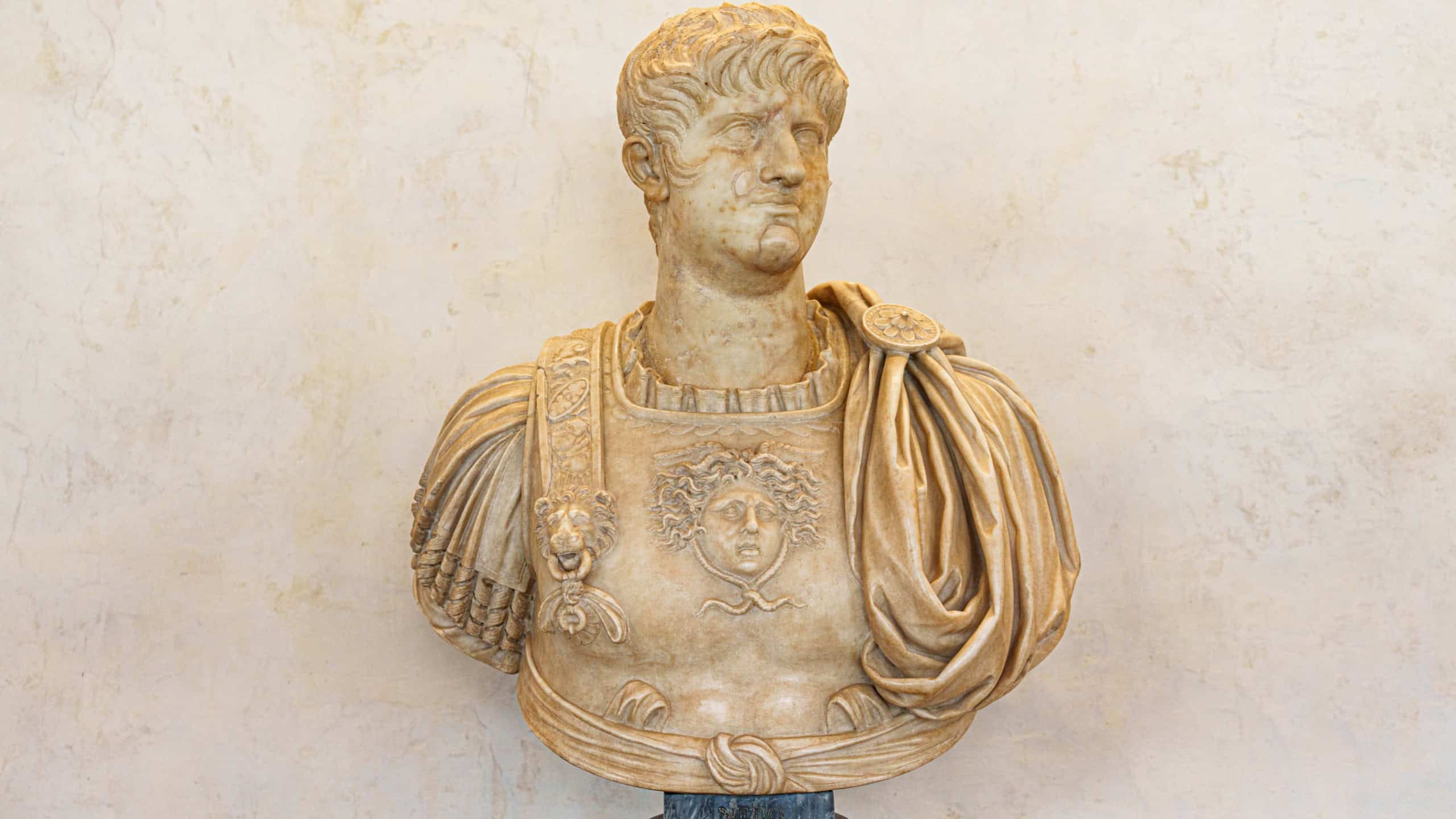
Selfish and narcissistic, Nero considered himself not only an emperor but a great artist, poet, and athlete above all others. He expected and required regular, practiced applause from his people.
After the Great Fire of Rome, Nero took advantage of the huge devastation to clear space for his own Domus Aurea (Palace of Gold). This palace included a 100-foot-tall bronze statue of the Emperor as the sun god. Nero felt no compassion for his people and cared more about his selfish artistic desires and lavish lifestyle.
Commodus

Ceasing to take his role as leader seriously, Commodus became consumed by his ego. He changed the name of Rome to Colonia Commodiana. He considered himself to be Hercules reincarnated and had the Roman Senate deem him a living deity.
He frequently participated in gladiator battles where he would murder premeditated victims and staged animal executions just to feel validated.
Henry VIII
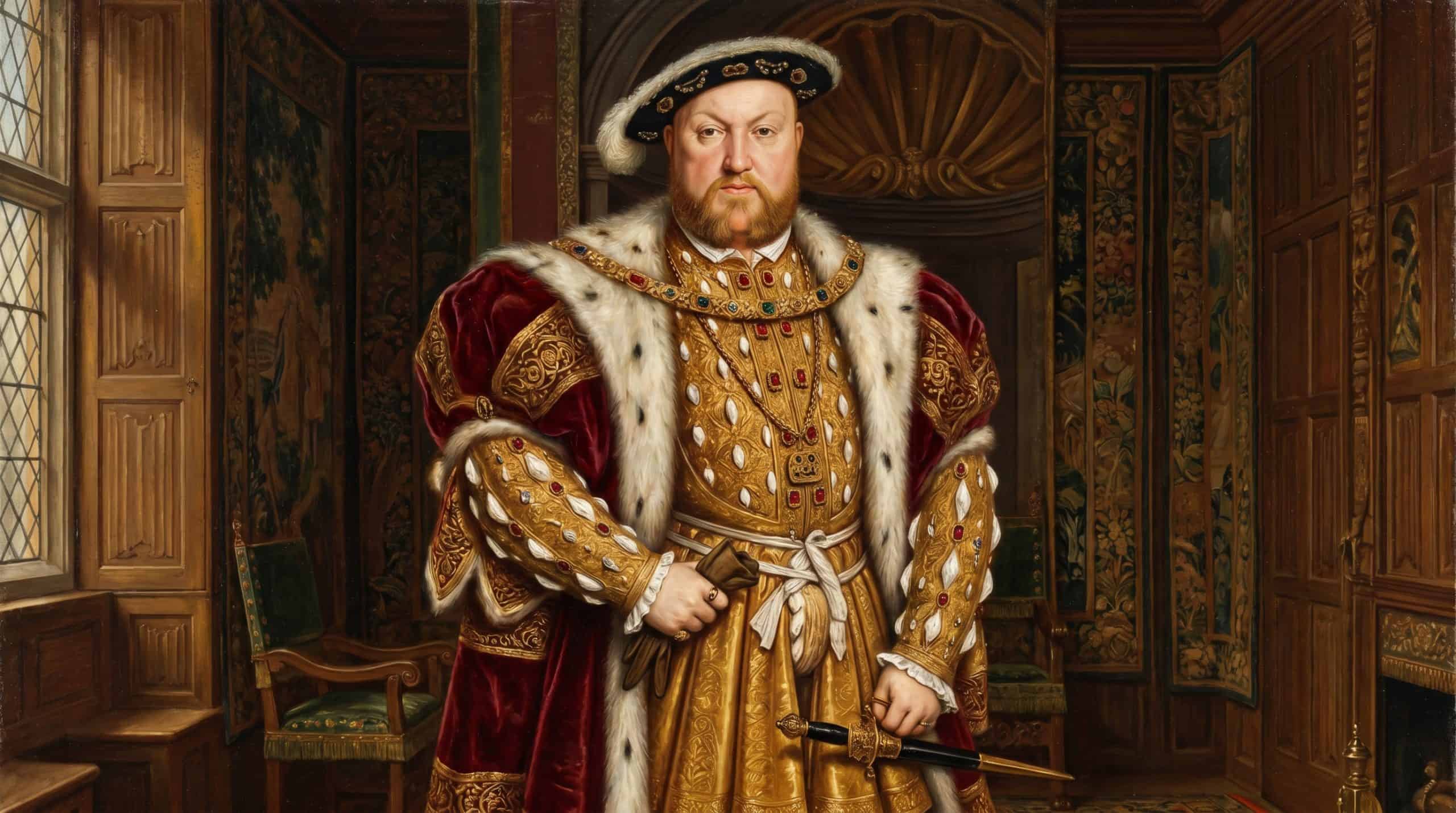
King Henry VIII had an enormous ego and felt as though he was above the law, above the Church, and above human decency. So much so that when the pope denied him an annulment from Catherine of Aragon, he severed all ties with the Catholic church and began the Church of England with the king as its head.
Never accountable for government mishaps or marital indiscretions, Henry did not hesitate to behead wives and advisers when they were no longer useful for his vanity or succession.
Louis XIV
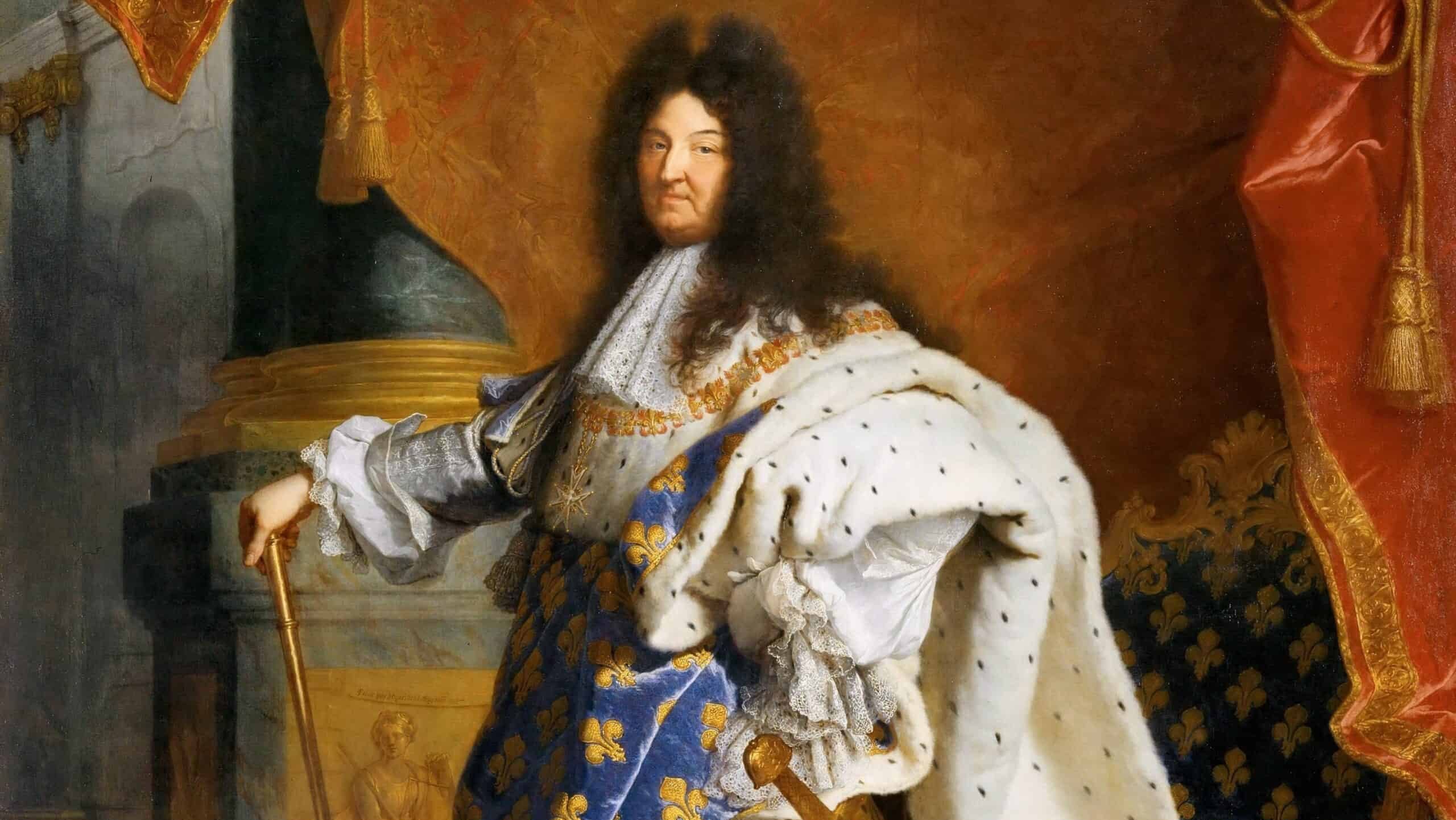
Louis XIV styled himself as the Sun King. One of his well-known quotes was, “L’État, c’est moi” (“I am the state”). He constructed the Palace of Versailles in order to provide an opulent stage-set and ascribe all politics and cultural life in France to his own daily life.
He would take great pleasure in controlling every aspect of his court, going as far as making his courtiers fight over who got to stand at his royal dresser. Louis needed constant validation of his power.
Napoleon Bonaparte
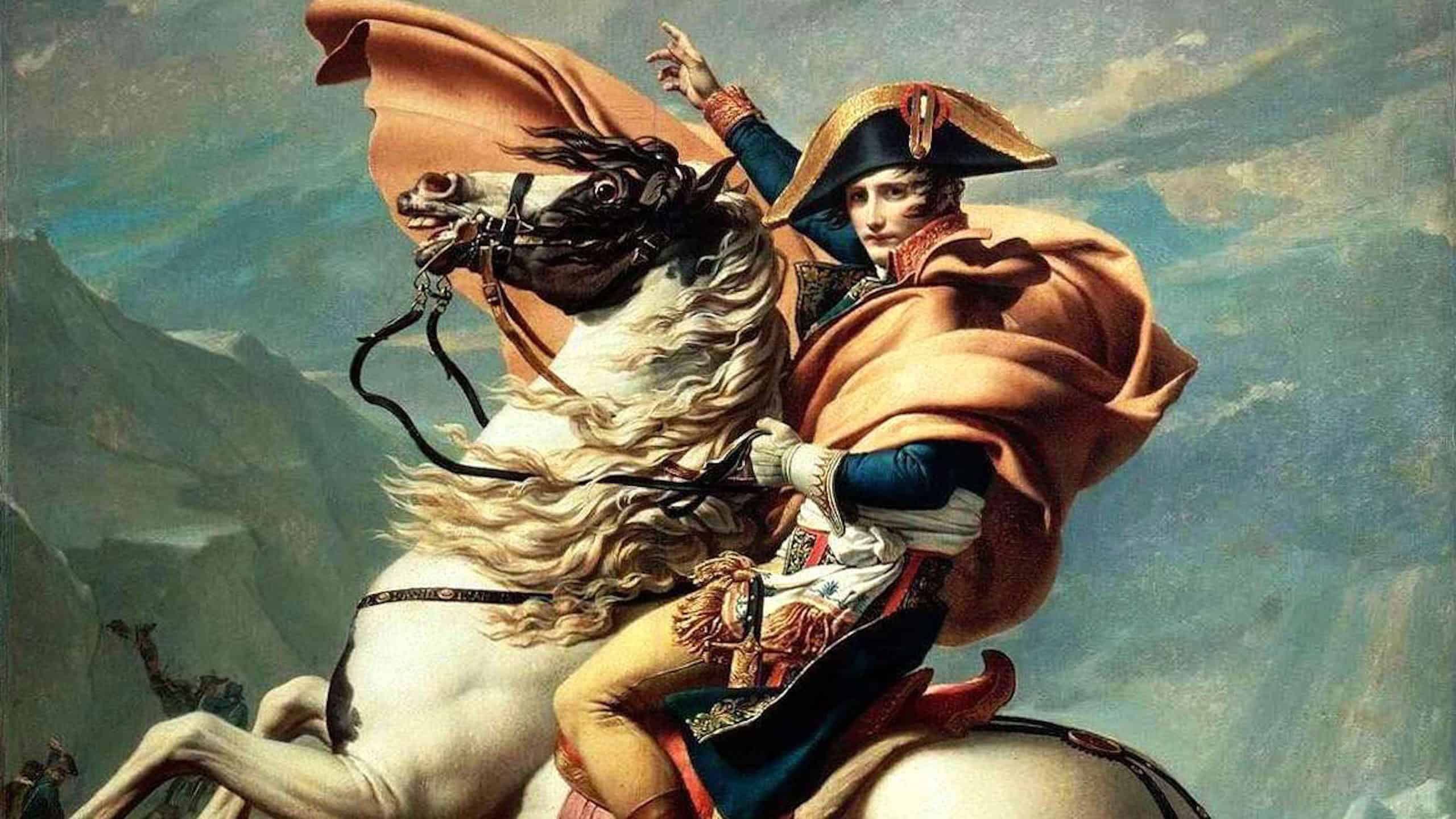
Napoleon considered himself above the laws of ordinary morality or European politics. His military genius changed the nature of warfare, but his refusal to see limits caused him to declare himself Emperor of the French, literally stealing the crown from Pope Pius VII’s hands as he placed it on his head.
During his invasion of Russia, his ego became destructive. He allowed hundreds of thousands of his soldiers to die instead of allowing his ego to be bruised.
Empress Cixi
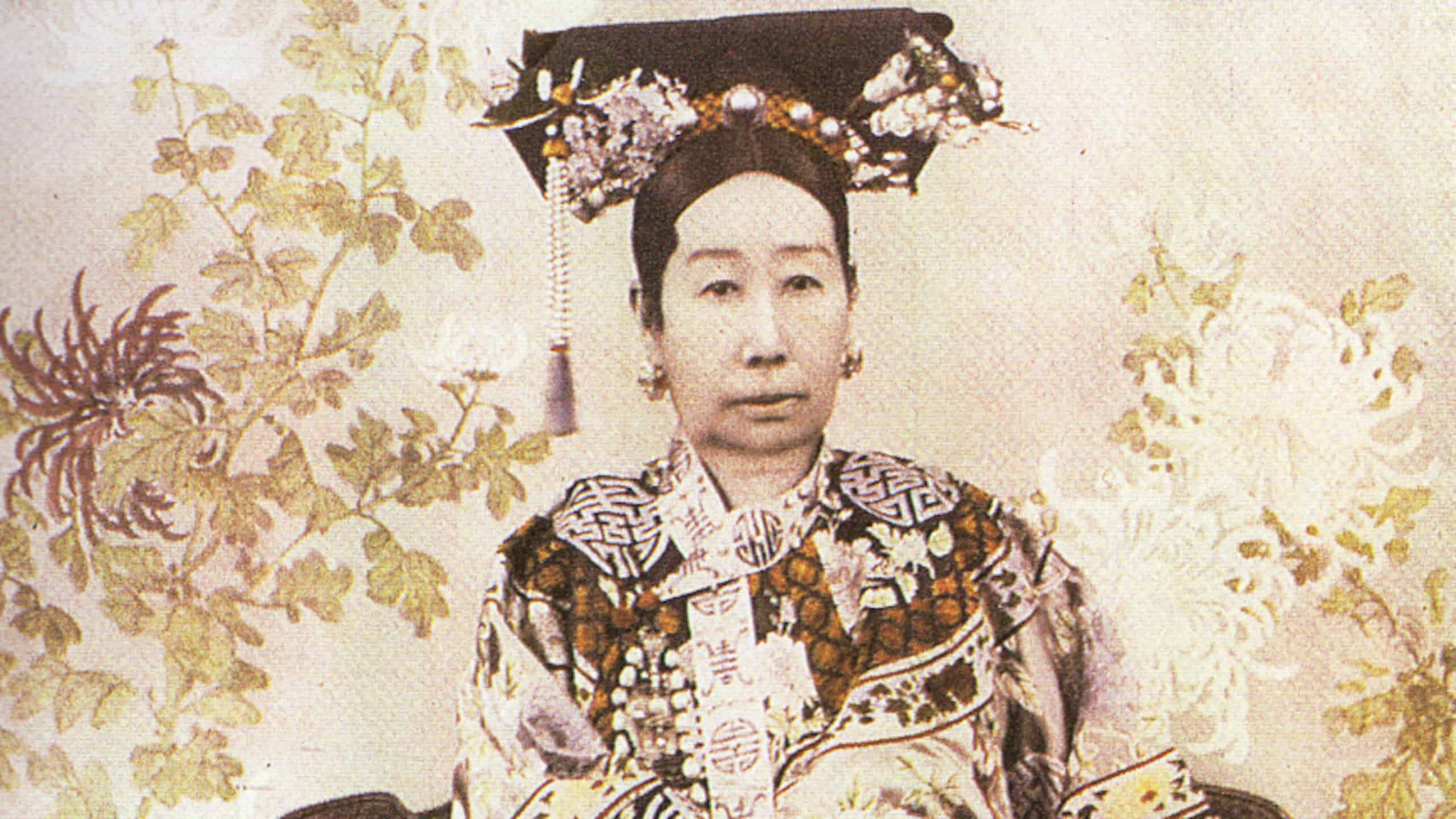
Empress Dowager Cixi of the Qing dynasty of China ruled for almost half a century and was extremely obsessed with prestige and absolute control. She spent enormous sums of money from the public treasury earmarked for modernizing China’s military on projects like refurbishing the Summer Palace for her own leisure, building herself a lavish marble palace on a boat.
She considered the Chinese empire as her own possession. If reforms would weaken her personal position or her tenuous stature as emperor, she would crush them.
Kaiser Wilhelm II
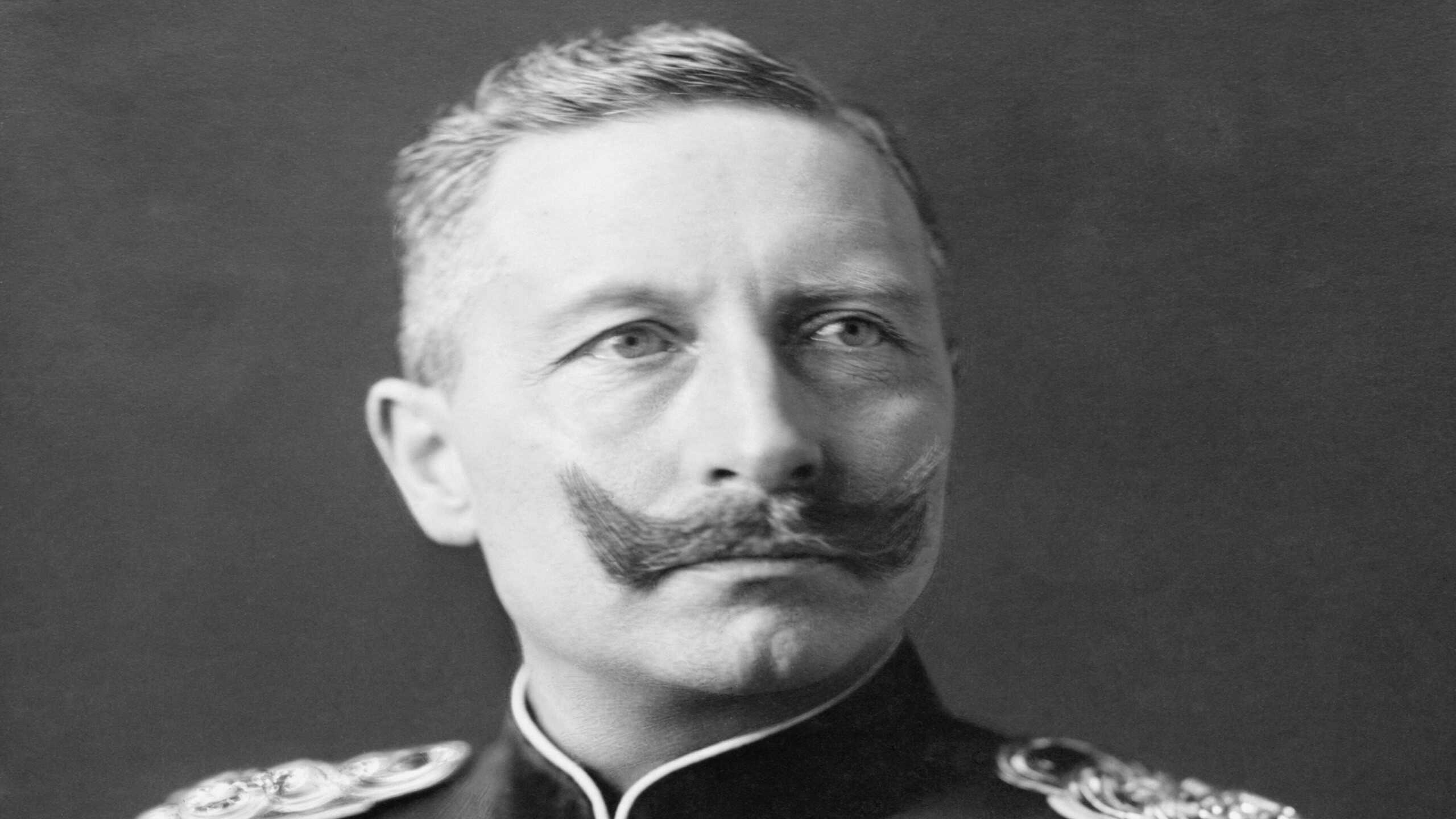
Germany’s final Kaiser was narcissistic, ultra-sensitive to criticism, and possessed of a huge need to look strong internationally. Obsessed with underlying weakness about a birth injury, Wilhelm II tried to overcompensate with massive standing military reviews, theatrical uniforms, and swaggering public pronouncements.
His rash ego-centered diplomatic decisions isolated historic European friends and drove Germany to the verge of World War I by regarding foreign affairs as attacks on himself.
Joseph Stalin
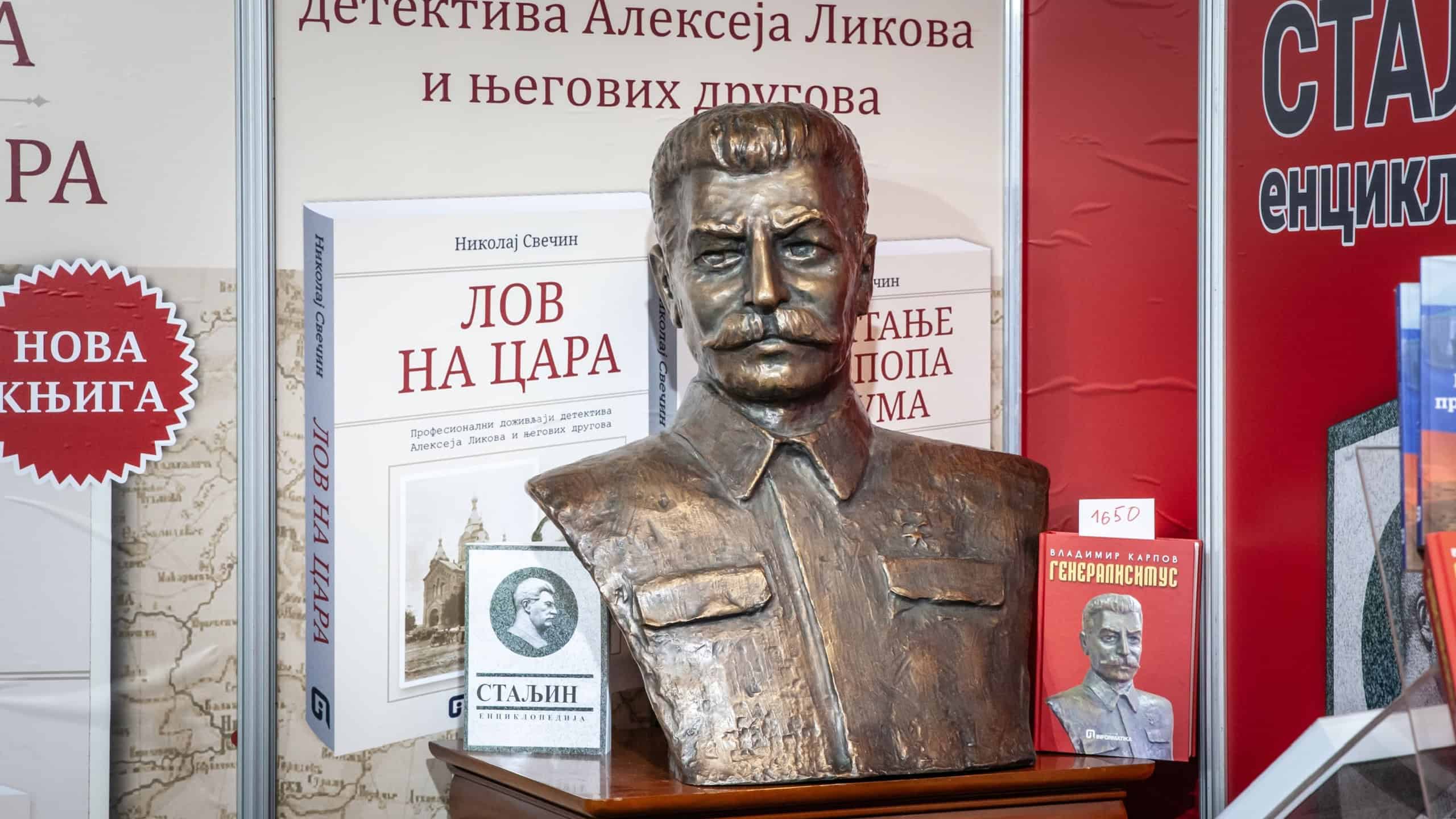
Stalin created perhaps the largest cult of personality. He turned the USSR into a giant propaganda machine praising and worshiping him. Towns, goods produced in factories, and military decorations were all named after Stalin. Textbooks were rewritten to give Stalin a heroic history alongside Lenin.
Moreover, he was consumed by paranoia and lacked empathy. He executed anyone he saw as a threat to his perfect image, no matter how loyal or smart they were.
Benito Mussolini
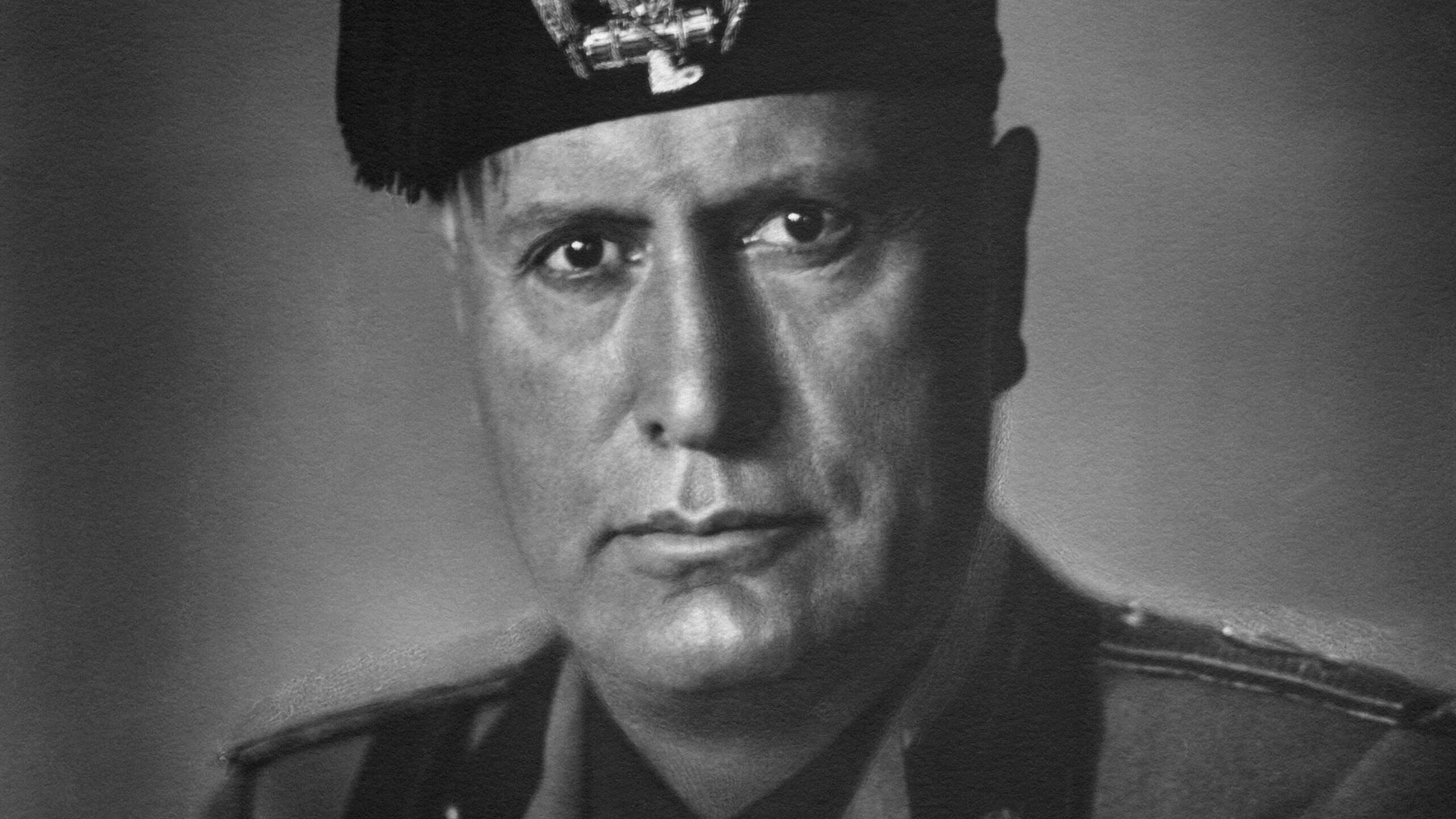
He worked tirelessly to create a public image that became known as Il Duce. Mussolini wanted Italians to see him as an all-knowing, super-human leader who represented a new kind of Italian man. He decreed his slogans posted everywhere on public walls. He insisted on continual newsreel footage of himself posing as an athlete, scholar, and careful strategist.
Mussolini’s extreme egotism led him to believe his own propaganda, and foolishly led Italy into World War II unprepared, causing his nation to suffer so he could keep up appearances.
Adolf Hitler

Hitler possessed an aggressive narcissism bordering on grand delusion with no empathy. He believed that he was chosen to create a new world civilization.
Refusing to see himself as anything less than infallible, he held his generals and German citizens responsible for betraying him when his war effort failed, rather than face defeat.
Jean-Bédel Bokassa
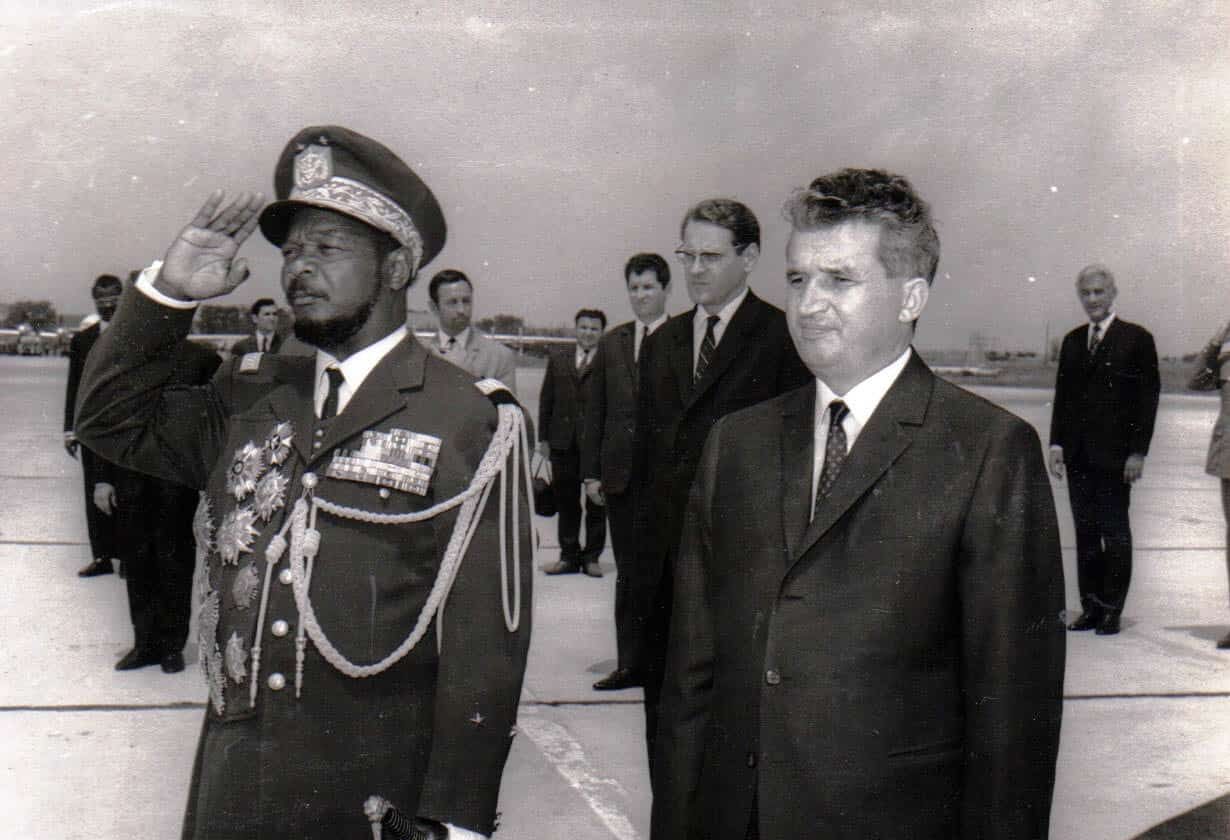
Central African dictator Bokassa’s megalomania became laughable and then horrifying. Self-crowning himself as “Emperor Bokassa I” in 1977, he blew $20 million (about one-third of the nation’s yearly budget) on a Napoleonic-style coronation. While most of his citizens lived in abject poverty, Bokassa treated himself to golden crowns, thrones encrusted with jewels, and complete authority over the nation, violently crushing the dissent of any who questioned his imperial rule.
Caligula

Caligula abused his dictatorship to horrific extremes of psychosis. He demanded that citizens praise him as a living deity, and ordered his head placed on statues of the gods.
Unsatisfied by any amount of flattery, Caligula insulted the Roman Senate, bankrupted the treasury on frivolous self-commissions, and abused his power by mercilessly tormenting his citizens. He considered Rome his playground, and oppressed his citizens until his Praetorian Guard murdered him.
Sources: Please see here for a complete listing of all sources that were consulted in the preparation of this article.
Like our content? Be sure to follow us.
History’s 10 worst listeners who died because they couldn’t take advice
Between egotistical dictators and foolish kings, these ten people failed to listen to good advice and paid the price.
History’s 10 worst listeners who died because they couldn’t take advice

