

We remember how great they were, but often forget how young they died.
King Edward VI of England (Died at 15)
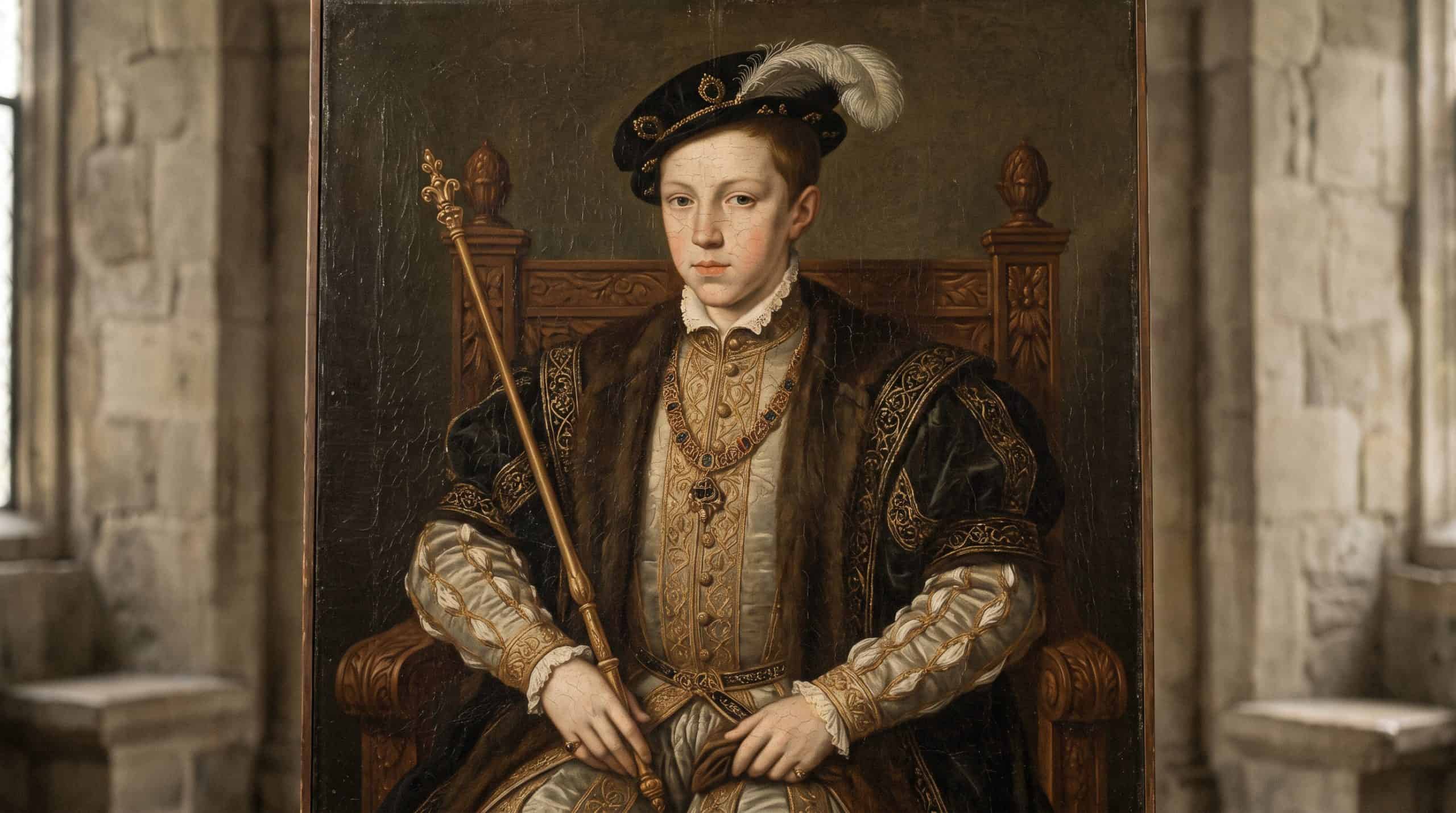
Henry VIII and Jane Seymour’s long-awaited son took the throne at the age of nine and became England’s first true Protestant leader.
Edward’s council of regents obliterated Catholic ceremony and defined a generation of English spirituality with the publication of the Book of Common Prayer.
Edward fell ill with a lung disease in the spring of 1553 (probably tuberculosis or pneumonia after measles). The illness had by then badly damaged his lungs.
As death loomed, the ailing young king attempted to reroute the succession to keep his Catholic half-sister Mary from the throne and prevent a return to Catholicism, but he passed away from his sickness shortly after, at the age of fifteen.
Prince Sado of Korea (Died at 27)

Prince Sado was born heir to Korea’s Joseon throne.
Under the constant, exacting gaze of his royal father, King Yeongjo, who insisted on flawless conduct, Sado’s adult years saw him descend into severe mental illness. He would go on to murder palace servants and officials in psychotic rage.
Because he was the royal heir, King Yeongjo could not just execute him, so under the cover of the hot summer night on July 1762, he sentenced his son to climb into a large wooden rice chest (thus called Hakye-Suro or “box filled with rice”) in the middle of his courtyard.
Following that, the prince was crammed into the chest, which was then shut tight, depriving him of air and water. After eight days of anguish, Sado died of dehydration and asphyxiation.
Srinivasa Ramanujan (Died at 32)
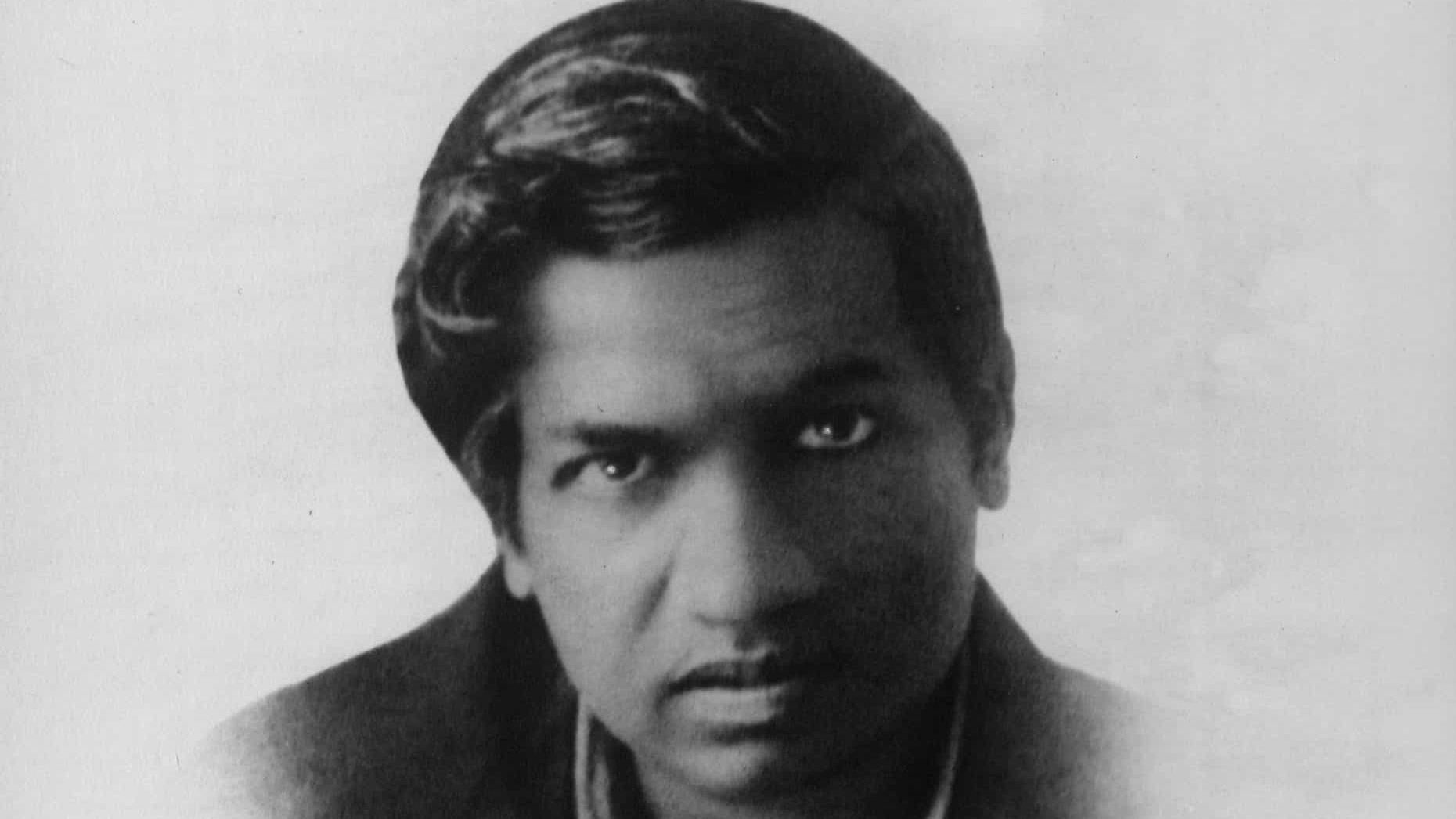
Born into poverty in Tamil Nadu, India, Ramanujan self-taught himself mathematics. He went on to create thousands of mathematical theorems completely on his own. He had almost no knowledge of formal mathematical training.
Ramanujan caught the eye of Cambridge mathematician G. H. Hardy with his brilliant letters. In 19I4 Hardy brought him to England, where Ramanujan made significant contributions to number theory, infinite series, and continued fractions.
However, the harsh British climate, coupled with the constraints of a vegetarian diet during wartime rationing, proved challenging for Ramanujan, who had grown up in India. It, combined with extreme isolation, caused his health to suffer terribly.
Suffering from severe health issues, now believed to be hepatic amoebiasis, he returned to India and died in 1920, at 32, while he was still busy filling pages with novel mathematical contributions.
Emperor Titus of Rome (Died at 41)
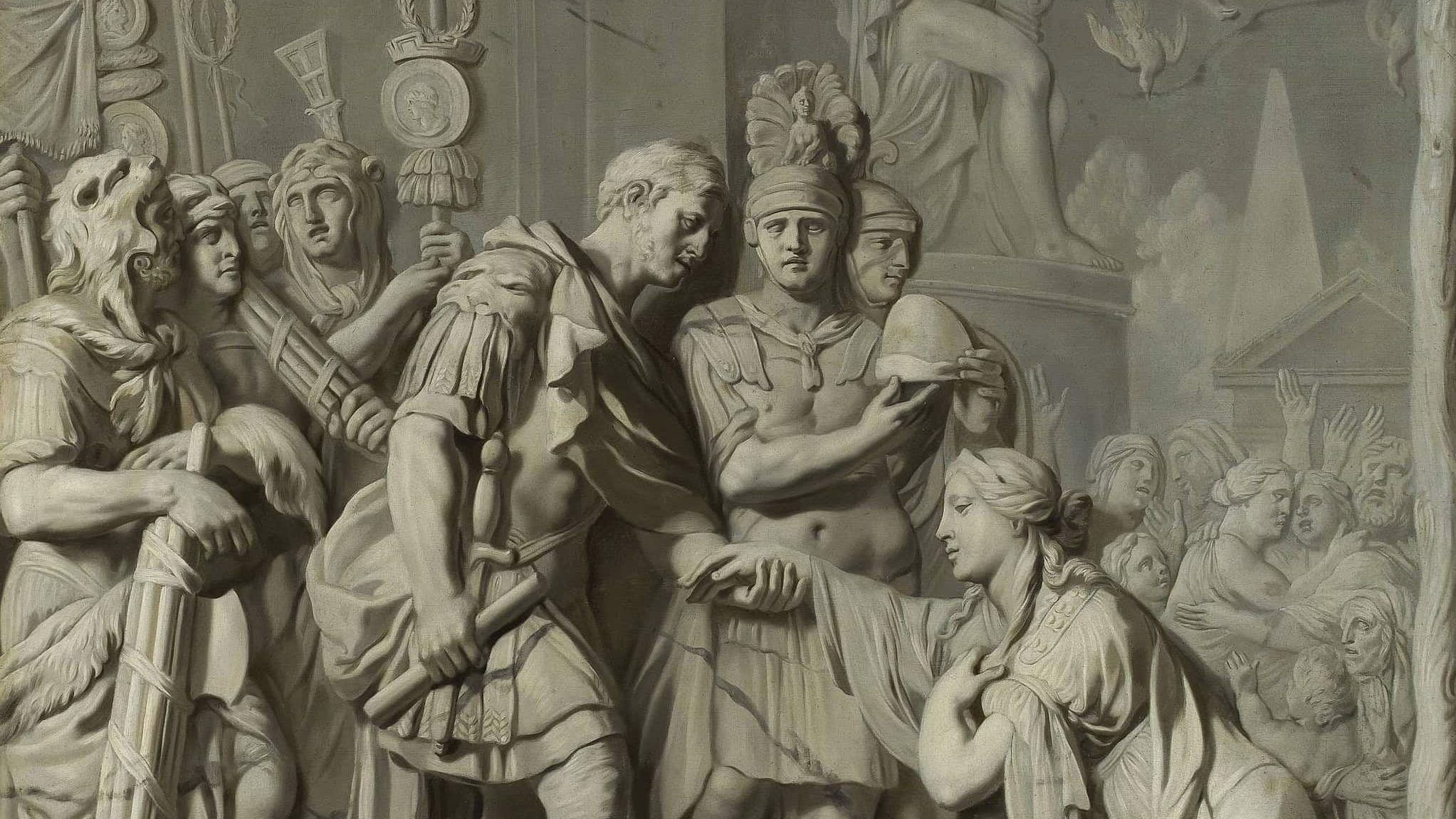
Prior to his reign as Roman emperor, Titus had already earned a reputation as a skilled general, famously besieging Jerusalem in 70 AD and contributing to the completion of the Colosseum.
When he became Emperor in 79 AD, natural disasters around his empire struck, including Mount Vesuvius erupting (destroying Pompeii) and a massive fire that devastated Rome.
Although a popular emperor due to sponsoring lavish games in Rome and using much of his own wealth for disaster relief, Titus died suddenly in September of 81 AD from a fatal fever (potentially malaria or poison from his conniving brother Domitian). He was only 41.
Major-General Isaac Brock (Died at 42)
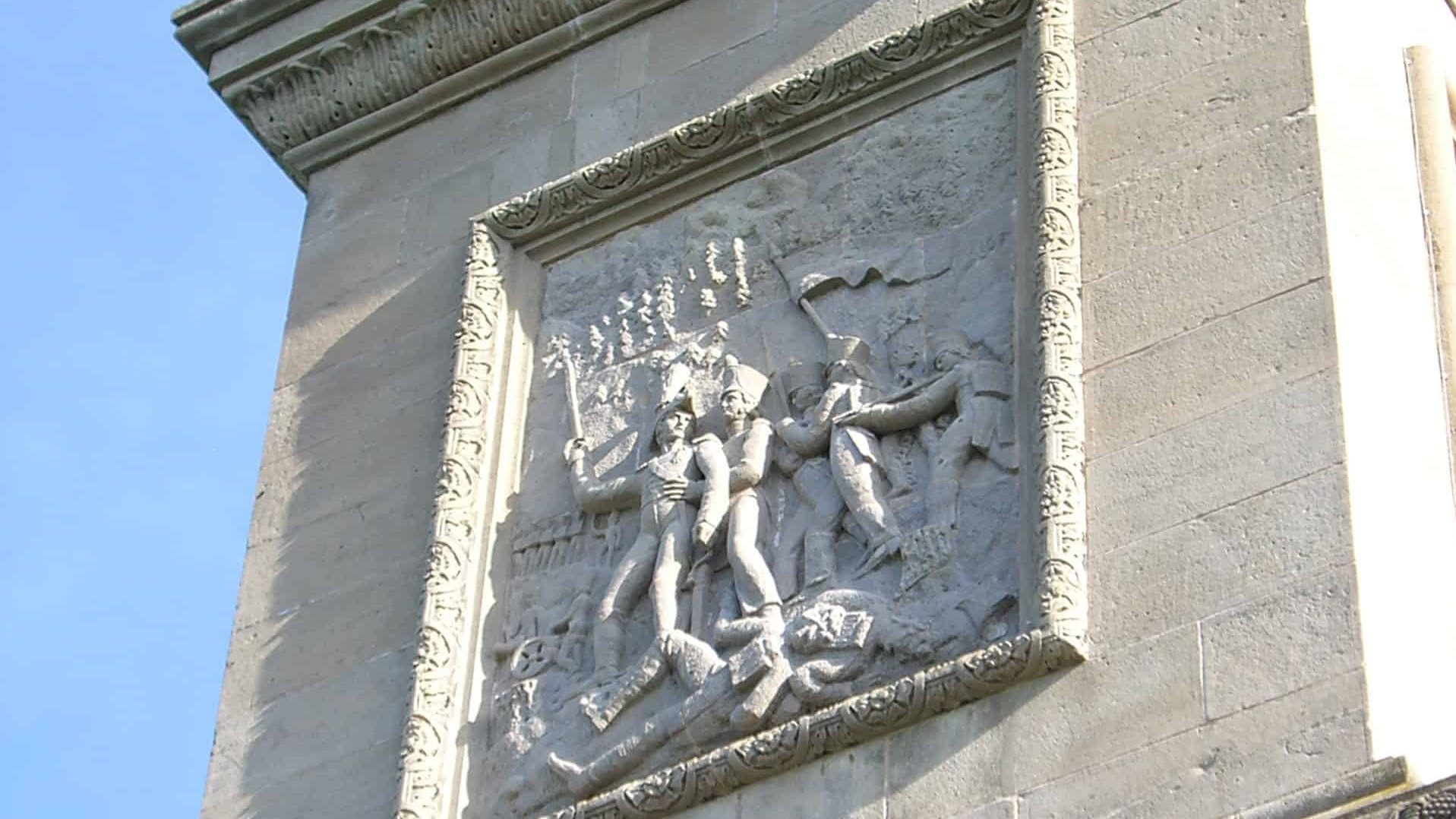
British officer Isaac Brock was known for his aggressive advance into enemy territory and his partnership with Shawnee Chief Tecumseh as commander of Upper Canada during the War of 1812.
He took Fort Mackinac and then Detroit from overwhelmingly larger American armies. Brock’s early victories helped to secure the Canadian border and fortify the militia.
In the early hours of October 13, 1812, an American army initiated a surprise incursion into Canada at Queenston Heights. Amidst the chaos of the battle, Brock made a strenuous uphill charge with bayonets fixed to regain an artillery position.
As he stood out in the open, his imposing height and vibrant red uniform clearly visible, a sniper’s shot to the chest brought his life to an end. He was 42 when he died.
King Gustavus Adolphus of Sweden (Died at 37)
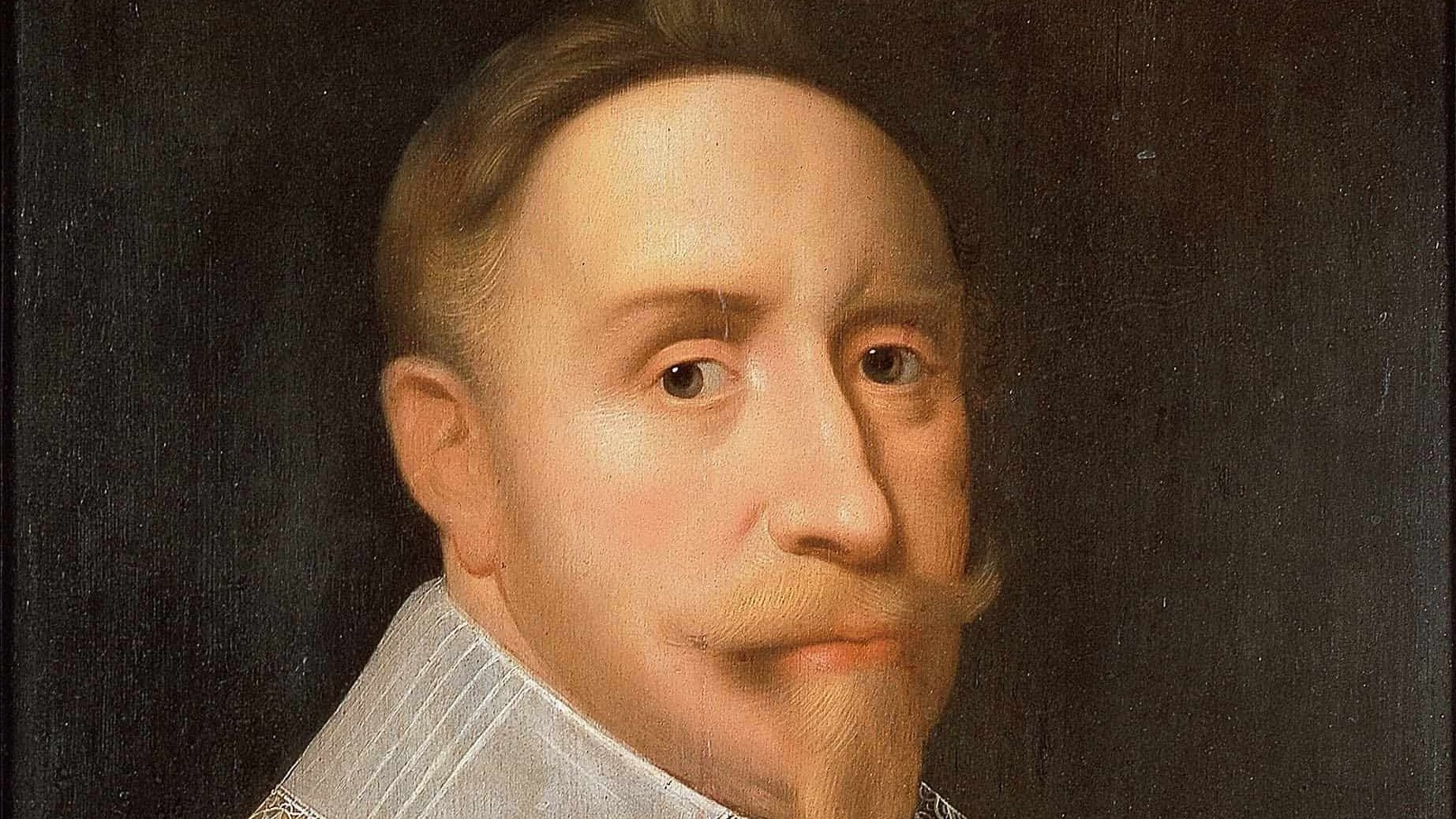
Nicknamed the “Father of Modern Warfare,” the Swedish king revolutionized his country’s army into one of the greatest superpowers in Europe through agile military maneuvers, mobile cannons, and combined-arms formations in the battle.
Gustavus Adolphus led Protestant states during the Thirty Years’ War and defeated the mighty Holy Roman Empire with his shocking battlefield tactics in Germany.
On November 16, 1632, at the Battle of Lützen, a dense fog and battlefield smoke descended, isolating the king from his cavalry as he ventured too far from his own troops.
Caught in enemy imperial cavalry within the thick fog, the 37-year-old king was shot multiple times and killed, though his troops would go on to victory that day without him.
Prince Imperial Louis-Napoléon (Died at 23)
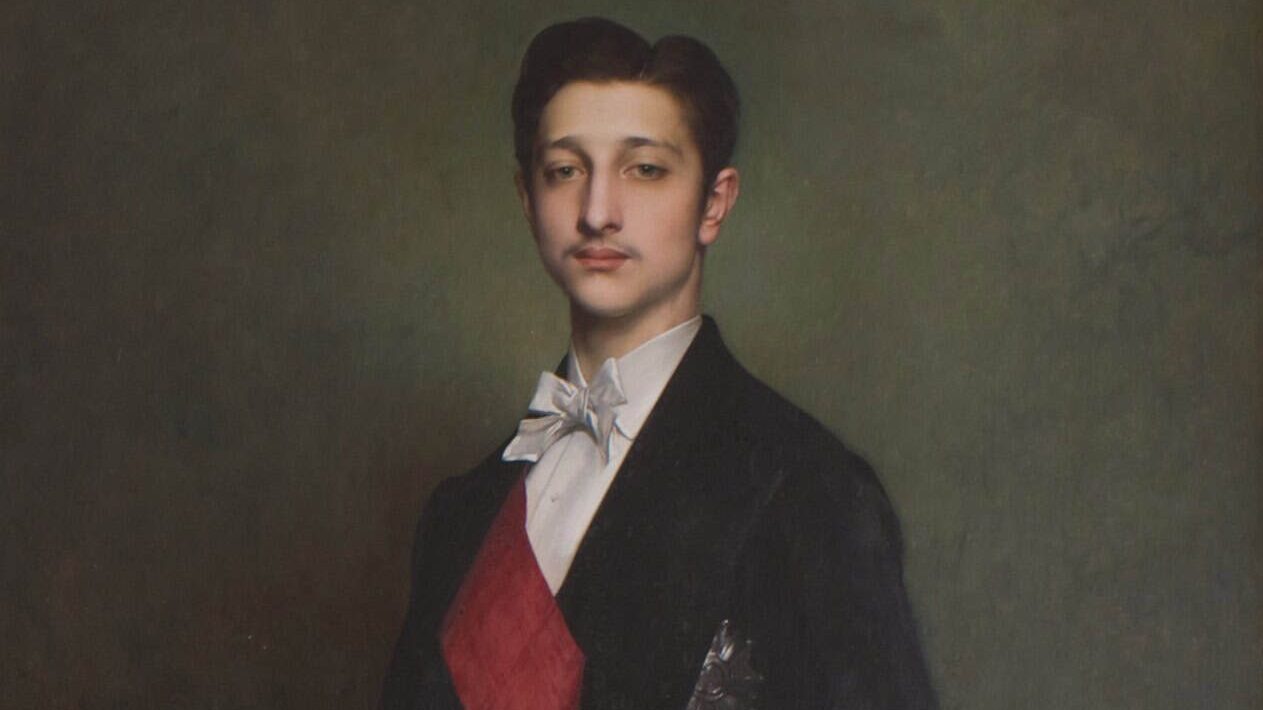
The son of Emperor Napoleon III and Empress Eugénie was the final dynastic heir to the throne of France after the fall of the Second Empire in 1870.
While living in exile in England, he also received training at the Royal Military Academy in Woolwich.
Wanting to show his courage on the battlefield and restore his family’s lost glory he persuaded British authorities to allow him to accompany the Anglo-Zulu War as a special observer.
Louis-Napoléon and a scouting party were ambushed by Zulu warriors near the Itelezi Flow in June of 1879. Unable to get back on his panicked horse, he died fighting with a revolver, having already taken eighteen spear wounds.
King Charles XII of Sweden (Died at 36)
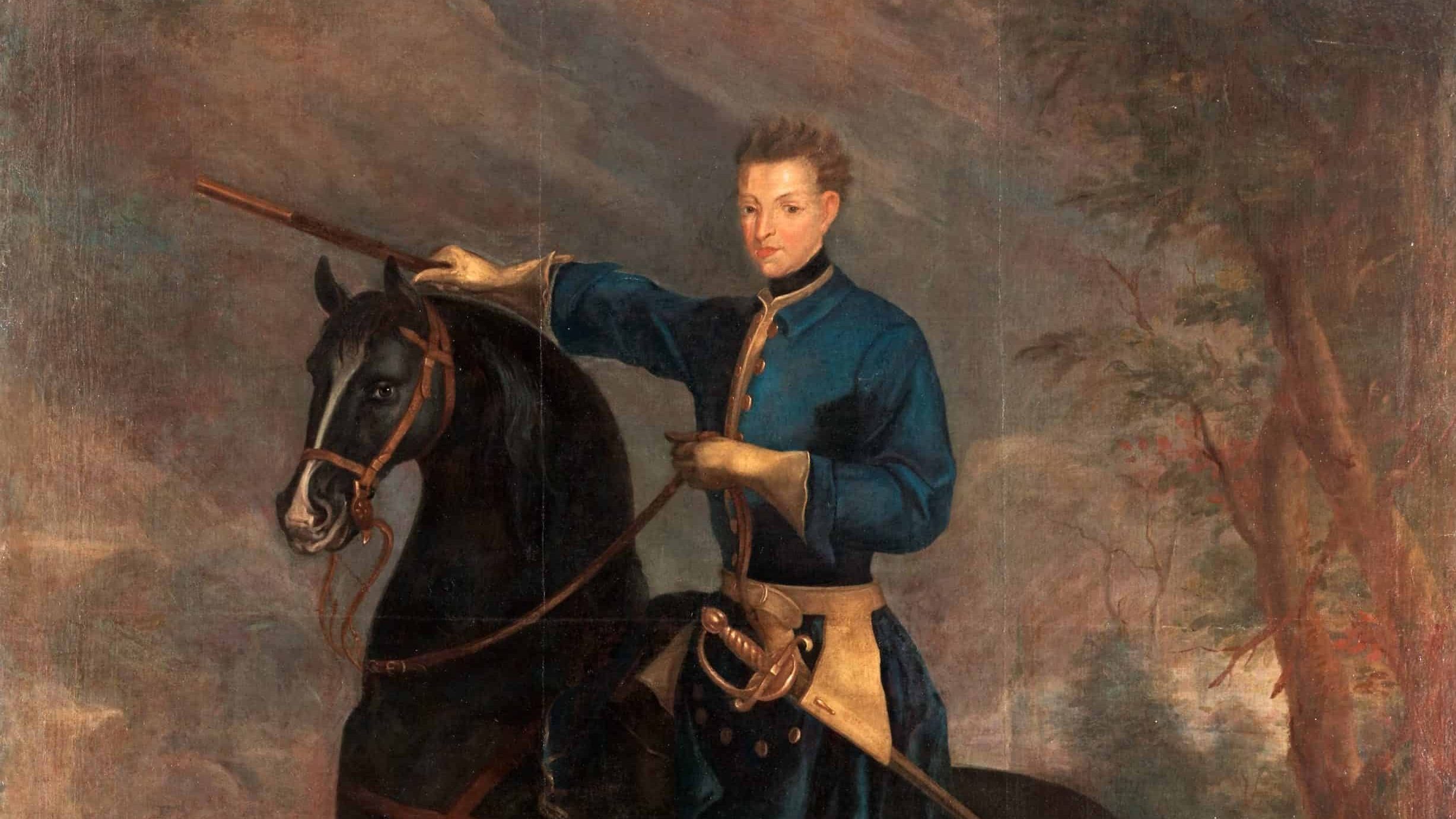
Ascending to the throne at just fifteen years old, Charles shocked the entire continent when he managed to hold off the overwhelming might of Russia, Denmark, and Poland during the Great Northern War.
He was a devout ascetic, always at the forefront with his infantry, and he lived a rough life for nearly twenty years, only for his luck to finally fail him on Norwegian prominence.
Charles was killed by a sniper’s bullet while looking over the trenches at night during the siege of the Norwegian fortress of Fredriksten on November 17, 1718.
Charles was bending over the top of a trench parapet to get a better look at his troops’ siege work when he was hit through the temple, killing him instantly and marking the end of Sweden as an imperial power.
Phillis Wheatley (Died at 31)
Kidnapped from West Africa as a child and sold into slavery in Boston, Phillis Wheatley taught herself to read and write English in just sixteen months and eventually went on to learn Latin and classical poetry.
Publishing “Poems on Various Subjects, Religious and Moral” in 1773, she achieved a historic milestone as the first African American author of a poetry collection and received significant global recognition from esteemed individuals, including George Washington.
Phillis Wheatley was eventually emancipated after her master died, but she lived in poverty during the American Revolutionary War.
After her husband was jailed for debt, she had to take up work as a scullery maid. Wheatley died from complications during childbirth at age 31 in a freezing cold Boston boarding house.
Henri Gaudier-Brzeska (Died at 23)
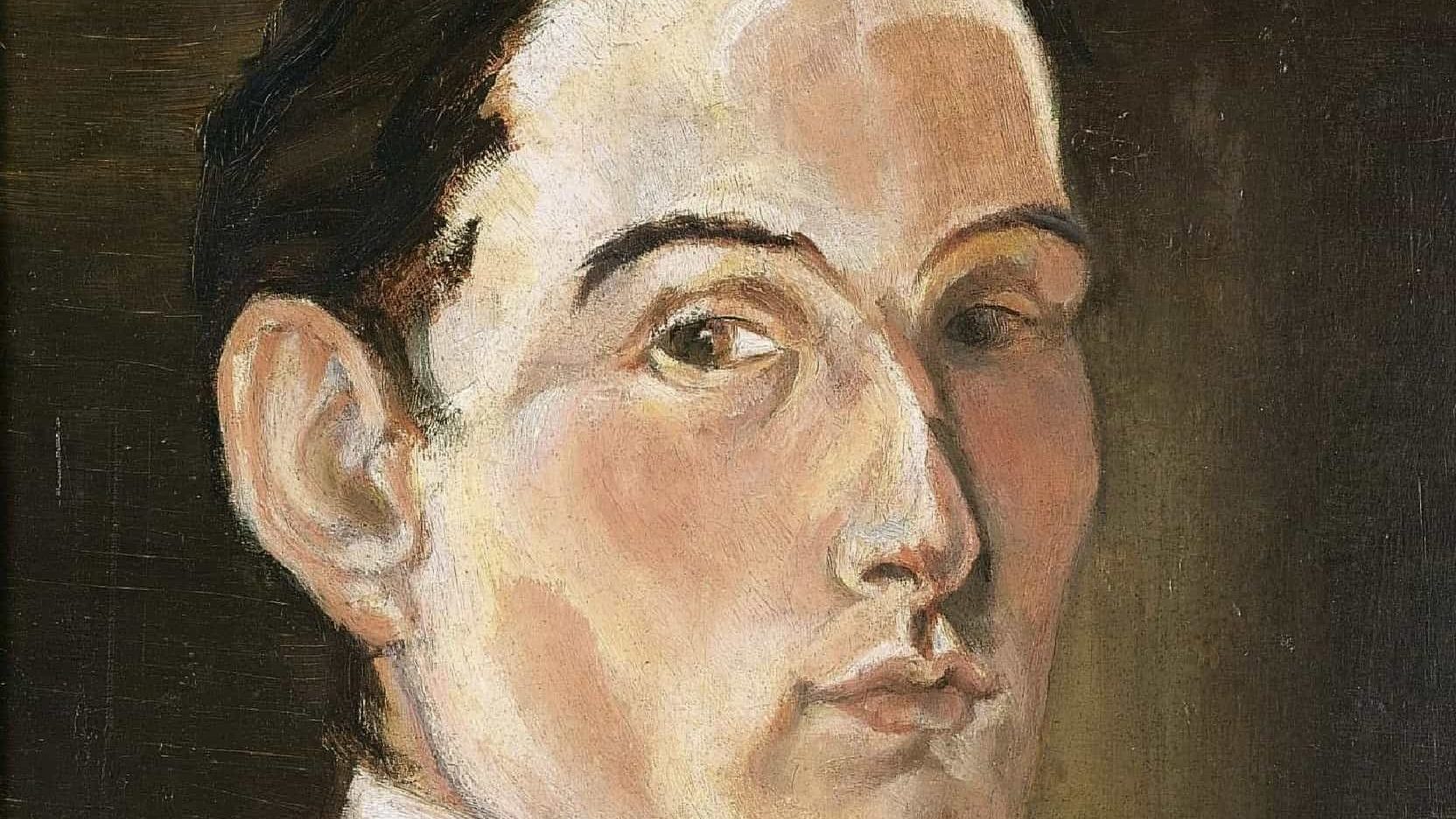
One of the great early innovators of modern sculpture, French artist Henri Gaudier-Brzeska was known for his abstract carved stone works inspired by primitive art forms.
After moving to London in his early twenties, his work and pioneering direct-carving style influenced artists such as Henry Moore and Ezra Pound.
Enlisting in the French Army when WWI broke out in 1914, he was soon awarded a medal for bravery while serving on the Western Front.
In June of 1915 he was killed during an infantry charge near Neuville-Saint-Vaast, ending his brief but influential career at age 23.
Michael Collins (Died at 31)
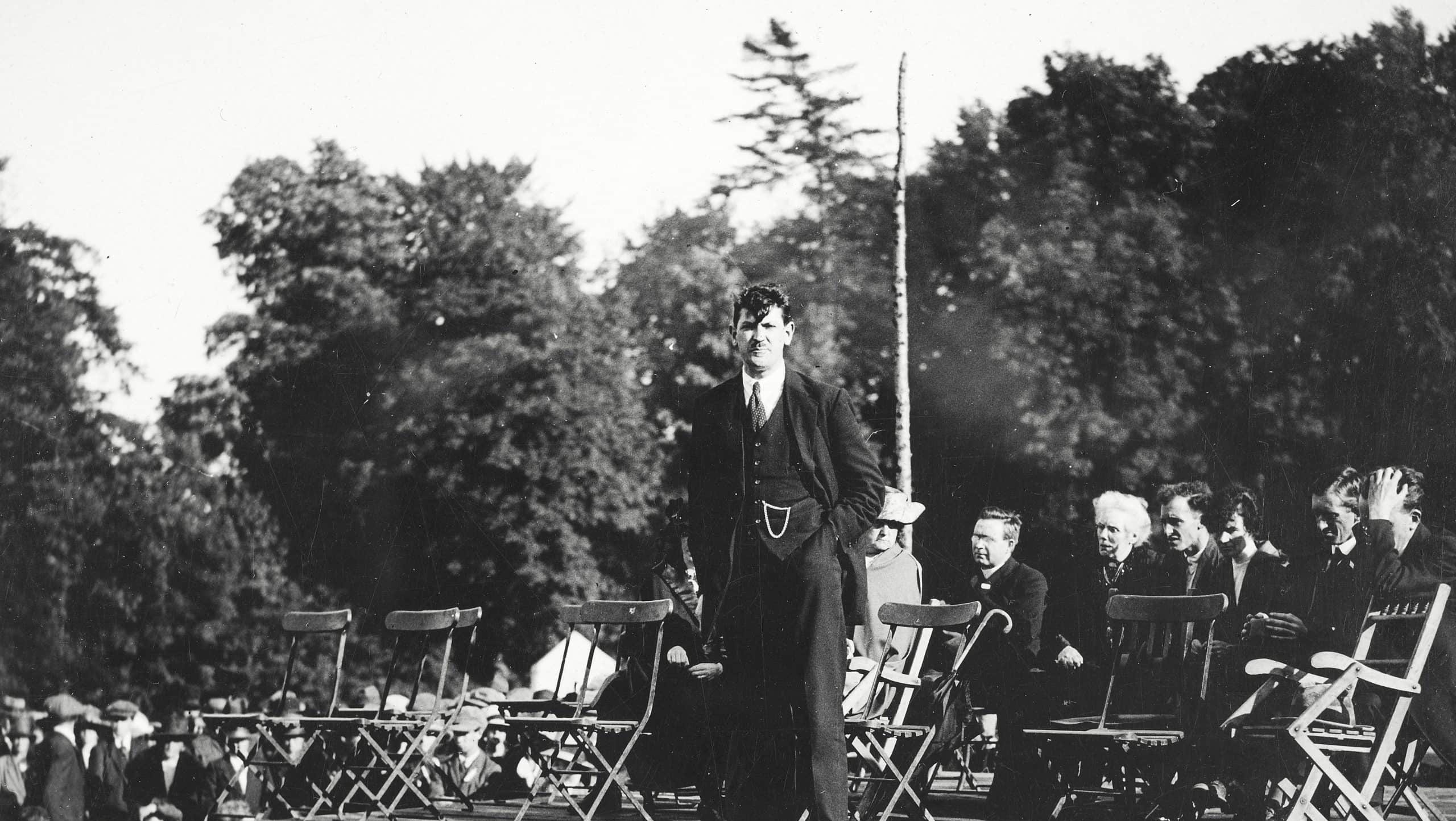
Organizer of the most effective intelligence operations and guerrilla campaigns against the British during the Irish War of Independence, Michael Collins was chairman of the revolutionary provisional government that negotiated and signed the 1821 Anglo-Irish Treaty.
Upon its signing, Collins allegedly said that he had signed his own death warrant; the treaty partitioned Ireland.
As the treaty’s signing ignited a civil war among his former allies, Collins stepped in to lead the National Army and try to bring the conflict to an end.
On August 22, 1922, during a journey through his native County Cork, his car, part of a military convoy, stopped in a valley near Béal na Bláth and was attacked. The 31-year-old leader was shot in the head and killed.
Egon Schiele (Died at 28)
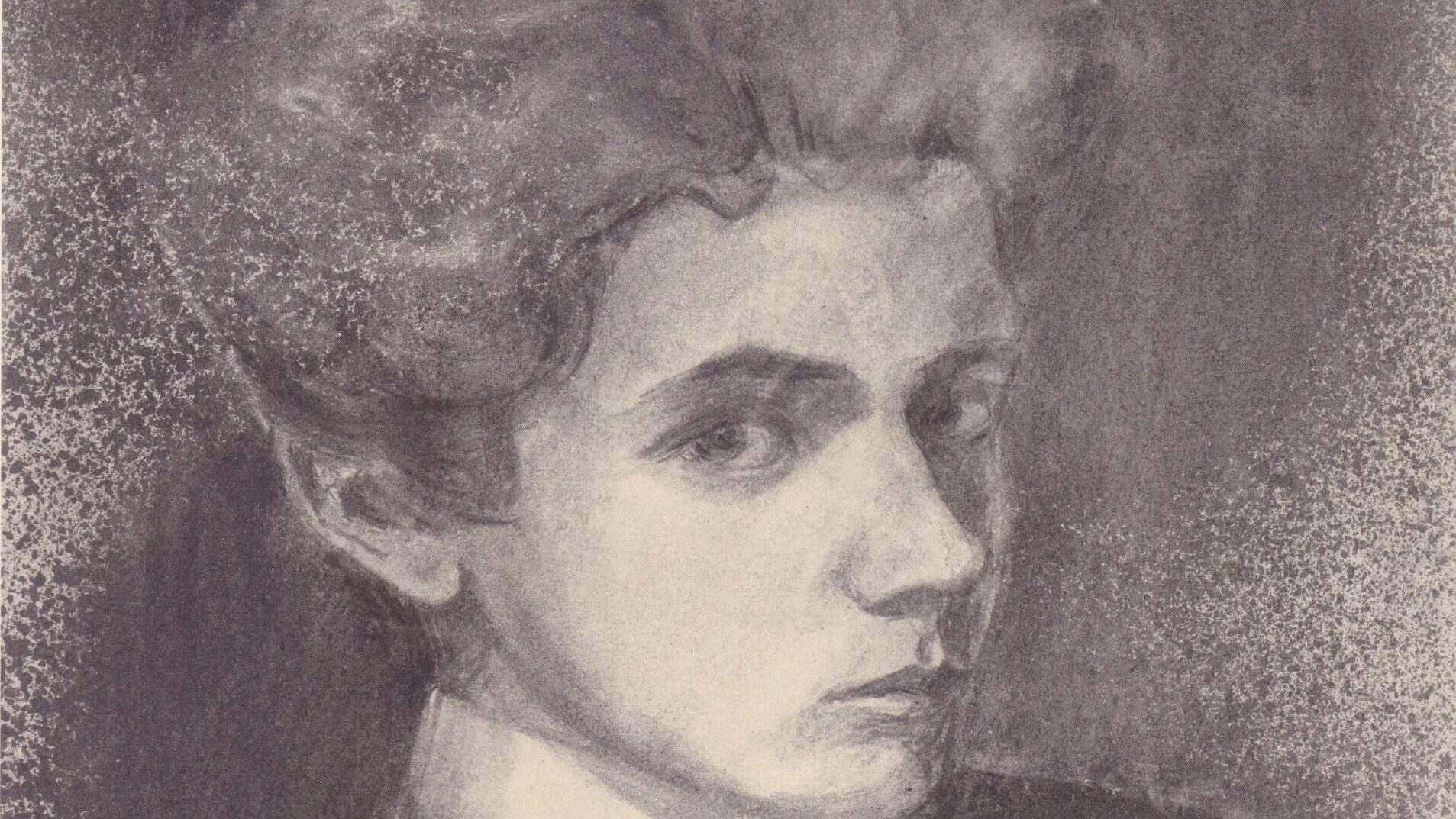
Viennese painter Egon Schiele was known for his graphically candid paintings and self-portraits.
By age 23, he was a leading figure of early 20th century Expressionism. Though met with scandal, imprisoned for obscenity, and forced to labor in World War I, Schiele continued to paint. His impressive body of work would go on to influence modern art for generations.
In October 1918, the Spanish flu hit Vienna at the height of his career. His pregnant wife, Edith, was among those it killed. Devastated, Schiele became sick himself a short time later.
He died of the disease only three days later, at age 28.
Sources: Please see here for a complete listing of all sources that were consulted in the preparation of this article.
Like our content? Be sure to follow us.
History’s 10 worst listeners who died because they couldn’t take advice
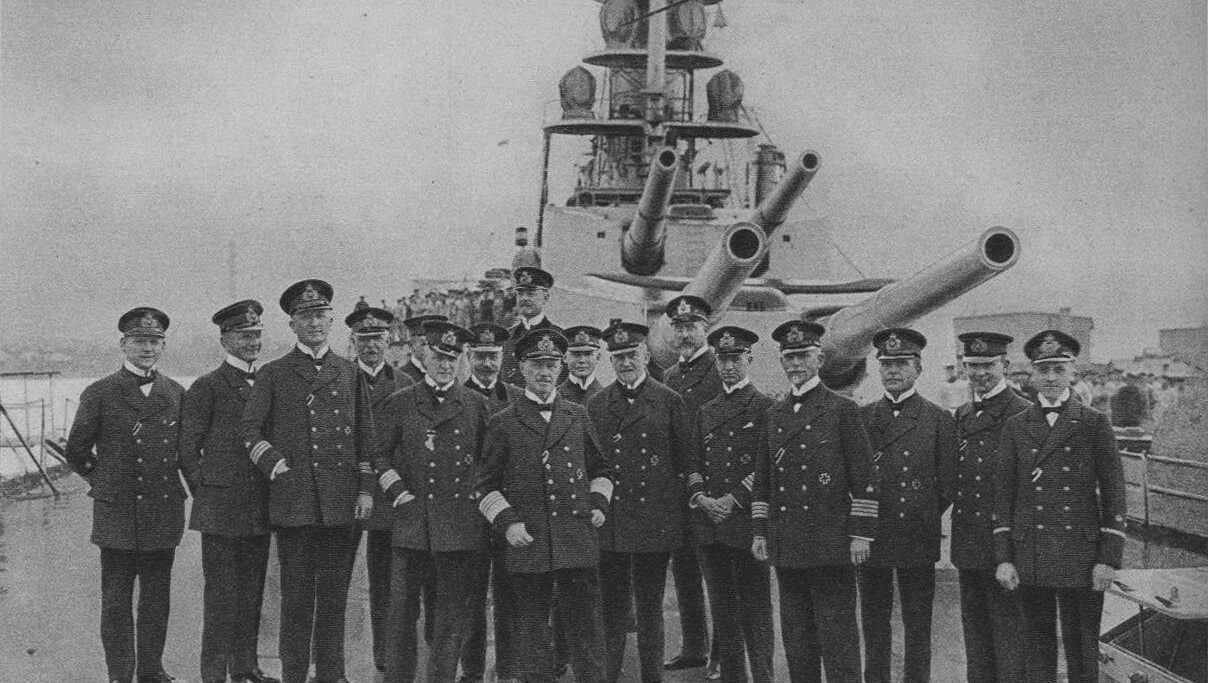
Between egotistical dictators and foolish kings, these ten people failed to listen to good advice and paid the price.
History’s 10 worst listeners who died because they couldn’t take advice


