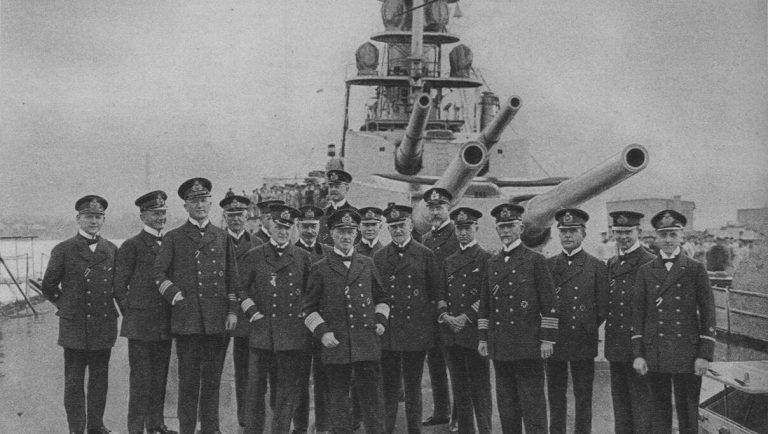

Between egotistical dictators and foolish kings, these ten people failed to listen to good advice and paid the price.
Crassus at the Battle of Carrhae (53 BCE)
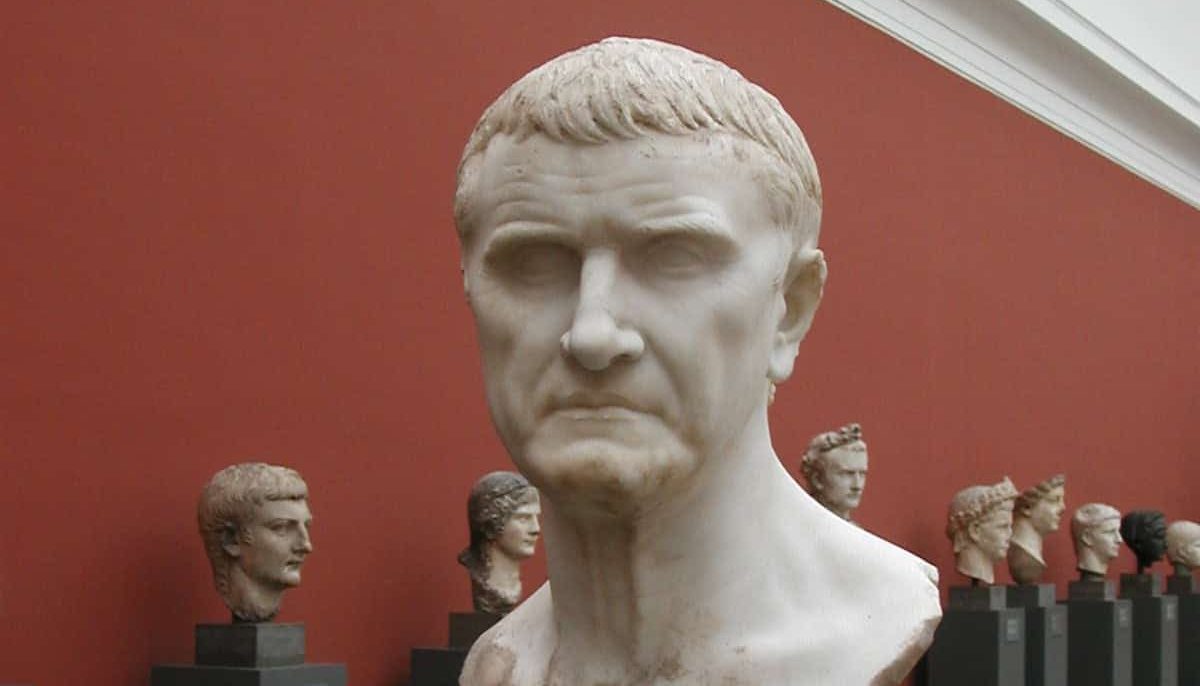
Marcus Licinius Crassus was Rome’s richest man, but he hungered for military glory to one-up Pompey and Julius Caesar.
On his whim to invade Parthia (present-day Iran/Iraq), his Armenian allies pleaded with him to take the long way through the mountains, where Parthia’s monstrous horsemen would be less effective.
Crassus laughed at the idea and instead took his legions into the open, dry desert. Native scouts warned him he was walking into a trap, but Crassus refused all counsel and found himself bogged down by tribes of Parthian horse archers peppering his weary men with arrows.
Ultimately, he was killed during a deceptive peace overture, cementing his status as a prime example of Roman military hubris gone wrong.
General Edward Braddock (1755)

As British General Edward Braddock attempted to seize Fort Duquesne (now Pittsburgh) during the French and Indian War, he was warned by George Washington, then a young officer, and experienced frontiersmen.
Washington said that traditional European open-field, parade-ground style tactics would lead his men to slaughter at the hands of the guerrilla-style fighting utilized by their French and Indian opponents.
Braddock called their counsels cowardice and led his raw regulars into the wilderness against the advice of Washington. The ambush came as the soldiers, marching in tight, uniform lines on the restricted forest track, were set upon by Native American fighters from hidden spots.
General Braddock was fatally shot while attempting to rally his fleeing soldiers into ordered lines, and lost over 50% of his force.
Archduke Rudolf of Austria (1889)
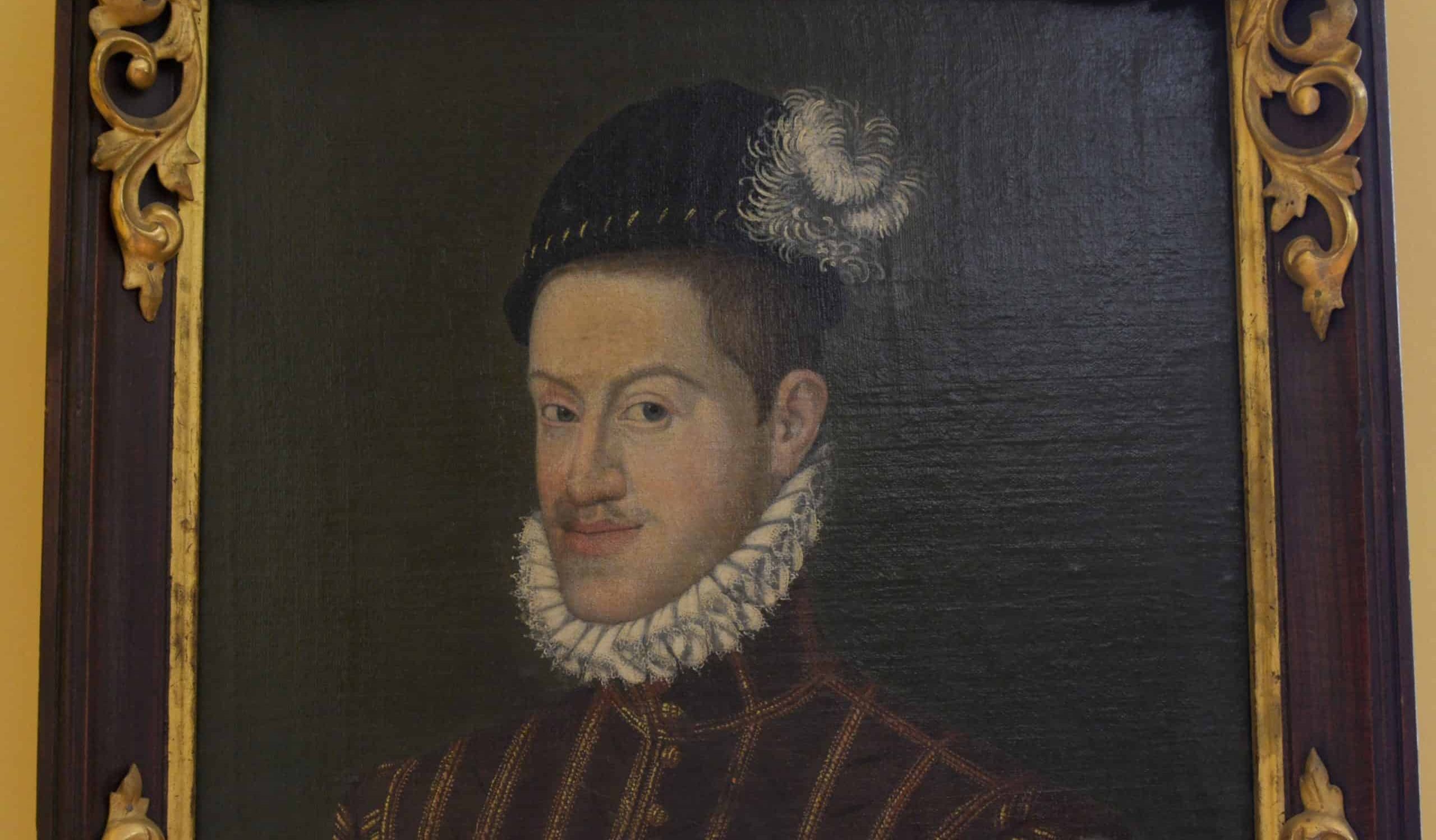
A bad romance between the heir to the Austro-Hungarian throne and the 17-year-old Baroness Mary Vetsera spiraled out of control.
Physicians, political confidants, and even his own father pleaded with Rudolf that he was killing himself and endangering the empire with his rampant depression, drug abuse and drunken escapades.
Rudolf continually rejected his doctor’s advice to slow down and seek treatment. He traveled to his hunting lodge at Mayerling with his mistress, where he shot Mary and then himself.
And his death threw the Empire into crisis.
Admiral Sir George Tryon (1893)
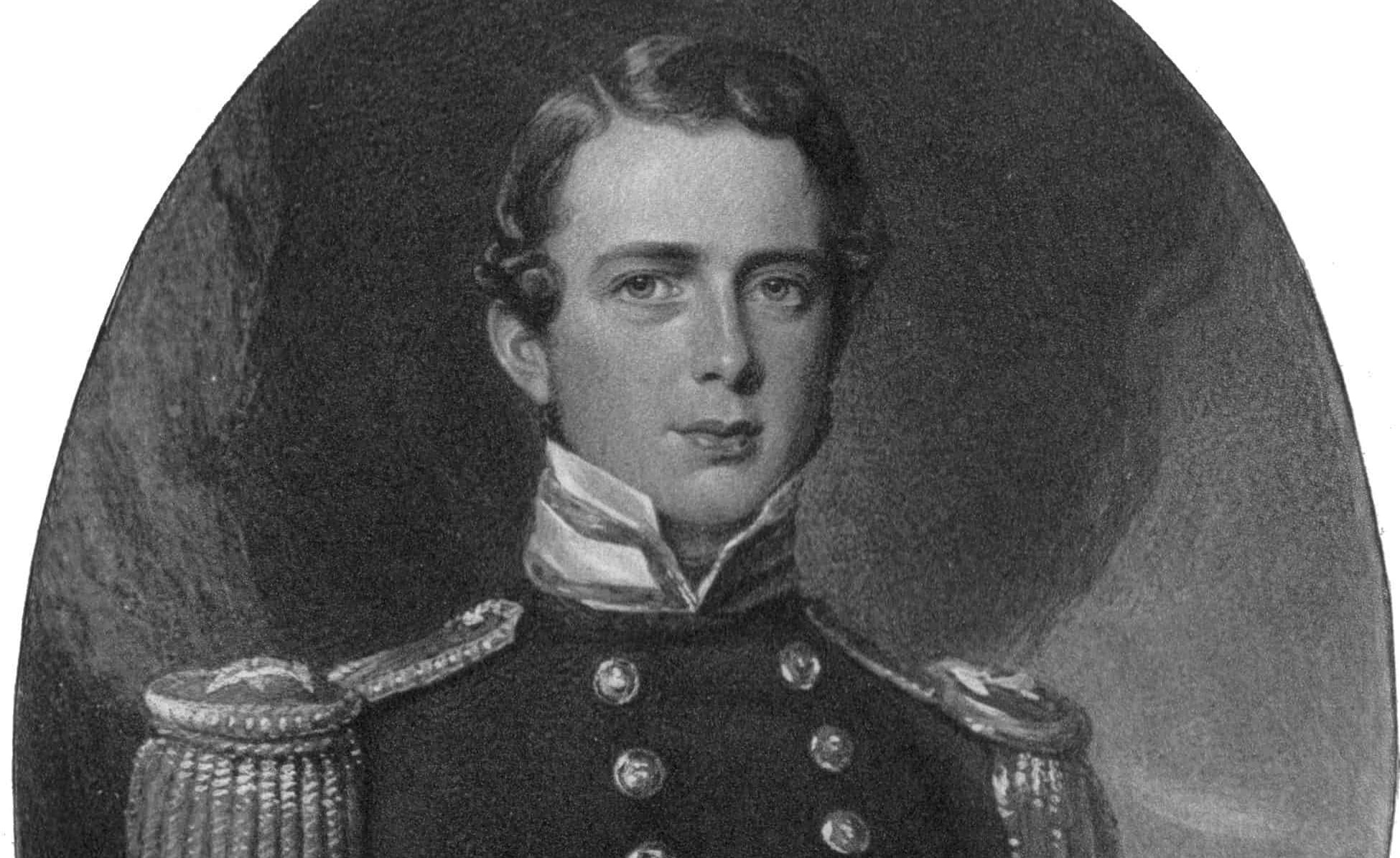
Commanding the British Mediterranean fleet, Vice Admiral Tryon ordered his ships to perform a difficult maneuver off the coast of Tripoli. He signaled two lines of battleships to turn 180 degrees towards each other.
Rear Admiral Albert Markham, Tryon’s second in command, cautioned him that the two columns were only 1,200 yards apart; too close for such enormous ironclads to turn without crashing into one another.
Tryon dismissively scoffed and tersely replied, “Carry out the order!”
Markham, though reluctant, carried out the order, and Tryon’s flagship, HMS Victoria, was struck by HMS Camperdown and went down in mere minutes.
Tryon and 357 of her crew drowned. His last words were “It was entirely my fault.”
Archduke Franz Ferdinand (1914)
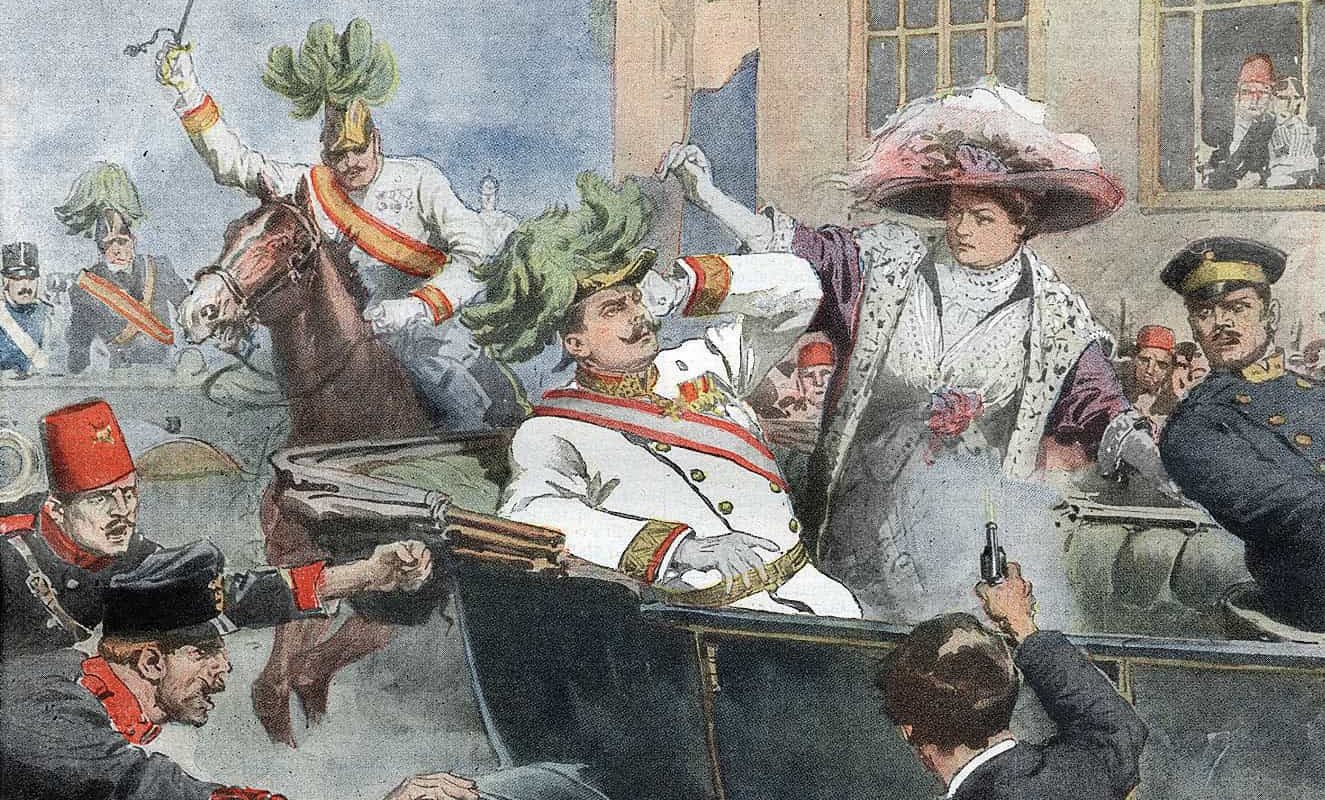
The Archduke was warned personally by members of his intelligence staff and Serbian diplomats that nationalist extremist organizations were conspiring to kill him on his upcoming state visit to Sarajevo.
Senior military officers urged him to either postpone the visit or forgo the planned open car procession through the streets of Sarajevo on St. Vitus Day, a controversial Serbian nationalist holiday.
Ferdinand scoffed at these warnings, saying that he had sufficient protection from the local authorities.
Even after a bomb detonated near his car that morning, injuring numerous bystanders, Franz dismissed the notion of cutting his visit short, only for his driver to make a wrong turn, delivering him straight to Gavrilo Princip. Princip then fatally shot the Archduke and his wife at extremely close range.
Franz Reichelt (1912)
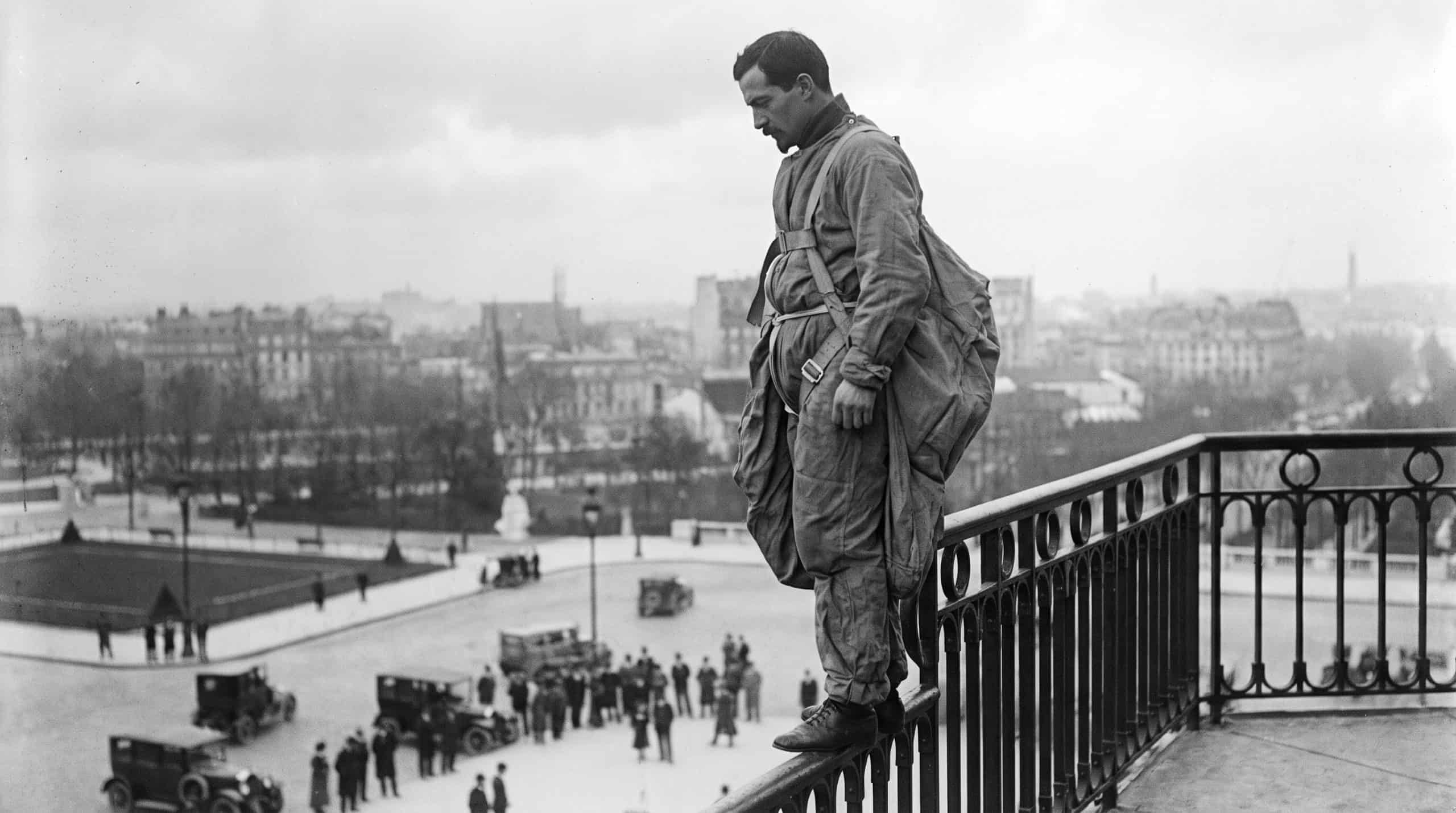
Franz Reichelt was a tailor from Paris who fixated on building a suit that parachute pilots could wear.
Reichelt was told many times by professional parachutists, flight mechanics and policemen that the device was far too heavy, was made of canvas with too little surface area to slow a human plummeting through the air, and was extremely dangerous.
He was finally allowed to test his creation from the Eiffel Tower but only if he attached it to a dummy. The agreement was reached because Reichelt had employed dummies in earlier, unsuccessful drop attempts.
However, when he approached the platform Reichelt wore the suit himself. While he stood on the ledge clutching his homemade parachute, distraught friends, police and crowds begged him not to jump.
Ignoring their cries Reichelt jumped from a height of 187 feet and fell to his death when the garment failed to open.
King James IV of Scotland (1513)
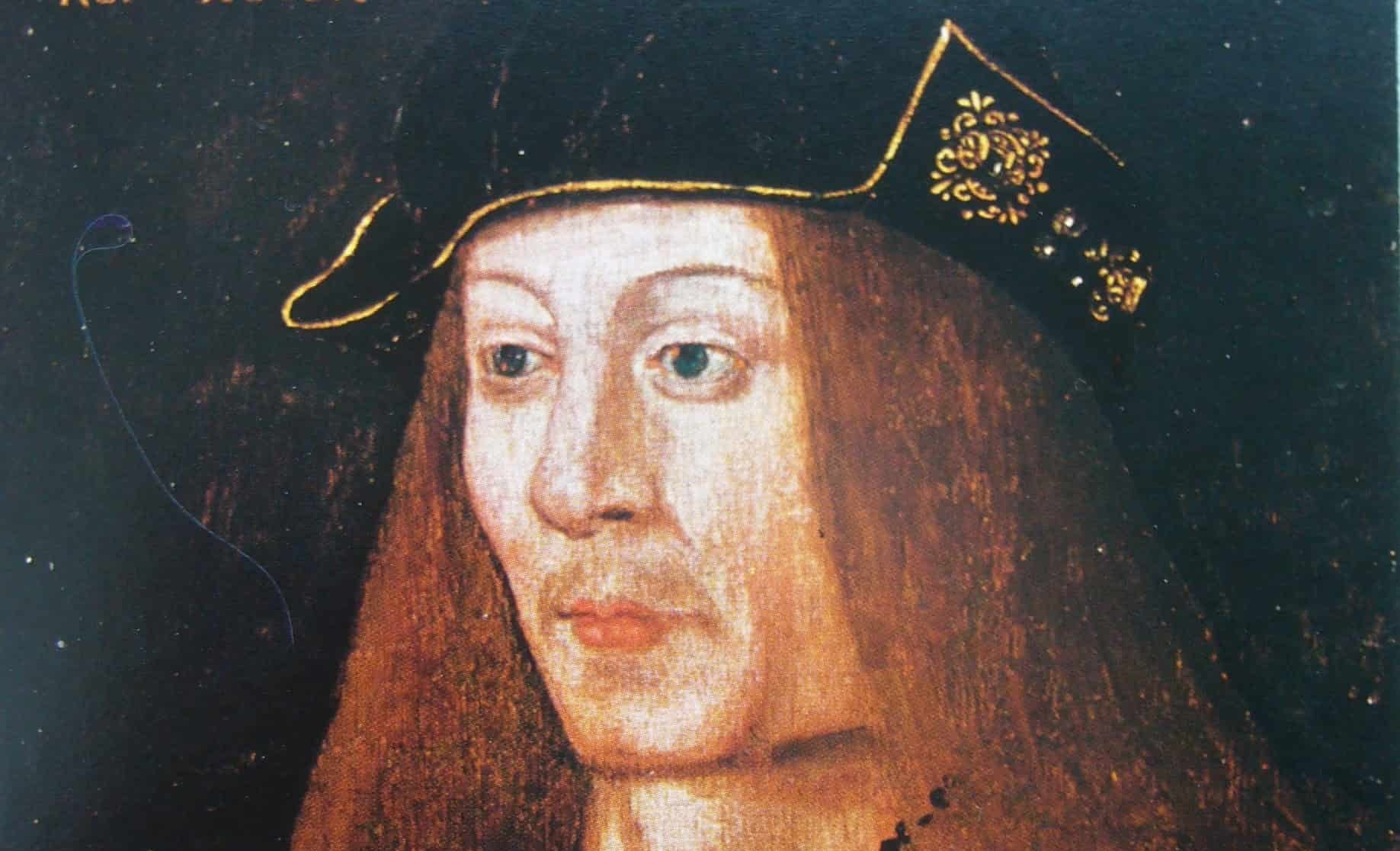
King James IV, as he prepared to march south into England for the Battle of Flodden, received clear military counsel from his most senior noble, the Earl of Angus, and experienced warriors.
They told him to maintain his position atop Branxton Hill, a near-invincible fortress by any standard, and allow the starving English soldiers to assault him uphill.
However, when the English commander taunted James’s sense of chivalry and honor, James flew into a rage, abandoned his tactical high ground, and charged down into a marshy ravine.
His dense formations of pikemen fell apart in the churned-up mud. They were slaughtered by English billhooks and the Scottish nobility was massacred along with their king.
Charles the Bold, Duke of Burgundy (1477)
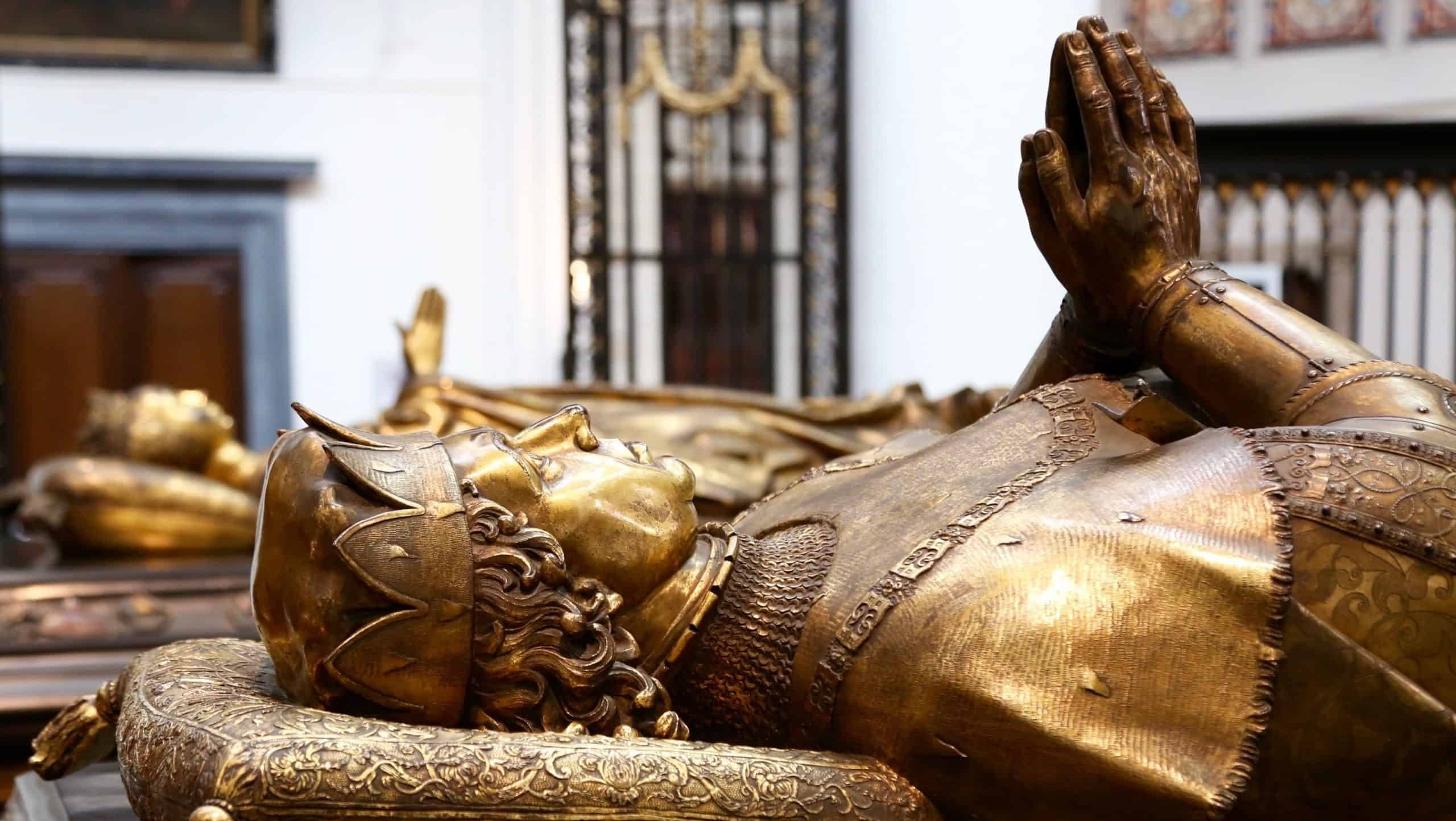
Driven by dreams of a kingdom bridging France and Germany, Charles heard dire warnings from his trusted circle and the Italian mercenaries: his forces were decimated, supplies were critically low, and he faced overwhelming odds following recent losses.
They implored him to return to his capital, re-arm and give pursuit to the murderous Swiss confederacy until spring.
Ignoring every warning out of stubborn pride, Charles resolved to lay siege to Nancy.
The Swiss army rolled in during a blizzard, catching his starving troops by surprise. Charles’s army was routed, and his body was found days later, frozen in a pond, naked and half-devoured by wolves.
Admirals Scheer and Hipper’s command staff (1918)

During the final weeks of World War I, high-ranking officers of the Imperial German Navy devised a suicidal final battle against the British Grand Fleet simply to regain their own honor.
Naval intelligence agents, captains, and government officials warned admirals that crewmen were well aware that Germany had lost the war and would violently rebel if sent to die in a kamikaze attack.
The High Command ignored these pleas, dismissing them as fear of political repercussions, and began preparing the fleet for launch from Wilhelmshaven.
What followed was an immediate mutiny by the German sailors, who took control of the fleet’s ships and killed many officers who tried to stop them.
The revolution eventually brought down the German Monarchy after spreading throughout the country in just a few days.
Qin Shi Huang, First Emperor of China (210 BCE)
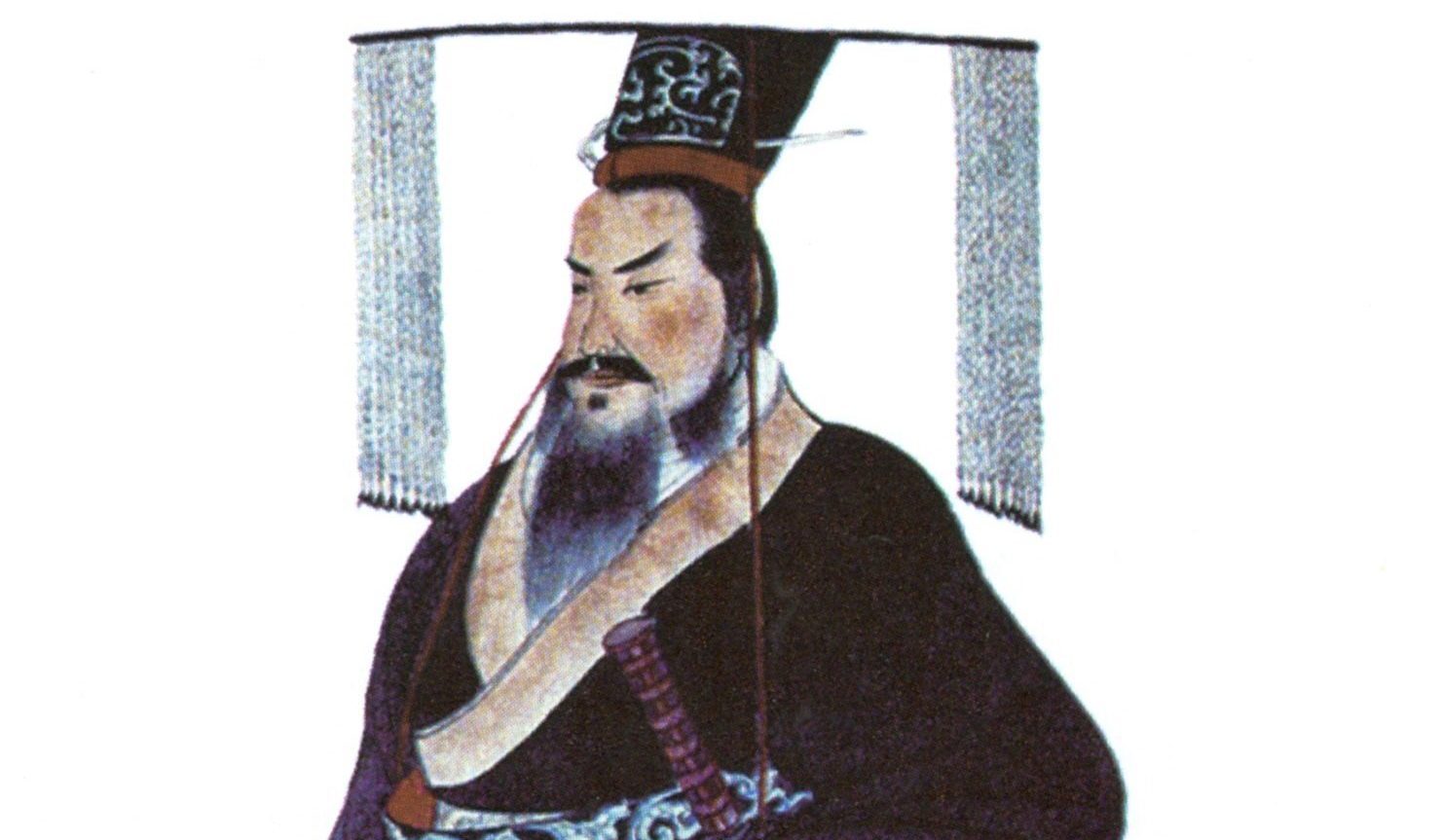
Seeking physical immortality at any cost, Qin Shi Huang gathered court alchemists from across China and had them concoct potions he could ingest to increase his lifespan.
His most rational royal doctors tried to warn him that the potions contained large amounts of heavy metals such as cinnabar (mercury sulfide) and were slowly killing him, leaving him with violent tremors, paranoia, and bodily degradation.
Qin Shi Huang dismissed them out of hand and accused them of treason. He banished or put to death anyone who attempted to talk him out of taking the immortality pills.
He kept downing large doses of mercury every day until he died, a victim of severe heavy metal poisoning, at 49 while on a tour of his eastern territories.
Sources: Please see here for a complete listing of all sources that were consulted in the preparation of this article.
Like our content? Be sure to follow us.
The 13 creepiest people in history

Every so often, history throws up individuals who were so bizarre, depraved, or downright evil that they defy belief.

