

We all know that technology has made life way easier in a million ways—but, somehow, it also has made everyone a lot more tired. Whether it’s how we work or how we relax, technology has given us a lot of bad habits that simply didn’t exist a few years ago. Here are fifteen ways technology has made life easier but also so more exhausting. Are all these screens even worth the hassle anymore?
Featured Image Credit: AllaSerebrina /Depositphotos.com.
Group Chats Never Sleep

Group chats have made it rather easy to plan a birthday party in five minutes, yet there’s always at least one buzzing all day & night, whether that’s family chats or work threads. You might even keep getting pings from random groups you forgot you were in—it’s like having a second job just trying to keep up. It’s not like you’re able to even mute these chats because if you do, you’ll miss something important.
Smart Home Devices Created More Things To Fix

All the smart technology in our homes—like smart speakers, smart fridges & smart thermostats—does cool stuff like turning off your lights with a voice command. But when they glitch (and they always do at some point), you’re left Googling error codes or resetting your Wi-Fi router just to make your coffee machine work again. It’s so annoying having to deal with these issues, yet it comes with having all this technology.
Online Calendars Packed Our Schedules Tighter
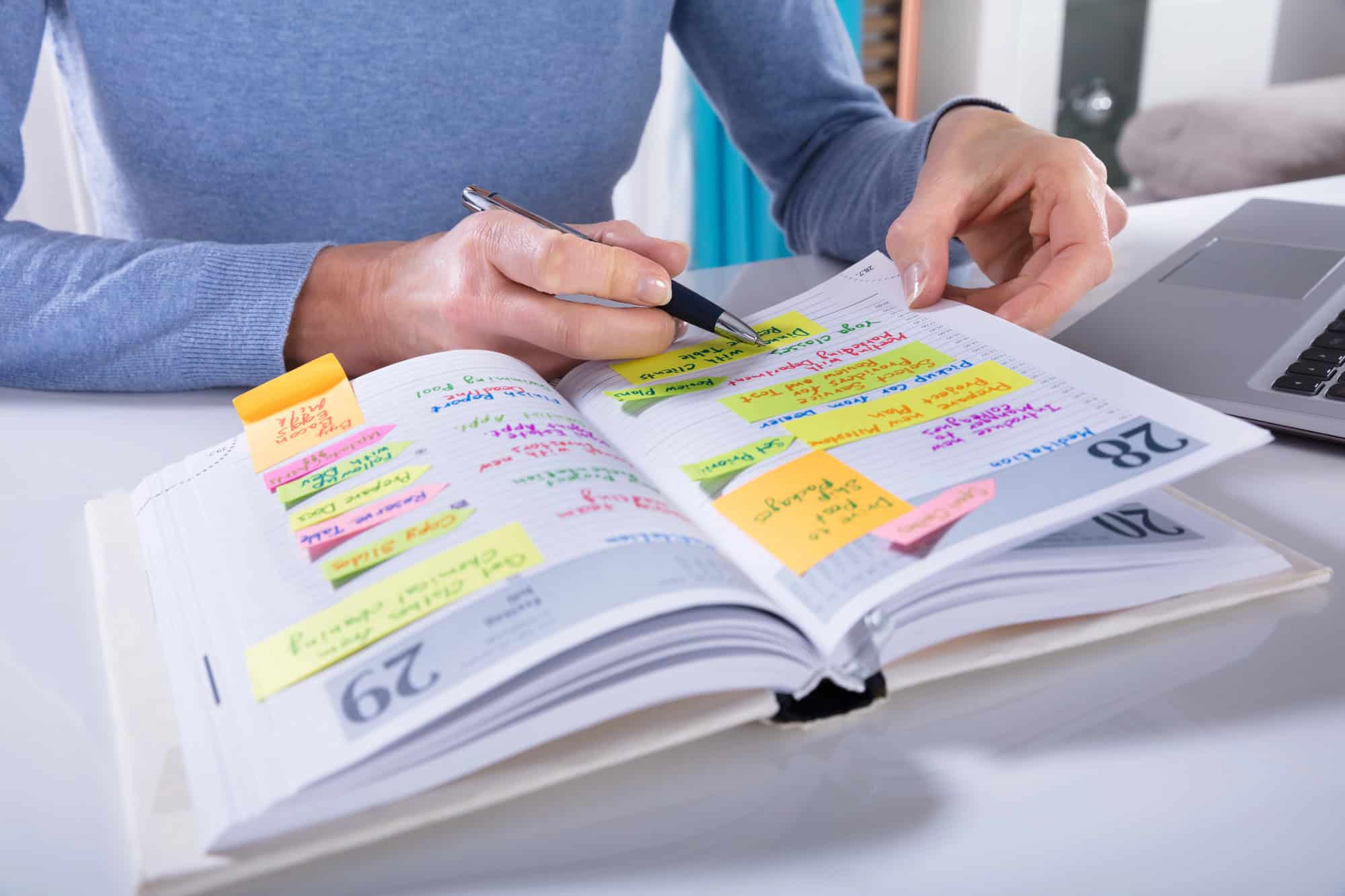
It’s much easier to schedule things now, thanks to digital calendars, as you don’t need to send dozens of emails to set up a meeting. But the catch is that it’s so easy to book things that people cram their days full from morning to night—nobody really leaves gaps anymore. This means that back-to-back appointments are the norm instead of the exception that they once used to be.
Passwords Became Another Full-Time Job
Gone are the days when putting in “1234” could unlock everything—between work, shopping, banking & streaming, the average person manages around 100 passwords, which you have to update every few months. If you don’t, you get those nagging “your password is weak” emails that just don’t stop and this makes keeping track of your passwords rather exhausting. Security is important, of course, but sometimes we question if it’s really worth it.
Two-Factor Authentication Made Logging In a Mini-Adventure
We also have two-factor authentication that makes logging into accounts way safer, although it means you can’t just remember a password to log in. Instead, you also need to hunt for your phone & copy security codes, or perhaps through emails, every time you log into something. What used to take two seconds easily takes two minutes or more now, just to prove that it’s really you logging in.
Online Reservations Made Last-Minute Plans Rare

Even though booking dinner or a haircut is much faster online, the side effect is that everything needs to be scheduled way earlier now—you can’t just walk into a place to get a table anymore. Last-minute spontaneity has pretty much turned into another appointment you need to remember weeks ahead. It’s tiring just trying to find somewhere that’ll fit you at the time that you’re looking for.
Fitness Trackers Turned Relaxation Into Homework

In theory, activity trackers make it a lot easier to stay aware of health goals—but the reality is that even relaxing comes with guilt trips. Failing to hit your step count or get your “ideal sleep score” means that your watch will buzz to remind you and send you a bunch of notifications about your poor health. Rather than health advice, it feels more like you’re getting graded 24/7 by your watch.
Digital Receipts Made Buying Easier but Managing Purchases Harder

The majority of stores now give you digital receipts to cut down on paper waste and make returns easier, although our email inboxes are now full of random receipts we don’t even remember agreeing to. Keeping track of purchases takes more effort because the proof is buried somewhere between ads & order confirmations. You’ll have to dig through hundreds of emails just to find a single receipt, which has made a small task much more frustrating.
Email Filters Created Hidden Stress

Speaking of emails, inbox filters were meant to make everything a lot cleaner but they’ve actually forced us to check three different folders instead. We have to make sure important stuff isn’t stuck in “Promotions” or “Spam” because, somehow, it always does. Just managing your inbox feels like you’ve signed up for another job—and it’s one that doesn’t pay.
Streaming Services Made Watching TV Weirdly Stressful

Streaming promised entertainment freedom and it definitely delivered…along with 500 shows you “have to” watch, so you do anything but relax. People spend hours scrolling & reading reviews, then second-guessing their streaming choices. Picking something to watch has somehow become a bigger decision than buying a car and you’re constantly worried that you’ve made the “wrong” choice.
Auto-Updates Keep Devices in a Constant State of Chaos

Auto-updates once sounded amazing because you don’t have to remember to upgrade your apps—your phone or computer will do it for you. However, the reality is that they often happen at the worst times and mess up your settings, or maybe even break things that were working fine before. You have to constantly relearn how your phone or laptop works, whether you want to or not.
Social Media DMs Blurred Work and Life
It used to be quite clear where work ended & personal life began, but the rise of social media like LinkedIn has changed that. You might get work questions at 11 p.m. from a random client or coworker and just being reachable everywhere means you’re never really “off.” Instead, clients and employers expect you to respond to their messages within 24 hours.
App Notifications Make It Impossible To Focus
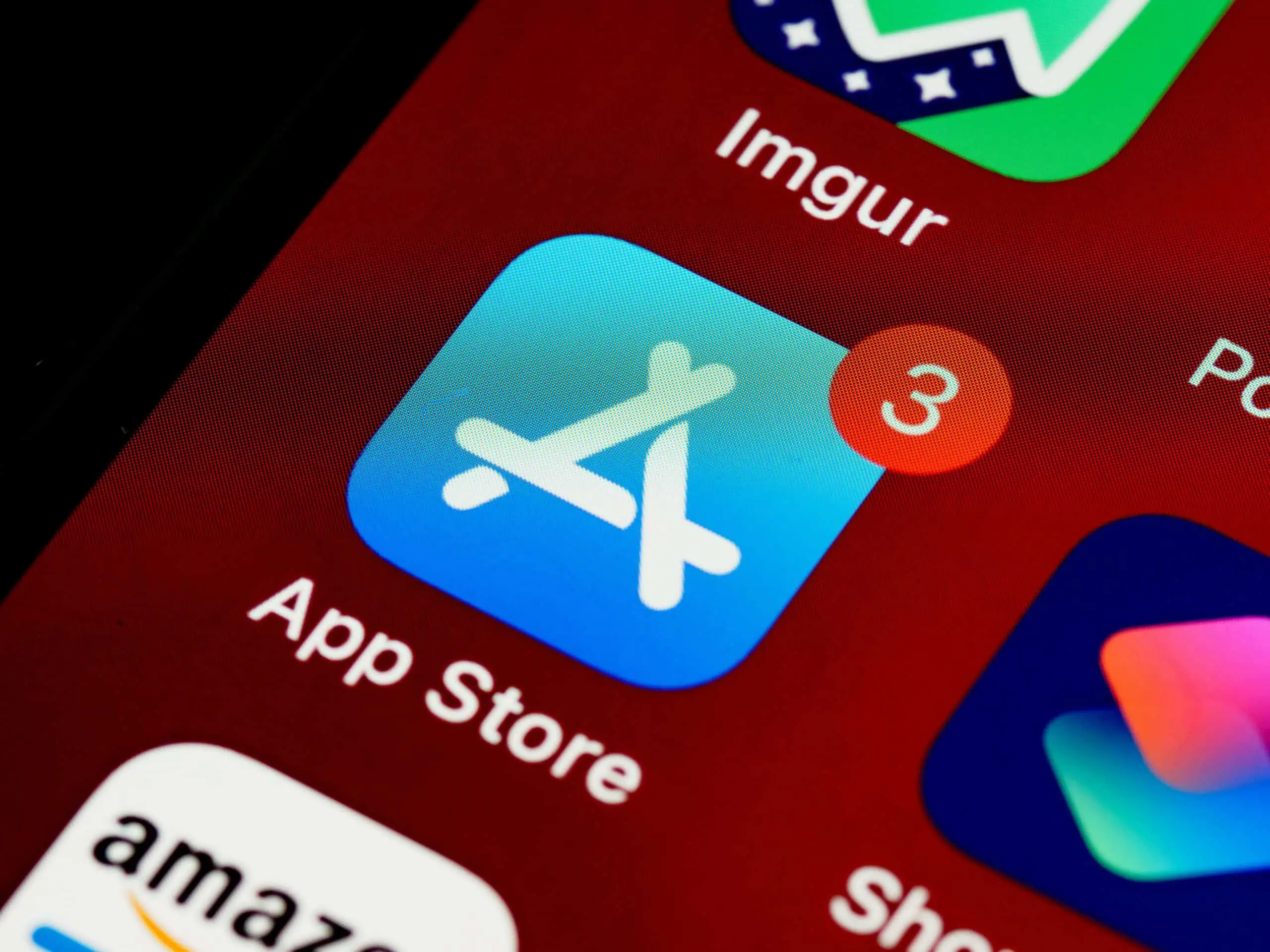
Many apps are supposed to make us productive, like calendars, reminders & wellness apps, yet these are the same apps that send you notifications all day long. One notification to drink water, another to stand up, another to check your tasks—you’re constantly bombarded with things to do. It becomes rather overwhelming trying to prioritize which of these tasks you should do first.
Grocery Delivery Apps Create Decision Fatigue

Ordering groceries through apps saved us many hours that we used to spend wandering aisles, although every shopping trip now involves choosing from endless brands. You have to watch out for double-checking replacements and be mindful of random substitutions—it’s made the entire shopping experience more exhausting. Such a simple task feels far more draining than it should be.
AI Chatbots Turned Simple Problems Into Marathons

Chatbots were meant to make it faster to get basic help without waiting on hold for hours—but AI bots often misunderstand questions and send users in circles. They can’t solve anything beyond super simple tasks and rather than saving time, people have to rephrase their problems over & over. You’re lucky if you’re ever able to speak to a human and what should take two minutes drags out for much longer because getting real help is harder to reach.
Disclaimer: This list is solely the author’s opinion based on research and publicly available information.
Like our content? Be sure to follow us on MSN.
Read More: