
Everyday life used to have lots of small moments that felt so exciting & real, although a lot of those things have slowly disappeared without much warning. Today, algorithms step in before people even have time to think—they predict your music task & show you restaurants without you asking. Here are seventeen simple pleasures that got replaced by algorithms. Honestly, it’s quite shocking to see just how much personal choice has been taken over by tech that tracks our clicks and behavior patterns.
Featured Image Credit: Rawpixel /Depositphotos.com.
Flipping Through a Record Store to Find Music

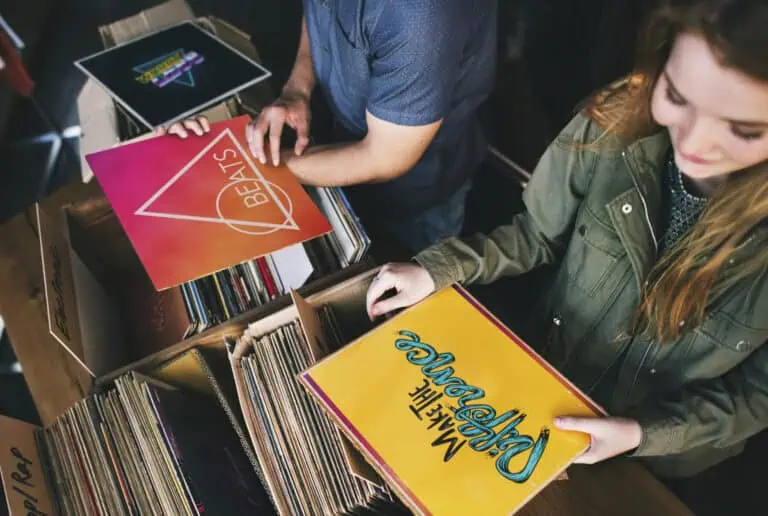
Finding music once involved digging through rows of records & checking out album covers, while also reading the tiny notes on the back and picking something just because it looked interesting. It was a slow process with no rules—quite a change from the music apps we have today, which use algorithms to recommend songs. They even create daily playlists with songs you haven’t heard yet and this cuts down the time you might spend exploring on your own.
Listening to a Full Album in Order
Likewise, listening to an album from beginning to end used to be normal because artists put thought into the track order to create a full experience. These days, music apps push playlists & shuffle features, with algorithms often mixing songs based on your recent favorites. It’s a lot less common for people to hear an album exactly the way the artist intended.
Guessing What Movie to Rent Based on the Box
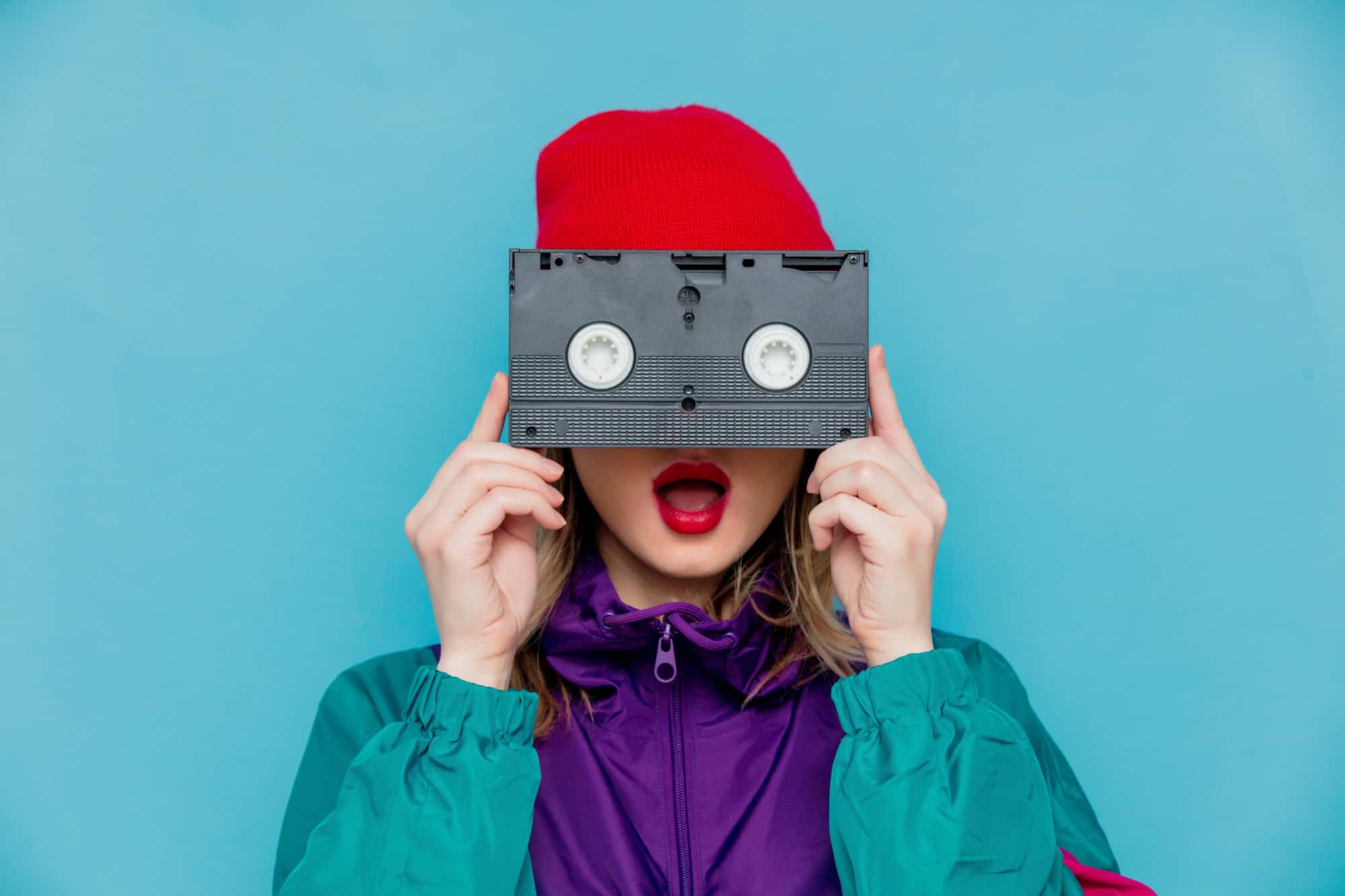
In the past, Friday movie nights meant standing in a video rental store & reading the backs of VHS tapes, with some covers being the only clue about whether a movie was worth renting. There were no online ratings or trailers on demand—you had to simply guess. Today, streaming services push movies based on your past viewing and they’ll send push notifications when a title they think you’ll like becomes available.
Finding a Restaurant by Wandering Around
Anytime that you wanted to choose a place to eat, you’d walk around town and check the menus in windows, perhaps even see how busy a spot looked. You may even have based your decisions on the smells coming from the kitchen or how friendly the staff seemed. But our modern apps suggest restaurants by showing ratings & personalized lists, all before a person even steps outside.
Picking a Book Just Because It Looked Interesting

Bookstores & libraries encouraged us to slowly browse through their collections and people picked up random books simply based on the title or cover design. Unfortunately, online stores show recommendations because of your browsing patterns or the buying habits of people who bought similar books. This makes the pleasure of random finds less likely, which is a real shame.
Discovering TV Shows by Channel Surfing

Channel surfing was once a nightly routine and you’d sit with a remote as you flipped through channels, which led to finding shows you didn’t know existed—sometimes it was a sitcom, other times it was a weird cooking show. But whatever you stumbled upon, it was quite different from today’s streaming platforms that recommend shows because of what you’ve watched before. They fill up the screen with titles that the computer predicts you’ll finish.
Browsing Late-Night Infomercials

Speaking of TV, when you were channel surfing at night, you used to stumble across strange infomercials for kitchen gadgets, fitness DVDs & miracle cleaning sprays. There was no way to predict what ad would come on next and although those commercials still exist, targeted advertising on our phones is much more common. They’ll share content with you based on your buying behavior & scrolling patterns, replacing that random mix of late-night pitches.
News Aggregators Showing Only Stories They Predict You’ll Click
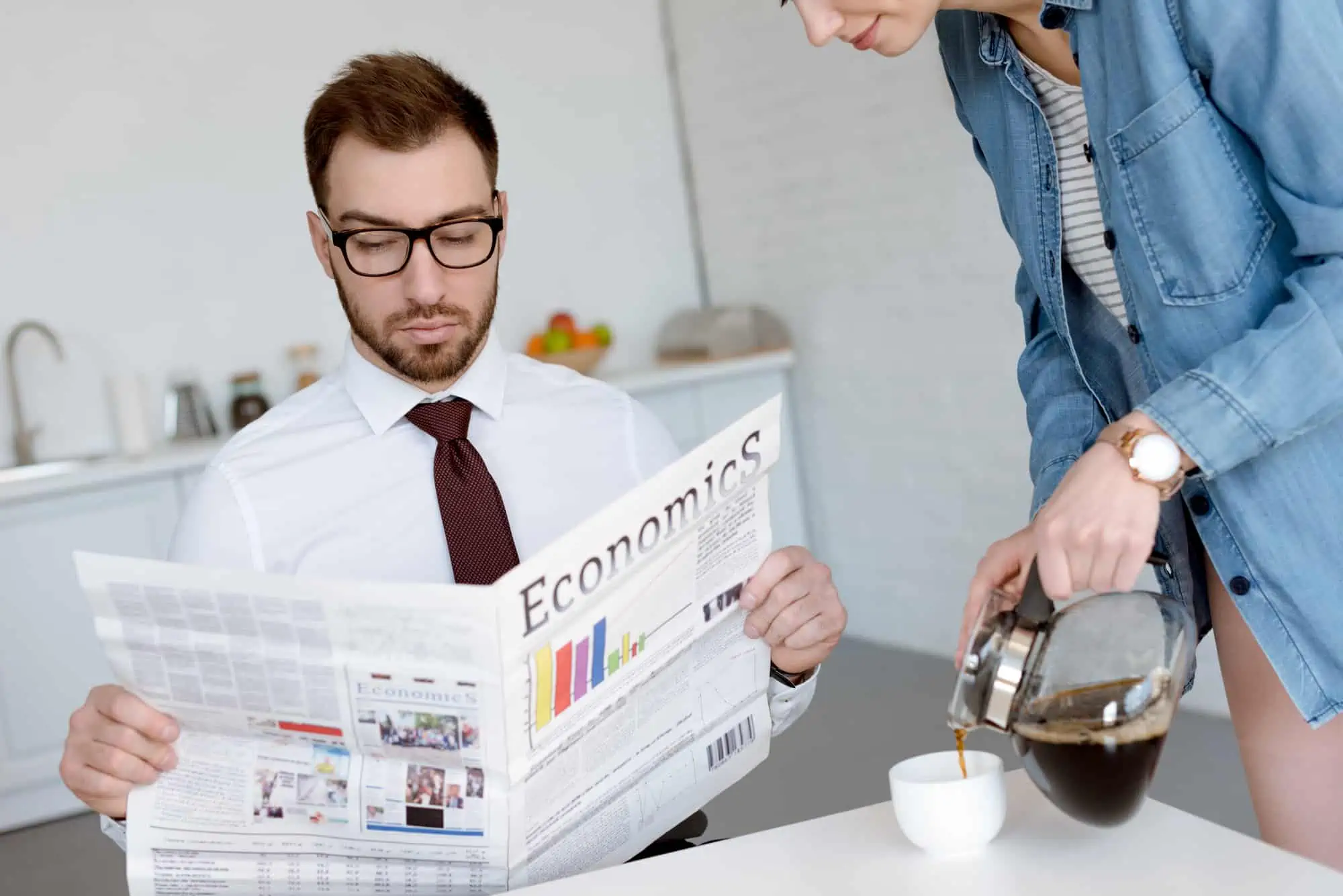
When you open a news app now, you don’t just see the biggest headlines as algorithms select stories for you, using data from your past clicks & scrolling behavior. These news agencies will reorder entire sections so the first stories you see are the ones you’re most likely to engage with. These stories aren’t necessarily the most important or interesting news for everyone.
Dating Apps Hiding Matches You Might Not Swipe On

Dating apps have also stopped showing users randomly because algorithms decide who you see—they’ll use your message patterns, how long you look at photos and even when you usually swipe right. People who don’t fit your predicted “type” may never even appear and this cuts down on meeting different kinds of people you might have liked in real life. Dating apps have always used some level of math to decide who to show you but algorithms have taken things to the next level.
Learning About New Video Games from Magazines

There was nothing like grabbing a new gaming magazine and flipping straight to the previews, where you’d see tons of grainy screenshots that somehow made every game look amazing. You would make mental notes or maybe even rip out a page if you were really hype—but not anymore. You simply log into a store to see a wall of “recommended for you” that kinda takes the hunt out of it.
Finding Local Events on Community Flyers
Those messy corkboards at grocery stores told you about the weirdest stuff in your community—one flyer would be for a dog costume contest, the next for a backyard concert. None of it had anything to do with what you were already into, yet that was part of what made it so fun. These days, apps stalk your likes & RSVPs so they’re able to feed you a tight little list of “events you’ll probably enjoy.”
Radio Stations Auto-Generating Playlists Instead of Live DJ Choices
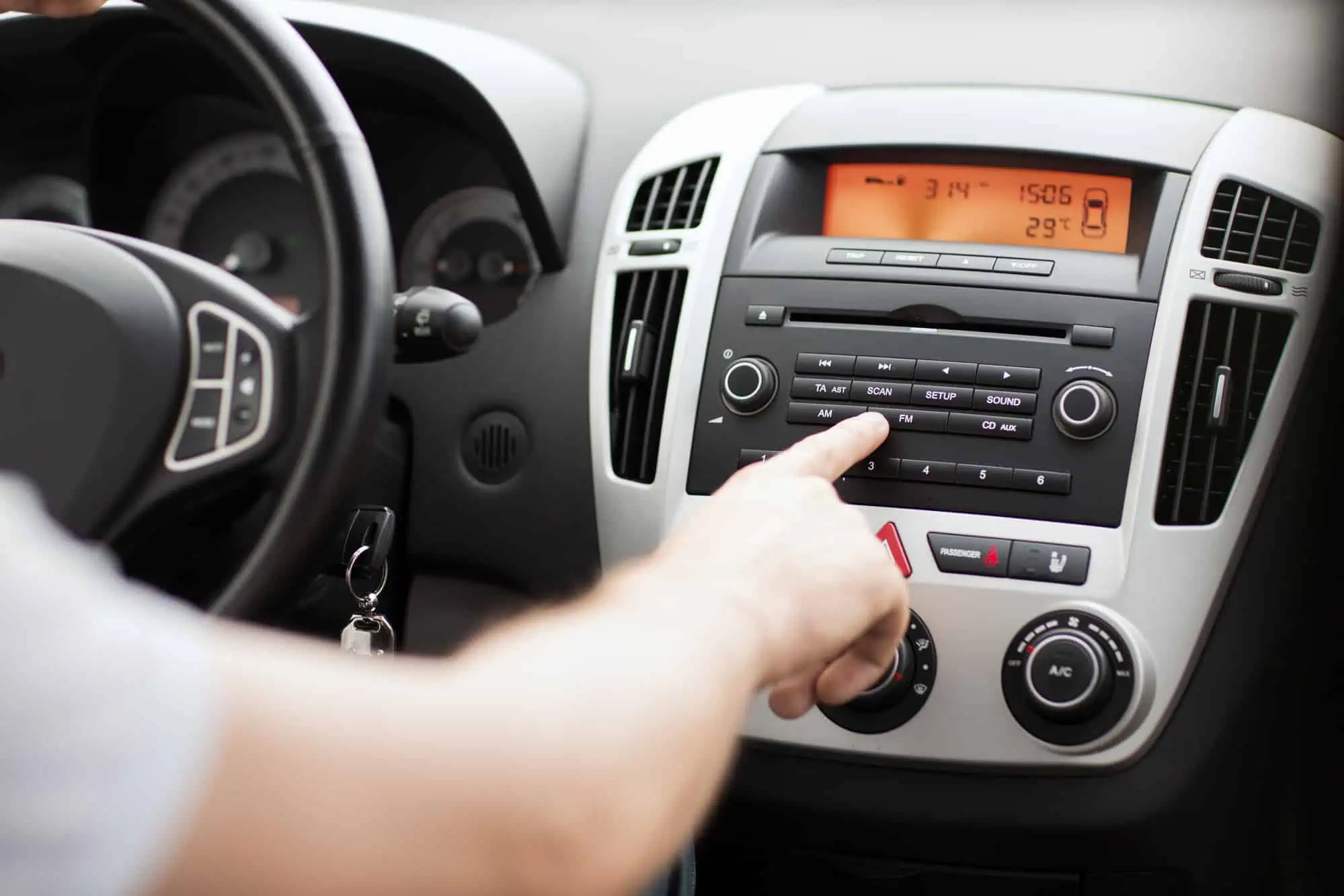
Radio DJs were much more random than they are today because you could be listening to a b-side from some ‘70s punk band, followed immediately by jazz hour. You never knew what mood the DJ was gonna be in—but now a computer looks at what’s popular & spits out the safest, most statistically successful playlist possible. It’s music math, with no mood swings allowed.
Online Stores Sorting Products by Predicted Preferences

But that’s not all for shopping—it used to be if you searched for “jacket,” you saw, you know, jackets, whether they were leather ones, fluffy ones, or bad ones. But online stores rearrange the list before you even blink, based on your clicks & cart history, so they can give you clothing that they think you’ll like. Rather than a search, shopping has become a prediction game as you try to look beyond the algorithms.
Traveling Without Pre-Planned “Top Picks”

Travel apps & websites suggest “must-do” attractions whenever you’re going on vacation and they’ll use your travel history, as well as reviews, to send you recommendations. It’s nothing like before, when you might pick a town to visit & simply wander around. Algorithms have changed the experience of discovering a place for yourself by feeding pre-filtered suggestions into your trip.
Job Boards Personalizing Listings by Predicted Fit

Job hunting used to be a lot harder because you’d need to scroll through every weird, badly written posting—and maybe apply to something just because the title sounded cool. But the boards rank everything for you by seeing what people like you apply for. These algorithms have taken away some of the enjoyment we used to feel from discovering new career paths all on our own.
Making Friends Through Random Conversations

Meeting people was also rather different because you’d actually meet them—whether that was from sitting next to someone on a train or talking about their dog at the park. There was no data, no filters. These days, apps try to match you with “perfect” friends because of shared Spotify playlists and Myers-Briggs types, even though real friendships didn’t need an algorithm to decide you’re 86% compatible.
Social Media Decides Which Friends’ Posts You See

Likewise, in the early days of social media, you’d see your friends’ posts when they actually posted them, such as your cousin’s engagement or your neighbor’s angry rant about recycling. These posts were all jumbled together in real time—until the algorithms stepped in to show you a three-day-old photo of a burger you hovered over for two seconds. It means we might miss our best friend’s wedding pics because the computer doesn’t think you’ll look at it for long enough.
Disclaimer: This list is solely the author’s opinion based on research and publicly available information.
Like our content? Be sure to follow us on MSN.
Read More: