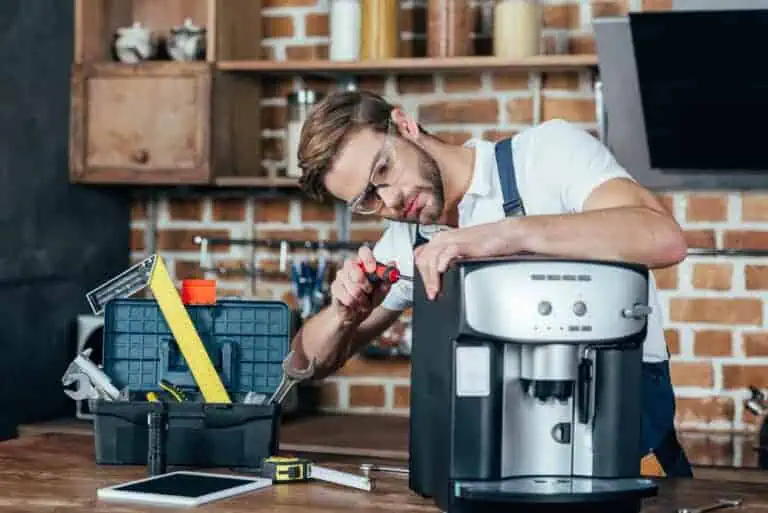

A lot of stuff around the house used to last for years without anyone even thinking about it—you’d buy it once, use it every day & just expect it to keep working. Unfortunately, a lot of those same things wear out & break after about a year these days, which isn’t merely because of how people treat them. Let’s look at twenty household items that really don’t last like they used to. If something feels flimsier now, there’s usually a reason for it.
Featured Image Credit: IgorVetushko /Depositphotos.com.
Nonstick Pans

Nonstick pans used to be built with thick, heavy coatings that stayed smooth for years but now a lot of nonstick coatings start bubbling after just a few months of regular cooking. It doesn’t matter if you only use soft utensils & low heat—many modern pans wear down fast because the cheaper materials have replaced the older, more durable coatings. Any steam or oil splatters may also make the surface break down much faster than before.
Sofa Cushions

In the past, manufacturers stuffed old sofas with thick, dense foam that stayed firm through years of daily use, although today’s sofa cushions tend to sag within a year. It’s worse if they’re used a lot. Manufacturers have switched to using lower-density foam to cut costs, while thinner padding & lightweight frames make modern couches lose their shape quickly, even if you rotate the cushions regularly.
Washing Machine Seals
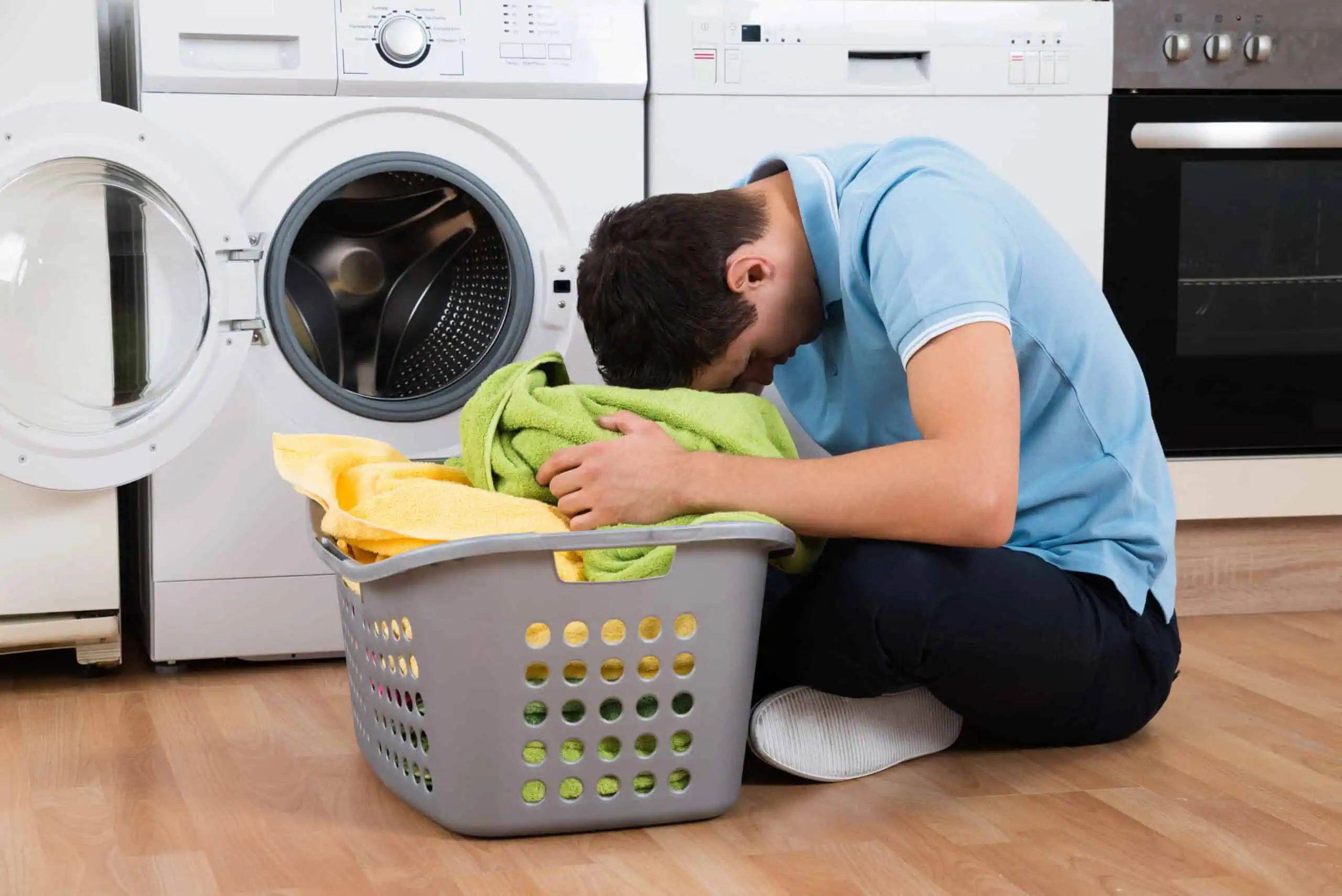
Older washing machines had thick rubber seals that held up for years, no matter how many times you used them—but many modern washing machines use lighter & cheaper rubber. It starts to crack or tear within a year, while heat from hot water cycles also weakens these seals quickly. You’re all out of luck once they wear out because this may cause leaks or mold around the door.
Ceiling Fans

Once upon a time, ceiling fans were solid machines that ran quietly for decades, yet a lot of newer ceiling fans use cheaper motors & lighter blades that wear out faster. After a year, it’s normal for them to start making clicking sounds and losing speed—some models are also more sensitive to dust buildup around the motor. This may cause extra strain and premature breakdown, with no easy way to avoid it from happening.
Microwave Keypads

One of the quickest ways to spot a worn-out kitchen is a microwave with a keypad that barely works. Most newer microwaves have these flimsy membrane pads that are unable to handle much daily action—you also have steam & grease to worry about because these get into the layers and short them out. After about a year, you’re left jamming the “Start” button five times before anything happens, which isn’t great when you’re starving at midnight.
Vacuum Cleaner Belts
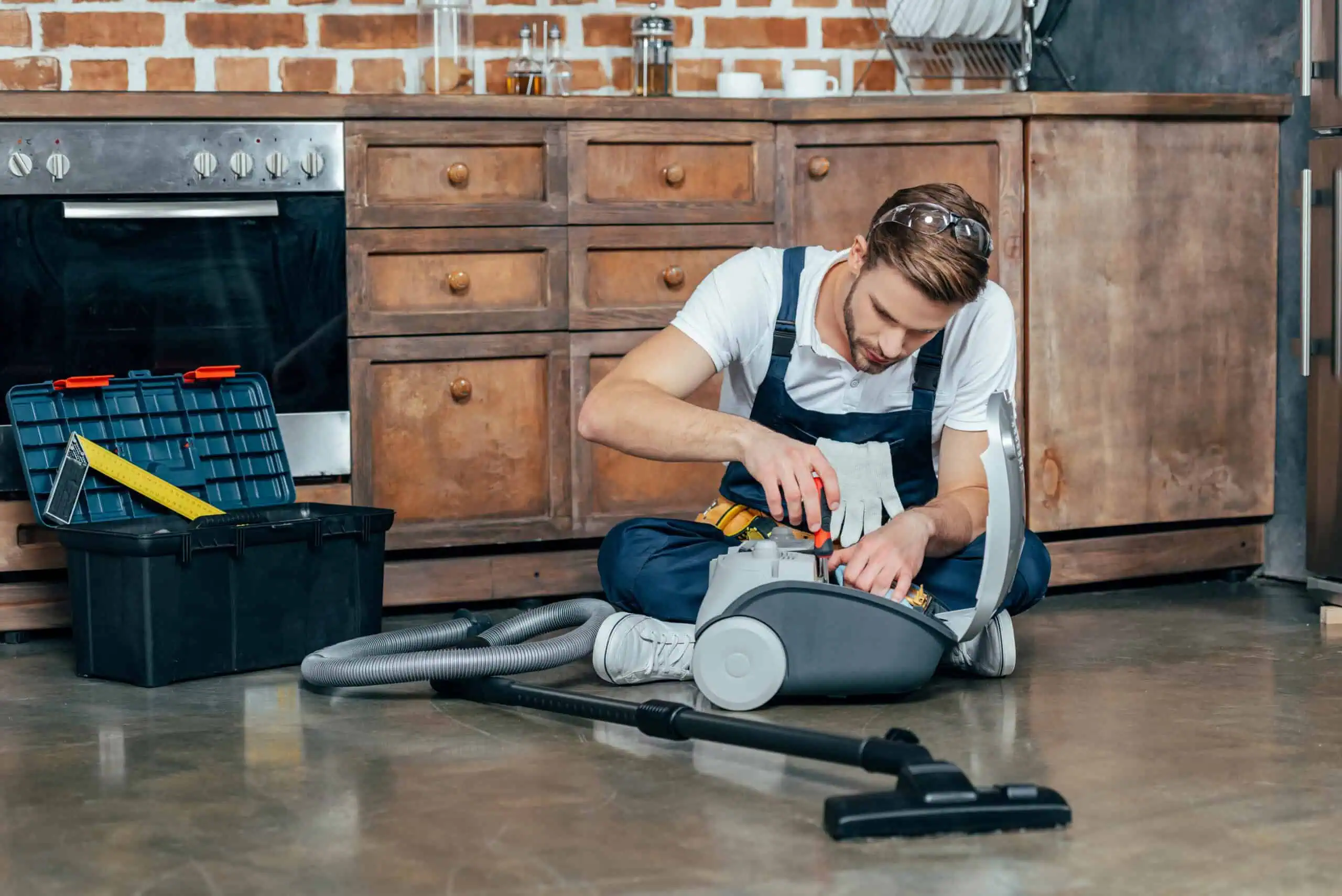
Vacuuming isn’t exactly anyone’s favorite thing to do and it gets even worse when the belt gives out mid-clean—it’s because of the materials manufacturers use to make modern vacuum belts. They’re made from thinner rubber that just can’t handle regular use on thicker carpets, regardless of whether you baby your machine. That belt will stretch, slip, or snap way sooner than you’d expect—sometimes just after a few heavy-duty cleanings.
Bed Sheets

Buying a fancy new set of sheets today feels exciting, until you realize they don’t even last a year, as lots of modern sheets are woven thinner & wear out fast. Even with ones that claim high thread counts, you’ll start spotting little pills and thinning spots, as well as random tears after enough washes. But that’s not all, because the color fades way before the fabric does.
Toaster Levers
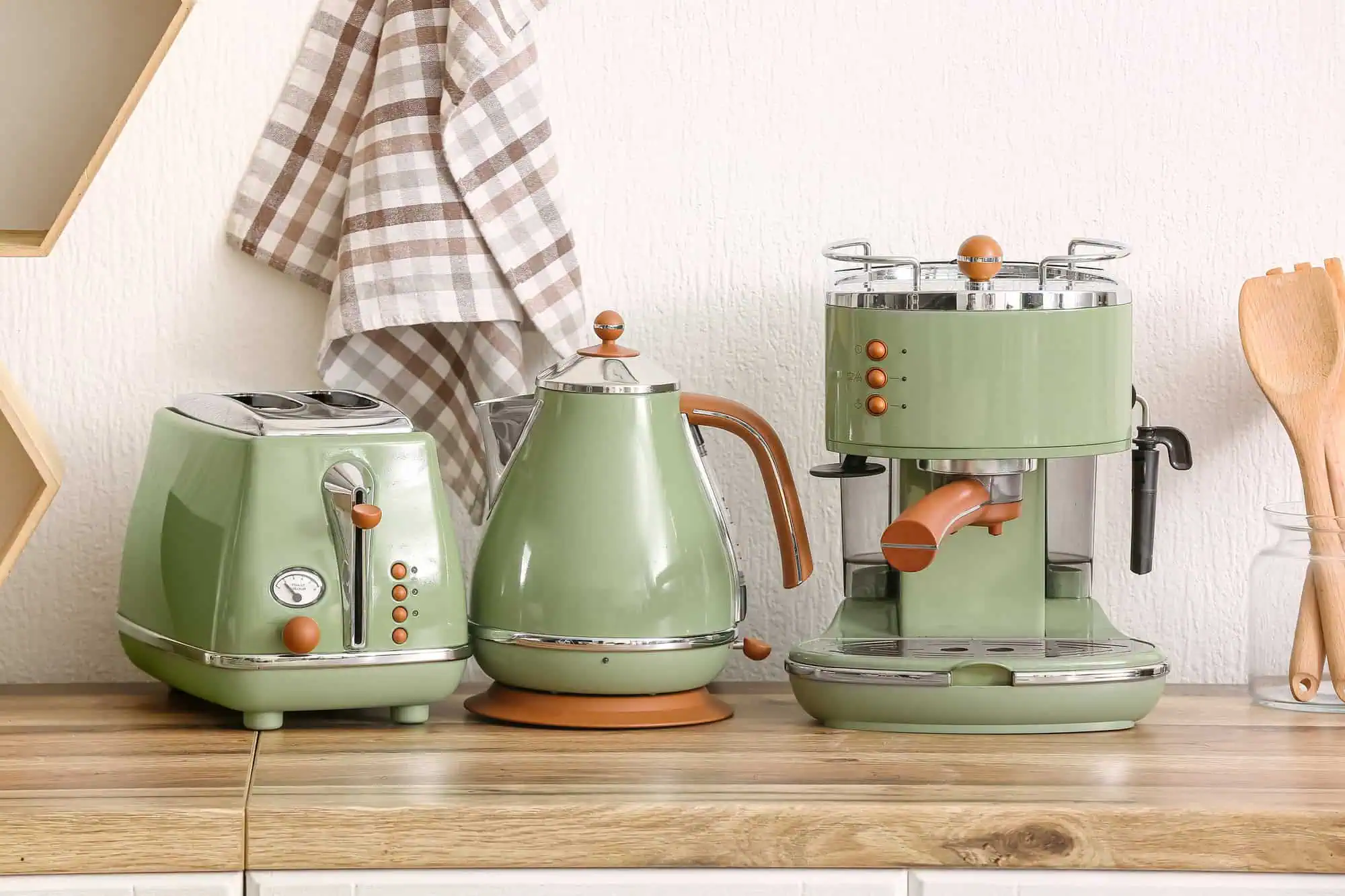
That satisfying clunk when you push down a toaster lever used to mean that you were getting a reliable breakfast, but not anymore. Plenty of new toasters have flimsy little springs inside that start breaking after a year—sometimes the lever doesn’t stay down and it just pops up halfway through toasting. Crumbs jam up the inside much faster than they did before, which wrecks the spring faster than you’d think.
Plastic Cutting Boards

After just a few months of real use, most newer plastic cutting boards start looking rough and they’ll start getting deep grooves from knives that are almost impossible to clean properly. You could try to put them in the dishwasher a few times but that’s just asking for warping. The boards are essentially useless once the surface cracks or bends just a little, although you might try carefully hand-washing them.
Shower Curtains

Shower curtains barely make it through a year without falling apart—the thinner vinyl material looks fine at first but rips super easily, especially if you tug a little too hard. Constant steam from showers makes them brittle and a few wash cycles may shrink or crack them beyond repair. In the worst cases, some of them even start tearing just from opening & closing them normally.
Shower Heads

Showers themselves are also poorly built nowadays, with most of them feeling more like a drizzle after a year and it’s because the shower head is probably the problem. Hard water minerals clog the little nozzles rather quickly, while cheap finishes on newer heads also peel or crack. Sometimes the whole fixture even comes loose at the pipe joint and this leaves you dealing with a slow, sad water flow.
Blenders
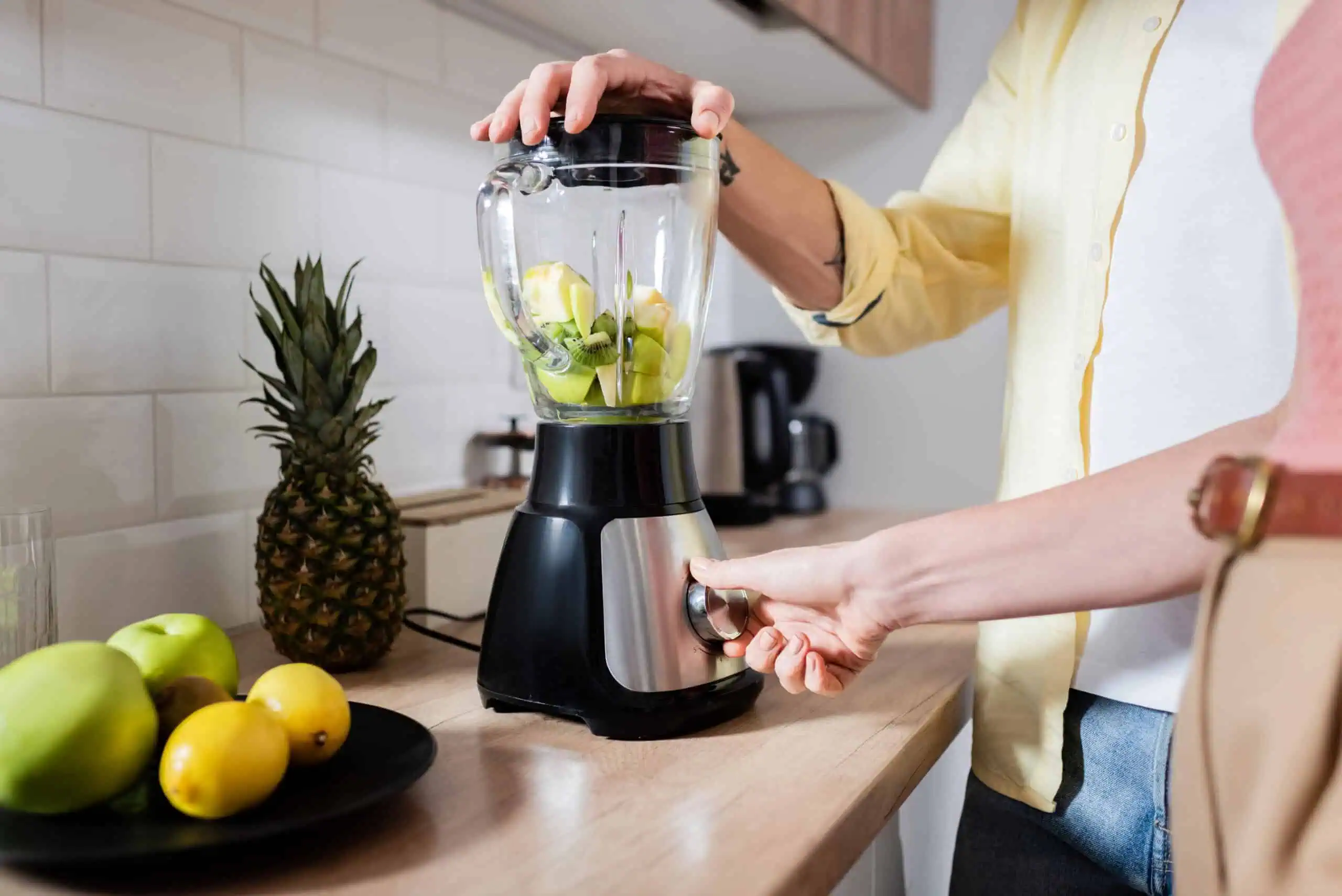
It was normal in the past for blenders to be tough enough to outlive kitchen trends, but now, you’re lucky if one makes it through a year of smoothies. A lot of modern blenders have cheap plastic gears under the blades and that means daily blending puts a lot of stress on those parts. After enough use, you’ll hear weird grinding sounds or notice the motor struggling, even if you’re only making basic stuff.
Phone Charging Cables

Modern charging cables seem fine until they’re not and regular bending near the connector wears them out faster than you might realize. It takes just a few months of daily plugging & unplugging to see the outer coating fraying or splitting, which could cause problems for your phone. In just a year, the cable only works if you twist it a certain way or prop your phone up against a wall—is it really worth it?
Electric Kettles

Don’t expect a new electric kettle to stick around for long if you’re boiling water every day, as mineral buildup inside the heating element is a big problem. It’s even worse if your tap water’s a little hard—the plastic parts near the lid or handle don’t hold up well either. Most kettles either slow down big time after a year or just stop heating altogether without much warning, meaning you’ll have to buy a new one.
Coffee Makers

Anyone who runs a modern coffee maker every morning knows that by month twelve, weird stuff usually starts happening—heating elements may burn out or inside parts clog up with old coffee oils & water deposits. This causes brewing to get slower and, sometimes, the machine smells a little burnt. Your coffee never tastes quite right anymore, no matter how regularly you clean it out, because it’ll wear down faster than it should.
Toilet Seats

Toilet seats aren’t built tough these days, with most new ones being made from lightweight plastic that doesn’t like everyday use. There’s also the issue of loose hinges and shifting bolts—after a while, the seat moves every time you sit down. Cracks around the edges also show up much too quickly and once that starts, there’s not a lot you can do except replace the whole thing.
Wall Clocks

You’d think that wall clocks are simple enough but even those don’t last the way they used to, as cheaper gears inside newer models jam up after relatively little use. In fact, you might notice that the clock starts losing a few minutes here & there or ticking unevenly. Swapping the battery doesn’t stop it from giving up entirely because the real problem is inside the clock itself.
Dishwashers
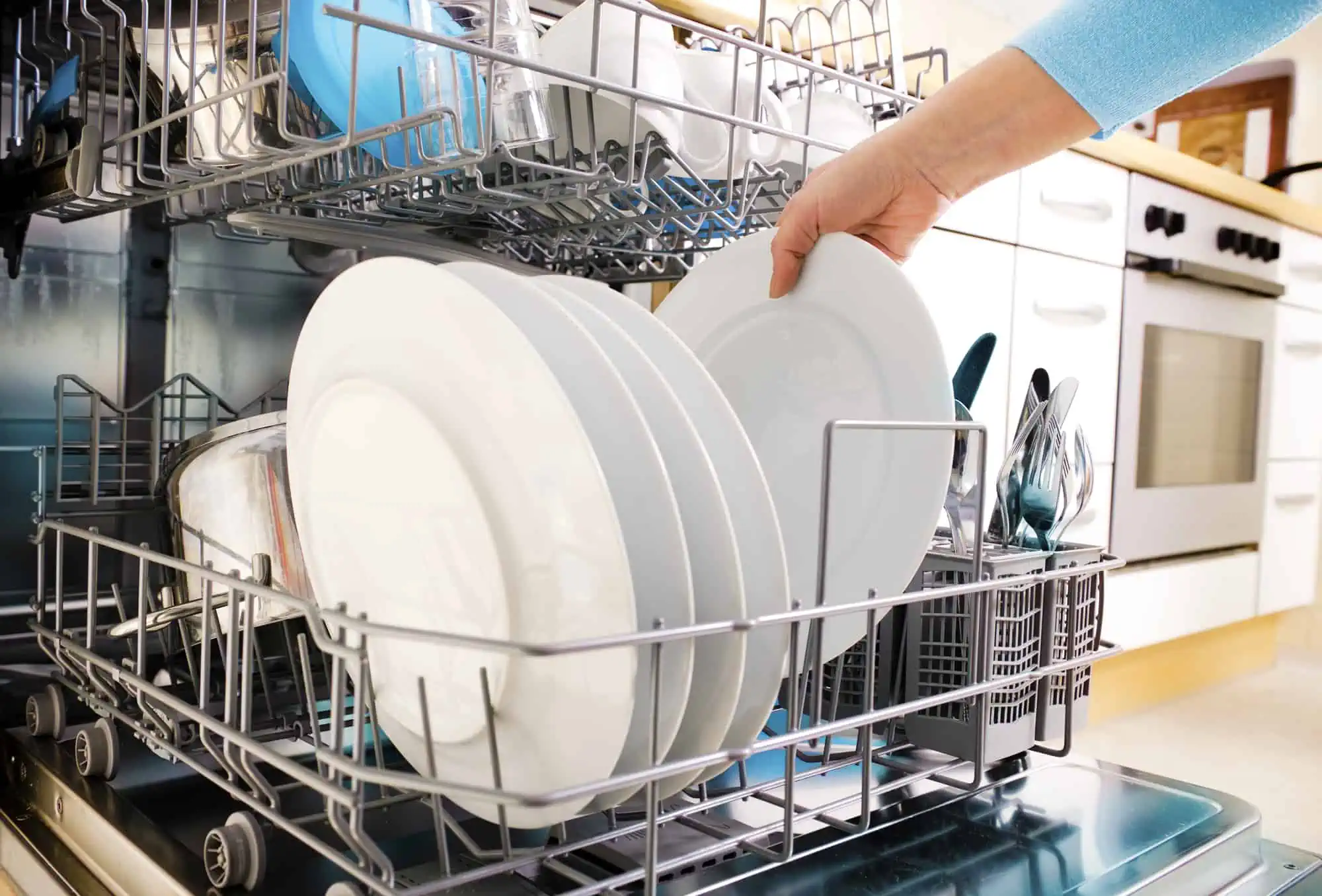
Modern dishwashers seem to have far more problems than they did in the past, whether that’s because racks rust sooner or the rubber seals around the door loosen too quickly. Food bits also clog the spray arms, while some of the sensors inside aren’t built for the long haul, either. It just takes one small thing going wrong—then suddenly dishes won’t get clean and you have to hand-wash every one.
Storage Ottomans

It honestly feels like a lot of new storage ottomans aren’t made for real-life use, although they do look good at first. Cheap plywood & weak hinges mean they don’t handle much weight, so sitting on one too often could make the frame start to bow. On top of that, filling an ottoman with anything heavier than a few blankets may cause the inside panels to split or the lid to struggle to close.
Pressure Cookers

Pressure cookers today have a lot more electronics packed inside than the old ones did—but that also means more stuff is able to break. Heating them up makes the rubber sealing rings wear out relatively fast, while pressure cycles may cause other issues after a year of regular cooking. Don’t be surprised if they start leaking steam or flashing error messages that stop the whole thing from working right.
Disclaimer: This list is solely the author’s opinion based on research and publicly available information.
Like our content? Be sure to follow us on MSN.
Read More: