

Some parts of the Bible describe ideas that later science has explored, studied, and found surprisingly close to real-world understanding.
Earth’s shape
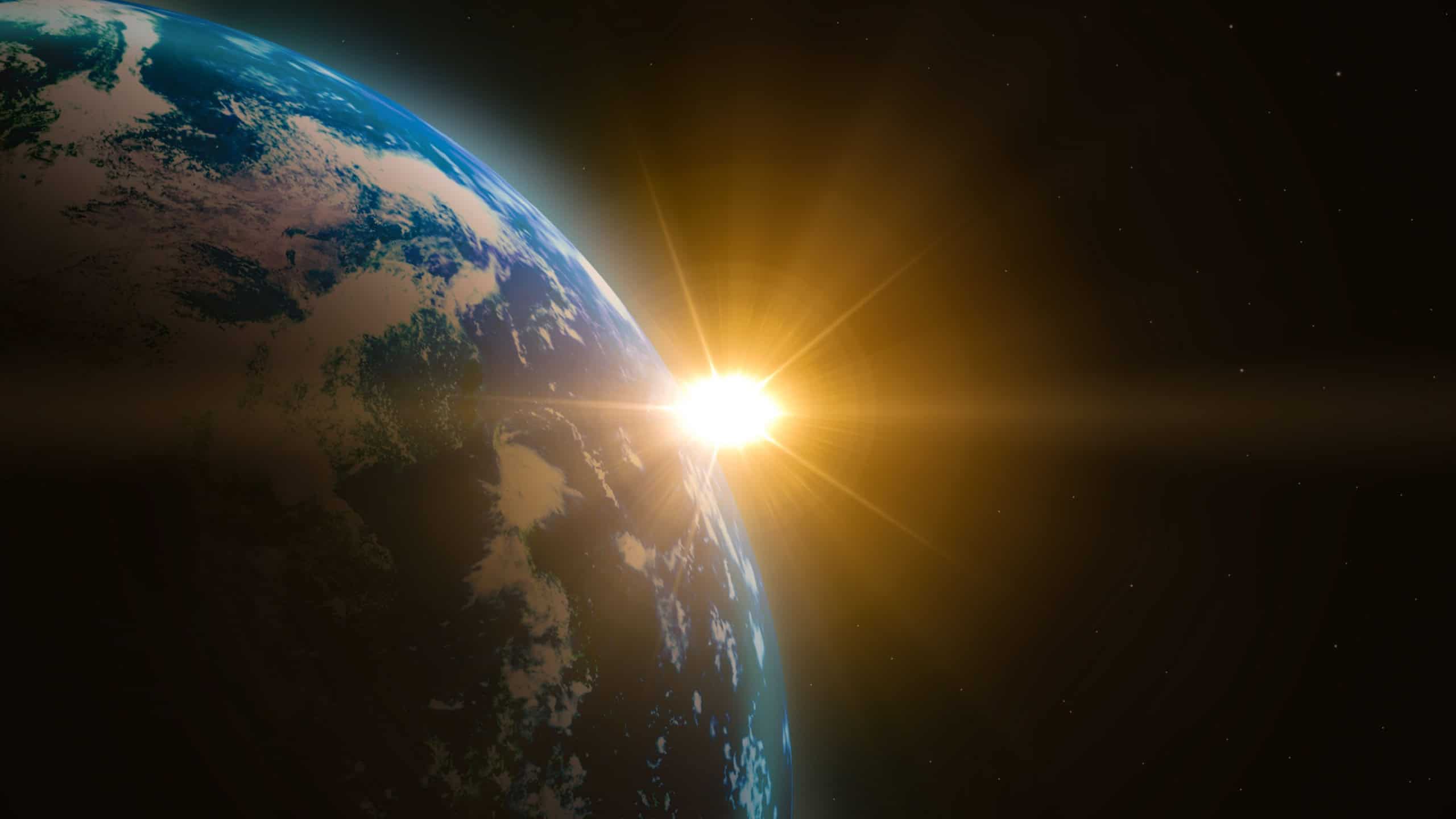
Ancient cultures thought for centuries that the world was flat (either a disk or a square shape). The Bible, however, refers to the “circle of the earth” with a Hebrew word meaning circle, but it can also refer to spherical or arch-like.
Mankind didn’t discover and verify earth was a globe until we started global navigation, then later, space flight.
The bible skipped past the myth and explained in scientific detail what satellites see today.
Floating world
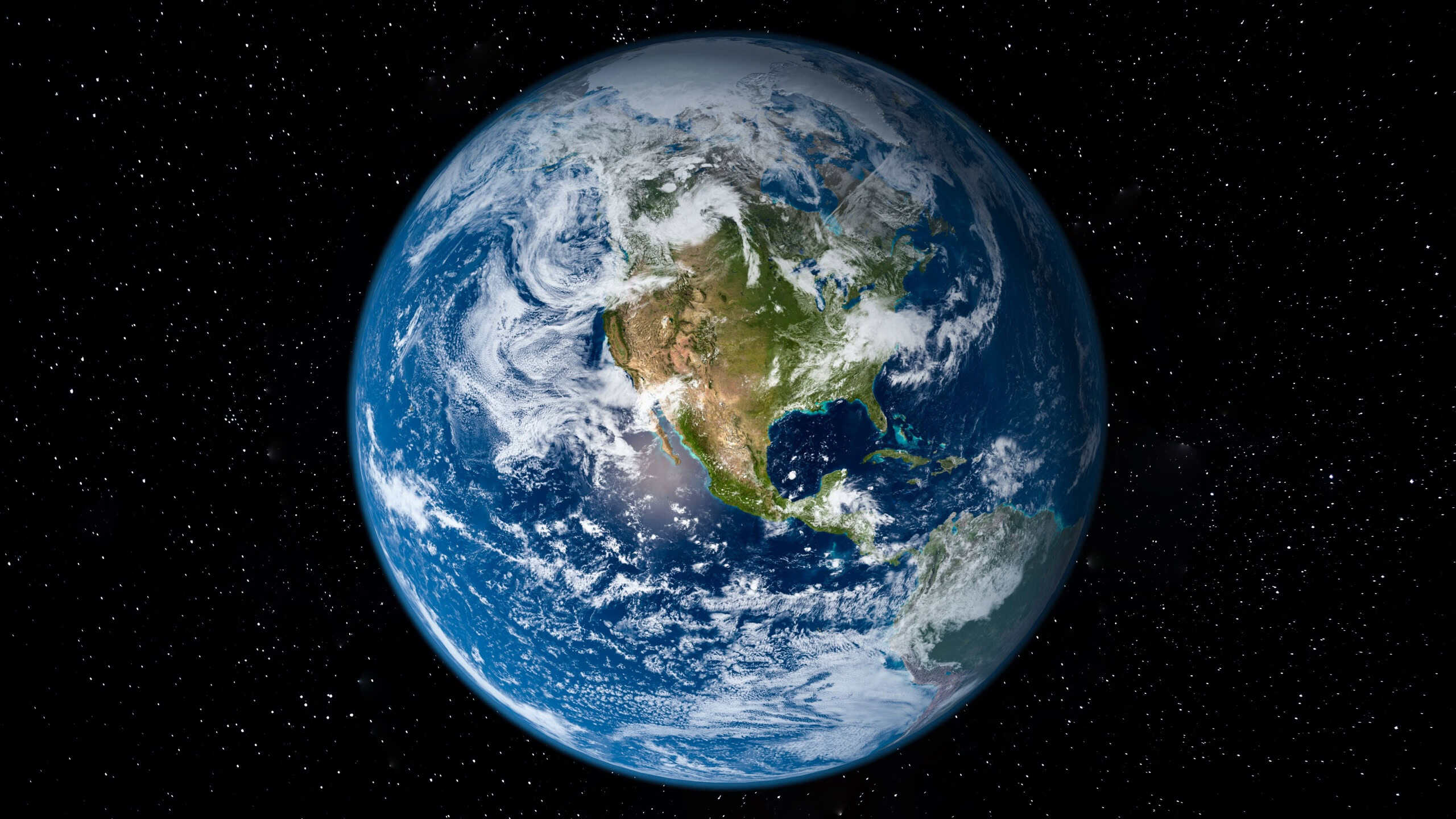
Ancient cultures could not figure out how the Earth was suspended and came up with various myths, including turtles, giant bears, or actual pillars holding up the Earth. Instead, the Bible declares the Earth “hangs on nothing.”
We now know, thanks to gravity and planetary orbit, that Earth is suspended by nothing more than a vacuum in space, orbiting around a sun that is also floating with nothing at all holding it up.
Building blocks

Chemistry and physics all start with the foundation of atoms: microscopic building blocks that we cannot see, which make up everything we touch, taste, smell and see.
Bible said something similar: the things we see were not made out of things that are visible. Turns out the Bible was right about this because nothing you can see and feel is solid at an atomic level. Everything we know is truly made from invisible building blocks.
Ocean paths
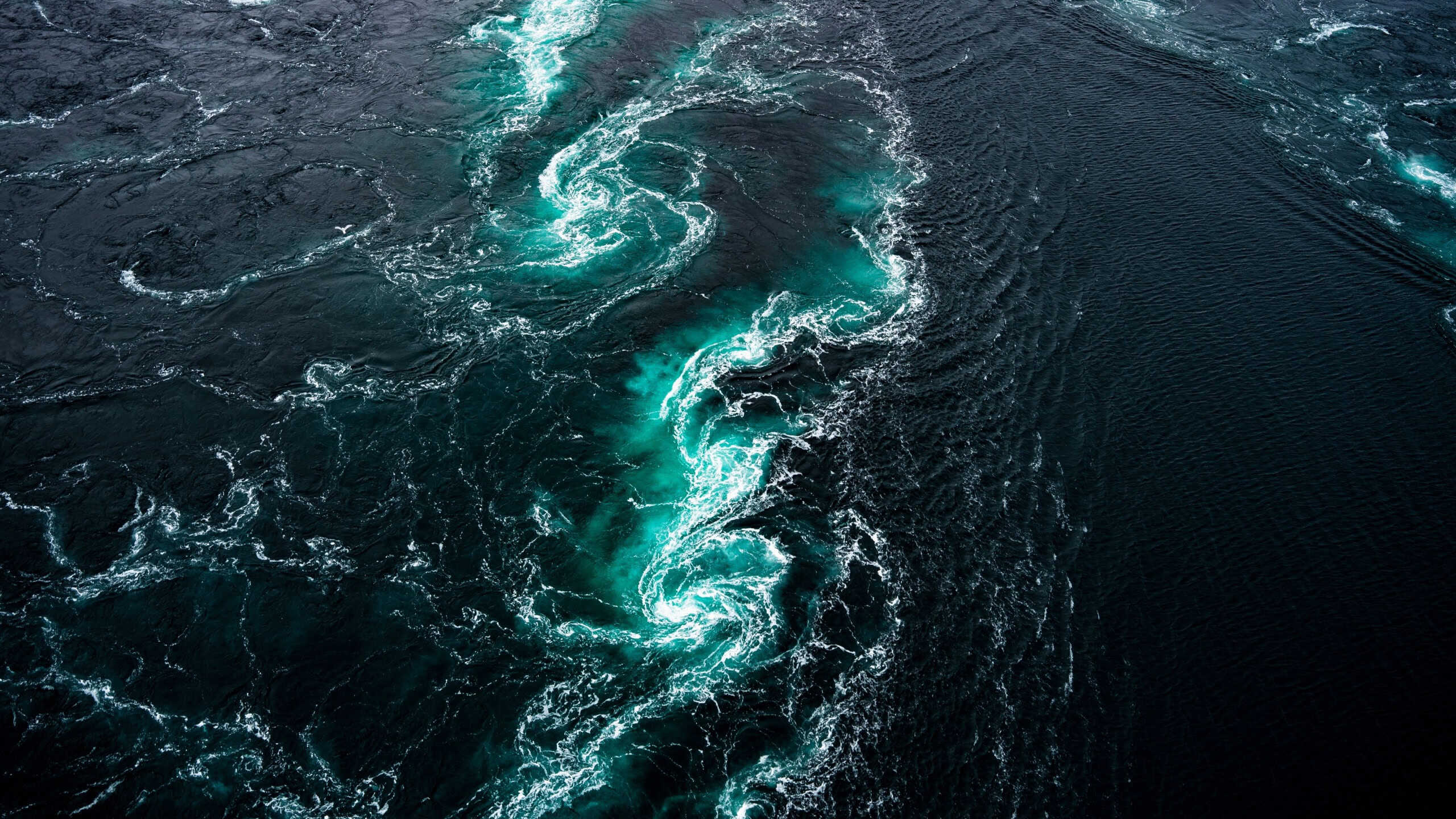
Matthew Maury, known as the Father of Oceanography, devoted his life to science after reading a verse mentioning “paths in the seas.” He ended up mapping out all the major currents of the ocean.
Today, we know these invisible “paths in the sea” are systems of moving water like the Gulf Stream. These currents run like massive underwater highways, circulating the globe and keeping our climate in balance. Ships today often use these paths to cut fuel costs and time.
Proper washing

Centuries before doctors understood bacteria and developed the Germ Theory of disease, the Bible instructed individuals to wash certain kinds of disease or uncleanness in “running water”.
Science has confirmed that washing in standing water actually breeds bacteria. But running water flows quickly enough that it does not allow germs to breed and the force of the flow physically carries them away from your body.
Quarantine rules

Before we understood bacteria and viruses, it took science thousands of years to understand that keeping the healthy away from the sick is sometimes necessary.
The Bible actually dictated that people with certain diseases had to live outside the camp.
Not only that, but when they approached others, they were told to cover their mouths and cry “Unclean!” so others would keep their distance.
It wasn’t germ theory, but it was a quarantine procedure and respiratory hygiene designed to prevent the spread of invisible droplets.
Blood

Western doctors practiced bloodletting (opening someone’s veins) to cure just about every disease and illness, including fevers and headaches, from medieval times until the early 1900s. Physicians literally bled George Washington to death.
The Bible, however, said that “the life of a creature is in the blood.” We now know that blood is literally the transport system that supplies every cell with oxygen, wards off infection, and keeps us alive.
Wear and tear

The Bible describes the heavens and the Earth as “wearing out like a garment,” suggesting a universe that is slowly running down.
Entropy is the second law of thermodynamics. It means all of the energy in the universe is going from usable to unusable over time. Just like a worn-out shirt that gets thinner and thinner until it rips, our universe is literally wearing out.
Star numbers

Before telescopes, astronomers such as Ptolemy estimated there were fewer than 2,000 stars in the sky.
However, the Bible says there are more stars than grains of sand on the beach.
We now know there are over 300 sextillion stars in the Milky Way galaxy alone. Not to mention billions of other galaxies. According to physics calculations, there are more stars than grains of sand on every beach on planet Earth.
Sea springs

It was long thought that rain and rivers were the only sources of new water for our oceans. So when the Bible said there were “springs of the sea,” nobody thought much about it.
However, in the late 1900s, when scientists exploring the ocean floor with submersibles discovered hydrothermal vents ejecting mineral-rich, super-heated water from deep inside the earth up into the sea.
Sources: Please see here for a complete listing of all sources that were consulted in the preparation of this article.
Atheists want religious people to answer 15 important questions

Atheists come up with questions about religion all the time in hopes of finally getting some straight answers to beliefs most follow blindly.
Atheists want religious people to answer 15 important questions


