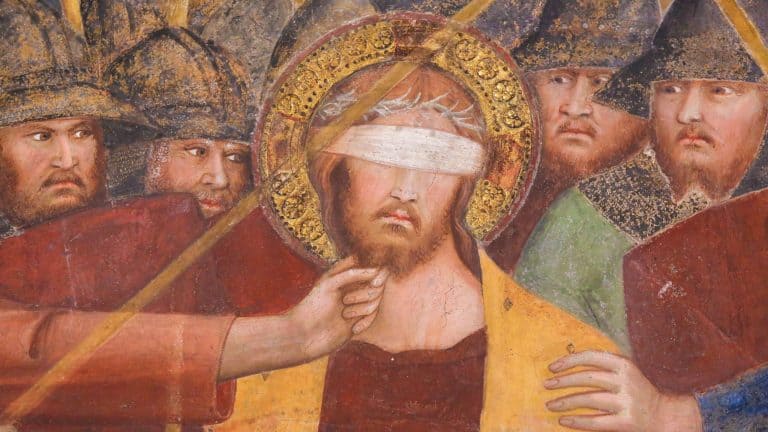

Atheists come up with questions about religion all the time in hopes of finally getting some straight answers to beliefs most follow blindly.
The question of suffering
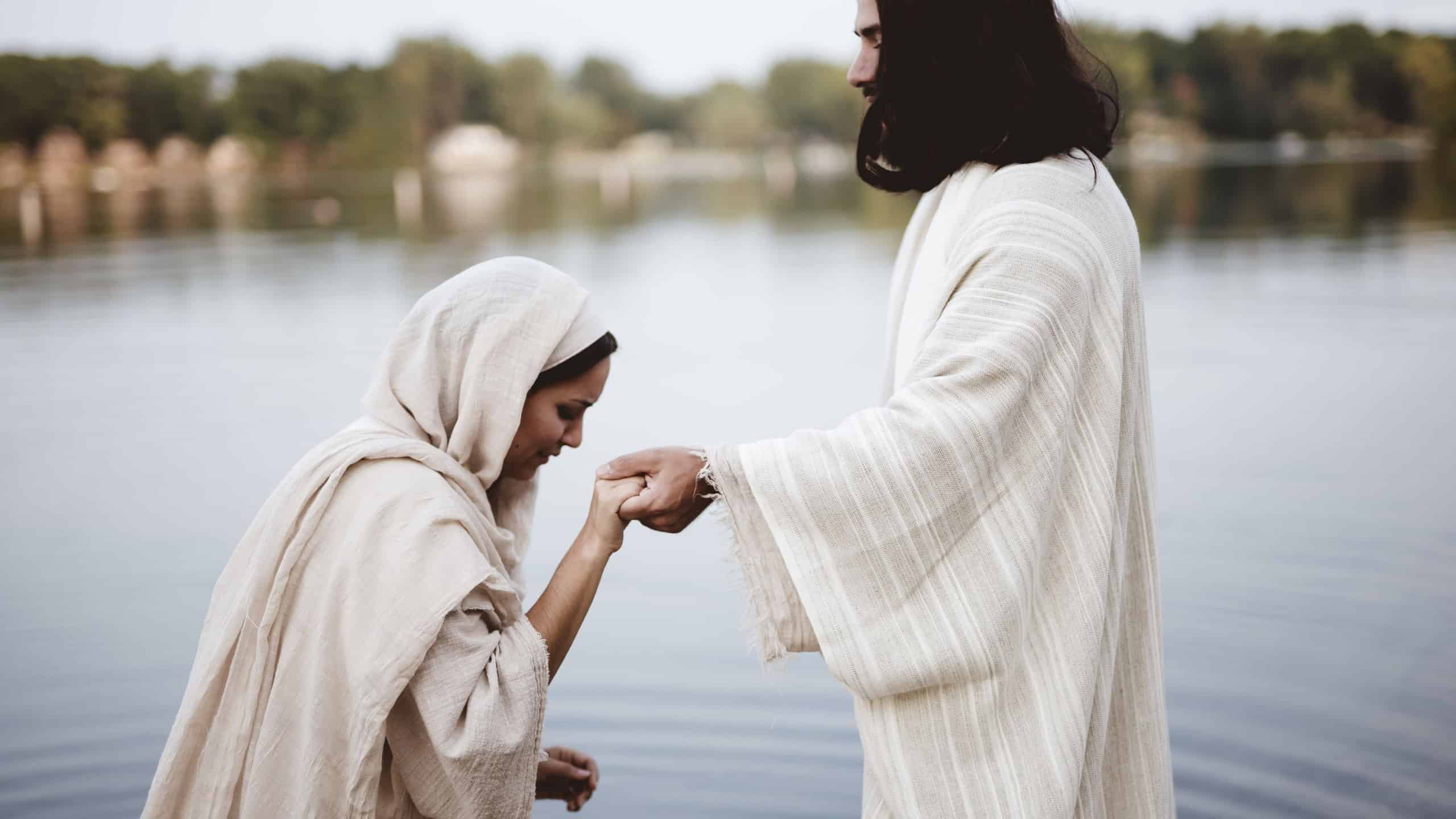
Why does God allow suffering?
If an all-knowing, almighty God is so powerful and can perform miracles, it’s hard to understand why people suffer because of things like natural disasters, wars, and violence.
The question of diversity

Why are there so many religions?
Most people follow the religion taught in their household. If there is only one truth deep down, then logic dictates that you should find it anywhere in the world, but you don’t. You find thousands of different beliefs that contradict each other.
The question of proof

If our eternal destination really depends on believing in God, why doesn’t He reveal Himself to every single person on Earth? Instead, we have crumbling temples and books full of passages that can be interpreted in many different ways.
The question of justice

Life isn’t always fair. Why do bad things happen to good people?
We see good people lose everything while evil villains live happily ever after. How can we believe there is a divine Judge if there is no justice in the outcomes of our lives?
The question of worship

If God is complete and lacks nothing, why would He care whether or not we worship Him? For a transcendent cosmic force to care about human beings singing songs or memorizing words sounds more narcissistic than divine.
The question of prayer

At one point or another, every believer has begged God for something and gotten nothing in return. Why aren’t prayers always answered?
From the outside, prayer appears to follow the laws of statistics: it works for some people, and it doesn’t work for others.
The question of change

Slavery was once “encouraged” in the bible. Women are supposed to “obey” their husbands.
Why do religions evolve if they’re built on an unchanging foundation?
If the “word of God” needs to change to keep up with modern politics, then the entire institution was created by man.
The question of blind faith

In every other part of life, we look for evidence before we believe, so it’s fair to ask why faith is required instead of evidence in religion.
Sure, it can be comforting to “believe” without questioning, but in every other area of life, we consider that irrational. Questioning shouldn’t be considered a sin; it should be required.
The question of inconsistency
The holy book you follow is supposed to be your infallible guide to greatness.
But what happens when you read your sacred book and it answers your question two different ways? How do you feel when you read a verse that says be loving and kind right next to a verse that commands you to kill others in his name?
The question of morality

Non-believers can be some of the kindest and most giving people on the planet. So why do we see morality outside of religion?
There is no divine rule book that makes us care about each other. Empathy is a biological compass that forces us to cooperate and make alliances for the sake of survival.
The question of myth
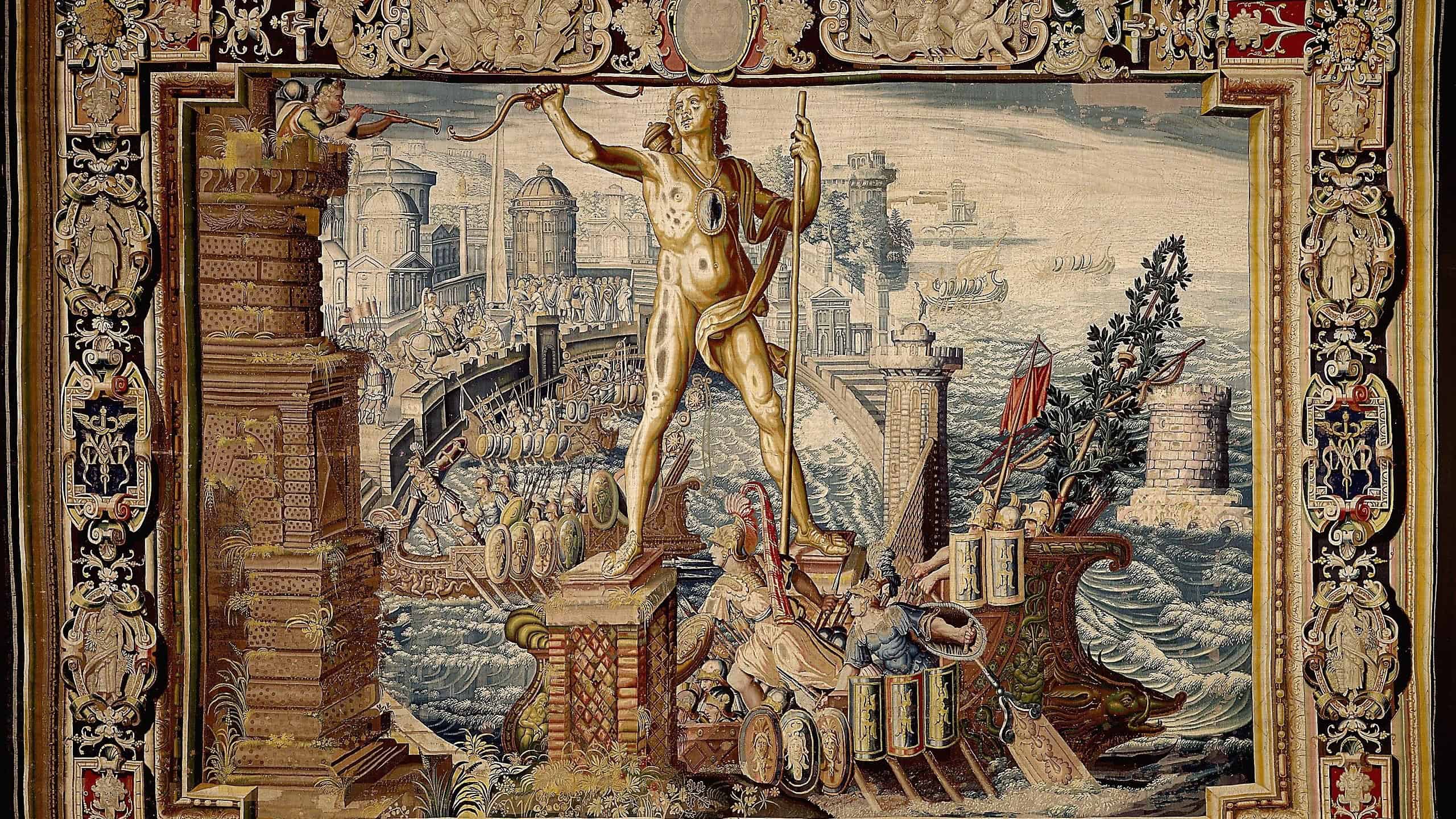
Long before Jesus and Moses, civilizations were creating gods to fit their needs.
Ancient people worshipped gods appropriate to the world they lived in, like sun gods and war gods. This makes people wonder why ancient cultures were so different in belief.
The question of miracles
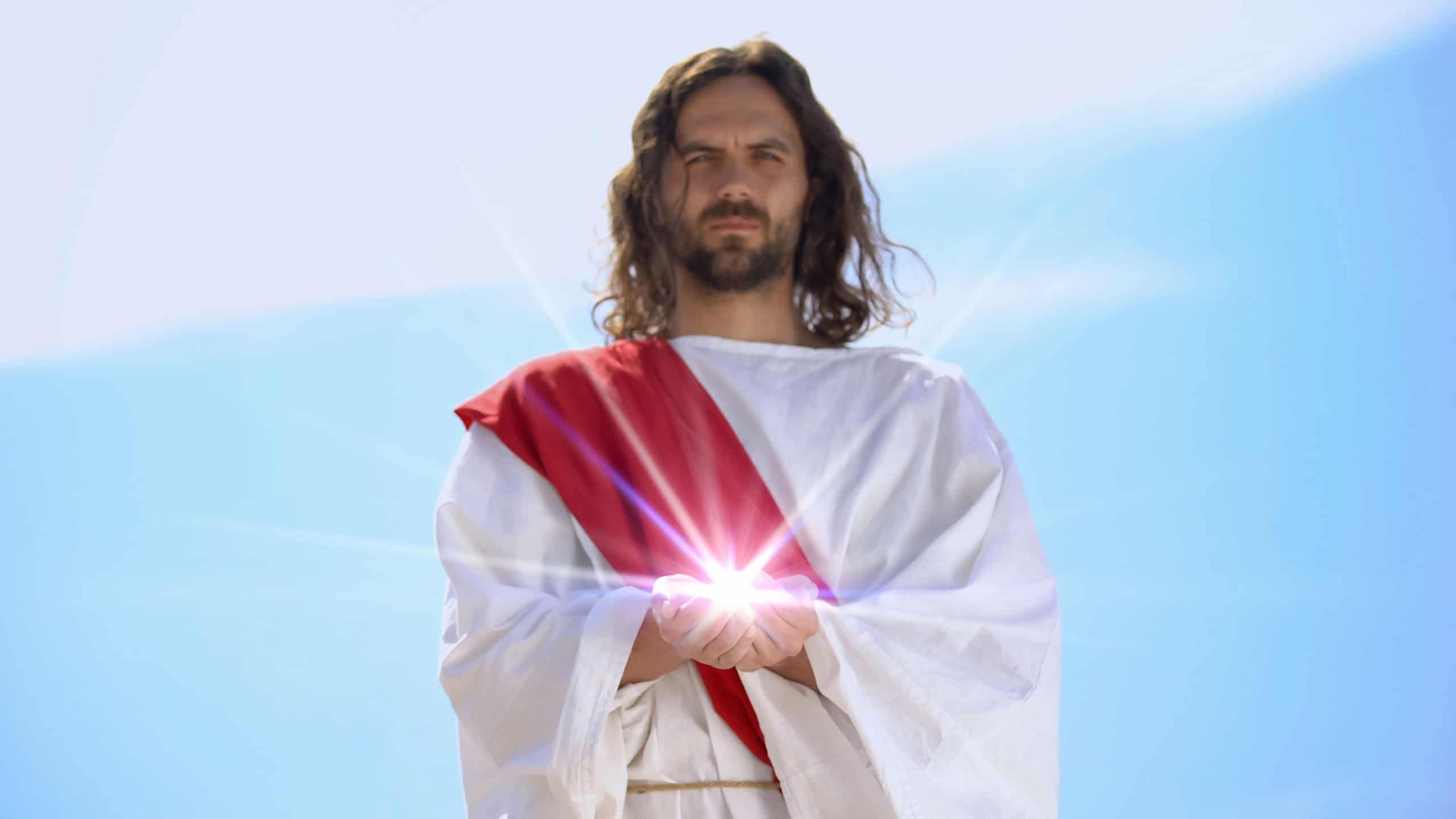
Why do miracles only seem to happen in the past?
We live in a time where almost everyone walks around with a high-def camera. If God were going to break the laws of physics, he’d have some credible video evidence by now.
Maybe all those stories were coincidences used to explain the unexplainable until science caught up.
The question of disagreement

Even among the same religions, people can’t agree on the basic tenets of their faith. Why isn’t there a universal religious consensus?
When sincere and religious people read the same page and conclude opposite meanings, this means there is room for confusion.
The conflict with science

The more we learn about biology and the laws of physics, the more questions we have about religion. Stories that were explained literally centuries ago are now proven to be lies with science.
The question of hell

If God truly loved us, would He sentence us to an eternity of torment for “sinning?”
If your child says they don’t believe in magic when they’re old enough to know your Santa stories are a lie, what do you do?
Chances are, you embrace them and never mention it again. If you love someone, you let them become who they are, not punish them for it.
Sources: Please see here for a complete listing of all sources that were consulted in the preparation of this article.
Everyday things that are forbidden by the Bible

Living according to the Bible means paying attention to both major sins and simple everyday actions.

