

Heart-healthy eating doesn’t have to mean a complicated diet, as these simple everyday choices show from world renowned cardiologists like Dr. Elizabeth Klodas (Johns Hopkins University) and Dr. Darius Mozaffarian (Director, Food is Medicine Institute at Tufts University).
Avoid: Processed deli meats
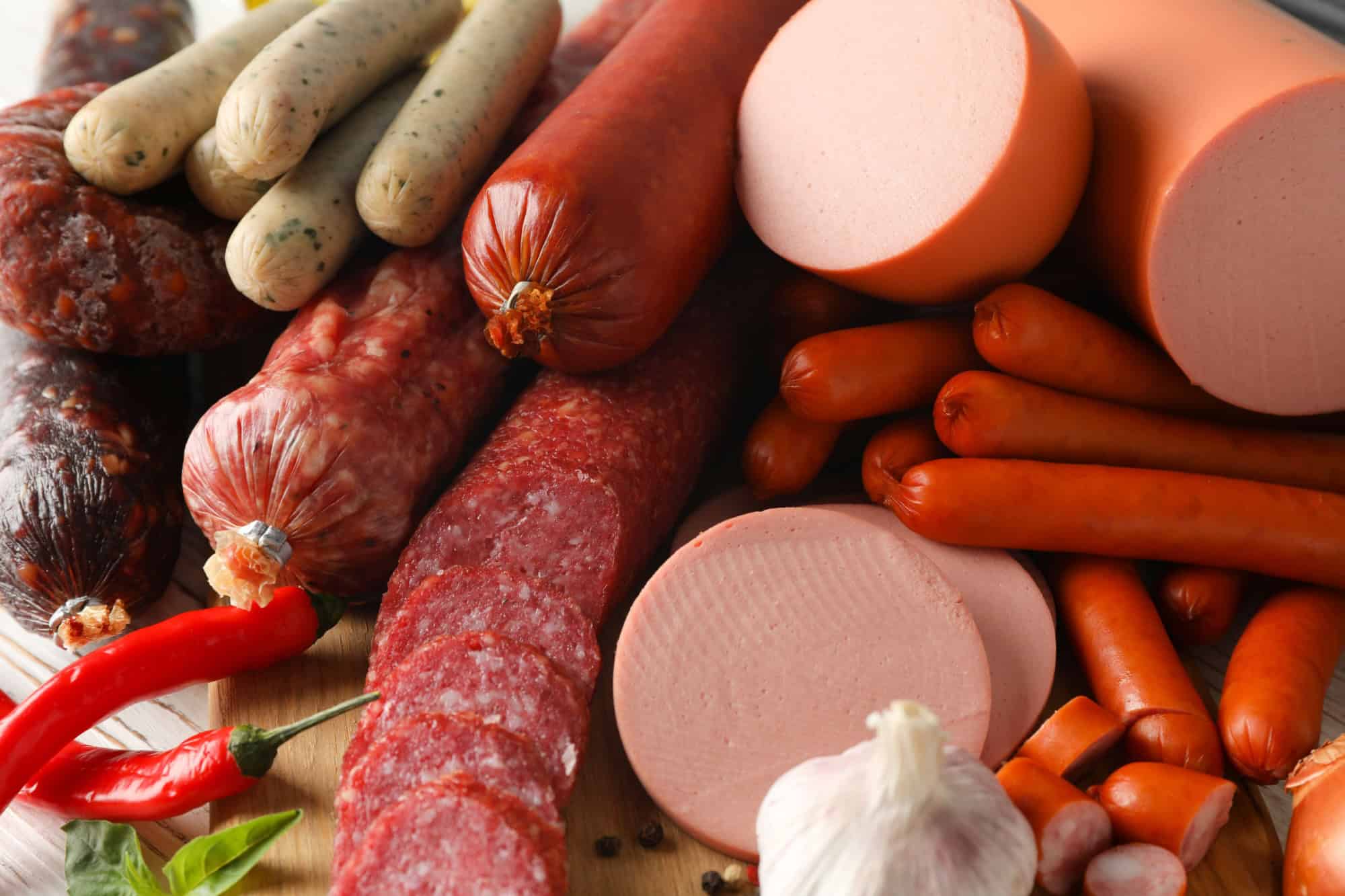
Processed meats like cold cuts, bacon, hot dogs and cured sausage are extremely high in dietary salt, artificial nitrates and concentrated saturated fat. Frequent ingestion of these processed meat preservatives can cause higher blood pressure, arterial damage and persistent inflammation within your blood vessels, which can lead to heart attacks and strokes over time.
Sugary drinks

Soda, sugary beverages like sweet tea, and commercial energy drinks provide large amounts of processed fructose all at once with no fiber or other nutritive satiety. Over time, they contribute to insulin resistance, hepatic steatosis, and metabolic syndrome, among other disorders, and liquid sugar intake is one of the leading causes of early onset heart disease.
Deep-fried foods

Fast foods that are deep-fried are usually cooked in reused commercial seed oils. These oils are heated and cooled many times over at high temperatures, which produces oxidized fats and pro-inflammatory chemicals. Consuming these damaged fats increases your harmful LDL cholesterol and lowers your healthy HDL cholesterol. This speeds up the harmful process of plaque forming on the inside walls of your coronary arteries.
Packaged bakery items

Packaged cakes, processed cookies and other baked goods are made with white flour, added sugar and either palm oil or trans fats. Eating these can cause sudden spikes in your blood sugar, increase belly fat, and lead to systemic inflammation in your arteries. Plus, they provide next to no nutrients.
Eat Regularly: Cold-pressed olive oil
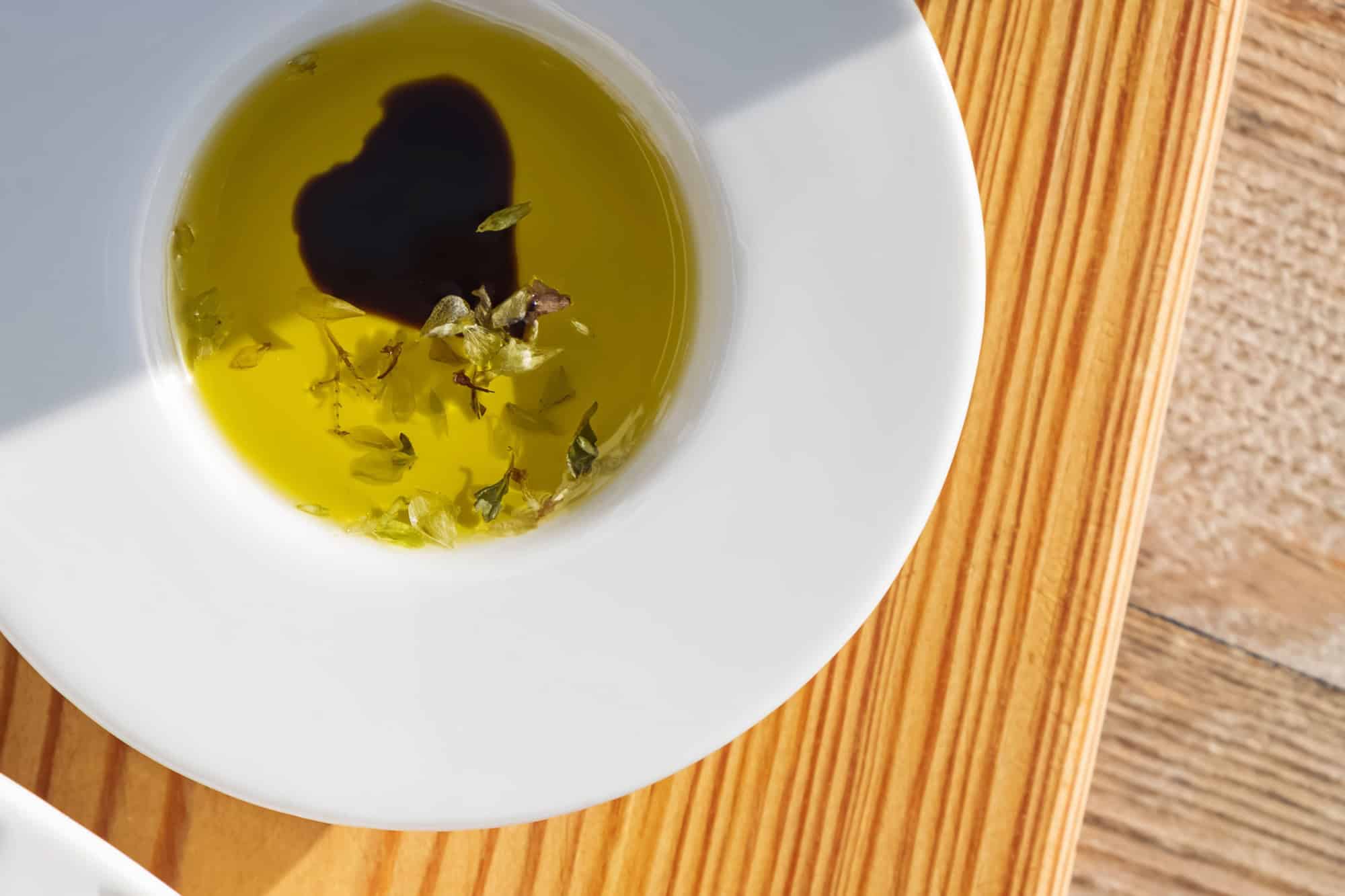
Raw extra virgin olive oil is recommended as the primary oil to consume in your diet because it is high in heart-healthy monounsaturated fats and antioxidants such as polyphenols. Extra virgin olive oil has been shown to help reduce oxidative damage to blood vessels, decrease chronic inflammation in the arteries and support healthy cholesterol levels throughout your body when used daily.
Dark leafy vegetables
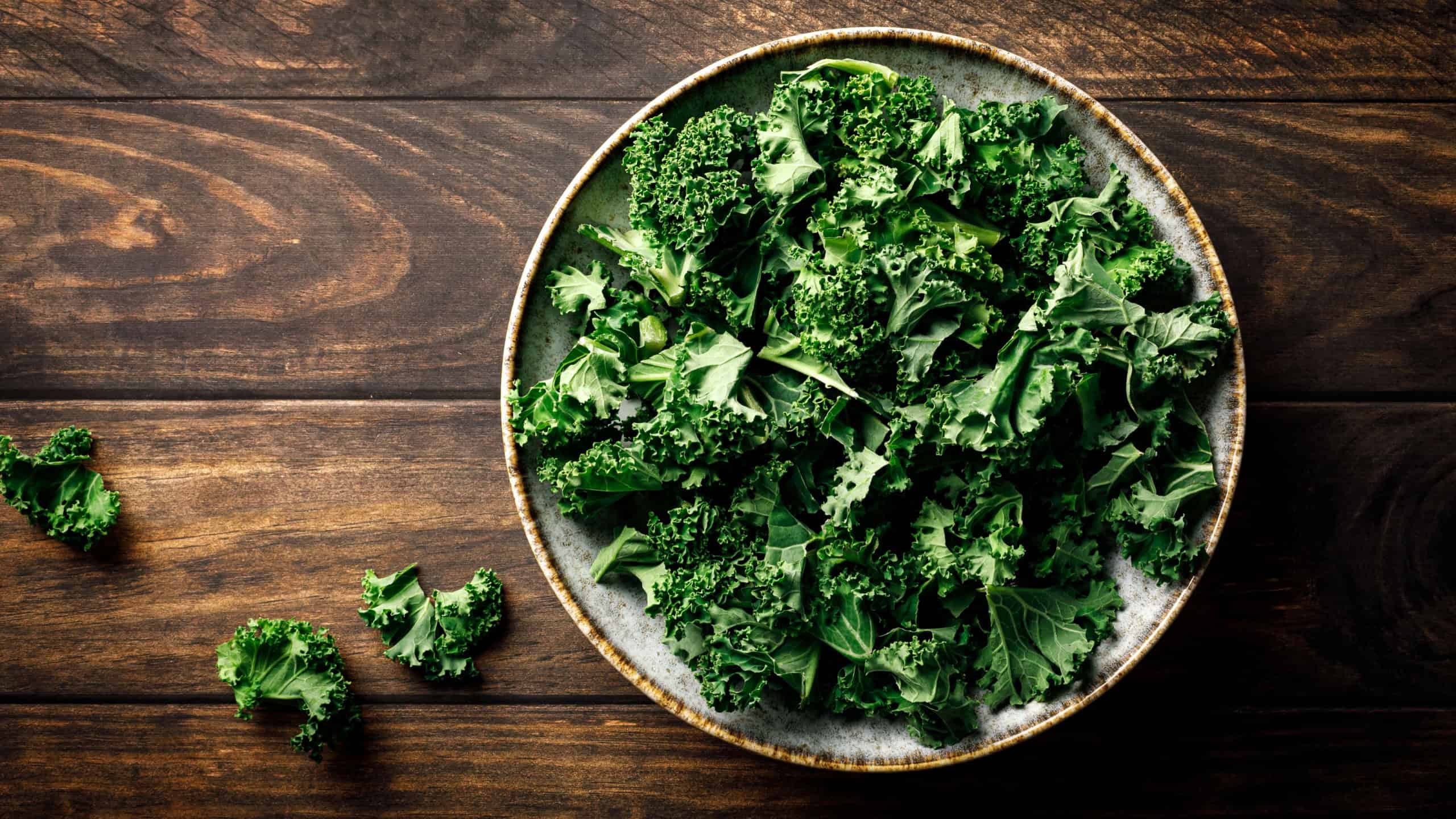
Leafy greens such as spinach, kale, Swiss chard, and arugula are packed with high levels of natural dietary nitrate. When consumed, your body transforms the nitrate into nitric oxide. Nitric oxide works to help keep your blood vessels naturally dilated and smooth out blood flow. Leafy greens also aid in healthy artery elasticity and help regulate blood pressure naturally throughout the day.
Nutrient-dense fatty fish
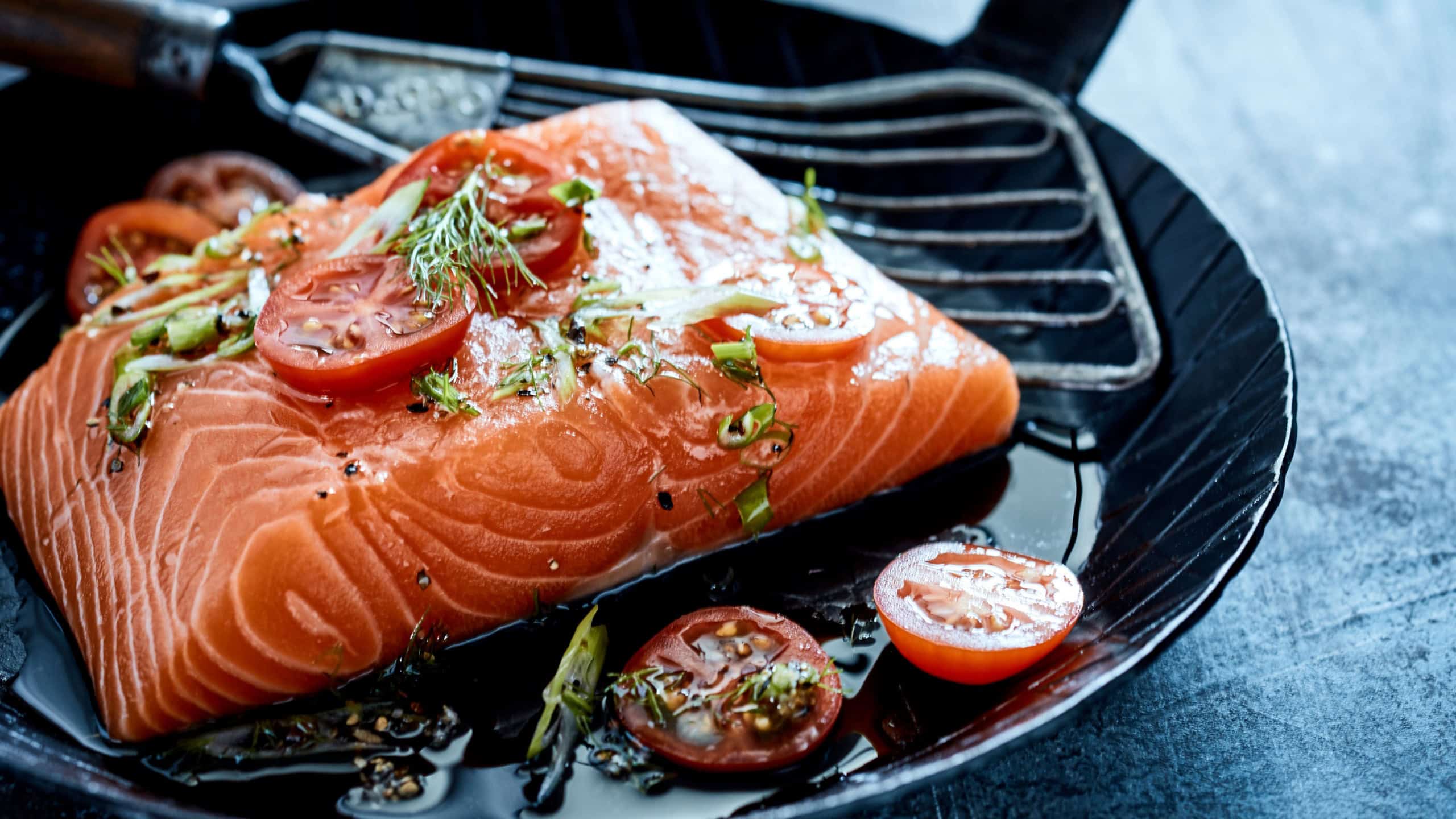
Salmon, sardines, and mackerel that are wild-caught are high in omega-3 fatty acids EPA and DHA. There’s ongoing research that these omega-3 fatty acids found in cold-water fish are associated with improved heart health. Regular consumption of cold-water fish can decrease your blood triglycerides, help prevent blood clots, and help regulate your heart’s rhythm.
Unsalted whole nuts
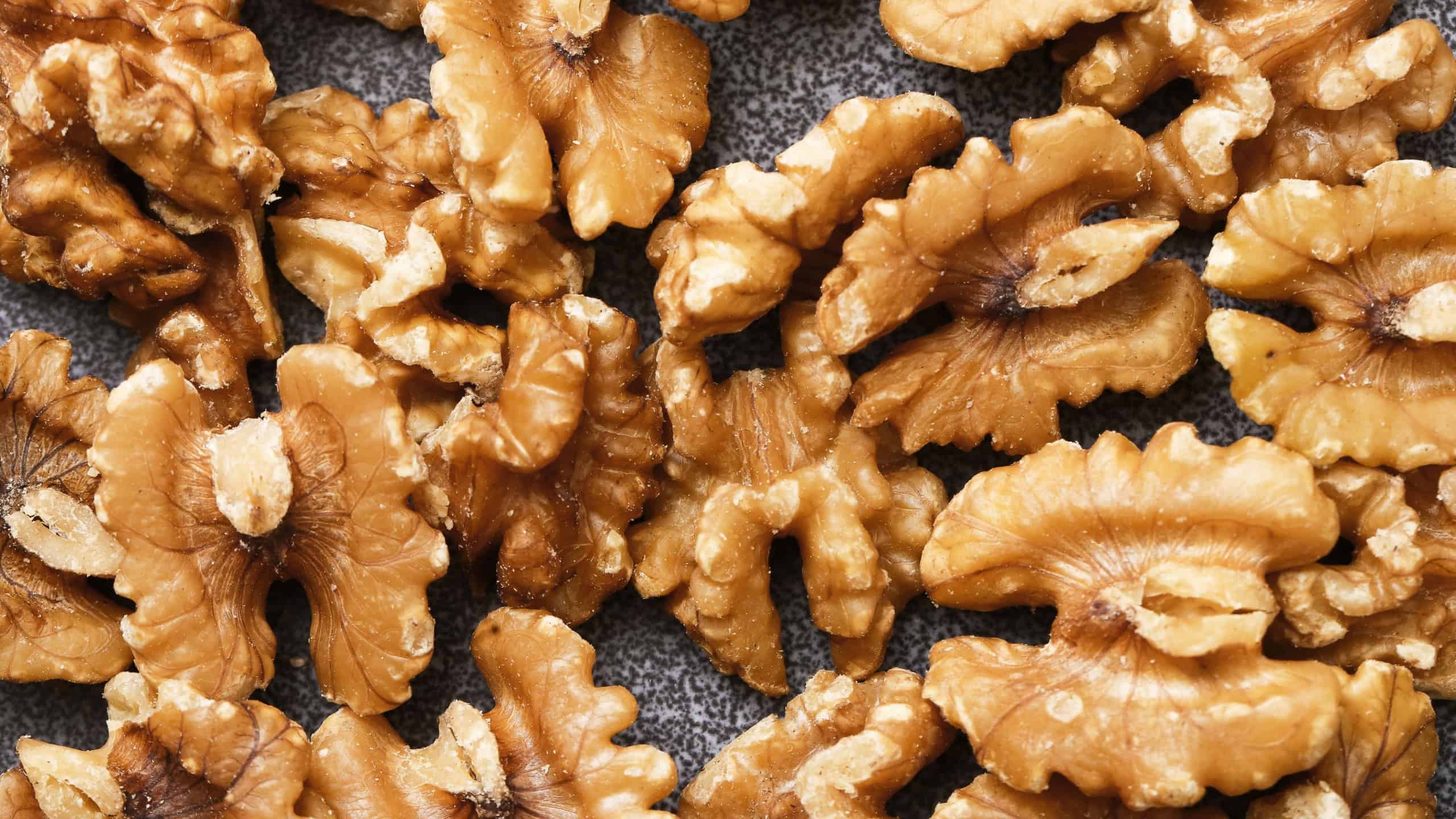
Walnuts, almonds and pistachios provide a concentrated source of plant protein, fiber, magnesium and heart-healthy unsaturated fats. Eating a handful of raw, unsalted nuts each day can enhance endothelial function, lower LDL cholesterol and give long-lasting fuel for your metabolism without increasing blood sugar or sodium.
Antioxidant-rich dark berries
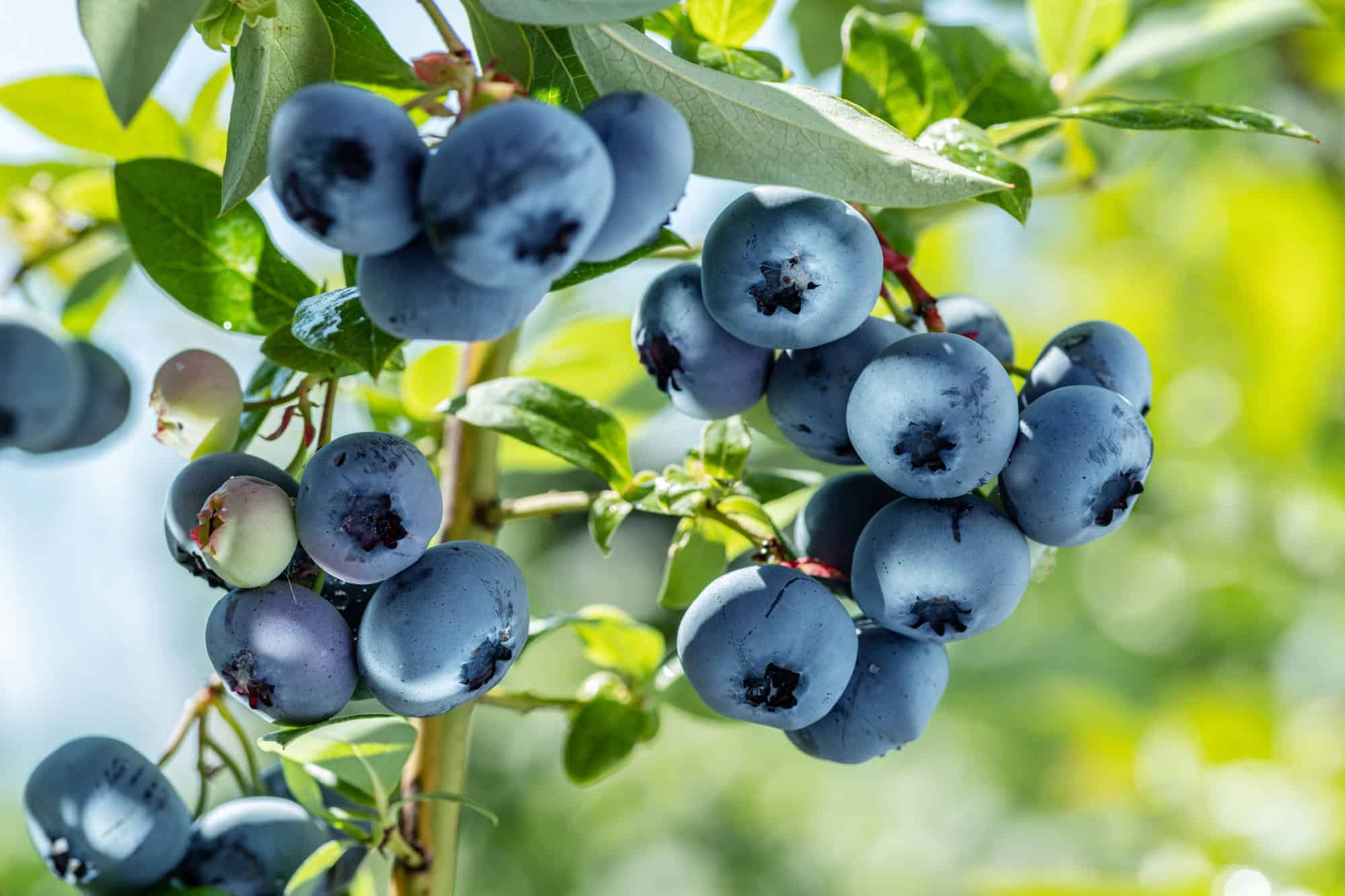
Blueberries, blackberries and raspberries are high in anthocyanins, natural pigments that help protect your heart and blood vessels against oxidative stress each day. These berries are also loaded with soluble fiber, which helps bind cholesterol in your gut. Both can aid in maintaining healthy cholesterol and blood sugar levels all day long.
Plain cultured dairy
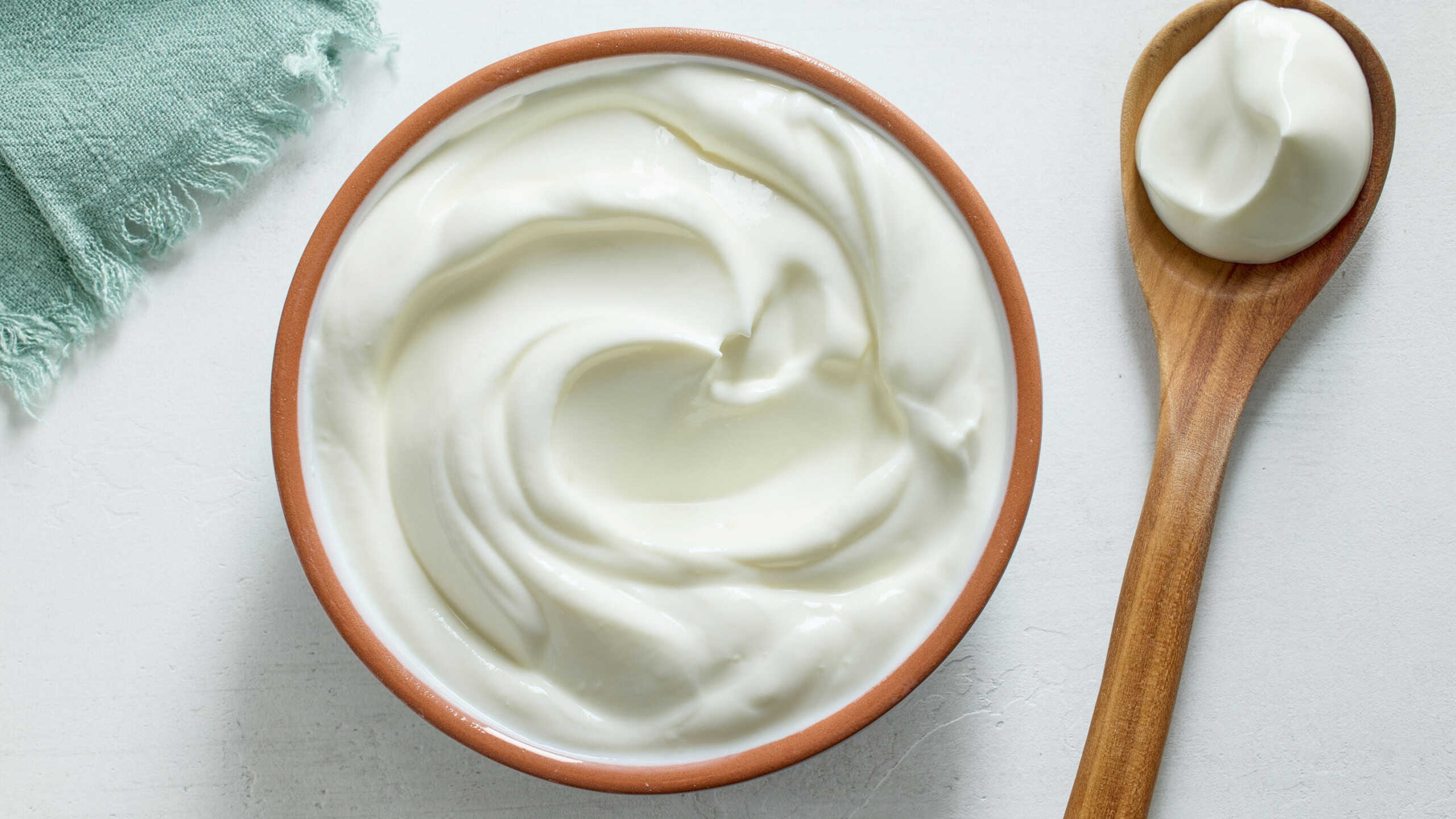
Unsweetened plain yogurt, traditional kefir, and fermented foods help cultivate a diverse and resilient gut microbiome, which plays a pivotal role in regulating systemic inflammation and metabolic health. Choosing plain, unflavored options delivers high levels of probiotic cultures and calcium without the hidden sugars that turn health foods into desserts.
Sources: Please see here for a complete listing of all sources that were consulted in the preparation of this article.
Like our content? Be sure to follow us.
10 mistakes cardiologists say could be hurting your heart health

Tiny daily routines, shortcuts, or activities that we think are normal can be harming your heart without you even realizing it.
10 mistakes cardiologists say could be hurting your heart health

