

History isn’t always kind, and some unfortunate nicknames show that throughout history people have loved mocking famous figures.
“Little Boots”

Prior to ascending to become Rome’s most notorious emperor, Gaius Caesar took an active part in his father Germanicus’ military campaigns as a youth. He wore a miniature soldiers’ uniform specially made for him, which earned him the nickname Caligula (“Little Boots”) from the legionnaires he marched among.
As emperor, he hated that nickname, calling it disgraceful and derogatory; he never wanted anyone to call him it. Unfortunately for him, his actual name didn’t stand the test of history at all.
“Tricky Dick”

Coined in 1950 among Democratic campaign workers during a hard-fought California Senate campaign, this nickname targeted Richard Nixon’s dirty campaign tricks and overt aggression.
The sobriquet followed him throughout his career as Vice President, during both presidential campaigns, and through Watergate. It is now the quintessential popular-culture reference to Nixon’s legacy of perceived dishonesty.
“Scarface”

Mobster Al Capone despised the nickname “Scarface”, which he received when he was slashed across his left cheek in a barroom brawl in Brooklyn in 1917.
Capone was highly embarrassed by his facial scars and frequently attempted to cover up his left side in photos. He also fed reporters false information that his scars were battle wounds from time spent fighting in France during World War I.
“Softsword”
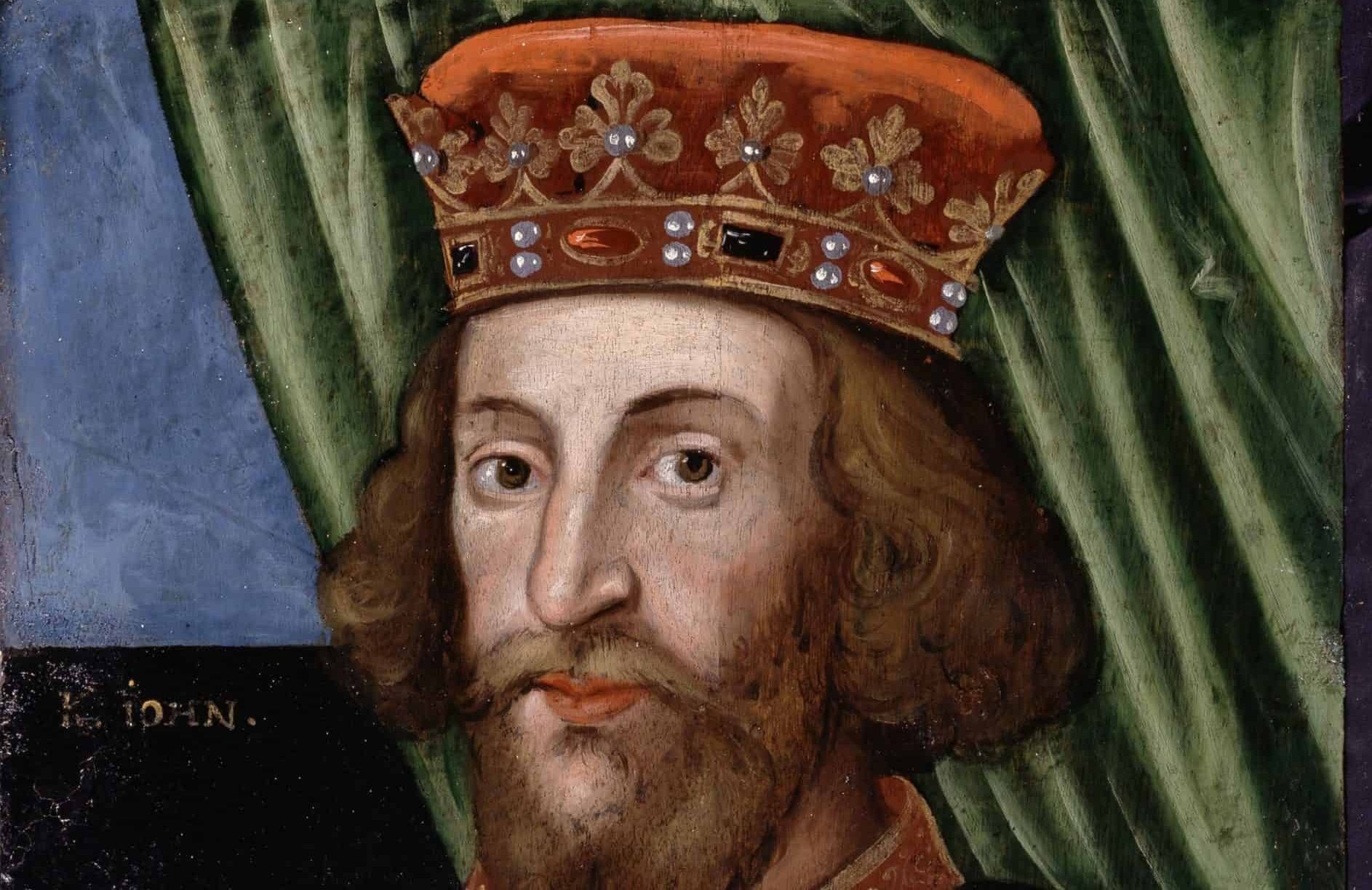
Prior to being coerced into signing the Magna Carta in 1215, King John wasted years watching huge areas of English land in France, such as Normandy, slip from his grasp and into the hands of King Philip II.
Never one to meet French forces head-on on the battlefield, John’s military failures won him this derisive nickname (as well as the nickname “Lackland”), forever associating him with weakness on the battlefield.
“Spoons”

In the American Civil War, Union General Benjamin Butler was named military governor of occupied New Orleans. His tyrannical behavior, financial scandals, and rumors of him confiscating valuable silverware from private Southern homes earned him the derisive nickname of “Spoons” (as well as “Beast Butler”), and he became portrayed in Southern popular culture as a petty thief.
“Granny Lee”
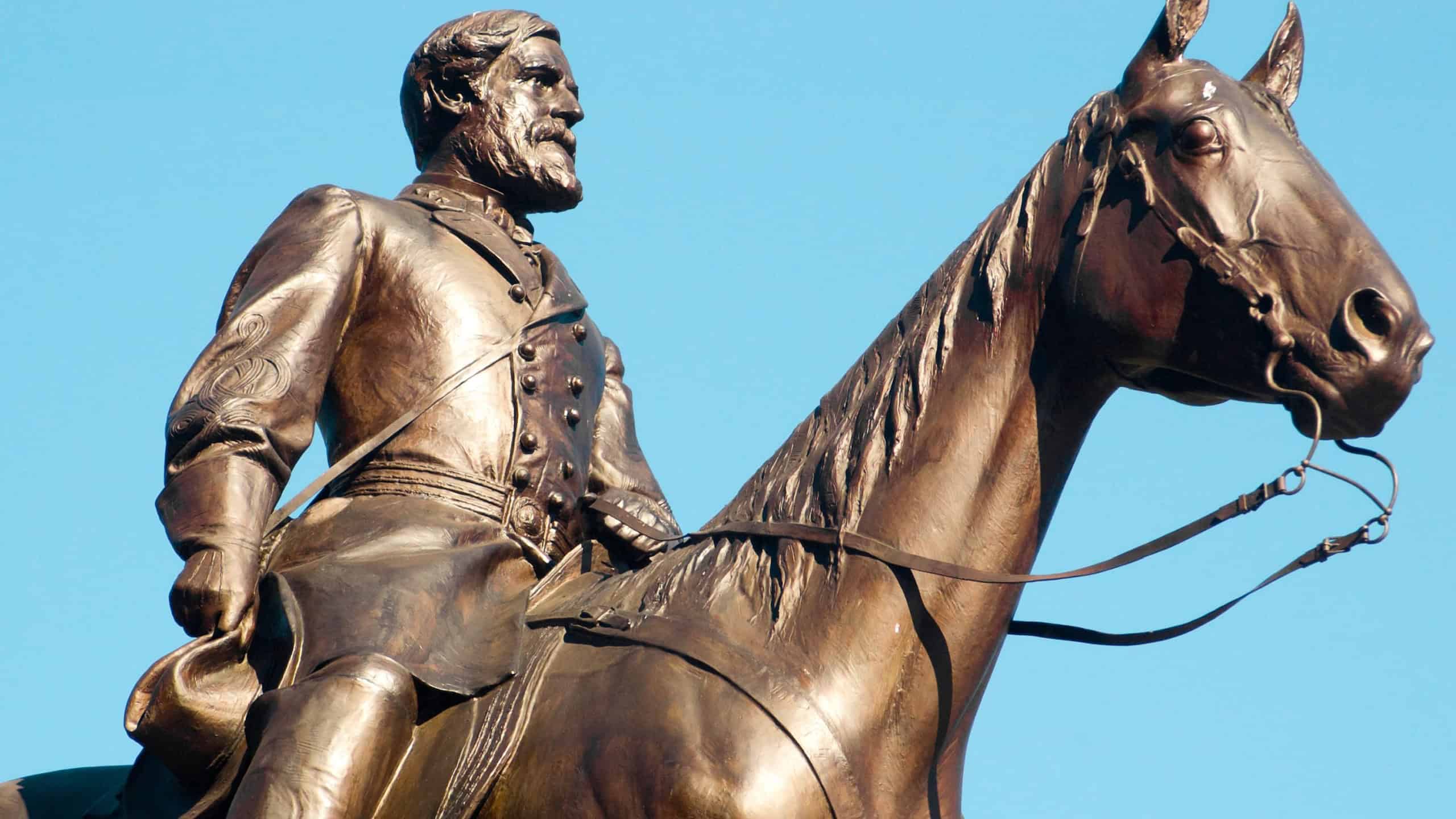
In the early stages of the Civil War, Confederate General Robert E. Lee planned defensive fortifications and strategic withdrawals in West Virginia and South Carolina. His superiors and his own men derided him for his defensive posture, giving him the nicknames “Granny Lee” and “The King of Spades” well before he could prove himself at Chancellorsville and Fredericksburg.
“Old Fuss and Feathers”

General Winfield Scott was a commander in the U.S. Army for fifty-two years, but his excessive concern for etiquette, strict discipline, and lavishly plumed uniforms got him this mocking nickname from his men. Although intended to mock his haughty demeanor, Scott proudly wore the nickname during his career.
“The Cabbage”

In 1277, Ivailo, a peasant swineherd, led a popular revolt in Bulgaria. He defeated the ruling elite, married the widowed empress, and claimed the throne for himself.
Dissatisfied with his low birth, rival Byzantine nobles scorned him as Lachanas (“The Cabbage” or “Lettuce”), and would not accept him as emperor, regardless of his military successes.
Copronymus” (The Dung-Named)

Constantine V was a successful Byzantine Emperor in the 8th century. However, because of his aggressive campaign against religious icons, he earned many enemies in the Church.
After his death, ecclesiastical historians who despised him spread the story that he had pooped in his own baptismal font (the sacred basin or bowl that holds water for baptism) as a baby, earning his permanent nickname Copronymus, or dung-name.
“El Baboso” (The Slobberer)

King Alfonso IX of León, who ruled in the 12th century and convened one of the earliest representative parliaments in Europe, had a facial tic which made him foam at the mouth and drool uncontrollably when he became enraged.
His political foes and local historians reveled in this affliction, immortalizing him in history as El Baboso (“The Slobberer”).
“Le Fainéant” (The Do-Nothing)

Louis V was the final Carolingian king of West Francia. He acquired his disrespectful nickname by being entirely politically inconsequential. He became king at age 19 and died of a hunting accident only a year and two months later without an heir. His official epithet from history translates to “The Do-Nothing” or “The Slothful.”
“The Unready”

Anglo-Saxon King Æthelred II’s nickname began as an Old English pun: his given name, Æthelred, meant “noble advice,” thus his political detractors nicknamed him Unræd, which meant “bad advice” or literally “no counsel.” Over time, the pun was misunderstood in popular history to “The Unready,” forever stigmatizing him as an incompetent king unable to prevent Viking invasions.
“El Impotente” (The Impotent)

King Henry IV ruled Castile during the 15th century and was the target of significant political strife from rebelling nobles. After his wife bore him a daughter, Joanna, competing factions began propagandizing that the King was naturally unable to father children. The derisive nickname El Impotente was attached to Henry, starting a succession war questioning his legitimacy.
“El Rey Felón” (The Felon King)

Once dubbed the hopeful nickname El Deseado (“The Desired”) by Spaniards who hoped he would liberate their country from the French, King Ferdinand VII showed himself to be a heartless tyrant. Following the annulment of the liberal constitution and the execution of his political allies, his crestfallen citizens derisively reversed his nickname to El Rey Felón (“The Felon King”).
Sources: Please see here for a complete listing of all sources that were consulted in the preparation of this article.
Like our content? Be sure to follow us.
11 women in history who refused the life chosen for them
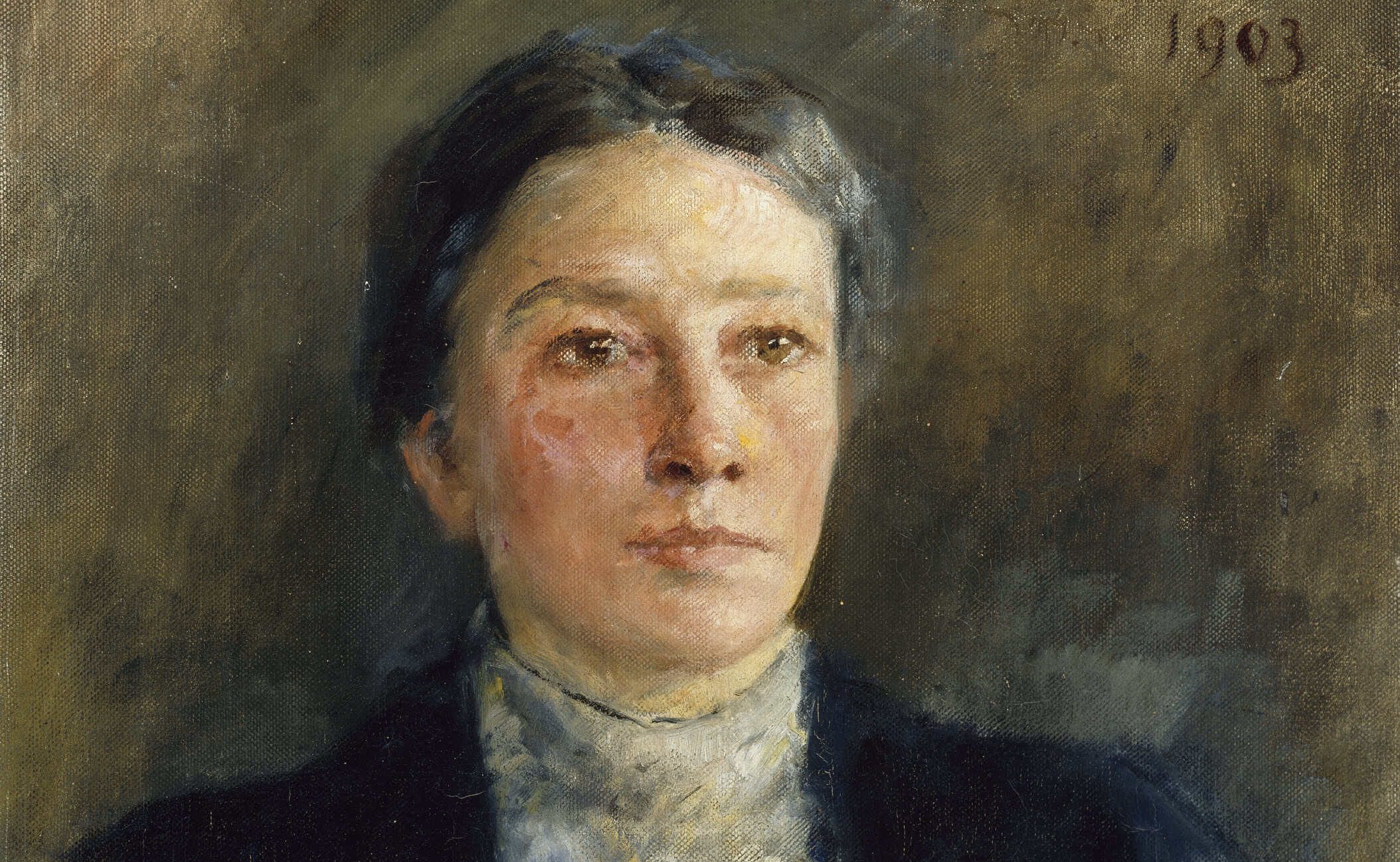
History is not just made by warriors and revolutionary thinkers; it’s also been shaped by women throughout time and across cultures who didn’t settle for the roles that others chose for them.


