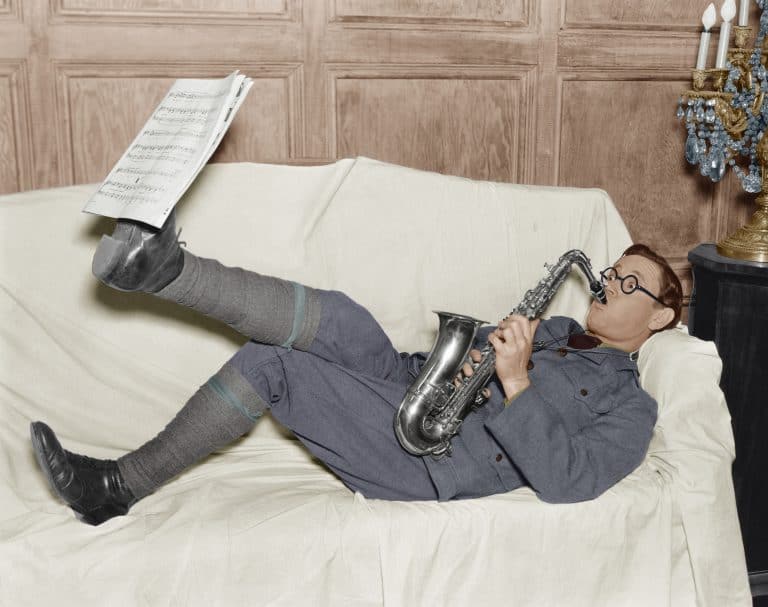

Throughout history, there have been many outrageous, unbelievable characters, but for some reason, they were never mentioned in mainstream history books.
Timothy Dexter
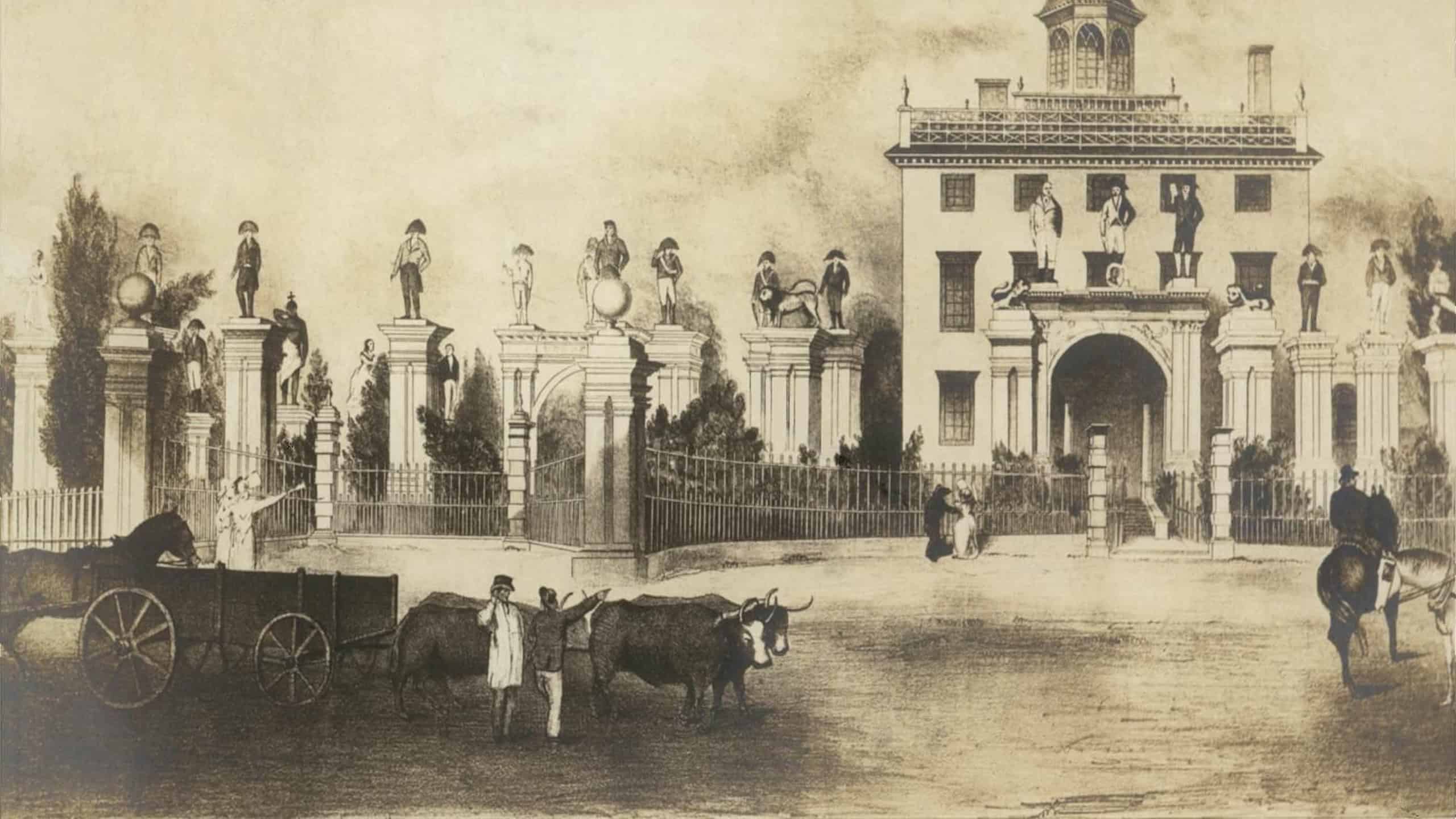
This illiterate leather dresser from 18th-century Massachusetts somehow managed to become incredibly wealthy. He literally rose to riches by falling for bad advice meant to sabotage him from his competitors.
He was once tricked into shipping bed-warming pans to the West Indies (a tropical climate) as a joke. Local businessmen promptly bought them all to use as ladles for molasses.
He once foolishly sent a shipment of stray cats to the Caribbean, but ended up solving a massive rodent infestation overnight.
William Buckland

The 19th-century paleontologist and Dean of Westminster had a goal to eat every living thing on Earth and would often cook up the strangest meals for guests, which included hedgehog, panther, puppy, and bluebottle flies.
On one occasion while dining with an English lord who owned a petrified sliver of King Louis XIV’s mummified heart, Buckland popped the relic into his mouth and swallowed it whole without so much as a second thought.
Jemmy Hirst

The eccentric eighteenth-century English tanner Jemmy Hirst was born into money and tossed aside all conventions of society. He refused to ride horses and would instead gallop into fox hunts riding a bull named Jupiter. He also trained a pack of pigs to retrieve game birds as though they were hunting dogs.
Upon hearing that the wild Yorkshireman was in town, King George III demanded that Jemmy meet with him. Showing up at court wearing a vest made of otter-skin and a hat made of lambskin, Hirst casually tossed bucketfuls of water at royal guards after they laughed at him.
Charles Waterton

Charles Waterton was a 19th-century English naturalist and conservationist who created the world’s first wildlife sanctuary on his own property.
Equally well known for his death-defying escapades, Waterton amused himself by wrestling tame caimans in South America, climbing massive trees barefoot well into his seventies, and stealthily biting the ankles of genteel guests arriving to dinner at his house while hiding under the table and growling like a feral dog.
Mary Toft

In 1726, an English peasant woman named Mary Toft managed to persuade the Royal Physicians that she was giving birth to rabbits. Mary Toft’s rabbit hoax became a medical marvel that captivated audiences throughout Europe, stalling medical discourse while even gaining a personal investigation by the King’s surgeon general.
Elmer McCurdy
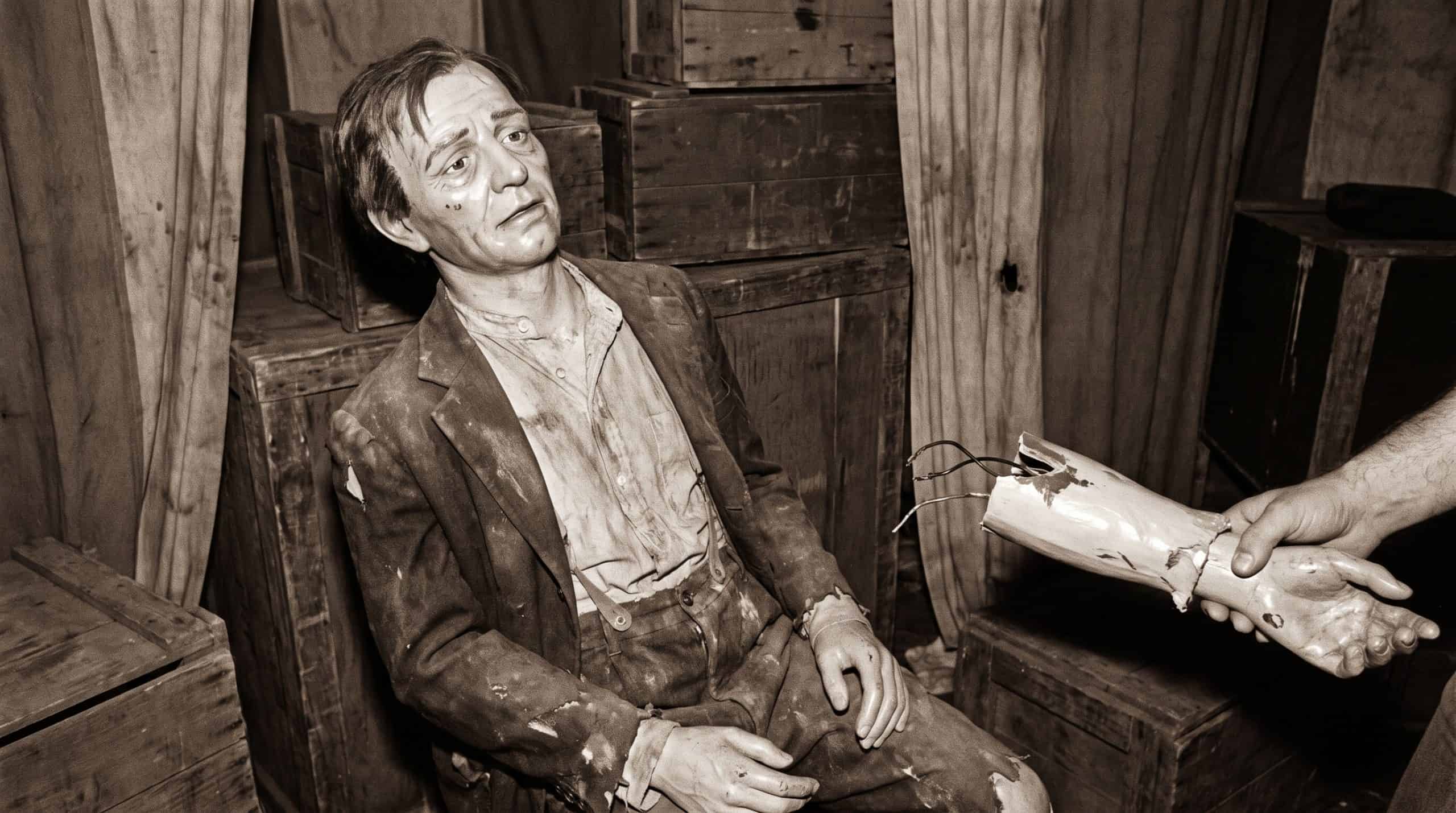
Elmer McCurdy was a notoriously inept American outlaw whose posthumous adventures far surpassed his own. Killed in a police shootout in 1911, McCurdy’s body was preserved using arsenic-laden fluid by an undertaker who mummified him.
McCurdy’s corpse was bought and resold as a wax dummy for use in carnivals and haunted houses for over sixty years until his arm was broken off by accident by a television film crew in a California amusement park in 1976, and found human tissue inside.
John Taylor

John Taylor boasted of being an expert eye doctor. He performed dangerous cataract surgeries, often leaving his victims blind. In an extraordinary case of bad luck for classical music, Taylor extracted cataracts from both Bach and Handel. Taylor left both composers blind and skipped town to escape retribution.
John Murray Spear
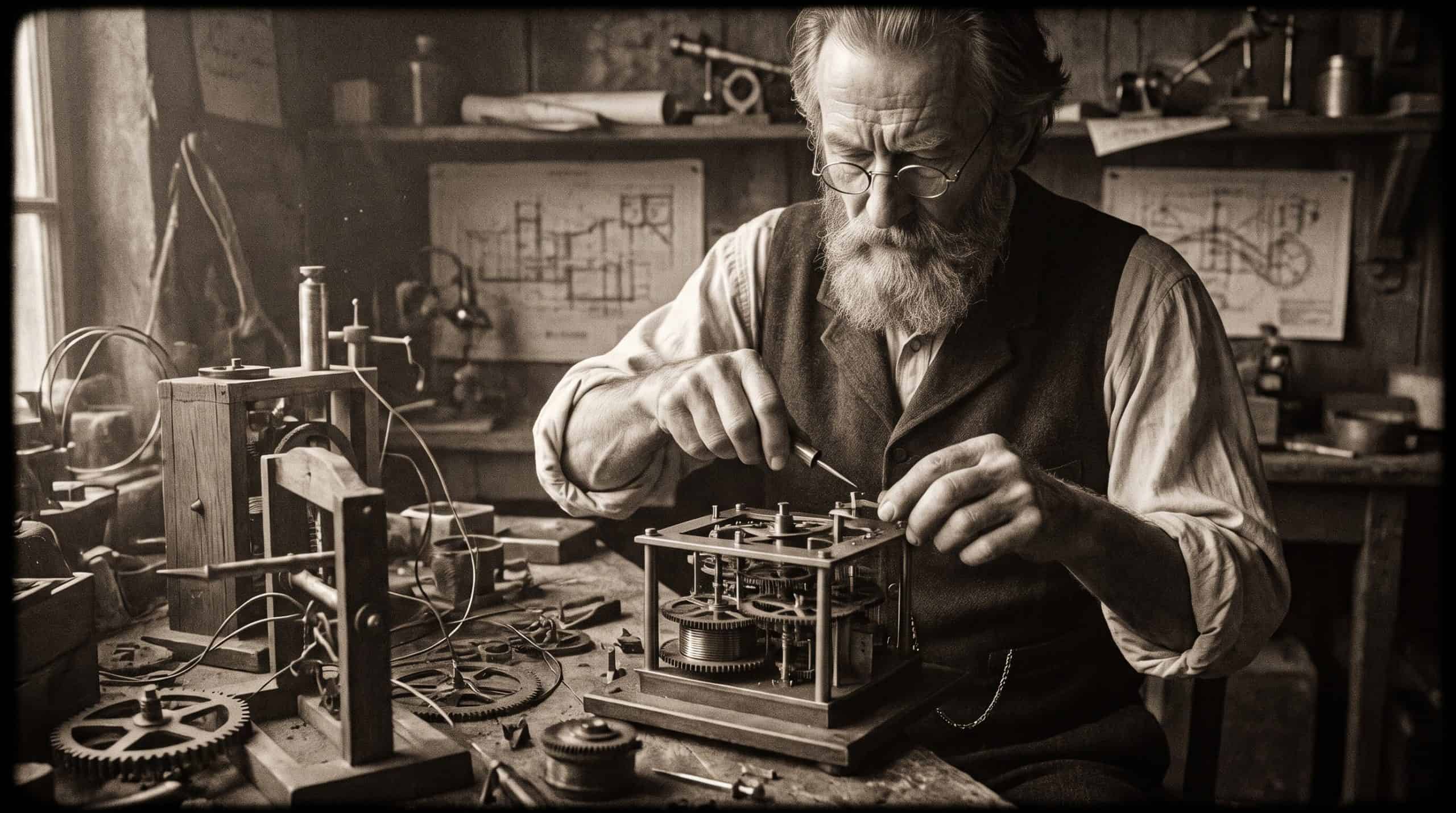
In 1853, a Universalist minister and spiritualist named John Murray Spear claimed that he was being guided by the spirits of Thomas Jefferson and Benjamin Franklin to construct a mechanical messiah who would liberate mankind from the drudgery of work.
Made of copper, zinc, and magnets, Spear’s “New Motive Power” machine underwent strange birth rites until a mob destroyed it.
Princess Caraboo (Mary Baker)

Discovered in an English village dressed in unusual clothing and pretending to speak an unknown language, Mary Baker managed to persuade people that she was a princess named Caraboo from the island of Javasu who had thrown herself into the sea to avoid pirates.
British aristocrats treated her to a life of luxury before she was exposed as the daughter of a cobbler from Devon who created her backstory and language from gypsy cant and nonsense words.
Sir Jeffrey Hudson

Sir Jeffrey Hudson stood only 18 inches tall as a child when he was delivered to Queen Henrietta Maria baked inside of a huge cold pie. Hudson grew up to be a royal court favorite, English Civil War captain, and lethal swordsman. One man who took Hudson up on his challenge drew a squirt gun instead of his sword in jest over Hudson’s stature.
Hudson shot him through the forehead while on horseback. Hudson was captured by Barbary pirates and sold into slavery in Africa, where he lived for 25 years before being freed.
Matthew Robinson, Lord Rokeby

Matthew Robinson, an 18th-century English aristocrat and Member of Parliament, became addicted to sea bathing. He spent nearly all his time in a constructed heated swimming bath designed for him.
He rose at dawn and remained submerged up to eight hours each day, eating, working, receiving callers. He insisted on walking everywhere through pouring rain to stay wet.
Sir George Sitwell

A rich Victorian baronet and eccentric obsessionist, he spent his entire life penning bizarre pamphlets on obscure subjects such as The History of the Fork and On the Making of Gardens.
He forbade all blue flowers on his estate, tried to create an artificial lemon syrup to deal with his constant illnesses, and often travelled with a tailor-made pistol designed to shoot wasps.
Thomas Urquhart

Urquhart was a 17th-century Scottish writer and polymath. He translated the works of Rabelais into English and tried to invent a universal language.
Urquhart’s life was absurd; his death seems to have been equally so. According to legend, he died in 1660 after laughing himself to death when he heard that King Charles II had been restored.
Sources: Please see here for a complete listing of all sources that were consulted in the preparation of this article.
Like our content? Be sure to follow us.
11 women in history who refused the life chosen for them
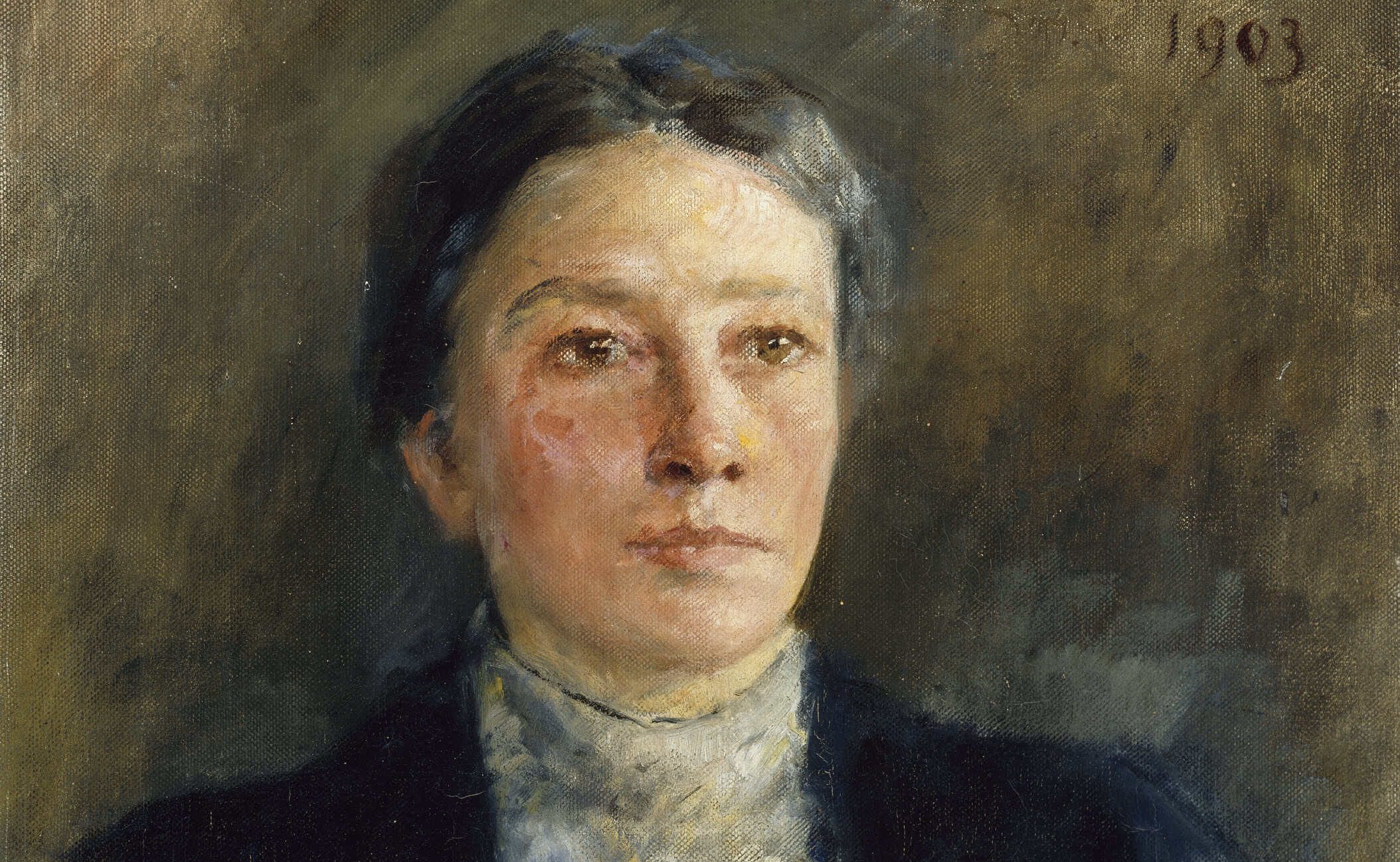
History is not just made by warriors and revolutionary thinkers; it’s also been shaped by women throughout time and across cultures who didn’t settle for the roles that others chose for them.

