

History is not just made by warriors and revolutionary thinkers; it’s also been shaped by women throughout time and across cultures who didn’t settle for the roles that others chose for them.
Laura Bassi
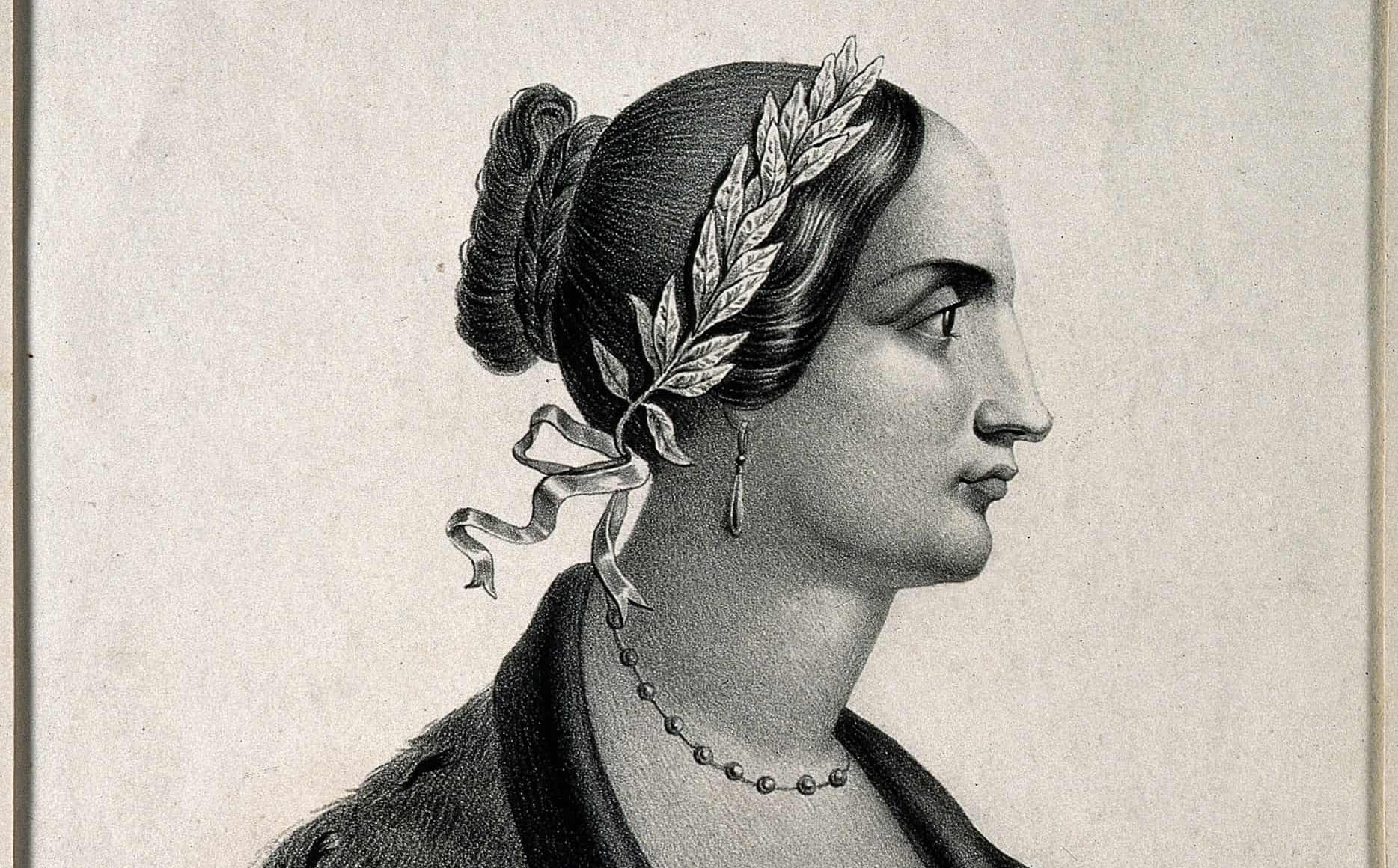
Women with minds were sometimes showcased as ornamental freaks in 18th century Italy, but rarely allowed positions of actual institutional power.
Laura Bassi was awarded a doctorate of philosophy at the age of 21, but when she was hired by the University of Bologna, they tried to cage her into submission by offering her an honorary position that prohibited her from teaching publicly.
Instead of quietly resigning herself to the role of decorative object, Bassi constructed a fully-stocked experimental physics lab in her home.
With her husband, whose intellectual partnership she actively sought out, Bassi spent years conducting revolutionary research in electricity, which ultimately pressured the university into making her a full professor and the chair of experimental physics.
Nzinga of Ndongo

Portuguese colonizers in early 17th-century West Africa demanded Indigenous leaders kneel before them in order to accept colonization as their vassal.
When Nzinga held her first peace summit as a diplomat for the Kingdom of Ndongo, the governor sat in an oversized chair while leaving no chair for Nzinga herself, expecting her to sit or kneel on the dirt floor like a slave.
She refused, gestured for one of her servants to go down on all fours, and used him as a human chair in order to stand eye-to-eye with the governor.
Years later, she seized the throne, shed the title of queen for that of king, and fought European expansion with military force for many years.
Jeanne Baret

Jeanne entered the world in 18th-century rural France, a circumstance of poverty that typically sealed one’s fate to remain there. A farmworker or housemaid, perhaps.
However, when the French Navy declared women were not allowed onboard its vessels, Baret wrapped her breasts tightly in bandages, renamed herself “Jean,” and joined the royal botanist Philibert Commerson’s crew as his assistant.
During her more than two years at sea, Baret endured arduous work, transporting weighty plant presses over difficult terrain, all while concealing her identity from the ship’s numerous male crew members.
The first woman known to have sailed the world was Baret, and her male counterpart actually received credit for her discovery of the Bougainvillea vines in Brazil for centuries.
Lady Hester Stanhope
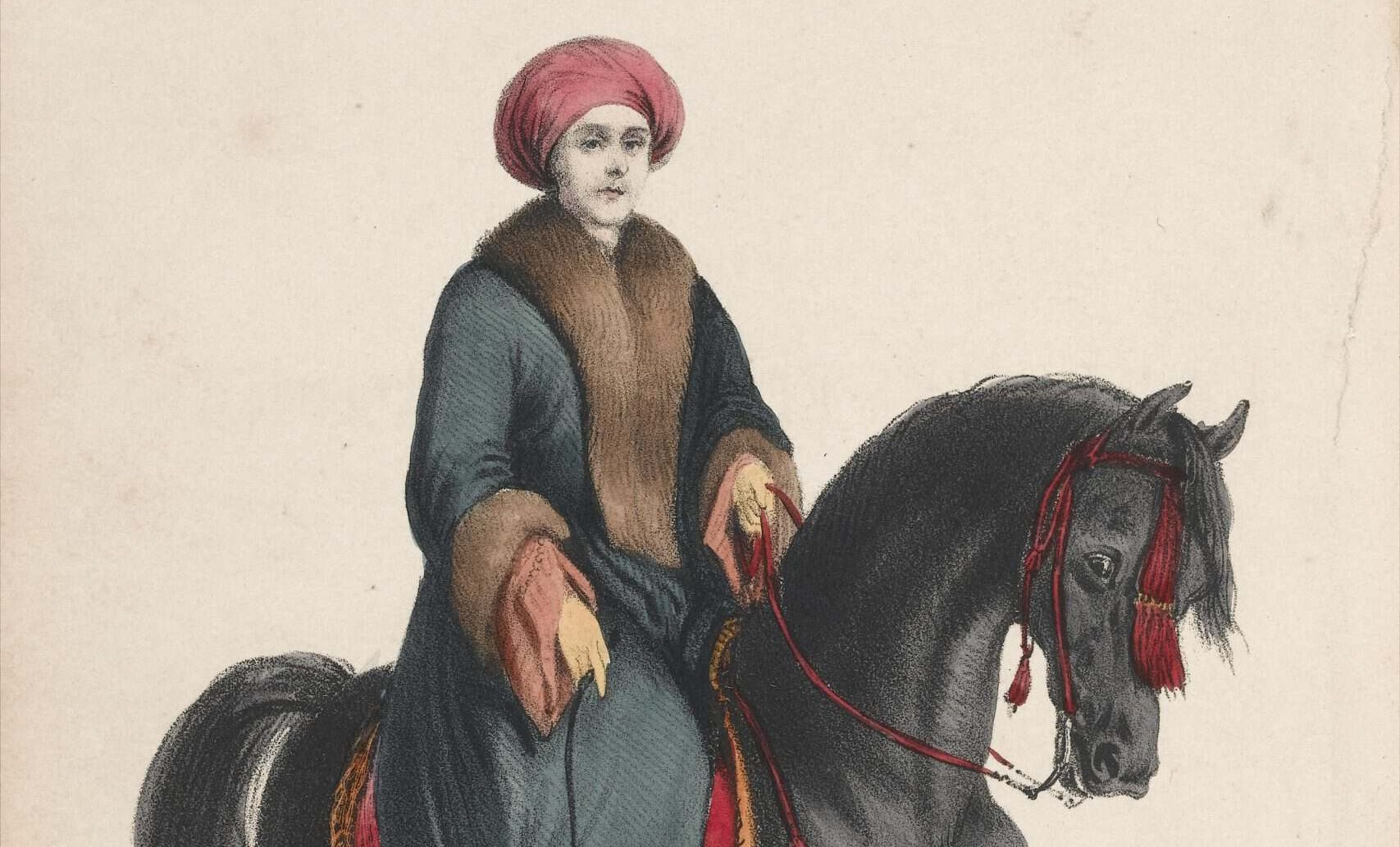
Lady Hester was born into unimaginable wealth and status as the niece and official hostess of British Prime Minister William Pitt. You best believe everyone in 19th century London knew her name.
Instead of enjoying a safe, dignified, aristocrat’s life of retirement back home in England after her uncle died, she cut out of Europe altogether.
With Turkish robes replacing her fine dresses and a scimitar at her side, she became a trailblazer among European women exploring the Middle East.
Lady Hester rode horses bareback into cities where women weren’t seen unveiled, and where foreign travelers were forbidden to uncover their heads. She mediated peace treaties between Bedouin tribes and organized the first modern archeological dig at Ashkelon in Palestine.
When women of her stature were expected to retreat into quiet domesticity, Lady Hester chose adventure, danger, and complete autonomy.
Julie d’Aubigny
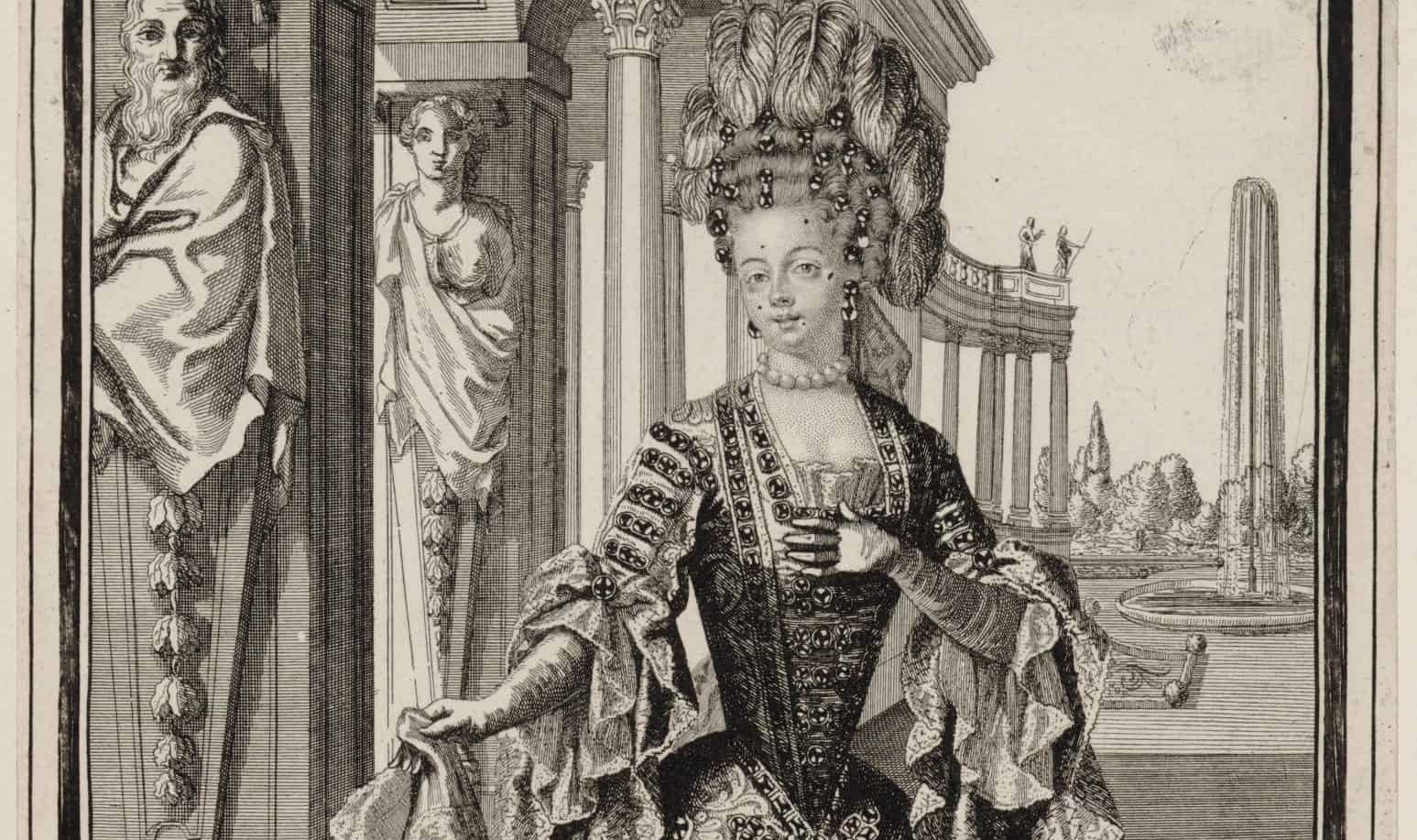
Julie d’Aubigny grew up in the French court during the 1600s. Her father taught her classical fencing techniques as the Grand Squire of France.
Instead of entering an arranged, subservient marriage like most women of her time, she ditched her husband and became a wandering duelist and opera singer. By night she performed lead roles for the Paris Opéra. When she wasn’t on stage, she was locked in life-or-death sword duels, often in masculine attire.
When her family exiled one of her lovers to a convent, d’Aubigny joined that convent as a novice. She burned down the convent and escaped with her lover in the chaos she created.
Enheduanna
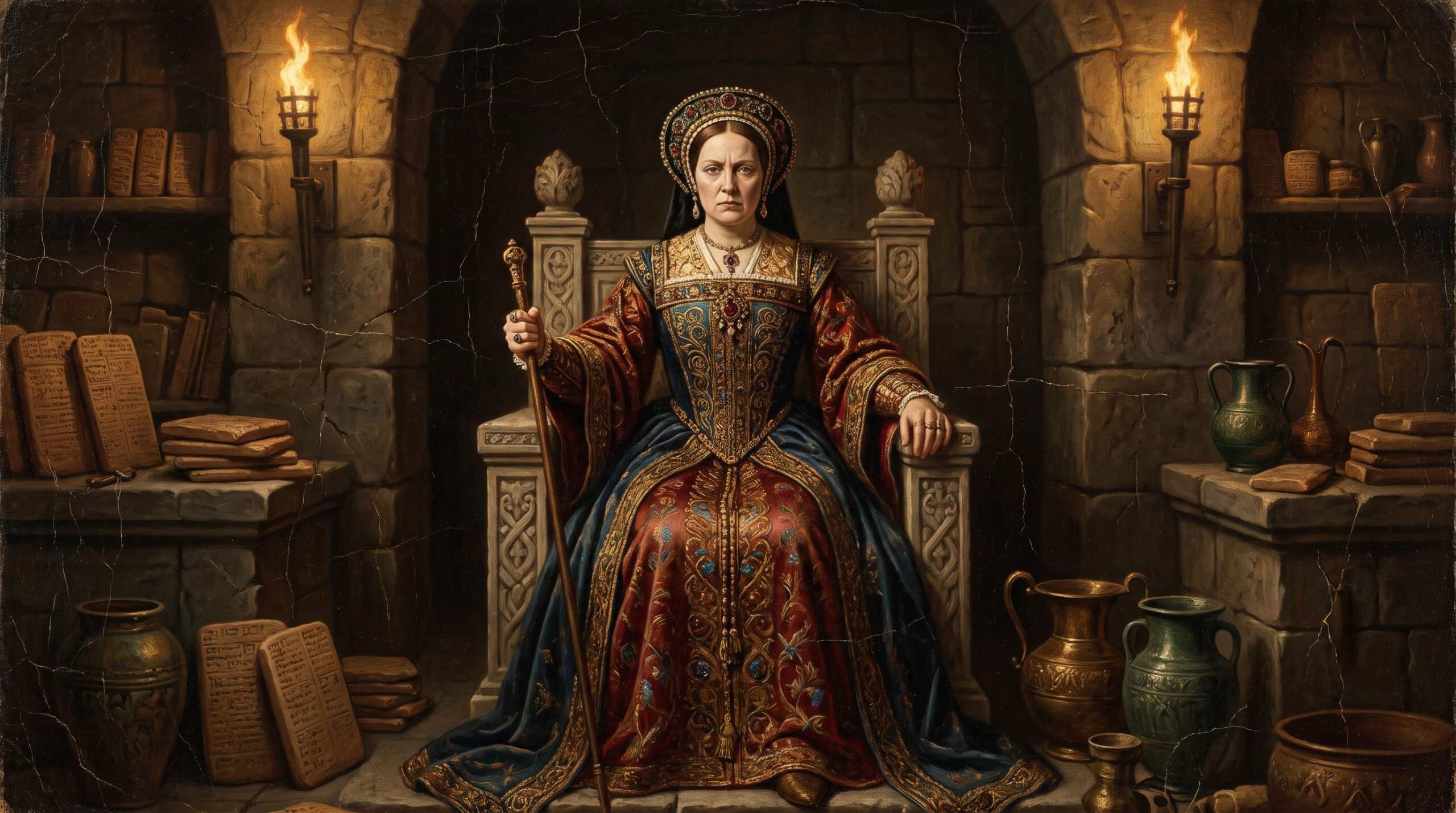
4,000 years ago in ancient Mesopotamia, daughters were married off as political pawns to form alliances and build up strong kingdoms.
Defying norms of the era, Enheduanna, the daughter of King Sargon of Akkad transformed the traditionally female role of High Priestess of Ur into her own political empire.
Her authority wasn’t always secure. She was usurped by a man who tried to erase her from power by banishing her. Enheduanna fought back with the only tool that can’t be taken away: language.
On clay tablets, she wrote evocative poetry reclaiming her status and invoking the gods to see that justice was served. Through her words, Enheduanna made sure nobody could take her story from her. She’s credited as the world’s earliest author known to us by name, complete with surviving pieces of her writing.
Lilian Bland
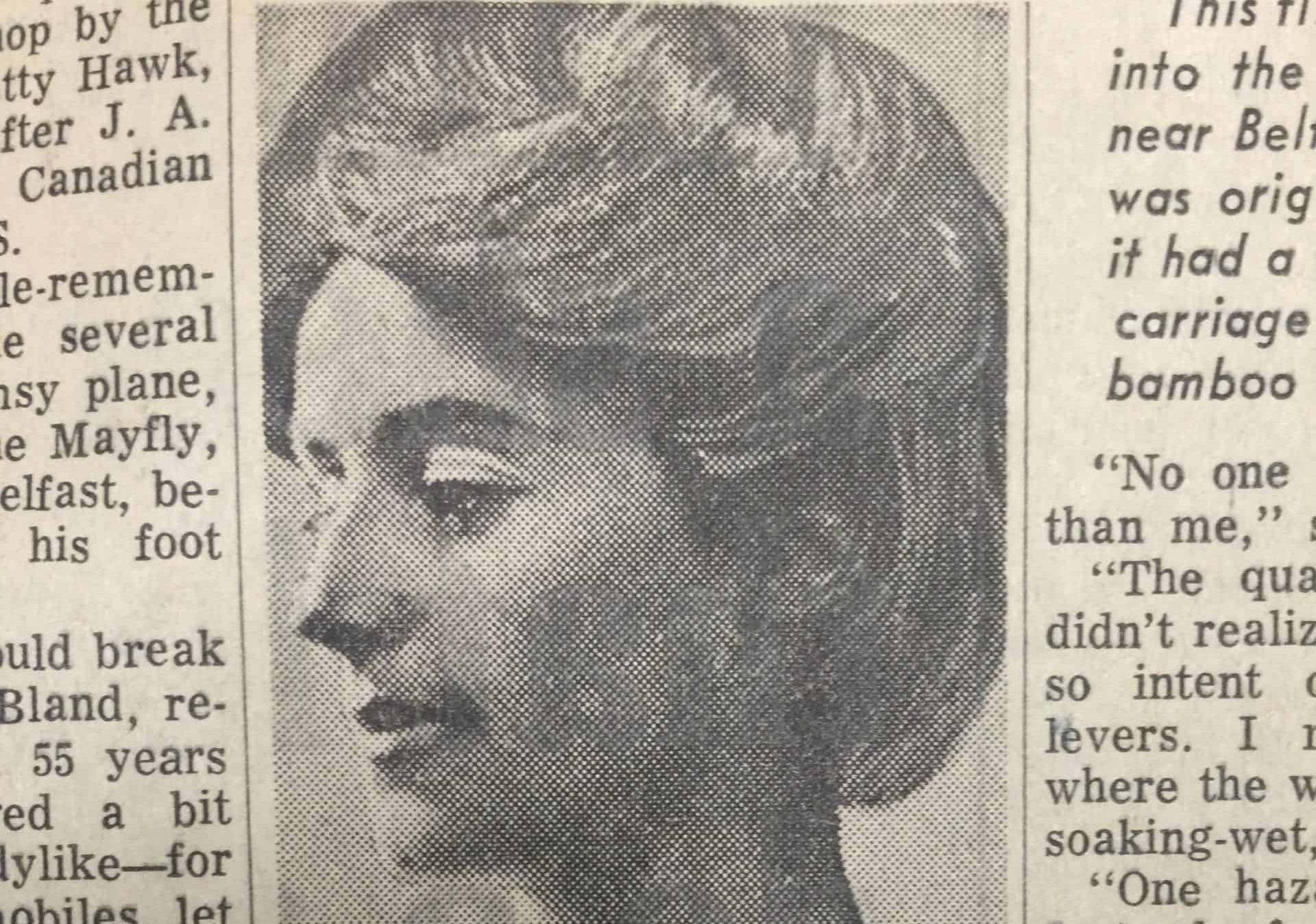
When Lilian Bland was a young woman in early 1900s Ireland, she was taught that female hobbies were restricted to activities like sewing, cookery, and proper decorum.
Bland raced horses, worked as a newspaper photographer, and developed a fixation on flying. Upon receiving a picture postcard featuring one of the first human-carrying airplane designs in 1909, Bland constructed her own biplane out of bamboo, spruce, and canvas in her backyard shed.
She personally designed the frame and hand-stitched the wings. And Lilian Bland would go on to become the first woman to design, construct, and fly a powered aircraft.
Ching Shih
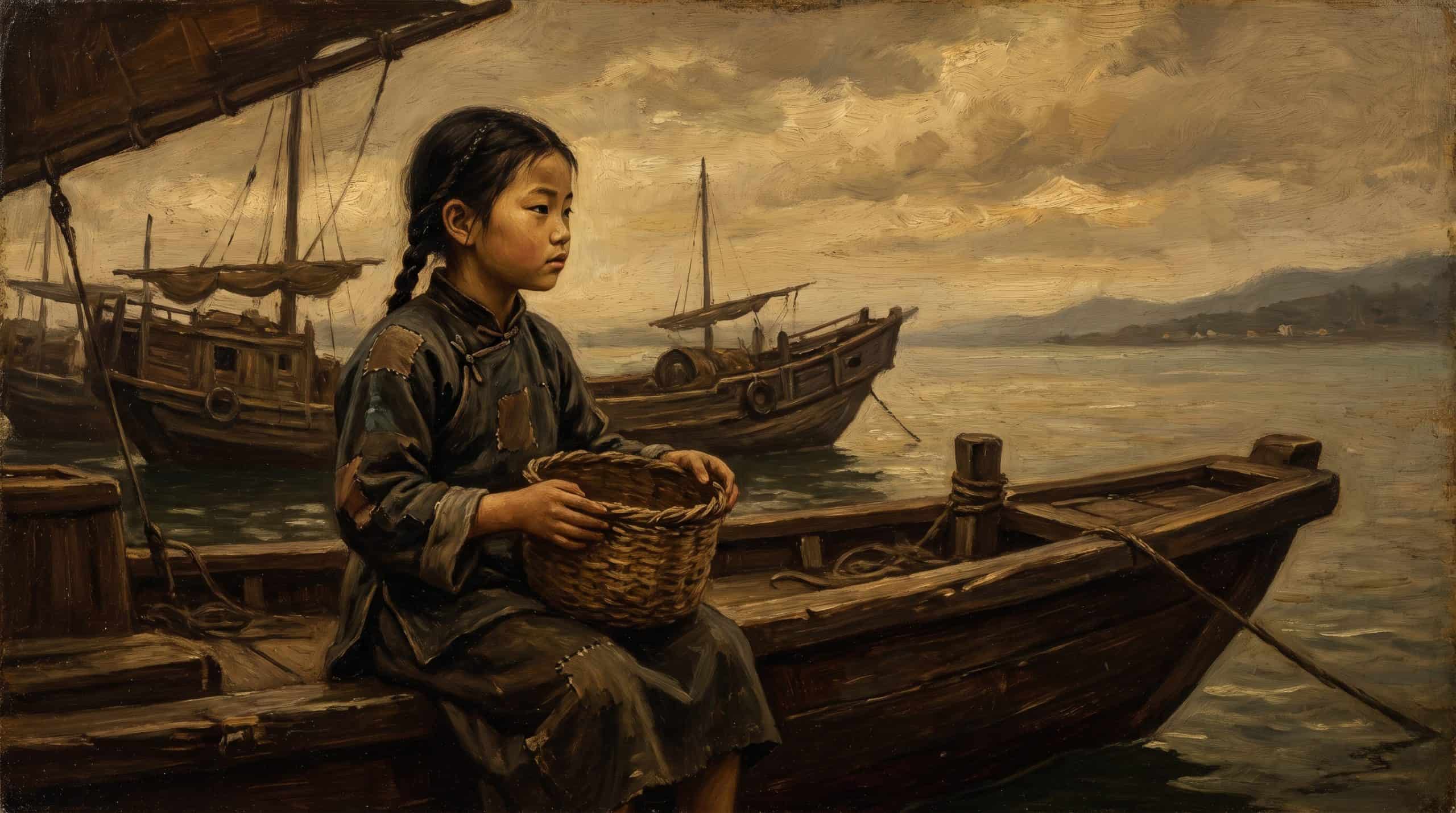
Ching Shih was born during China’s Qing dynasty. Trafficked and forced into prostitution in a floating brothel on the Cantonese coast as a child, she came from humble beginnings.
When pirate boss Zheng Yi asked for her hand in marriage, she refused to marry him unless he legally gave her 50% ownership of his fleet. Following his death, she took his place leading the Red Flag Fleet and grew it to over 1,800 ships and 70,000 pirates.
Under her command the fleet enacted a famously harsh but progressive set of laws (rape of female prisoners was punishable by death), bested the Chinese, British, and Portuguese navies, and then strong-armed the Qing Emperor into pardoning her completely with all her possessions.
Noor Inayat Khan
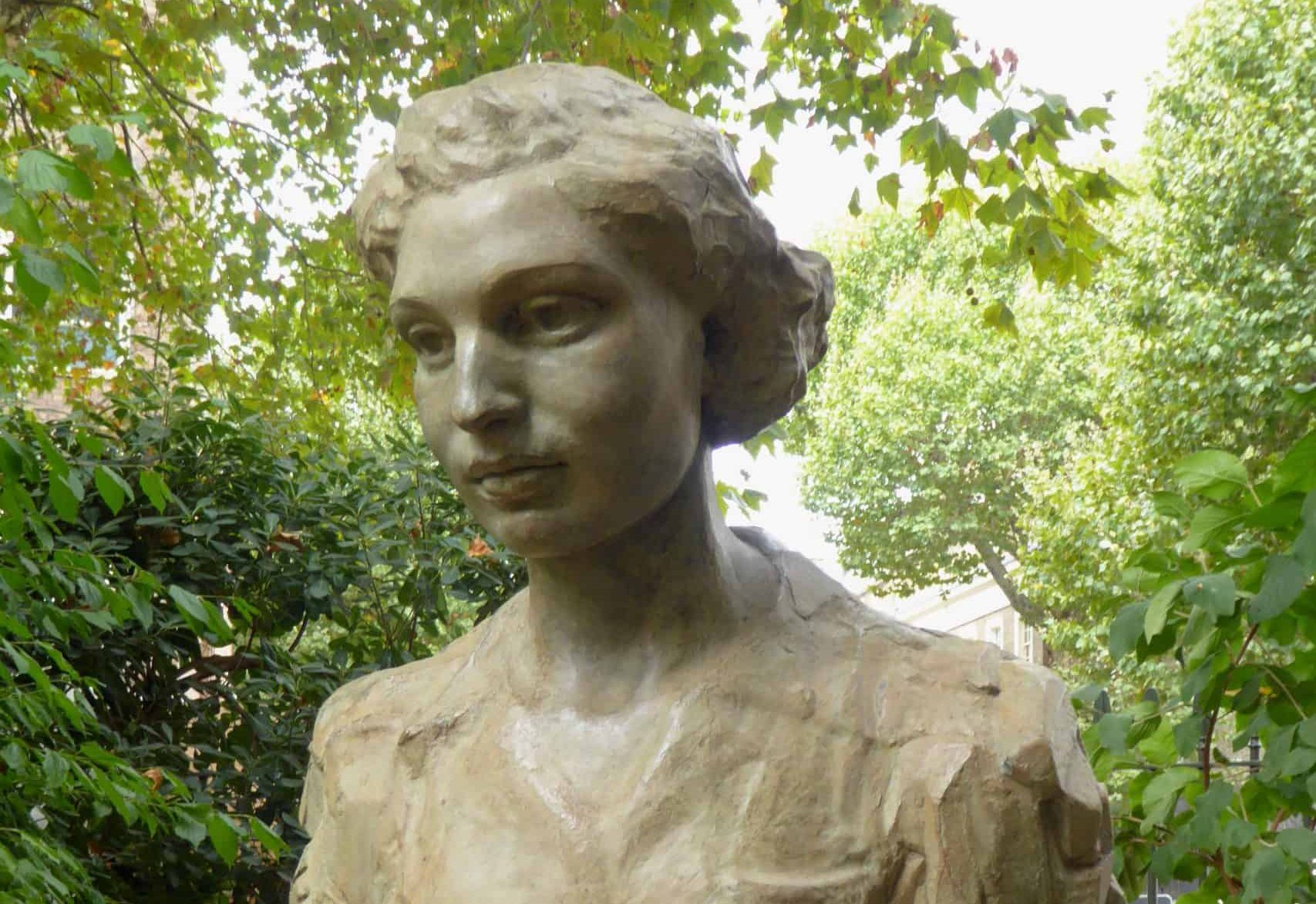
She was born into an Indian royal lineage and grew up as a pacifist musician and author of children’s stories.
What could have been farther from the brutalities of war than Noor Inayat Khan? When Britain and France were at war with Nazi Germany, she could have led a quiet, safe life in Britain. But instead she volunteered to join the Special Operations Executive and be sent into Nazi-occupied France as a spy.
She entered occupied Paris as Britain’s first female wireless radio operator sent behind enemy lines, where the average life expectancy was six weeks.
When her team was entirely exposed to Nazi intelligence, she still refused to escape or be evacuated, continuing alone to run the communications network of the Paris resistance for months until she was captured.
Wu Zetian
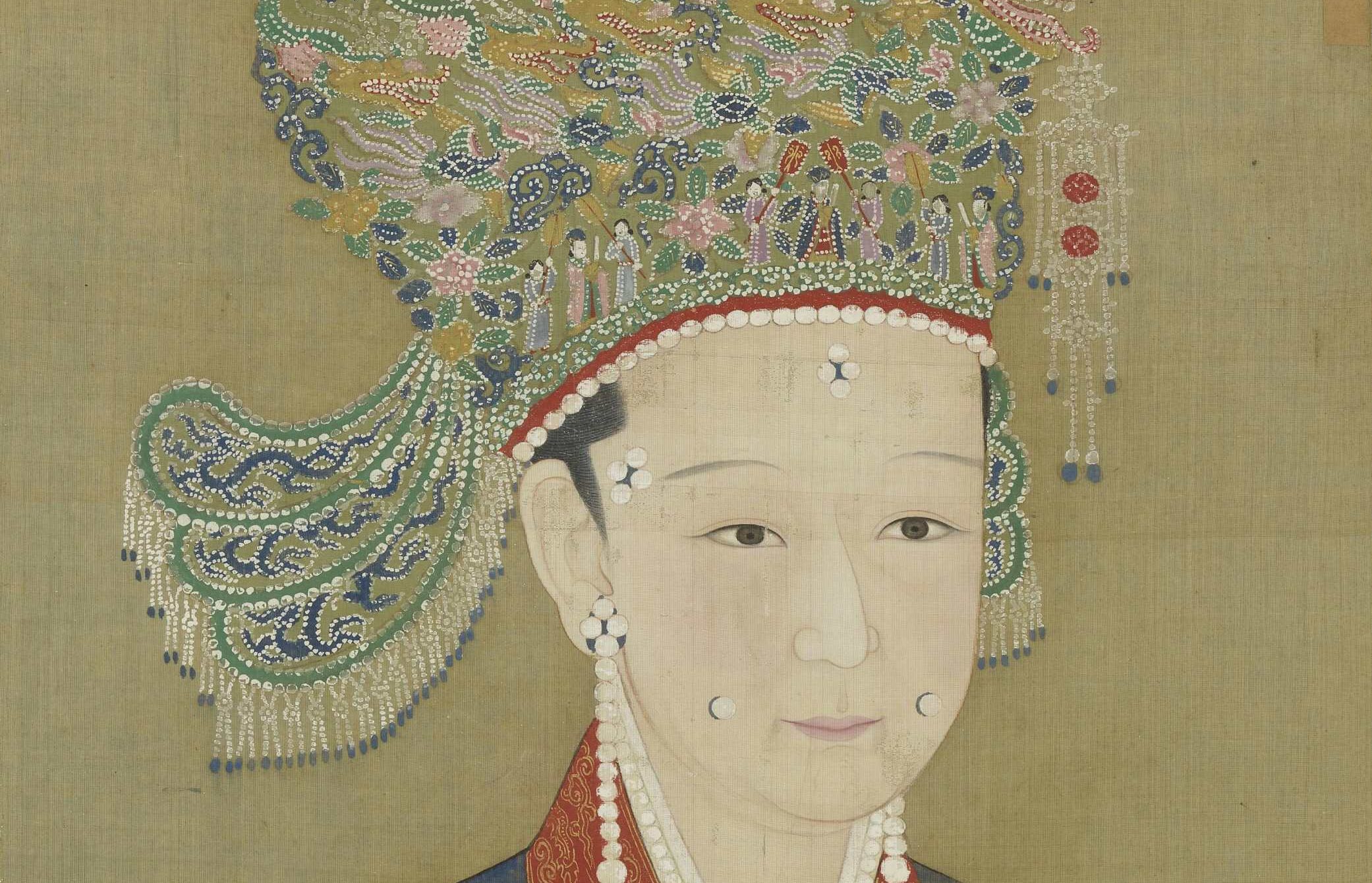
Chinese law and custom stated that after an emperor died, his concubines without children were to shave their heads and become Buddhist nuns living out their days in the monastery.
After Emperor Taizong died, Wu Zetian was escorted to a convent to join the others who remained childless. That could have been Wu’s story. Except that wasn’t the end of her story, as Wu had other plans.
She later returned to court in the reign of the next emperor, ingratiating herself until she became his favorite. Wu swiftly climbed the ranks of the palace.
Her political enemies were many, including the reigning Empress, but Wu was patient and shrewd. Slowly she chipped away at the power held by the established aristocratic families and garnered support amongst her own allies in government.
Then she did the unthinkable. Breaking centuries of tradition, Wu Zetian took the throne for herself. Crowning herself Emperor, she founded her own dynasty and became China’s only female sovereign.
Lady Gregory (Augusta Gregory)
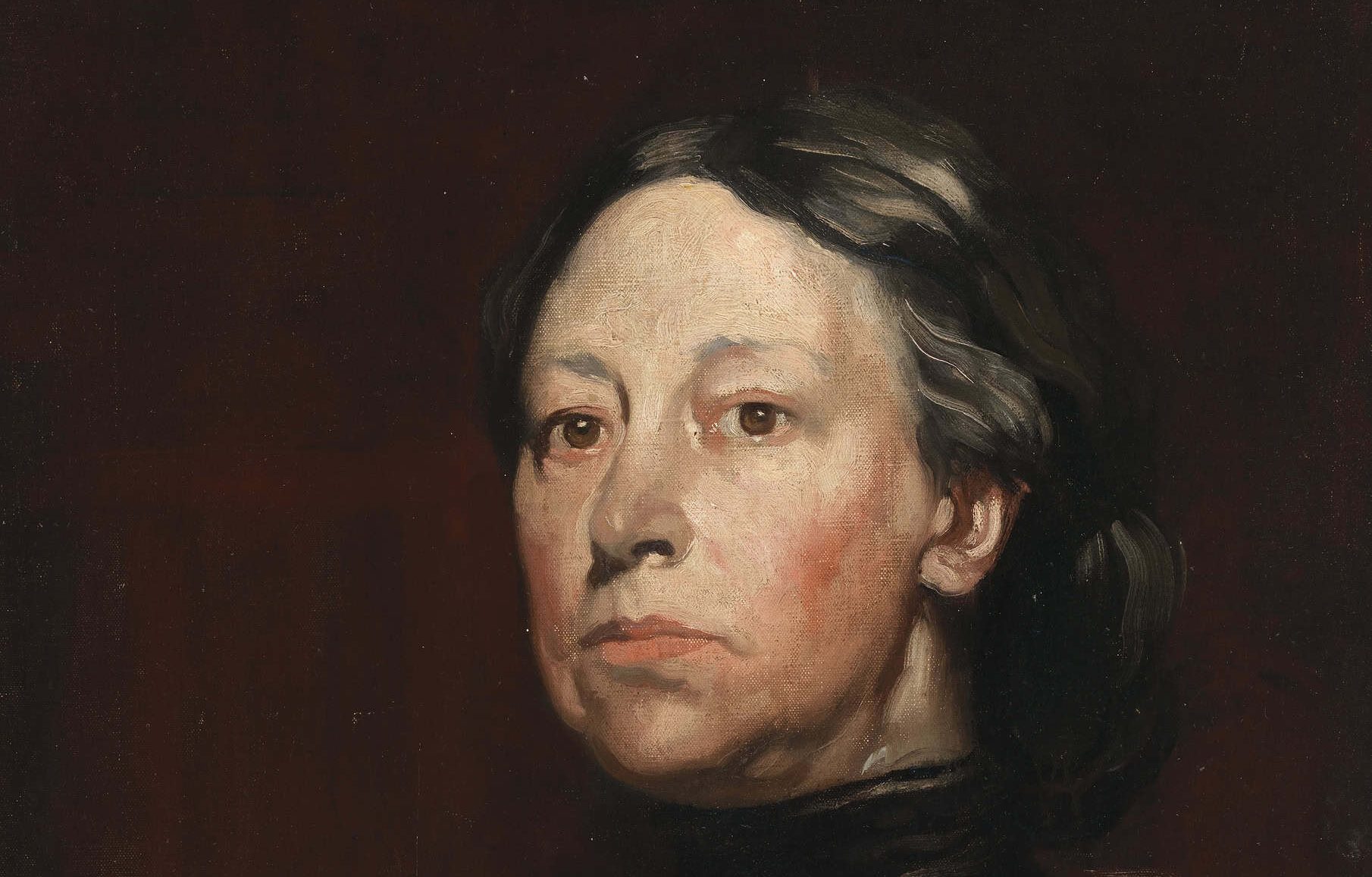
Augusta Gregory was born into an Anglo-Irish landlord family expected to live privately, unionist lives on their rural estates.
Gregory fought vigorously for Irish independence after the death of her husband, dedicating herself to the preservation of native Irish traditions.
She walked (always on foot) for years through the most impoverished rural areas of western Ireland listening and taking notes in cottage seats as peasants told her oral Gaelic folklore.
She co-founded the Abbey Theatre in Dublin, using her money and influence to protect avant garde, anti-colonial plays from British government censorship.
Sources: Please see here for a complete listing of all sources that were consulted in the preparation of this article.
Like our content? Be sure to follow us.
13 historical facts that will totally mess with your sense of time

You might not realize it, but quite a few parts of history sit a lot closer together than they should have any right to, and it’s enough to seriously mess with your mind.
13 historical facts that will totally mess with your sense of time


