

Queens have conquered empires, transformed faiths, raised armies, and changed world history forever.
Hatshepsut (c. 1507–1458 BCE)

Hatshepsut was one of ancient Egypt’s first female Pharaohs. Reigning for more than twenty years in Egypt’s Eighteenth Dynasty, Hatshepsut secured massive international trade networks, including trade with the Land of Punt, that flooded Egypt with riches.
She also commissioned monumental building projects, like her famous mortuary temple at Deir el-Bahari. Hatshepsut displayed power by taking on the full crown and regalia of a male Pharaoh.
Cleopatra VII (69–30 BCE)
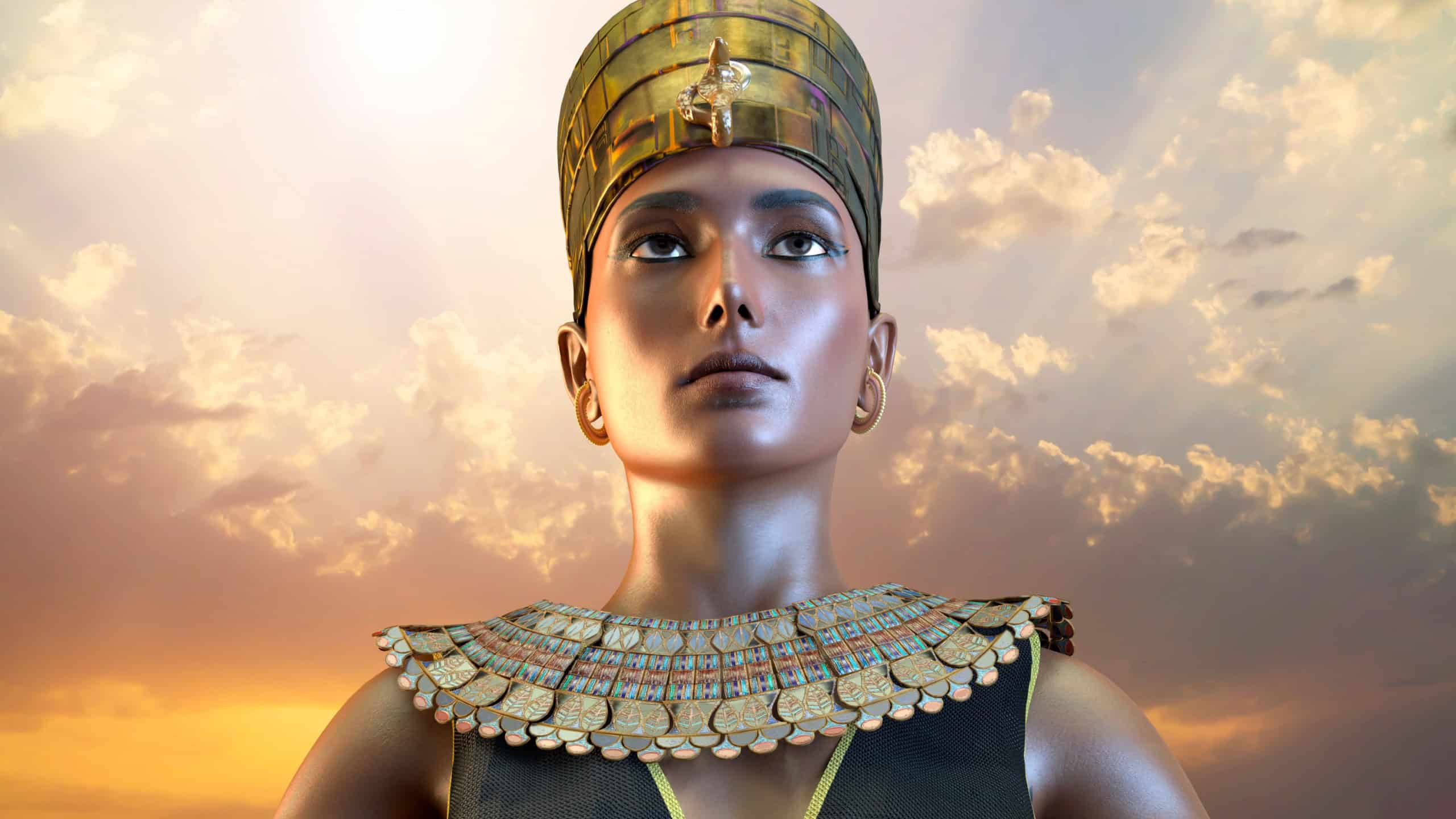
The last active ruler of the Ptolemaic Kingdom of Egypt, Cleopatra was a highly educated polyglot and skilled diplomat who used her political savvy and romantic liaisons with Julius Caesar and Mark Antony to maintain Egyptian independence from the rising Roman Empire.
Cleopatra’s tragic demise symbolized the end of the Hellenistic era and the beginning of the Roman Empire.
Empress Wu Zetian (624–705 CE)
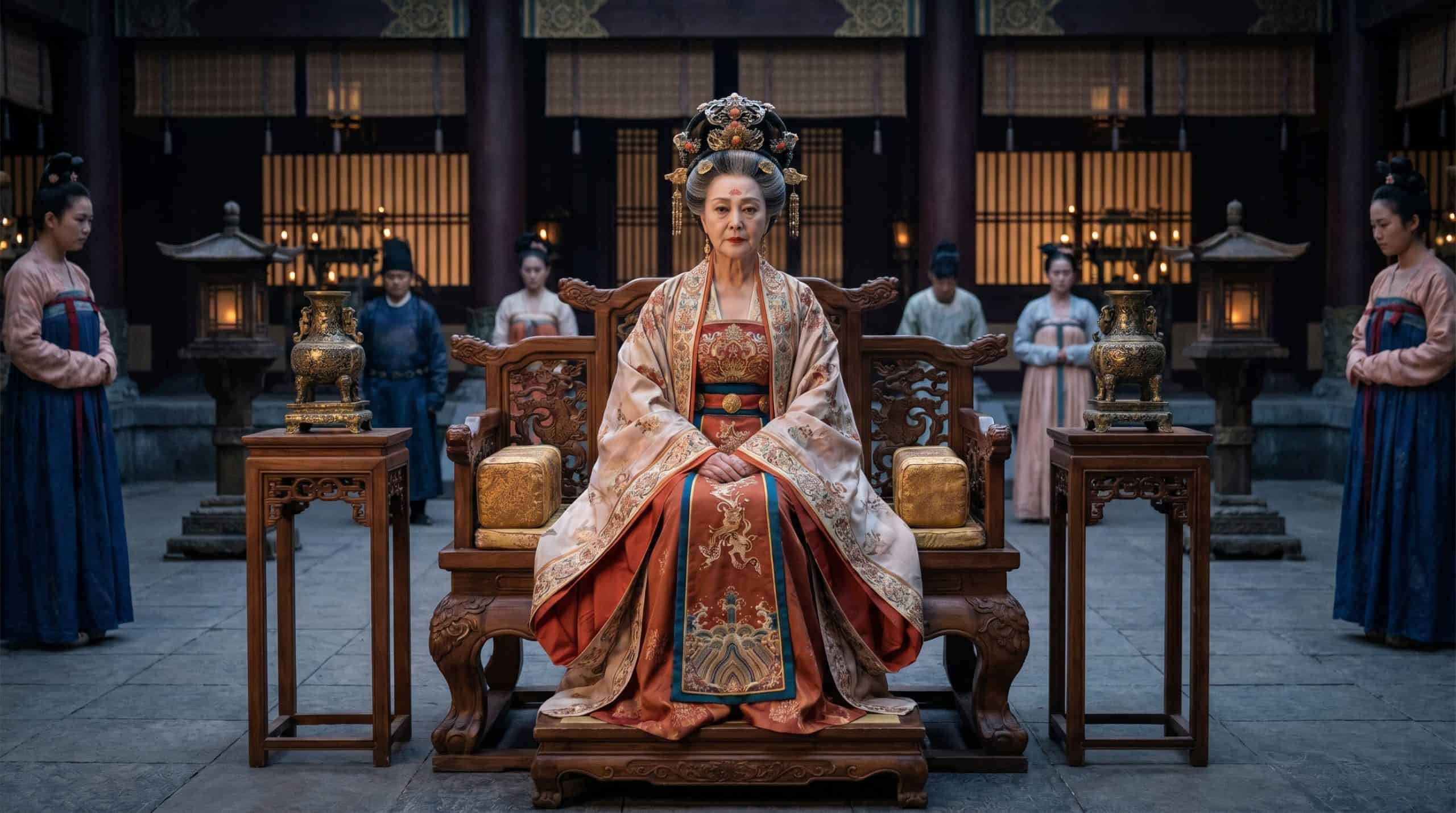
China’s sole female emperor, Wu Zetian rose from humble origins as a low-ranking imperial concubine to become ruler of all Tang China. Claiming absolute power for nearly five decades, Wu started her own Zhou Dynasty.
She championed the civil service exams over aristocratic pedigree, extended China’s borders into Central Asia, and she endorsed Buddhism. She left a stabilized and prosperous empire.
Empress Theodora (c. 500–548 CE)
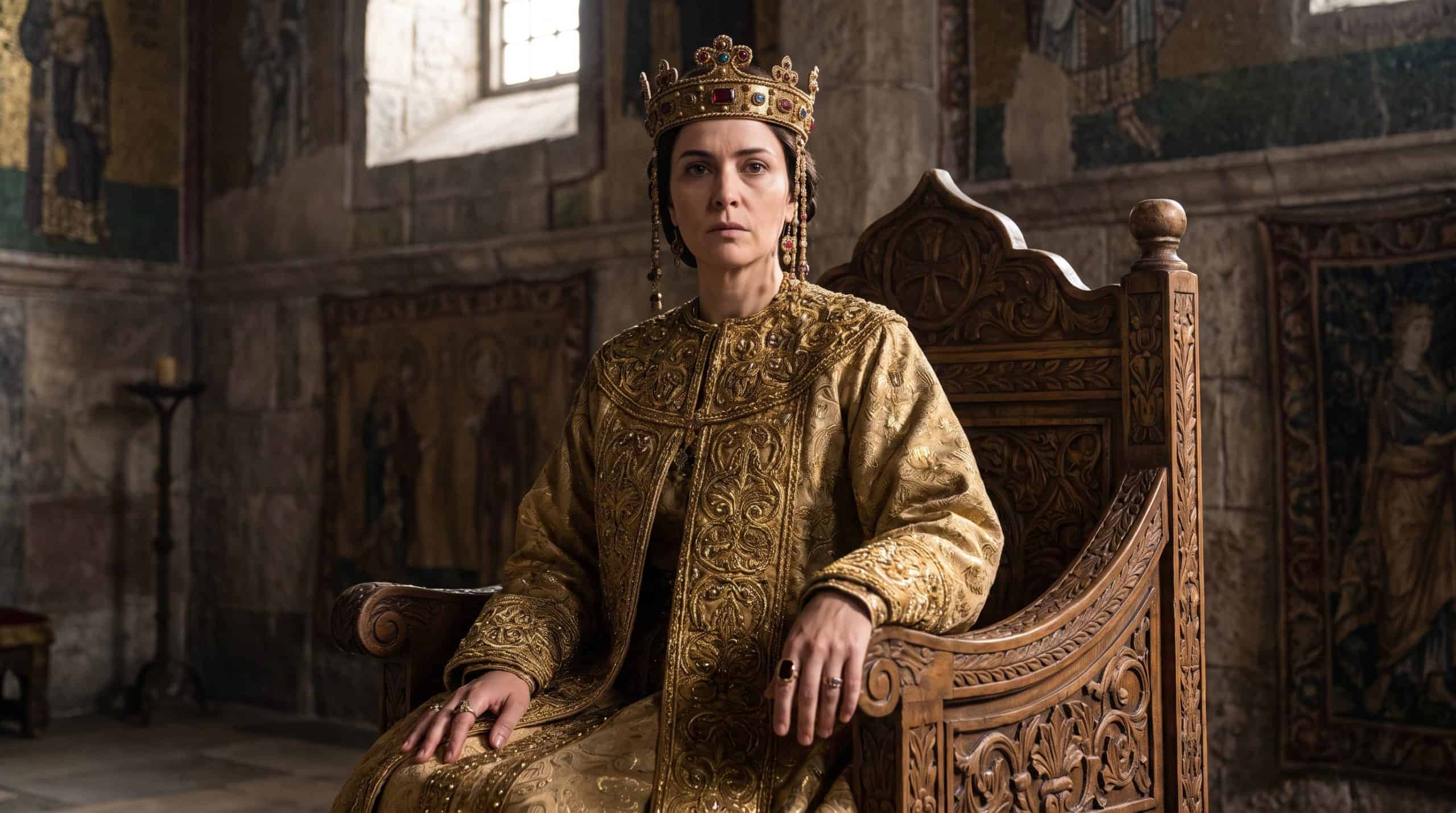
Joint ruler with Emperor Justinian I, Theodora was among the most powerful women of the Byzantine Empire. She began life as an actress of low birth but rose to the top through sheer political savvy.
Theodora is known for persuading Justinian to stay and quell the bloody Nika Riots when his court advised him to flee. She supported the creation of many laws that gave women more rights in divorce and property ownership as well as laws that targeted forced prostitution.
Eleanor of Aquitaine (1122–1204)
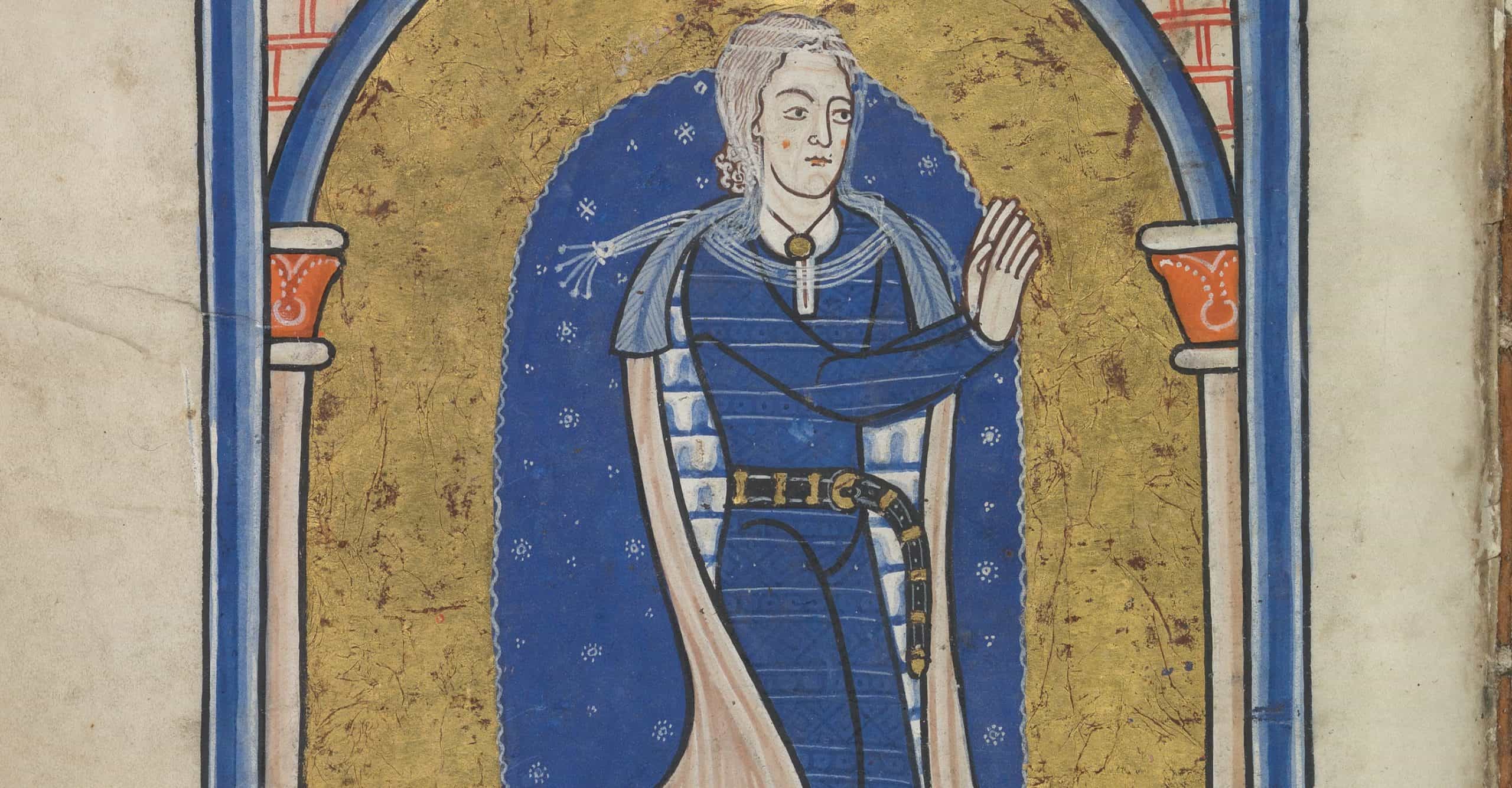
The wealthiest and one of the most powerful women in Western Europe in the High Middle Ages, Eleanor was queen consort of France (through marriage to Louis VII) and later queen consort of England (through marriage to Henry II).
She led her armies in the Second Crusade, established her court as the unrivaled center of medieval romance and chivalry, and served as regent of England while her son Richard the Lionheart was off fighting in the Third Crusade.
Isabella I of Castile (1451–1504)

Isabella’s marriage to Ferdinand II of Aragon meant the unification of Spain under one monarchy. The two completed the Reconquista, pushed Islam out of Granada, ending 700 years of rule there, and established the Spanish Inquisition. Isabella funded Christopher Columbus’ 1492 expedition to the Americas, opening up Spain’s overseas empire.
Elizabeth I of England (1533–1603)
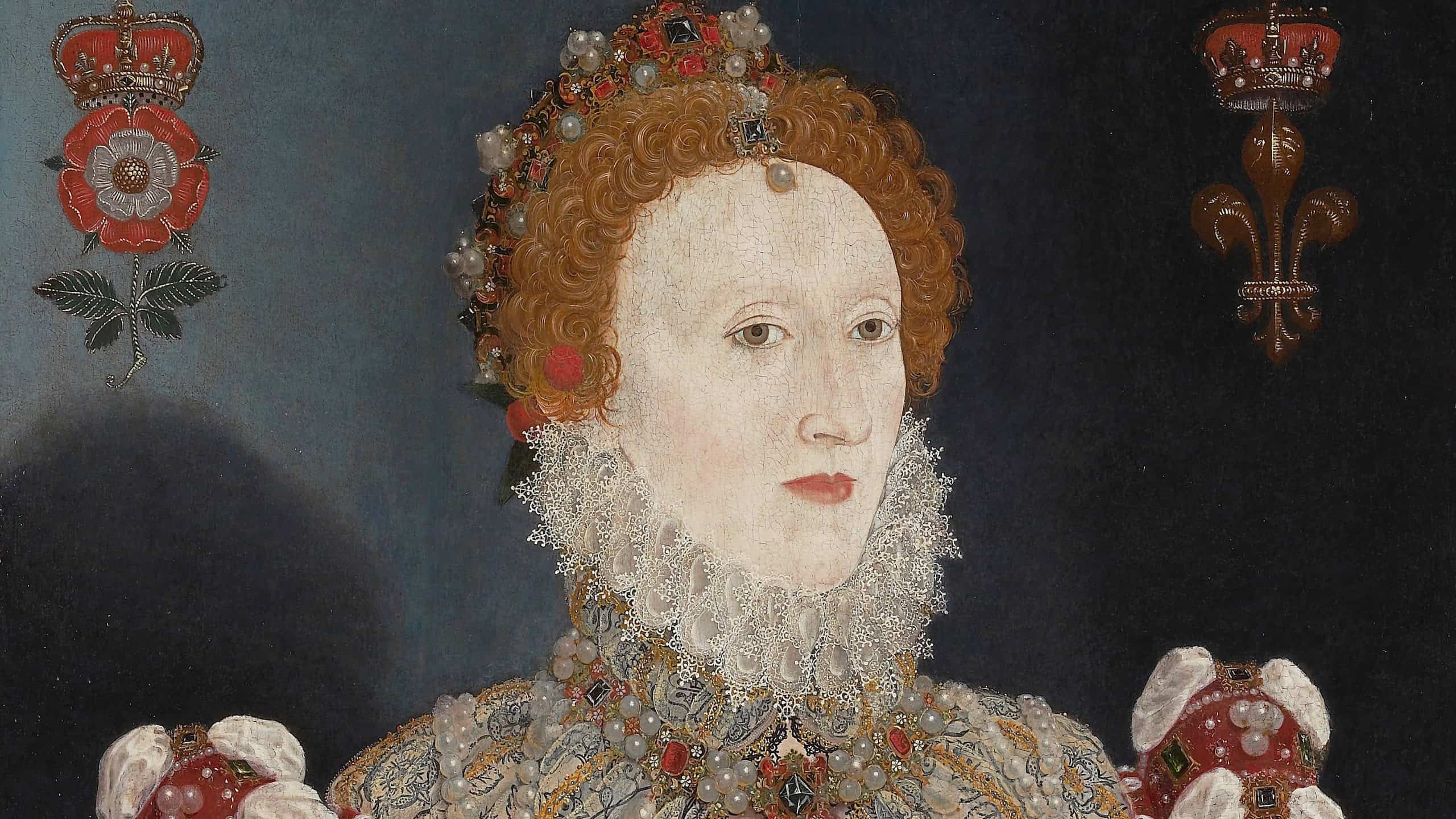
Elizabeth I, who reigned for 44 years during England’s “Golden Age”, navigated England through a time of intense religious conflict and foreign threats, all while remaining unmarried and independent.
Her command of the English navy to victory against the Spanish Armada in 1588 helped affirm Great Britain as a top naval power. Elizabeth oversaw an age of cultural rebirth, which produced the works of William Shakespeare and Christopher Marlowe, and ensured that Protestantism survived in Britain.
Catherine the Great (1729–1796)
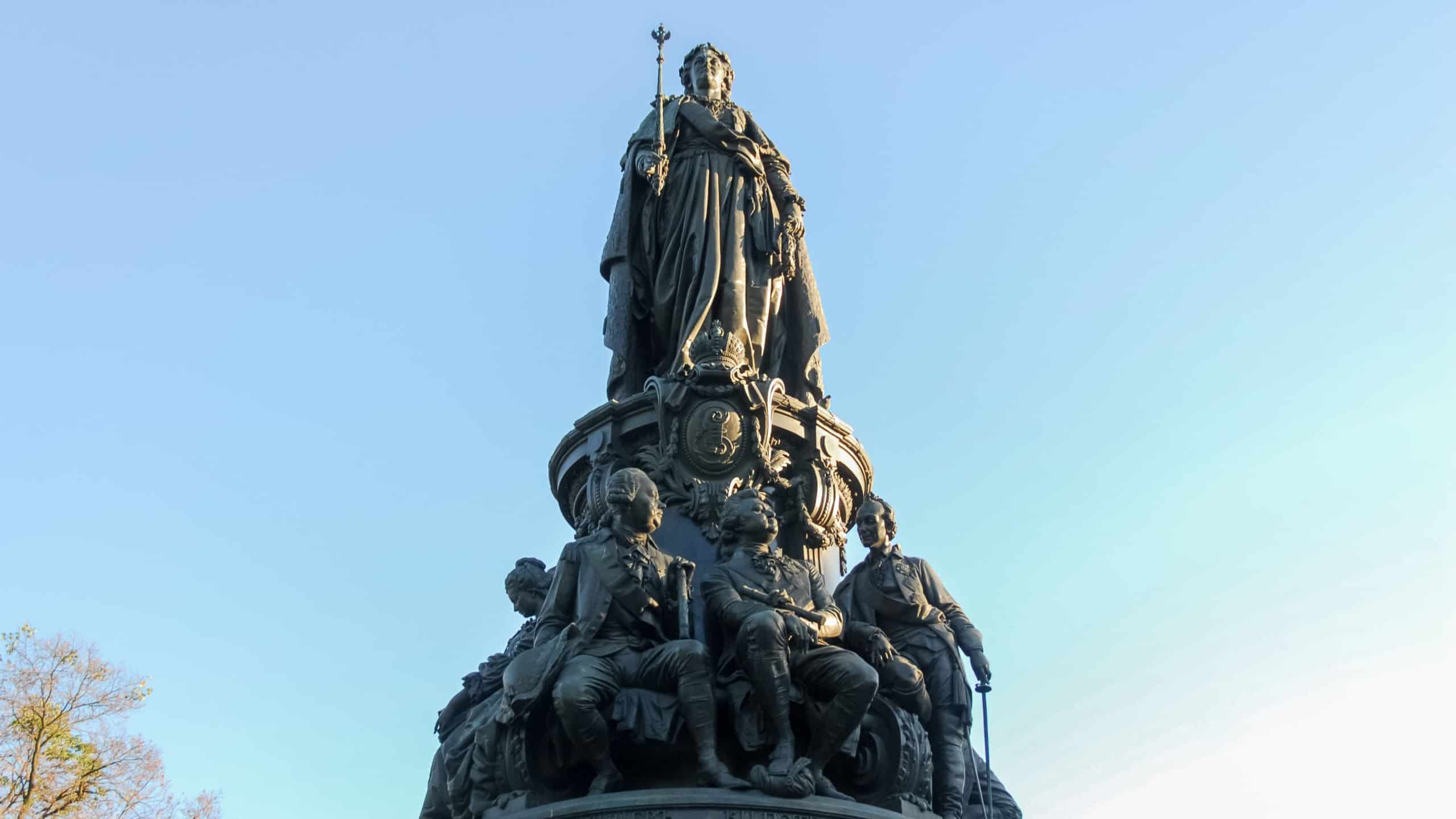
German-born Catherine II overthrew her husband Peter III in a coup d’état and ruled Russia for 34 years as an “Enlightened Despot.” She presided over the vast expansion of the Empire, leading Russian armies to conquer the Crimea, much of Ukraine, and Poland.
Under Catherine, Russia became recognized as one of the great powers of Europe. Catherine reformed Russian administration and law, and embraced the principles of the Western European Enlightenment while patronizing the arts, education, and science.
Queen Victoria (1819–1901)
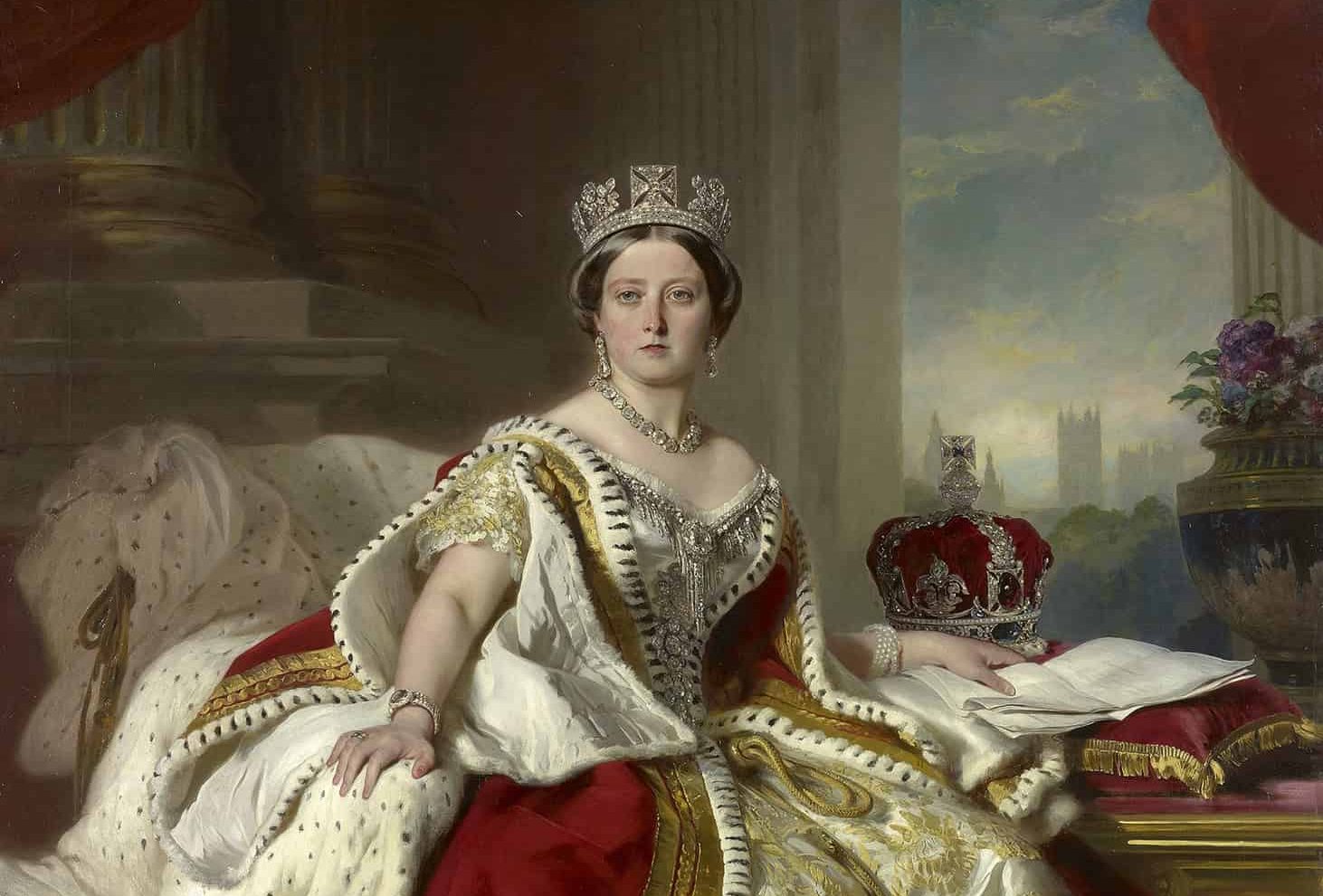
Victoria ruled for nearly 64 years, a period known as the Victorian Era, which was marked by great industrial, cultural, political, scientific, and geographic expansion.
During her reign, the British Empire expanded to its height, ruling over a quarter of the world’s land and population, which reached over 400 million people by the time of Victoria’s death. By ensuring that her grandchildren married into continental royalty, she became known as “the Grandmother of Europe”.
Maria Theresa of Austria (1717–1780)
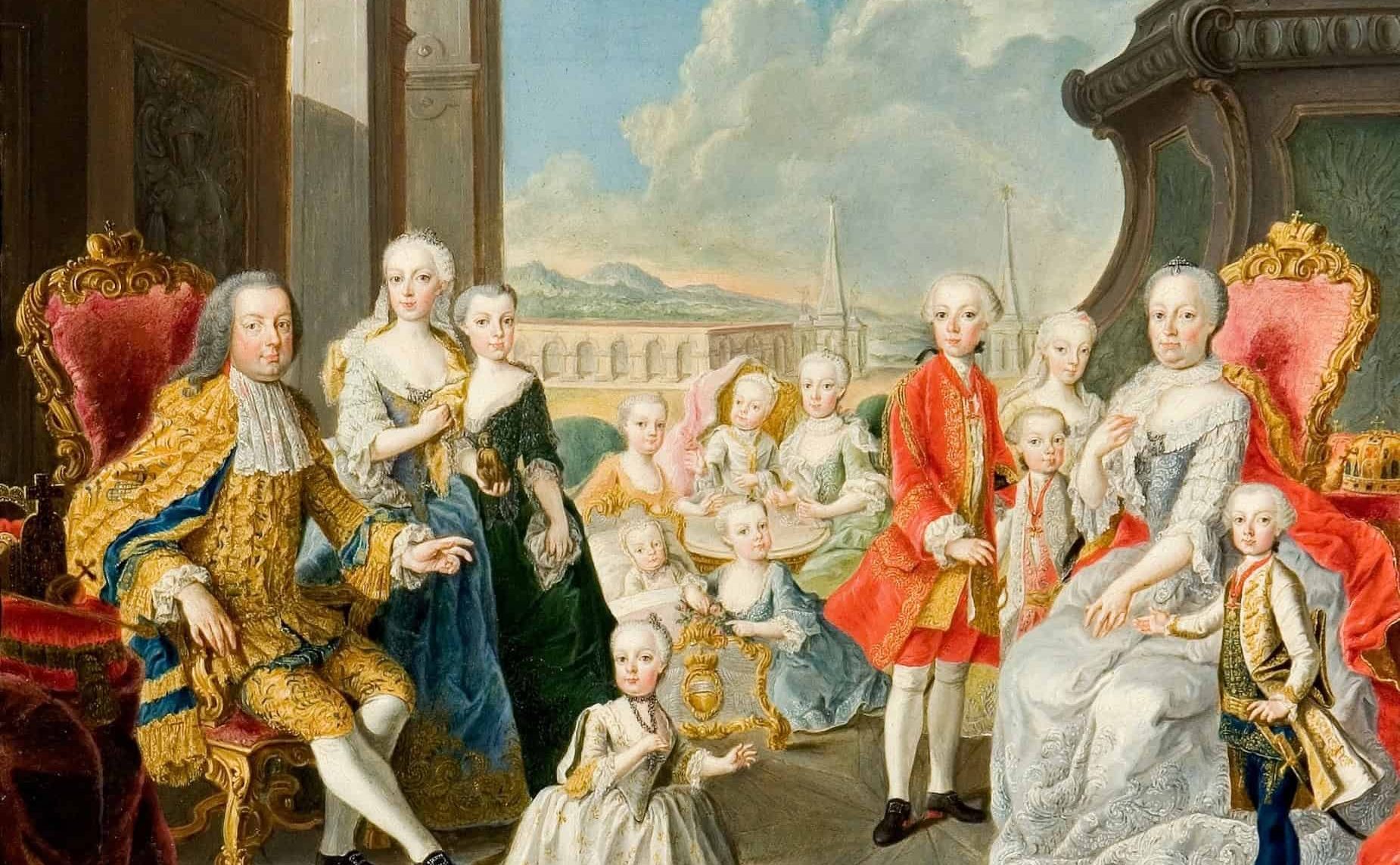
Maria Theresa was the only female monarch of the House of Habsburg who ruled over Austria, Hungary, Bohemia, and part of Italy. She defended her title during the War of the Austrian Succession, and implemented financial, educational, and military reforms throughout her lands.
She introduced compulsory elementary education, reformed the state bureaucracy, and navigated the politics of the balance of power for four decades.
Empress Cixi (1835–1908)
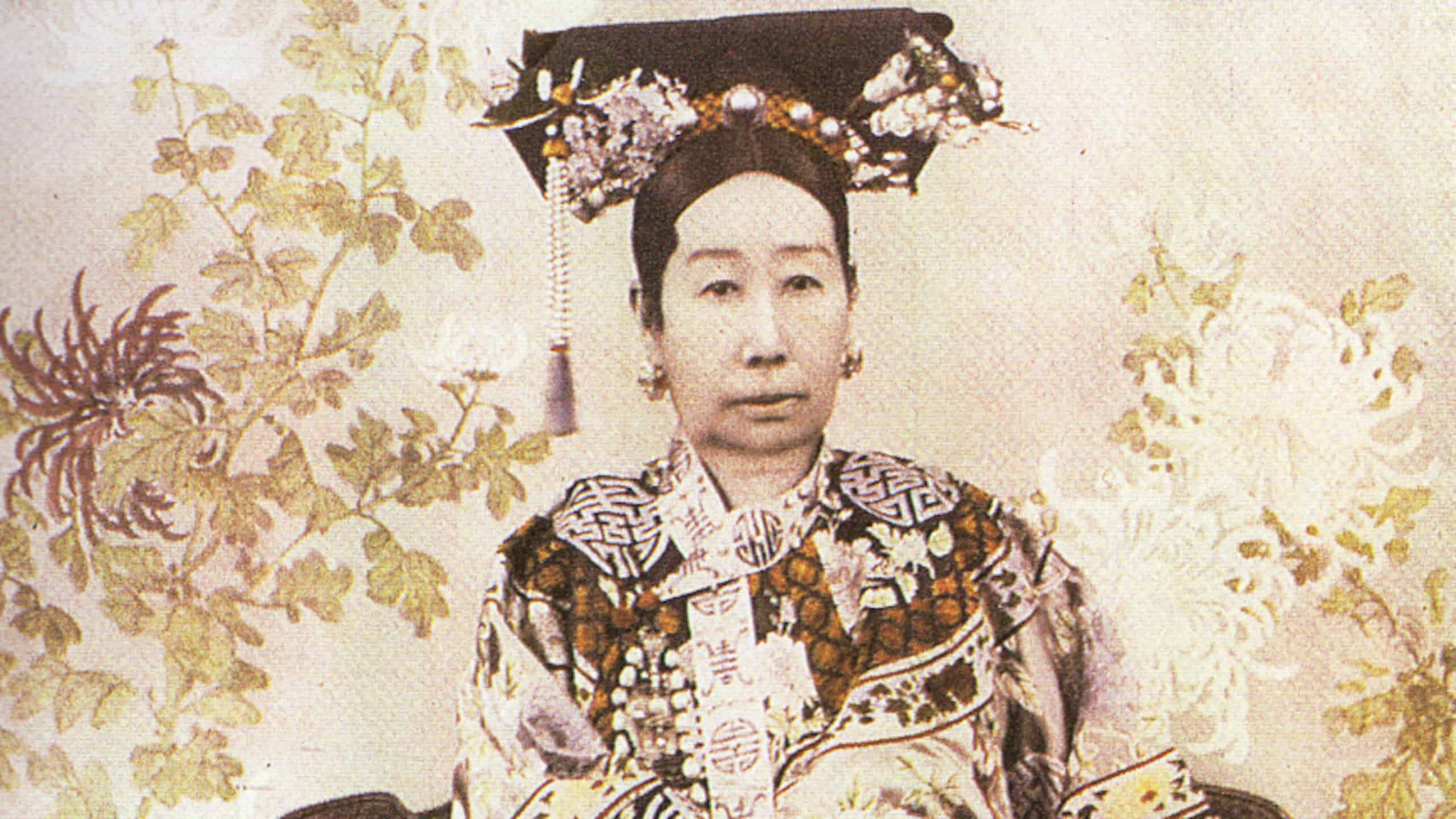
Empress Dowager Cixi was the de facto leader of the Chinese government for nearly 50 years during the Qing dynasty. From behind a silk screen, she directed the government during the minority of her son and nephew and led China through a period of foreign invasions, rebellions, and internal decay at the end of dynastic rule.
Although a conservative force in many ways, she did implement China’s first steps towards industrial modernization and sponsored advancement of the telegraph network as well as military modernization during the dawn of the twentieth century.
Queen Seondeok of Silla (606–647 CE)

The first reigning queen of Silla (one of Korea’s Three Kingdoms), Queen Seondeok defended her kingdom against rival neighbors Baekje and Goguryeo by diplomatically allying with Tang China.
She used her reign to advance Korean culture, sponsoring Cheomseongdae (East Asia’s oldest surviving astronomical observatory), and politically setting the stage for the unification of Korea under Silla.
Queen Nzinga of Ndongo and Matamba (c. 1583–1663)

Queen Nzinga was a 17th-century African ruler who fought for 40 years against Portuguese slave traders who were trying to take over what is now Angola. She was an intelligent negotiator and strategized with European diplomats as their equal.
She formed an alliance with the Dutch and even went to war, leading her armies into battle herself in her sixties. Through forming the Kingdom of Matamba as a refuge for runaway slaves, Nzinga maintained her nation’s independence and became an international icon of resistance.
Sources: Please see here for a complete listing of all sources that were consulted in the preparation of this article.
Like our content? Be sure to follow us.
7 women who changed history quietly and 7 who did it loudly

Whether through quiet, brilliant persistence behind closed doors or unmistakable, roaring public defiance, history has been shaped by women taking vastly different paths to the same end: changing the world.


