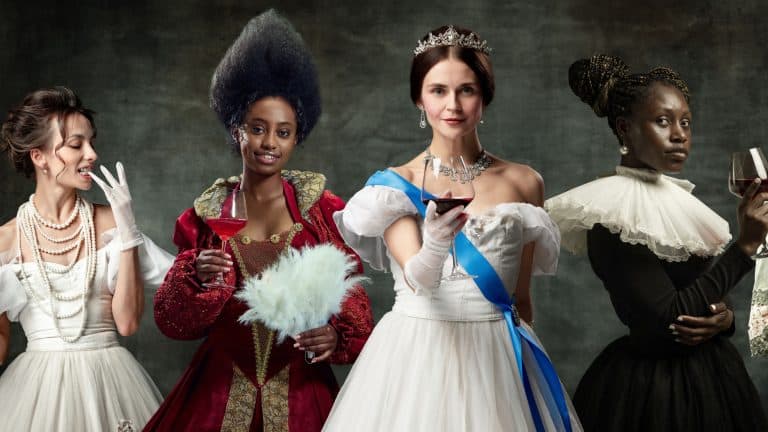

Whether through quiet, brilliant persistence behind closed doors or unmistakable, roaring public defiance, history has been shaped by women taking vastly different paths to the same end: changing the world.
Rosalind Franklin
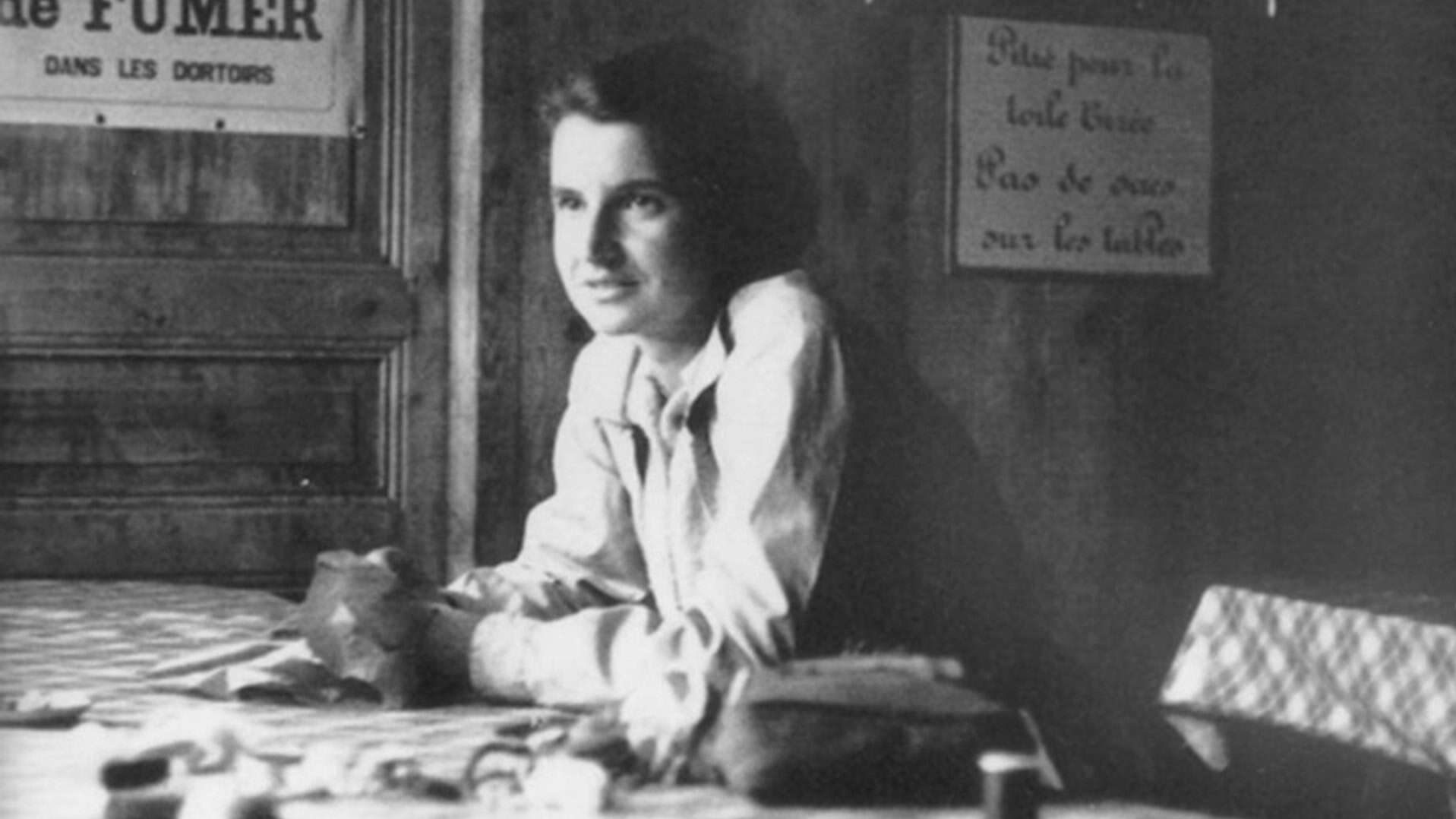
Tucked away in a basement lab at King’s College London, chemist and X-ray crystallographer Rosalind Franklin snapped Photo 51, revealing DNA’s double-helix structure.
Although her colleagues James Watson, Francis Crick, and Maurice Wilkins obtained her work without her direct knowledge and received a Nobel Prize, Franklin’s quiet, meticulous scientific precision laid the fundamental groundwork for modern genetics.
Claudette Colvin
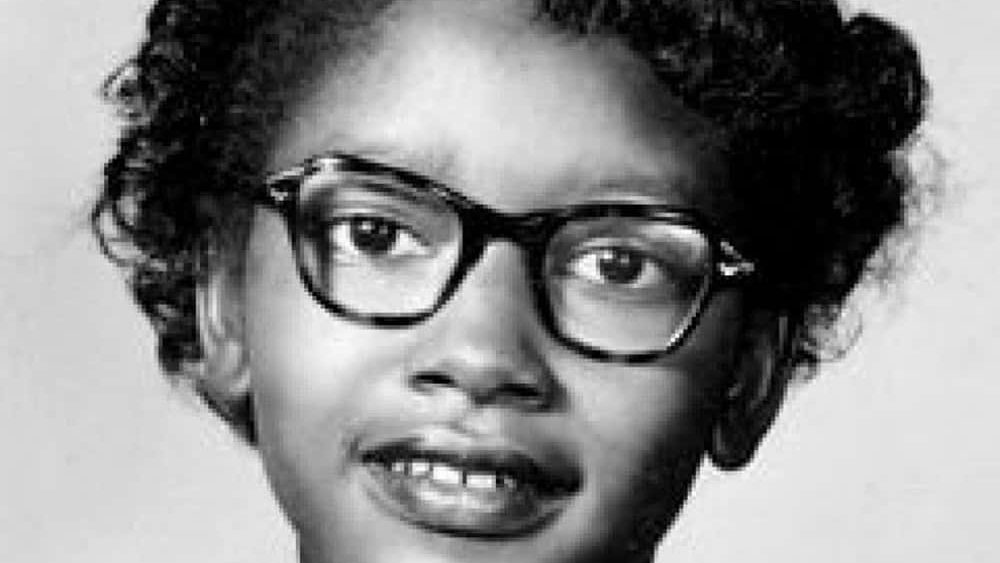
Claudette Colvin was a 15-year-old high school student who refused to give up her seat nine months before Rosa Parks became the symbolic leader of the Montgomery Bus Boycott. After refusing to move, she told officers that it was her constitutional right to stay there.
Civil rights leaders refused to make Colvin the figurehead of Montgomery bus protests because she was a teenager, but she became a plaintiff in Browder v. Gayle (1956), the court case that eventually led to a ban on segregated buses nationwide.
Ada Lovelace
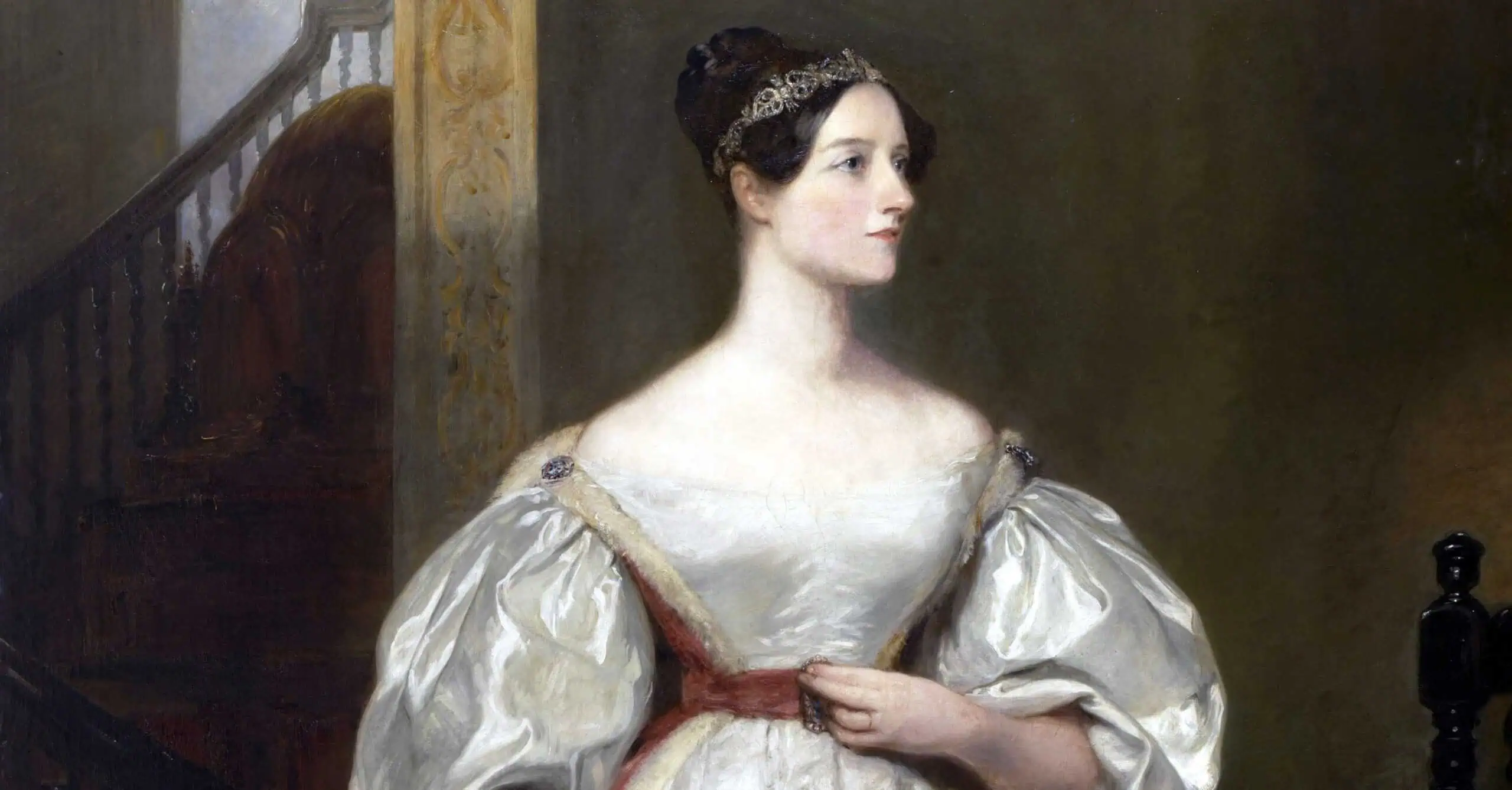
Working in socially limited Victorian England, mathematician Ada Lovelace wrote notes on Charles Babbage’s mechanical general-purpose computer, the Analytical Engine. Hidden inside her translation of an Italian article, she wrote what has come to be accepted as the first complex computer algorithm in the world.
Stephanie Kwolek
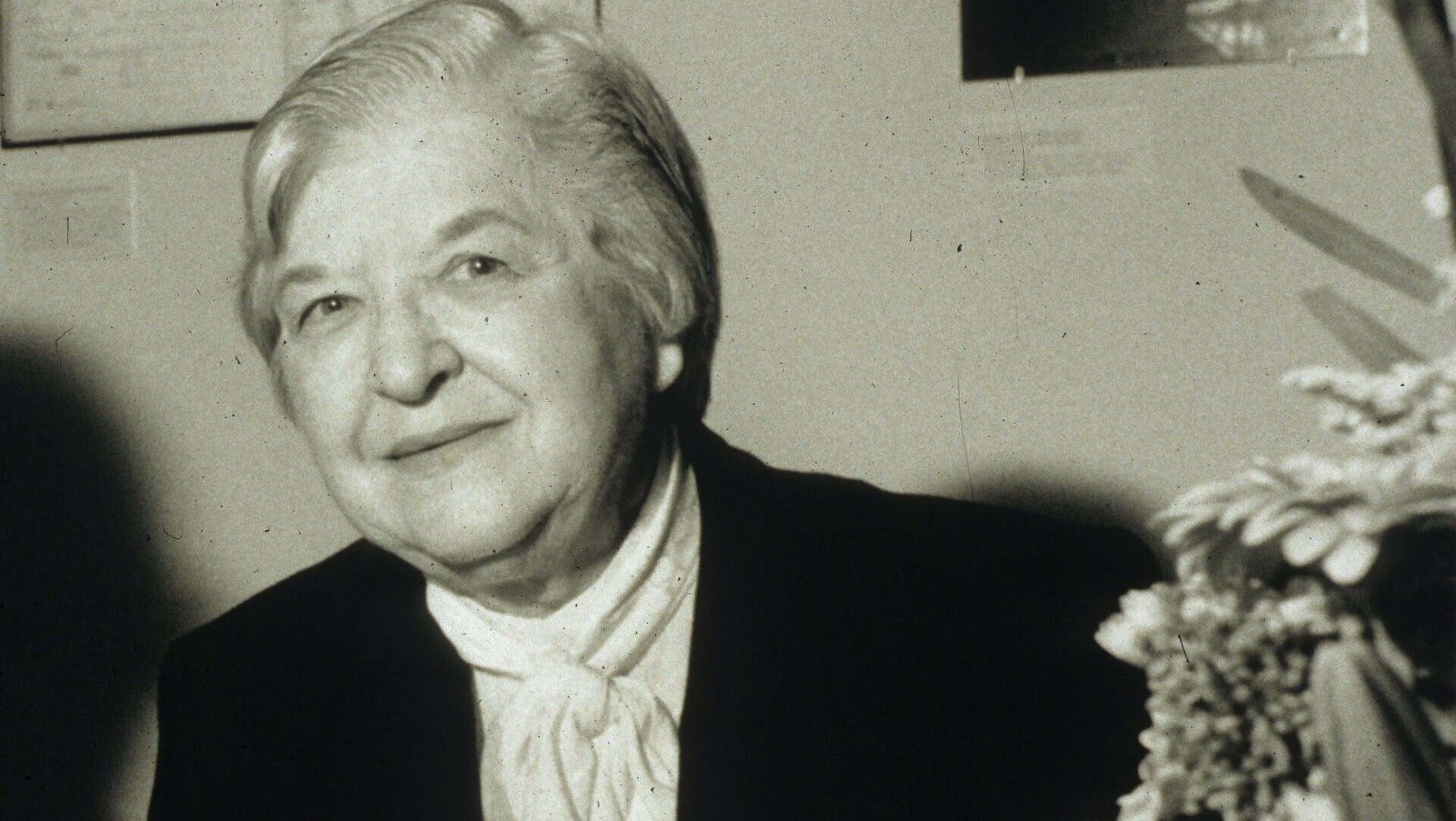
Stephanie Kwolek cared more about her work in the lab than celebrity. Working as a chemist for DuPont, she was developing synthetic fibers one day in 1965 when she accidentally created a murky, thin solution instead of the clear one she was supposed to make. She didn’t want to discard it.
Quietly insisting that it be tested, she ran it through a spinneret and discovered Kevlar, a fabric five times stronger than steel that would ultimately help save millions of lives in everything from body armor to tires to airplanes.
Henrietta Lacks
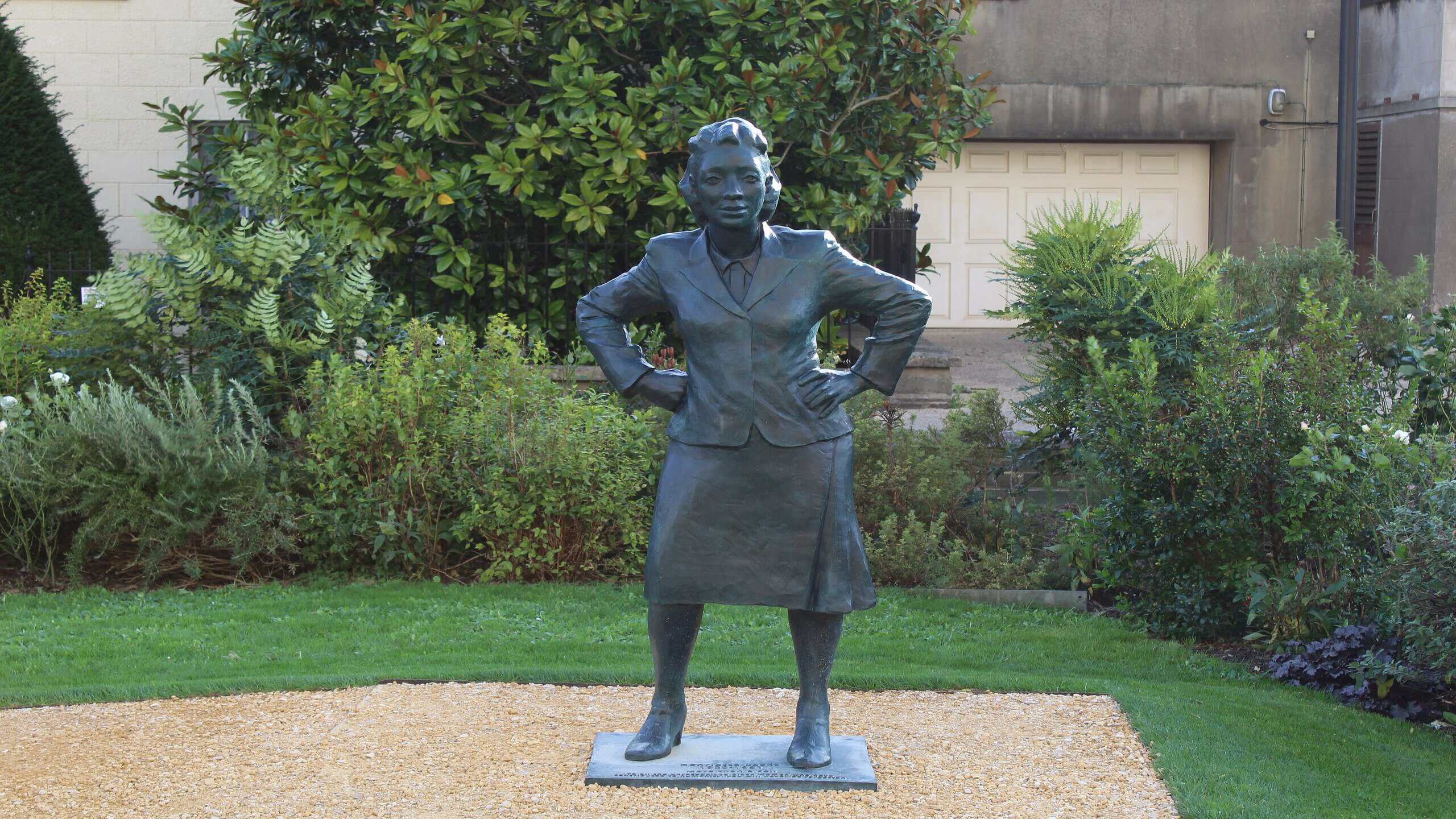
Henrietta Lacks never realized how important she was to human health. While receiving treatment for cervical cancer at Johns Hopkins Hospital in 1951, cells were taken from her cancerous tumor without her permission.
Her tissue, known as HeLa cells, was the first human cells able to grow and divide indefinitely in a lab setting. Her cells were used for nearly every breakthrough in medicine this country has seen in the 20th century.
Irena Sendler
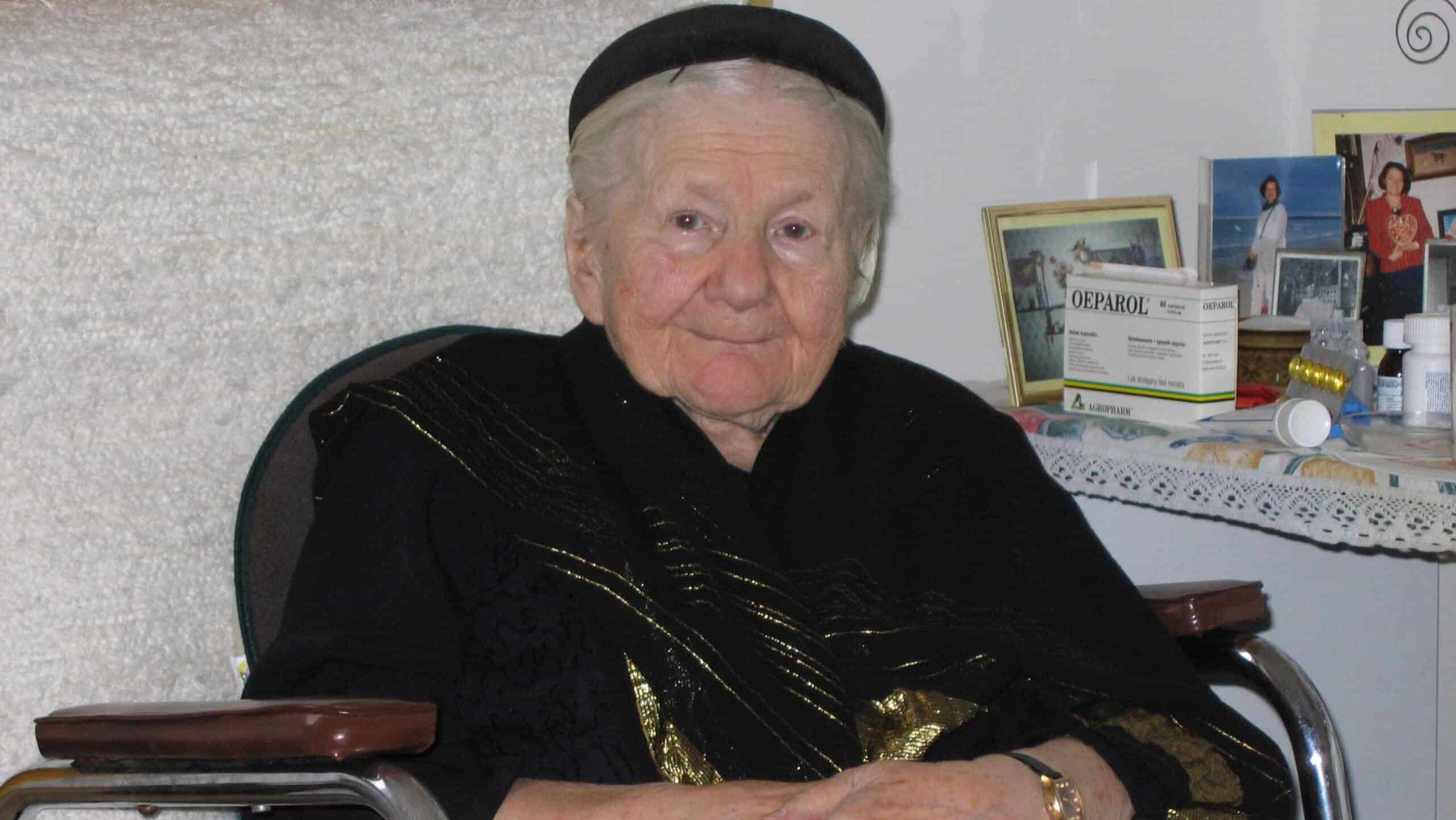
Working as a social worker in Poland during World War II, Irena Sendler secretly organized a network that rescued more than 2,500 Jewish children out of the Warsaw Ghetto.
Sendler hid the real names and assigned aliases of the children on pieces of paper in jars buried underneath an apple tree in a neighbor’s backyard, so their identities and families could be remembered.
Mary Jackson
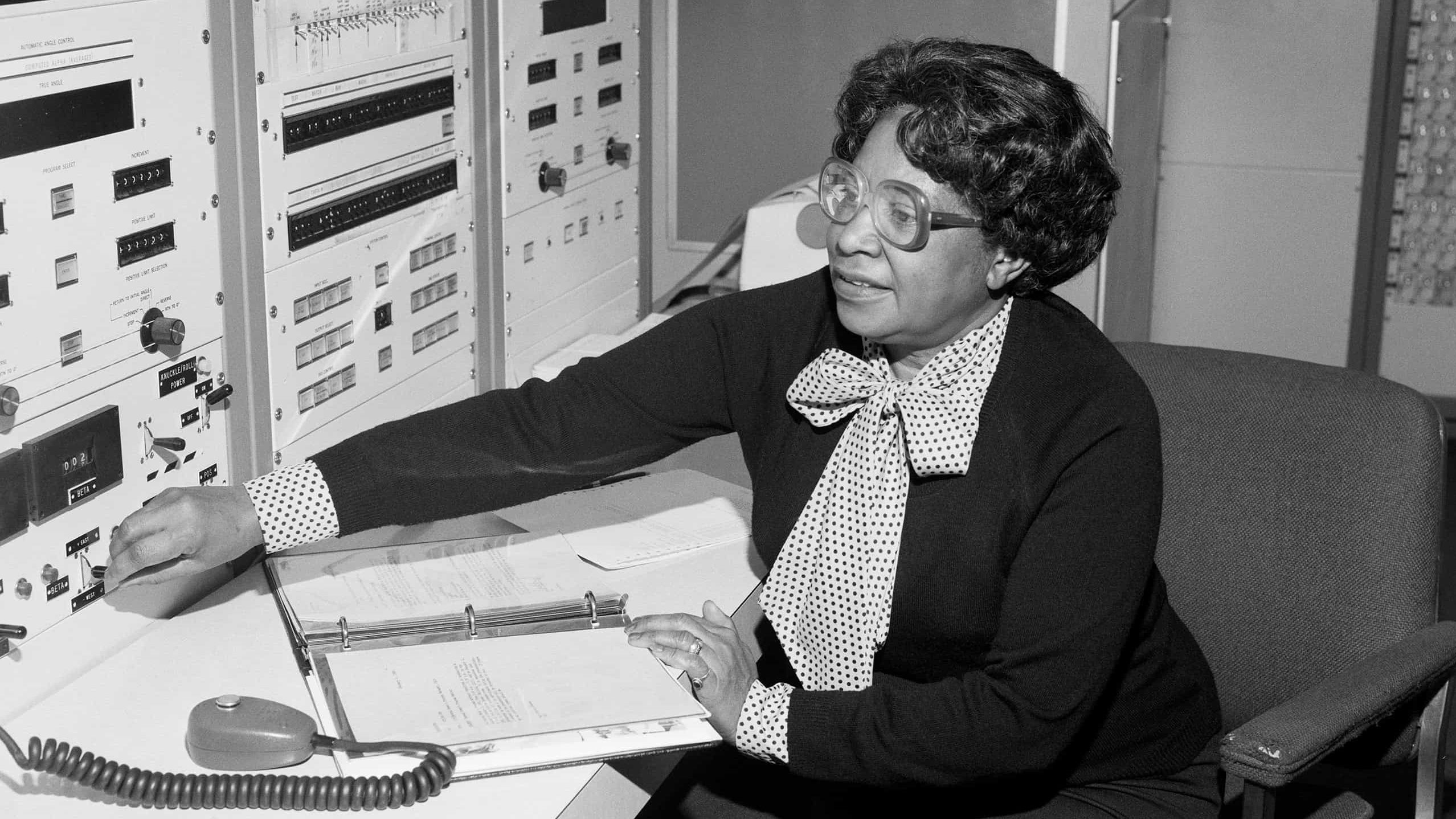
Under Jim Crow laws mandating racial segregation in Virginia at the time, Jackson needed special permission from the city court to take night classes at an all-white high school.
In 1958, Mary Jackson became NASA’s first Black female engineer. Working behind the scenes, she was instrumental in helping to advocate for and encourage the hiring and promotion of women and minorities throughout NASA.
Emmeline Pankhurst
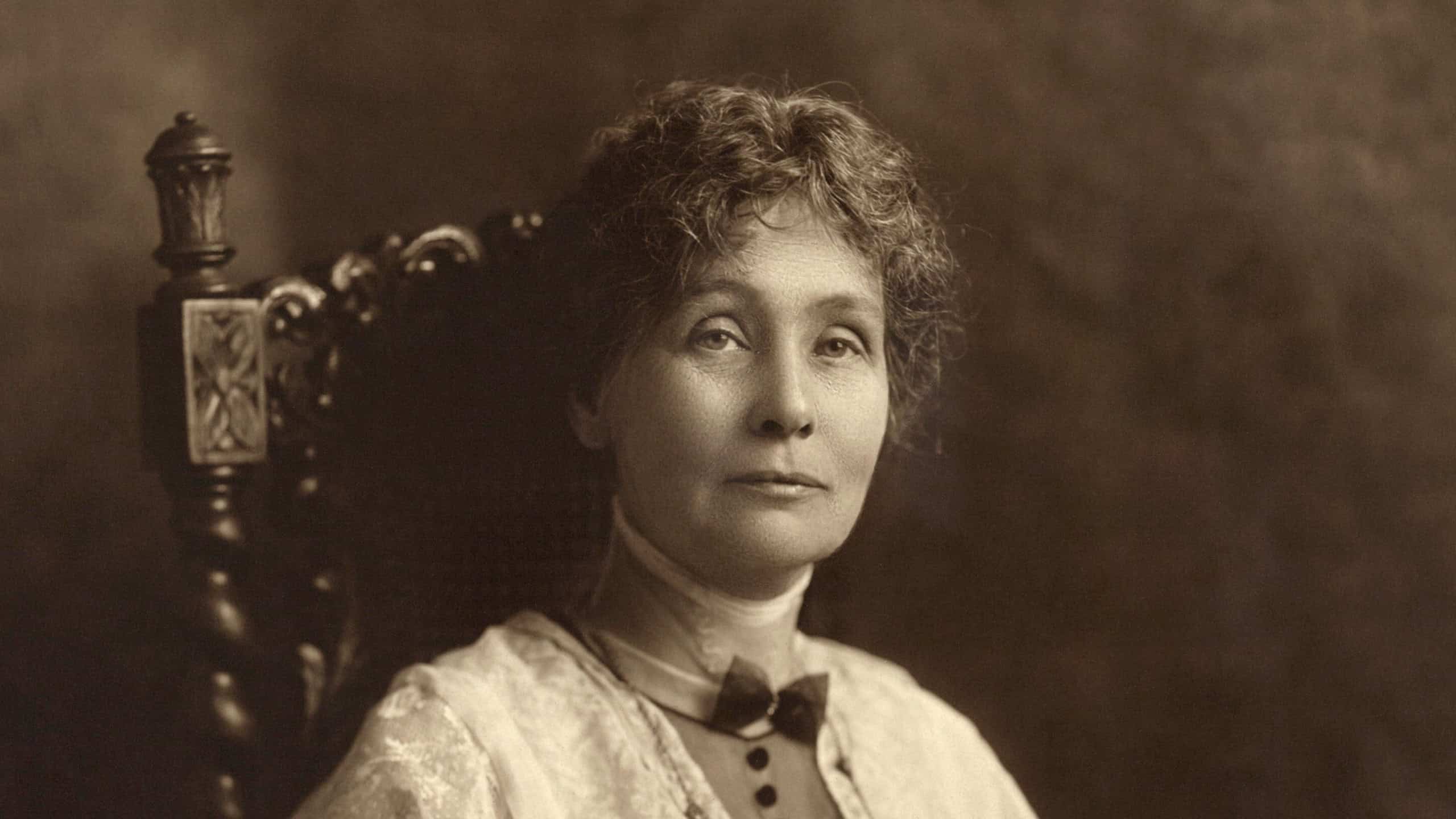
Women’s Social and Political Union founder Emmeline Pankhurst in Great Britain popularized the slogan “Deeds, not words.” Militant suffragette Emmeline Pankhurst organized rallies, broke shop windows, went on hunger strikes in jail, and made public speeches advocating direct action against the government to secure women the right to vote.
Joan of Arc
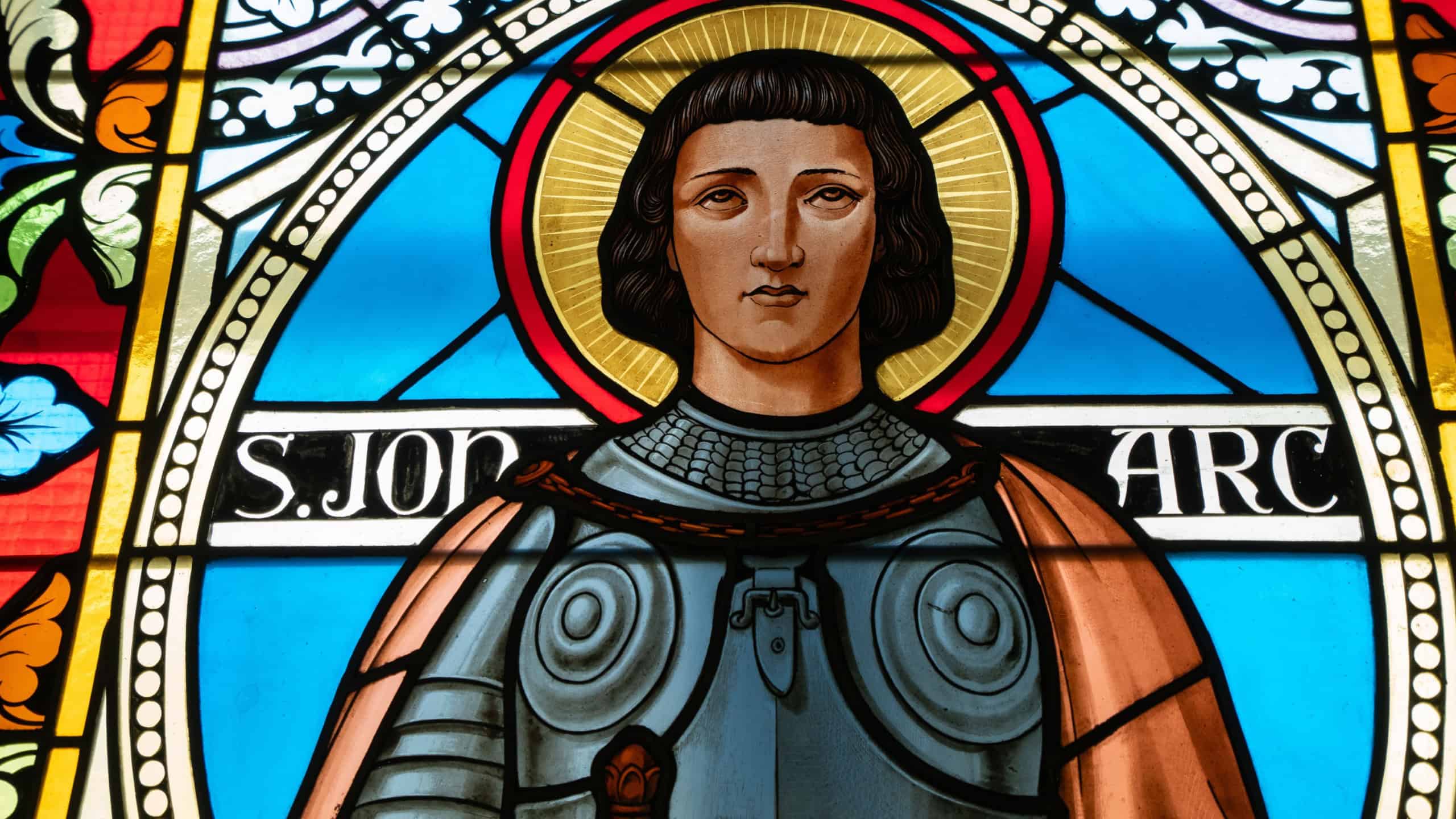
Joan of Arc was a peasant girl who, as a teenager in 15th-century France, said she experienced visions from God telling her to help remove the English siege of Orléans in the Hundred Years’ War.
Leading armies wearing full plate armor and charging into battle at the head of royal troops while loudly motivating downtrodden soldiers, she changed the course of European war and became a proud icon of French nationalism before being burned at the stake at age 19.
Harriet Tubman
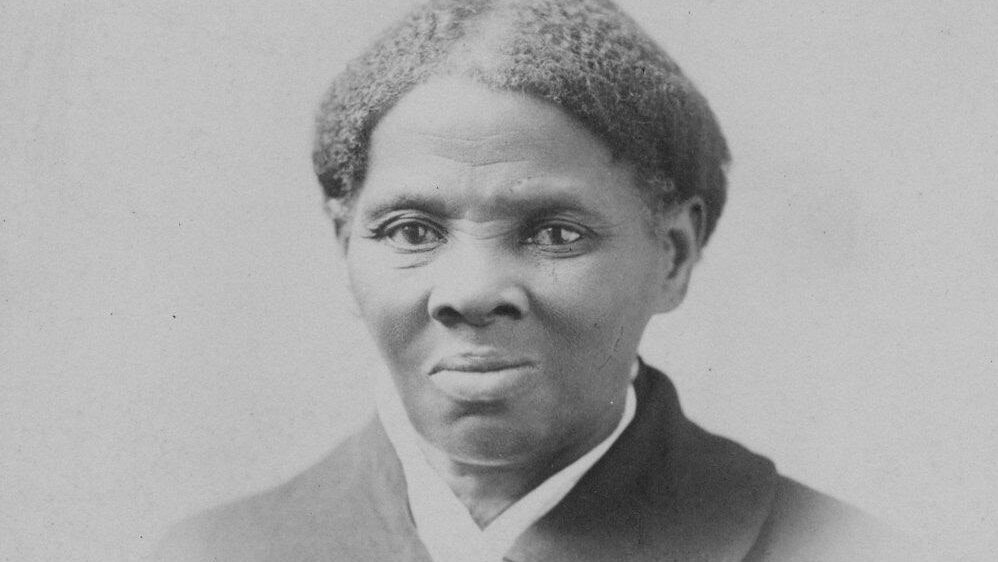
Freed from slavery, Tubman returned to the South several times with a revolver and led more than 70 slaves to freedom on the Underground Railroad.
During the Civil War, she helped lead an armed expedition during the Combahee Ferry Raid. It was the first time a woman had led an armed expedition in U.S. history, and Tubman freed more than 700 slaves in one night.
Elizabeth I
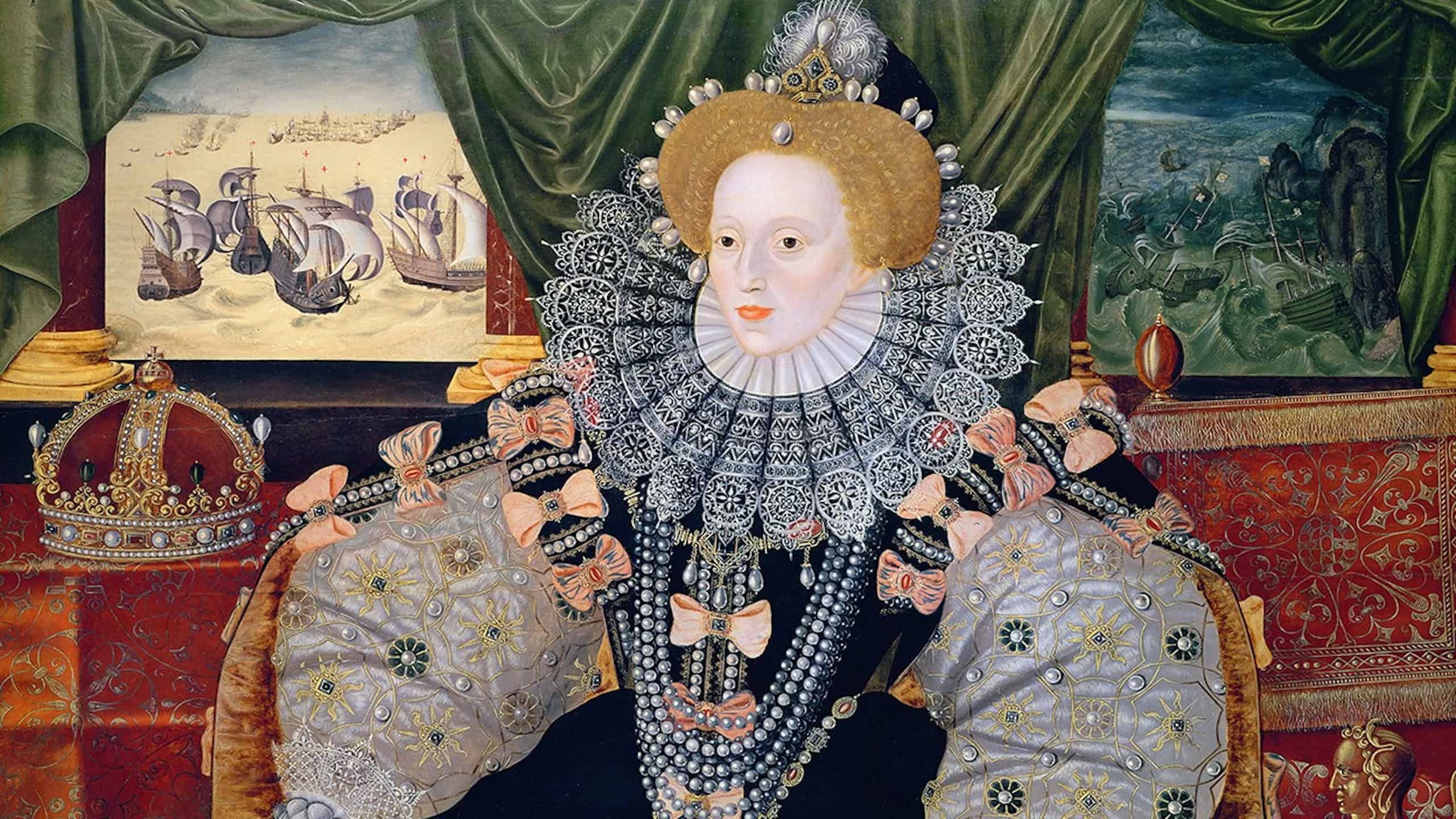
Elizabeth I was the queen of England for forty-five years. Her reign is noted for turning England into a major European power after its long period of civil strife over religion. Known as the “Virgin Queen” because she never married, Elizabeth used would-be suitors’ offers of marriage as political pawns, and remained unmarried to maintain total control of her reign.
Elizabeth’s reign ushered in a golden era of theatre and exploration. In 1588, Elizabeth gave courageous and successful leadership against the might of Spain’s powerful navy in the Spanish Armada.
Boudica
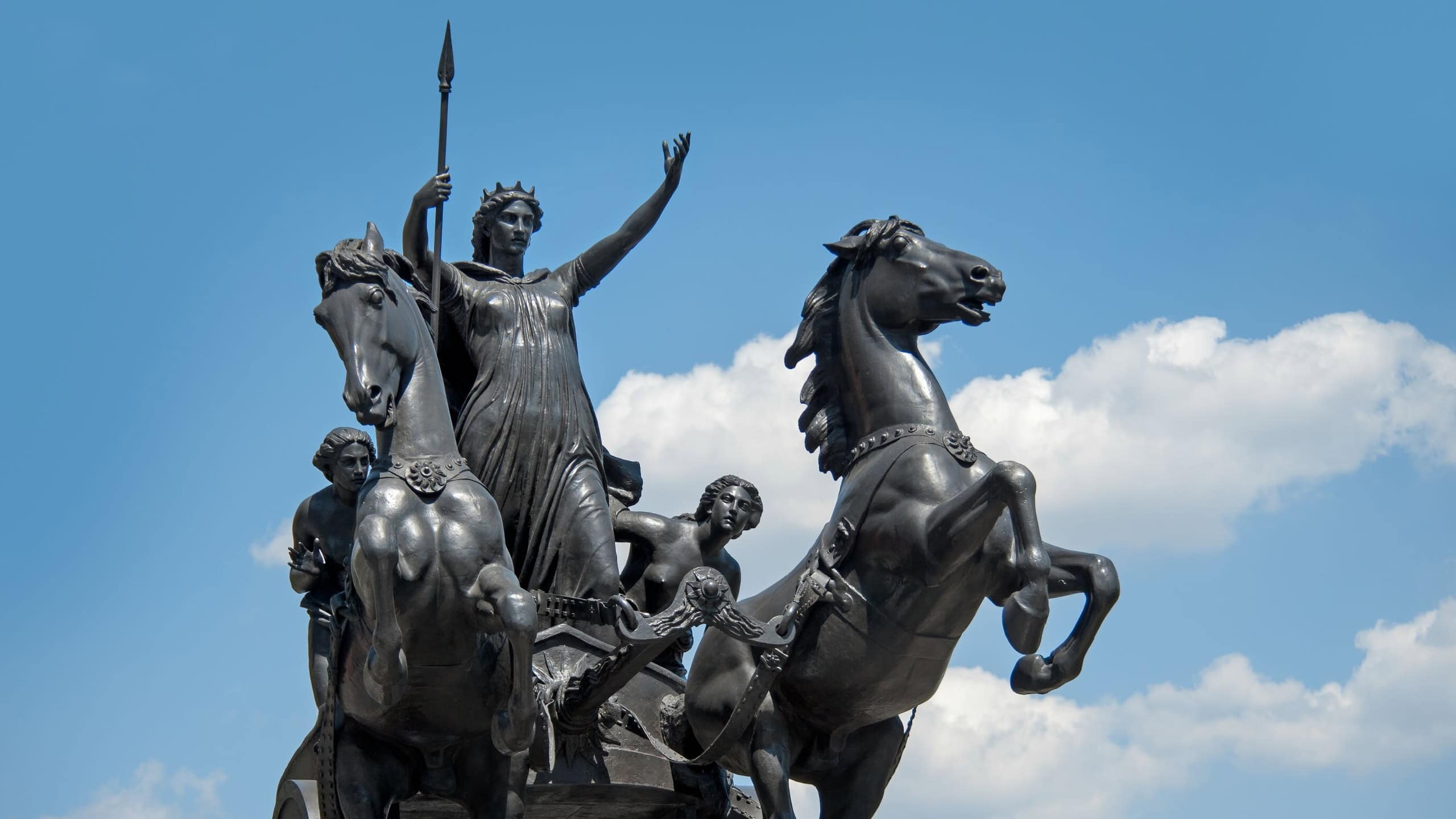
Boudica was queen of the Celtic Iceni tribe. Infuriated when her tribe was robbed of its land by Roman invaders in ancient Britain and her daughters were assaulted, she led a ferocious uprising against the empire.
Amassing an army of more than 100,000 fighters, she destroyed three Roman cities, most notably Londinium (London), leading Nero to contemplate evacuation of the island.
Sojourner Truth

Famed abolitionist and women’s rights activist Sojourner Truth was born into slavery but escaped in 1826. Known for her large stature and powerful voice, Truth was a sensation on the lecture circuit in the 1800s.
At the 1851 Women’s Rights Convention in Akron, Ohio, she gave her powerful impromptu speech “Ain’t I a Woman?,” asking the leaders of the movement to directly confront racial inequality.
Susan B. Anthony
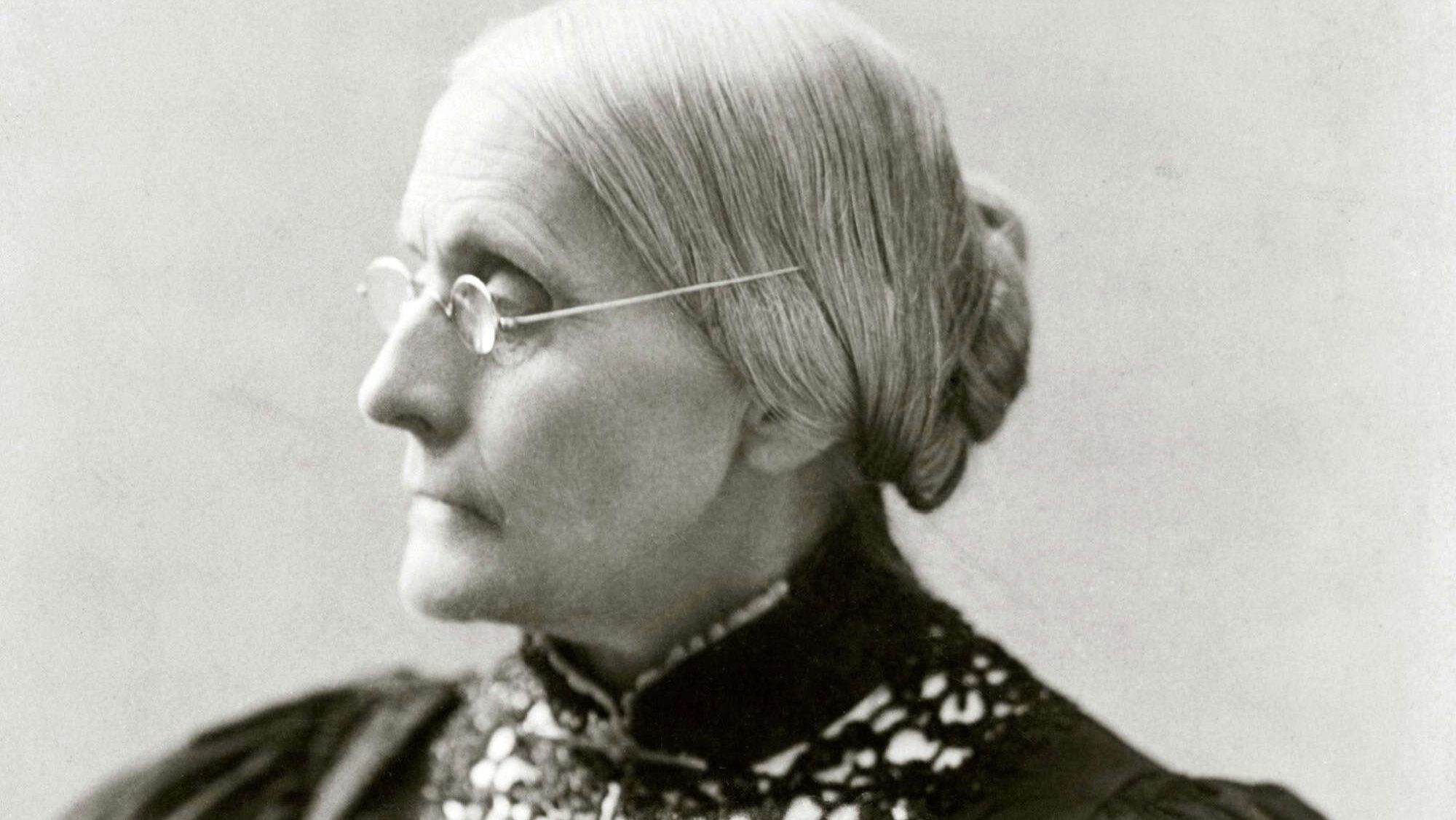
Susan B. Anthony worked for women’s right to vote for over five decades as a leader of the 19th-century women’s suffrage movement. She and Elizabeth Cady Stanton co-founded the National Woman Suffrage Association.
Anthony brought the women’s suffrage movement to the nation’s attention in 1872 when she was arrested for illegally voting in the presidential election. Anthony’s organizing and public agitation contributed to women winning the vote fourteen years after her death with ratification of the 19th Amendment.
Sources: Please see here for a complete listing of all sources that were consulted in the preparation of this article.
Like our content? Be sure to follow us.
11 women in history who refused the life chosen for them
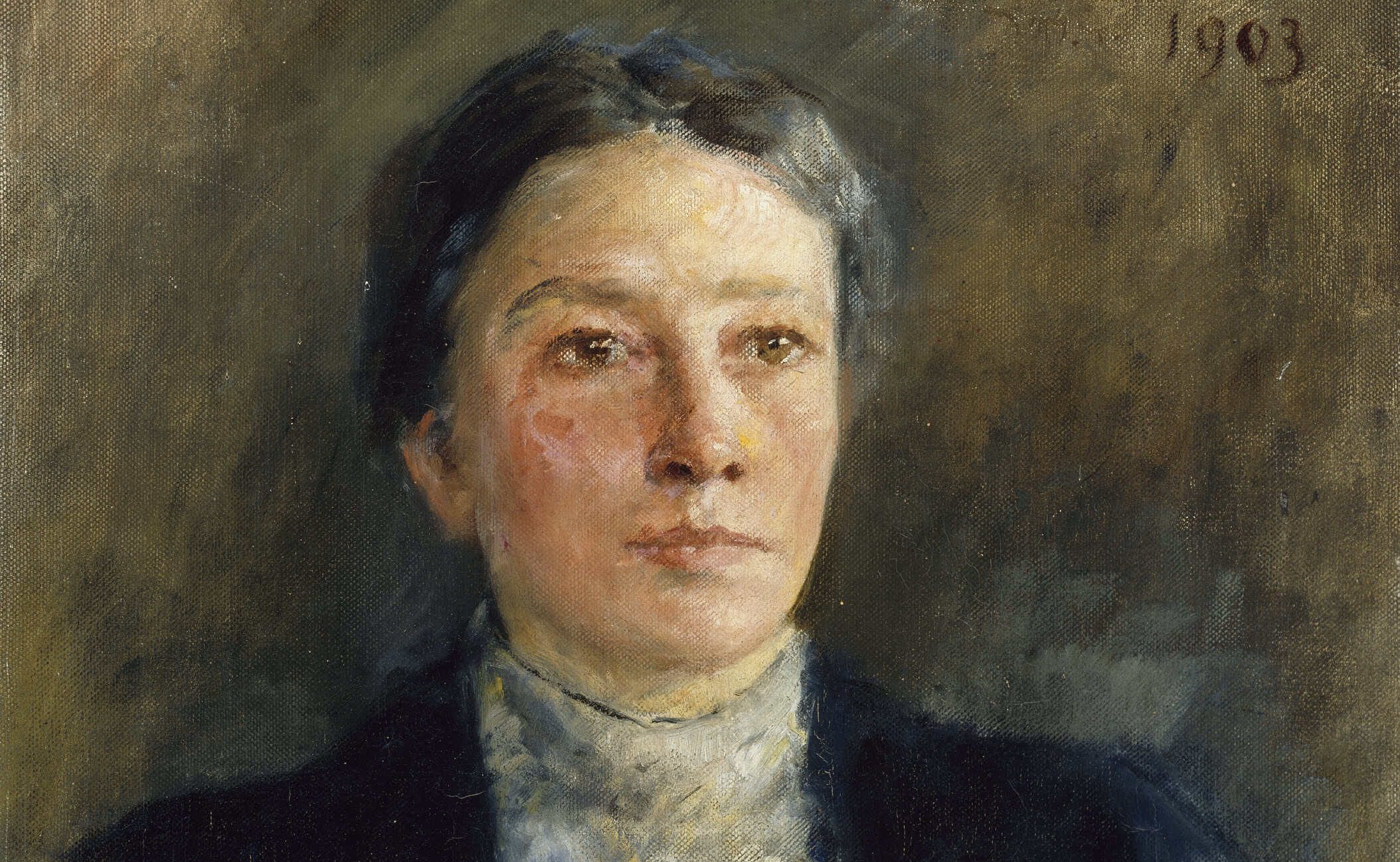
History is not just made by warriors and revolutionary thinkers; it’s also been shaped by women throughout time and across cultures who didn’t settle for the roles that others chose for them.

