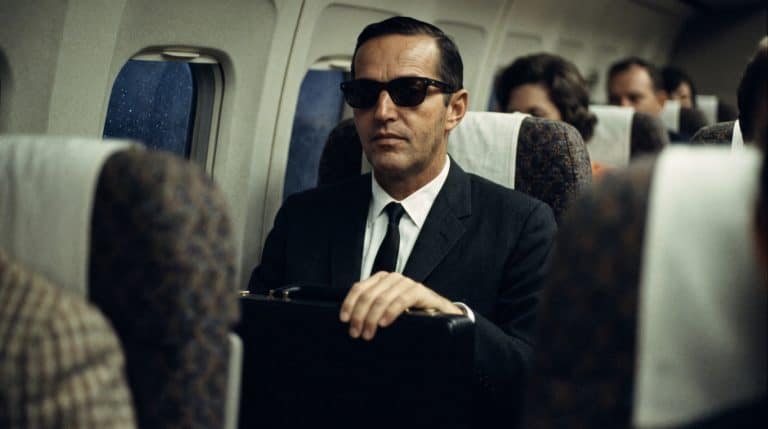

Some of history’s most fascinating people are remembered not for what they accomplished, but for the questions they left behind.
The man in the iron mask
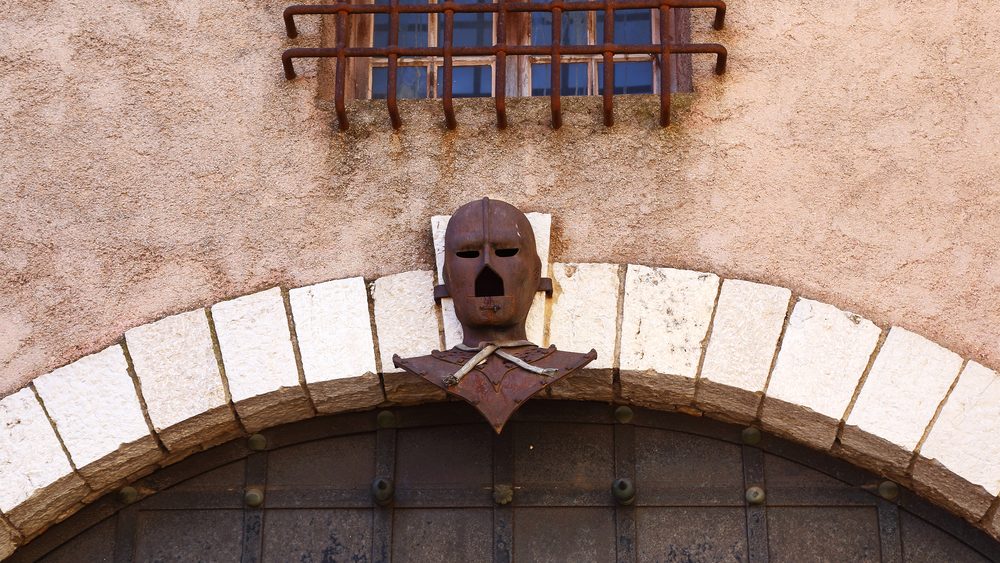
For over thirty years, he was imprisoned in several French prisons during the reign of Louis XIV. His identity was never revealed, and his jailers allegedly received orders to prevent his fellow inmates from discovering who he was. It now appears that he wore a black velvet mask rather than the iron mask described in legend. He died in the Bastille fortress in 1703 under the name “Marchioly.”
Various hypotheses have been made as to his identity, including the Italian diplomat Ercole Matthioli and a person known as Eustache Dauger. Alexandre Dumas turned the historical mystery into the legend we know today of the prisoner being King Louis XIV’s illegitimate twin brother.
Kaspar Hauser
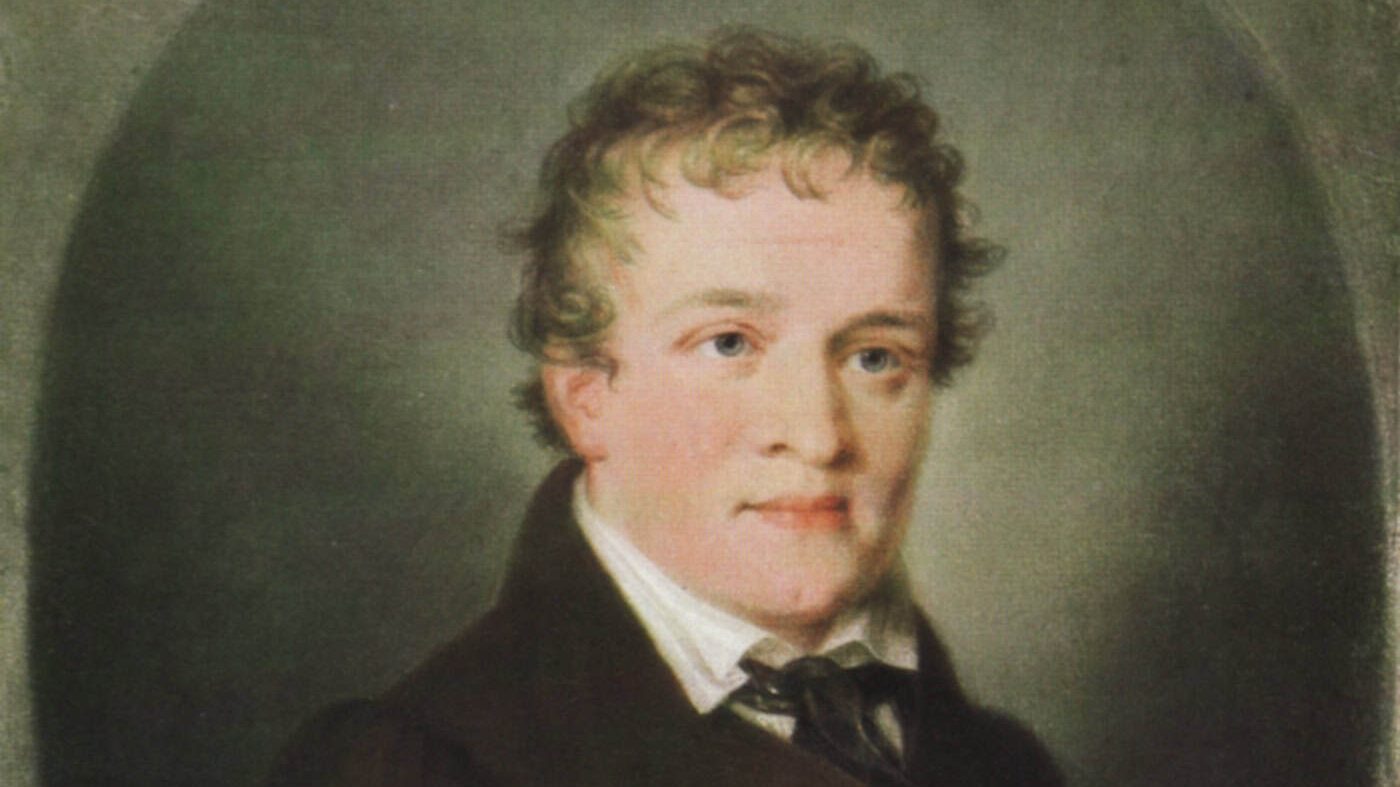
On May 18 1828, a teenage boy arrived unexpectedly in the German city of Nuremberg. He had some letters and appeared to know almost nothing about life outside of his house. He introduced himself as Kaspar Hauser and said that he had been kept locked up in a small cell-like room with little human interaction for most of his childhood.
News of his incredible story spread quickly throughout Europe, and rumors began to spread that he might secretly be a missing German prince. Hauser also said that he had been attacked multiple times.
In December of 1833, he returned home with a deep wound in his chest. He said that he had been stabbed by a stranger. Hauser would die three days later. Some investigators believed that Hauser had wounded himself; others insisted that he was murdered.
The Count of St. Germain
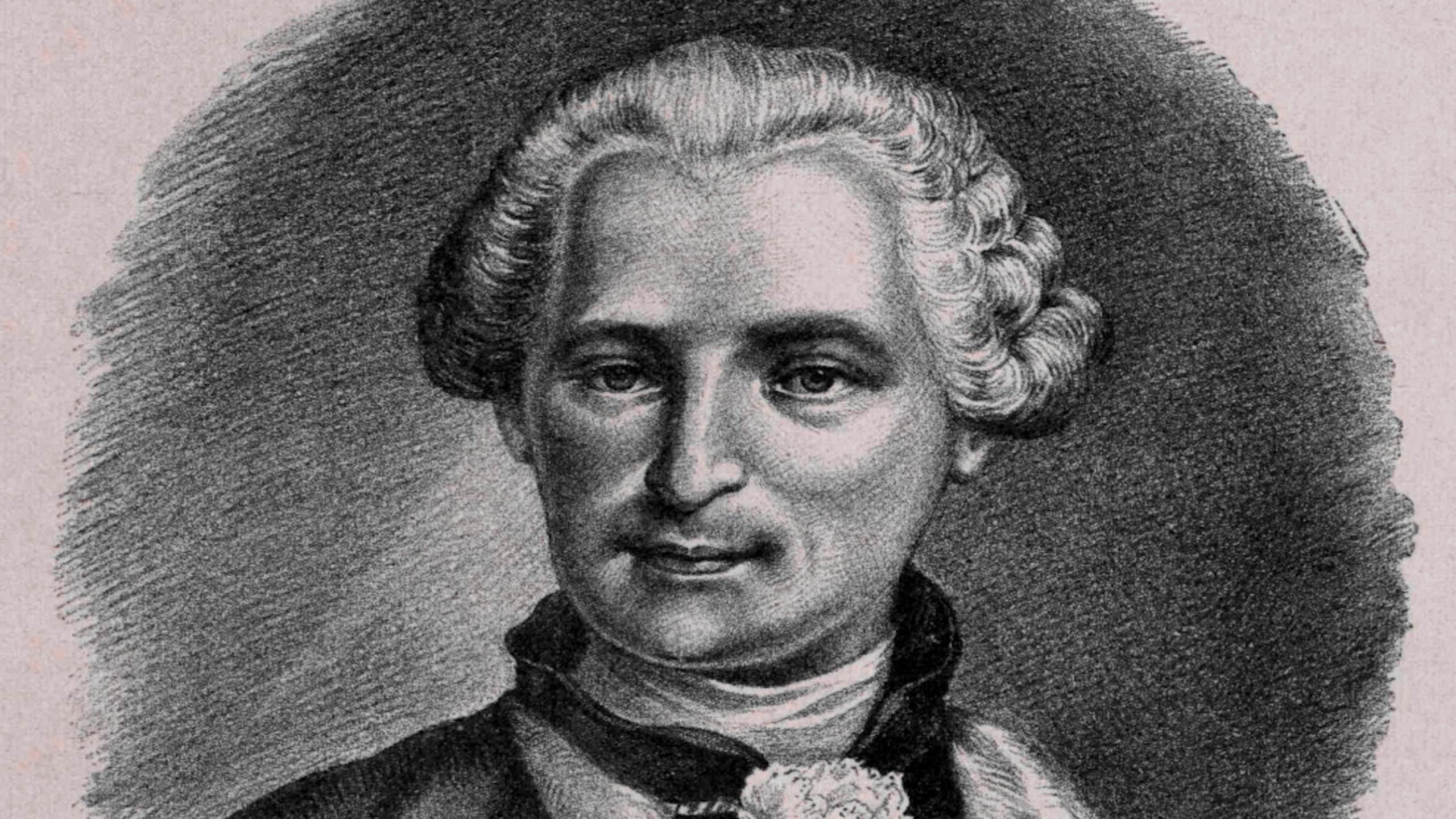
The Count of St. Germain is one of the historical figures of 18th-century Europe about whom the most myths were made. Claiming to have been present at court in numerous places, he first appeared in European royalty circles in the 17OOs.
He amazed those he met with his skill at languages, music, chemistry, diplomacy, and jewelry. At the same time, he remained oddly secretive about where he was born, who his family was, and even about his real name. Rumors of his background grew wilder as time passed.
Some said that he never aged; others (particularly later occult authors) said that he had learned the secret of eternal youth. Evidence places his death in 1784, but reports of sightings persisted after that date. Many stories about his life seem supernatural, though almost certainly are untrue.
The Dark Count
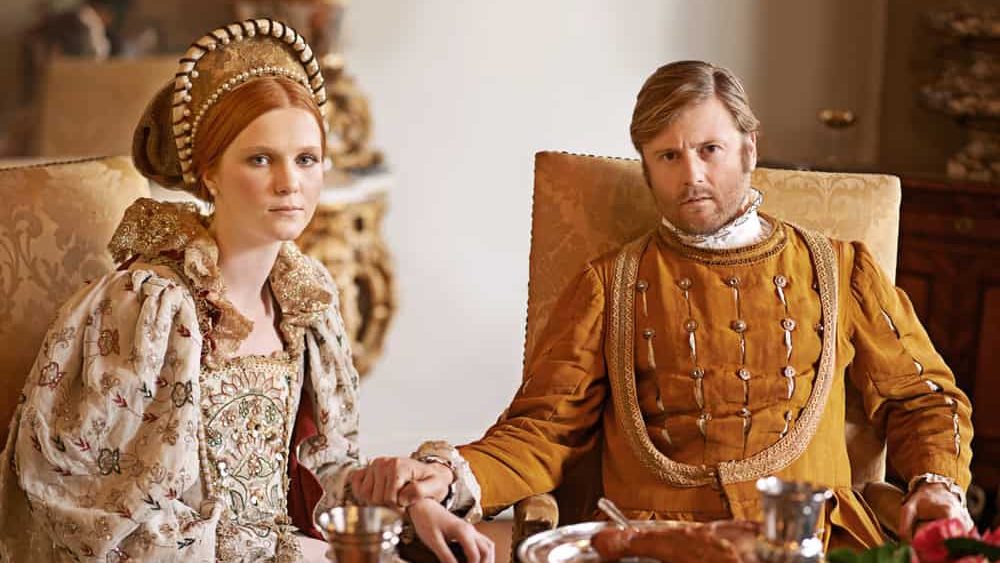
Around 1800, a couple moved into the area around Hildburghausen (in modern Germany). Rumors circulated that the man was the “Dark Count” and that the woman with him was never seen by anyone outside their home. They later resided at Eishausen, where guests rarely saw the woman and servants apparently knew little of her origins.
When she died in 1837, wild rumors arose concerning her true identity. Among the most colorful was that she was actually Marie Thérèse of France, the daughter of King Louis XVI and Queen Marie Antoinette, with another woman switching places with her during the French Revolution. Modern DNA tests have disproven that possibility.
The Green Children of Woolpit
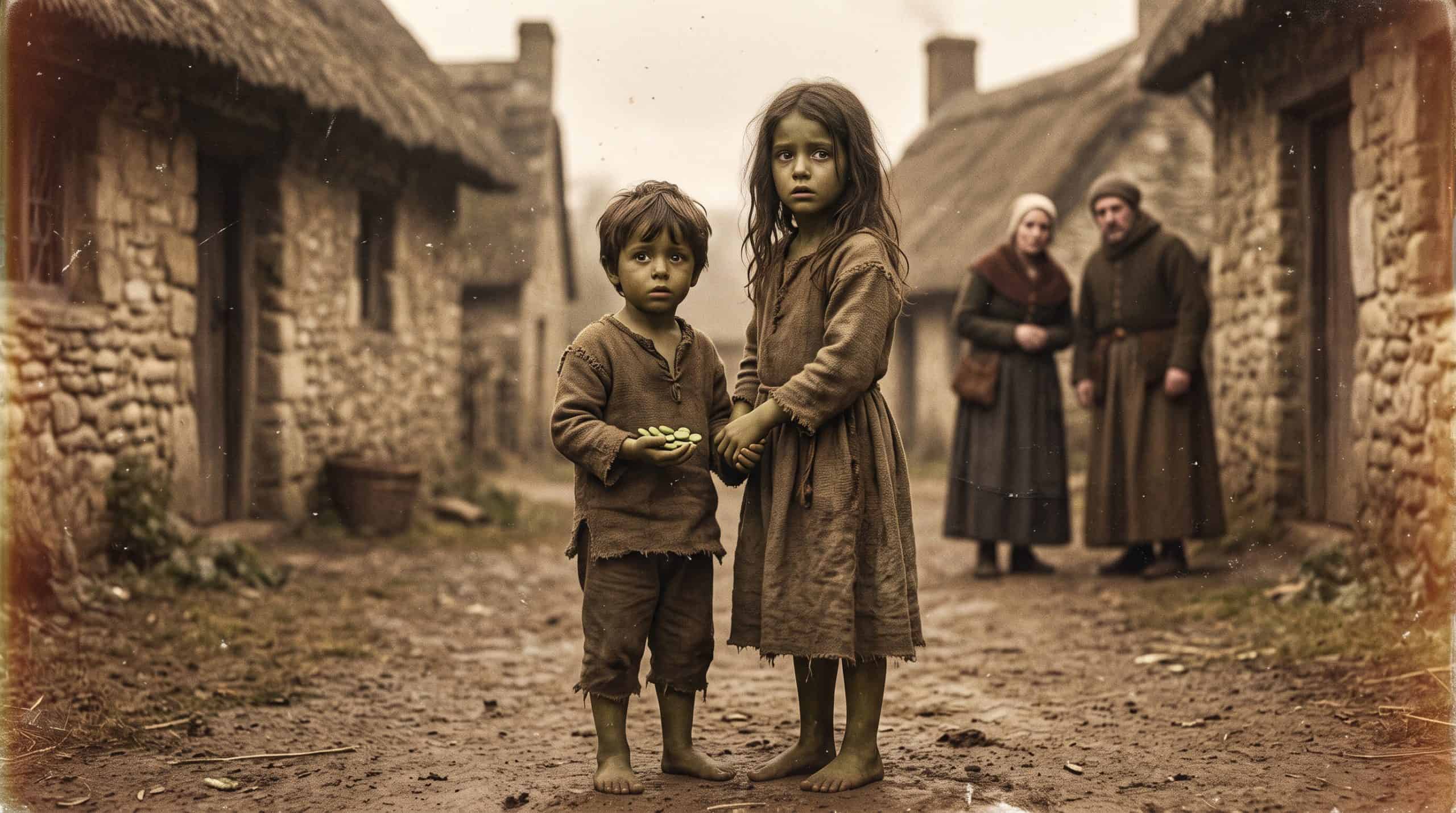
In the 12th century, medieval historians chronicled the tale of two children said to have mysteriously appeared in the village of Woolpit in Suffolk, England. A boy and a girl both reportedly had green skin, dressed in unusual garments, and spoke an unknown language.
They initially refused all food except for beans, but they eventually integrated into society, and their skin color faded. The boy died of an illness while the girl lived, and she explained that they came from a place where the sun never shone brightly.
Historians have suggested causes ranging from malnutrition to trauma, and proposed that the children were Flemish refugees who spoke French, which would have sounded foreign to English villagers. The story may also have been part of a folktale at the time it was written down.
D. B. Cooper

On Nov. 24, 1971, a mild-mannered man claiming to be Dan Cooper boarded Northwest Orient Flight 305 from Portland to Seattle. Mid-flight, he alerted a flight attendant that he had a bomb in his briefcase and requested $200,000, four parachutes, and a refueling truck.
After landing in Seattle with his ransom, Cooper released the passengers and ascended with only the flight crew onboard. Hours later, somewhere over the Pacific Northwest, Cooper lowered the rear stairs of the plane and parachuted into a stormy night with his money. He was never seen again.
A massive manhunt turned up no sign of Cooper. To this day, no verified body or parachute has been recovered. In 1980, a boy found $5,800 of Cooper’s ransom stash buried along the Columbia River, sparking another unsolved mystery. The FBI considered hundreds of suspects over the years, finally closing its active investigation in 2016.
The Somerton Man
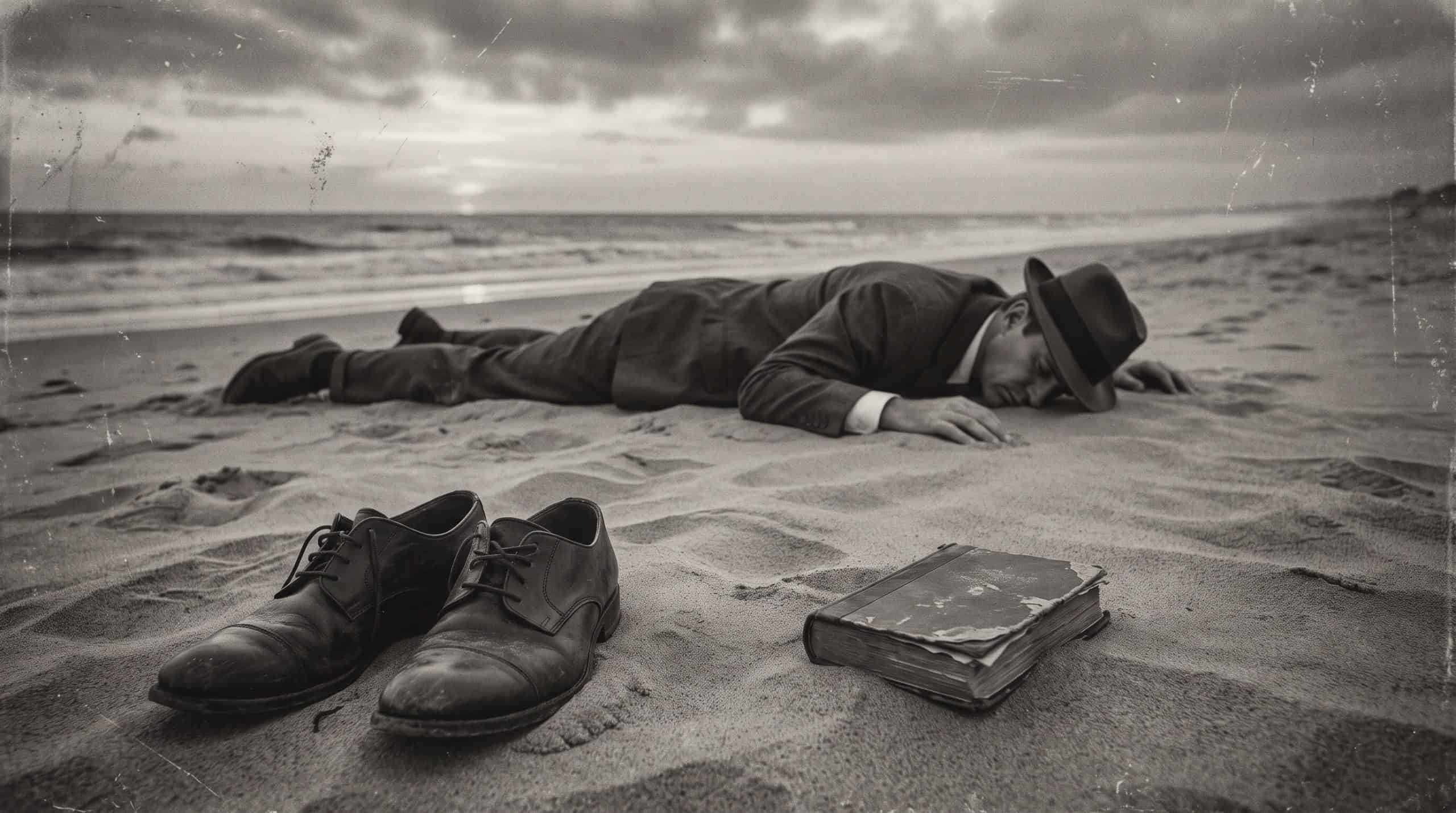
On 1 December 1948, a man of unknown identity was found dead on Somerton Beach near Adelaide, South Australia. He had no identification, and all labels had been removed from some of his clothing. Some months later, police found a small scrap of paper folded inside one of the man’s empty pockets. Written on it were the Persian words “Tamám Shud”, generally translated into English as “finished” or “ended”.
It was determined that this piece of paper had been ripped from a copy of The Rubáiyát of Omar Khayyám. The book from which the message had come was eventually found. In it were cryptic letters which appeared to form some sort of code, as well as a telephone number.
Mysteries about his death spawned decades of speculation about espionage, suicide, and clandestine love affairs. In 2022, researchers revealed that genetic genealogy analysis indicated that he was most likely Carl Charles Webb, an Australian electrical engineer.
Fulcanelli
In the 1920s, books were published under the pseudonym Fulcanelli on the subjects of alchemy, architecture and occult symbolism. The author(s) displayed remarkable erudition but never personally stepped forward to claim credit.
Legends propagated by Fulcanelli’s pupil Eugène Canseliet maintain that Fulcanelli was an authentic master alchemist who may have unlocked incredible secrets involving the transformation of matter.
Although many historical figures have been suggested as the identity of Fulcanelli, no evidence has been found that any of them was the author. Still, further mystery has been woven by rumors that Fulcanelli had been seen decades later appearing surprisingly youthful.
The Princes in the Tower
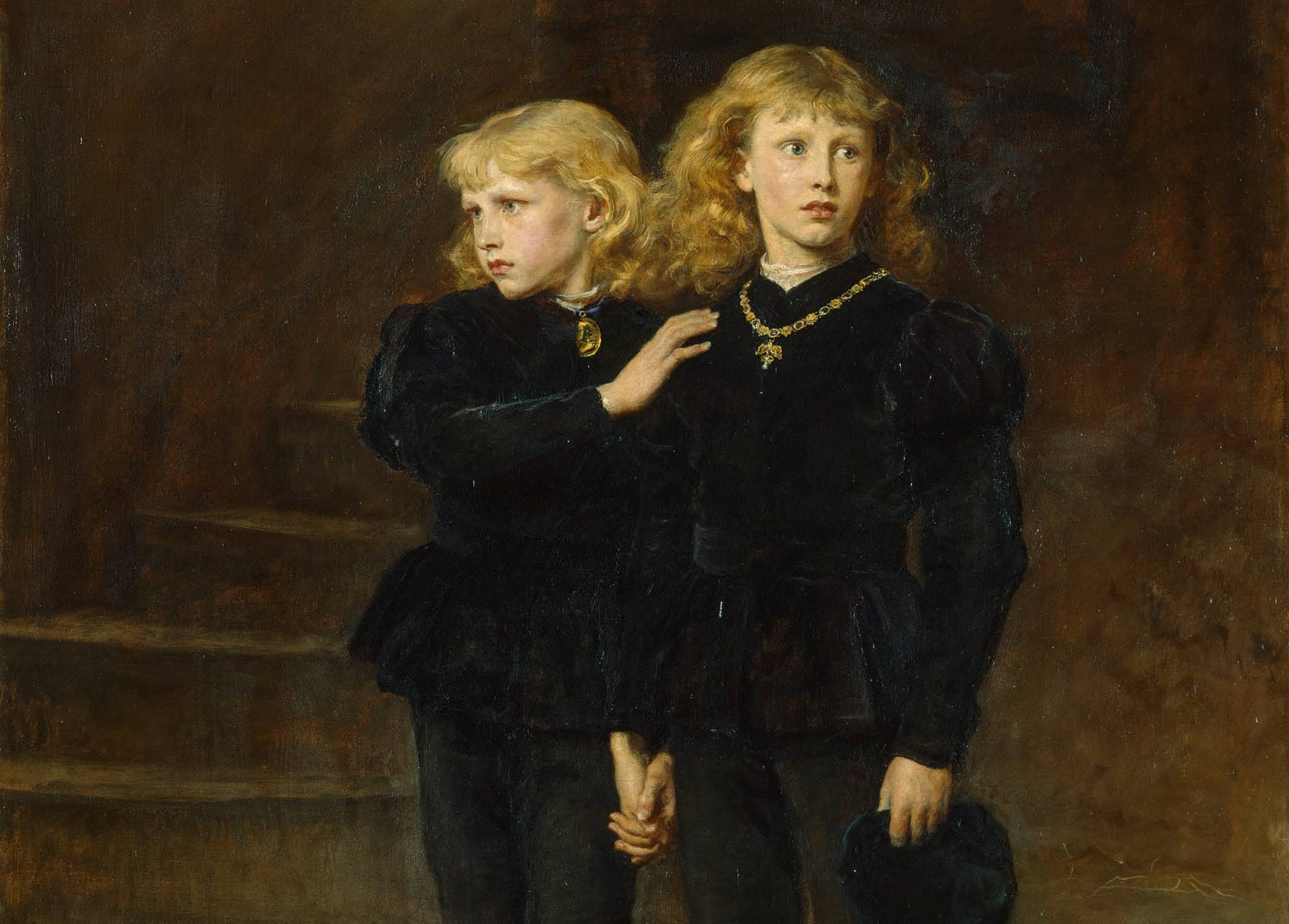
Young Edward V and his brother Richard, Duke of York, were both lodged in the Tower of London in 1483, aged 12 and 9, respectively. Although preparations for Edward’s coronation were begun, his uncle instead took the throne as Richard III, and the boys were never seen in public again.
Their fate has remained a mystery. While Richard III has been blamed by subsequent historians for their murders, several other individuals or groups have been suggested as responsible, including Henry Stafford, Duke of Buckingham, and supporters of the future Henry VII.
The remains of two children were found in the Tower in 1674 and are now interred in Westminster Abbey. Despite numerous scientific tests and theories, the remains have never been indisputably shown to be those of the princes.
The Babushka Lady
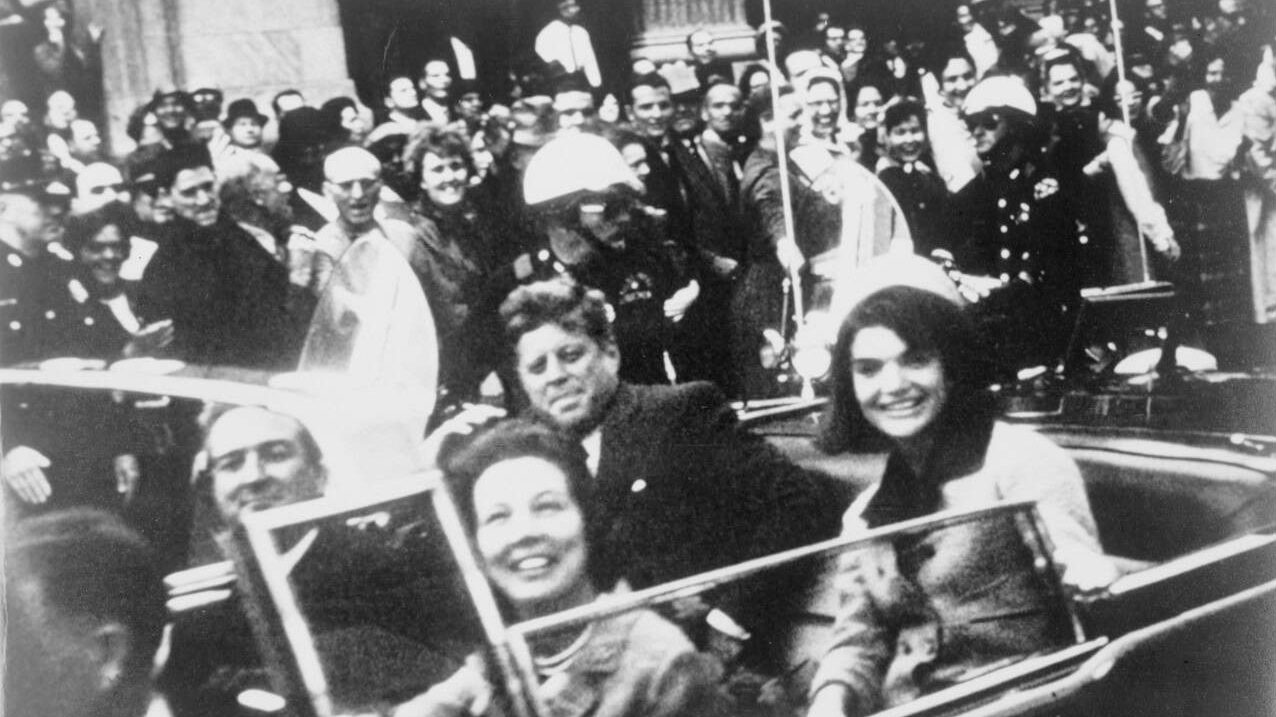
Photographs and film of the John F. Kennedy assassination in Dallas on November 22, 1963, show an unidentified woman filming or photographing around Dealey Plaza moments before the assassination. She can be seen holding a camera up in front of her face and wearing a headscarf similar to those worn by elderly Russian women; for this reason, she has become commonly known as the Babushka Lady.
The most interesting aspect of this woman, however, is that she continued filming or photographing after Kennedy had been shot as people around her reacted to the gunfire. Investigators thought that her footage may hold clues to the assassination but were never able to confirm her identity or locate the film she was believed to have been carrying.
Like our content? Be sure to follow us.
12 people whose deaths changed the world
Some deaths did a lot more than make the headlines for a few days, as they actually ended up being the start of revolutions or public campaigns across the world.

