
Some deaths did a lot more than make the headlines for a few days, as they actually ended up being the start of revolutions or public campaigns across the world.
The spark in Tunisia
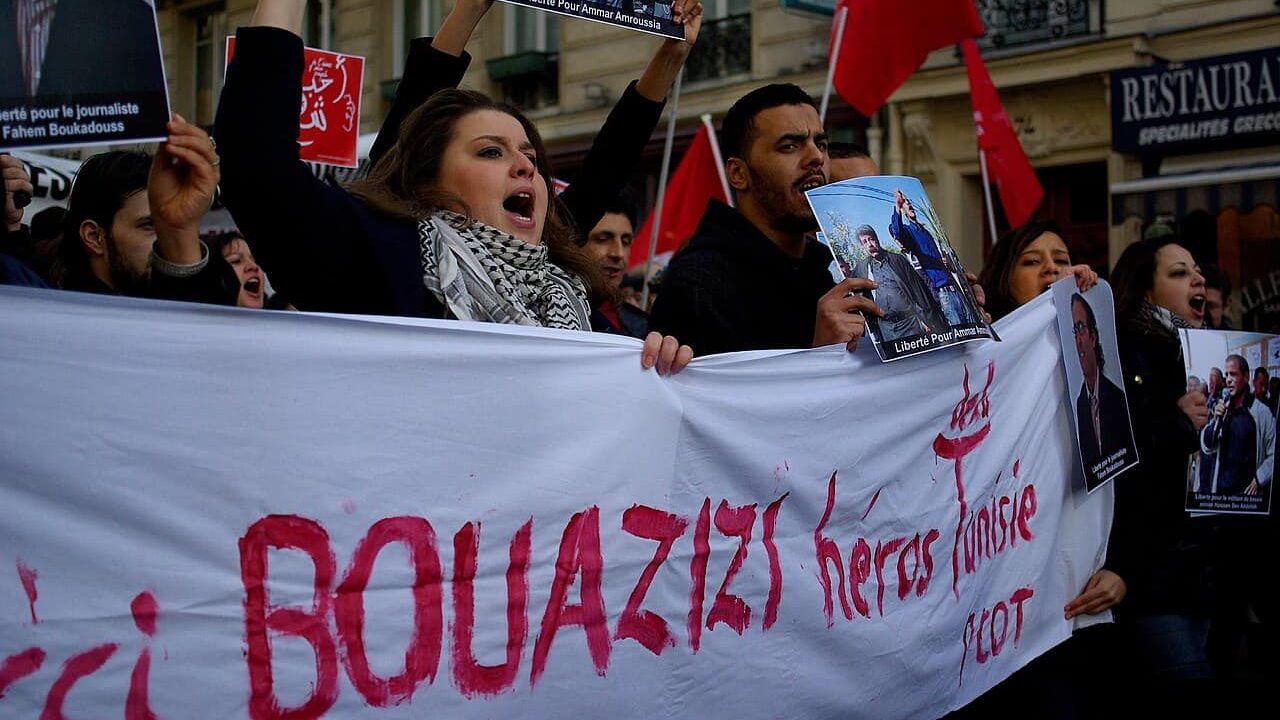
The thing with Mohamed Bouazizi was that he wasn’t a politician or even a famous activist. No, he was just a man, selling fruit from his cart in Sidi Bouzid, Tunisia. That was until officials confiscated his goods on December 17, 2010, and he failed to get a hearing for his complaint. Bouazizi then decided to set himself on fire outside a government building.
The 26-year-old died just over two weeks later. But his death was, quite literally, the spark that helped begin the Arab Spring. People in countries like Egypt, Libya, Syria, Yemen, and, of course, Tunisia, fought back against their governments. Many of these countries’ long-standing regimes were overthrown.
A death filmed in Minneapolis
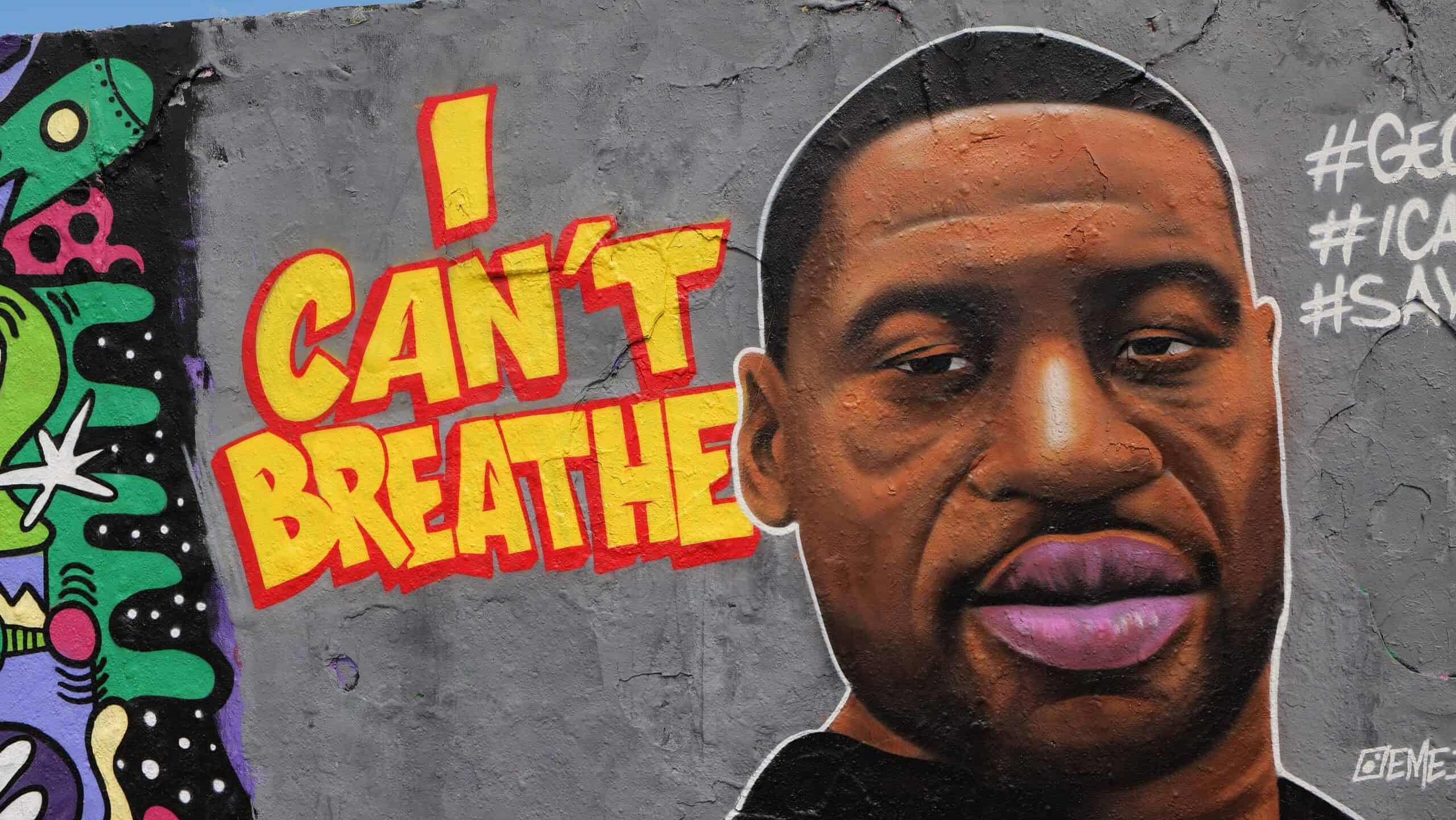
Virtually nobody knew George Floyd’s name by the evening of May 25, 2020. That soon changed. The 46-year-old died after Minneapolis police officer Derek Chauvin pressed his knee on Floyd. Floyd was handcuffed on the pavement at the time.
A bystander took a video of the whole thing, and it spread everywhere, leading to mass protests. Not just in the United States, either, as people in other countries protested against police brutality too. Chauvin was later convicted of murder. Numerous cities quickly rewrote their laws around the police, including restraints and use of force.
The fence outside Laramie
Matthew Shepard was only 21 when two men brutally attacked him outside Laramie, Wyoming, in October 1998. They tied him to a fence and left him for dead. He somehow survived the initial attack, but died shortly after in hospital. His death became part of a wider push for hate-crime protections in the United States.
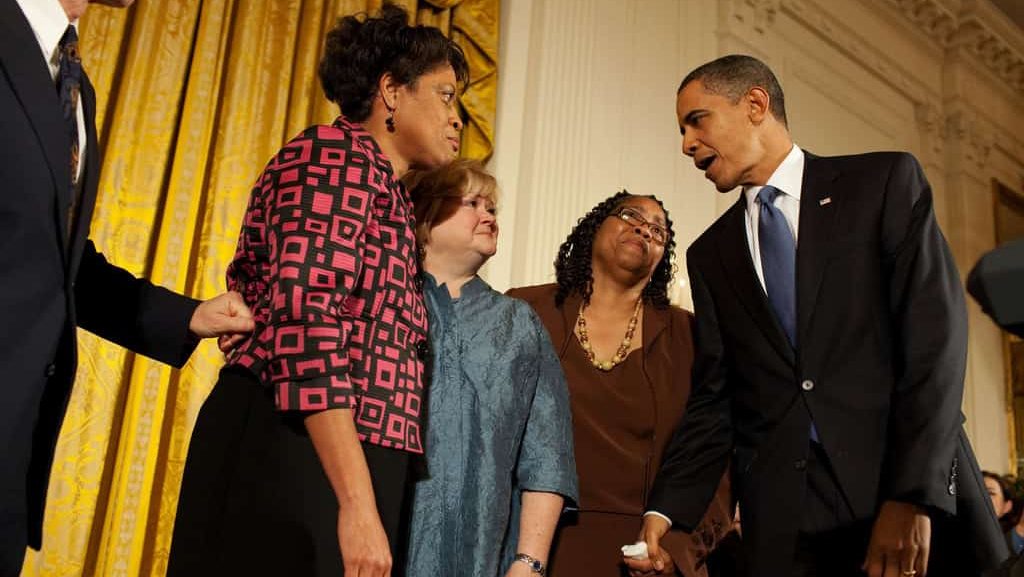
The effects of his death were still present even eleven years later. That was when President Barack Obama signed the Matthew Shepard and James Byrd Jr. Hate Crimes Prevention Act. It expanded federal hate-crime law to include things like sexual orientation, gender identity, gender, and disability.
A missing-child system takes shape
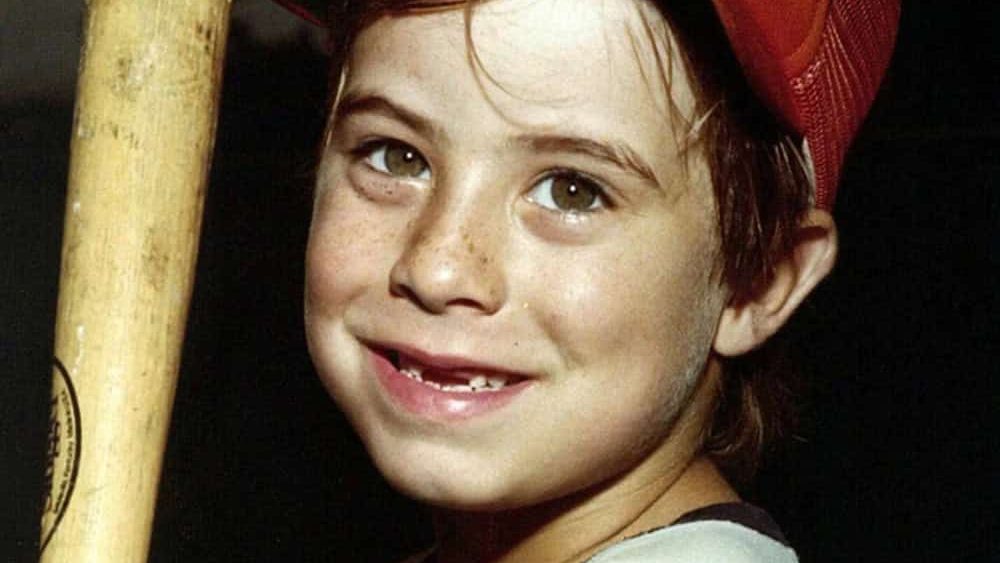
Adam Walsh was only six when he disappeared from a Sears store in Hollywood, Florida. The incident happened on July 27, 1981, and his mother had briefly left him near a video-game display. She returned, and he was gone. Two weeks later, his severed head was found more than 100 miles away, although the rest of his remains were never recovered.
The horror of his death led to the creation of the National Center for Missing & Exploited Children in 1984. His parents became national advocates for missing children, and decades later, Congress also named the 2006 Adam Walsh Child Protection and Safety Act after him. The law helped with tracking child predators across state lines.
Four days in Arlington

You’ve probably heard of the AMBER Alert system. It’s the rapid-alert system for serious child abductions that sends a message to your phone, and it started after the death of Amber Hagerman. The nine-year-old was riding her bike near her grandparents’ home in Arlington, Texas, on January 13, 1996, when a man abducted her. Her body was found four days later.
A witness did see part of the abduction happen, but police never found her killer. Her death led to broadcasters and law enforcement in the Dallas–Fort Worth area creating an alert system. This became the AMBER Alert system, and it spread nationwide. It was named after the nine-year-old.
A draft pick and a drug law

Len Bias didn’t have much time to celebrate. He became the Boston Celtics’ No. 2 draft pick in June 1986, but two days after the NBA draft, the 22-year-old University of Maryland star collapsed in a dorm room after using cocaine. He died on June 19.
Bias’s death came during growing fears over crack and cocaine use in the United States. Four months later, Ronald Reagan signed the Anti-Drug Abuse Act of 1986 that created mandatory-minimum federal drug sentences.
The Kremlin changes generations

Soviet leadership looked a lot like a revolving door during the mid-1980s. Konstantin Chernenko became general secretary in February 1984, and after 13 months in power, he died due to heart failure. His death cleared the way for Mikhail Gorbachev to take over.
Gorbachev introduced the principles of glasnost and perestroika to the Soviet Union, helping to remove censorship and decentralize the government. He stopped using Soviet military force to support communist governments across Eastern Europe. These actions, intentionally or not, later led to the collapse of the Soviet Union.
An empty Supreme Court seat
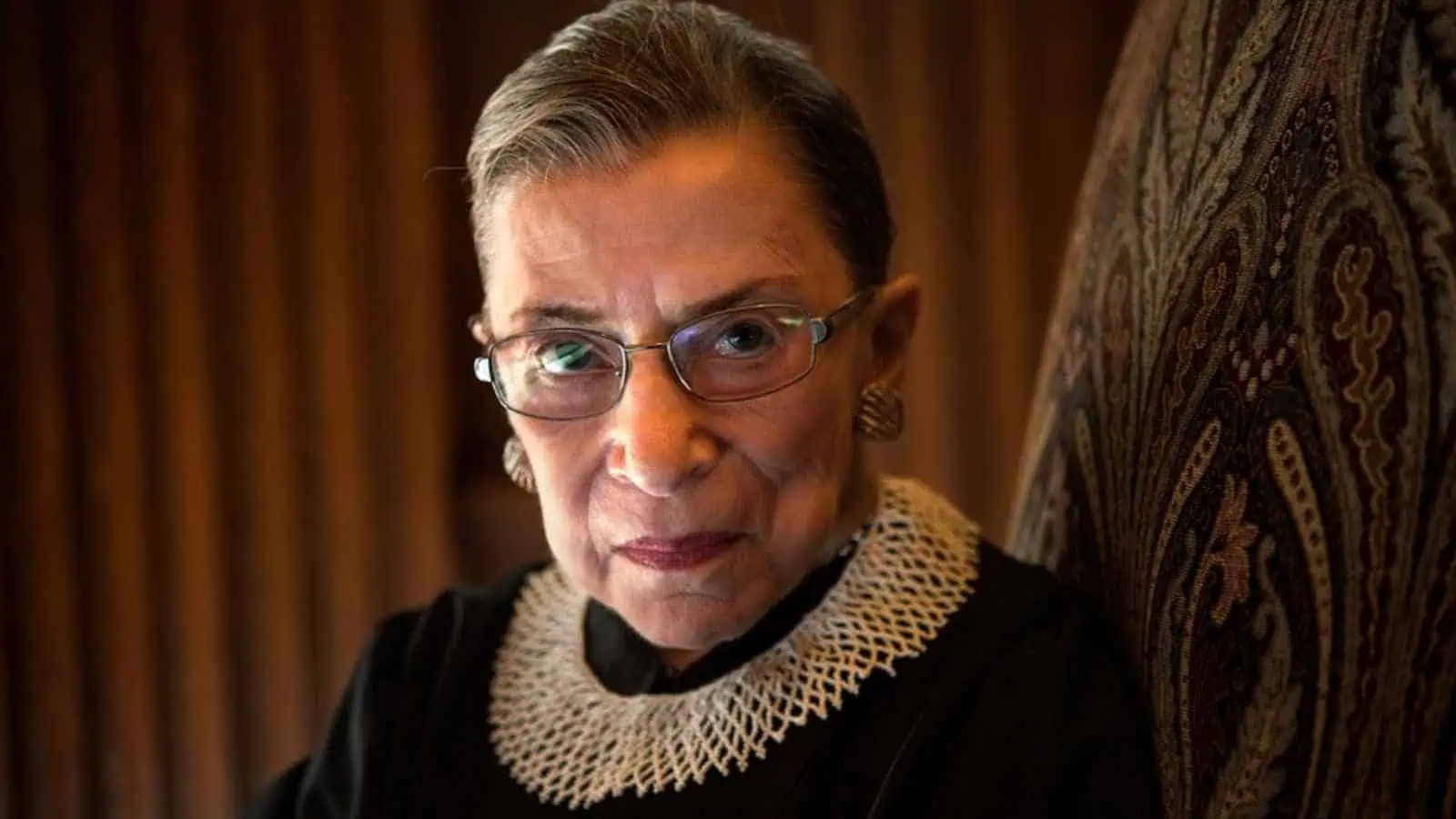
One of the more recent world-changing deaths was that of Ruth Bader Ginsburg, former Associate Justice of the Supreme Court of the United States. She died on September 18, 2020, after health issues. Her death happened just weeks before a presidential election. Donald Trump then decided to name Amy Coney Barrett as her replacement.
The Senate confirmed Barrett on October 26. It changed the Court to a 6–3 conservative majority. Such a majority helped lead to the overturning of Roe v. Wade, which gave women the federal right to abortion. The majority also ended race-conscious admissions policies at colleges. It was a lot of changes very quickly.
AIDS enters America’s living rooms
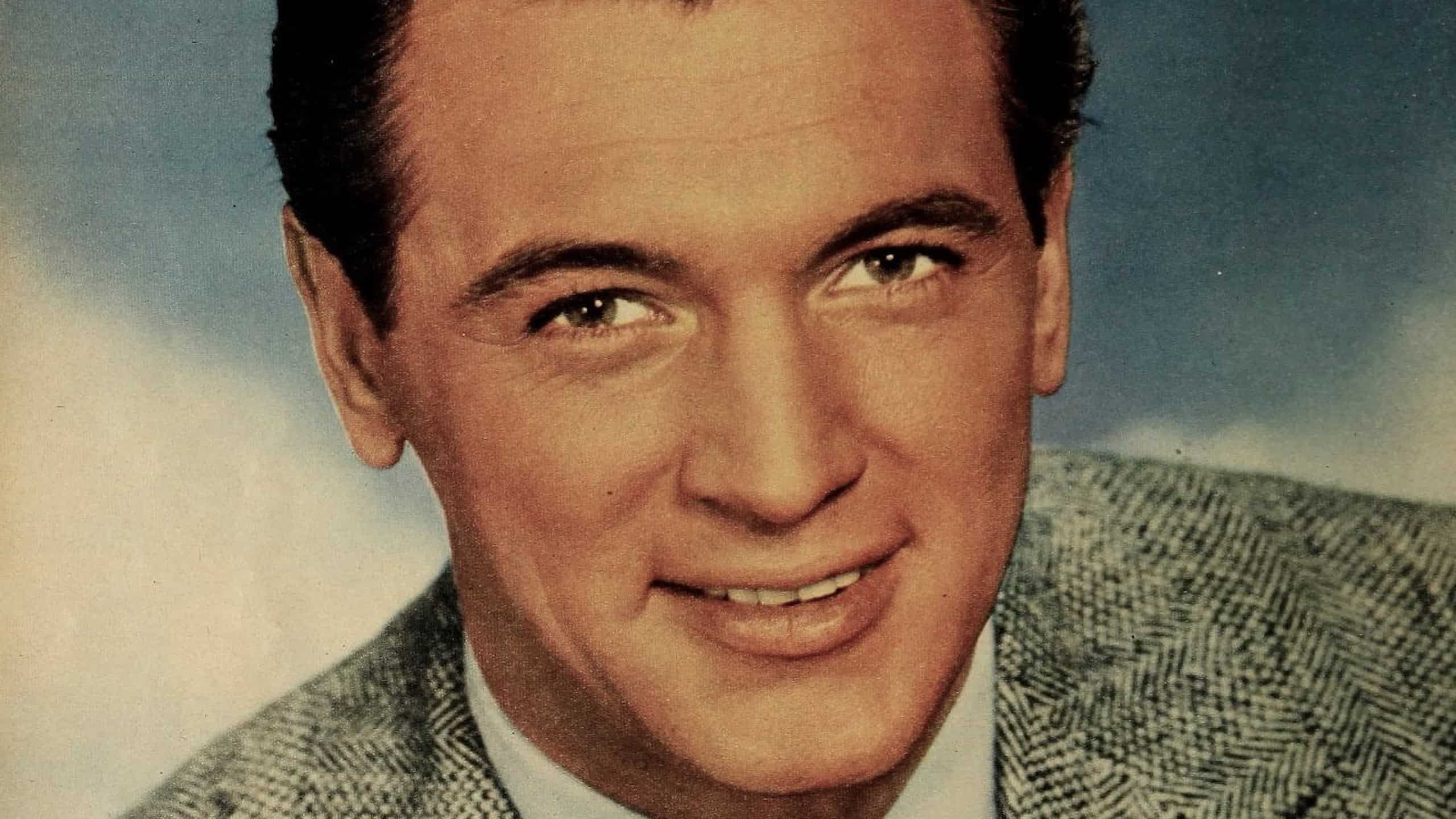
Many people in the ‘80s saw AIDS as something very distant from mainstream celebrity culture. But then Hollywood star Rock Hudson got sick. He became the first major American celebrity to publicly acknowledge having the disease in July 1985. He died in October of that same year.
Hudson’s death brought enormous press attention to the epidemic and led to a huge increase in donations to AIDS organizations. Public discussion of the disease grew and forced the federal government to put more funding into researching the disease. It’s thanks to this push that we have much greater education and successful treatment for the disease.
Protection becomes permanent
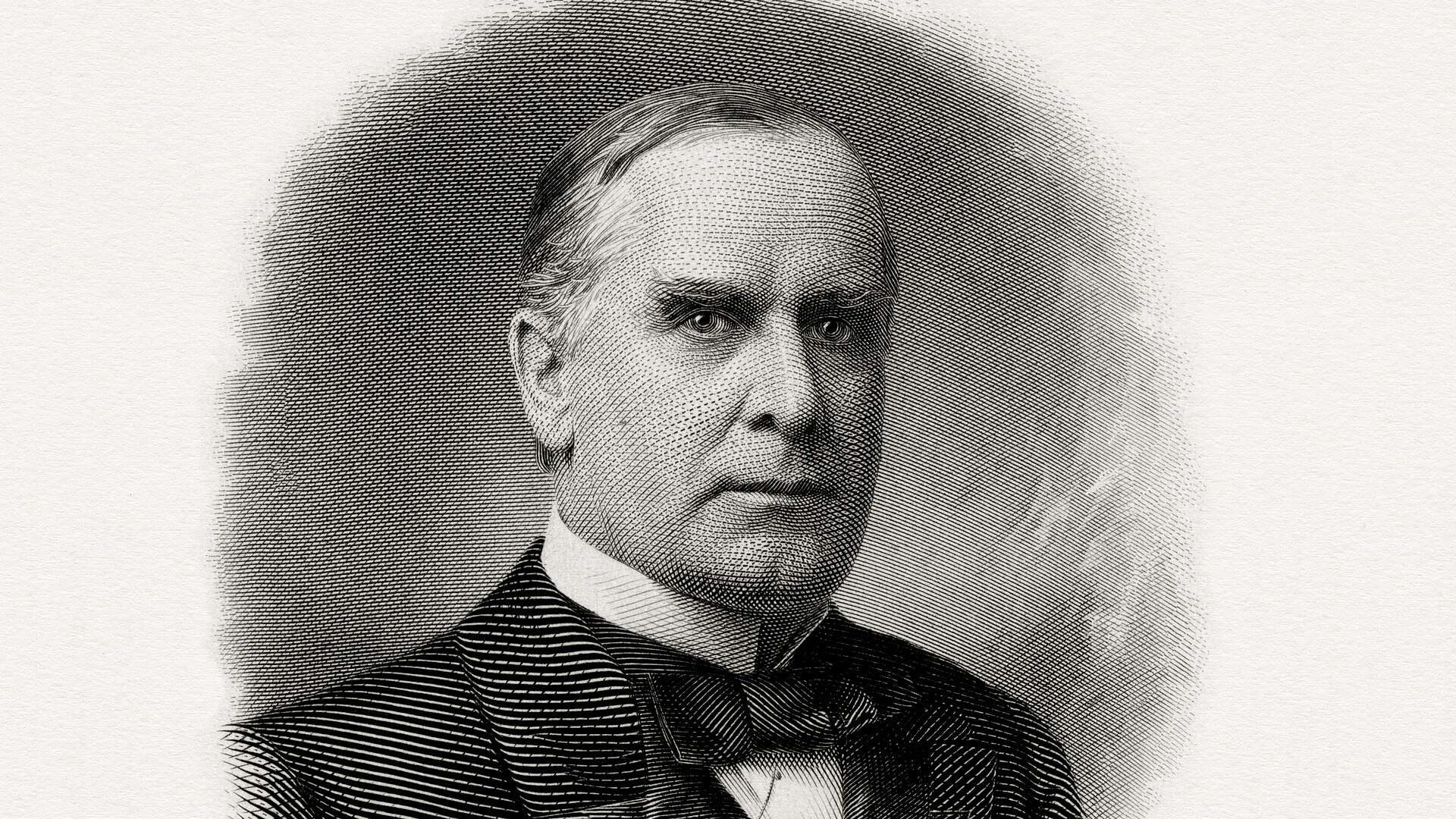
The death of President William McKinley on September 14, 1901, completely changed how the Secret Service worked. He was at the Pan-American Exposition in Buffalo, New York, on September 6 when a man named Leon Czolgosz shot him.
This was the third time an American president had been assassinated since 1865. Enough was enough. The Secret Service took on full-time responsibility for protecting the president in 1902. It was a huge change.
A famous passenger changes flying
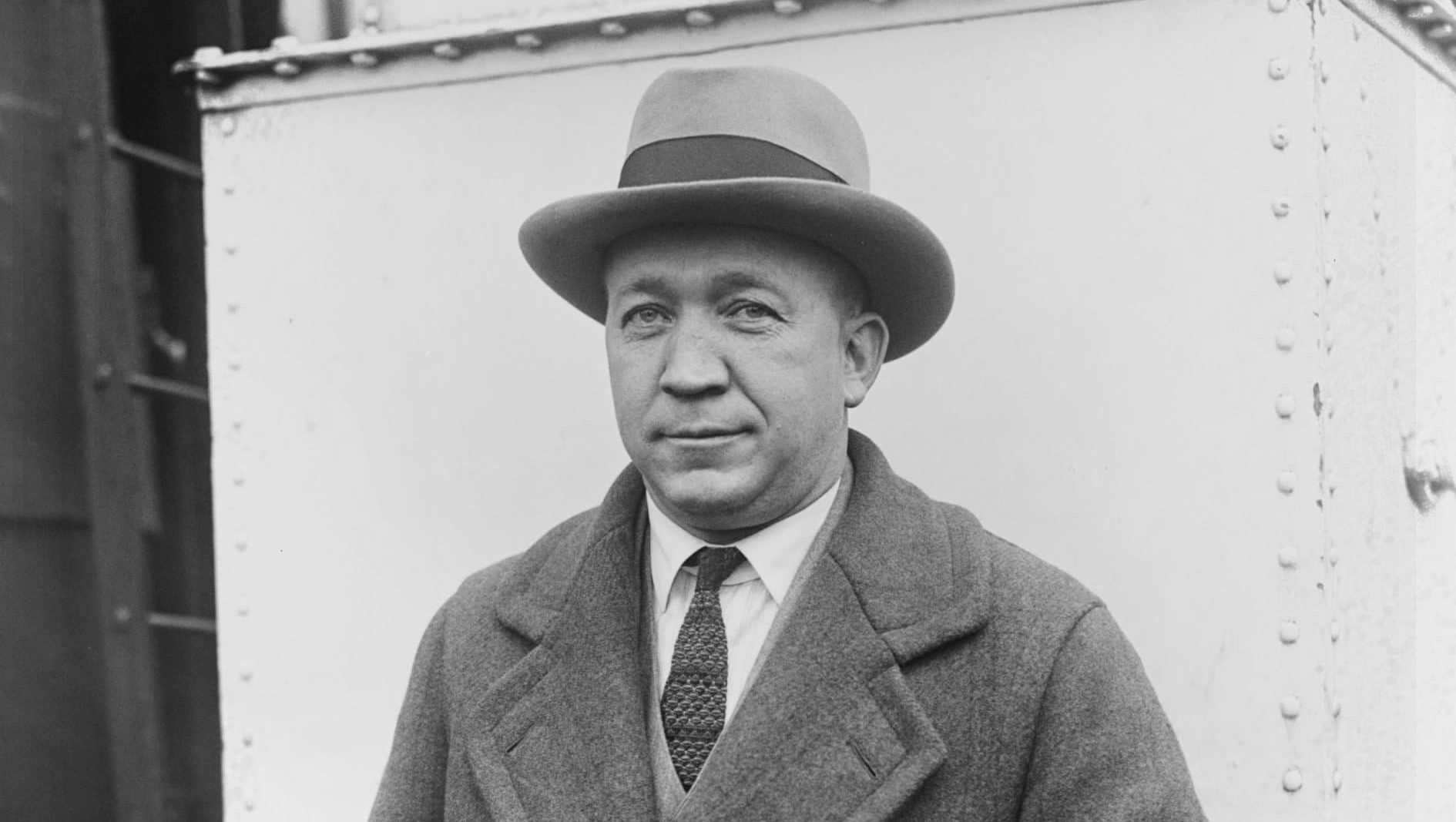
Knute Rockne was one of the biggest names in American sports when he died in 1931. He died when his plane, a Transcontinental & Western Air Fokker F-10A, broke apart over Kansas. It killed all eight people aboard.
Investigators focused on a failure in the wooden wing structure, and the incident led to more scrutiny of wooden-wing passenger planes. Federal aviation safety stepped up, too. Rockne’s death helped transform what was once a very dangerous way to travel into the safest way of getting around.
The photograph from the shore

Alan Kurdi was only three years old when he died. His family had been trying to reach the Greek island of Kos when their inflatable boat capsized, and Kurdi died, along with his mother and five-year-old brother.
A photographer took a picture of Alan’s body on a Turkish beach on September 2, 2015, and the image spread across the world. Now, refugee policy was suddenly back near the top of the political agenda. Many countries increased their Syrian resettlement pledges, including the UK and Canada.
Sources: Please see here for a complete listing of all sources that were consulted in the preparation of this article.

