

Indian moms keep some pretty interesting traditions when it comes to raising children and explaining them to your American roommate can be quite the journey.
Stopping you from leaving after someone sneezes

When someone sneezes just as you’re leaving the house, it’s bad luck. At least, that’s what some Indian mothers might tell you. Don’t walk right out that door. Wait a second.
She’ll make you drink some water or sit down for a minute. Maybe say a quick prayer or wait a few seconds before you leave. Families will do this differently. Regions will have different beliefs too.
For your American roommates, a sneeze is usually met with a quick “Bless you.” Then they’ll continue about their day.
Packing full Indian meals in steel tiffins for long flights
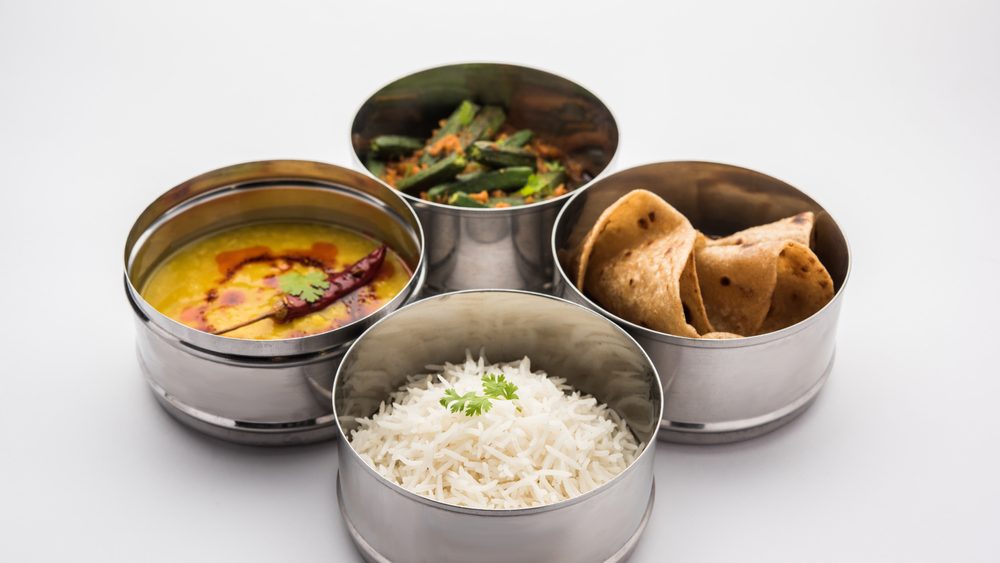
American parents pack granola bars/chips or purchase food upon arrival at the airport terminal. Indian moms will pack your full course Indian dinner in stainless steel containers for an international flight.
Her approach is to open these containers mid-air, presenting homemade parathas, pickles, and fried snacks instead of what’s offered on the plane.
Americans can’t believe you go to all that effort and lug around a portable pantry just to avoid eating restaurant food.
Expecting the kids to touch elders’ feet
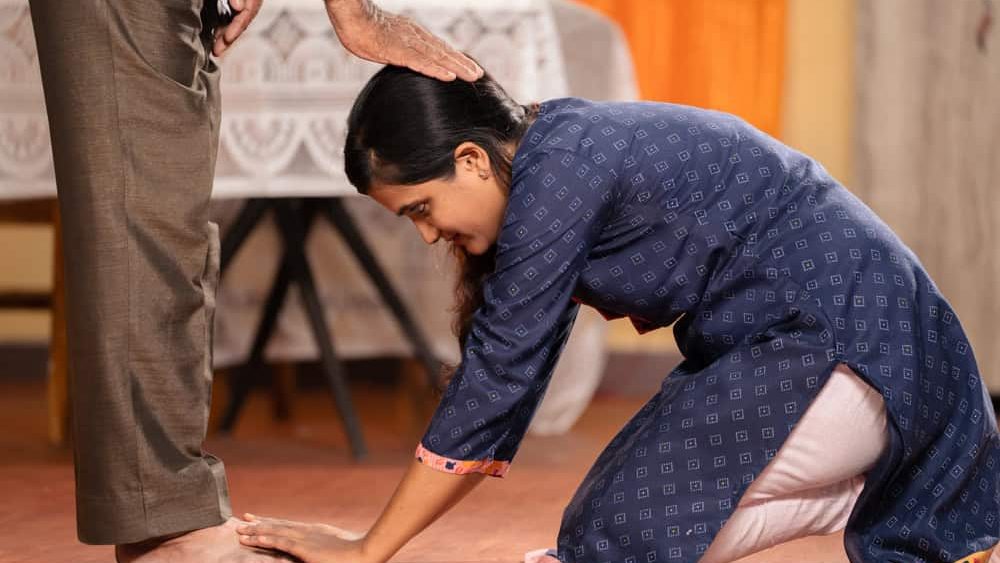
Indian parents expect their children to touch their feet, their grandparents’ feet and sometimes even other elders’ feet out of respect and to receive their blessings.
Expectations surrounding this topic have been written about extensively as an Indian custom, though it differs from family to family, religion to religion, region to region and generation to generation.
An American parent might teach their child to shake hands, hug or simply say hello to an older relative who visits. An Indian mother might feel her child is being disrespectful by just standing there, not acknowledging the elder.
Applying a Kaala Teeka

In some Indian households, they’ll apply a small black spot called a kaala teeka to ward off nazar (the evil eye) from befalling a child.
They may put it on the cheek, forehead, behind the ear, or anywhere else your family prefers.
“Oh why are you smudging black ink all over your nicely dressed child?” says an American mom. “Just another way to bless the child,” replies an Indian mom.
Avoiding black clothes on auspicious days
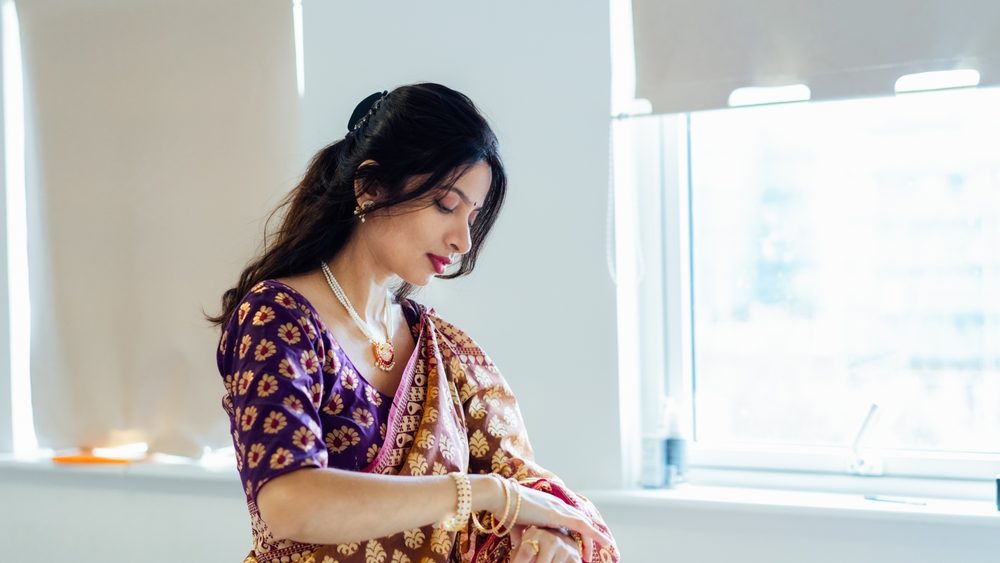
Black isn’t shunned completely in India. Indians wear black attire to celebratory events like weddings.
But among orthodox circles, black is deemed unsuitable to wear during religious functions/auspicious events. This is why your Indian mom might take one look at you in an all-black wedding outfit and insist you change.
It’s not a matter of you not being stylish enough in her eyes. You’re inviting negative energy.
Feeding grown children by hand
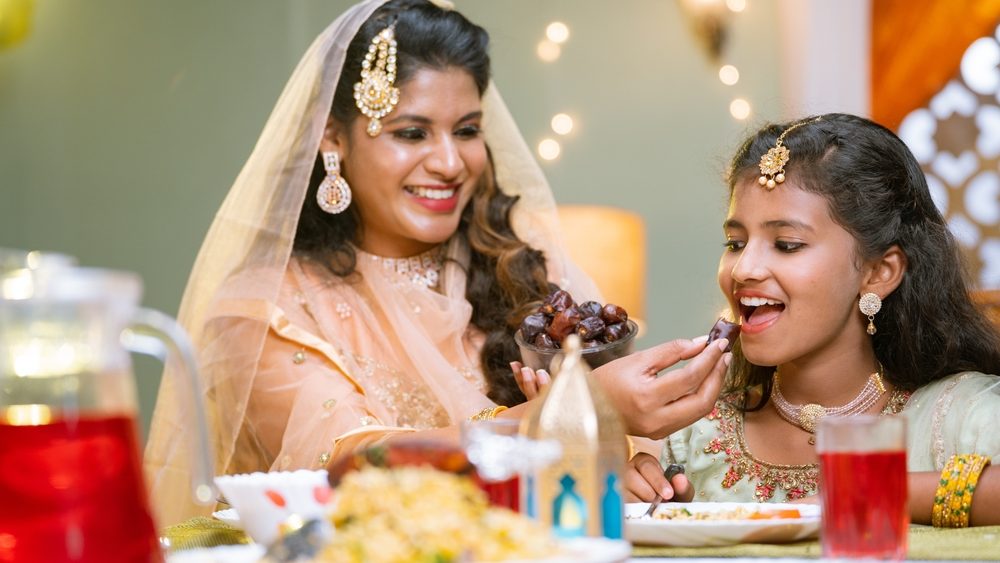
Hand eating is an integral part of Indian food culture. Mothers continue to feed their children by hand well beyond the point that children could obviously feed themselves.
For many families, it’s just a sign of love.
An American mom might look at a teenager and think they can totally eat by themselves. A traditional Indian mom might be stuffing them with the ideal bite of rice and curry.
Keeping the kitchen quiet

Bang pots and pans loudly against each other in your Indian kitchen and you’ll receive a cold look from mother, accompanied with a punishment-worthy glare.
A peek into Indian family life reveals a superstition that banging metal pots and pans together creates negative energy, which in turn drives Lakshmi, the goddess of fortune, from the household.
Planning dinner while eating breakfast
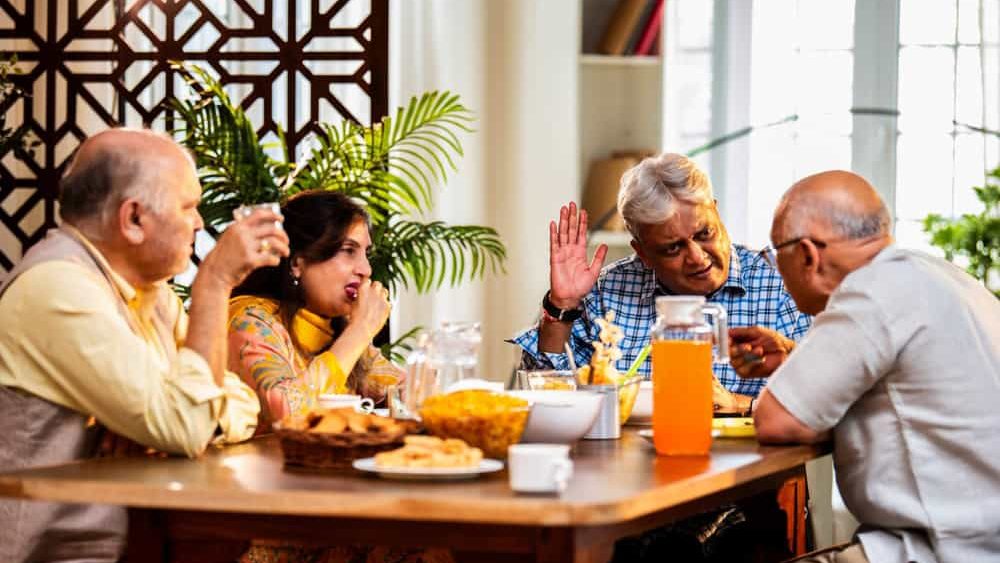
While the breakfast plates are still sitting on the table, an Indian mother will look around at her family and ask, “Aaj raat ko khane mein kya banayein?” So, what are we thinking for dinner tonight?
Indian family mealtimes are characterized by carefully crafted meals prepared fresh every single day. Since food holds such a central place in domestic life, discussions about meals tend to happen all day long.
Stocking cold water

During the summer season, filling your fridge with chilled water bottles is a commandment. If your Indian Mom catches you putting back an empty or half filled water bottle in the refrigerator then there will be hell to pay.
The job of refilling the water filter and putting in fresh cold bottles is handled as a serious daily duty.
Not cutting hair or nails on certain days

Cutting your hair or nails on certain days of the week (generally Tuesday, Thursday, or Saturday) is taboo in some Hindu households. Many believe cutting nails after dark is also bad luck.
The rules differ from family to family and region to region, but if you grow up in a house that observes this tradition, you figure out pretty quickly that just needing a haircut isn’t enough.
You need permission from the calendar, too.
Hanging lemon and chilies at the door
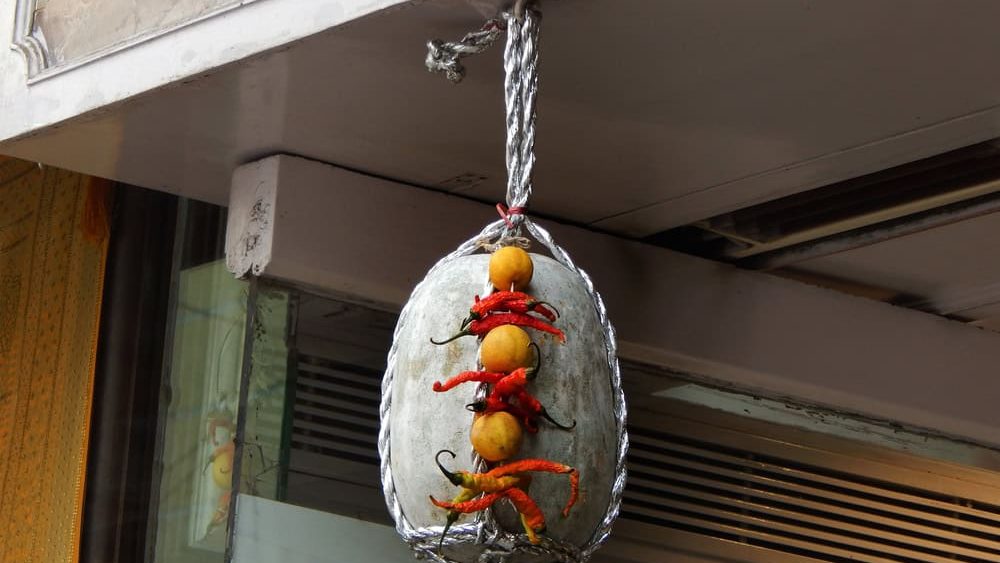
Across India, some mothers hang this string of lemon and green chilies (nimbu- mirchi) outside their doors to keep evil eyes away from the family. It’s believed that excessive attention, whether born of admiration or envy, can draw the evil eye toward your home.
These same kinds of talismans are often visible on shops, offices, and vehicles throughout India.
These protective talismans are commonly spotted outside shops, workplaces, and even on vehicles across the country. To an American parent hanging lemon and chilies might seem like an odd ornament to hang outside your house. To an Indian mother it’s normal.
Cooking three fresh hot meals per day
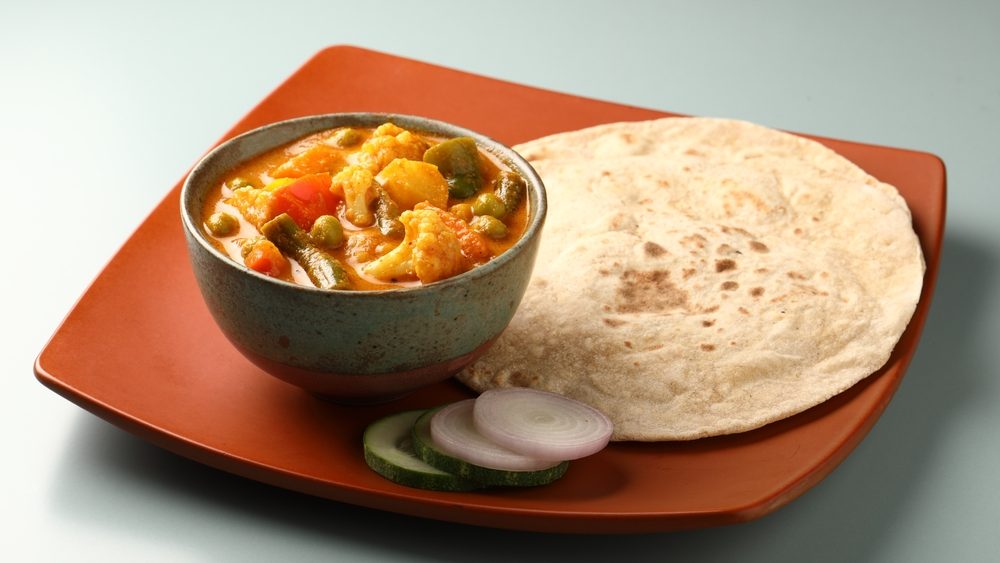
While American parents depend on meal prep, frozen dinners, or dump and go assemble meals during hectic weekdays to juggle their schedules, an Indian mother will make three gourmet, labor-intensive hot meals from scratch every day.
She will not serve leftovers to guests or family members if she absolutely doesn’t have to. To us, cooking in front of a hot stove for hours upon end for every meal seems tiring and redundant.
To an Indian mother, serving fresh food is the ultimate barometer for how well she looks after her family.
Packing extra sweets and snacks for the neighbors

Americans hold a strong belief in their right to privacy and personal space. Your neighbors will never just randomly stop by your home unannounced with a plate of baked goods.
Yet, an Indian mother won’t hesitate to send her child over to the neighbors with a dish of freshly prepared halwa or warm snacks each time she makes something particularly good, with no expectation of anything back.
American mothers find this completely intrusive when an Indian mum sees the entire neighborhood as her family too.
Adult children’s money and wardrobe choices

American parents tend to pull away from their children when it comes to day-to-day decisions once they become 18 years old. They want to raise independent kids when it comes to money and personal decisions.
And yet, an Indian mother will have no reservations about advising her 30-year-old married daughter on what she should wear that day, what she should eat, how much she should save from her paycheck and which job she should take.
What would be considered narcissistic “helicopter parenting” by an American parent is how an Indian mother sees her role: to oversee and advise her children forever, to prevent them from making any life decisions that could have expensive repercussions.
Deep cleaning panic

While many American parents may run a quick vacuum over the carpet or deliver a breezy “sorry ‘bout the mess,” if someone stops by unannounced, an Indian mother reacts as if the Queen of England herself is about to come inspect her home.
You see, if your friends call and tell her they are pulling in the driveway, she sends everyone into cleaning overdrive. Table tops get wiped, clutter gets stuffed in bedroom closets and sofa cushions get piled atop one another.
Sure, many American parents would be wiped out from such panic cleaning. For an Indian mother, there’s no justification for letting someone from outside glimpse a less-than-tidy house.
Sources: Please see here for a complete listing of all sources that were consulted in the preparation of this article.
Like our content? Be sure to follow us.
The 12 worst mothers in history

Although there are many happy stories of motherly love throughout history, some stories are much darker.

