
Some of the world’s biggest literary hoaxes involve texts that managed to make it onto stages and bestseller lists before the truth came out about them.
A voice from somewhere else
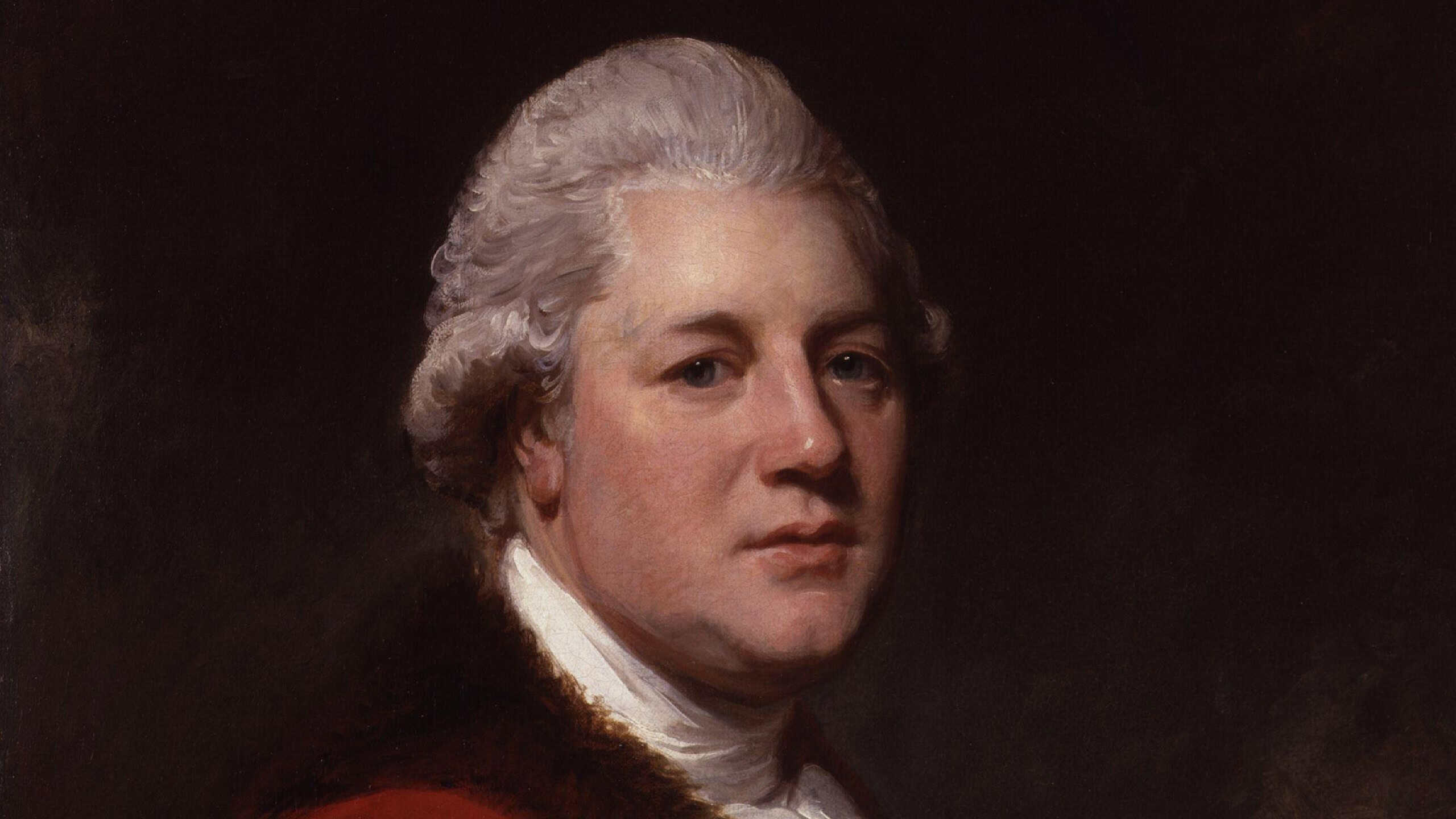
In 1760, James Macpherson claimed that he’d found copies of old Gaelic poetry in Scotland. He published these for everyone to read, starting with Fragments of Ancient Poetry in the same year, Fingal two years later, and Temora in 1763. People loved them.
The poetry apparently came from an ancient bard named Ossian. Except it was a lie, and it was only once Samuel Johnson, yes, that Samuel Johnson, questioned the findings that the truth came out. Macpherson had written them all himself and ‘translated’ them.
Something found in Bristol
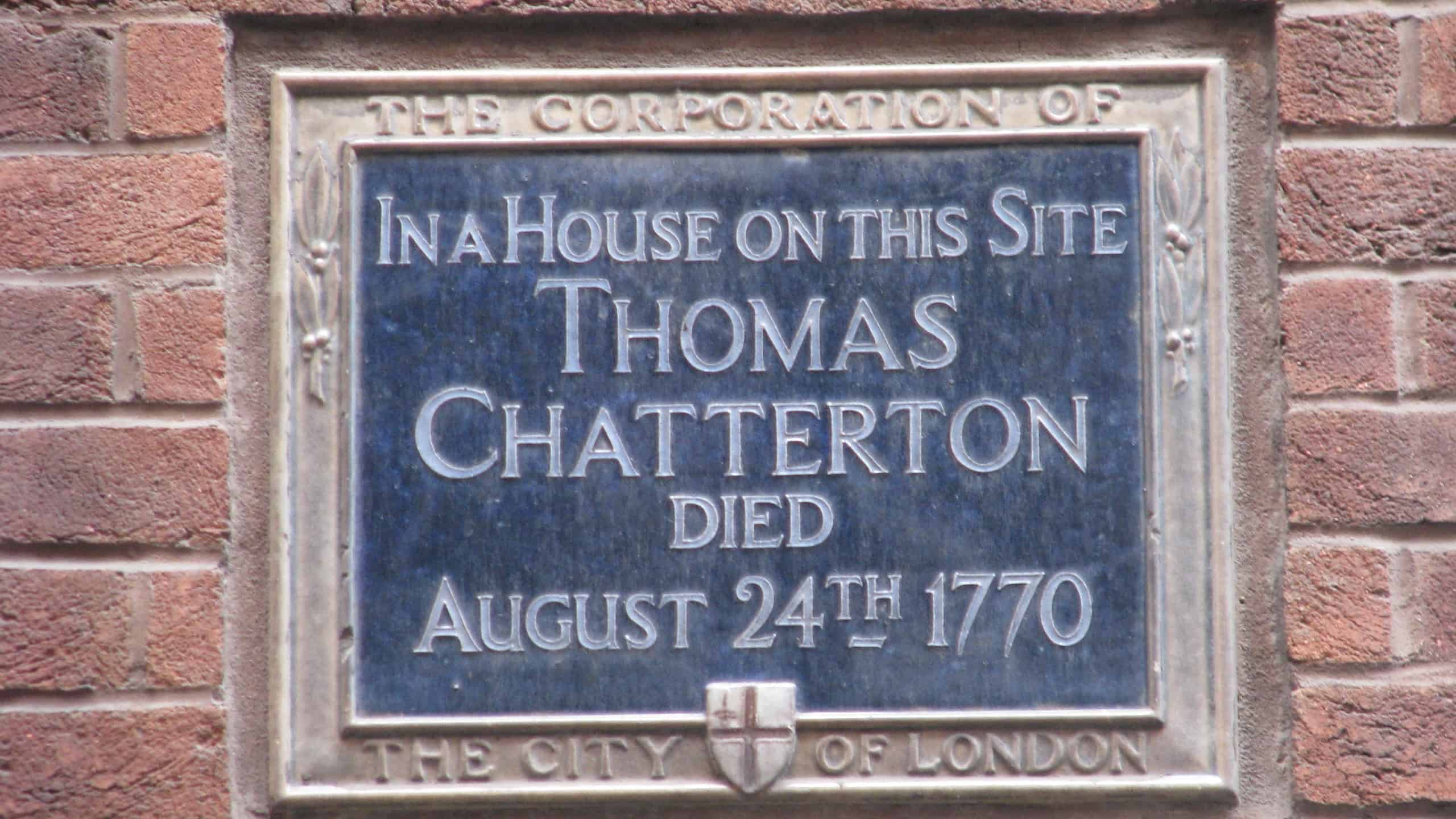
Thomas Chatterton was also creating forgeries around the same time as Macpherson, but he created his in England. He wrote poems and claimed they were the work of a fifteenth-century priest-poet named Thomas Rowley, although Rowley never existed.
Chatterton had spent enough time looking at the local church’s old papers to know how to fake them. The poems continued to be published after his death, and it was only in 1778, almost eight years later, that publisher Thomas Tyrwhitt revealed Chatterton had created them.
Ink in the right house

Finding a lost Shakespeare play would make you very rich, and that’s probably what William Henry Ireland was hoping would happen. He became interested in Chatterton’s forgeries, and claimed he’d ‘found’ some old documents that included missing texts by Shakespeare.
One of these was the play Vortigern, along with the original manuscripts for some of Shakespeare’s most famous plays. People believed them. In fact, Vortigern even made it to the stage in 1796, until Shakespearean expert Edmond Malone discovered the truth.
A rough story gets checked

Fast-forward to the twenty-first century, and James Frey’s book A Million Little Pieces, telling a story of Frey’s real addiction and recovery, was a worldwide hit. It was released in 2003, and Oprah handpicked it for her book club two years later. What could go wrong?
Everything, really. A website named The Smoking Gun started investigating the text a little more, only to find out that quite a few events and claims in the book were fake. Frey’s criminal record and time in prison? Fake. Publishers actually had to issue refunds to some customers.
Notebooks with a problem

Adolf Hitler. Hardly someone most people would pretend to be, but that’s exactly what reporter Gerd Heidemann and illustrator Konrad Kujau did. They sold Hitler’s alleged private diaries to Stern magazine in 1983, making a profit of roughly $7.5 million in modern money.
Stern was threatened with legal action for sharing Nazi propaganda after publishing the diaries, so they investigated the diaries a little further. Forensic testing later revealed there were multiple issues, including the use of modern paper. Both Heidemann and Kujau were jailed.
A childhood story changes shape

The Education of Little Tree was published in 1976 under the name Forrest Carter, and it seemed to be a genuine memoir about a boy raised in the Tennessee hills by his Cherokee grandparents. But the reality of Forrest’s life couldn’t be further from the truth.
His real name was Asa Earl Carter, and he was previously an organizer of the Ku Klux Klan. He was never proven to have real Cherokee ancestry, and members of the Cherokee Nation actually said the memoir’s portrayal of their customs was inaccurate.
A poet from nowhere
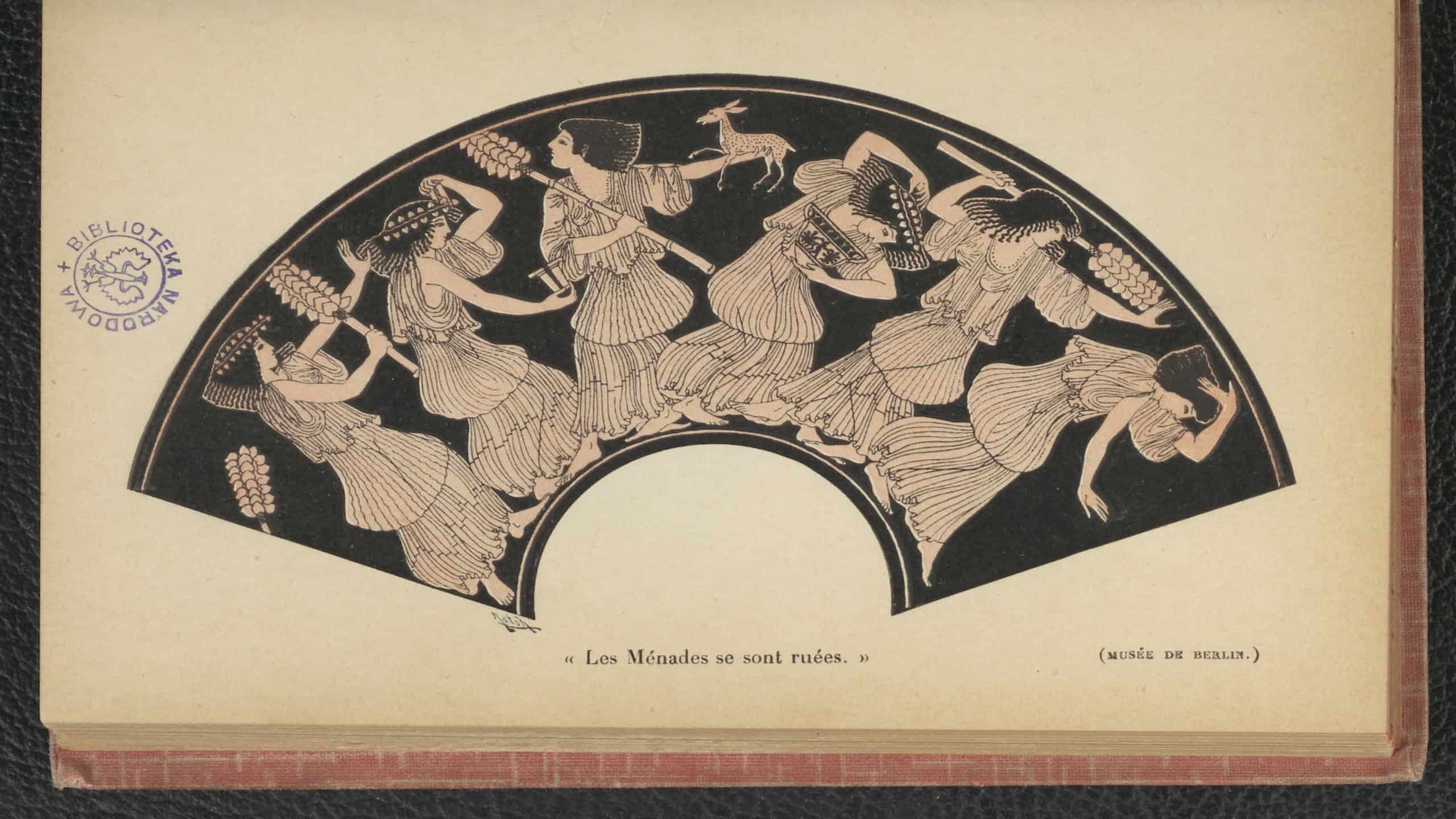
Pierre Louÿs published the book The Songs of Bilitis in 1894, claiming that he had translated the works of an ancient Greek female poet called Bilitis. Apparently, she was alive at the same time as Sappho, and the book was a collection of lesbian poems.
Yet it later emerged that Bilitis wasn’t real and Louÿs had made the whole thing up. He’d even included a fake discovery about the poetry’s discovery, which included archaeologists, tombs, and poems written on walls. None of it was real.
A movement made in private

Why settle for fake poems when you can create an entire fake poetry trend? At least, that’s what Witter Bynner and Arthur Davison Ficke did in 1916 when they published Spectra: A Book of Poetic Experiments. They were trying to poke fun at the experimental poetry genre.
The pair wrote under the names Emanuel Morgan and Anne Knish, claiming to be writing as part of the ‘Spectric’ genre. They even included a manifesto. But two years after it was published, the pair revealed the truth and explained why they’d faked it.
Letters from a life that wasn’t there

Araki Yasusada was a Japanese man, born in 1907, who had allegedly survived the bombing of Hiroshima. Araki’s son found his poems after his death and decided to publish them, with the poems later appearing in literary journals like American Poetry Review.
That was all a lie. Turns out, some of the poems included references to things that didn’t exist at the time or were unlikely things for Japanese people to know about back then, like scuba diving. Most scholars believe that Kent Johnson, a literature professor from America, wrote them.
A person behind the voice

Writing under a fake name is one thing, but making up a whole person is another. That’s exactly what Laura Albert did in the ‘90s, though, and she published work under the name JT LeRoy, a young writer who apparently had a very rough past.
Albert went as far as getting her then-sister-in-law to appear as LeRoy in public, wearing a wig and sunglasses. But in 2006, New York magazine and The New York Times reported that, through their own investigations, it seemed LeRoy was a fake.
Sources: Please see here for a complete listing of all sources that were consulted in the preparation of this article.
The biggest Christian hoaxes of all time

Explores famous Christian hoaxes and how they were eventually exposed as false.


