
Some of the most important events in history have been completely erased from school textbooks, all because governments didn’t want people to know about them.
A square goes quiet

In spring 1989, students and workers filled Tiananmen Square in Beijing, China, protesting for a fairer government and more political openness. They didn’t get it. On June 4, soldiers began firing shots to put down the protests, and the Chinese government today bans discussion of it.
You won’t find any mention of the event in Chinese school textbooks, and you’ll struggle to find many people in the country who have heard about it. The government has erased it entirely from the nation’s history, and essentially, from collective memory.
A name gets changed

The Armenian Genocide was one of the biggest mass killings of the early 20th century, yet it’s not something many Turkish textbooks talk about openly. Between 664,000 and 1.2 million Ottoman Armenians were deported, starved, marched away, and killed from 1915 to 1916.
But in Turkey? They don’t really talk about it in school, and if they do, it’s referred to as the ‘1915 incident’ or the ‘1915 events,’ without any mention of what happened, or of responsibility for the actions. That erasure has existed ever since the 1980s.
A file marked too thin
日軍第731部隊旧址_PB121201.jpeg)
Unit 731. It sounds mysterious, but in reality, it was actually a horrific part of the Japanese military, one that deliberately infected war prisoners and performed experiments on them. It took place in Japanese-occupied Manchuria, part of modern-day China, between 1933 and 1945.
A lot of Japanese textbooks have erased any discussion of it, however. In the ‘90s, the nation’s government told Professor Saburo Ienaga to remove all mention of Unit 731 and other horrors from his school textbooks, simply because they didn’t want people knowing about it.
A city block disappears
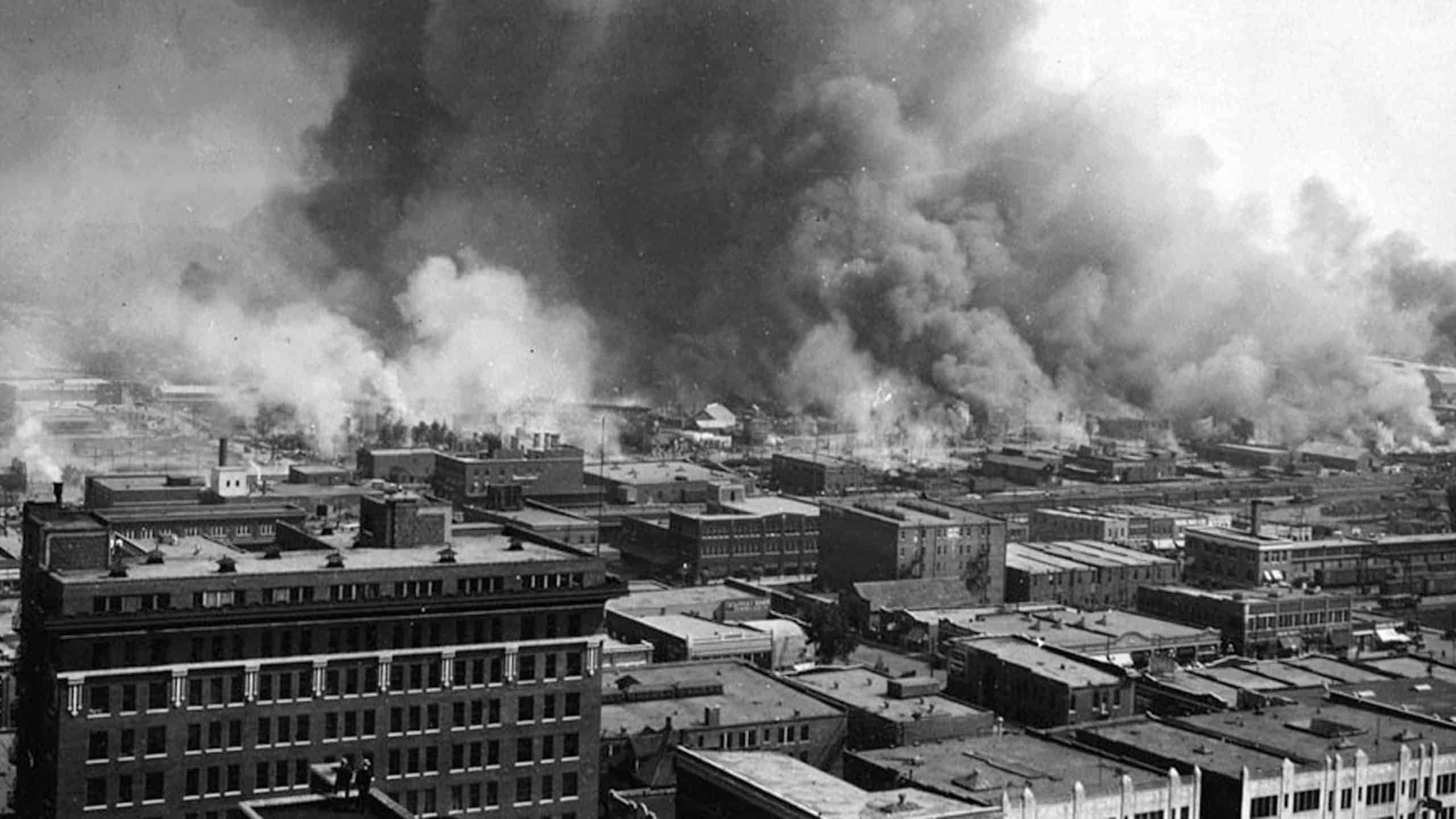
The year was 1921, and the area was Greenwood in Tulsa, Oklahoma. A white mob burned down homes and businesses in a relatively affluent Black neighborhood, and they continued destroying the property for around eighteen hours. Up to 300 people died.
It’s not something many people outside the area knew about, though, because local schools were told to keep it off the curriculum. It wasn’t until 2020 that the Tulsa Race Massacre became an official part of the state’s school curriculum.
A famine with no name

Famines were way too common under Stalin’s rule in the Soviet Union, and from 1932 to 1933, people in then-Soviet Ukraine suffered one of the worst kinds. It was called the Holodomor, and it led to the deaths of four million people.
Historians generally agree that it was mostly caused by officials, but for unknown reasons, and that’s probably why the government denied it for so long. They refused to allow any public mention of the Holodomor until way later, in late 1987, under Gorbachev’s government.
A page with almost nothing
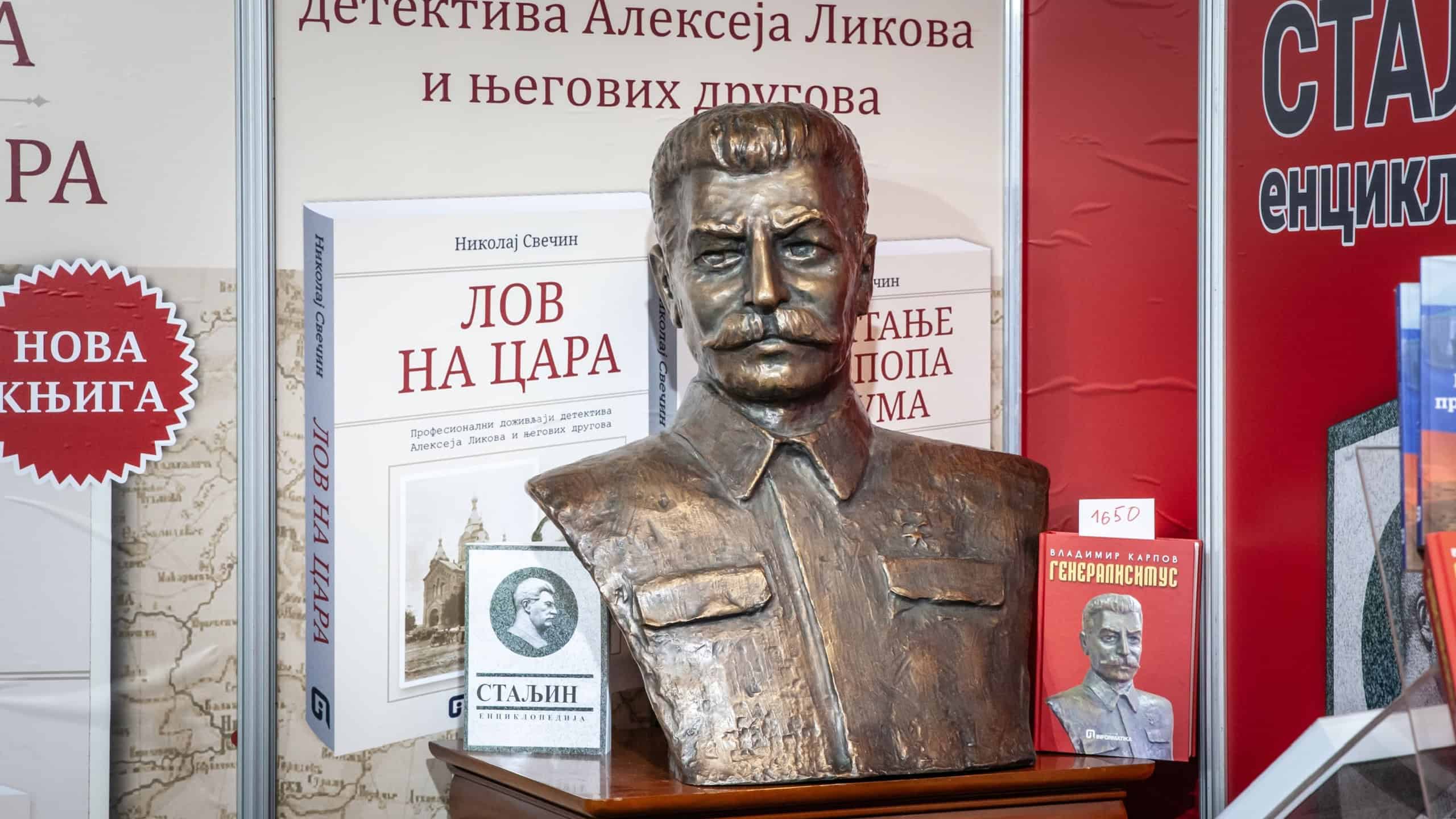
That’s not all for Stalin’s reign of terror, though. In 1937 and 1938, the USSR’s secret police carried out mass arrests and executions across the country, leading to the deaths of up to 1.5 million people in two years. The event became known as Stalin’s Great Purge.
But people in modern-day Russia don’t know much about it. Why? Because the textbooks don’t usually mention it, and on the rare occasion they do, it’s barely a footnote in the conversation. They treat it as a necessary part of Russia becoming a superpower after World War II.
A rubber quota story

The Congo Free State was anything but free under the rule of Leopold II. The local people were forced to perform labor while Belgian colonial forces kidnapped and killed around five million people. Some of the locals had their hands cut off because they didn’t meet rubber quotas.
You’d think it’s something the Belgian government would want to teach its people today, to prevent something like that from happening again. But no. Many Belgian children are never taught about colonial crimes in Congo, and a lot of them have no idea they happened.
A classroom catches up
It’s thanks to several policies across multiple decades that the government hid Australia’s dark history. Officials were allowed to take Aboriginal and Torres Strait Islander children from their families, essentially kidnapping them, then sending them to missions or adoptive families.
The tragic events happened from the 1910s right up through the 1970s, with estimates saying between one-in-three and one-in-ten children were removed. But they kept that out of the textbooks. It was only starting in 1997 that it became part of lessons in Australia.
A pause after 1994
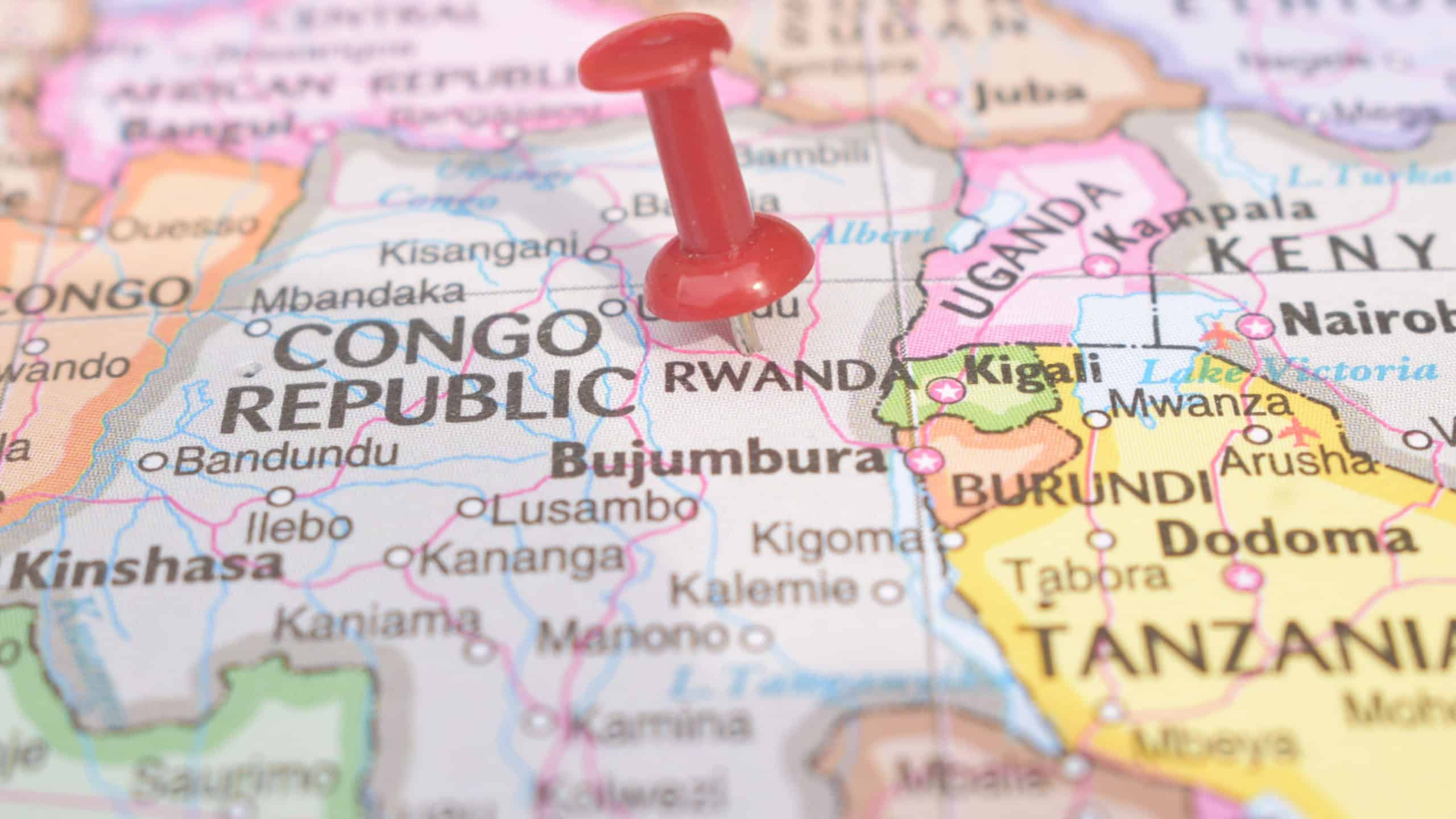
You might’ve heard about the 1994 Rwandan Genocide, but you might not realize how much it was censored over there. The Rwandan government decided to stop teaching national history soon after the Genocide ended.
Yes, they ‘paused’ national history classes and refused to update them, right up until 2005, over a decade after the Genocide ended. No new history textbooks were written until that point, and there was no mention in schools of the around 702,000 people who were killed until then, either.
A past kept offstage
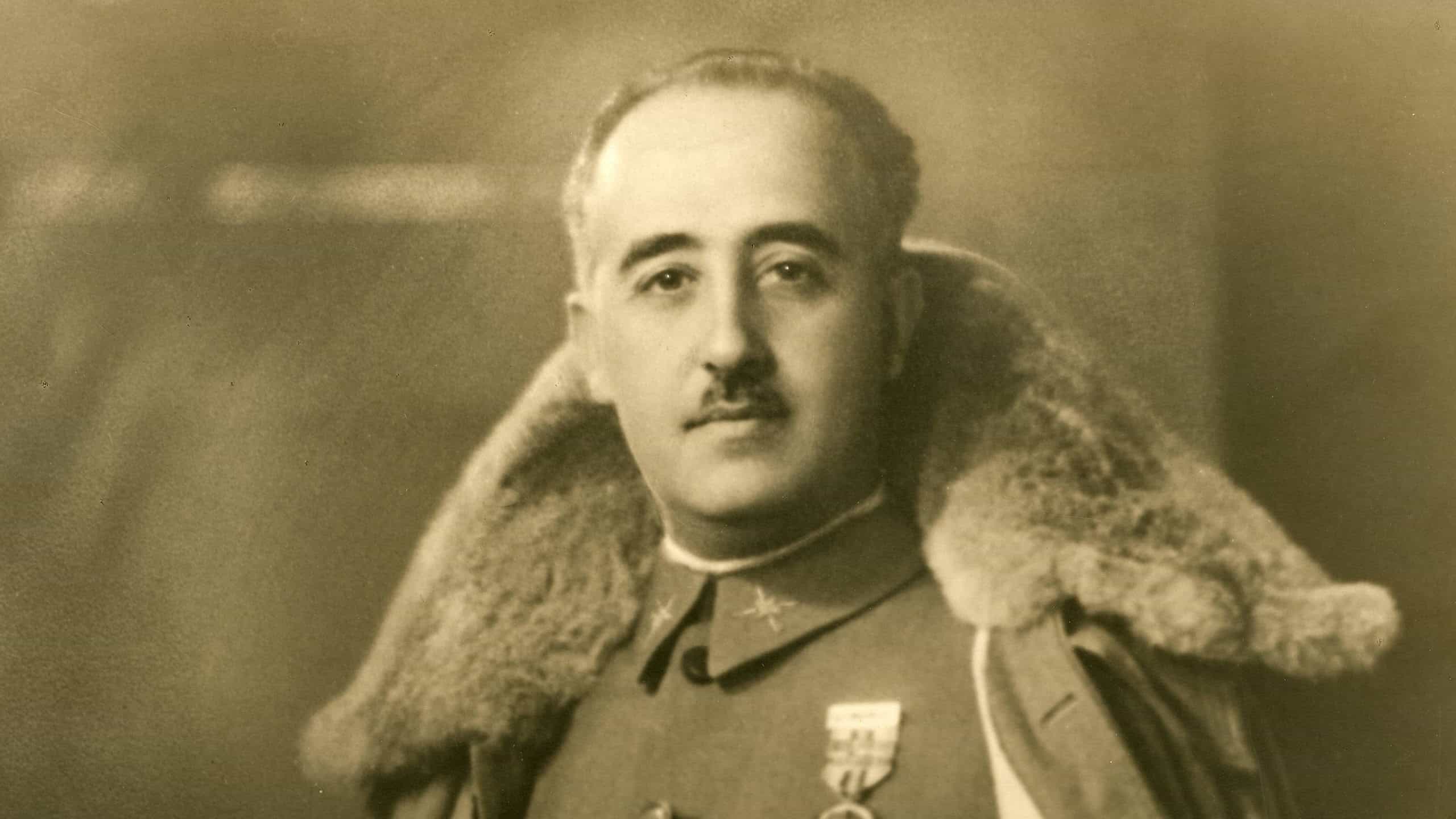
Spain might be a very liberal country today, yet there was a time when it wasn’t. All books published in the country had to be submitted to the Board of Censors between 1936 and 1978, a group that the government controlled. You can probably guess what they left out.
No mention of dictator Francisco Franco’s repression of the people, no mention of the Civil War, either. It took several decades for students to even be taught about Franco as a dictator. Thankfully, things have changed there since then.
Sources: Please see here for a complete listing of all sources that were consulted in the preparation of this article.
13 people in history who faked their own deaths
Believe it or not, there have been people throughout history who have successfully faked their own deaths.

