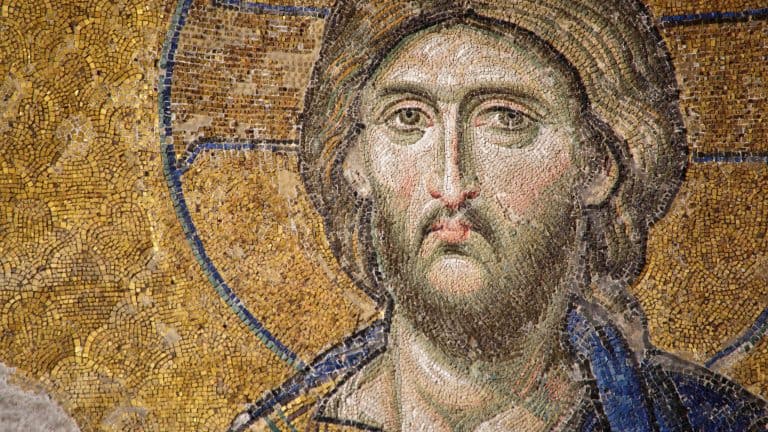

Explores famous Christian hoaxes and how they were eventually exposed as false.
The Kinderhook plates in early Mormon history

Three men dug up six small plates covered in odd symbols in 1843, near Kinderhook, Illinois. At first, they were believed to be related to ancient biblical civilizations in the Americas, meaning that they’d help to prove Mormon beliefs. They attracted attention for decades. But it was all a lie.
It turns out, once researchers finally tested the metal in the 1980s, the engravings had been made entirely using nineteenth-century tools, by the very men who found them. They’d faked them as a way of tricking Mormon leader Joseph Smith.
The Archko volume of ancient records
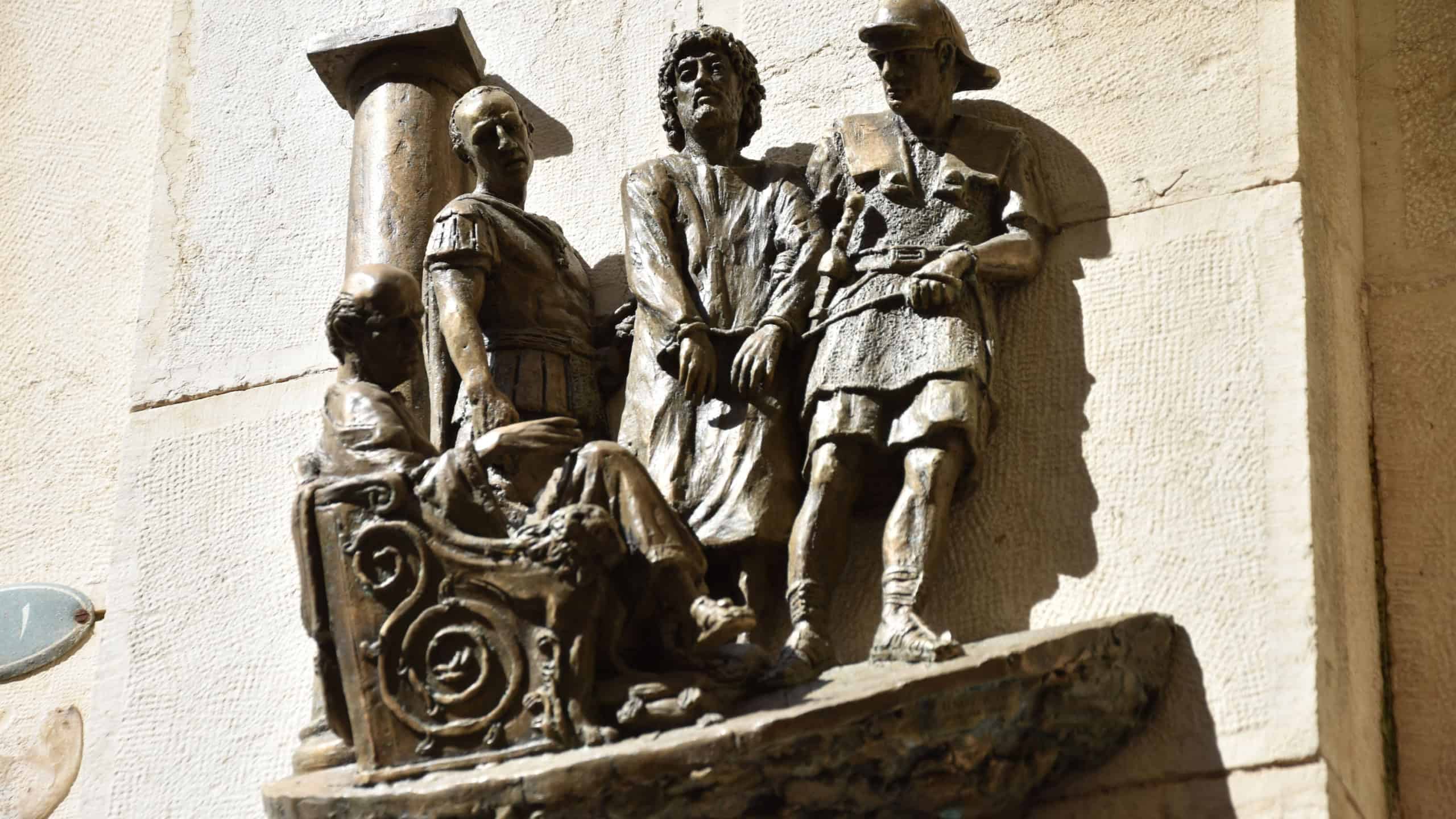
A book that contains official Roman records about Jesus sounds too good to be true. It was.
But in 1884, people believed that The Archko Volume was real, and that it genuinely contained reports written by Pontius Pilate. Author William Dennes Mahan claimed he copied the reports from European archives.
However, it wasn’t until later that historians worked out that the passages had actually been taken from writings earlier in the nineteenth century. Mahan had simply copied passages from the novel Ben-Hur: A Tale of the Christ and claimed them as real. Yes, really.
The James ossuary inscription case
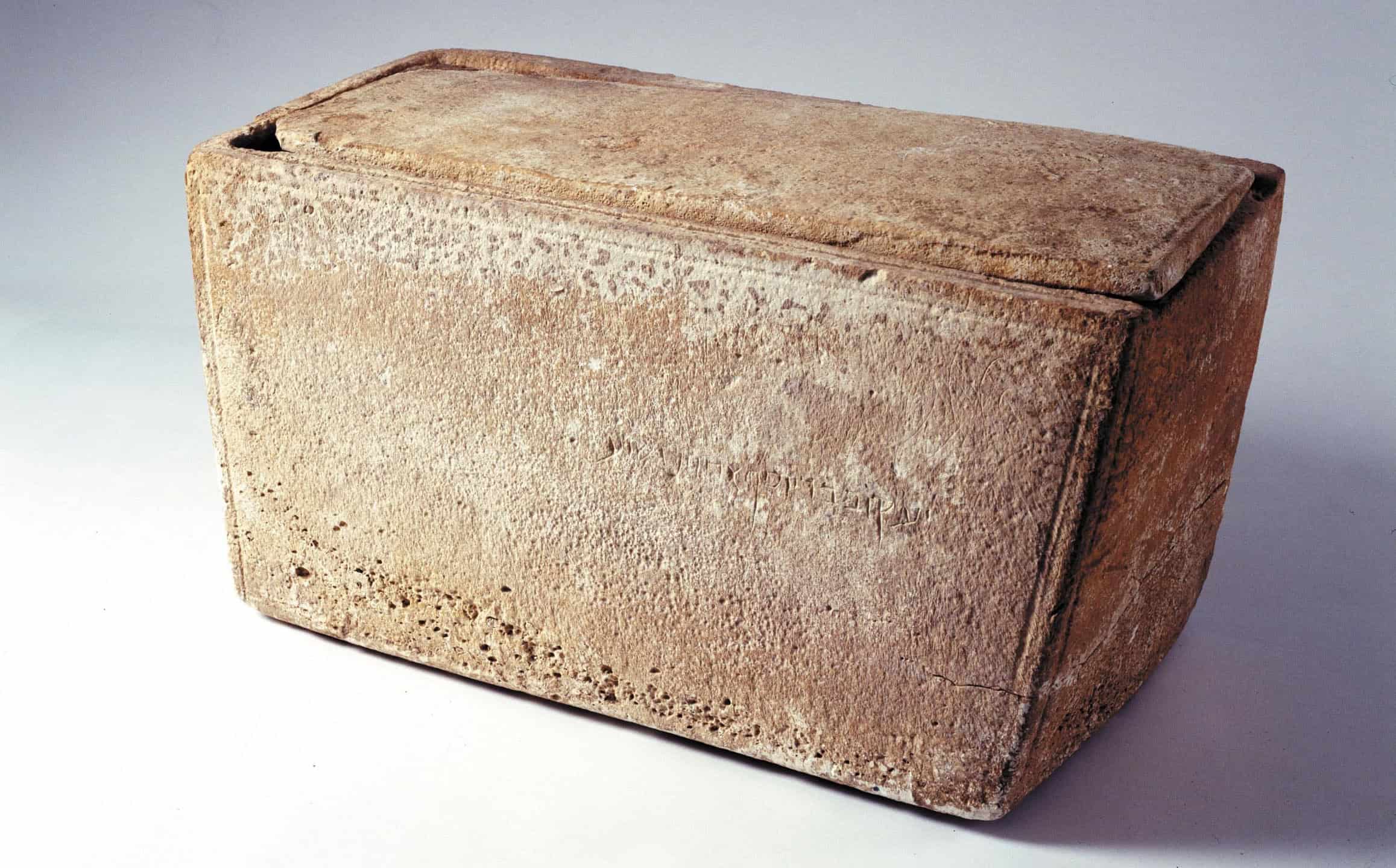
Some hoaxes end in criminal charges, and the James ossuary inscription is the perfect example of that. It was a stone burial box that appeared in 2002 with the inscription ‘James, son of Joseph, brother of Jesus.’
To nobody’s surprise, the box gathered worldwide attention almost immediately.
Yet careful examination by the Israel Antiquities Authority concluded that the phrase mentioning Jesus had likely been carved much later onto the box.
Oded Golan, the box’s owner, was charged with faking the carvings, though a judge later determined there wasn’t enough evidence to convict him of forgery. But that doesn’t mean the box was real.
The Cardiff Giant
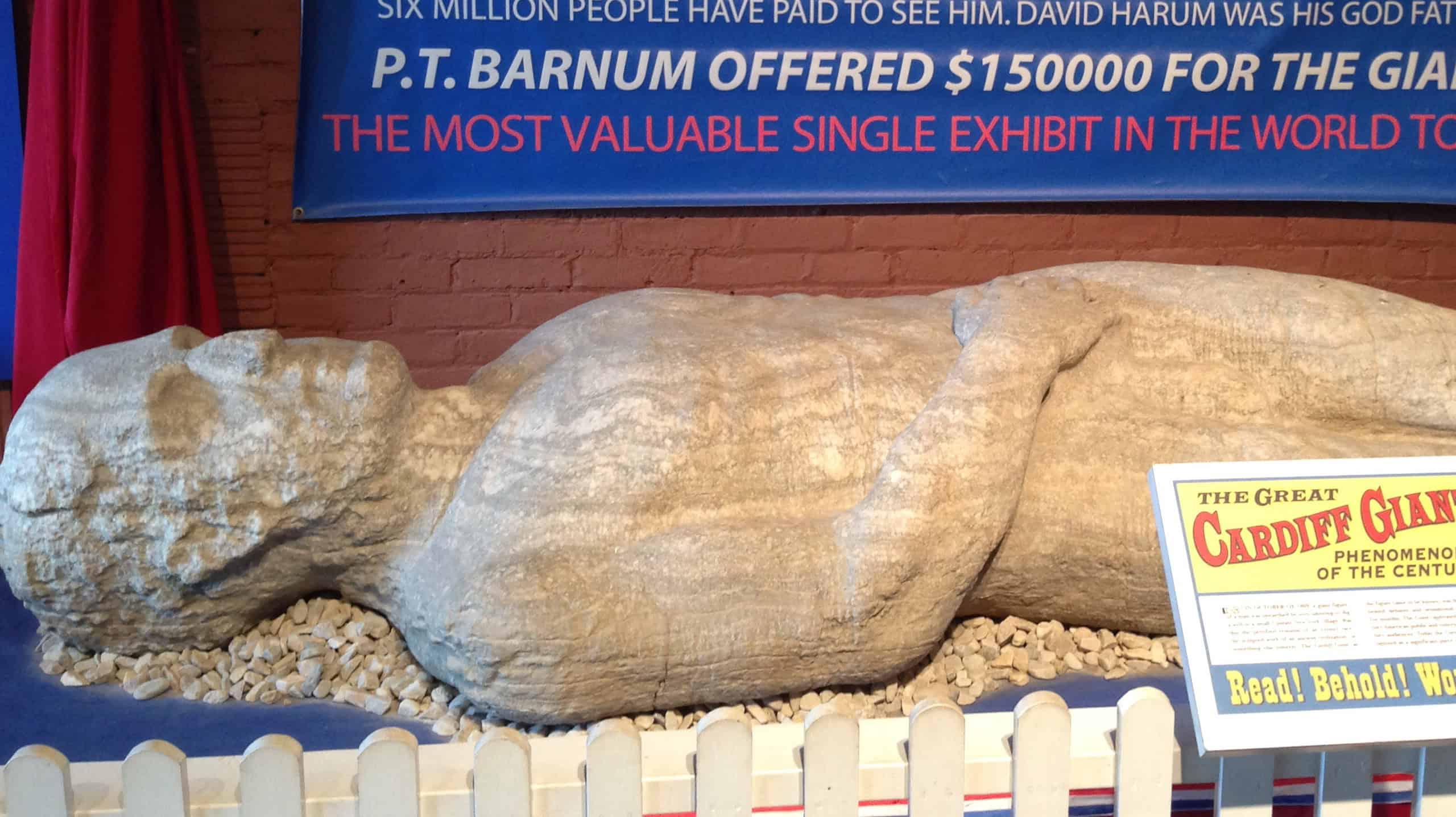
Finding evidence of a giant would be huge news, Christian or not. In 1869, farm workers digging a well in Cardiff, New York, thought they’d found exactly that, as they seemed to have found a stone figure buried underground.
Was it proof of the giants that are mentioned in Genesis?
Dozens of crowds paid to see the statue, but sadly, investigators found out that businessman George Hull had crafted the statue himself. He had used gypsum to make the giant. Then, he secretly buried it, and it was found by the workers a year later.
The secret gospel of Mark letter
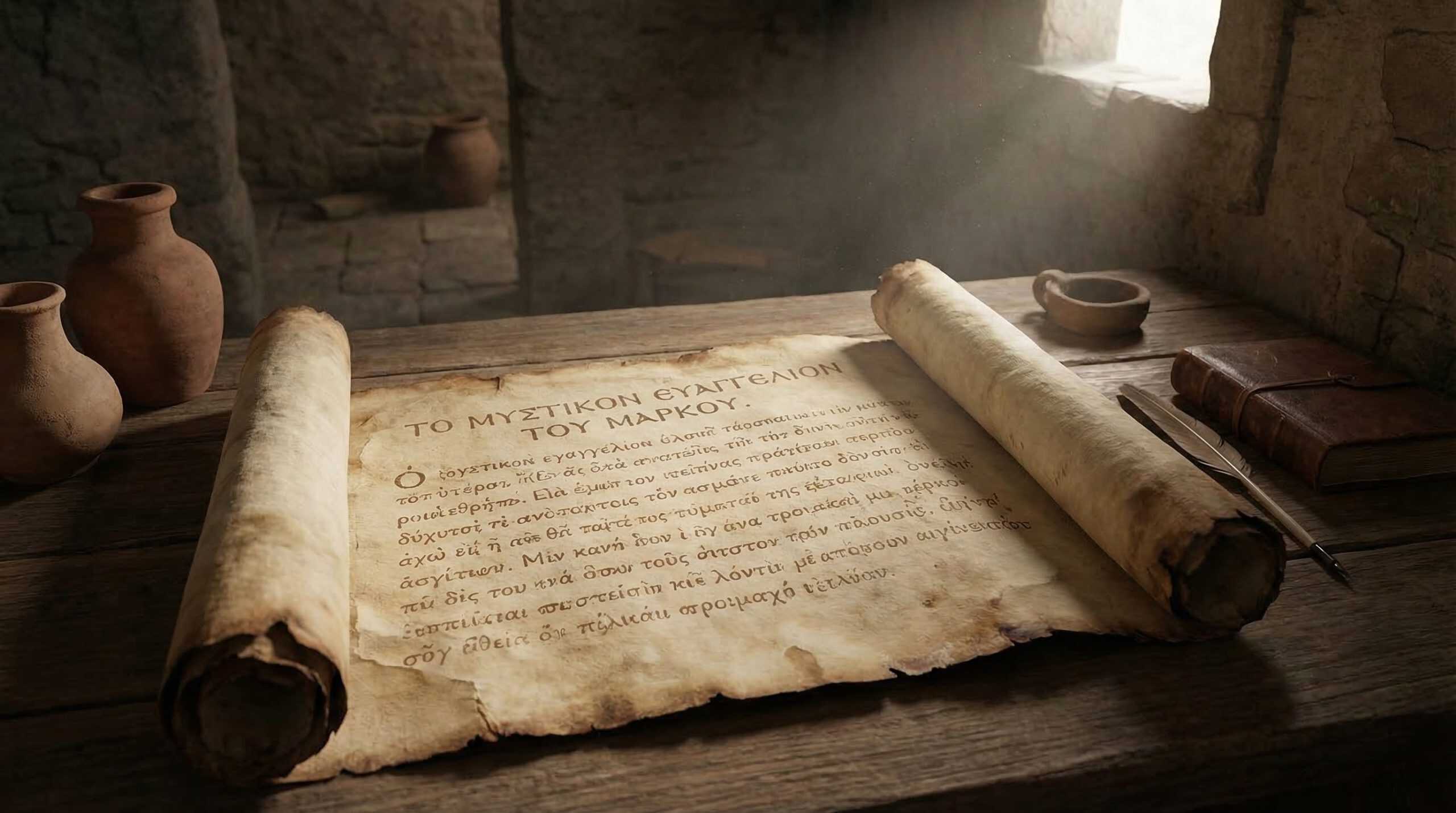
Biblical scholar Morton Smith claimed he had found something unusual in a monastery near Jerusalem back in 1958. Apparently, he’d discovered a handwritten letter inside a book, and the letter was supposedly written by Clement of Alexandria.
It contained descriptions of extra passages from something called the Secret Gospel of Mark.
Soon enough, pictures of the gospel spread across the world, although some people started doubting the handwriting and wording. The original pages ended up disappearing.
However, the majority of researchers now consider the text to be a modern forgery rather than anything real.
The Acts of Pilate
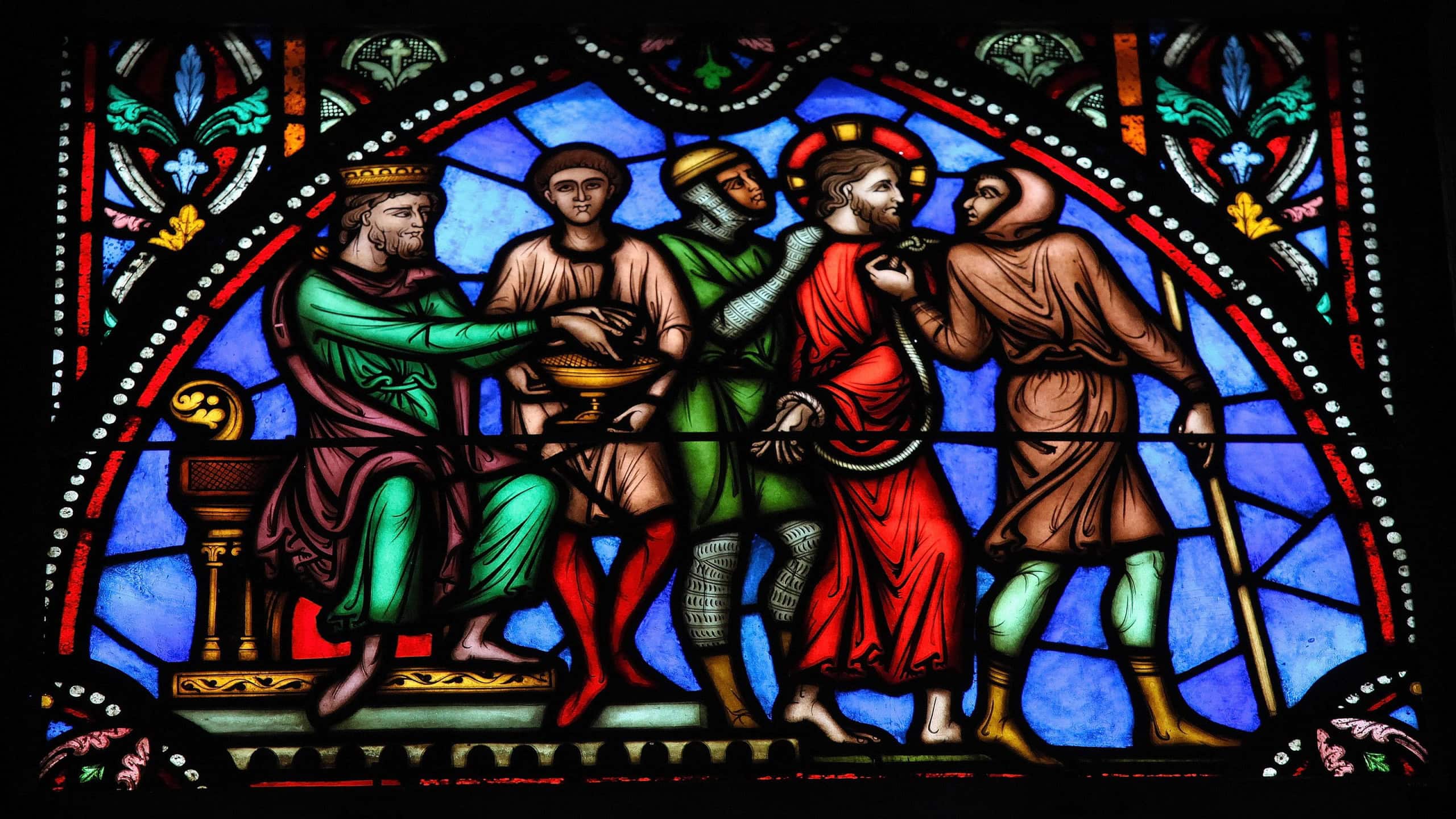
Some Christian hoaxes actually came early in the religion’s history. One of these included the supposed Acts of Pilate, which spread among Christians by the fourth century as apparent proof of Jesus’ trial under Pontius Pilate.
These were alleged to be official Roman documents of the trial.
Since it sounded so real, many believed the Acts were real. But modern scholars tend to agree that the text actually came from a collection of later Christian writings called the New Testament apocrypha, written long after the trial itself.
The correspondence of Paul and Seneca

Another apparently important set of documents was the 14 letters written between Paul the Apostle and the Roman philosopher Seneca.
The collection included eight letters from Paul and six from Seneca. They were judged to be so convincing that early Christian writers actually copied them down as real evidence.
But during the 15th century, scholars began to question how real they actually were. The real writer and their intentions with their letters are unknown, yet it’s generally agreed that they’re fake because the writing styles are so different from both Paul and Seneca.
The Turin Shroud
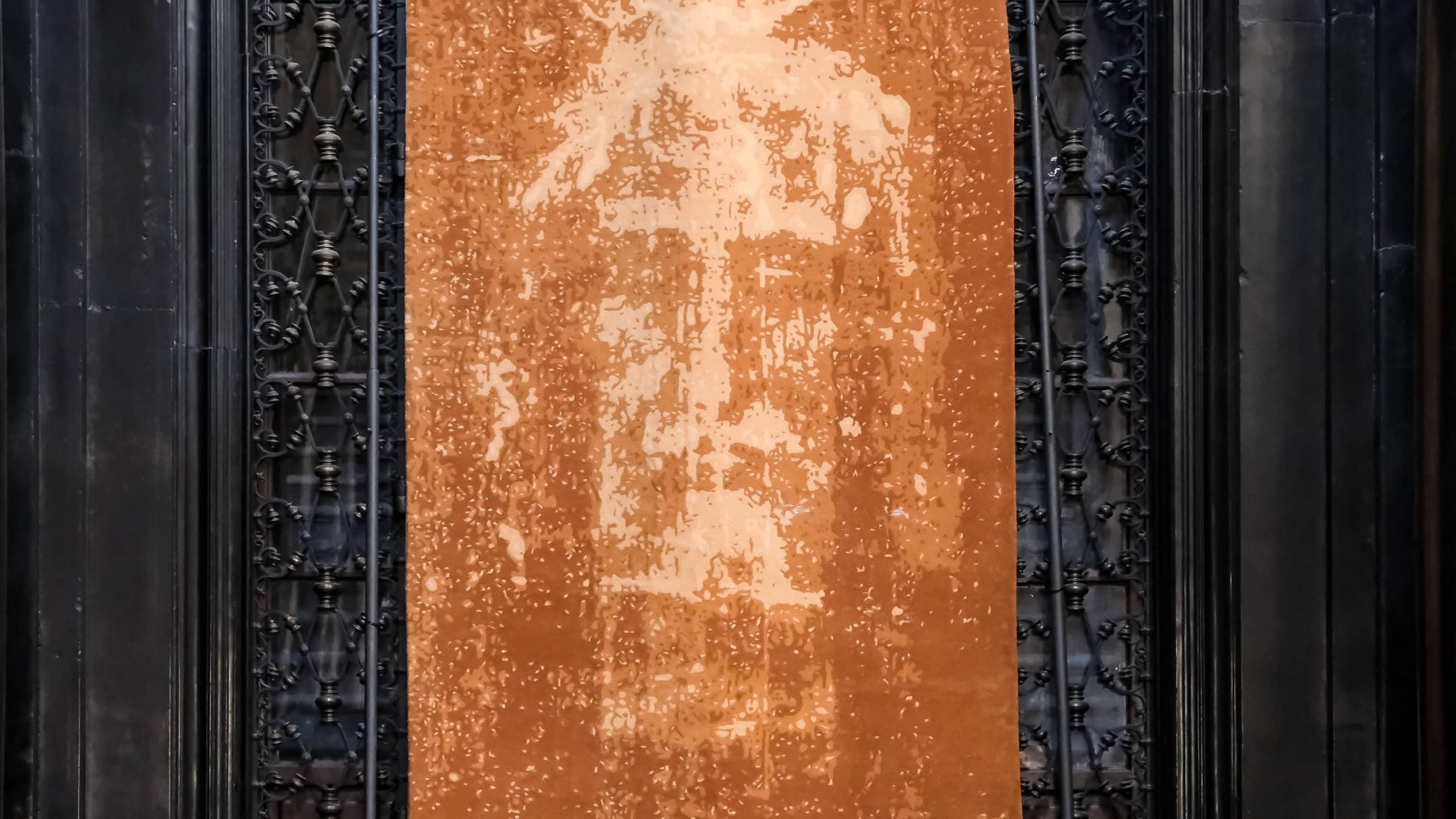
One of the most famous Christian hoaxes has to be the Shroud of Turin. For many hundreds of years, people believed it was the cloth that wrapped Jesus’ body after he was crucified, and pilgrims visited the Shroud for centuries.
There were doubts about its origin among some people, but it took until 1988 for the truth to come out.
Three laboratories at Oxford, Zurich, and Arizona tested the linen using radiocarbon dating. Their findings? The fabric came from between 1260 and 1390, long after Jesus’ crucifixion.
In fact, historians found that the Shroud first appeared in records during the fourteenth century in France.
Sources: Please see here for a complete listing of all sources that were consulted in the preparation of this article.
10 uncomfortable questions raised by Jesus’ teachings

Following Jesus is not about comfort, it is about facing the truth in your own heart and asking what really matters.


