

Some of history’s most famous stories are nothing more than myths and misconceptions that have very little basis in fact.
A very crowded victory
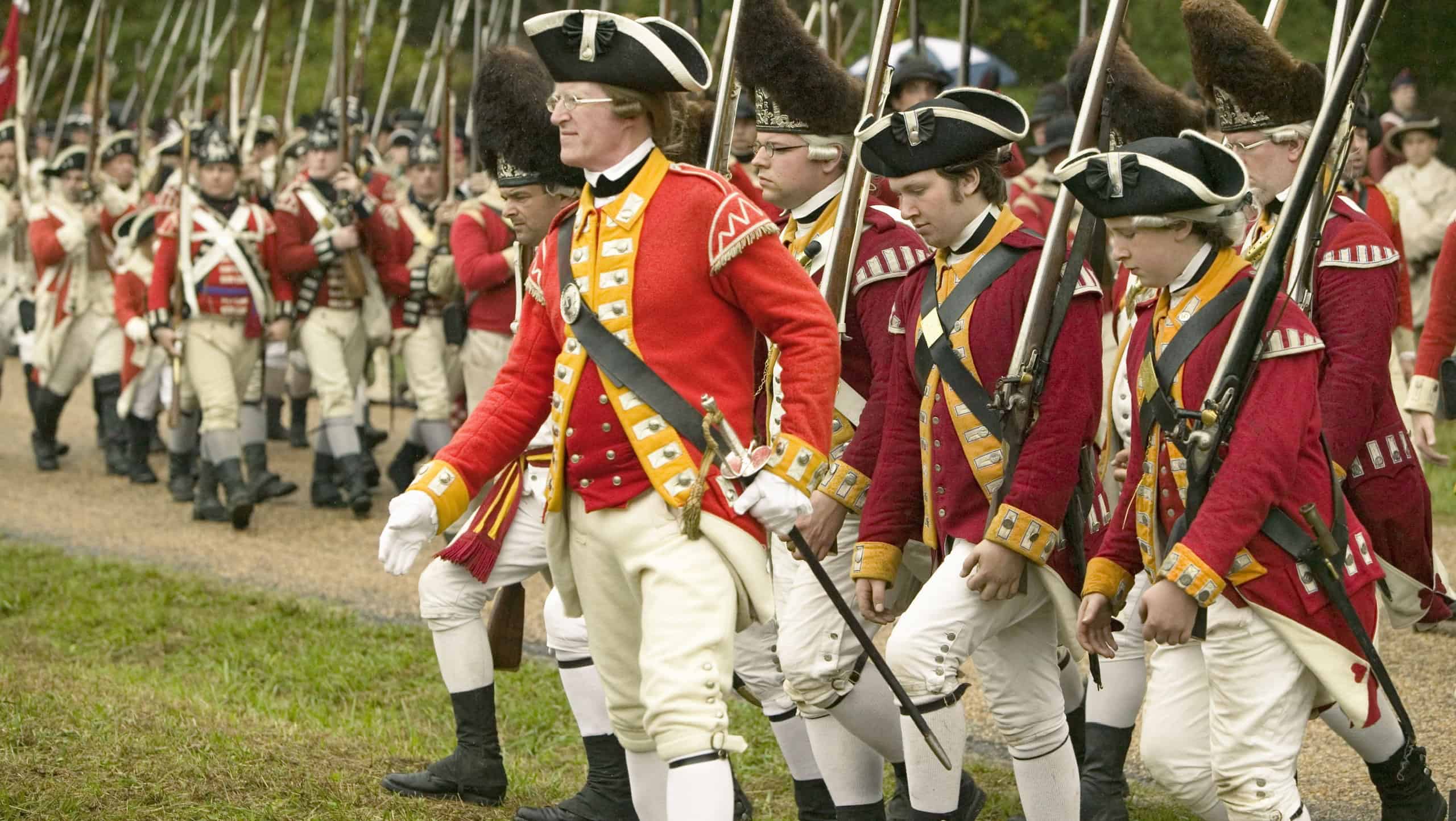
Most of us like to paint the American Revolution as the story of a plucky underdog beating their bully, all by themselves. But that’s just not true. In 1778, the French joined the war and brought a lot of help with them, in the form of money, weapons, ships, and soldiers.
It’s thanks to the French ships that Cornwallis was kept boxed in while Washington and Rochambeau pressed on land. That’s not to say the colonists didn’t fight, of course they did, but the idea they did it mostly alone is simply inaccurate.
A line with bad timing

‘Let them eat cake.’ That’s what Marie Antoinette said when she found out the French people were starving, right? Wrong. The first recorded mention of the phrase was from Rousseau, who said a ‘great princess’ talked about letting peasants eat brioche, not cake.
That can’t have been Marie Antoinette because she was only a child in Austria at the time, and nowhere near being France’s queen. People just blamed her for the quote because they wanted to paint her as being out of touch.
More soap than expected

When you think of medieval Europe, you probably imagine a bunch of stinky people, walking around in dirty towns and covered in mud. That’s just not accurate. Many towns had public bathhouses for people to wash themselves in, and people washed at home as well.
You could get steam baths and even medical treatments at the bathhouses, so it’s simply not true that medieval Europeans were dirty. Our understanding of diseases and hygiene did get better later, yes, but people still did try to keep clean before that.
The tricky average

There’s a common misconception that everyone used to die at 30 in the past, although the reality is that the numbers are skewed because of child mortality rates. So many babies and children died when they were very young, bringing down the life expectancy rate.
Anyone who survived past the age of 10 or so was likely to live a good life, and they weren’t going to be on their last legs at 29 years old. It’s just bad math skills, in all honesty.
A missing paint job
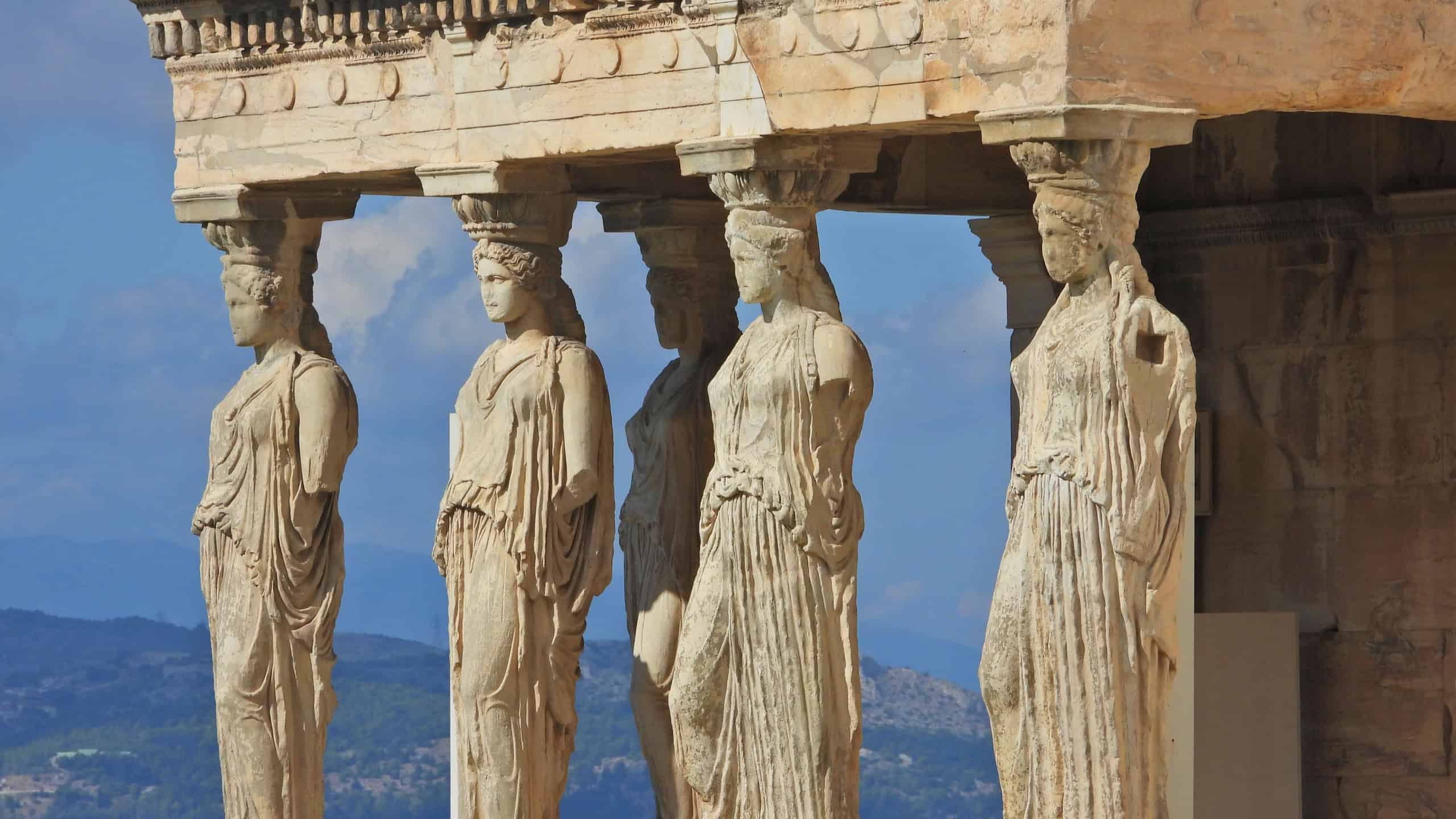
The ancient Greeks and Romans weren’t nearly as classy as you might expect, especially with their artwork. In fact, they were kind of tacky. A lot of their sculptures look like white marble today, but when they were around, these pieces of art were filled with a lot more color.
It’s thanks to centuries of weathering and cleaning that the color eventually fell off. These sculptures still look beautiful, sure, but as for them being originally like that? Not quite. Think of them with a lot more reds, blues, yellows, and black than plain old white.
A lot of rules
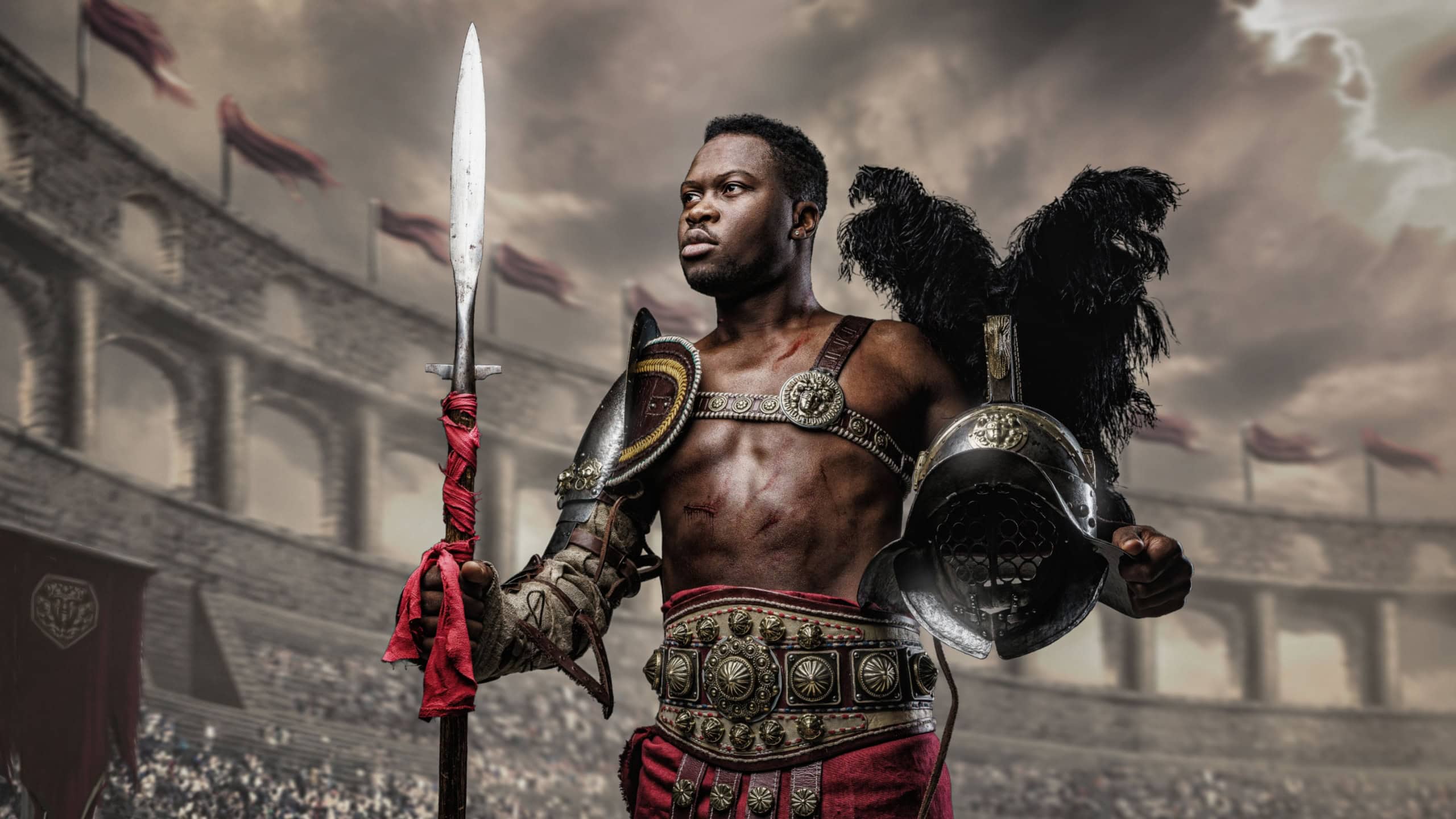
Let’s get one thing straight, gladiator fights were definitely brutal, there’s no denying that. The issue is with thinking that every match was a fight to the death because it really wasn’t like that, as gladiators were expensive to replace.
They were trained professionals, and that kind of training cost money, so allowing them to die during each match would’ve been money down the drain. Not exactly a good business plan. The majority of gladiator matches ended with surrender or mercy, death was quite rare, actually.
No falling apple

It’s true that part of Isaac Newton’s discovery of gravity was because of an apple falling. The idea of it falling on his head, however, is just not right, since he only saw the apple fall. That’s what made him think about gravity, not because it hit him on the head.
The story of the apple came from William Stukeley, a man who knew Newton quite well and who wrote a biography about him. He never mentions anything about Newton being smacked on the head.
A careful word
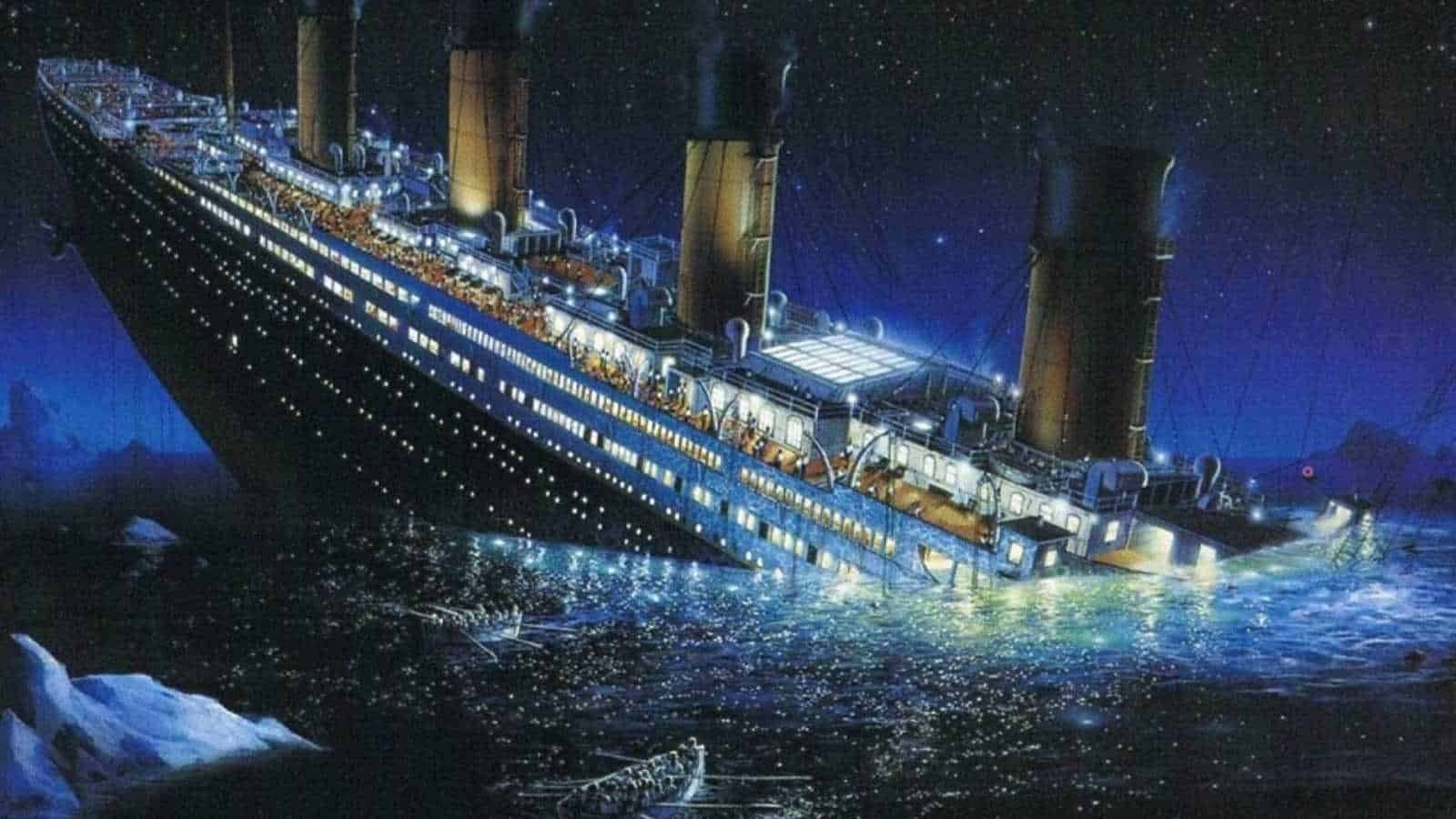
You hear ‘unsinkable,’ you think of the Titanic. Except, not really, because it was never actually advertised as being ‘unsinkable’ before it set sail on its deadly voyage. A trade publication said she was ‘practically unsinkable,’ but that was never published, it was only kept internally.
One advert from White Star Line does mention how vessels like Titanic were ‘designed to be unsinkable.’ They weren’t only talking about the infamous ship, though. It was only the day after the tragedy that people started saying they thought it was unsinkable.
The late train story
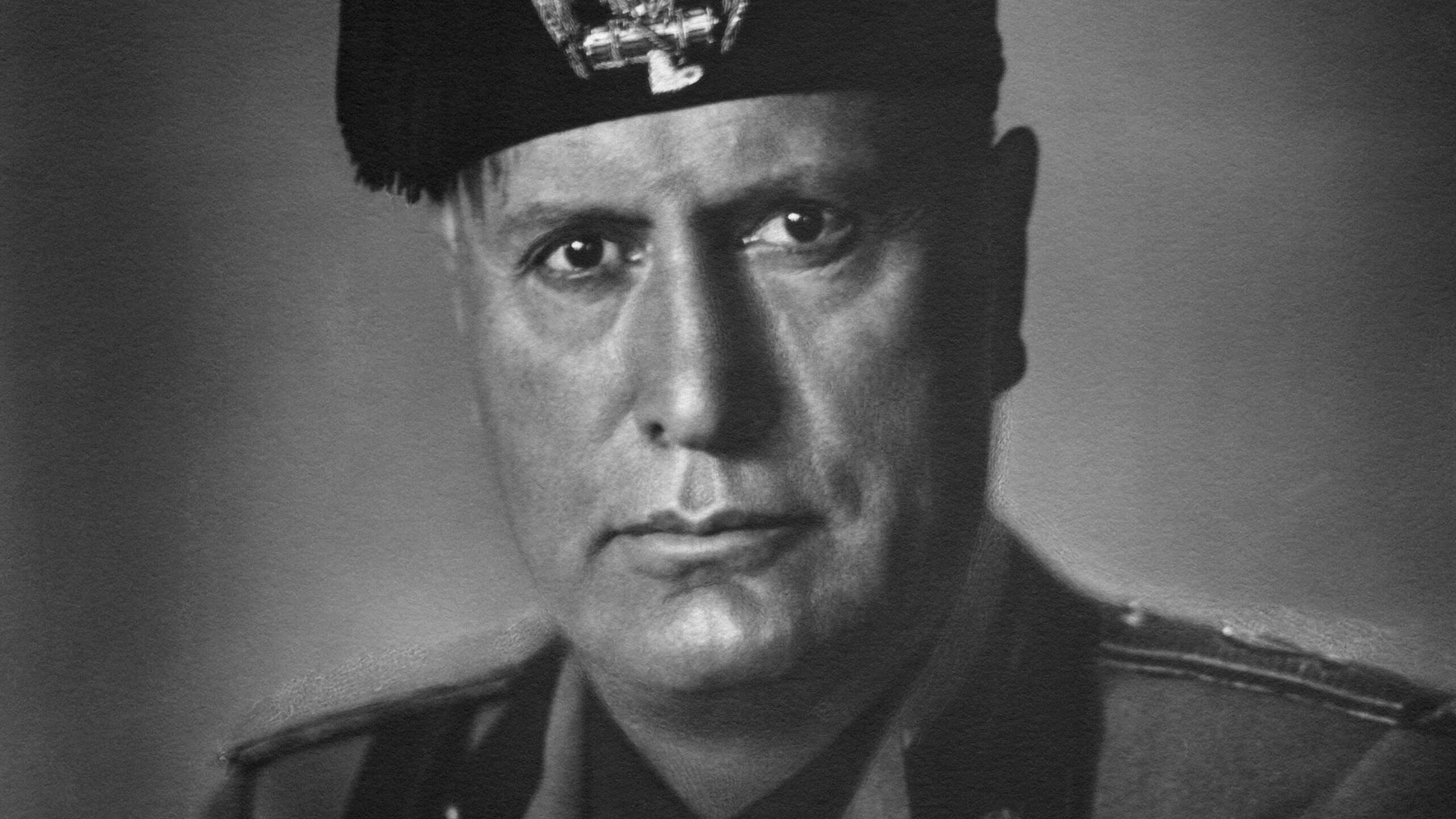
Railway work was being conducted in Italy before and during Mussolini’s rule. This work helped to improve a lot of the routes on the main lines, especially the ones that foreigners could see, although smaller lines didn’t get the same treatment. Why does this matter?
Because it means that, basically, the claim that Mussolini made the trains run on time is false. Delays still happened, and the idea that he fixed the system is nothing more than fascist propaganda. He wanted people to believe he brought order to the country.
A name mix-up
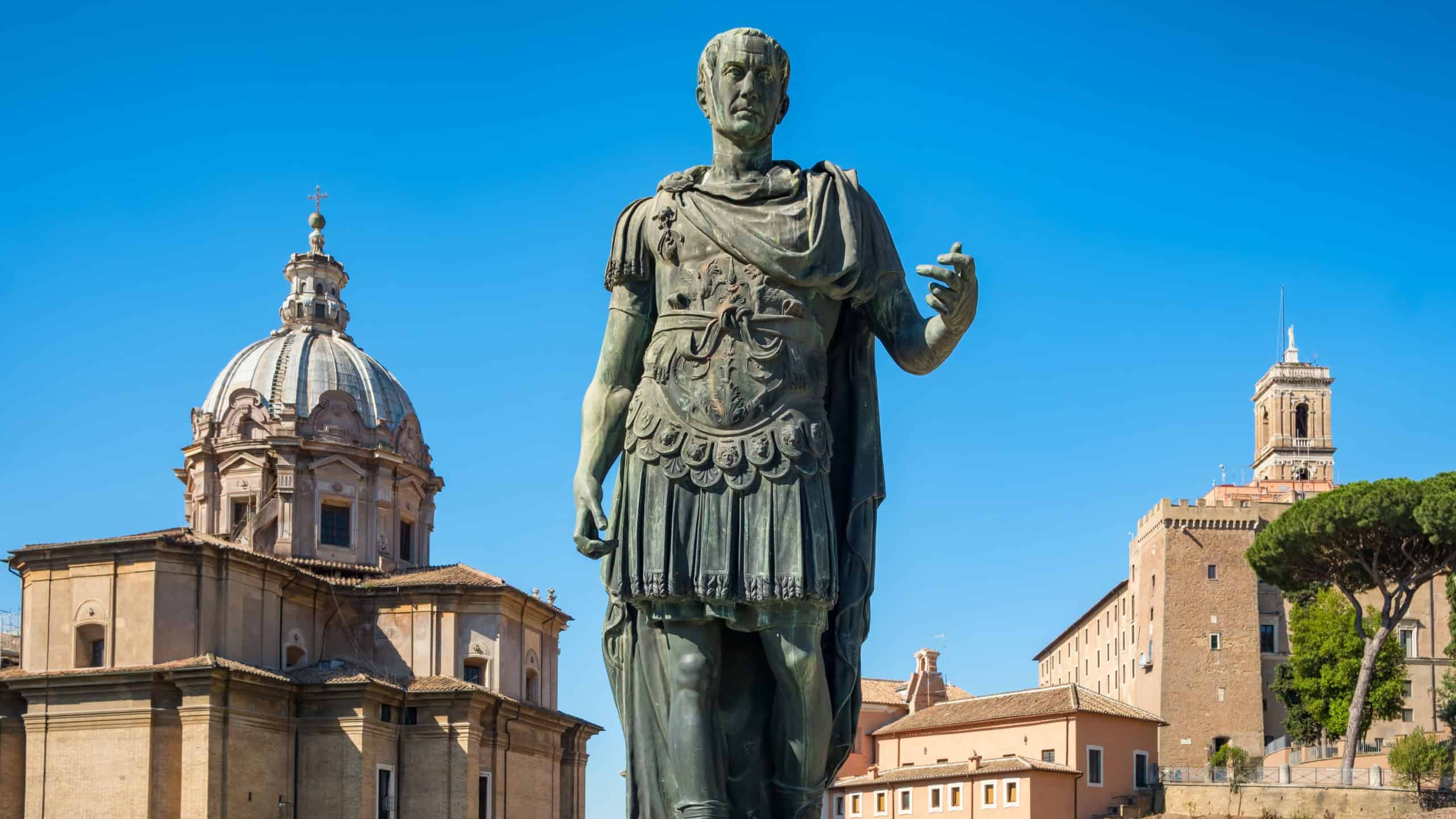
You might think that C-sections, or cesarean deliveries, are named after Julius Caesar because he was born via one. But no. When he was alive, surgeons performed C-sections only on women who had died during childbirth or were very close to death.
Survival wasn’t exactly common after these procedures, after all, yet Caesar’s mother Aurelia lived for many years after he was born. Historians generally reject the idea that he was born through a C-section. It’s likely we got the name from the Latin word for cutting, caedere.
More than one ending

It’s easy to imagine that the Library of Alexandria was destroyed in one single fire, but that doesn’t mean the idea’s true. Fires did happen, yet so did damage, so did neglect, so did political issues. It’s likely that Caesar’s forces destroyed a lot of scrolls. Not all of them, though.
The loss of the Library happened over a long time, and there was no single moment that signaled the end. It’s also not true that we lost vast amounts of important information when the Library fell, too, since a lot of documents in the Library were copied from elsewhere.
Not the usual trick
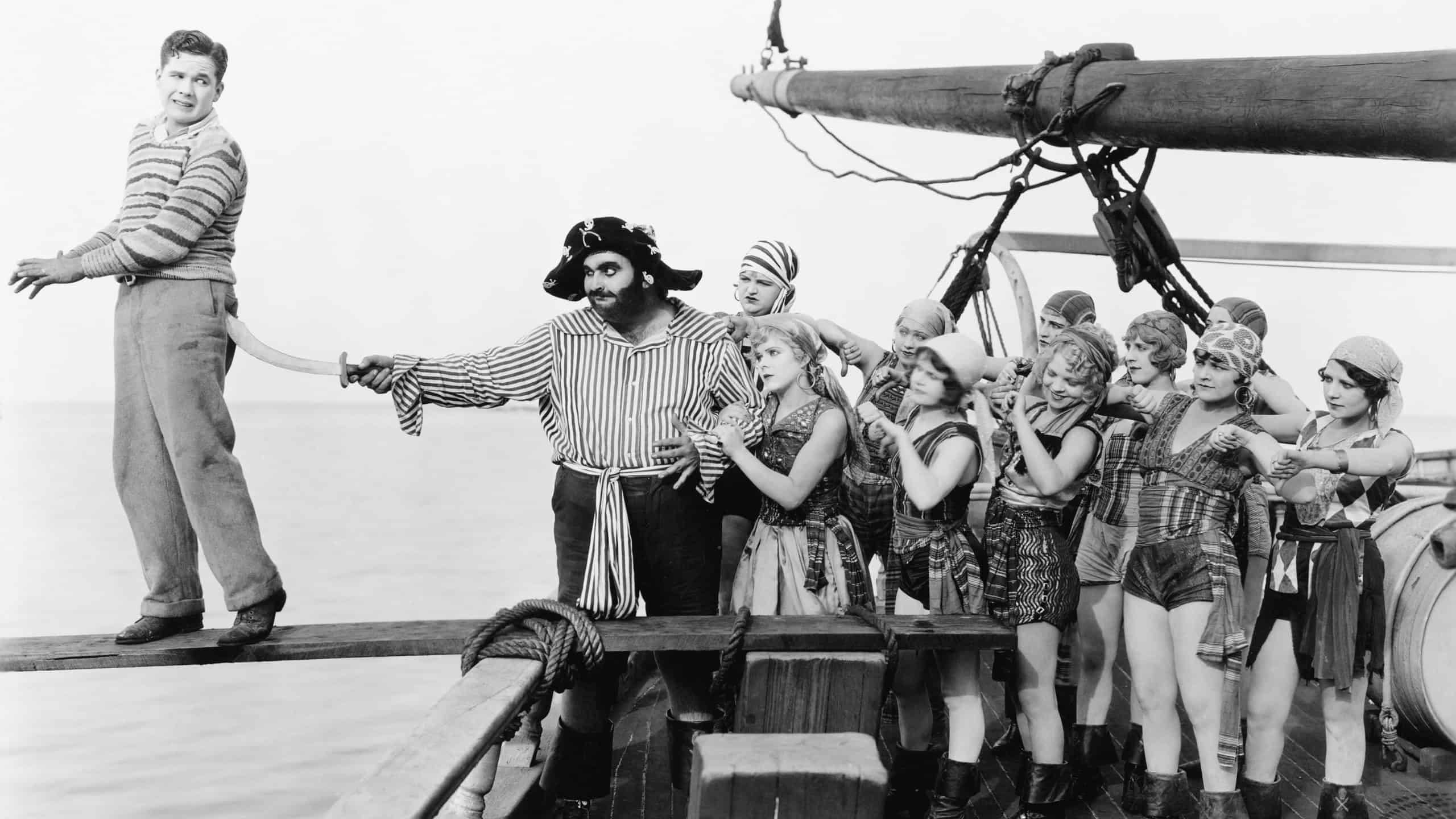
Walking the plank did happen on board pirate ships, that much is true. It just wasn’t that common. Real pirates preferred to use harsher punishments on their captives, including throwing them overboard or ditching them on an island.
There are very few real cases of people actually walking the plank, and most of these came after the late eighteenth century. So, in other words, long after the Golden Age of Piracy had ended. Pirate literature movies made plank-walking into a common punishment.
A rounder world
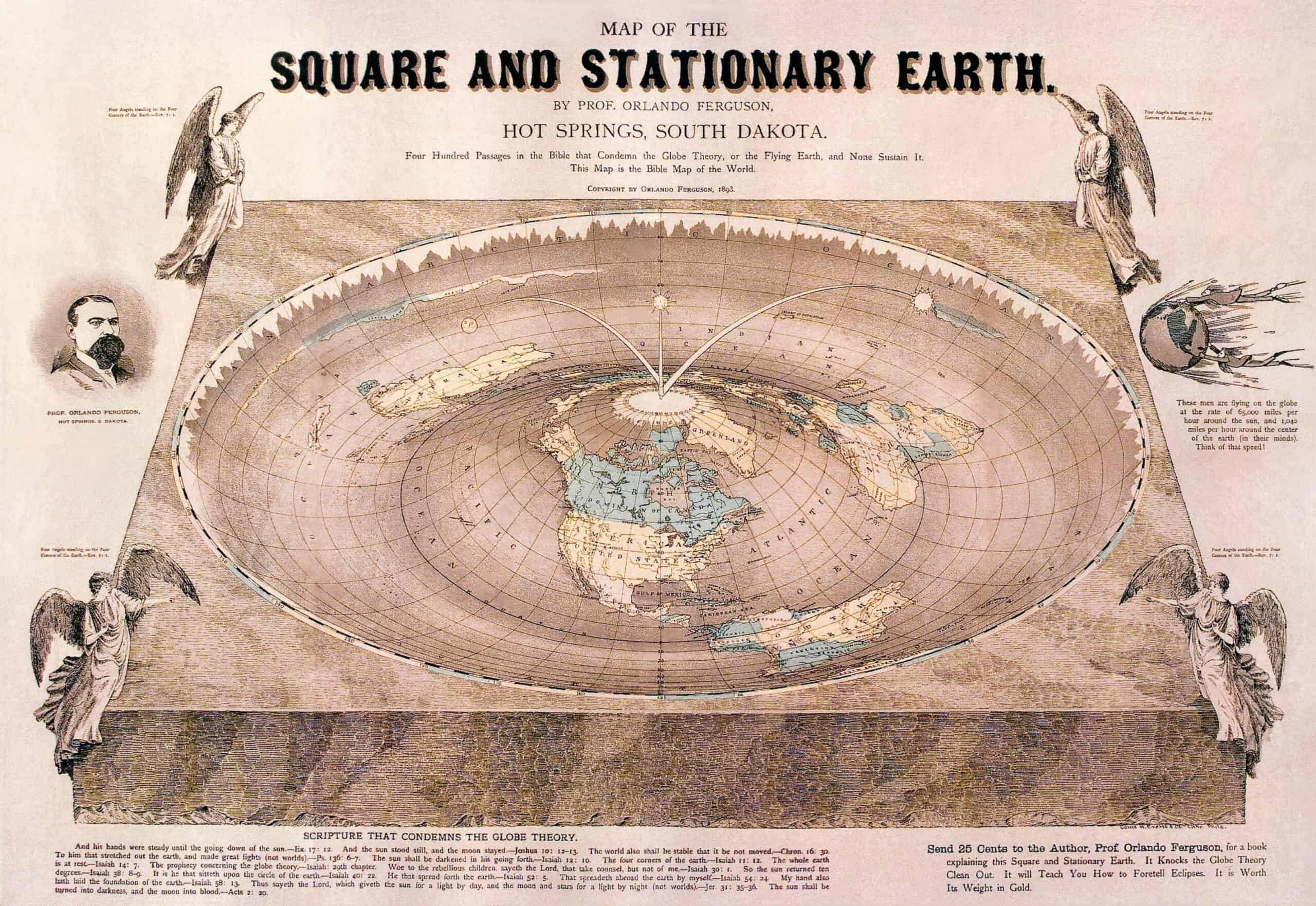
The Middle Ages were nowhere near as backward as you might believe. No, they didn’t think the Earth was flat, and no, Columbus didn’t set sail in 1492 to prove that it was round. People at that time generally agreed that the Earth was round because, well, it is.
Columbus actually left Europe to figure out if he could find a quicker way to get to Asia, not because he thought others thought he would sail off an edge. The idea that medieval people thought this way came later, when people wanted to treat those from that era as uneducated.
Too pricey for bad meat

Another medieval misconception is that cooks used to cover rotten meat in spices. Why? Because they wanted to hide the fact that it had gone bad, apparently. But hold on. Spices were expensive, really expensive in those days, so putting them on spoiled meat was a waste.
It’s not like they couldn’t preserve food in those days, too. They knew how to use salt, and they knew how to smoke, dry, and pickle food. You’d only find spices in very rich kitchens, and they used them because they liked the taste of them, just like us today.
The water wasn’t gone
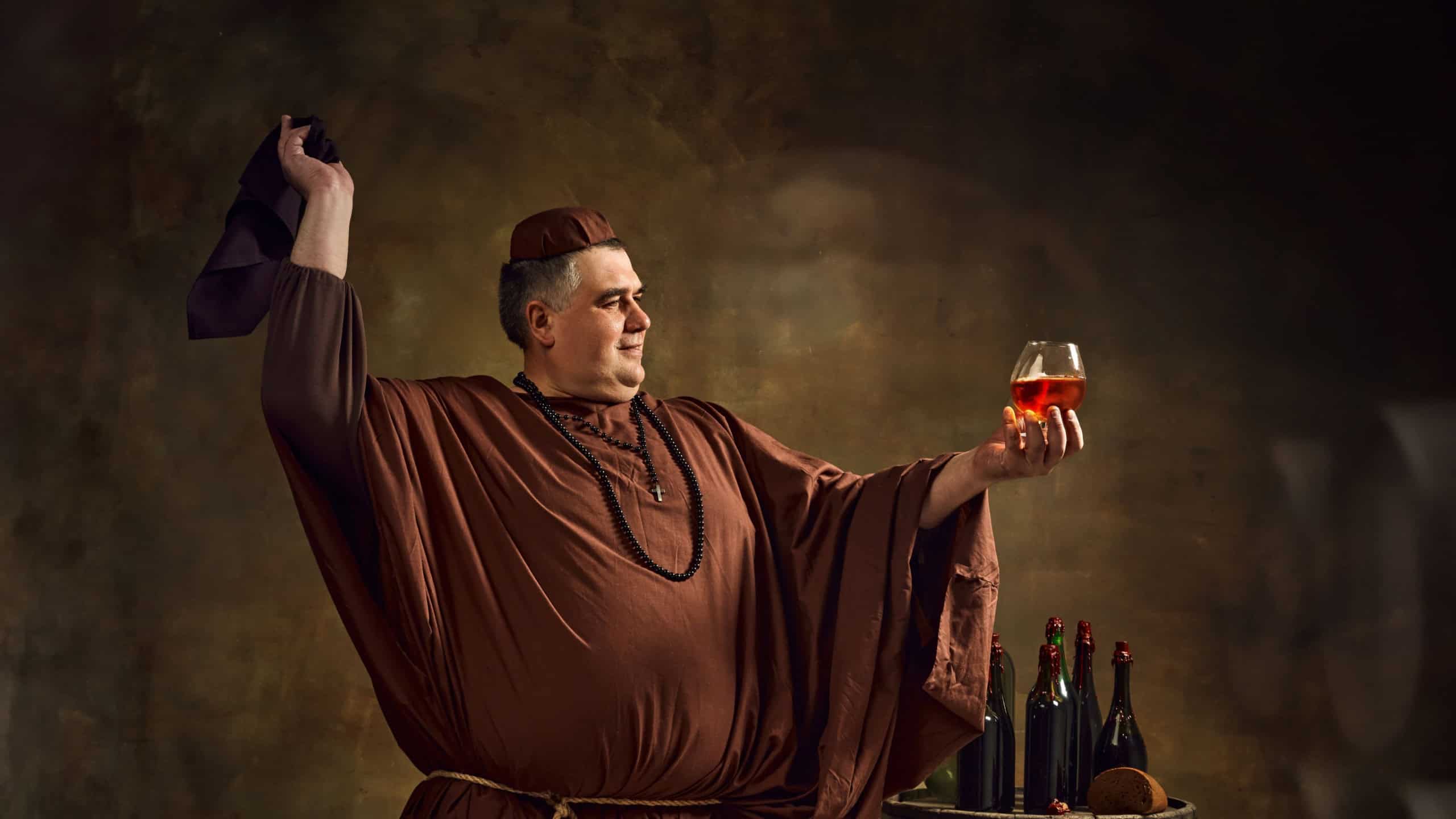
It’s true that beer and ale were pretty common in medieval Europe. It’s just not true that people drank it instead of water because it was cleaner, as it turns out that, yes, people in those days drank water, too.
They enjoyed ale because of its flavor and calories, not because they thought it was the only safe option. It also had a much lower alcohol content than the drinks we have today, closer to 1-2% than the average 3-9% you might get today.
Sources: Please see here for a complete listing of all sources that were consulted in the preparation of this article.
13 people in history who faked their own deaths

Believe it or not, there have been people throughout history who have successfully faked their own deaths.


