During the Great Depression, people had to get rather creative to make ends meet. While their problems are quite different from ours today, their old-school skills still come in handy. Who wouldn’t want to be a bit more self-sufficient—and save some cash along the way? Here are thirteen survival tips from the Great Depression era that we desperately need today. Each of these skills involves getting back to basics & making the most of what we have.
Featured Image Credit: everett225/Depositphotos.com.
Foraging
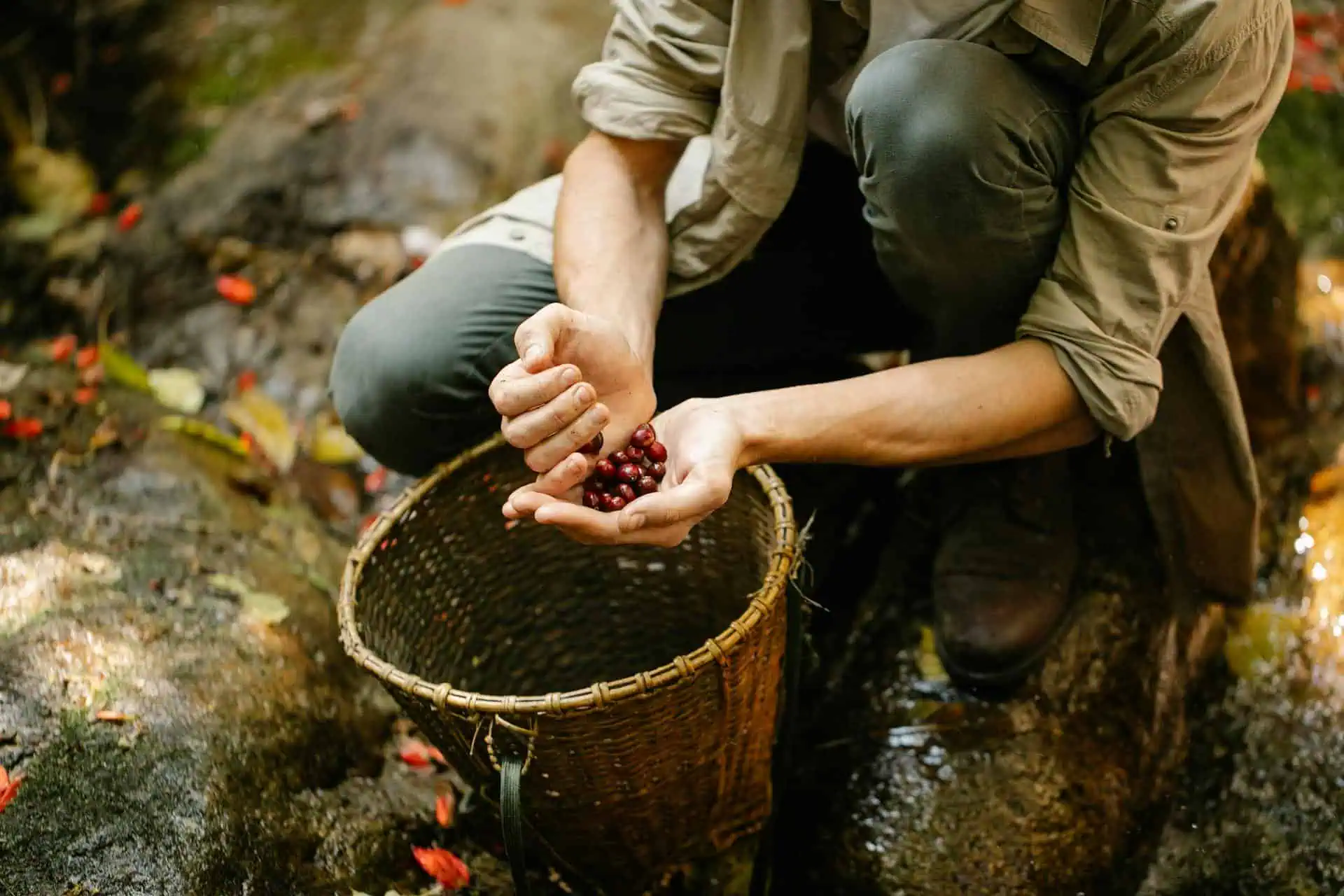
People used to forage for wild foods to add to their meals and you can do that today. Just make sure you know what you’re picking! Foraging connects us with our local environment by teaching us about the edible plants & mushrooms that grow in our own backyards. You’ll add some variety and nutrients to your diet—without hitting the grocery store.
Making Do with Less

The motto back then was “Use it up, wear it out, make it do, or do without.” This philosophy involves being resourceful and not needing the latest & greatest to be happy. It’s a great mindset for reducing waste. If we appreciate what we have, we’d live more sustainably while also getting creative with what we already own. You can even find multiple uses for items!
Like our content? Be sure to follow us.
Basic Carpentry
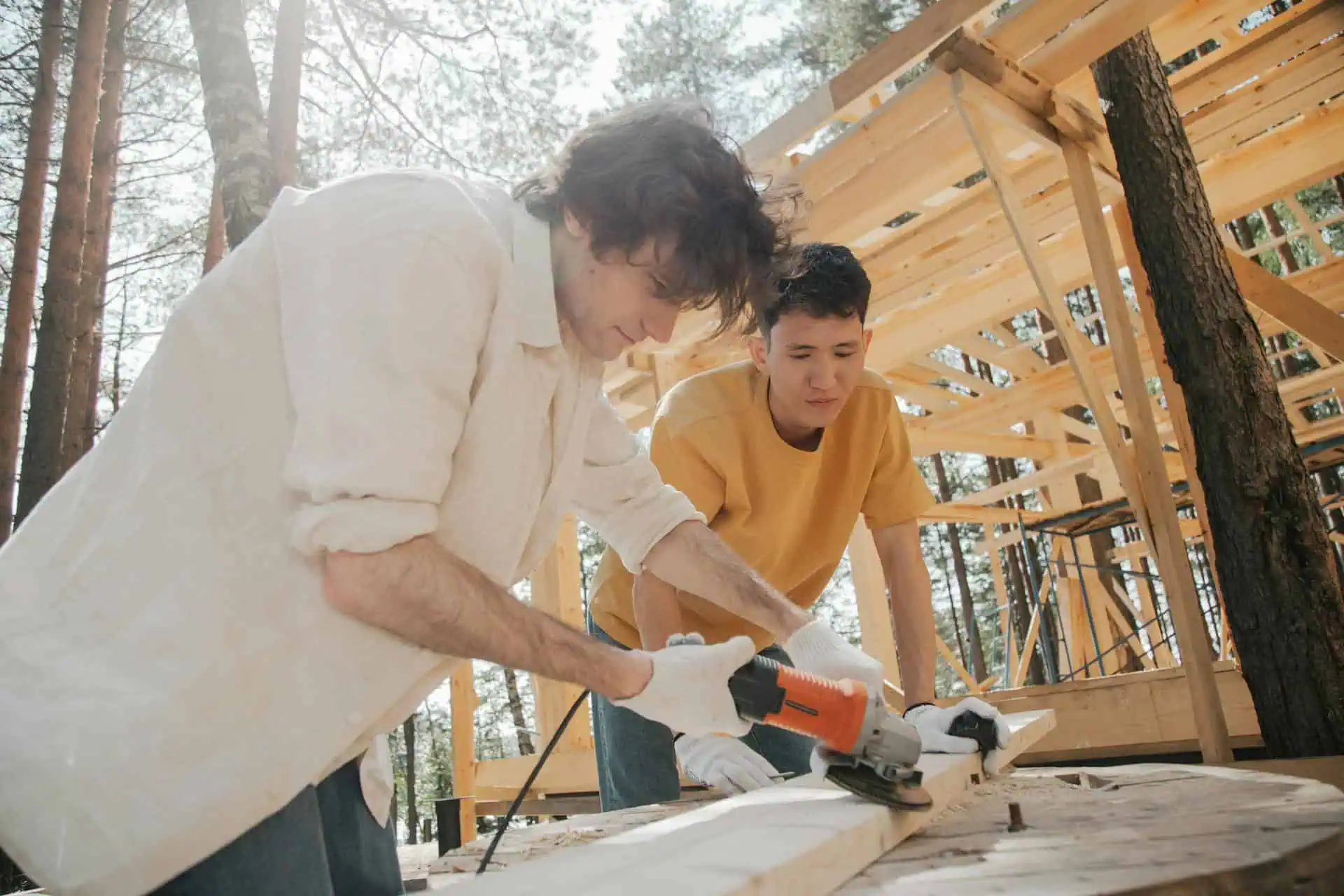
Whenever you need a shelf or a simple piece of furniture, why not make it yourself? Many people during the Great Depression had to learn basic carpentry skills out of necessity. Today, these skills would save us money while giving us a real sense of accomplishment. It also allows us to repair & repurpose furniture—instead of sending it to the landfill. Being able to say, “I made that,” is totally worth it.
Keeping Chickens

Keeping chickens was common during the Great Depression because it gave people a steady supply of nutritious food. As such, it’s no wonder it’s becoming popular again—keeping chickens is rather sustainable. Raising chickens also teaches kids about responsibility. Our feathered friends help with pest control & give us compostable material for our gardens. What’s not to like?
Creative Entertainment

Since money was tight in those days, families relied on free or low-cost ways to have fun like board games & storytelling. We could do with those simple pleasures today. After all, it’d bring us closer to our loved ones. Happiness doesn’t have to come with a price tag! Low-tech activities would also be a refreshing change from all those screens.
Bread Baking

Back then, people couldn’t just pop to the store for a loaf of bread—it was too expensive. As such, baking it at home was the way to go. Nothing beats the smell of bread baking in your kitchen! It’s a rather satisfying way to feed your family since you know exactly what’s going into your food & there are no weird ingredients you can’t pronounce.
Using Leftovers Wisely

There was no chance of throwing food away during the Great Depression, so people became creative with their leftovers. They would often turn them into a whole new meal. We could try doing the same now as it would seriously cut down on our food waste while saving us some money. It’s also kinda fun to see what tasty dishes you can come up with using what’s already in your fridge!
Patching and Darning
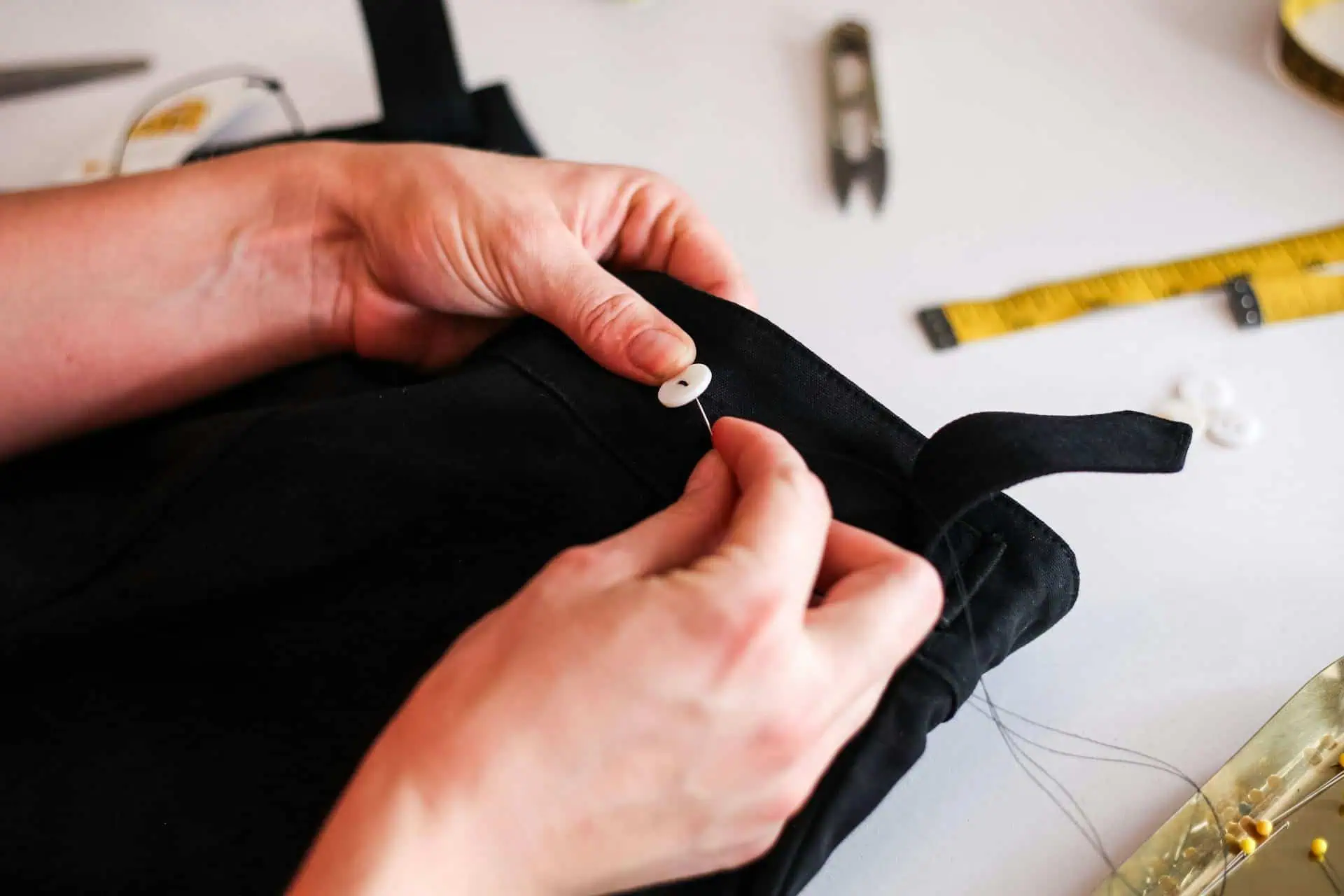
A hole in your sock didn’t mean it was trash. Instead, people in those days cared about patching up their clothes and making them last—they didn’t really have any other choice. Picking up a needle & thread to fix a tear is still just as practical and also a way to fight against today’s throwaway fashion. It shows you really care about your stuff.
Making Soap at Home

Buying soap was way too costly for some people during the Great Depression—so they’d make it instead. You can do it too! All you need are some simple ingredients like fat, water & lye. You’ll know what you’re putting on your skin & cut down on waste, which is great. Better yet, homemade soap is always a good gift idea!
Home Haircuts
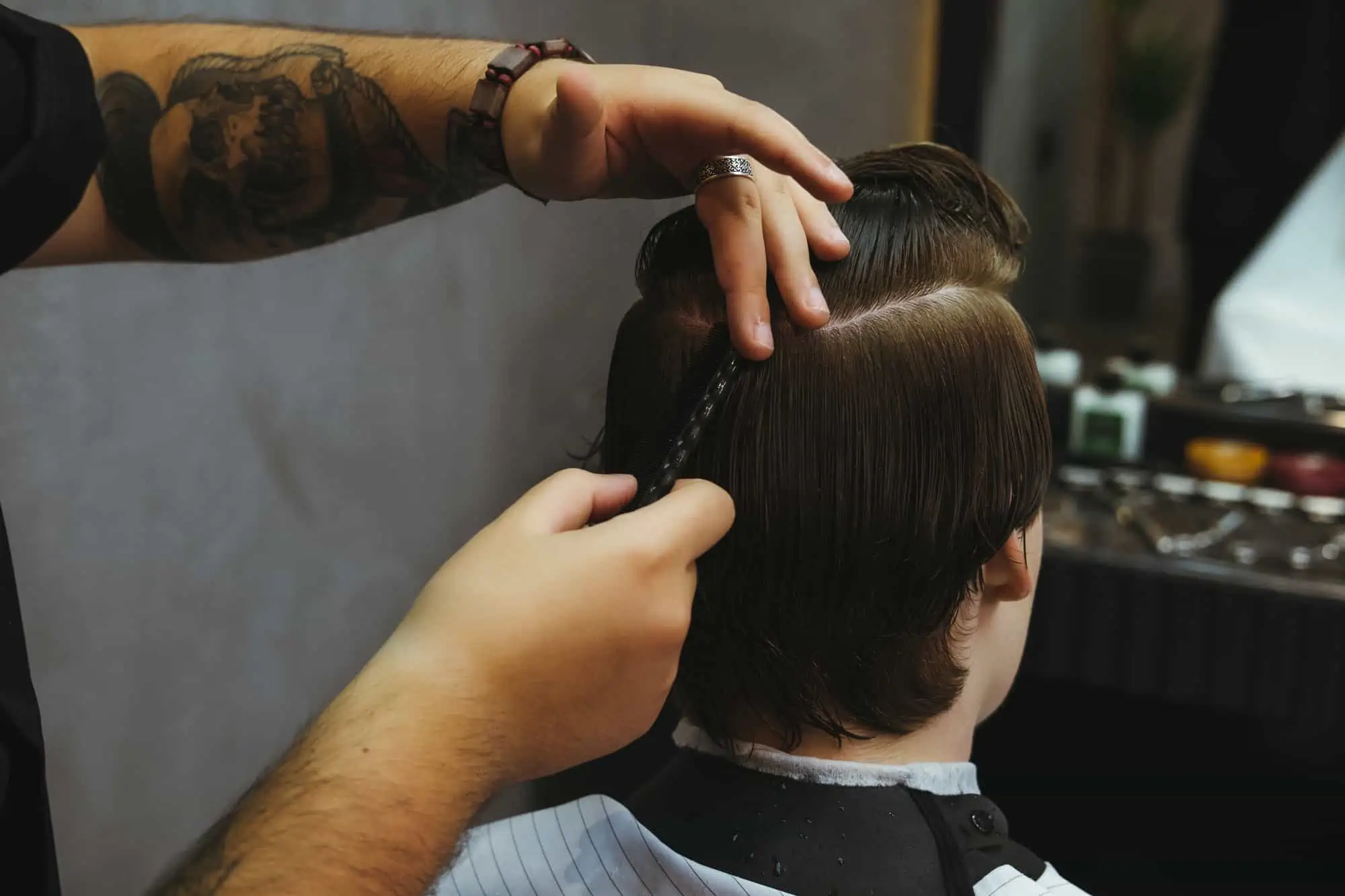
When money was tight, a trip to the barber or salon was out of the question and people just did it themselves. Getting the hang of cutting hair at home will save you a lot. It’s also quite convenient. Of course, you’ll need to watch some tutorials online to make sure you get it right. You don’t want to give your loved ones a dreaded bowl cut!
Staying Warm Without Modern Heating

Living without your heater sounds tough—and that’s because it was. But people had ways to keep warm that involved bundling up in homemade quilts or only heating the rooms they used. Following these old tricks will reduce your heating bill without making you cold. Throw on an extra sweater and cozy up under a blanket—you’ll be surprised how warm you can get.
Networking for Odd Jobs

Finding steady work was difficult during the Great Depression so people leaned on their community to find odd jobs. It’s a great strategy even today. Whether you’re freelancing or looking after pets, getting your name out there will open doors. Who you know is important. Make those connections work for you!
Rationing Household Supplies

Families had to make everything last as long as possible, including household supplies like paper & fabric. They learned to use these items sparingly. They’d stretch how long each item would last through careful rationing and this taught them to consume things carefully. We could use that today! Beyond the resource management skills, being mindful of how we use our resources would help the environment, too.
Disclaimer: This list is solely the author’s opinion based on research and publicly available information.
Like our content? Be sure to follow us.
Read More: