Even before Facebook, Twitter & Instagram, people communicated with one another on the internet. These primitive networks allowed people to communicate, collaborate and form communities well before we were even thinking of it as “social media”. Though simpler and slower than today’s platforms, they created a way of engaging as we do today. These early social networks brought people together over the internet in a very different way. Here are 10 pre-social networks that predated social media.
Featured Image Credit: Viarami /Pexels.com.
Bulletin Board Systems (BBS)

Bulletin Board Systems were popular in the 1980s and early ’90s. People could use a modem to dial into a BBS to send messages, share files, and interact with other people. Every BBS was a small online community, often with a particular topic or interest. It took time and was limited, but it connected people in a way that has set the stage for our modern social networks.
Usenet

Usenet is an international communication platform developed in 1980. It was an early forum – one in which participants could send messages in “newsgroups” about a given subject, from computers to culture. People from all over the globe could read and react, making enormous dialogues. Usenet also allowed news to spread quickly and was a major internet discussion space, especially for any niche interest.
Like our content? Be sure to follow us.
AOL Instant Messenger (AIM)

AOL Instant Messenger (or AIM) was one of most popular early messenger services released in 1997. AIM made it possible to communicate live, send instant messages and even compose “away messages” for friends when they weren’t around. It became one of the favorite ways for teenagers and young adults to stay in touch and introduced the concept of online social circles.
Internet Relay Chat (IRC)

Internet Relay Chat or IRC began as a way of having instant text exchange between users, known as “channels,” or chat rooms, in the late 1980s. IRC was a favorite among computer geeks and was ideal for those who would like to have group chats that revolved around common interests. IRC channels allowed a lot of freedom, allowing you to create mini-webspaces where you could chat and share files.
Friendster

Friendster, a 2003 launch, will always be remembered as one of the first true social networks. Users could build profiles, add friends and post updates. On Friendster, you could search for and find friends based on mutual connections — a fairly new concept back then. Though Friendster closed eventually, Friendster’s system of social networking became a model for much of the current generation of social media.
Six Degrees

Six Degrees, established in 1997, was the first site where members could set up their own profiles and add their friends. It was named after the “six degrees of separation” theory which suggests we’re all tied to each other by six or fewer relationships. Six Degrees enabled users to connect through friends of friends, weaving a social network. Six Degrees, though short lived, is generally considered a pioneer of social networking.
Classmates.com

Classmates.com was developed in 1995, with the purpose of helping people get in touch with former classmates. Users could look up classmates they had attended school with and message them. It was used by those seeking to meet up after decades away, and it sparked other sites to create social communities around common interests.
The WELL

One of the first internet communities was WELL (Whole Earth ‘Lectronic Link) established in 1985. First designed as a site for authors and intellectuals, it expanded to become a platform for conversation on anything and everything. The WELL was also known for its sense of community, with members often becoming genuine friends.
Yahoo! Groups

Yahoo! Groups, introduced in 1998, was a website that let people create and join groups with similar interests. There was also a discussion board for each group, where you could post messages and files. It was a simple platform through which one could socialize around interests, or even in local affairs. Yahoo! Groups proved to be hugely successful, where groups of all kinds were held until it was closed in 2020.
BlackPlanet
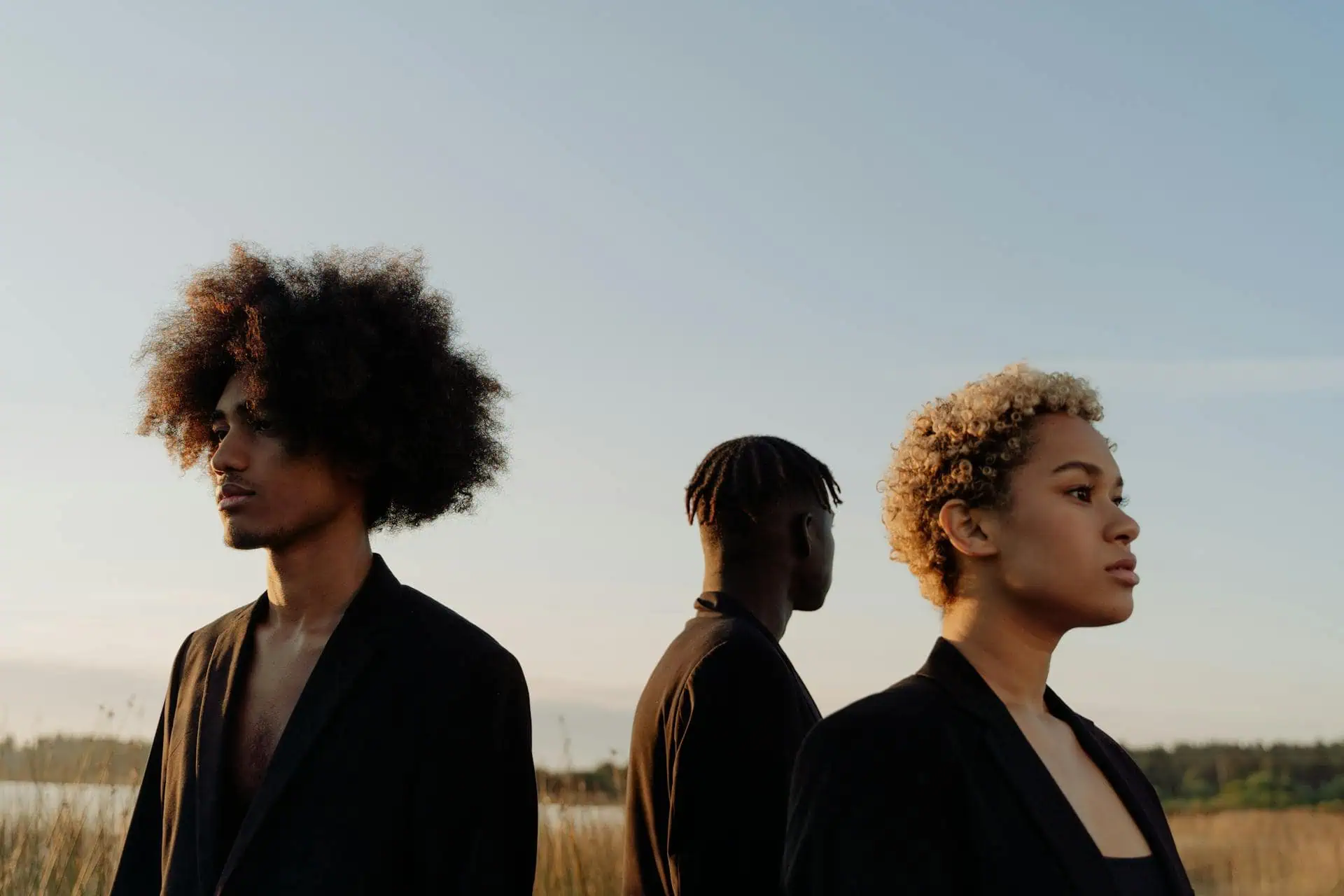
BlackPlanet was one of the first social networks to be established for African Americans and launched in 1999. It enabled users to create profiles, participate in discussion forums, and post messages. BlackPlanet was a community-building platform that allowed its members to discuss culture, music, and social problems. It offered an early example of how social networks could be tailored to specific groups with unique requirements.
Disclaimer: This list is solely the author’s opinion based on research and publicly available information.
Like our content? Be sure to follow us.
Read More: