Back in the ‘60s and ‘70s, schools were quite a bit different than what many of us are used to today. It was a time when teachers began trying new things to see what worked best for everyone and brought about some interesting changes that still affect us today.
Teaching Kids to Think on Their Feet

In those days, teachers wanted you to really think about ideas instead of merely memorizing facts. Our classes focused on making us question what we had learned and discuss different views, which was particularly important with all the social changes happening. It was a kind of education that prepared you to handle real-life stuff. The younger generations wish they had it this good.
Art and Music Weren’t Just Extracurriculars
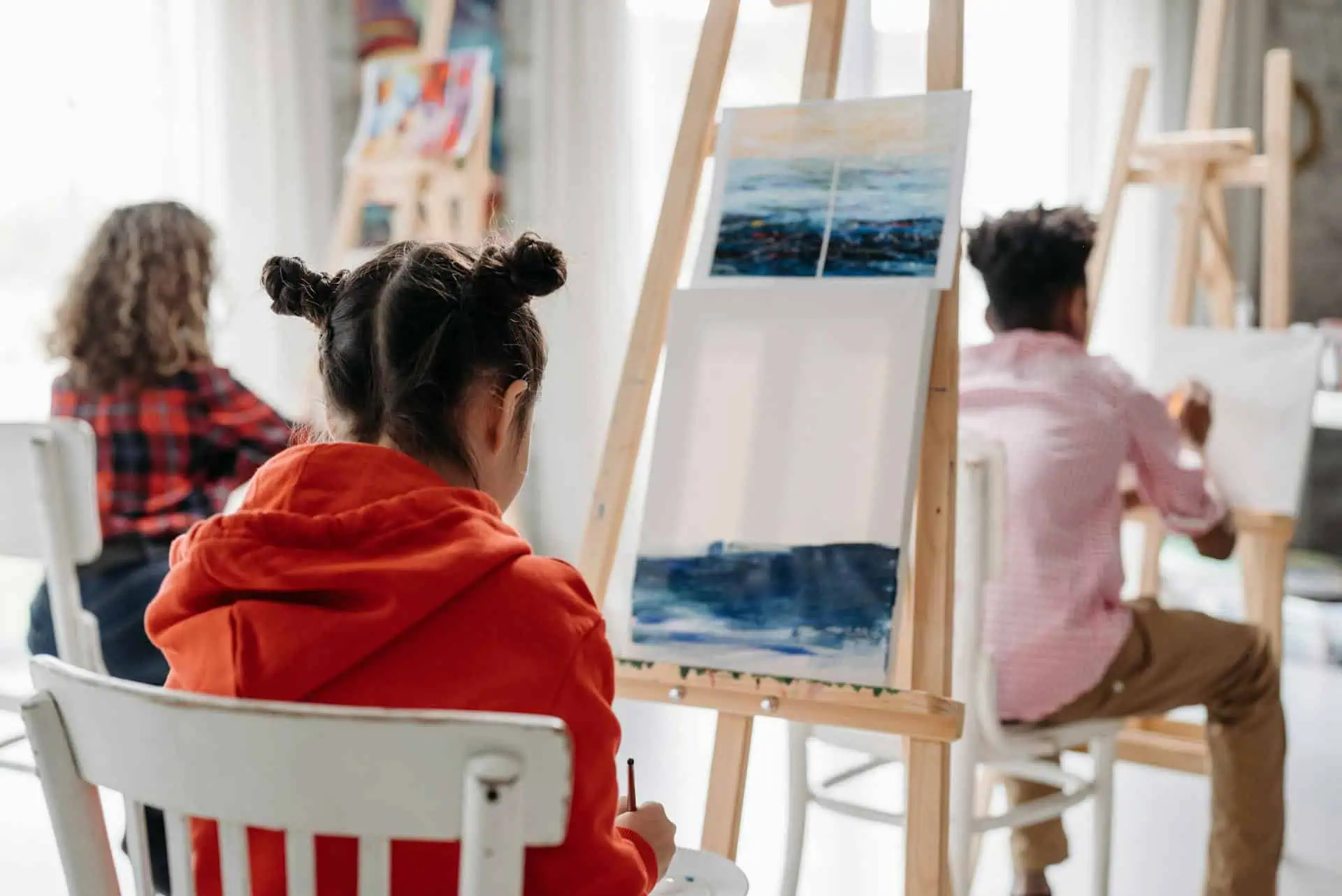
Students would find themselves holding a paintbrush or an instrument as often as they would a pencil. Schools packed the day with arts and drama because the teachers knew these activities weren’t simply time-filling exercises. If anything, they helped students be more creative. And for some students, these lessons helped them to do better in their other classes.
Going Green Before It Was Cool
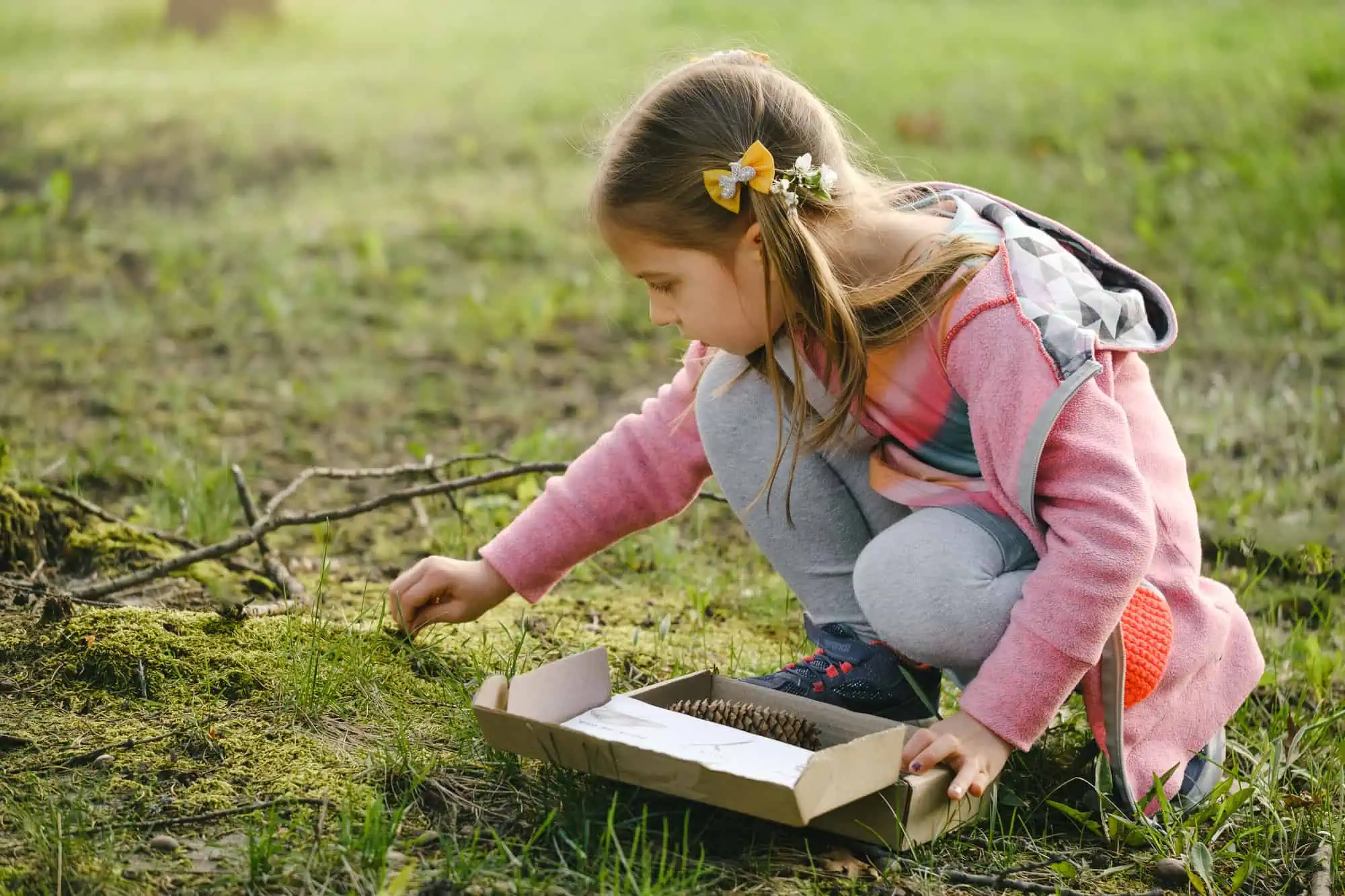
Just as people were starting to talk about saving the planet, schools jumped on the bandwagon. They began teaching students about pollution and conservation, as well as why throwing trash out of car windows wasn’t cool. Such lessons were utterly priceless. They taught young people to think about their impact on the world and how to care about the earth before it became mainstream.
Gym Class Got Serious

Forget dodgeball and duck-duck-goose—the ’60s and ’70s made gym classes actually matter, as they focused on staying active and healthy. You learned all kinds of things, including how to play basketball and what good nutrition means. It was these lessons that got a lot of kids into sports and staying fit like no other generation.
Prepping for Real Jobs

Back then, not everyone was planning to head to college. No, many schools had programs where you could learn trades like mechanics or carpentry because they knew that not everyone needed to write essays for a living. After all, some people will build houses or fix cars and that’s just as important. It’s a real shame we don’t give students these opportunities anymore.
Parents in the Picture

Schools got smart and realized that getting mom and dad involved in education would help kids to be happier, which in turn helped them achieve better grades. So, they started inviting parents to host events and meetings to get directly involved. It was with this involvement that everyone got on the same page. Soon enough, school felt more like a community effort.
Celebrating Different Cultures

As America worked through wider civil rights and equality issues, schools started to introduce classes and events to celebrate different cultures. Beyond simply teaching history, such classes helped every student feel like they belonged. They taught students to be proud of their backgrounds, not hide them.