

Assisted living isn’t the only choice anymore, as retirees explore alternatives that offer more freedom, flexibility, and control over how they live.
Naturally occurring retirement communities
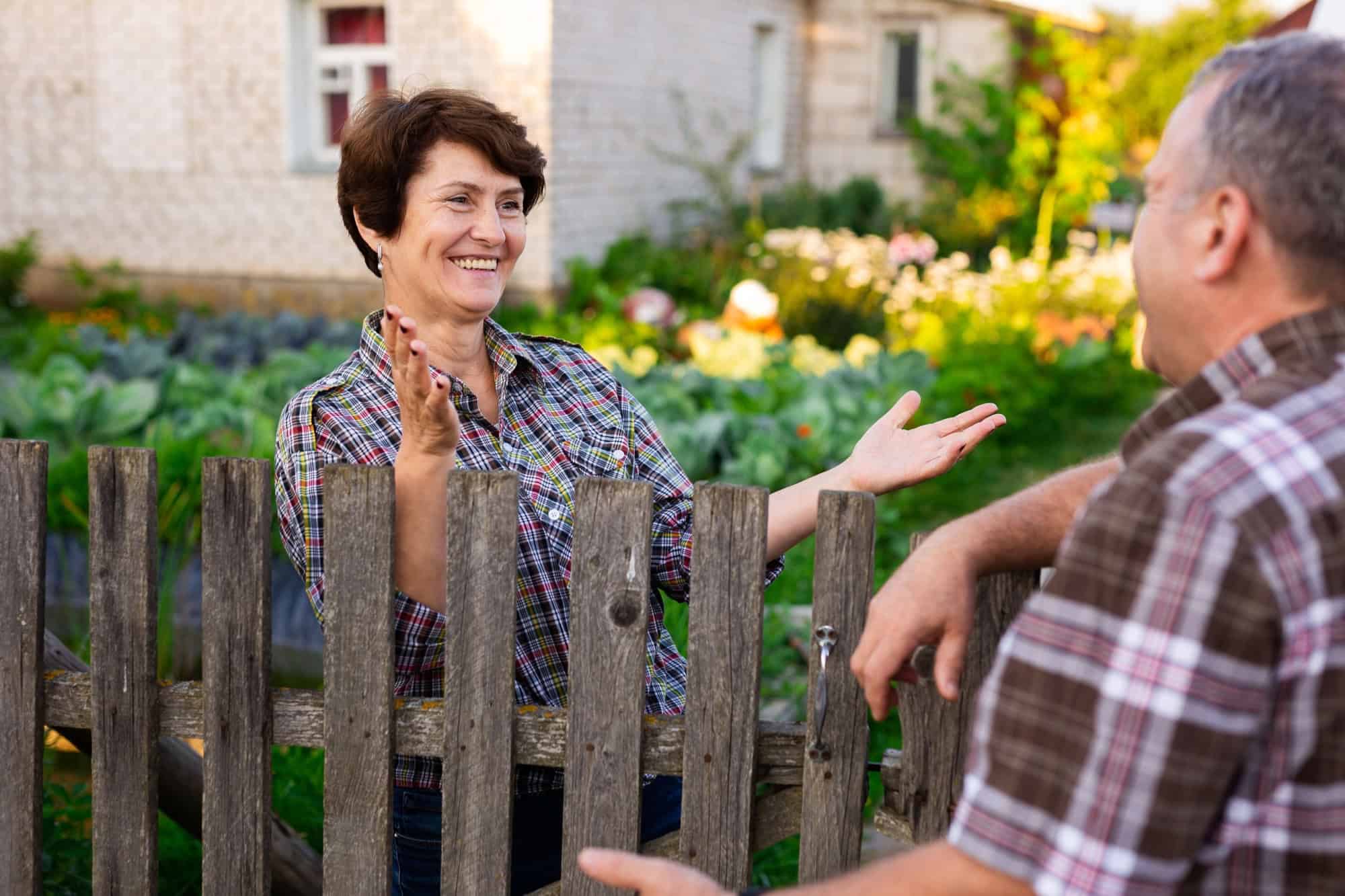
An older adult may choose to age in place in their neighborhood or apartment complex that slowly develops into one with a majority of senior citizens. This allows them to remain in their lifelong home and take advantage of community living.
Neighbors work together to do group buying of supplies for home upkeep, provide rides to others, and set up informal arrangements to check in on nearby neighbors. They can maintain their independence while living in their comfort zone and develop a natural support system rather than being placed in an expensive manufactured one.
Co-housing cooperatives

Living in an intentional, resident-run community is a way to balance private ownership with social activity. Residents in a co-housing community own their own private home or apartment, but have access to a shared community house with a big kitchen, dining hall, workshop and gardens.
Because the community runs together with participatory decision-making, neighbors know each other and engage in daily life. Living in a community keeps you from being socially isolated and having someone just steps away in the courtyard if you need help.
Multi-generational family annexes

Constructing an accessory dwelling unit (ADU), garage conversion or in-law suite on an adult child’s land means seniors can stay closely connected to family while still having clear boundaries of their own. With this setup, you get the convenience of living close for safety checks and meals, plus the private quarters needed to enjoy quiet time.
What’s more, families can more readily combine their money, which in turn makes private caregiving a lot more affordable and easier to manage.
University-affiliated retirement hubs

Moving into a senior living community on or near a college campus affords you the ability to surround yourself with college-age activities and minds. College classes are available for non-degree-seeking residents to take.
You can attend campus concerts and lectures, utilize campus libraries, and get involved with campus mentor programs. Activities at these communities focus on continual education, physical activity, and cultural experiences.
Shared senior home-pooling
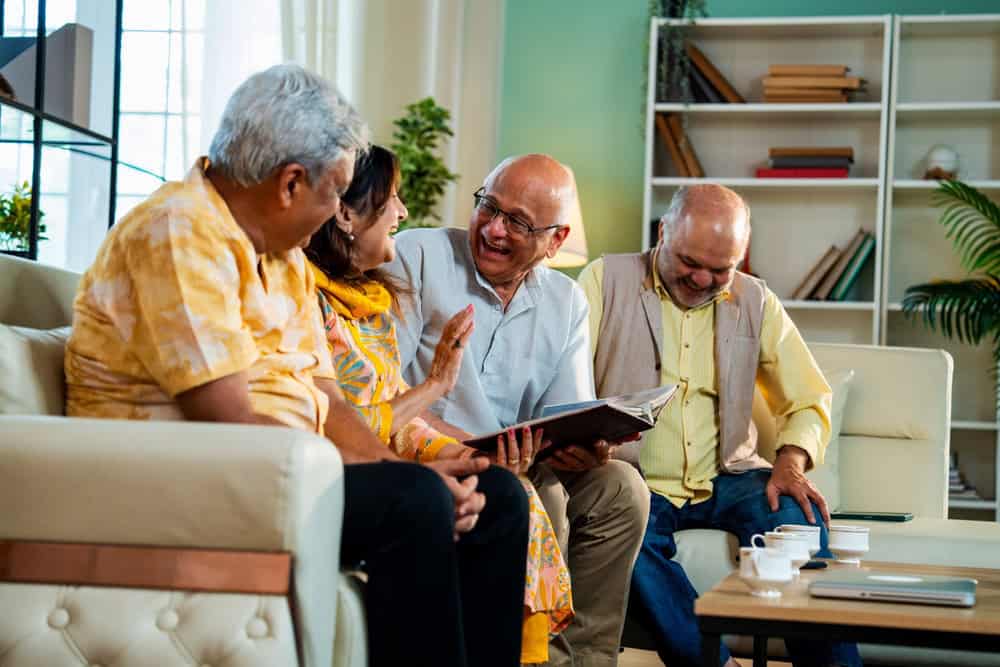
Sharing a home with a few (often like-minded) friends creates a “Golden Girls” situation in which home costs and household chores are divided, and companionship is built-in.
People have their own bedroom and bathroom, but share other areas of the home such as the kitchen, living room, and backyard. Sharing household expenses allows for affordable living within sought-after neighborhoods and ensures consistent social interaction.
Village movement membership

Joining your local non-profit village (operated by the Village to Village network) gives seniors the option to stay in their current home by offering a coordinated network of screened volunteers and professionals. Members pay a reasonable yearly fee and simply dial up one number for everything, to schedule transportation to the doctor, home repair and maintenance, computer problems, and escorted social outings.
By filling in the practical gaps in managing daily life and maintaining a home, this local setup helps prevent or put off the need for assisted living.
Residential care homes
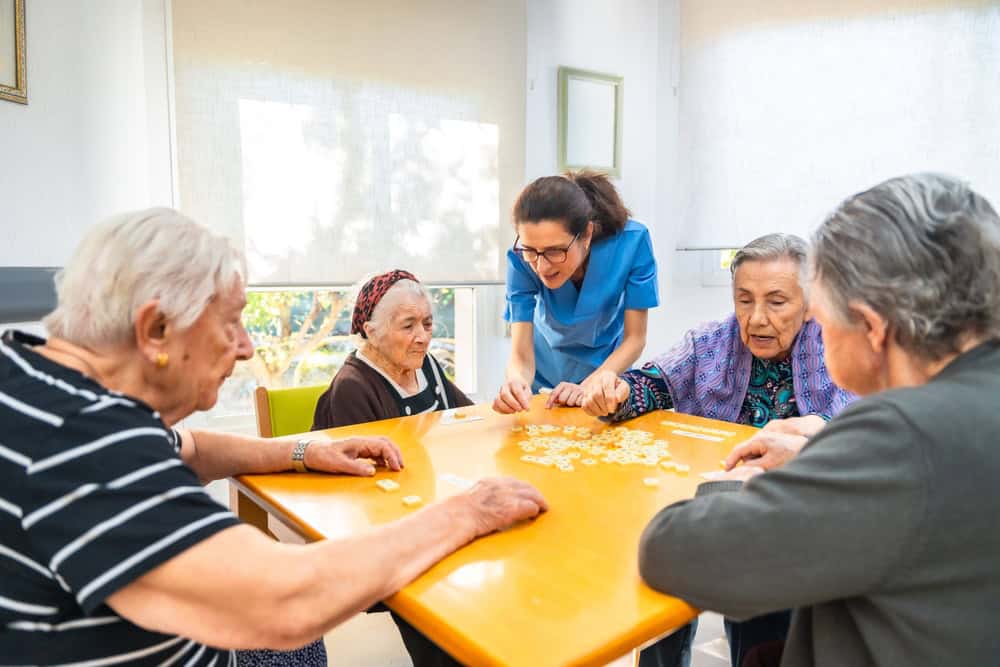
Another possibility is choosing a much smaller residential care home. There are increasing numbers of small homes that house perhaps four or eight residents in a conventional family home. Small house providers offer the benefit of creating close communities that have staff dedicated to preparing meals and attending to daily needs in a home-like setting.
Residents experience less stimulation and crowding, have the opportunity to form more meaningful relationships with staff and caregivers and receive individualized care.
Retirees who rarely worry about money tend to own these 14 things
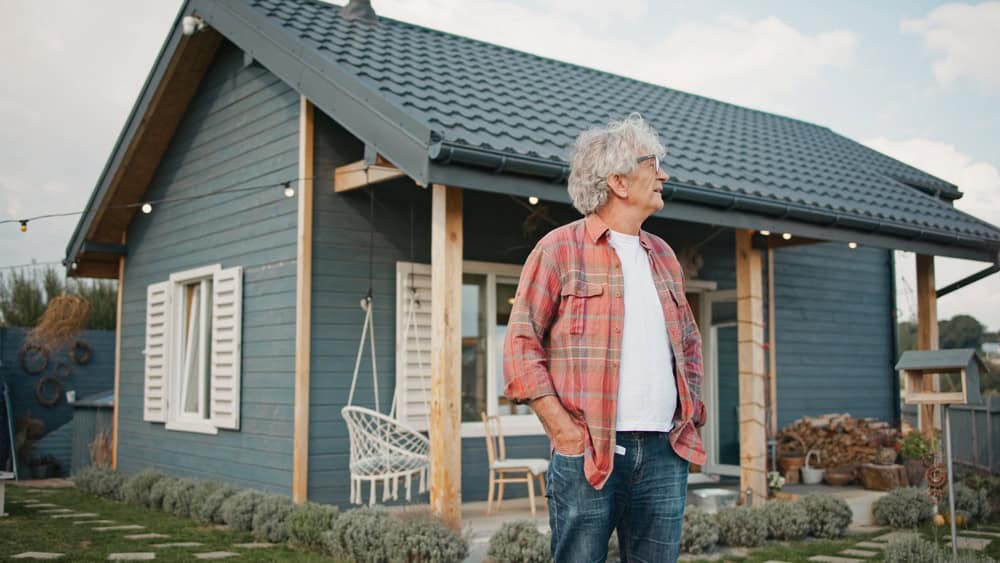
Retirees who rarely stress about money often have a surprisingly ordinary set of things working quietly in their favor.
Retirees who rarely worry about money tend to own these 14 things

