

Retirees who rarely stress about money often have a surprisingly ordinary set of things working quietly in their favor.
The driveway clue

An older, paid-off vehicle that runs well can be worth more than a shiny new car when you retire. Retirees who aren’t continually trading in cars dodge one of the biggest monthly payments most families have. Sure, they may drive an eight-year-old Toyota instead of a brand-new luxury SUV, but that’s intentional.
The goal isn’t to have the coolest car in the driveway. The goal is to own a car that reliably starts each morning, won’t cost an arm and a leg to maintain, and doesn’t send hundreds of dollars to the bank each month.
The biggest advantage

One huge budget change for retirees can be living in a home free and clear. Taxes, insurance, maintenance, and utilities aren’t gone, but not having a mortgage can eliminate one giant expense. If you purchased many years ago and slowly made payments against the principal, you may now be living on a lot less income without feeling financially pinched.
Your home doesn’t have to be huge or even that valuable. It just needs to not have a big monthly payment hanging over your head.
Ready for the unexpected
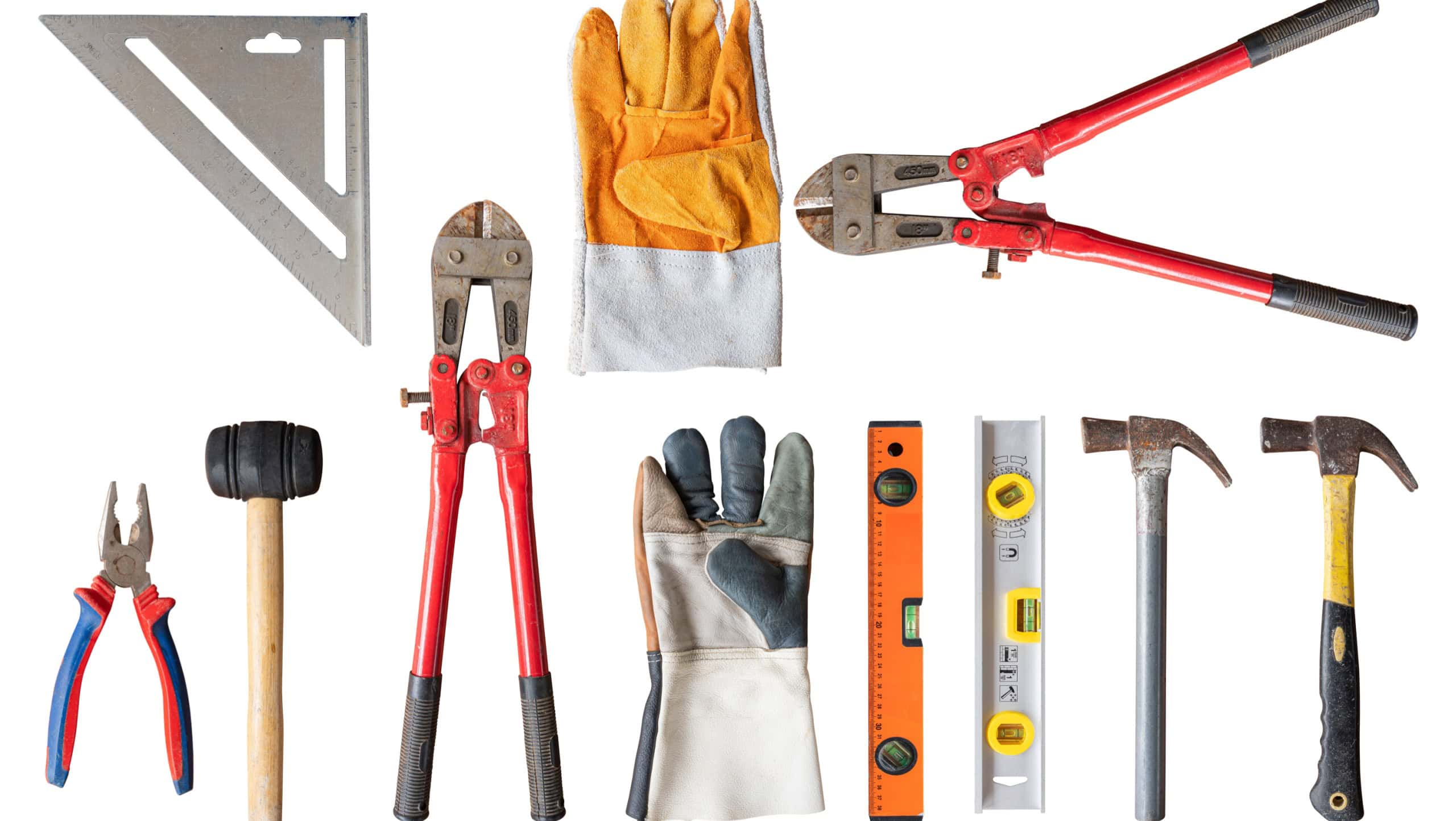
Look at the garage of a financially prepared retiree, and you might discover something totally unexpected: a fully stocked garage of household tools. Drill, screwdrivers, wrenches, a ladder, gardening tools, and basic repair tools can help fix or adjust things themselves without needing to pay someone whenever a cabinet hinge becomes loose.
Retirees don’t have to take on risky electrical or plumbing work themselves. They’ve spent years saving up useful items that can prevent every minor household problem from becoming another expense.
Food without the markup

A well-equipped kitchen can save you thousands over the course of your retirement without you even realizing it. If you own some decent pots and pans, knives, storage containers, a freezer, and the appliances you use, you can easily and cheaply cook meals at home whenever you’d like.
You don’t have to give up eating out or ordering takeout, but you get to choose when you do it instead of feeling like you have no choice. It’s a big budget difference when you’re eating out for fun versus because your kitchen consists of a microwave and three forks you can’t even remember matching.
The boring drawer

Retirees who are financially comfortable don’t have a pile of opened envelopes stashed under their desk. They have files and/or a drawer where they keep insurance policies, warranties, tax records, property deeds, account numbers, estate information, etc. Organization isn’t wealth, technically. But staying organized can help you avoid costly errors.
Having access to information about when your warranty expires, what your insurance policy covers, or where you filed that important piece of information can save you money and bucket loads of aggravation when the unexpected occurs.
Built to last

They may own furniture that is not brand new, but still in great shape. They don’t need to buy new sofas, dining tables, beds, and dressers every time furniture goes out of style. If it’s well made, they can keep these items for many years or even generations.
There is a big difference between not being able to replace something and just having no reason to. People who are comfortable with money don’t have to prove that they have money with every item they own.
The quiet backup

Having a second refrigerator or chest freezer can be handy for families trying to save money. You’ll have space for frozen dinners, garden vegetables, sale meat, and bargain bulk buys when prices are low.
Granted, this only saves you money if you use it wisely; an ancient power-hungry freezer filled with three frozen bags of peas nobody remembers buying isn’t much of an investment. But if you are a meticulous meal-planning retiree, extra freezer space can cut down on waste and trips to the store.
A shelf full of answers

Books, manuals, recipes, hobby supplies, puzzles, or some other inexpensive home entertainment can go a long way toward making retirement affordable. When you truly enjoy yourself at home, you don’t feel required to spend money every day just because you’re bored.
If you can sit happily in your own backyard, reading, woodworking, cooking, painting, or working on a puzzle, you have a secret financial edge: entertainment isn’t inherently tied to taking money out of your wallet.
The unglamorous upgrade
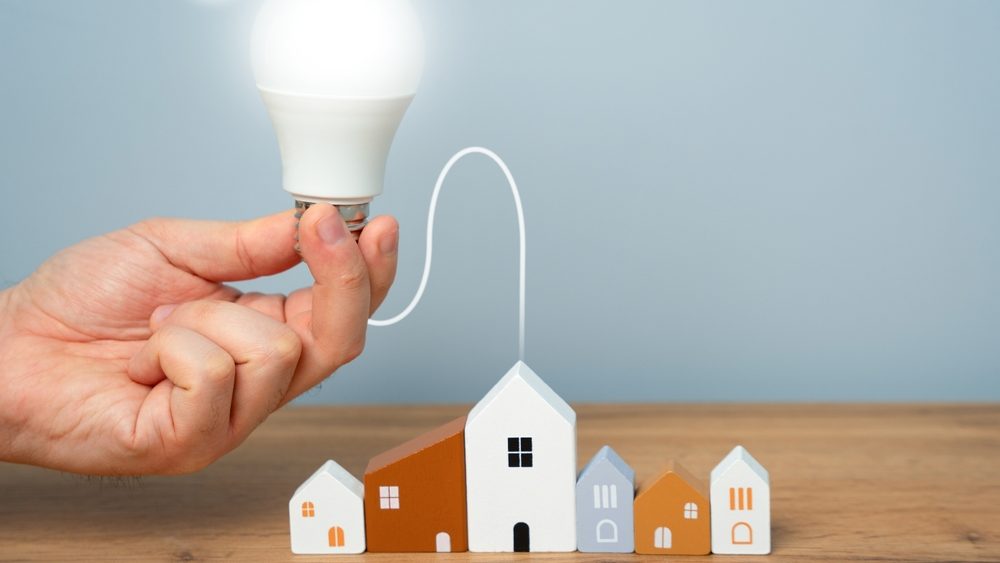
An energy-efficient upgraded home can help you save money each month. Proper insulation, efficient heating/cooling, LED lighting, weatherstripping, and new appliances can lessen monthly utility bills depending on the home and climate. These upgrades aren’t all that thrilling when they are done, but that’s the beauty of it.
Growing dinner outside

Not every comfortable retiree has a garden, but if you do have a space for a productive vegetable or herb garden, you’ve got a source of cheap entertainment and edible goods. Tomatoes, lettuce, herbs, peppers, and other garden goods can supplement store-bought groceries during the growing season.
Gardening isn’t exactly free food if you factor in dirt, water, tools, and time investments, but most gardeners will likely already own what they need if they’ve been gardening for any length of time.
The spare-room advantage
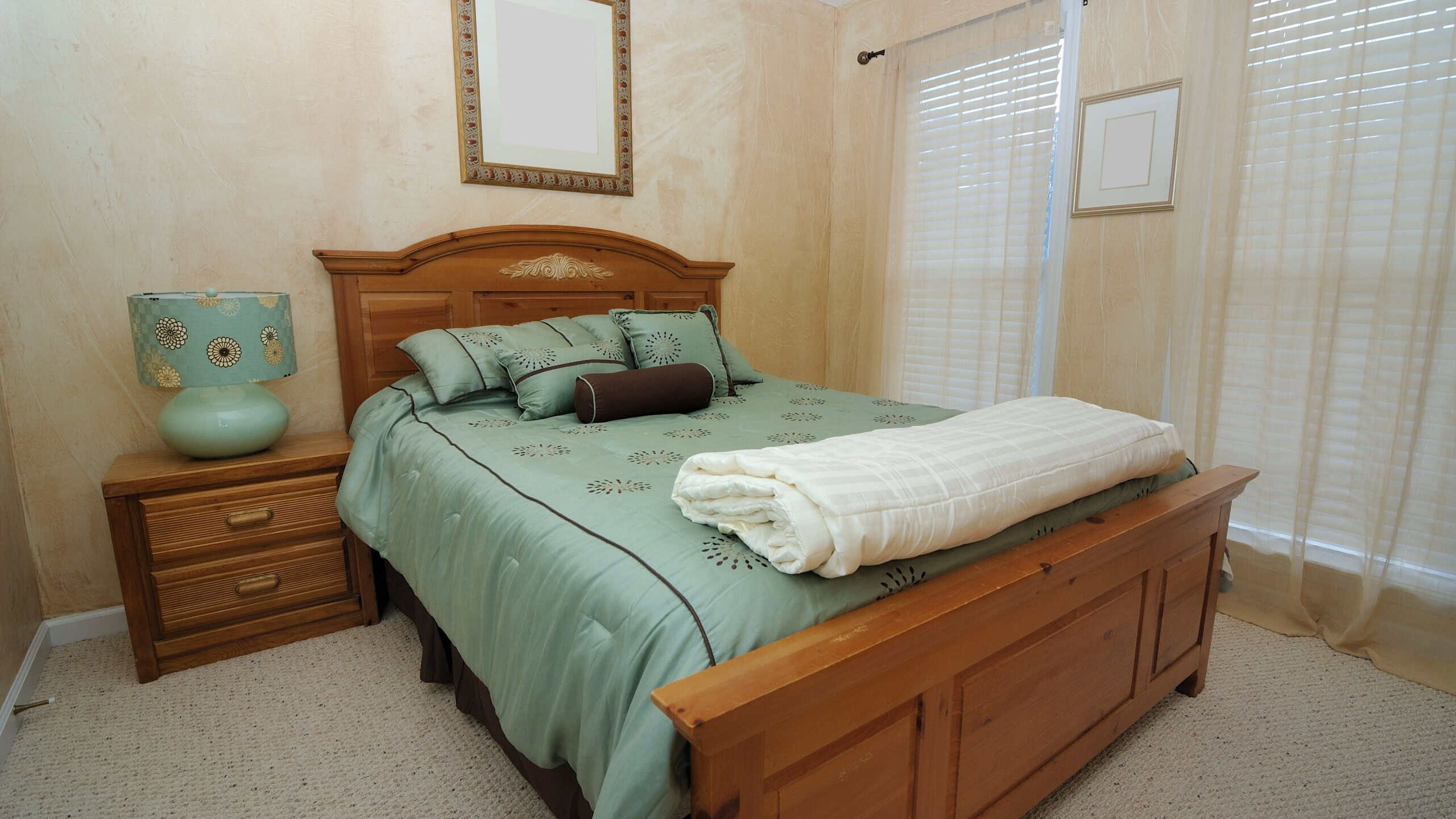
Some retirees have a home with a flexible extra room or separate living room. It may be used as a guest bedroom, office, workshop, or storage space now, but that flexibility could translate to dollars down the road. Depending on your area and situation, the extra space could be used for an adult child, caretaker, visiting family, or even rented out.
Everything has a backup

A financially prepared household likely already has some emergency basics: flashlights, batteries, first aid kit, shelf-stable food, chargers, blankets, and other sensible items. An emergency is costly when you must buy everything at once.
Financial preparedness doesn’t mean you’re a survivalist with an underground bunker full of beans. It just means you have the normal supplies on hand to weather a power outage, minor house emergency, or unforeseen inconvenience without whipping out your credit card.
The thing nobody sees

Perhaps their greatest asset is a well-maintained house. The roof is repaired before water leaks through the ceiling. Little leaks are fixed before they ruin walls. Furnaces and air conditioners get maintenance instead of being ignored until they fail completely.
Prevention is expensive, but neglect costs far more. Many financially comfortable retirees know that maintaining something they already have is almost always less expensive than replacing things that have been allowed to fall apart.
Protection already in place

Retirees who stress less about money tend to have the proper insurance protections in place. After all, one big emergency can wipe out years of diligent saving. The right health, home, auto (and perhaps long-term-care or umbrella) insurance can prevent hefty bills from draining savings.
Retirees don’t need every insurance product ever invented. Nor should they pay for protection they don’t need. But they should know what financial hardships they’d have trouble shouldering and ensure those are insured against.
Like our content? Be sure to follow us.

