Many countries around the world have taken radical steps to disarm their populations and try to make their societies less violent. But people have divided opinions on this – some see it as progress & some feel that it takes away their personal freedom. In this list, we will look at 9 countries that disarmed their populations and the aftermath of this decision.
Featured Image Credit: innu_asha84 /Depositphotos.com.
Australia
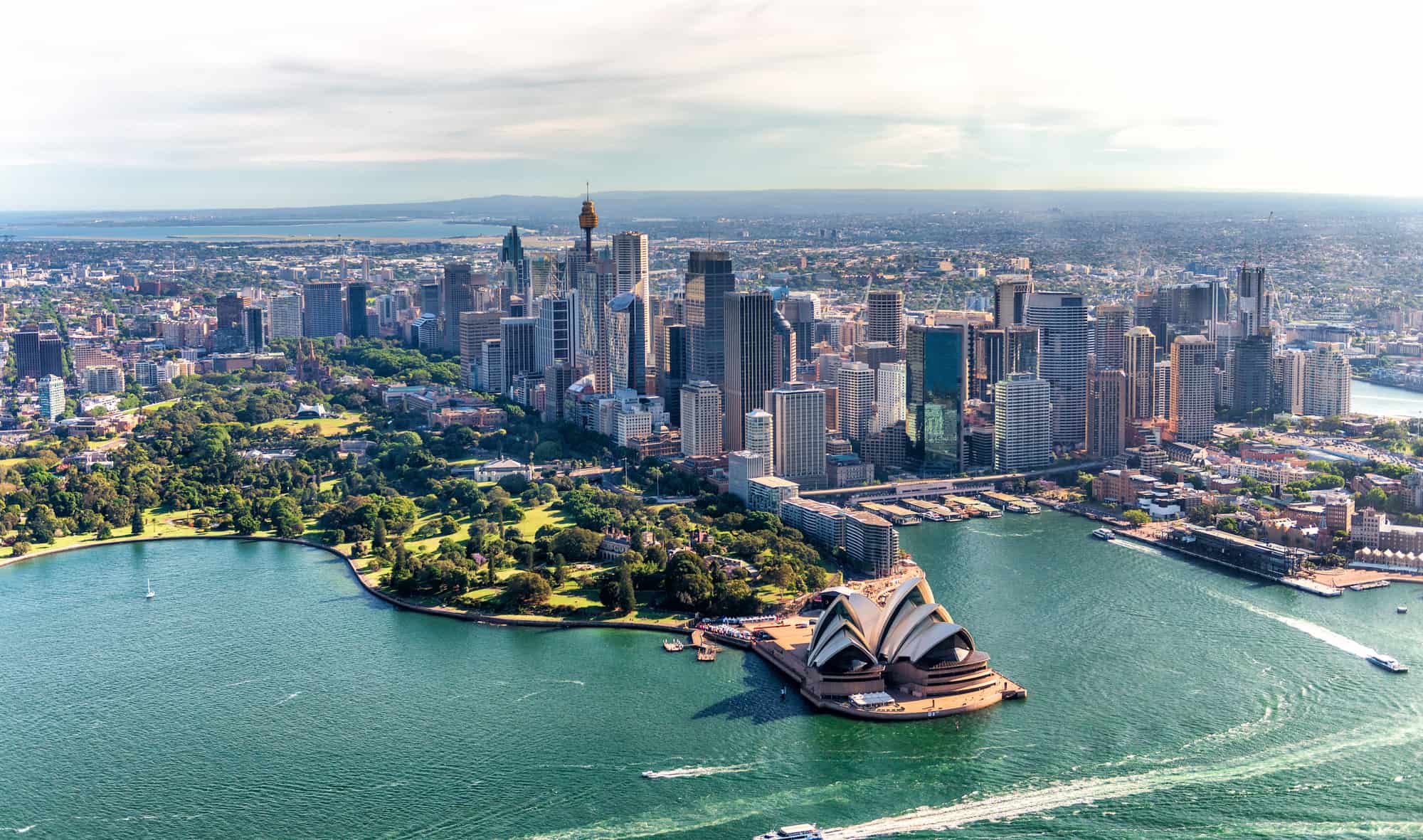
After the massacre at Port Arthur in 1996 that killed 35 people, Australia tightened gun laws. All semi-automatic rifles, pump-action shotguns & handguns had to be banned according to the National Firearms Agreement (NFA). A buyback program gathered more than a million firearms from private collectors. Australians now go through a background check and a 28-day waiting period to buy a gun. Research has shown that this ban has caused a reduction in firearm suicides, mass shootings & female homicide victimization.
United Kingdom
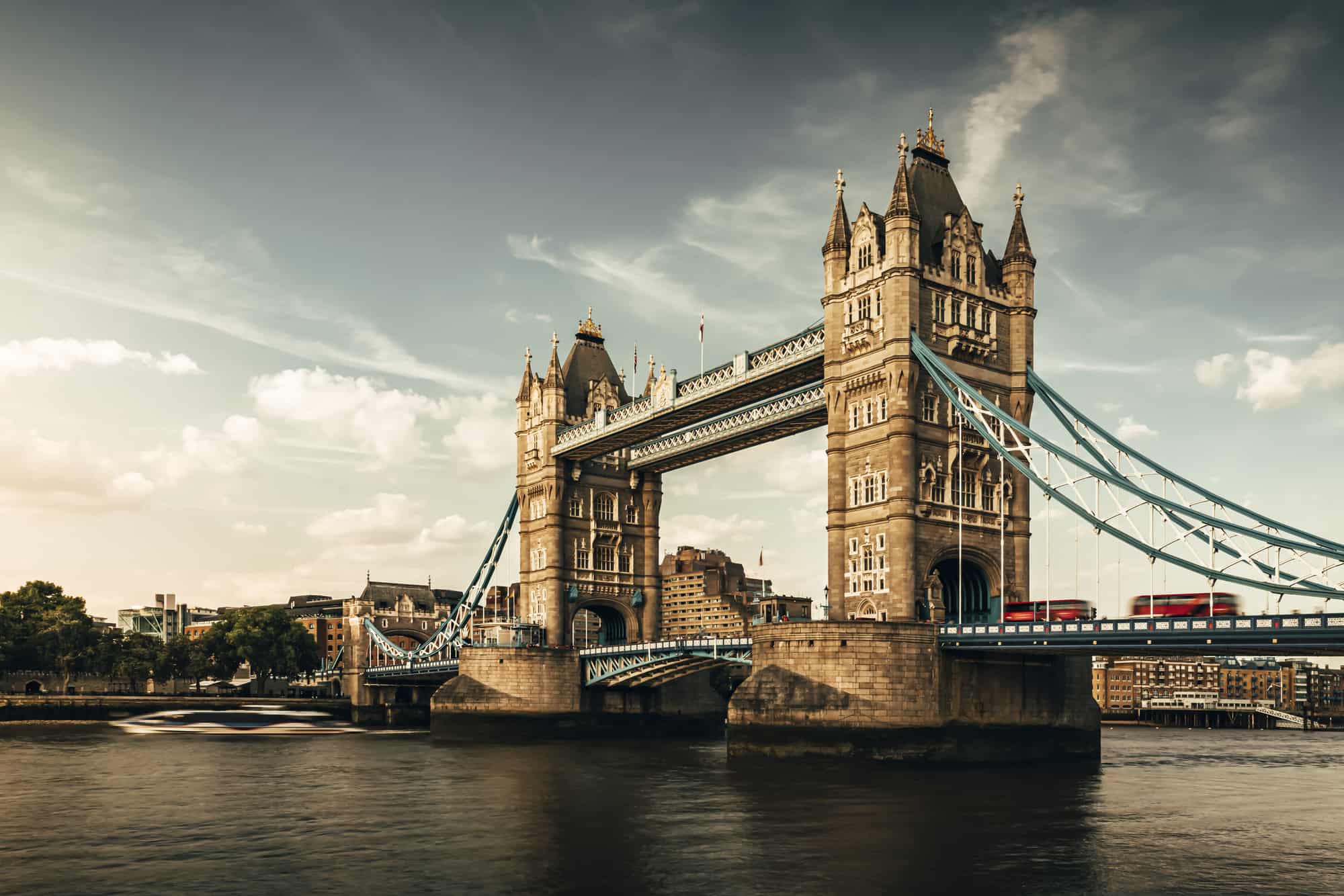
In the wake of the Dunblane massacre of 1996, when 16 children and a teacher were shot dead, the UK banned handguns almost entirely. Through the Firearms (Amendment) Act of 1997, more than 160,000 guns were destroyed. The law was strict – even the vast majority of privately owned shotguns were banned. Today, gun-related crimes are not very common in the UK. However, violent crimes using knives have been on the rise. Therefore, some people argue that taking away guns has not eliminated crime – it has just shifted the focus.
Like our content? Be sure to follow us.
Germany
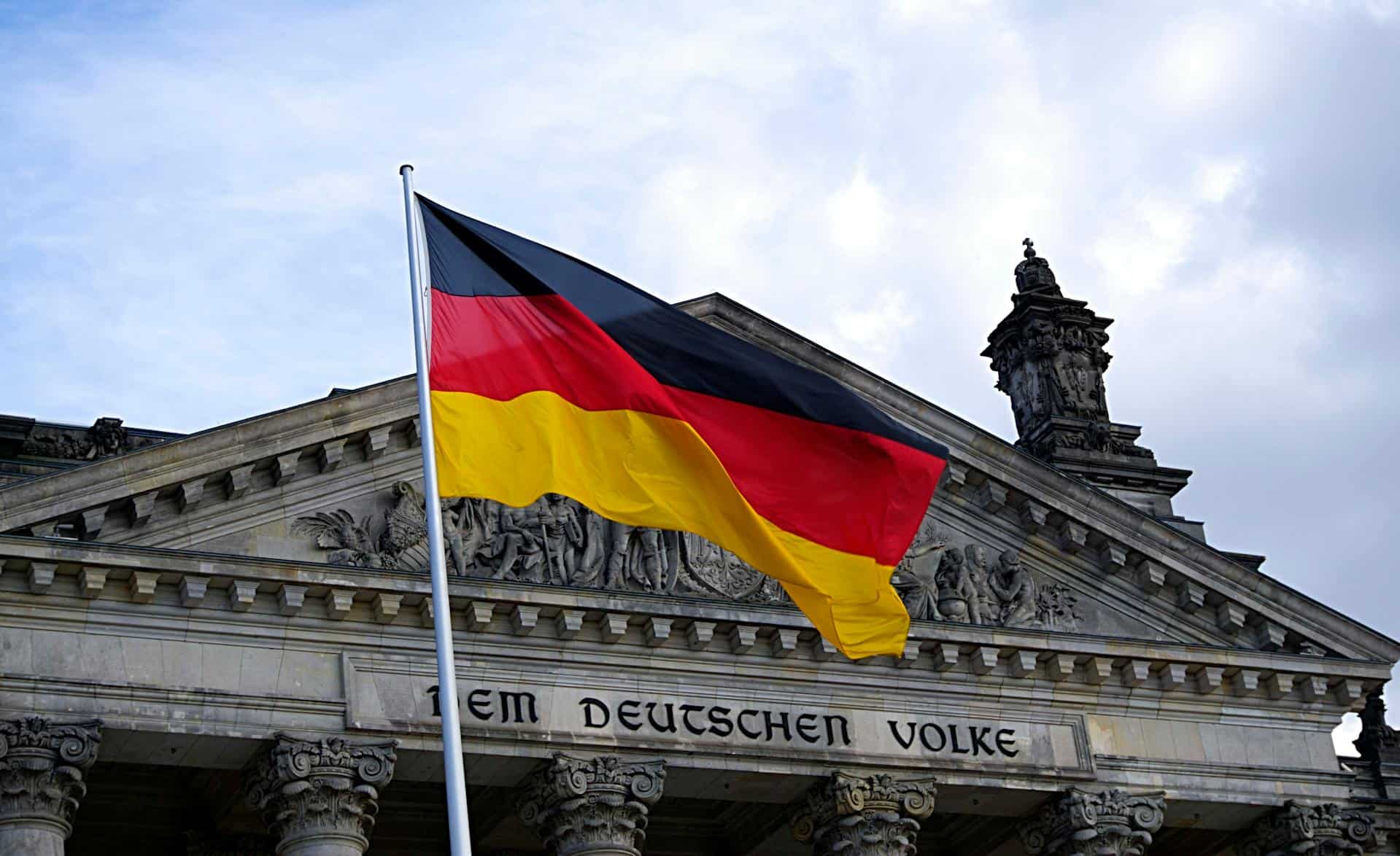
The Allies disarmed Germany following the Second World War to avoid militarization in the future. At first, even police officers were not allowed to carry firearms. Moreover, private ownership of firearms was not allowed until 1956. The law on guns was tightened further in the 1970s and 80s – it focused on registration and licensing. Although there was no widespread gun violence, there were terrorist attacks and riots in Germany in the 1970s and 80s. According to some, was made worse by a lack of civilian defenses. The gun laws were made more liberal in the 1990s – but with restrictions on private ownership. Today, Germany has some of the strictest gun laws in the world and low rates of gun violence. However, isolated mass shootings & smuggling illegal firearms – specially from Eastern Europe – is still an issue.
Japan

Japan has some of the strictest gun laws in the world. Japanese civilians can only own rifles for hunting and the National Public Safety Commission enforces the laws. A person who wants a gun has to go through extensive background checks, written tests, medical examinations & rigorous training. Guns have to be registered and regularly checked. Gun crime is extremely low in Japan – only 9 gun-related deaths in 2019. But Japan’s punitive laws reflect a culturally inherited distaste for violence, which also contribute to low crime rate.
Canada
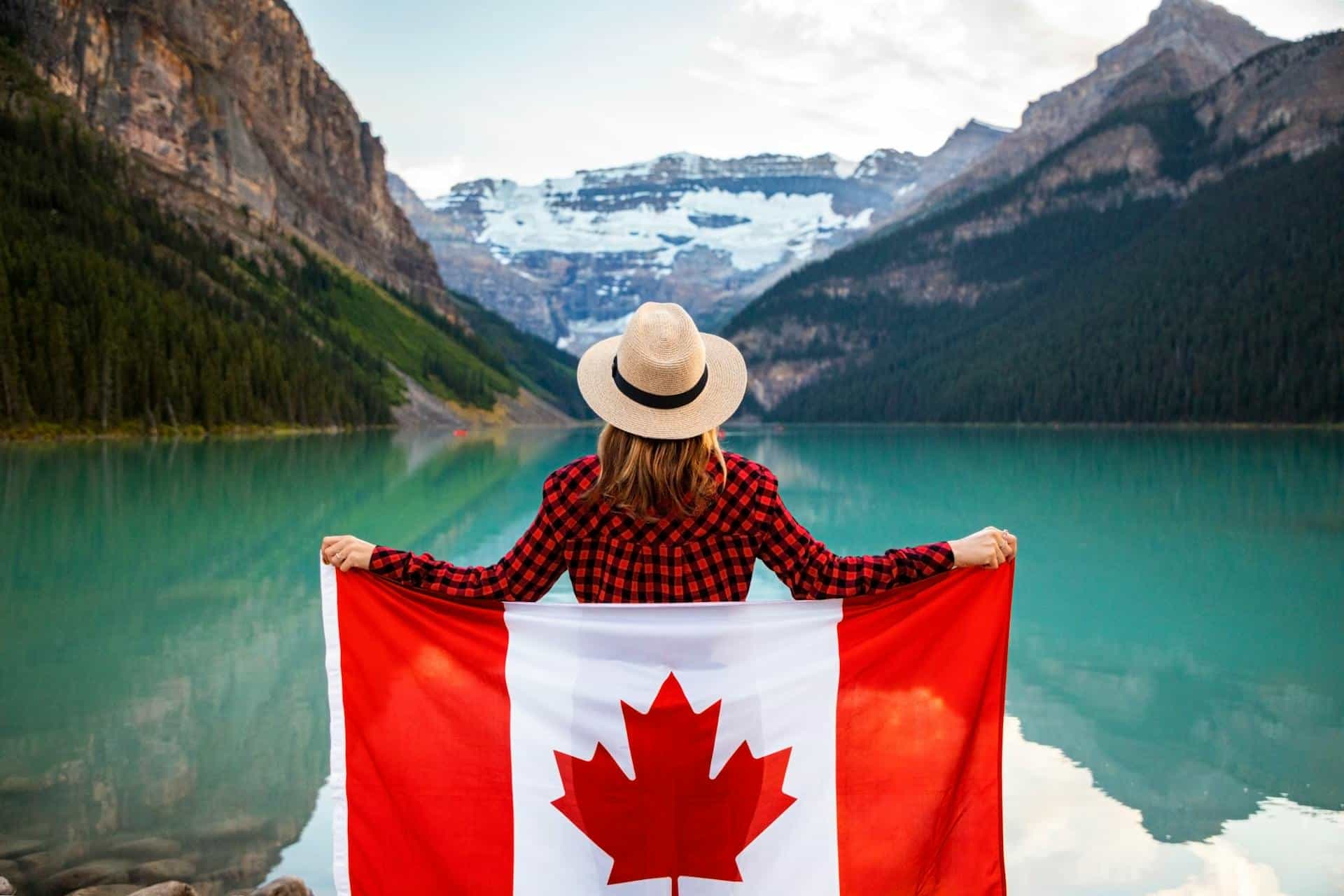
In Canada, the first major gun control measures were enacted in 1977, but laws tightened further after the massacre at the École Polytechnique, where a gunman killed 14 women. Rigid controls were introduced under the Canadian Firearms Act of 1995 – guns had to be registered, subject to background checks and stowed away in safes. But there is still gun smuggling in Canada from the United States. Even though gun crime is lower than it is in the United States, gang-related shootings are found in major cities such as Toronto. Nonetheless, Canada still has one of the lowest rates of gun deaths among Western nations.
China
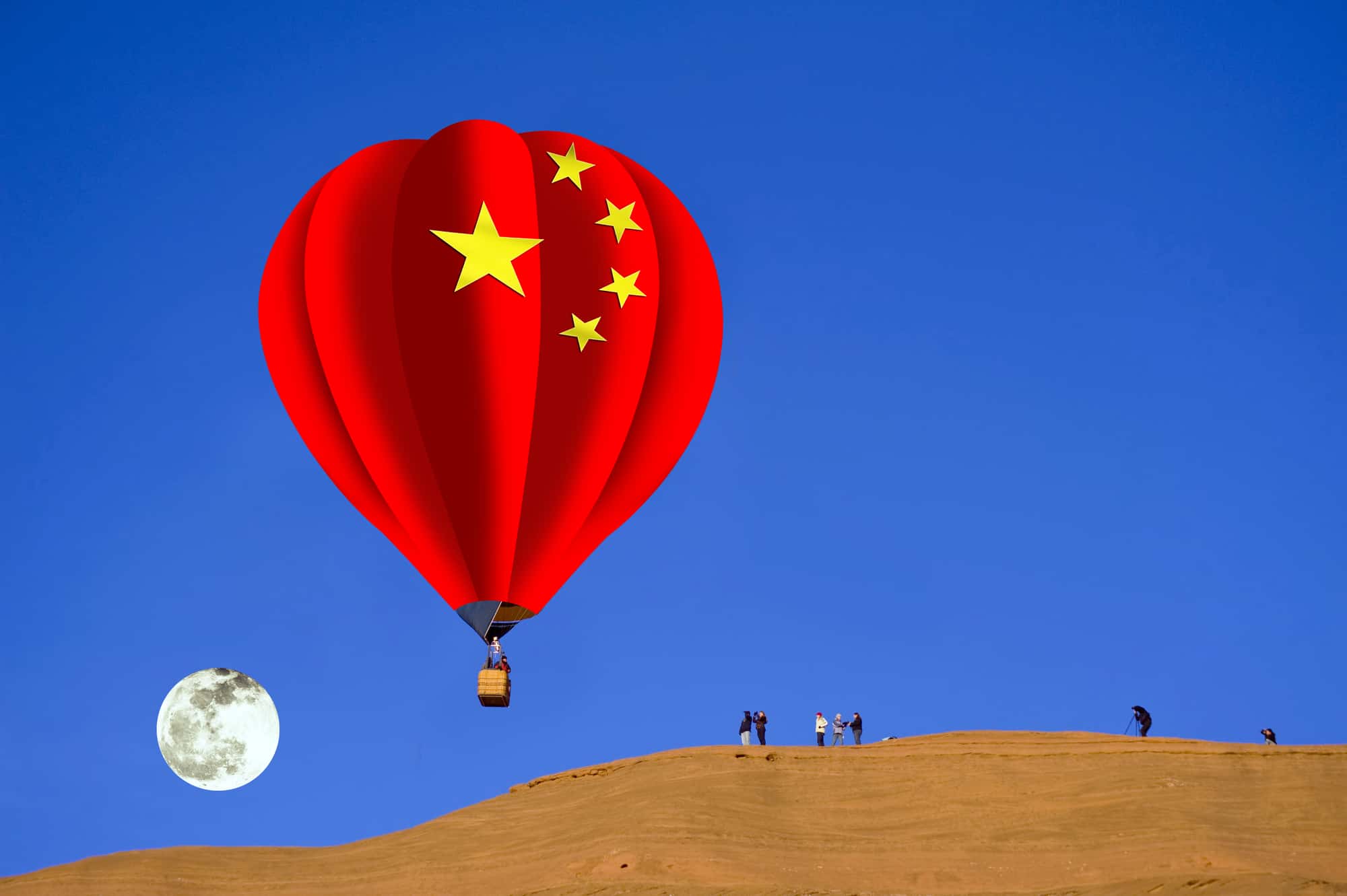
Guns are strictly banned for civilians in China. A 1996 Firearms Control Law prohibits the ownership of firearms by private citizens, save for police, military and some government officials. According to the Chinese authorities, this law is a public safety measure – with relatively low gun-related violence. But opponents insist that the government’s monopoly on force gives it license to suppress resistance (like in 1989 Tiananmen Square protests, when the Chinese army attacked unarmed civilians).
South Korea
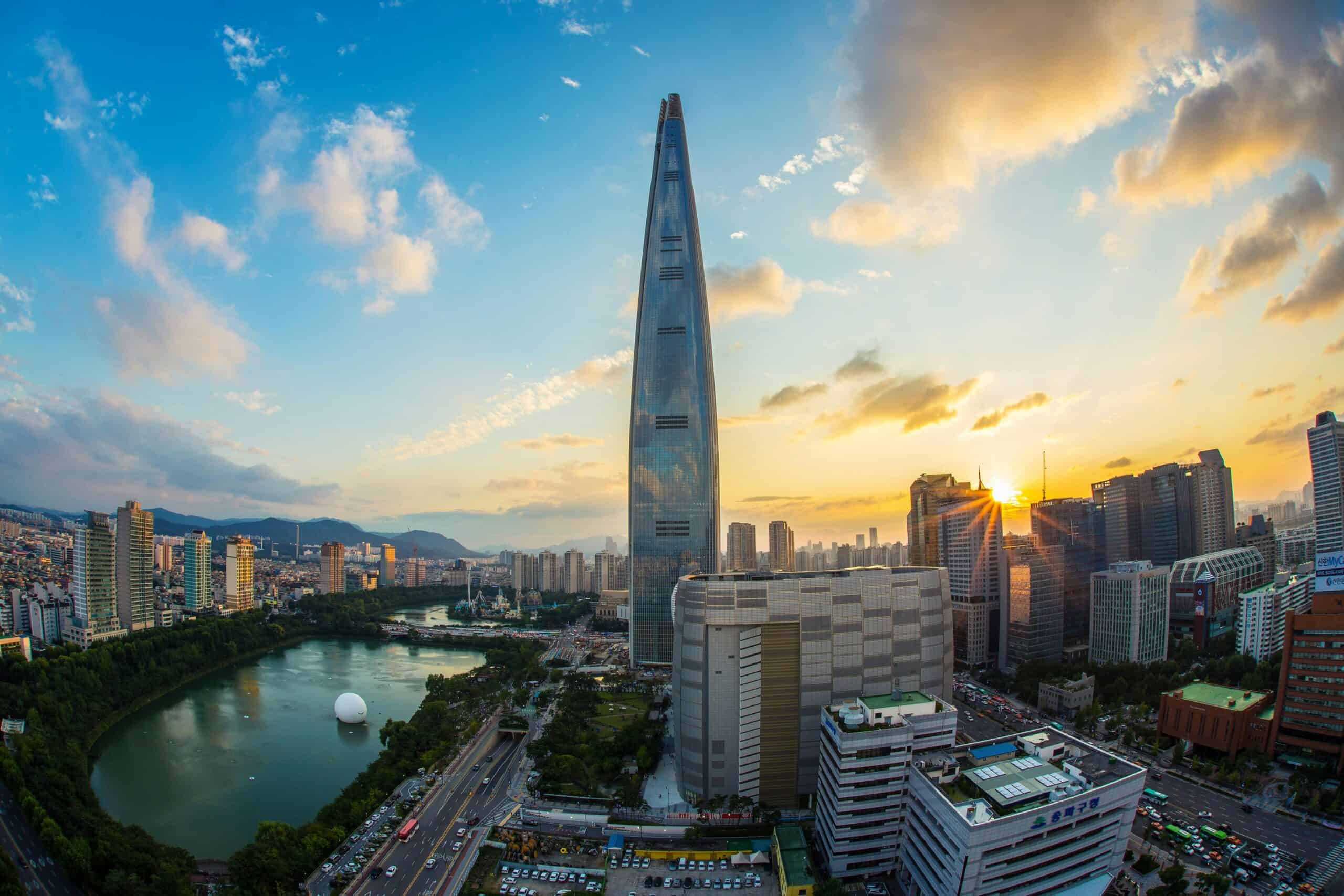
South Korea’s gun regulations are some of the toughest in the world. The country was tightly controlled in the years following the Korean War – civilians could own only hunting rifles. Guns have to be stored in police stations, even then. The laws are enacted by the Korean National Police Agency, who decides whether someone may own a weapon or not. Even the police are not seen with firearms on patrol although they’re permitted. As a result of these strict laws, South Korea has a lower gun violence – for example, in 2016, South Korea only reported five gun homicides.
Mexico
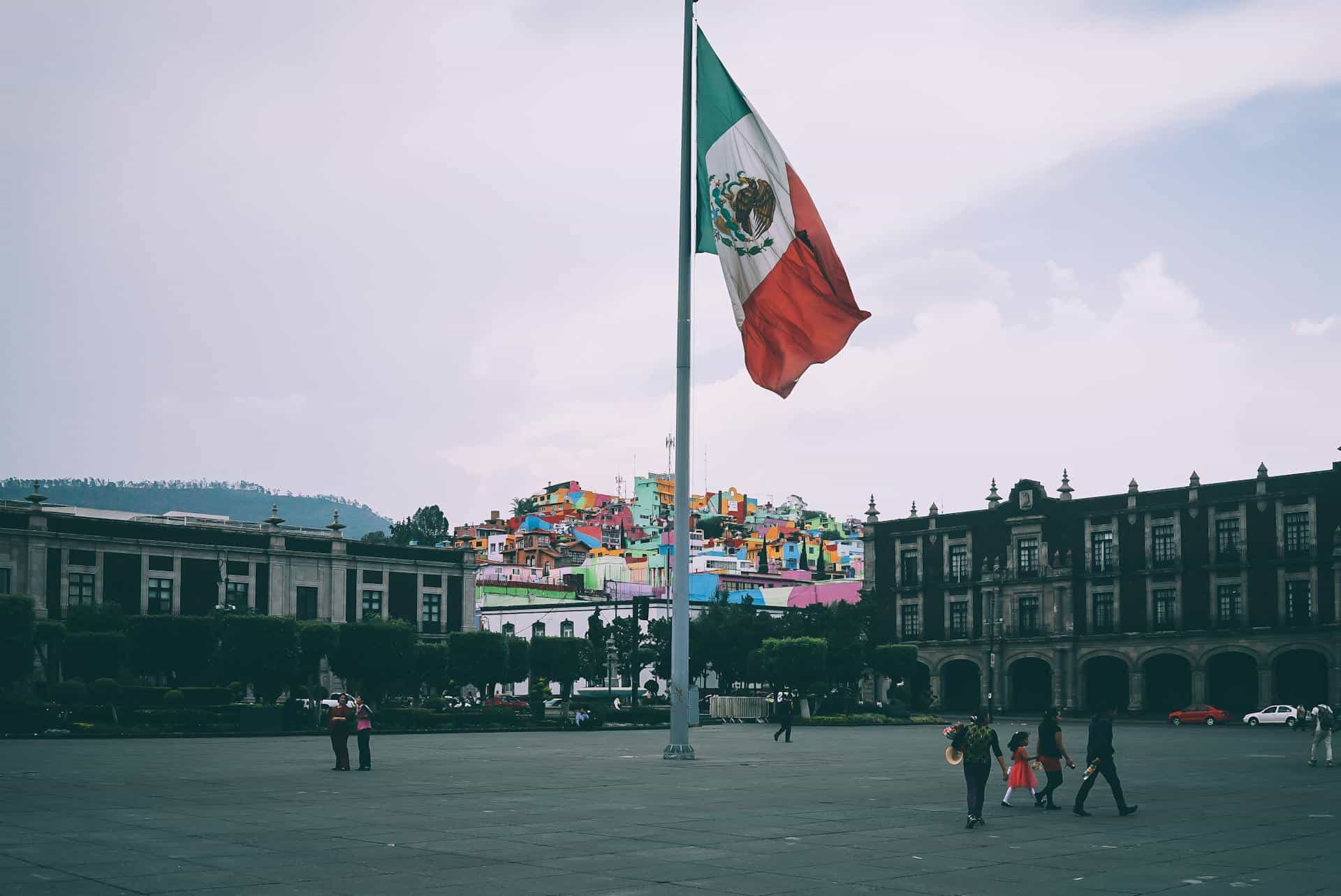
Mexico has a strict gun law, on paper, where all Mexicans need a license to possess a gun. But many believe that it’s Mexico’s cartels and other criminal networks that bring about most of the gun violence in the world. In practice, criminals get their illegal weapons quite easily because guns are smuggled from the US. Deaths due to guns have increased over the last 10 years, and cartel violence is the biggest factor behind this. What Mexico’s case shows us is how hard it can be to disarm the civilian population when illicit arms trade remains in place.
Norway
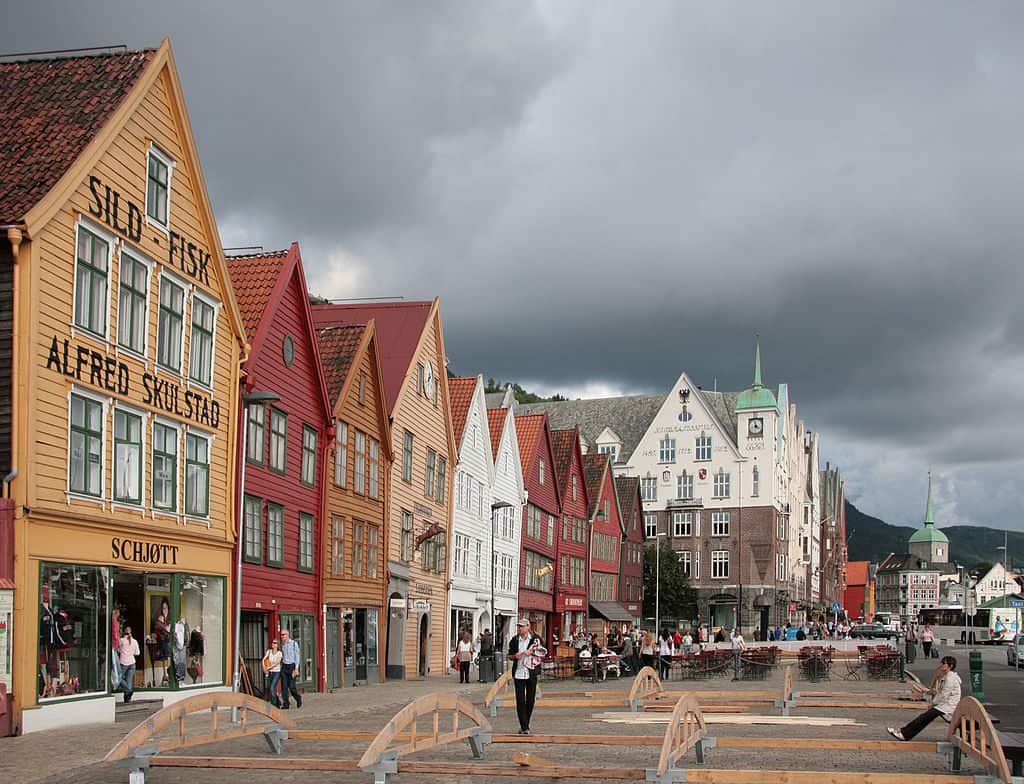
After the tragic 2011 mass shooting carried out by Anders Behring Breivik (using legally purchased firearms!) , which claimed 77 lives, Norway introduced tighter restrictions. The government banned semi-automatic rifles in 2018 – it also a implemented mandatory buyback program. Gun crime in Norway is very low at present. In fact, Norway is considered to be one of the safest countries in the world.
Disclaimer: This list is solely the author’s opinion based on research and publicly available information.
Like our content? Be sure to follow us.
Read More: